| Weight | 0.50 kg |
|---|---|
| Product Type | Book |
| Author | |
| Publisher | Darussalam |
| ISBN | 9786035002707 |
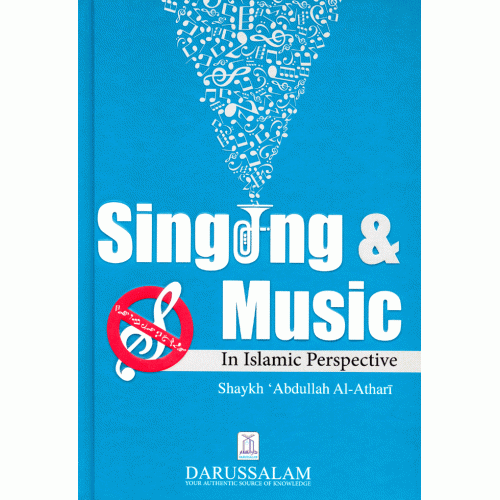
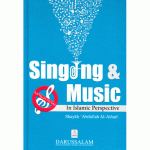
Singing and Music In Islamic Perspective (H/B)
RM60.00
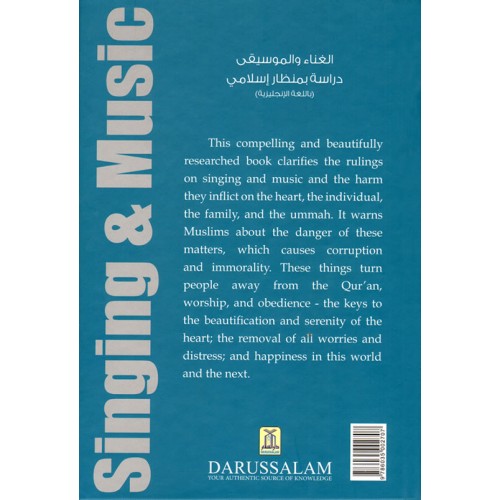
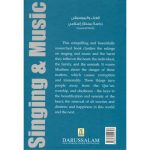
This compelling and beautifully researched book clarifies the rulings on singing and music and the harm they inflict on the heart, the individual, the family, and the ummah. It warns Muslims about the danger of these matters, which causes corruption and immorality. These things turn people away from the Qur’an, worship, and obedience – the keys to the beautification and serenity of the heart; the removal of all worries and distress; and happiness in this world and the next.
Be the first to review “Singing and Music In Islamic Perspective (H/B)” Cancel reply
You must be logged in to post a review.
Related Products
Dream Interpretation According to the Qur’an and Sunnah (P/B)
Separates the authentic Islamic teachings on dream interpretation from the myths, superstitions and fabrications being circulated on the subject. It also provides a guide for dream interpretation according to references found in the Quran and authentic hadeeths.
Since the English publication of Muhammad Al-Akili’s 508 page work entitled, Ibn Seerin’s Dictionary of Dreams: According to Islamic Inner Traditions in 1992, followed shortly thereafter by Dreams and Interpretations by Ibn Seereen, there has been an explosion of dream interpretation and interpreters among English-speaking Muslim communities in the West. On the other hand, dream interpretation has been a long established tradition in the Muslim East. However, it has become so mixed up with superstition, myths and fortunetelling, that most educated Muslims shun this area. The fact of the matter is that dream interpretation is mentioned in the Quran and was regularly practised by the Prophet (pbuh), himself. Consequently, there is a real need to understand this subject, especially, considering that humans spend about a third of their lives sleeping.
Islam A Total Beginners Guide – Part Two (P/B)
In present era we are facing lot of questions:
• What is status of women in Islam?
• Who is superior – man or women?
• What does Islam say about inter-religious marriages, man’s treatment towards his wife and privacy in homes?
• What does Islam say about dress, veil, clothing and ornaments, perfumes and the wisdom of banning gold and silk for men?
This beginner’s guide to Islam answers all such questions.
In Search of God (P/B)
Some thinkers has said, ‘A smattering of knowledge turns people away from God. Grater knowledge brings them back to Him’. The author concludes in this book by examining various theories that the choice humanity have is not between the universe with God and the universe with God and the universe without God. The real option is between the universe with God and no universe at all. Therefore humanity is compelled to opt for the proposition the universe with God. Hence it is logical to say I exist, therefore, God exists.
Dreams of the Prophets and the Righteous
Originally written in Arabic by Abdul Mun’im al Hashmi. It is like an encyclopedia of dreams. It tells us how we should behave on seeing a dream and how they may be interpreted. There are dreams of the Prophets and the Righteous men, and the dreams of the Prophet and his Sahabah. Some dreams of non-Muslims also find place in this book. The author also informs as to what various things like animals, birds and certain chapters of the Qur’an would mean if seen in a dream.
A Brief Illustrated Guide to Understanding Islam (P/B)
Discusses some evidence for the truth of Islam, the scientific miracles in the Holy Qur’an, and the great challenge to produce a single chapter like the chapters of the Holy Qur’an.
Ibn Taymeeyah’s Essay on the Jinn (P/B) ASN
Dr. Abu Ameenah Bilal Philips has rendered Ibn Taymiyah’s treatise, Eedaah-ud-Dalaalah fee ‘Umoom-ir-Risaalah, from volume 19 of Majmoo‘-ul-Fataawa into very readable English. This abridged and annotated translation is significant in that it is perhaps the first book available in English exclusively on the topic of spirit-possession and exorcism in Islam.
Ahmad ibn ‘Abdul-Haleem ibn Taymeeyah was bron in the town of Harran [near Edessa, in what was once Northern Iraq, but is now called Orfa and is a part of Turkey.], in the year 1263 CE. His father was a leading scholar of the Hanbalite school of Islamic law and so was his grandfather, who authored Muntaqaa al-Akhbaar, the text of ash-Shawkaanee’s Hadeeth classic Nayl al-Awtaar.
Ibn Taymeeyah mastered the various disciplines of Islamic study at an early age and read extensively the books of the various sects and religions in existence at that time. Much of his time and effort was spend defending the orthodox Islamic position against a tidal wave of deviation which had swept over the Muslim nation. Consequently, he faced many difficulties from both the prominent sectarian scholars of his time and from the authorities who supported them. His clashes with them led to his imprisonment on numerous occasions. Ibn Taymeeyah also fought, not only against internal enemies of Islaam, but also against its external enemies by both his Fatwaas (Islamic legal rulings) and his physical participation in battles. His ruling allowing the taking up arms against groups which recognized the Shahaadataan (declaration of faith) but refused to uphold some aspects of the fundamental principles of Islaam, greatly affected the resistance movement against the Tartars who had declared their acceptance of Islaam but did not rule according to divine law.
During these struggles he wrote countless books and treatises demonstrating his extensive reading and knowledge, not only of the positions of the early scholars, but also those of the legal and theological schools which had subsequently evolved. Ibn Taymeeyah also had a major effect on the open-minded schoars of his day, most of whom were from the Shaafi’ite school of law. Among the most famous of his students were IBN KATHEER, ADH-DHAHABEE and IBN AL-QAYYIM. The author died in 1328 while in prison in Damascus for his Fatwaa against undertaking journeys to visit the graves of saints [Ibn Taymeeyah’s ruling was based on the authentic statement reported by Abu Hurayrah wherein the Prophet Muhammad (sallallaahu alayhi wasallam) said, “Do not undertake a journey except to three masjids; this masjid of mine, Masjid al-Haraam (Makkah) and Masjid al-Aqsaa (Bayt al-Maqdis).” Collected by Al-Bukhaaree and Muslim]. His Fatwaa had been distorted by his enemies to say that he forbade visiting the Prophet Muhammad’s (sallallaahu alayhi wasallam) grave.
Muslim Unification at Time of Crisis
This book authored by one of the great scholars of our time is an advice to the people of Ahulul ?Sunnah wal-Jamaah to unify and be merciful to each other, and cooperate upon righteousness and taqwa.
Let Us Be Muslims (P/B)
LET US BE MUSLIMS is a new edited English version of Sayyid Mawdudi’s Urdu Khutubat. It is no ordinary book, says Khurram Murad in his long Introduction, for it has stirred more hearts and impelled more lives to change their course than any of his more erudite works. In these Friday congregational addresses, Sayyid Mawdudi expounds such familiar themes as Iman, Islam, the Prayer, Fasting, Almsgiving, Pilgrimage and Jihad. But, in an unusually beautiful, powerfully reasoned, eloquent and passionate, and yet simple and lucid style,
“Sayyid Abul A’la Al-Mawdudui (1903-1979), one of the chief architects of contemporary Islamic resurgence, was the an outstanding Islamic thinker and writer of his time. He devoted his life to expound the meaning and message of Islam and to organise a collective movement to establish the Islamic Order. In this struggle, he had to pass through all kinds of sufferings.
Between 1948-67, he spent a total of five years in different prisons of Pakistan. In 1953, he was also sentenced to death by a Martial Law court for writing a ‘seditious’ pamphlet, this sentence being later commuted to life imprisonment. In 1941, he founded Jama’at-I Islami, of which he remained Amir, until 1972 and which is one of the most prominent Islamic movements of our day. He authored more than one hundred works on Islam, both scholarly and popular, and his writings have been translated into forty languages.”
Philanthropy and Social Justice in Islam (P/B)
This book analyses the principles and practices of philanthropy and distributive justice in Islam. It argues, with analyses and examples, that the accomplishment of purposive philanthropy, as commanded by the fundamental tenets of Islam, through the professionalization and rationalization of zakat management, modernization of awaqaf, etc. has the potential of optimizing justice in Muslim societies. The work draws on the Quran, Hadithe, other authentic literature, and also on official documents and publications of management agencies dealing with philanthropy in different Muslim countries/societies. The analyses are documented enough to be used as a text for the study of philanthropy in Islam in tertiary institutions nonetheless are simple enough to draw general readership and to be used by non-profit and international organizations worldwide in order to order to understand the principles and issues of philanthropy and distributive justice in Muslim societies.
Prophet Muhammad: A Blessing for Mankind
Prophet Muhammad (blessings and peace of Allah be upon him) and the lessons he taught us from the continued hardships he underwent in every stage of his life are a real blessing for humankind. Being an orphan child made him compassionate to widows and orphans as well as to the poor. His multiple marriages strengthened the ties of kinship amongst the different tribes, dissolving long-standing enmity. His message and prophethood were challenged by the polytheistic society in Makkah, forcing him and his few followers to emigrate to Madinah. Despite his illiteracy and the struggles he faced, he conveyed Allah’s Book, the Noble Qur’an, to all humanity, teaching them the values and principles that are presently adopted by billions of Muslims throughout the world. In the Qur’an, Allah, the Almighty addresses the Prophet (blessings and peace of Allah be upon him), saying: {We have sent you only as a mercy to the worlds.} (Qur’an 21: 107)
Means of Steadfastness in Islam
Steadfastness and patient perseverance in Allah’s religion is a basic requirement that should be met by every sincere Muslim who wants to stick to the Straight Path with understanding and determination. Muslims today face many temptations and distractions. Those who consciously seek the means of steadfastness will succeed and those who are negligent will, sadly, suffer the doubts and confusion which are more severe now than ever before. Happy are those who seek the way out and join the righteous, dedicated Muslims, and who spare no effort to learn their religion and remain steadfast. This valuable book
deals with all these issues and points out the means of steadfastness that every Muslim should learn and practice. The author also discusses common worldly distractions and explains how to deal with them.
Recently Viewed
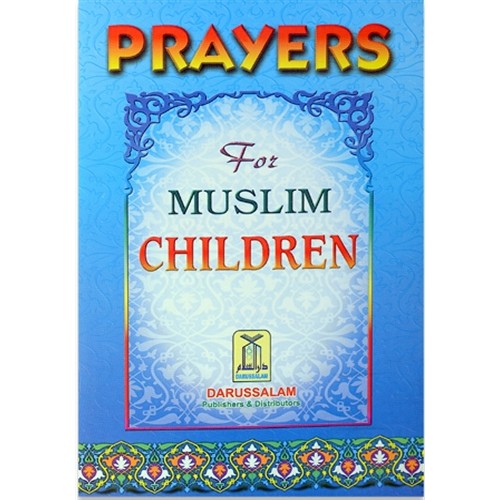
Prayers for Muslim Children (P/B)
Full colour booklet of prayers for Muslim children. Includes English, Arabic, plus English transliteration for pronunciation. All the glorifications and praises are for ALLAH alone, and His countless Blessings be upon the last Prophet, Muhammad صلی الله علیه وآلهِ وسلم. To bring up a child under the blessings of ALLAH, it is necessary that from an early age we should introduce them to the ways of invoking our Lord, the Magnificent, the Beneficent.
All of the invocations, praises and mentioning of ALLAH presented in this book are related from the Sahih Ahadith of our beloved Prophet Muhammad صلی الله علیه وآلهِ وسلم. May ALLAH fulfil our wishes and make our efforts successful in this regard. Amin.
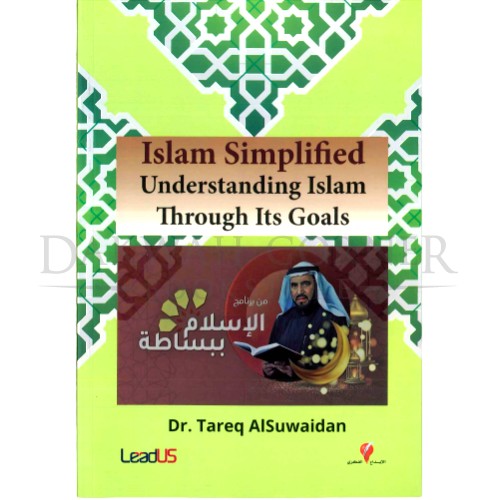
Islam Simplified: Understanding Islam Through Its Goals
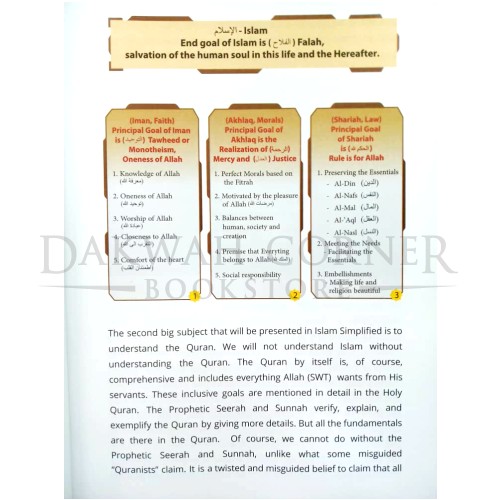
Islam Simplified introduces Islam simply and comprehensive by presenting the overall framework of Islam that highlights the goal-oriented view of Islam so that Muslims and non-Muslims will understand clearly the “Why” of Islam.
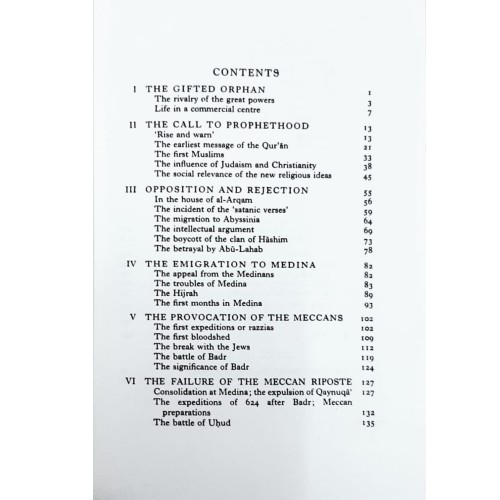
Muhammad, Prophet and Statesman (P/B)
A short account of the life and achievements of one of the great figures of history, this volume also serves as an excellent introduction to one of the world’s major religions.
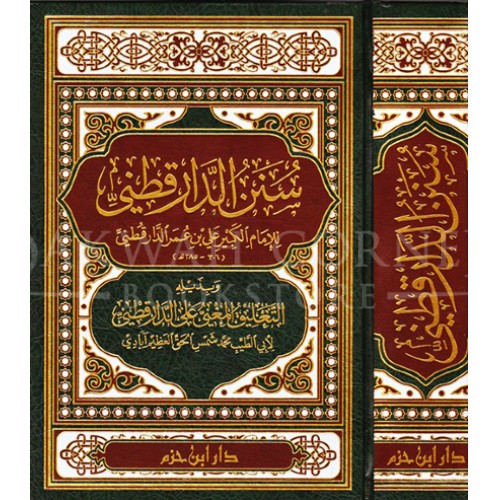
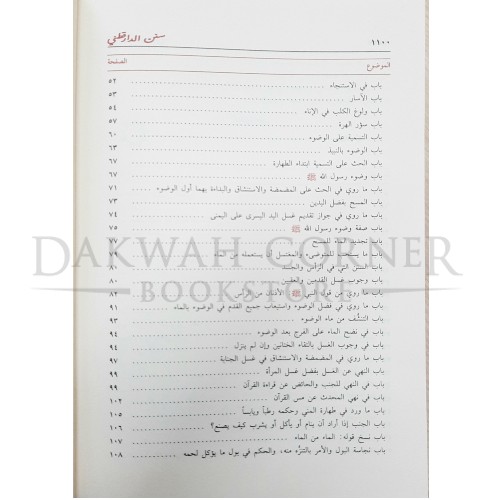
[HH] Sunan al-Daraqutni / سنن الدارقطني
كتاب هام في علم الحديث إذ أن مصنفه هو الحافظ الدارقطني، فهو كتاب عظيم في علم الحديث الشريف . وقد علق عليها المؤلف واكتفى فيها على تنقيد بعض أحاديثه وبيان علله ، وكشف بعض مطالبه على سبيل الايجاز والاختصار .
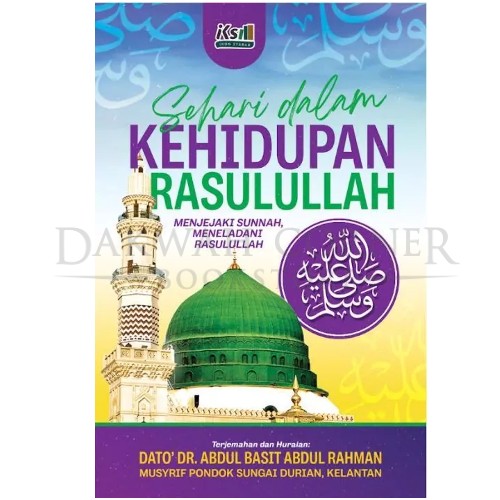
Sehari Dalam Kehidupan Rasulullah
“Dan bahawa sesungguhnya engkau ( Yakin Muhammad SAW) mempunyai akhlak yang amat mulia.”
(Surah al-Quran: 4)
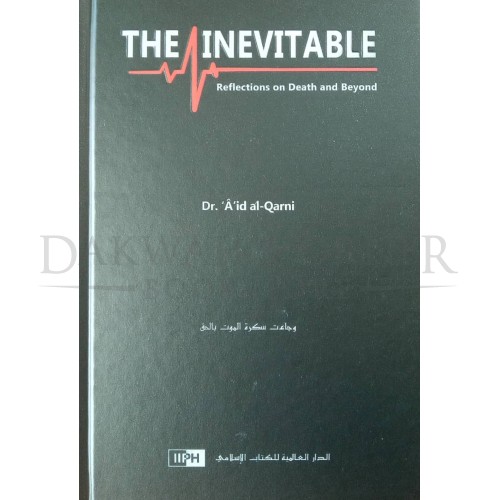
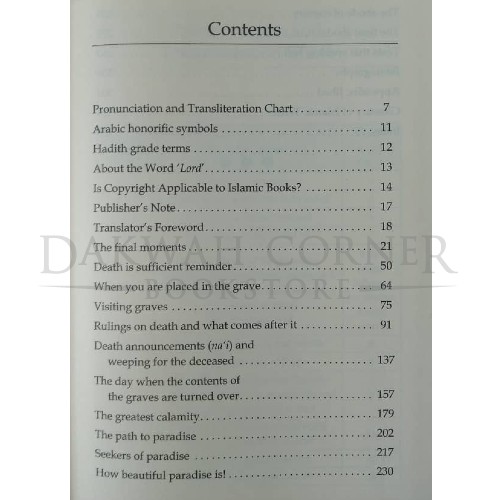
The Inevitable Reflections on Death and Beyond (H/B) – IIPH
The Inevitable – Reflections on Death and Beyond, authored by Dr. Aid al-Qarni is a timely reminder of death, for thinking of death deters one from persisting in sin and prompts one to do righteous deeds that may lead one to paradise, whereas forgetting about death may lead to one following whims and desires, and committing evil deeds that could lead one to hell.
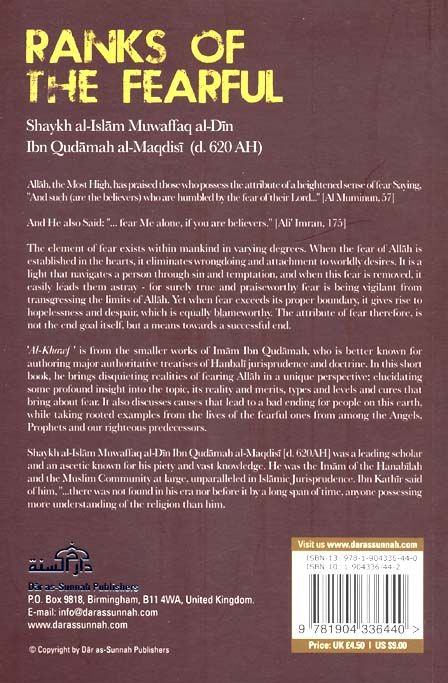
Ranks of the Fearful (P/B)
Ranks of The Fearful by Shaykh Al Islam Muwaffaq Al Din Ibn Qudamah Al Maqdisi (Died 620 Hijri) Allah, the Most High, has praised those who possess the attribute of a heightened sense of fear Saying, “And such (are the believers) who are humbled by the fear of their Lord…” (Al Muminun, 57) And He also Said: “… fear Me alone, if you are believers.” (Ali’ Imran, 175) The element of fear exists within mankind in varying degrees. When the fear of Allah is established in the hearts, it eliminates wrongdoing and attachment to worldly desires. It is alight that navigates a person through sin and temptation, and when this fear is removed, it easily leads them astray – for surely true and praiseworthy fear is being vigilant from transgressing the limits of Allah. Yet when fear exceeds its proper boundary, it gives rise to hopelessness and despair, which is equally blameworthy. The attribute of fear therefore, is not the end goal itself, but a means towards a successful end. ‘Al-Khawf ‘ is from the smaller works of Imam Ibn Qudamah, who is better known for authoring major authoritative treatises of Hanbali jurisprudence and doctrine. In this short book, he brings disquieting realities of fearing Allah in a unique perspective; elucidating some profound insight into the topic, its reality and merits, types and levels and cures that bring about fear. It also discusses causes that lead to a bad ending for people on this earth, while taking rooted examples from the lives of the fearful ones from among the Angels,Prophets and our righteous predecessors.
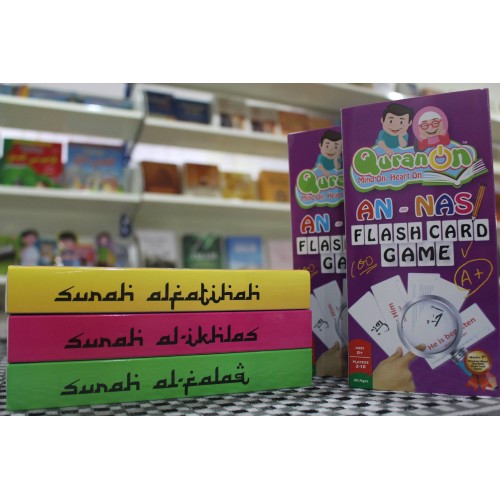
An-Nas Quran On Flash Card Game
Introducing our NEW QuranOn Flash Card Game that will enhance our understanding on the Arabic words, translations, makhraj, tajweed, grammar, meaningful contents and many more.
✔ Recite the verse in the surah clearly from one word to another.
✔ Combination of Arabic alphabets from word by word in the surah to the beginners.
✔ Translation for the each word.
[MM] Anti Aydan Sohabiyyah / أنتِ أيضا صحابية
أنت الحضن الحنون الذي نأوي إليه هاربين من مشقة الحياة وأنت الكتف الذي لا نستغني عن الاتكاء عليه رغم رقته وأنت العكاز الذي لا نستغني عن الاستناد عليه رغم نعومته
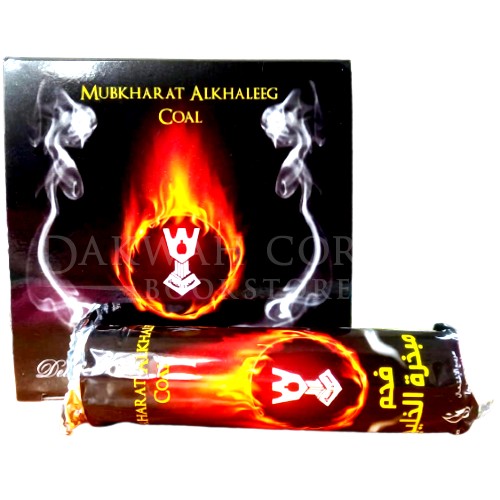
Mubkharat Alkhaleeg Coal
Crafted in a compact size and rounded shape for easy usage and convenient storage. Specially packaged in an airtight carton box to maintain coal freshness hence ensure burning efficiency.
Product Specification:
- Burning Longer
- Ignites Quickly
- Odorless & Smokeless
- 1 box/40 pieces
Singing and Music In Islamic Perspective (H/B)
This compelling and beautifully researched book clarifies the rulings on singing and music and the harm they inflict on the heart, the individual, the family, and the ummah. It warns Muslims about the danger of these matters, which causes corruption and immorality. These things turn people away from the Qur’an, worship, and obedience – the keys to the beautification and serenity of the heart; the removal of all worries and distress; and happiness in this world and the next.


There are no reviews yet.