



![[SB] Rasail Mina Sahabah / رسائل من الصحابة](https://shop.dakwahbookstore.com/wp-content/uploads/2024/05/website-500x500-1-9.jpg)
| Weight | 0.430 kg |
|---|---|
| Dimensions | 25 × 17 × 1.2 cm |
| Publisher | Dar Taibah Al Khadhrah |
| Pages | 160 |
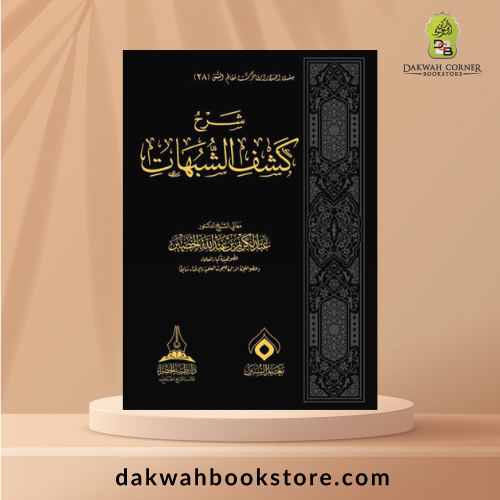
[AAC] Sharh Kashf Al Shubahat Lilkhudair /شرح كشف الشبهات للخضير
RM50.00
Hurry up, Only 1 left.
somdn_product_page
Compare
Additional information
Reviews (0)
Be the first to review “[AAC] Sharh Kashf Al Shubahat Lilkhudair /شرح كشف الشبهات للخضير” Cancel reply
You must be logged in to post a review.
Related Products
[AC] Sharh Al Aqidah Al Wasatiah / شرح العقيدة الواسطية
Highlights:
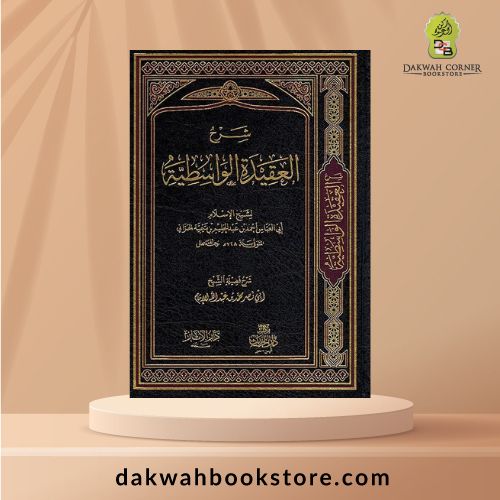
شرح كتاب العقيدة الشهير للشيخ ابن تيمية والذي تم شرحه عدة مرات، هذا شرح جديد للشيخ أبي نصر الإمام.
RM115.00
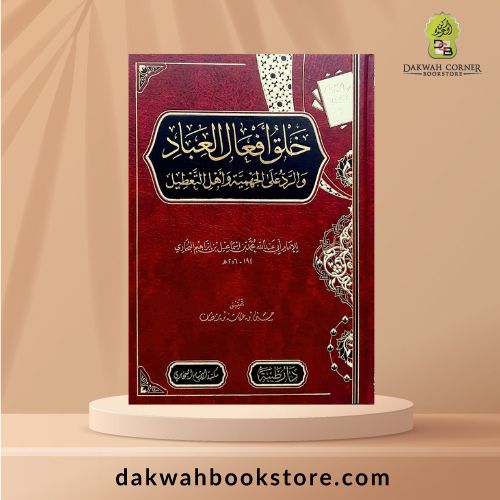
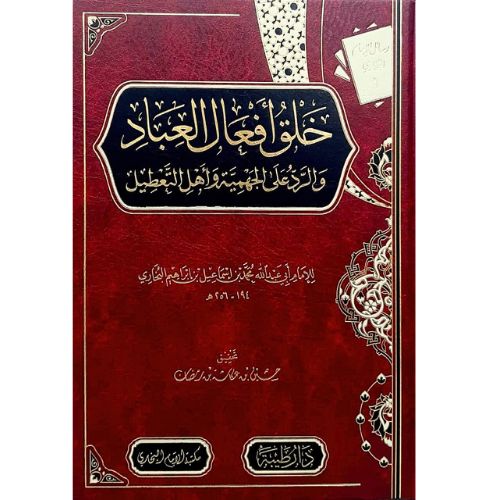
[AC] Khalqu Afali Ibadi / خلق أفعال العباد
Highlights:
بدأ الكتاب بذكر أقاويل أهل السنة في الجهمية وتكفير من يقول بقولها
تناول في الباب الثاني الكلام في مسألة خلق الأفعال، وأثبت أن أفعال العباد مخلوقة، وقام بالرد على الجهمية في هذا
يعد الكتاب أصلًا من الأصول التي احتفظت لنا بجملة كبيرة من أقاويل أئمة السلف من الصحابة والتابعين في فرقة الجهمية ومن قال بقولها، وبيَّن لنا الكتاب كذلك الطريقة المثلى في الرد على أهل البدعة.
يلاحظ كذلك كثرة تعليقات المصنف على ما يورده من نصوص، وأنه لم يكتف بسرد النصوص فحسب، بل كانت له كذلك ردود على الشبهات التي يلقيها الجهمية
RM125.00
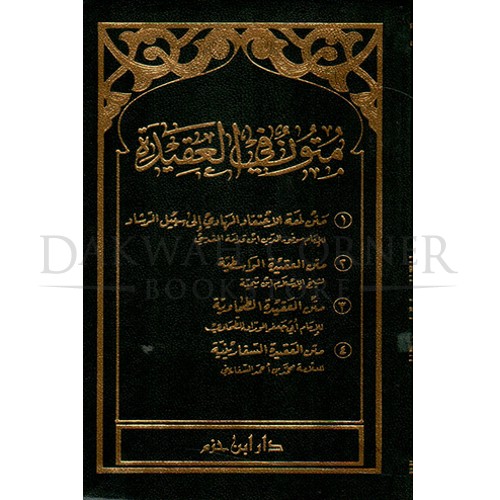
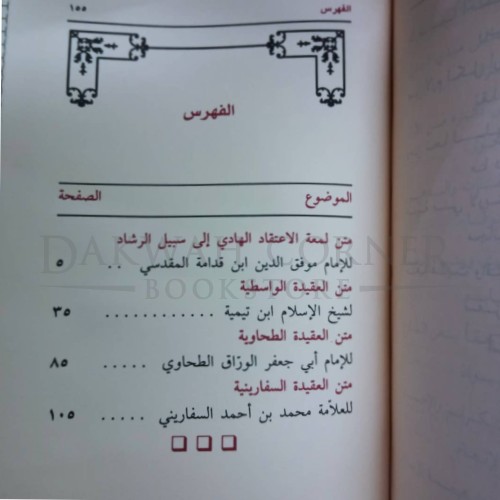
[AC] Mutunun Fi Aqeedah / متون في العقيدة
Highlights:
متون النحو (الآجرومية وملحة الإعراب ) لونان ـ شاموا ( 10×15 فلكسي )
RM20.00
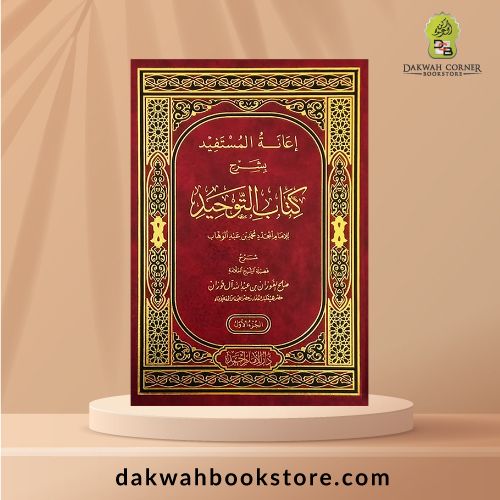
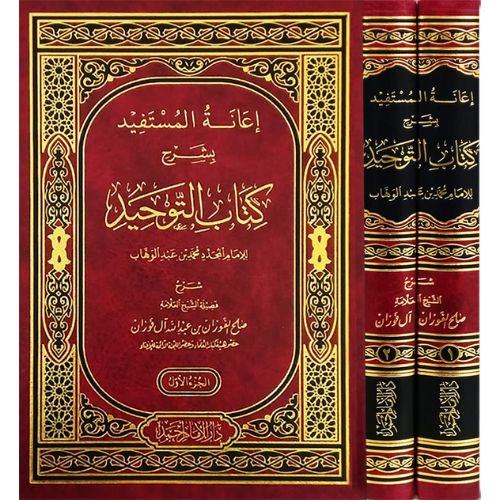
[AC] I’anatul Mustafid bi Sharh Kitab Al Tawhid 2 Vol / إعانة المستفيد بشرح كتاب التوحيد للإمام المجدد محمد بن عبد الوهاب
Highlights:
شرح كتاب التوحيد للشيخ الفوزان شرح معاصر بعبارة مُيسّرة لكتاب التوحيد للإمام المجدد محمد بن عبد الوهاب رحمه الله
RM199.00
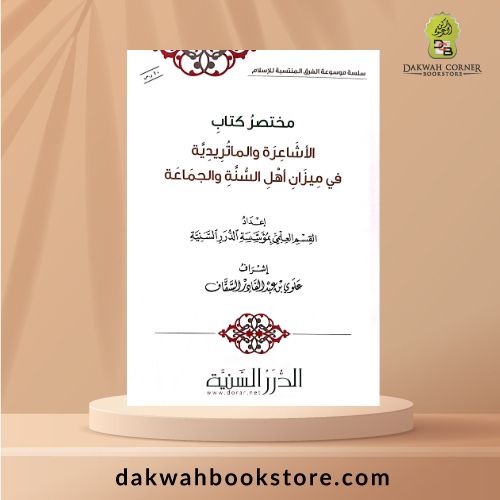
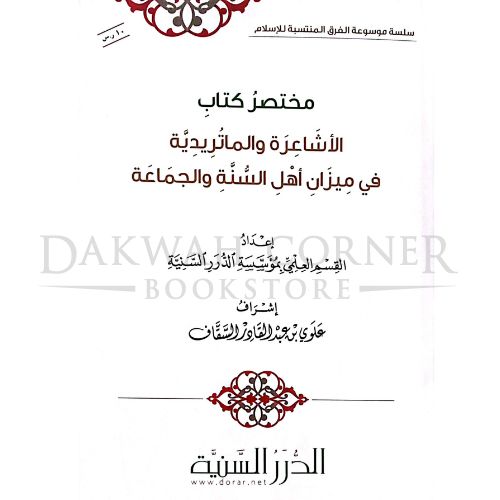
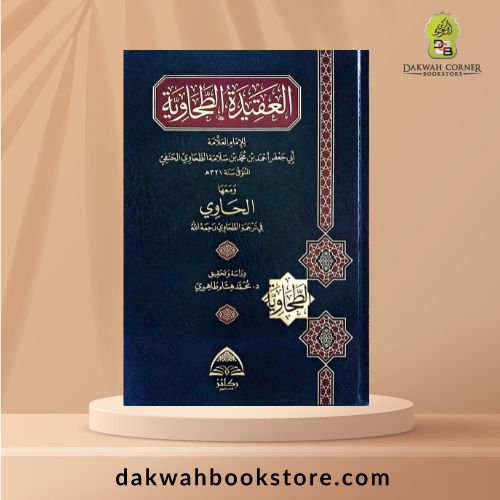
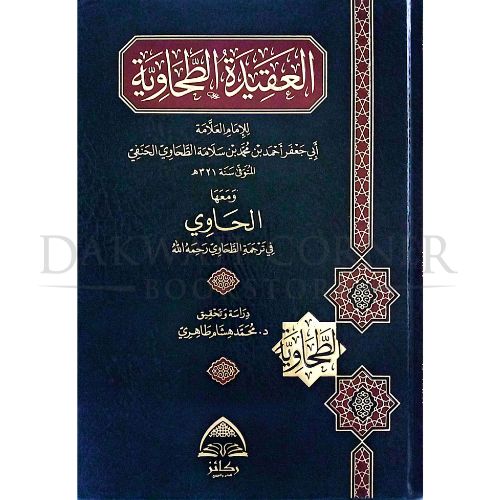
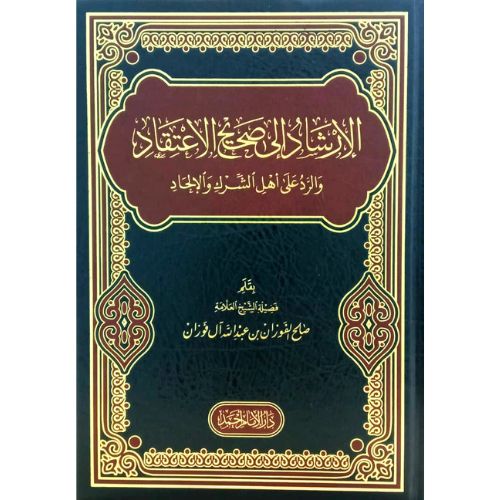
[AC] Al-Irsyaadu ila Sohihu Al-I’tiqhadu (الإرشاد إلى صحيح الاعتقاد )
Highlights:
الإرشاد إلى صحيح الاعتقاد والرد على أهل الشرك والإلحاد
دار الامام احمد
RM70.00
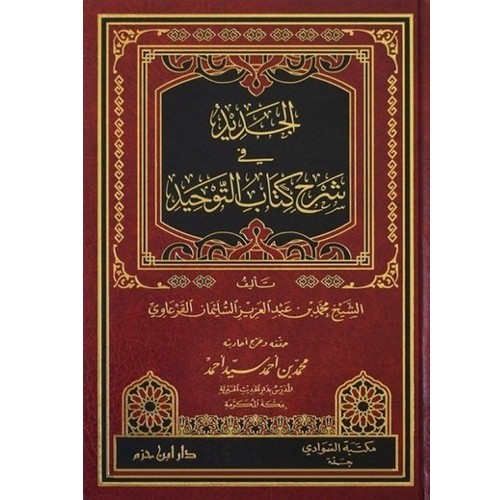
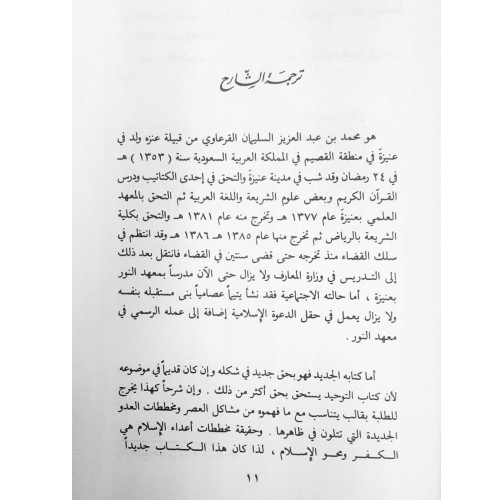
[AC] Al-jadid Fi Sharhu Kitab At-tauhid (الجديد في شرح كتاب التوحيد)
Highlights:
الثاني المتوسط:
– الفصل الأول: من: أول باب (قول الله تعالى: حتى إذا فزع عن قلوبهم). – إلى: آخر باب (ما جاء في حماية المصطفي صلى الله عليه وسلم جناب التوحيد).
– الفصل الثاني: من: أول باب (ما جاء أن بعض هذه الأمة يعبد الأوثان). – إلى: آخر باب (ما جاء في قول الله تعالى: وعلى الله فتوكلوا).
RM76.00
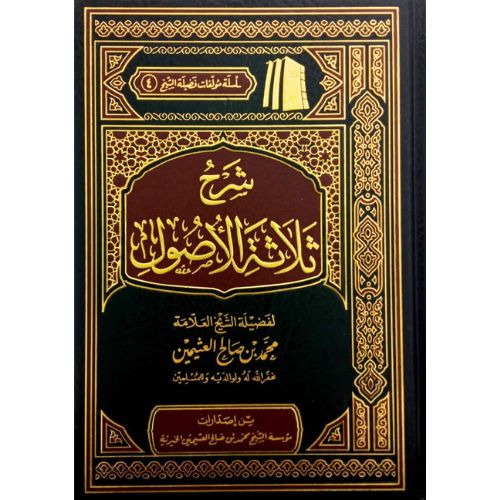
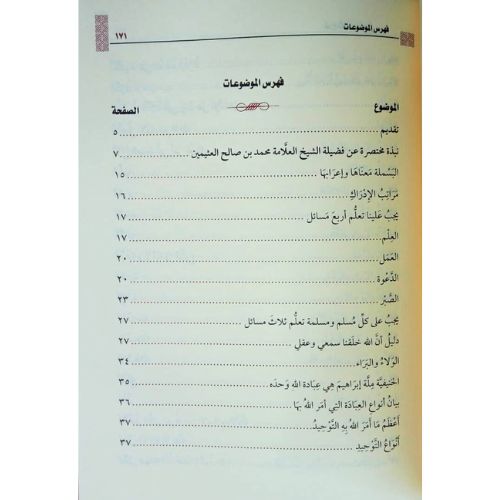
[AC] Sharh Thalathah Al Usul / شرح ثلاثة الأصول
Highlights:
شرح ثلاثة الأصول ـ الشيخ العثيمين
RM48.00
Recently Viewed
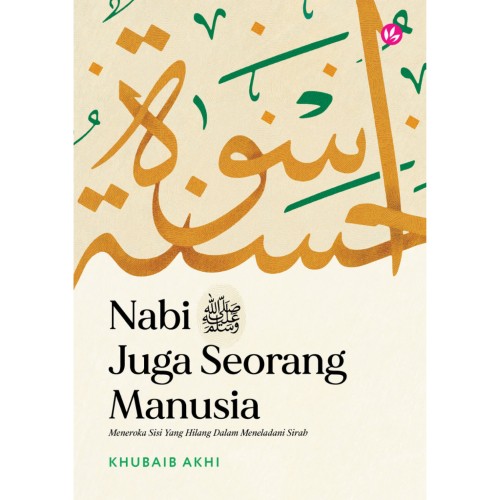

Nabi ﷺ Juga Seorang Manusia
Highlights:
Meneroka Sisi Yang Hilang Dalam Meneladani Sirah
Sisi manusiawi Nabi SAW yang selalunya tersembunyi; bagaimana jika kita berkenalan semula dengan Baginda SAW—sebagai seorang manusia?
Baginda SAW insan maksum, namun turut memiliki fitrah semula jadi seperti kita.
RM35.00
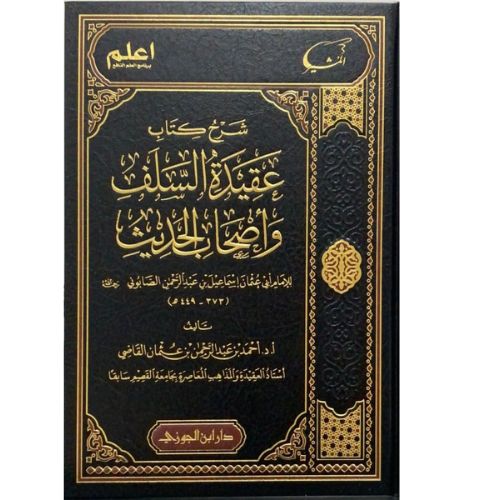
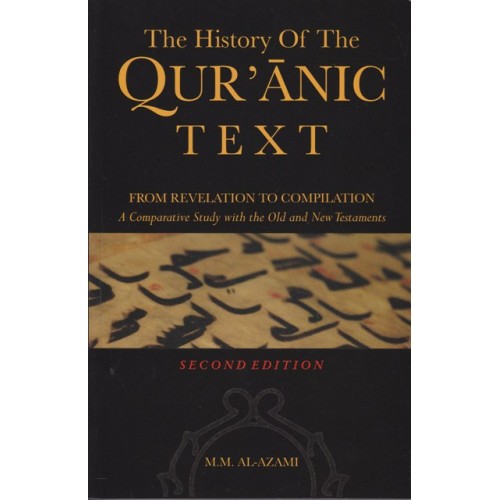
The History of the Qur’anic Text (P/B) (IBT)
Highlights:
The Qur’an reigns supreme in Muslim hearts as the most sacred of texts: a profusion of exalted ideas to rouse the mind, noble histories to stir the soul, universal truths to awaken the conscience and precise injunctions directing humanity to its own deliverance, all distilled into the melodious essence that is the Word of Allah. Through fourteen centuries Muslims have persevered in championing the text against corruption, memorising its every word and contemplating its every phrase, so that in our own times untold millions have enthusiastically committed each letter to heart.
Beginning with a catalogue of ancient and contemporary attacks on the Qur’an, this expansive book provides unique insights into the holy text’s immaculate preservation throughout its history, as well as exploring many of the accusations leveled against it. The reception of divine revelations, Prophet Muhammad’s role in teaching and disseminating these verses, the text’s compilation under his guidance and the setting of its final external shape shortly after his death, are meticulously and scientifically examined alongside such topics as the origins of Arabic, its paleography and orthography, the so-called Mushaf of Ibn Mas’ud, and the strict methodology employed in assembling textual fragments.
By way of comparison the author investigates the histories of the Old and New Testaments, relying entirely on Judaeo-Christian sources including the Dead Sea Scrolls and uncovers a startling range of alterations that touch almost every fact of the Biblical Scriptures. Using this as a springboard for assessing Western theories regarding the Qur’an, he makes a sophisticated yet passionate case for questioning the aims of Western scholarship in continuously undermining Islam’s holy book, and illustrates convincingly that such research, motivated by more than mere curiousity, has no scientific bearing on the Qur’an’s integrity.
This monumental effort, a scholarly work composed in an impassioned tone, provides a welcome foundation for sincere study at a time when assailing the Qur’an has become all too common.
A cornerstone addition to any personal library. A Truly monumental effort. This work presents a cogent and powerful argument for the Qur’an’s unique inviolability.
RM79.00
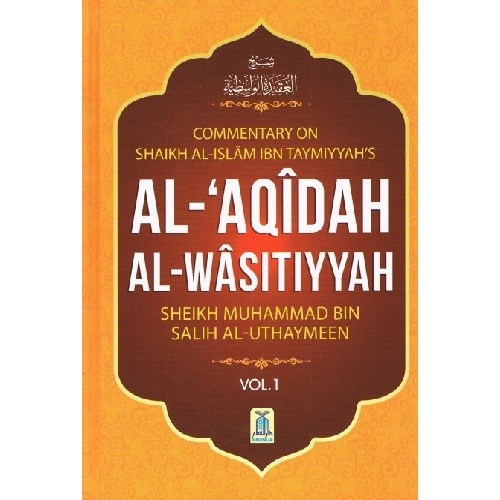
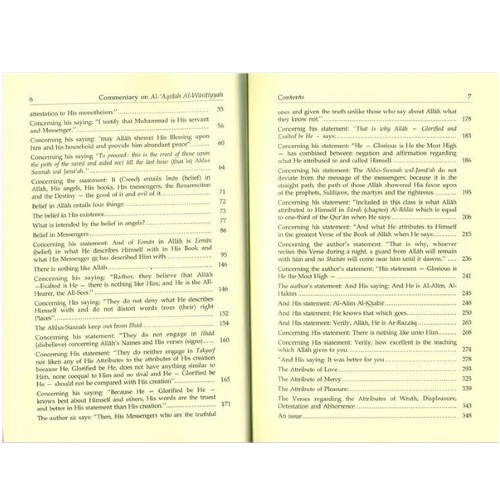
Al Aqidah Al Wasitiyah (2 Volumes)
5 ★
5 ★
1 Rating
5 ★
1
4 ★
0
3 ★
0
2 ★
0
1 ★
0
Highlights:
Commentary on Shaikh Al Islam IBN Taymiyyah’s AL-AQIDAH AL WASITIYYAH SHEIKH MUHAMMAD BIN SALIH AL-UTHAYMEEN
A detailed commentary/explanation of the famous writing of Shaikh Al-Islam Ibn Taymiyyah, al-Aqeedatul-Wasitiyah, done by the noble Shaykh, Muhammad Ibn Saalih al-‘Uthaymeen (Rahimahumullaah).
Two volumes contain a detailed study/explanation on the topic of creed/aqeedah (belief in oneness of Allah).
RM150.00
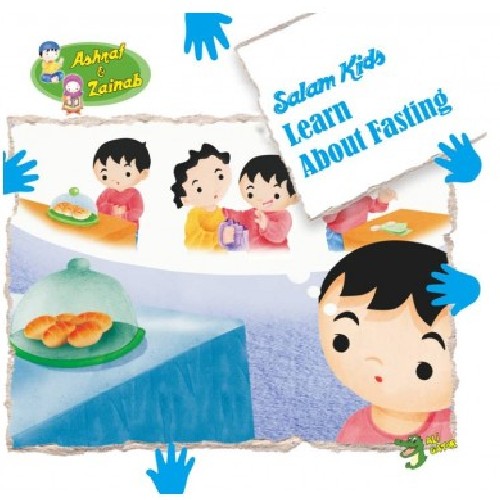
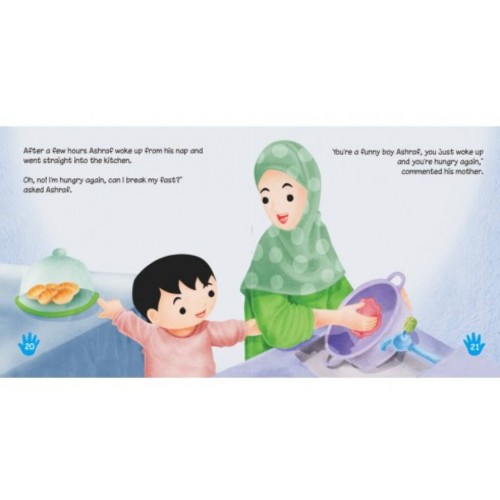
Salam Kids :Learn About Fasting
Highlights:
Ashraf is excited to be fasting for the first time. He hopes he can make it through the whole day, but he seems to be always hungry.
There’s a lot to learn about fasting and Ashraf is doing his best to please Allah.
The Salam Kids Series are books designed to encourage young children to try their best and start to implement Islamic practices into their lives.
RM22.00
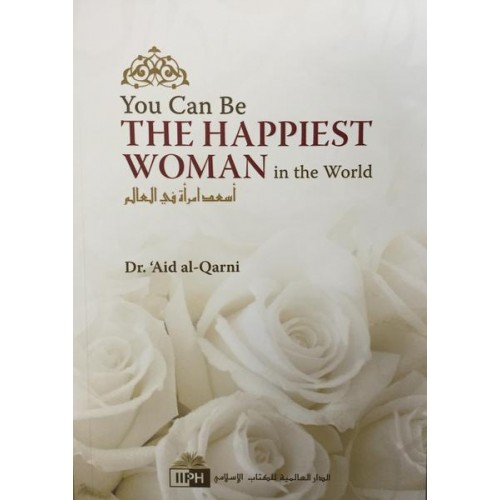
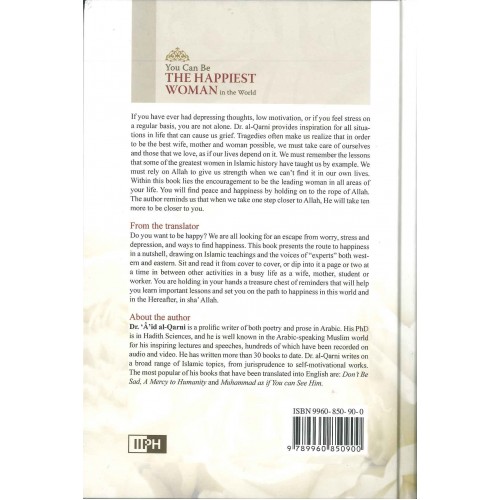
You Can Be The Happiest Woman In The World
Highlights:
You Can Be The Happiest Woman In The World (A Treasure Chest Of Reminders)
Do you want to be happy? We are all looking for an escape from worry, and depression, and for ways to find happiness. This book presents the route to happiness in a nutshell, drawing on Islamic teachings and the voices of “experts” both western and eastern. So sit back, relax and read it from cover to cover, or dip into it a page or two at a time in between other activities in a busy life as a wife, mother, student or worker.
You are holding in your hands a treasure chest of reminders that will help you learn important lessons and set you on the path to happiness in this world and in the Hereafter, Insha’ Allah.
RM45.00 – RM65.00Price range: RM45.00 through RM65.00
HardcoverPaperback
Clear
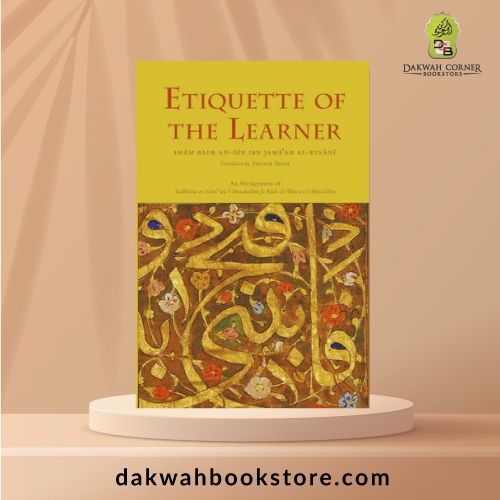
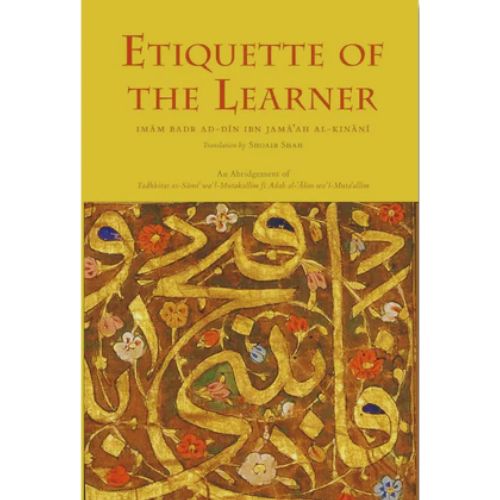
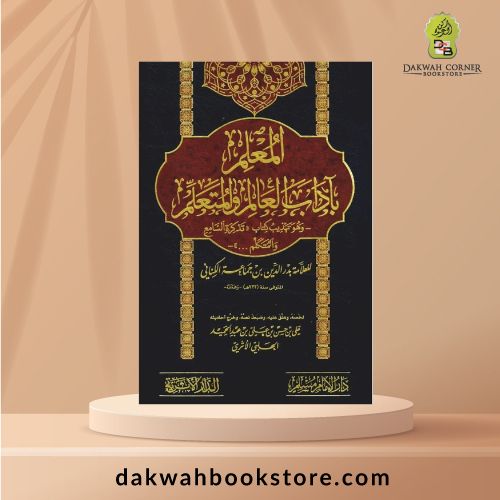
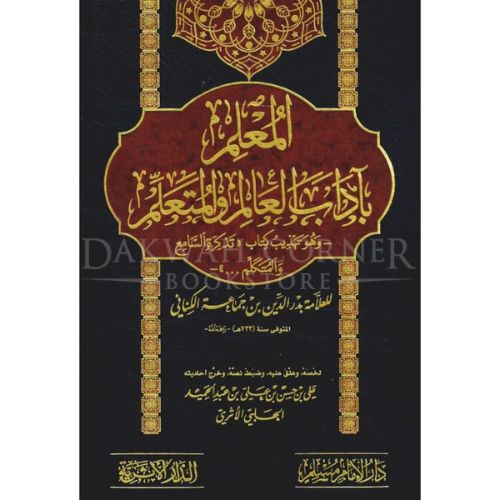
Etiquette Of The Learner (P/B)
Highlights:
This work entitled Etiquette of the Learner, is extracted from Qadi Ibn Jama’ah’s major contribution to the literature of adab: Tadhkirat as-Sami wa’l-Mutakallim fi Adab al-‘Alim wa’l-Muta’allim (A Memorandum to the Listener and the Speaker on the Etiquette of the Scholar and the Learner.
RM40.00
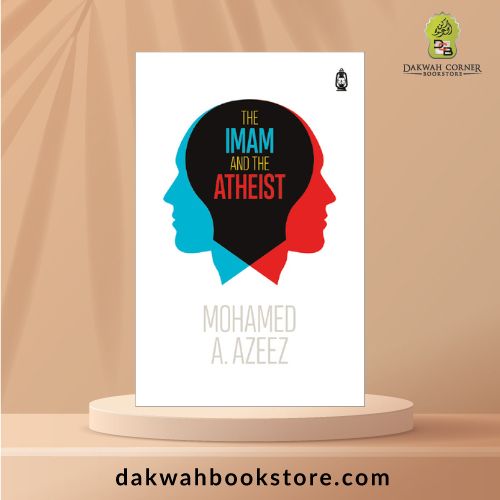
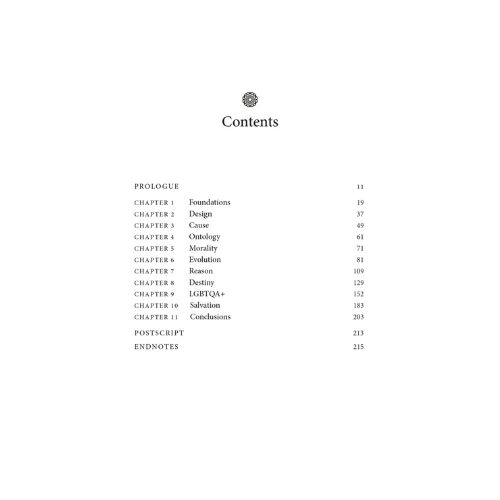
The Imam and The Atheist – Claritas
Highlights:
Social media has ushered in an era of hyper-individualism, where ethics change as frequently as Twitter’s top tags. Even though Islam is still the world’s fastest-growing religion, countless people refute their faith every day — citing Darwinism or the inexplicable suffering of the human spirit.
RM70.00
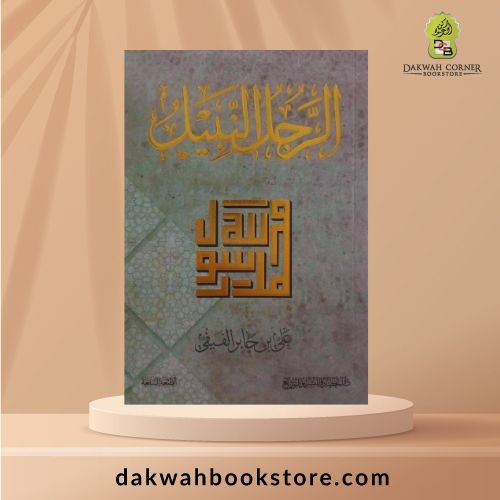
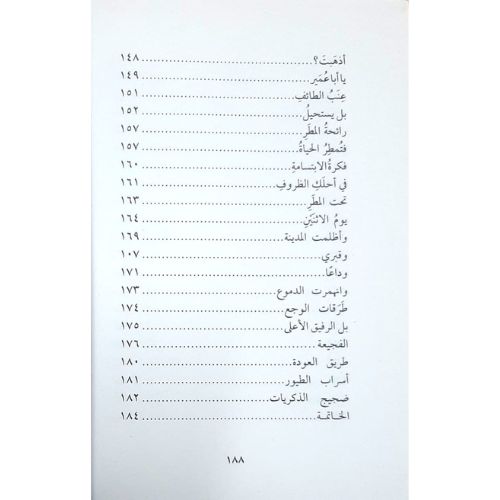
[MM] Ar-Rajulun Nabil / الرجل النبيل
Highlights:
قال المؤلف: سميت هذه الأوراق “الرجل النبيل” لأنه عليه الصلاة و السلام أنبل رجل عرفته البشرية، ولأن النبل ظاهر في تفاصيل حياته، في رضاه وغضبه، في حزنه وفرحه، قبل نبوته وبعدها، فهو بحق الرجل النبيل
RM41.00
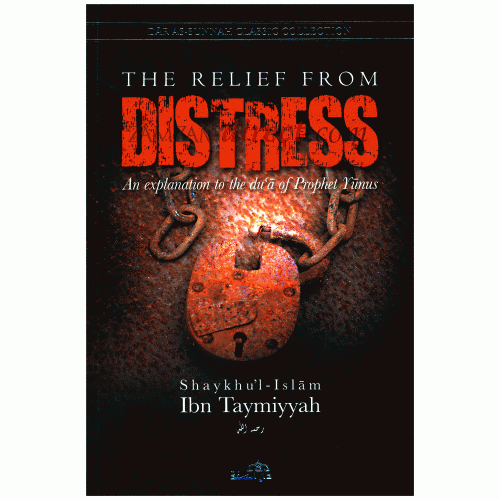
The Relief From Distress : An Explanation to the dua of Prophet Yunus (P/B)
Highlights:
Shaykh al-Islam Ibn Taymiyyah, may Allah sanctify his soul, was asked about the saying of the Prophet (pbuh),
The invocation of my brother Yunus, “none has the right to be worshipped save You; glory be to You, far removed are You from any imperfection; I have been amongst the wrong-doers,” none who is experiencing difficulty employs it except that Allah would relieve him of his difficulty.
What is the meaning of this du’a (prayer, supplication)?
Are their any unstated conditions that have to be met when one articulates it?
What is the connection between belief in the heart and the meaning of this supplication such that it leads to the removal of difficulty?
Why did he explicitly confess, ‘I have been amongst the wrong-doers’ when it is known that tawhid in itself leads to the removal of difficulty?
Is it sufficient to acknowledge ones’ sin alone, or must this be accompanied by repentance and the firm resolve not to repeat that sin in the future?
Why is it that difficulty and harm is removed only when a person relinquishes any hope, reliance and dependency upon the creation?
How can the heart relinquish the characteristic of putting hope in the creation and depending on them, and instead put its hope in Allah, Exalted is He, and turn to Him in its entirety?
What are the methods that would aid the heart in doing this?
The author replies to these questions in the form of this book.
RM117.00
Qur’anic Terminology a Linguistic and Semantic Analysis (IIIT)
Highlights:
There is no way to understand the Qur’an properly, or to elucidate as accurately as possible the meaning of its verses, without studying Qur’anic terminology and concepts. Taken together these sum up the universal truth of the Faith (the great moral code), not only animating the text and giving it incredible life, precision, and flexibility, but also enriching the communication of the Qur’anic message through their beautiful and comprehensive nature.
RM67.00
There are no reviews yet.