| Weight | 1.1 kg |
|---|---|
| Dimensions | 25 × 17.5 × 3 cm |
| ISBN | 9789959859365 |
| Binding | Leather |
| Author | |
| Publisher | Dar Ibn Hazm |
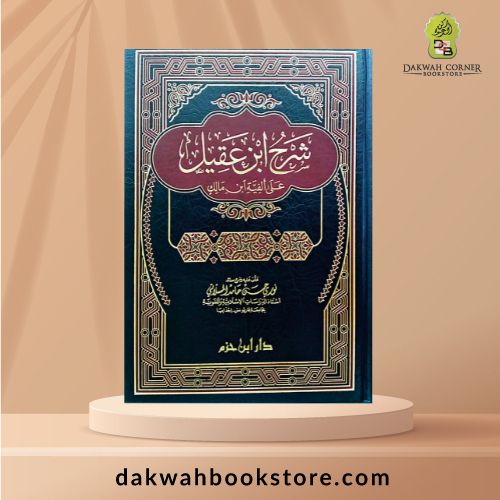
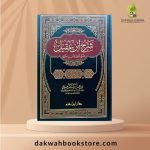
[AR] Sharh Ibn ‘Aqil Ala Alfiyah Ibn Malik / شرح ابن عقيل على ألفية ابن مالك
RM95.00
Be the first to review “[AR] Sharh Ibn ‘Aqil Ala Alfiyah Ibn Malik / شرح ابن عقيل على ألفية ابن مالك” Cancel reply
You must be logged in to post a review.
Related Products
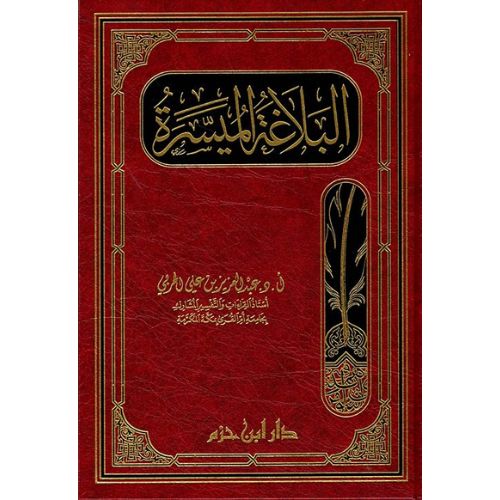
[QQ] Al-Balaghah Al-Muyassarah / البلاغة الميسرة
البلاغة الميسرة للدكتور عبد العزيز بن علي الحربي, كتاب مناسب للمبتدئين في علم البلاغة
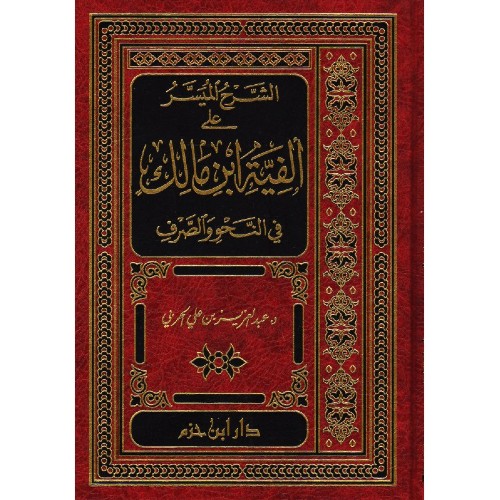
[AR] Al-Sharh Al-Muyasar Ala Alfiat Ibn Malik Fin Nahw Wa Sarf / الشرح الميسر على ألفية ابن مالك في النحو والصرف
الشرح الميسر على ألفية ابن مالك في النحو والصرف – د. عبد العزيز بن علي الحربي
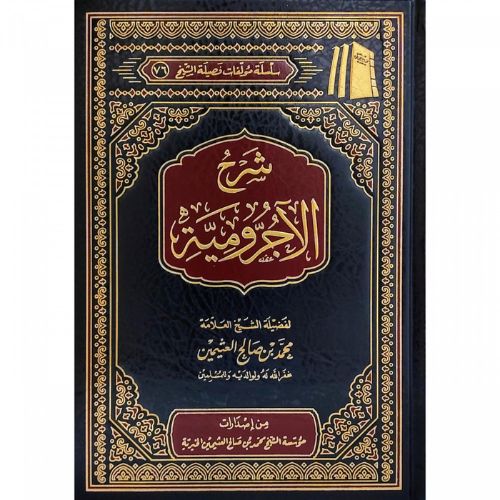
[AR] Sharhu Al-Ajrumiah (شرح الاجرومية)
شرح الاجرومية محمد بن صالح العثيمين
هذا شرح تعليمي لمتن ابن آجروم في النحو المعروف بالآجرومية، اعتنى فيه الشارح ببيان مفردات التعاريف، ومحترزاتها، وأمثلتها، مع إضافة بعض الشروط والأمثلة على ما ذكره الماتن، وقد وردت في آخر كل فصل أسئلة مع الإجابة عليها
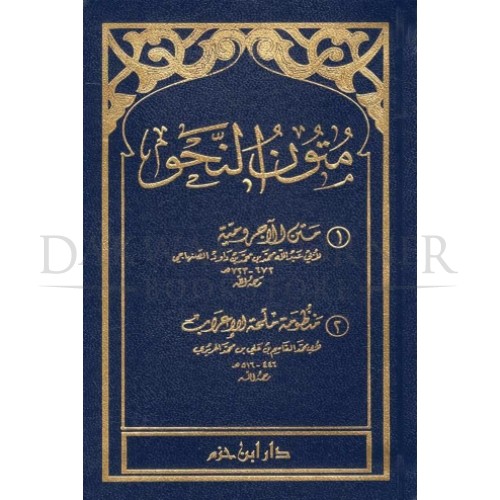
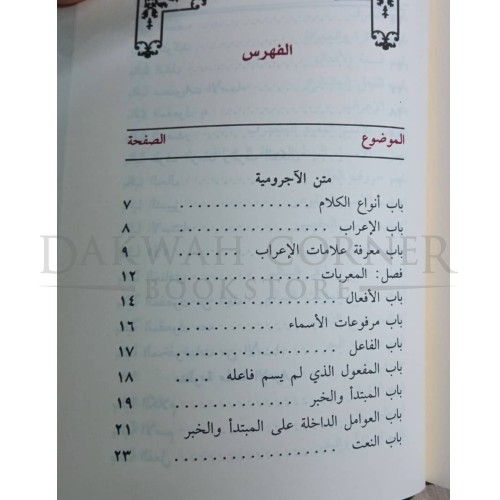
[AR] Mutunun AnNahu (متون النحو)
متون النحو (الآجرومية وملحة الإعراب ) لونان ـ شاموا ( 10×15 فلكسي )
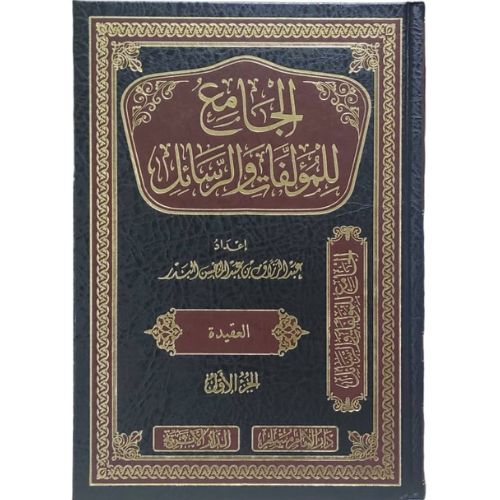
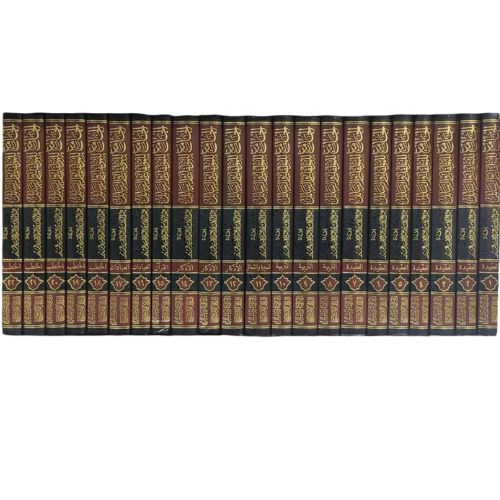
[GB] Al Jami’ Lilmuallafat Wa Rasail 22 Vol (الجامع للمؤلفات والرسائل 22 مجلد)
فهذا سرد لما سطر العالم الجليل والشيخ الفاضل عبد الرزاق بن عبد المحسـن العباد البدر حفظه الله من كتب ورسائل، وما نشره من تحقيقات لتراث أهل العلم، وقد بلغت قائمة ما وقفت عليه من مطبوعات إحدى وتسعين؛ وهي
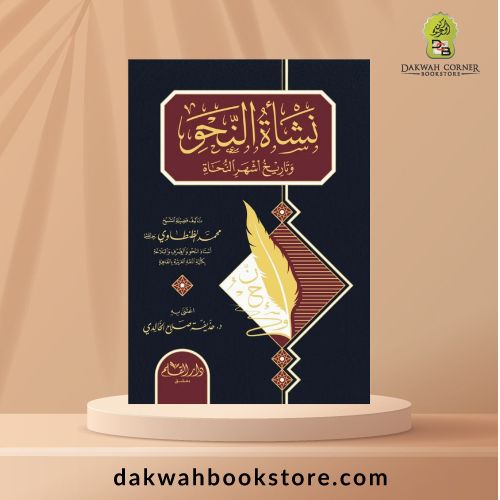
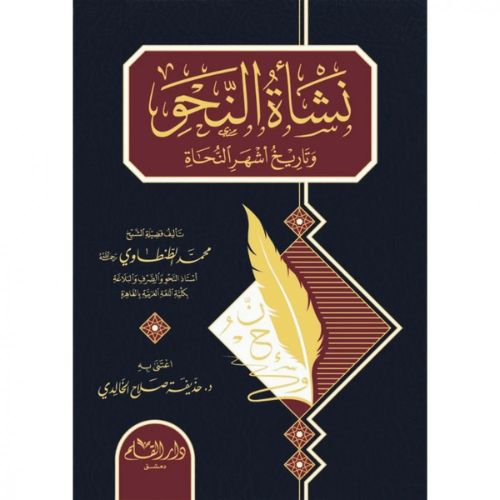
[ALA] Nashat An Nahu Watarikh Ashahr Alnuha – نشاة النحو وتاريخ اشهر النحاة
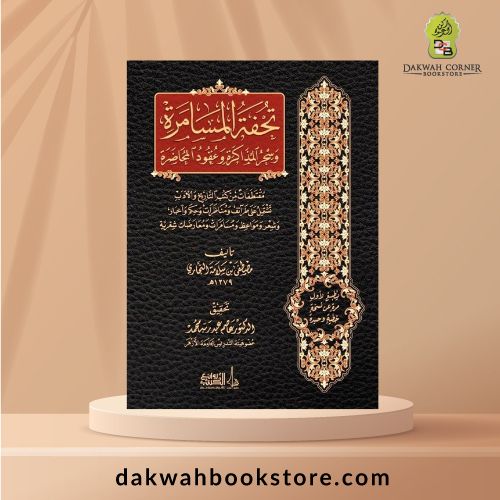
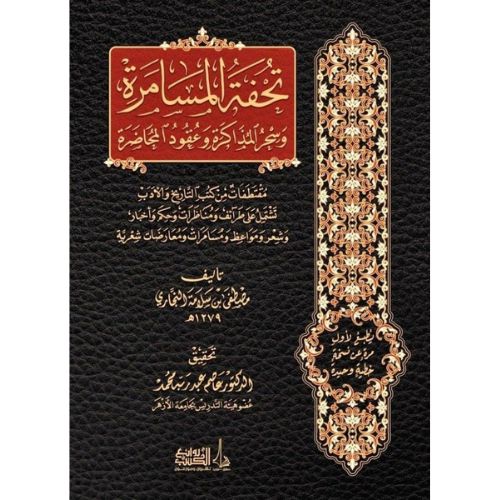
[GB] Tuhfat al-Musamarah wa-Sihr al-Mudhakarah wa-‘Uqud al-Muhadarah / تحفة المسامرة وسحر المذاكرة وعقود المحاضرة
مقتطفات من كتب التاريخ والأدب تشتمل على طرائف ومناظرات وحكم وأخبار، وشعر ومواعظ ومسامرات ومعارضات شعرية
Recently Viewed
The Great Race Towards Paradise (English)
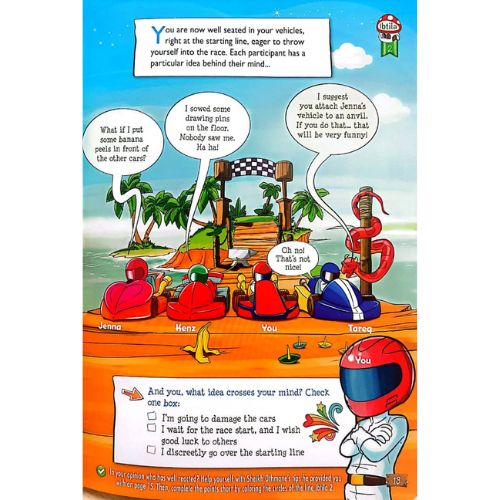
Through this book, your child will embark on an exciting race alongside Jenna and her brothers Kenz and Tareq. While solving trials, he will discover the good deeds to be done in his life to go to Paradise insha’Allah. He will also learn how to thwart the traps of chaytane in his daily life thanks to the advice of Cheykh Othmane, the Sheikh who loves children.
Tajweed Rules of the Quran (Part Three)
This is the third and final part of a three part series in English on the rules of tajweed the Qur’an for the recitation of Hafs from ‘Aasim by the way of Ash-Shaatibiyyah. These books are meant as a guide for non-Arabs with a good grasp of English for studying tajweed of the Glorious Qur’an. This final book explains the stop and start when reading the Glorious Qur’an, and gives details as to what kind of stop is allowed, what kind is preferred, and what kind of stop is forbidden. Stopping on the ends of words with strong endings (consonants) and rules for what is allowed on the last letter of the word is described, including ar-room (الروم) and al-ishmaam (الإشمام). Stopping on the ends of words with weak endings (words ending in the alif, ya’ or wow) and different rules and explanations for these type of words is clarified. One important aspect of Qur’an recitation is knowing and understanding which word combinations are written together and which separately in different parts of the Qur’an as well as in which places of the Qur’an are some words are written the female haa (هاء), and in which places they are written with the taa (تاء). This part lays out the different places in the Qur’an these occurrences take place, so the reader knows how he/she can stop on these words. The words that are read in a special way, or have two allowed ways for the reading of Hafs from ‘Aasim by the way of Ash-Shaatibiyyah are detailed in this book. The history of the writing of the Glorious Qur’an (رسم) and the general rules for the writing of the Qur’an are laid out in the last chapter of this part. This last part of the three parts on tajweed is for students who have studied and mastered the other two parts, or have studied everything covered in the first two parts. The explanations of the different subjects are in English, and the Arabic terms are translated. The goal is always to assist the students in understanding and to encourage them to learn the Arabic terms and definitions. The three parts of this series on tajweed rules of the Glorious Qur’an should facilitate non-Arabic speaking students of the Qur’an whether they are in a classroom with an Arabic medium for teaching or English. With this third part completed, insha’ Allah the non-Arab English speaking student of the Qur’an will find a complete curriculum and explanation of the tajweed rules for the recitation of Hafs ‘an ‘Aasim from the way of Ash-Shatibiyyah in any classroom or study situation that he/she may find themselves in. These three parts are only guidance; the real goal is reciting and applying all the different rules correction which can only be done by reciting to and being corrected by a qualified teacher of the Qur’an.
Tajweed Rules of the Quran (Part Two)
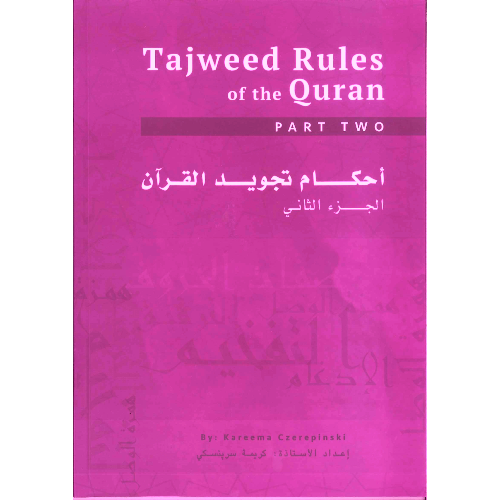
By Allah’s grace, this is the second part of a three part book on the rules of tajweed of the Qur’an, for the recitation of Hafs from ‘Aasim by the way of Ash-Shaatibiyyah. It is is intended to be a guide for nom-Arabs with a good grasp in English in studying tajweed.
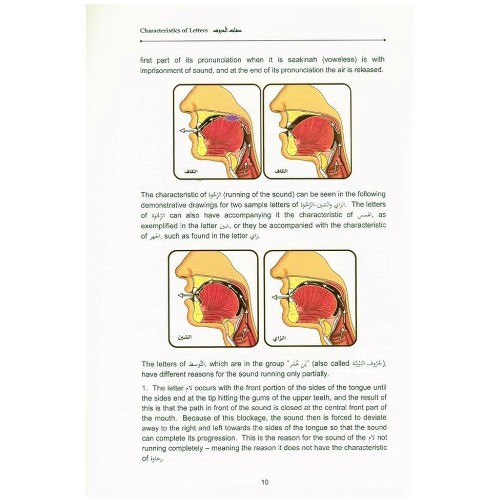
This book explains the concept of the accent (an-nabr) in the recitation of the Glourious Qur’an and the conditions of its use, it is also defines and explains the important chapter on the characteristics of the letter, velarization and attenuation (tafkheem and tarqeeq) are covered in this part, as well as the concept of the two alike, the two similar, the two close, and the two far and the rules for merging (idghaam) and clarity (ith-haar) in these different relationships. A brief introductory to grammar term is made in this book to assist the student in understanding the last chapter, that of the connecting hamzah (hamzah al-wasl).
The explanation of the different subject are in English, and the Arabic terms are translated. This is to assist the student in understanding and encourage them to learn the Arabic definitions and terms. This book should facilitate non-Arabs studying tajweed in a classroom with explanations taught in Arabic or in English.
This book cannot replace the importance of reciting to and being corrected by a trained teacher of tajweed, instead it is a guide and an aid in understanding the concepts of tajweed, the application can only be refined by recitation and correction.


There are no reviews yet.