


| Weight | 0.350 kg |
|---|---|
| Dimensions | 24.5 × 17.5 × 1 cm |
| Author | |
| Pages | 91 |
| Binding | Leather |
| ISBN | 9786038287825 |
| Publisher | Dar al Imam Muslim |
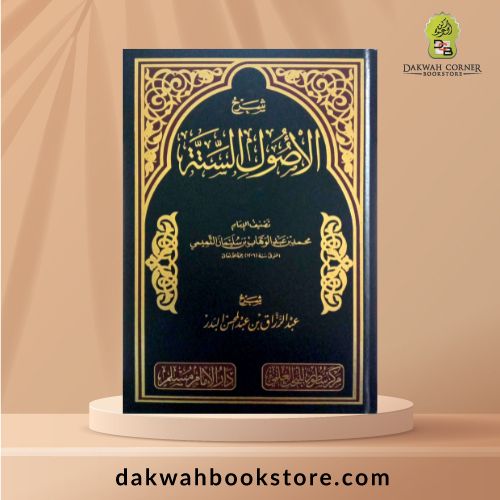
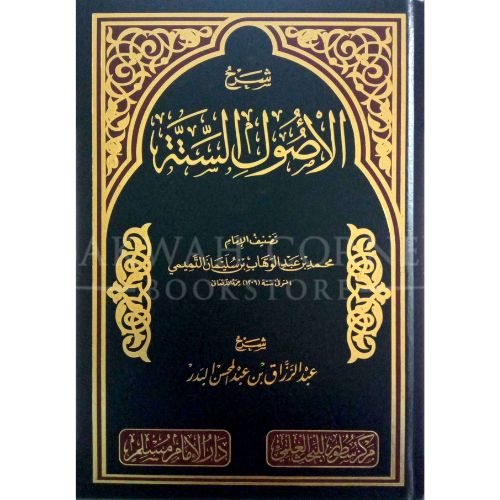
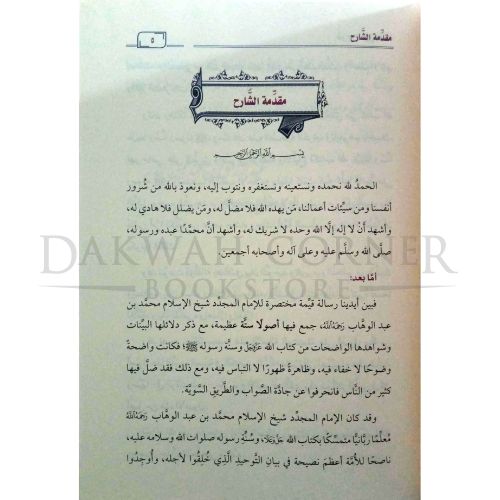
[AC] Sharh Al Usul Sittah / شرح الأصول الستة
RM65.00
Frequently Bought Together
Be the first to review “[AC] Sharh Al Usul Sittah / شرح الأصول الستة” Cancel reply
You must be logged in to post a review.
Related Products
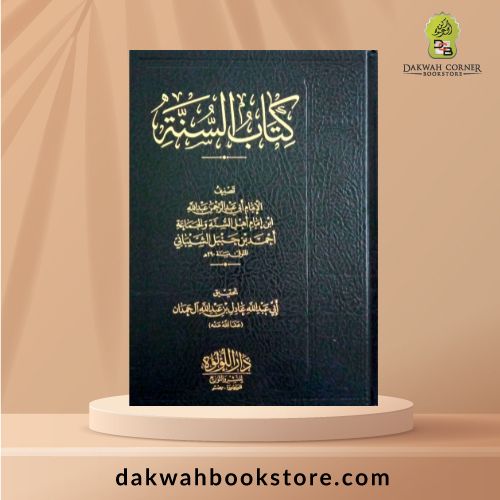
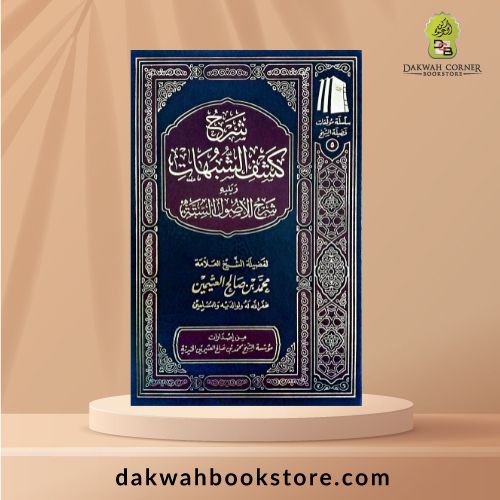
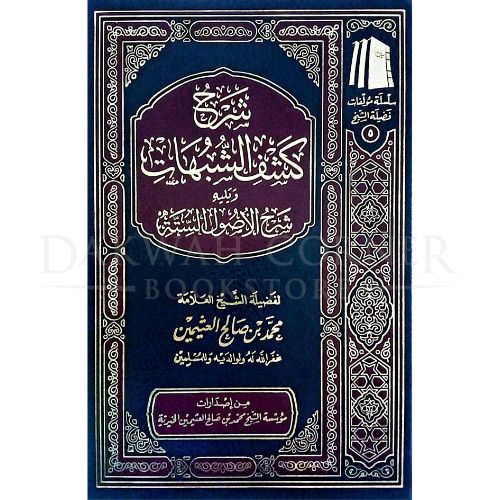
[AC] Sharh Kashf Al Shubahat wayalihi Sharhu Usulu Sittah /شرح كشف الشبهات
شرح كتاب كشف الشبهات ويليه شرح الأصول الستة
المؤلف: العثيمين، محمد بن صالح
المحقق: فهد بن ناصر بن إبراهيم السليمان
حالة الفهرسة: غير مفهرس
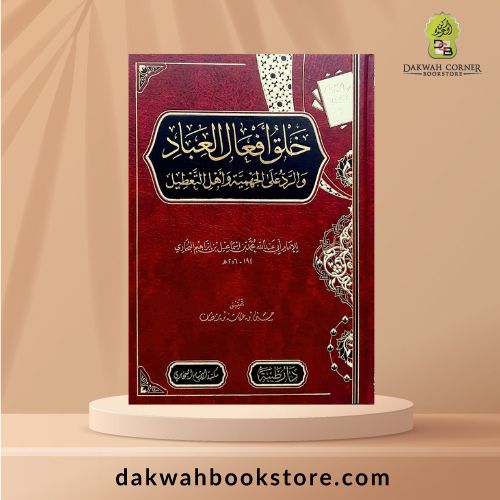
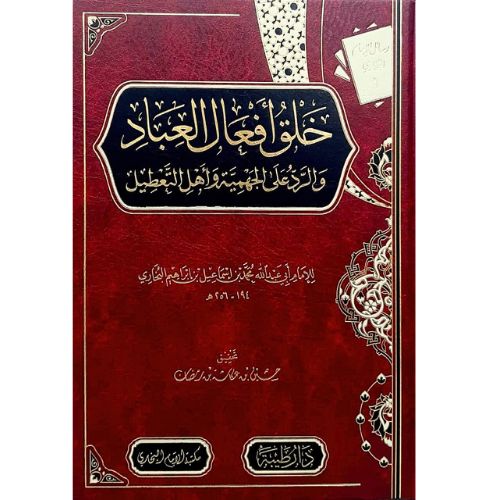
[AC] Khalqu Afali Ibadi / خلق أفعال العباد
بدأ الكتاب بذكر أقاويل أهل السنة في الجهمية وتكفير من يقول بقولها
تناول في الباب الثاني الكلام في مسألة خلق الأفعال، وأثبت أن أفعال العباد مخلوقة، وقام بالرد على الجهمية في هذا
يعد الكتاب أصلًا من الأصول التي احتفظت لنا بجملة كبيرة من أقاويل أئمة السلف من الصحابة والتابعين في فرقة الجهمية ومن قال بقولها، وبيَّن لنا الكتاب كذلك الطريقة المثلى في الرد على أهل البدعة.
يلاحظ كذلك كثرة تعليقات المصنف على ما يورده من نصوص، وأنه لم يكتف بسرد النصوص فحسب، بل كانت له كذلك ردود على الشبهات التي يلقيها الجهمية
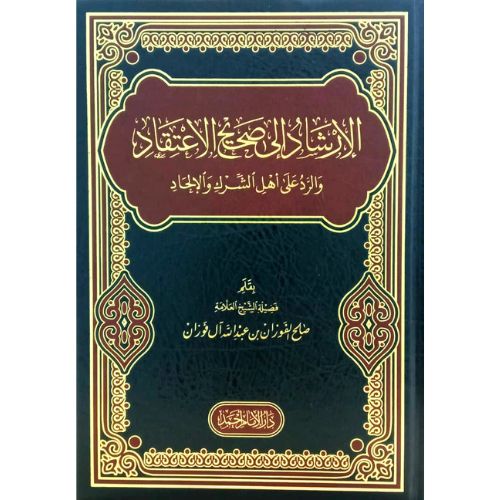
[AC] Al-Irsyaadu ila Sohihu Al-I’tiqhadu (الإرشاد إلى صحيح الاعتقاد )
الإرشاد إلى صحيح الاعتقاد والرد على أهل الشرك والإلحاد
دار الامام احمد
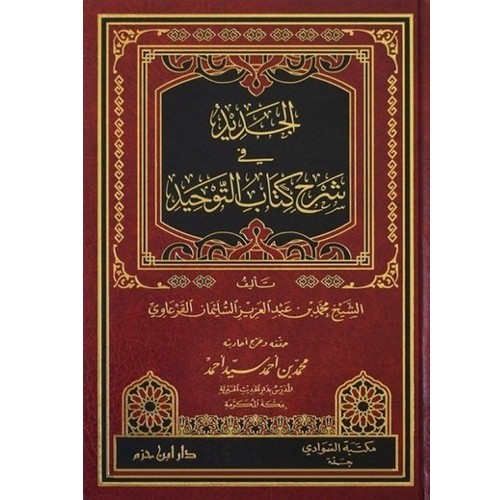
[AC] Al-jadid Fi Sharhu Kitab At-tauhid (الجديد في شرح كتاب التوحيد)
الثاني المتوسط:
– الفصل الأول: من: أول باب (قول الله تعالى: حتى إذا فزع عن قلوبهم). – إلى: آخر باب (ما جاء في حماية المصطفي صلى الله عليه وسلم جناب التوحيد).
– الفصل الثاني: من: أول باب (ما جاء أن بعض هذه الأمة يعبد الأوثان). – إلى: آخر باب (ما جاء في قول الله تعالى: وعلى الله فتوكلوا).
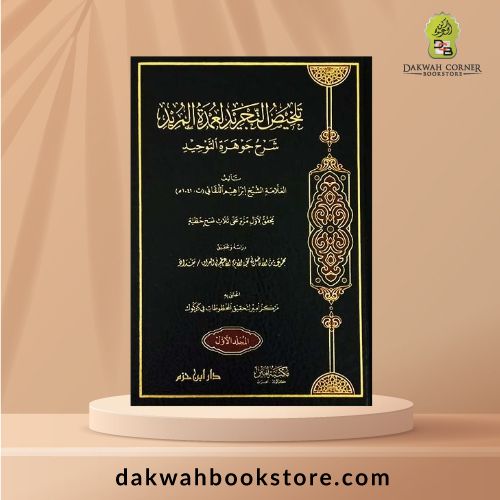
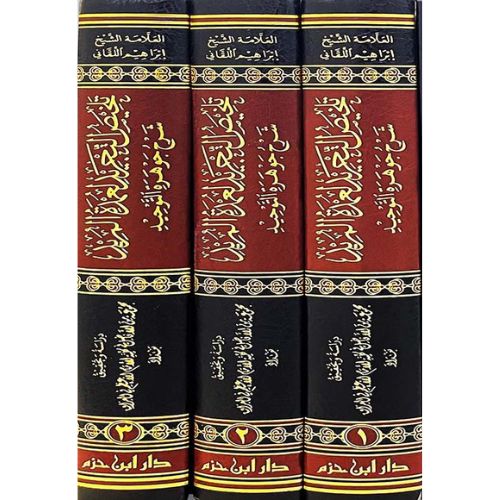
[AC] Talkhis Al Tajrid Li Umdatul Murid 3 Vol / تلخيص التجريد لعمدة المريد شرح جوهرة التوحيد 3 مجلدات
- عدد المجلدات: 3
- نوع التجليد: مجلد
- عدد الصفحات: 2064
Recently Viewed
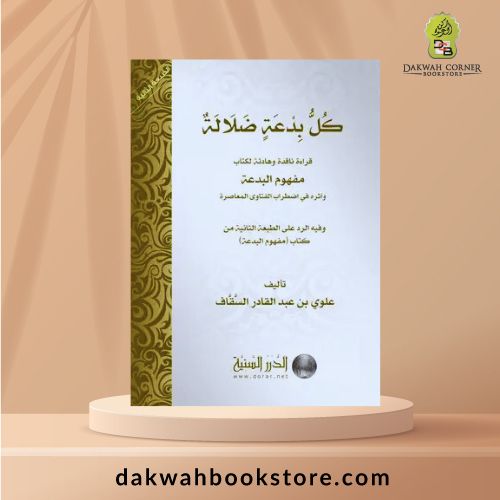
[AAC] Kullu Bid‘atin Dhalalah / كل بدعة ضلالة
هذا الكِتابُ عِبارةٌ عن قِراءةٍ ناقدِةٍ وهادئةٍ لكتابِ (مَفهوم البِدعةِ وأثَره في اضطرابِ الفتاوَى المُعاصِرَة) للدُّكتورِ عبد الإلهِ العَرْفَج. وهذِه هي الطَّبعةُ الثانيةُ مِن الكِتابِ، وتَتميَّز بردِّ المؤلِّف على ما دَوَّنَه الدكتورُ العرفج في طَبعتِه الثانيةِ لكتابِه رادًّا فيه على الطَّبعةِ الأُولى مِن هذا الكِتابِ.
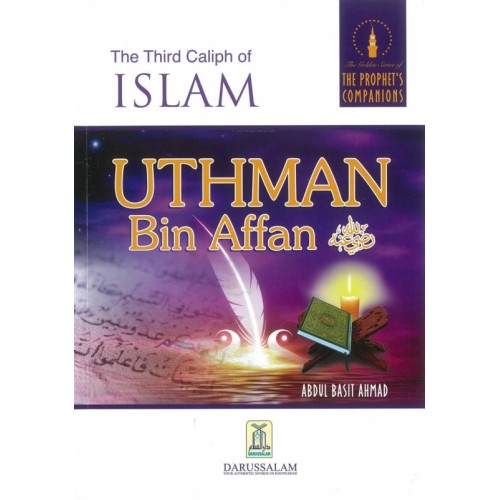
The Third Caliph of Islam: Uthman bin Affan (P/B)
Uthman bin Affan (R) was one of the early men who accepted Islam in Makkah. From the first moment he became a Muslim, he put all his wealth under the service of Islam. He spent most of his resources to satisfy the needs of poor Muslims. Recognizing his generosity and devotion to Islam, the Prophet (S) told him that his place would be in Paradise on the Hereafter. He married Ruqayah (R),the Prophet’s daughter. After she died, he married her sister Um Kulthum ;for that, the people at that time called him Dhun Nurain, “The Man with the Two Lights.”
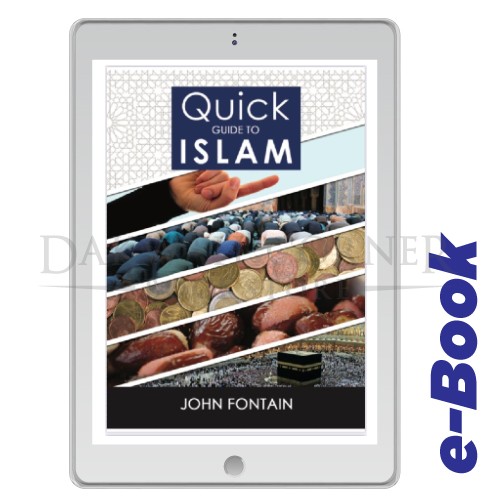
(FREE-eBook) Quick Guide To Islam
(E-book FREE)
John Fountain was raised as a Christian but always believed in the concept of One God. In 2006 he started looking into Islam after coming into contact with Muslims in West Africa. After studying the religion, he finally embraced Islam in 2008, in Cairo Egypt. Since then he has been actively involved in Da’wah work (inviting people to Islam). John also runs his own charity organisation “Volunteer Sierra Leone” which helps support over 65 Muslim schools throughout Sierra Leone. Quick Guide to Islam is a brief introduction to some some of the key aspects of Islam that aims to reach out to Non-Muslims unfamiliar with the religion.
The Salah – The Prophet’s Prayer Described (H/B)
It is not possible to us to perform the Salah (Prayer) as it should be performed unless we know the detailed description of the Prayer shown by Prophet Muhammad sallallahu ‘alayhi wasallam, such as essentials, manners, forms, supplications and remembrances. However, detailed familiarity with these aspects of the Prayer is difficult to be achieved by most people nowadays because of their limiting themselves to a particular madhhab (school of thought). In every mudhhab, there are traditions and sunnahs (Prophetic examples) which are not found in other madhhabs, and in every mudhhab there are sayings and actions which cannot be authentically traced back to the Prophet.
Many any books have been published on the Prayer of the Prophet but most are by later scholars that cater for a particular muddhab. This famous work, translated from the original Arabic Sifah Salah al-Nabi, brings together as many features of the Prophet’s Prayer from the takbir to the taslim, so that Muslims can fullfil the Prophet’s command to “pray as you see me pray”. This work is the result of an intensive research by the author on various traditions (Hadiths) and their relevance, judjed according to the strict rules of the science of Hadith.


There are no reviews yet.