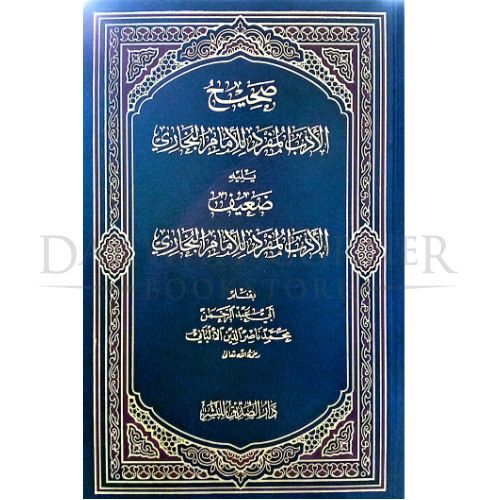
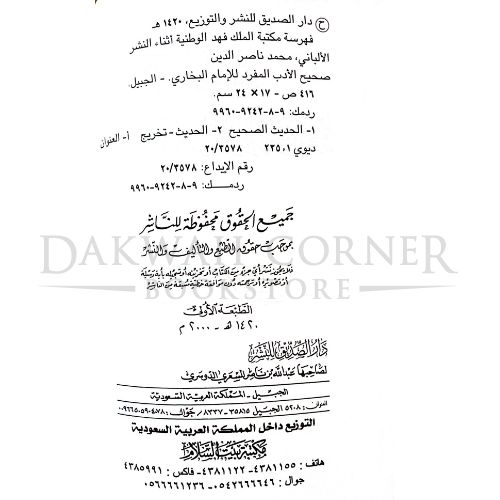
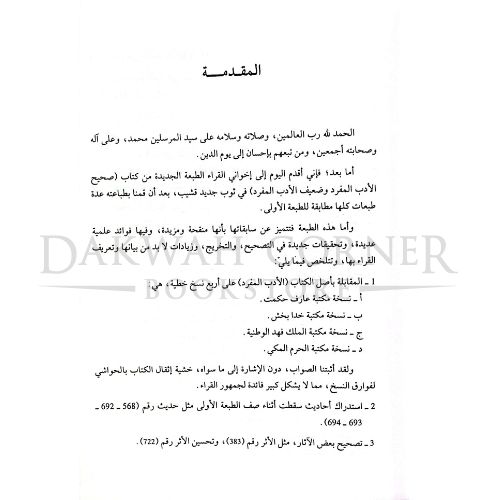
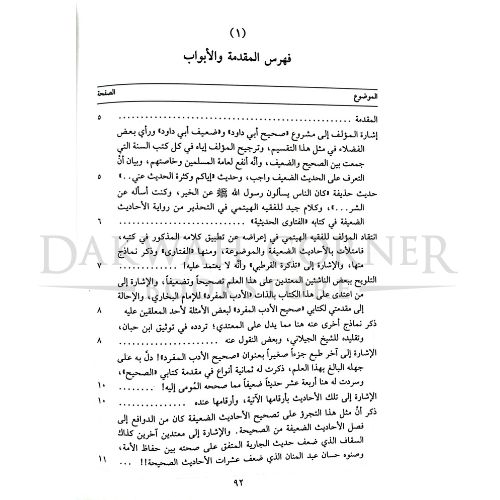
| Weight | 0.95 kg |
|---|---|
| Dimensions | 24.5 × 17.5 × 3 cm |
| Author | |
| Pages | 112 |
| Binding | Hardcover |
| Publisher | dar alsadeq LiNashri |
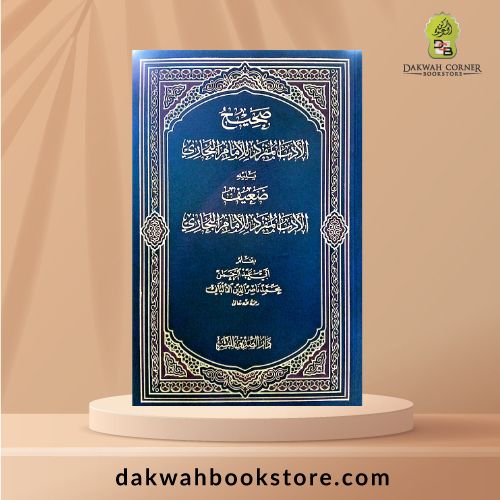
[HH] Sahih Al Adab Al Mufrad / صحيح الأدب المفرد
RM70.00
Frequently Bought Together
Be the first to review “[HH] Sahih Al Adab Al Mufrad / صحيح الأدب المفرد” Cancel reply
You must be logged in to post a review.
Related Products
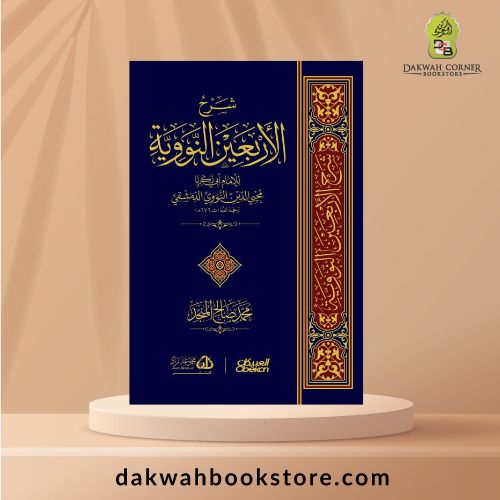
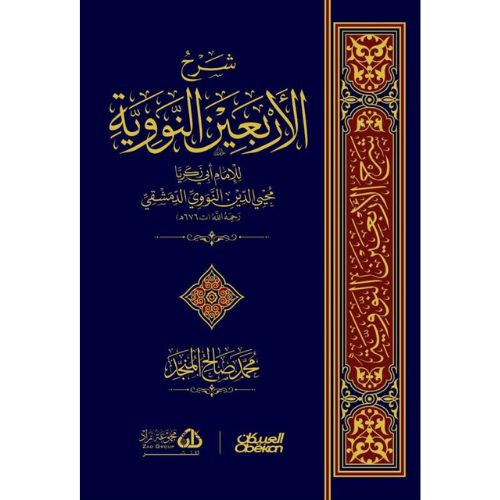
[HH] Sharh Al Arbain An Nawawiah / شرح الاربعين النووية
شرح الأربعين النووية للإمام النووي – رحمه الله -، وهو متن مشهور، اشتمل على اثنين
وأربعين حديثًا في فنون العلم المختلفة، فكل حديث منها قاعدة عظيمة من قواعد الدين
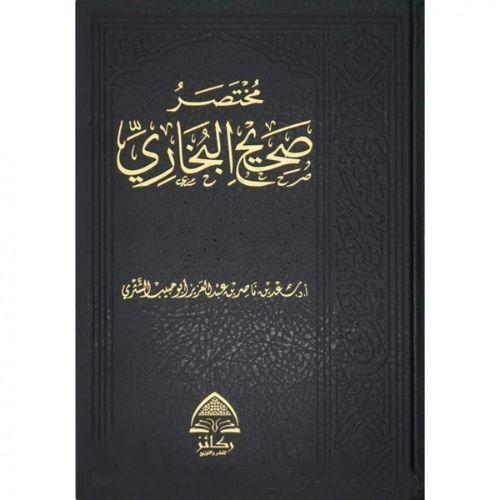
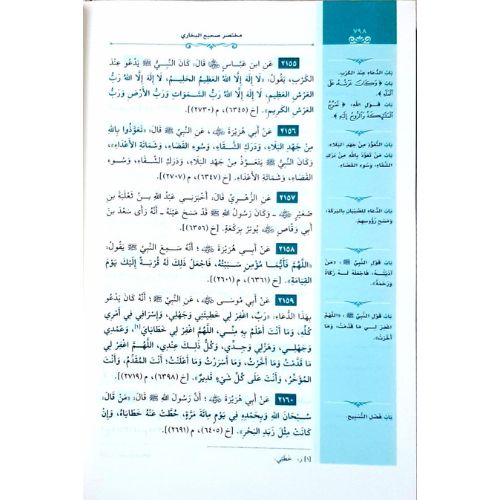
[HH] Mukhtasar Sahih Al-Bukhari (مختصر صحيح البخاري)
ذكر الشيخ – حفظه الله – أنه أراد تكميل جهود العلماء السابقين في اختصار «الصحيح»، ومنهجُه في المُختصر كما يلي: 1- حذف الأسانيد وآثار التابعين لعدم الاحتجاج بها، والمُعلَّقات لأنها ليست على شرط البخاري في الصحيح. 2- جمع أطراف الحديث في الموطن الأول من المواطن التي وردَ فيها الحديث. 3- أشار للروايات الواردة المُتخالفة في الحاشِية. 4- ذكرَ جميع تبويبات البخاري على الحديثِ في جميع مواطنه وجعلتُها في الهامِش. 5- شرحَ بعضَ الألفاظ الغريبة
طبعة عالية الجودة – طباعة بالحبر الأسود و الأزرق
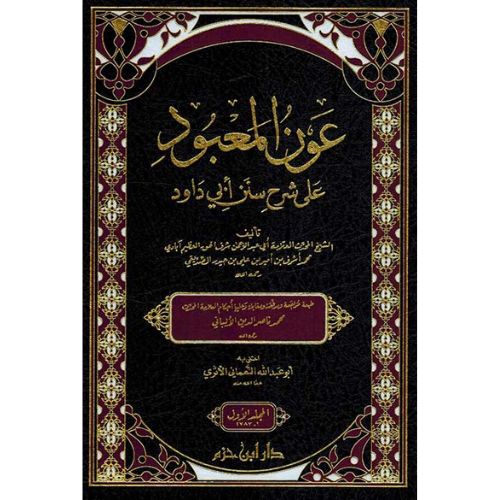
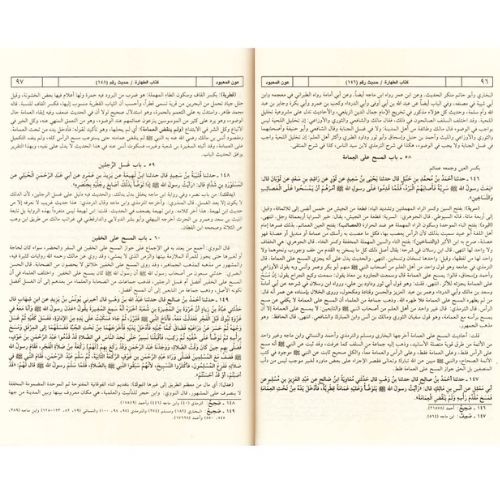
[HH] Awn al-Ma’bud ala Sharh Sunan Abi Dawud (2 Vols) – عون المعبود على شرح سنن أبي داود
تعتبر سنن أبي داود من الكتب الستة المشهورة في الحديث وهو من أكثرها فائدة من الناحية الفقهية، وقد شرحه العلامة العظيم آبادي مركزا على الناحية الفقهية دون إغفال الناحية الحديثية فيه، مبينا فيه أقوال الأئمة، مطبعة مراجعة ومدققة ومقابلة وعليها أحكام العلامة المحدّث محمد ناصر الدين الألباني
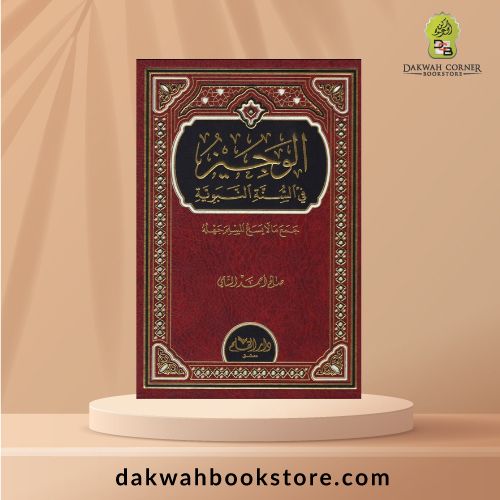
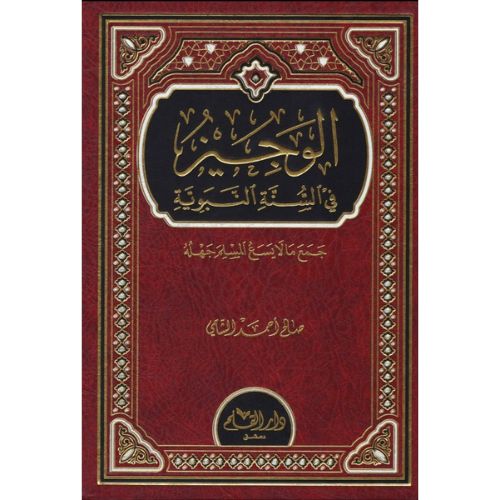
[HH] Al Wajiz Fi Al Sunnah An Nabawiyyah / الوجيز في السنة النبوية ” جمع ما لا يسع المسلم جهله
الوجيز في السنة النبوية : كتاب للشيخ صالح الشامي – أثابه الله – جمع فيه 1300 حديث تقريبًا، من الأحاديث النبوية الشريفة التي توضح للمسلم أبرز ما يحتاجه في كل شؤونه، دينية كانت أم دنيوية.
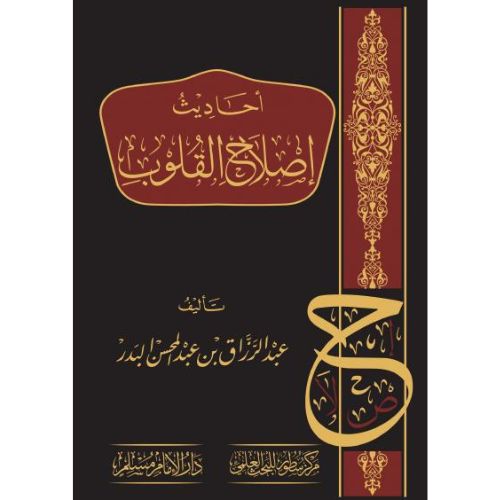
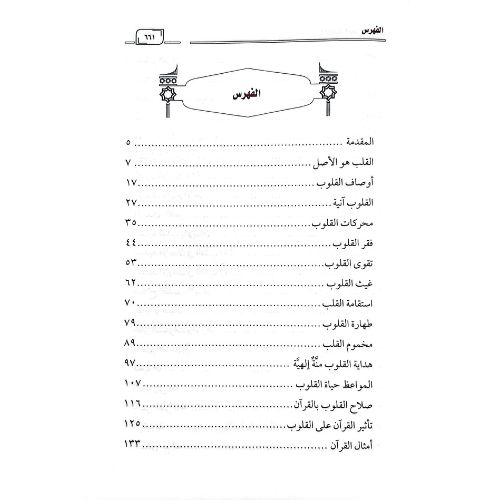
[AH] Ahadith Islah Al Qulub / أحاديث إصلاح القلوب
فإن أولى ما صرفت فيه الهمم والعزائم إصلاح القلوب وعلاجها وحفظ صحتها ودفع أسقامها وحمايتها مما يفسدها، وهو المقصود بالقصد، لعظم خطرها وشدة تأثيرها على الأبدان صلاحا أو فسادا.
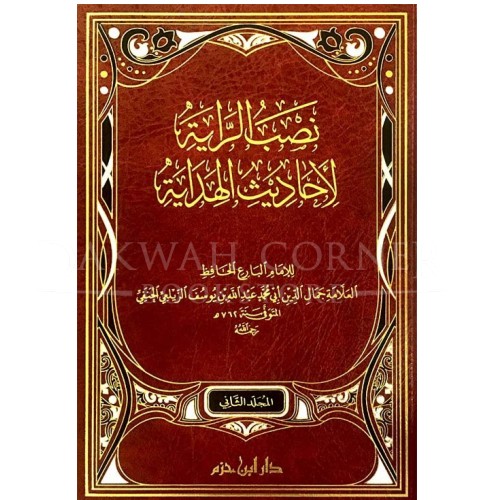
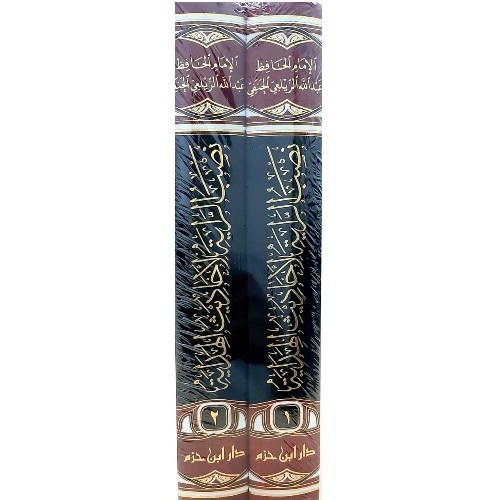
[AH] Nasab Alrayah Liahadith Alhidayah (2 Vol) ( نصب الراية لأحاديث الهداية)
نصب الراية لأحاديث الهداية للشيخ الإمام المحدث جمال الدين الزيلعي.
خرج فيه الإمام الزيلعي الأحاديث التي وردت في كتاب الهداية،
وكتاب الهداية كتاب في الفقه الحنفي ألفه العلامة برهان الدين علي بن أبي بكر المرغيناني الحنفي المتوفى سنة 593 هـ،
ولم يقتصر الزيلعي على تخريج أحاديث الهداية، بل زانه بإيضاح أدلة المخالفين.
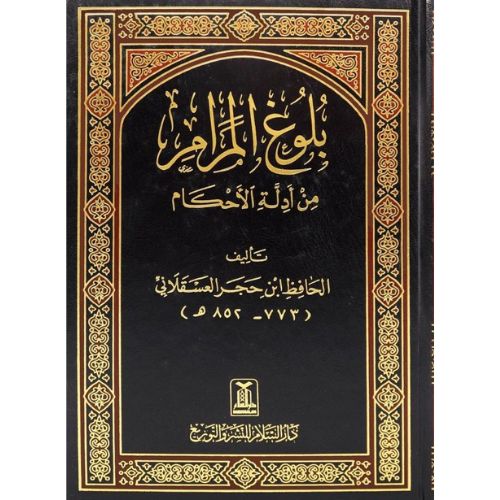
[HH] Bulugh Al-Maram (Arabic) – Darussalam
Bulugh Al-Maram is based upon the Ahadith of our Prophet which have been the sources of Islamic Jurisprudence. Al-Hafiz Ibn Hajar Al-Asqalani (Hijrah 777-853) has recorded the true significance of the Ahadith and their origins & also made a comparison of the versions, if the sources are more than one
Recently Viewed
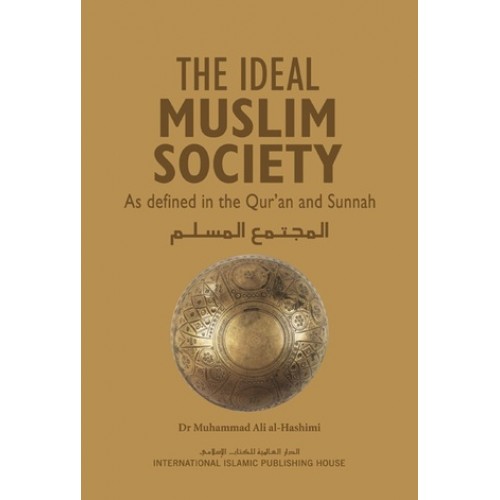
Ideal Muslim Society
From the translator, Nasiruddin al-Khattab: In a world plagued with wars, racism, political turmoil, economic downturns and social anguish, many people are looking for an alternative in which justice, freedom, decency and common sense will prevail. Such societies have existed in the past, in the golden eras of Islamic civilization, and we have the hope that, if Allah wills, such a society may appear again. In The Ideal Muslim Society, Dr. Muhammad ‘Ali al-Hashimi gives us a detailed picture of what this society would look like. Drawing on his extensive research of Islamic history and contrasting the ideal with the sorry state of affairs in human societies today, he explores the religious, political, economic, social and other facets of this ideal society, illustrating everything from the responsibilities of those in authority to the interactions between individuals on the humblest levels. For those who are longing to see a better world, this book offers practical ideas and hope.
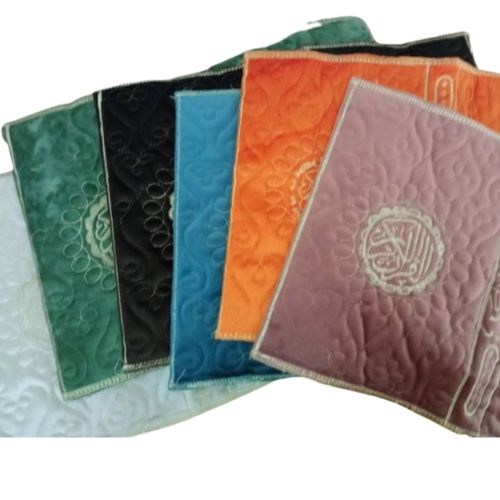
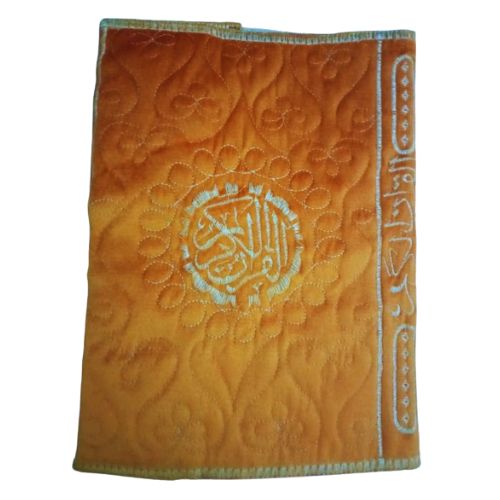
Quran Cover Shiny
Material: Synthetic material
Dimension: 30 x 19.5cm
The Relief From Distress : An Explanation to the dua of Prophet Yunus (P/B)
Shaykh al-Islam Ibn Taymiyyah, may Allah sanctify his soul, was asked about the saying of the Prophet (pbuh),
The invocation of my brother Yunus, “none has the right to be worshipped save You; glory be to You, far removed are You from any imperfection; I have been amongst the wrong-doers,” none who is experiencing difficulty employs it except that Allah would relieve him of his difficulty.
What is the meaning of this du’a (prayer, supplication)?
Are their any unstated conditions that have to be met when one articulates it?
What is the connection between belief in the heart and the meaning of this supplication such that it leads to the removal of difficulty?
Why did he explicitly confess, ‘I have been amongst the wrong-doers’ when it is known that tawhid in itself leads to the removal of difficulty?
Is it sufficient to acknowledge ones’ sin alone, or must this be accompanied by repentance and the firm resolve not to repeat that sin in the future?
Why is it that difficulty and harm is removed only when a person relinquishes any hope, reliance and dependency upon the creation?
How can the heart relinquish the characteristic of putting hope in the creation and depending on them, and instead put its hope in Allah, Exalted is He, and turn to Him in its entirety?
What are the methods that would aid the heart in doing this?
The author replies to these questions in the form of this book.
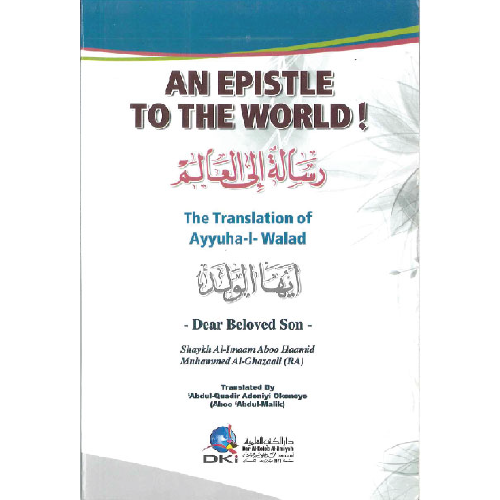
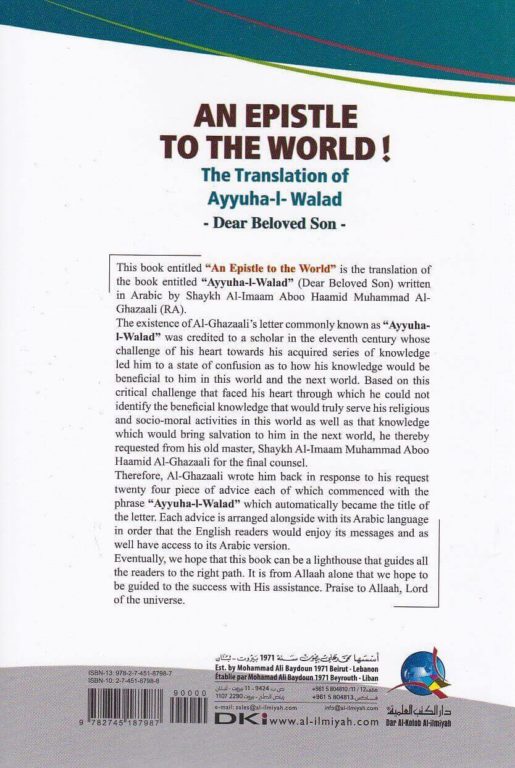
An Epistle To The World!
This book offers twenty-four pieces of valuable advice to seekers of knowledge. It touches on all aspects of life, from material wealth and the love of this life to Islamic etiquette and acquiring knowledge.
Ziyad & Tiger : Millipede Hunt
Ziyad and Tiger went out exploring at their backyard. They learnt a lot on the food chains and how natures live and were amazed on the wonderful creations of Allah SWT.
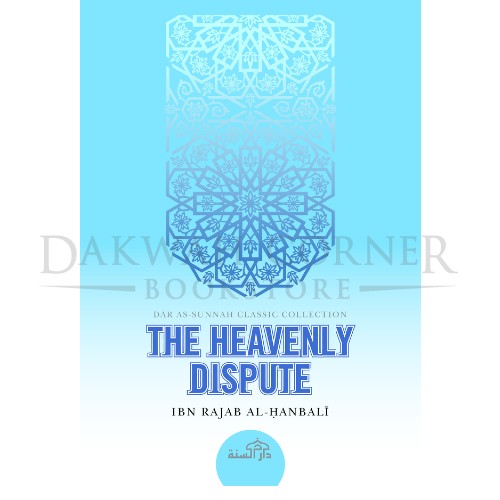
The Heavenly Dispute (Dar Us Sunnah)
The Prophet (peace and blessing be upon him) said of this hadith, “Indeed, it is the truth, so study and learn it.”
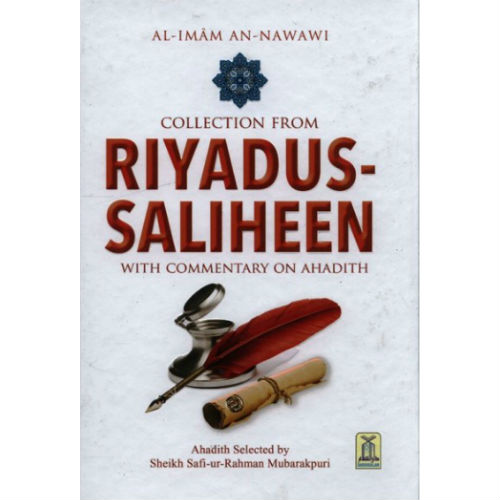
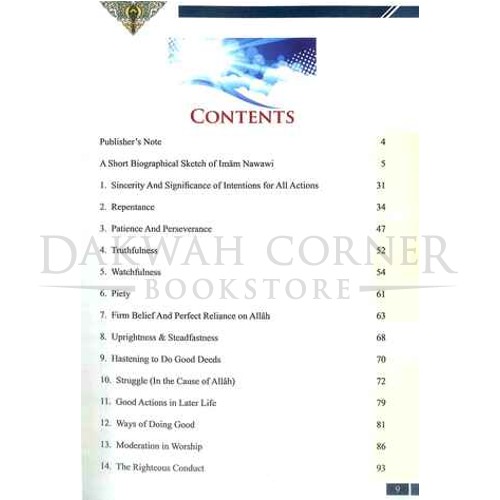
Collection From Riyadus Saliheen (Full Colour)
Collection from Riyadus-Saliheen by Al Imam An-Nawawi This book is an authentic research material in accordance with the Quran and Sunnah,and free from every type of vague conception,weak authority and false. This book is the best presentation of Riyadus-Saliheen ever produced in any language anywhere. Keeping in the view the problems or our times, this book is a concise volume that Sheikh Safiur-Rahman Mubarakpuri has made the selection of Ahadith.
The Middle Path of Moderration in Islam (H/B)
In The Middle Path of Moderation in Islam, leading Islamic law expert Mohammad Hashim Kamali examines the concept of wasatiyyah, or moderation, arguing that scholars, religious communities, and policy circles alike must have access to this governing principle that drives the silent majority of Muslims, rather than focusing on the extremist fringe. Kamari explores wasatiyyah in both historical/conceptual terms and in contemporary/practical terms. Tracing the definition and scope of the concept from the foundational sources of Islam, the Qu’ran and Hadith, he demonstrates that wasatiyyah has a long and well-developed history in Islamic law and applies the concept to contemporary issues of global policy, such as justice, women’s rights, environmental and financial balance, and globalization.
Framing his work as an open dialogue against a now-decades long formulation of the arguably destructive Huntingtonian “clash of civilizations” thesis as well as the public rhetoric of fear of Muslim extremism since the attacks of September 11, 2001, Kamali connects historical conceptions of wasatiyyah to the themes of state and international law, governance, and cultural maladies in the Muslim world and beyond. Both a descriptive and prescriptive meditation on a key but often neglected principle of Islam, The Middle Path of Moderation in Islam provides insight into an idea that is in the strategic interest of the West both to show and practice for themselves and to recognize in Muslim countries.
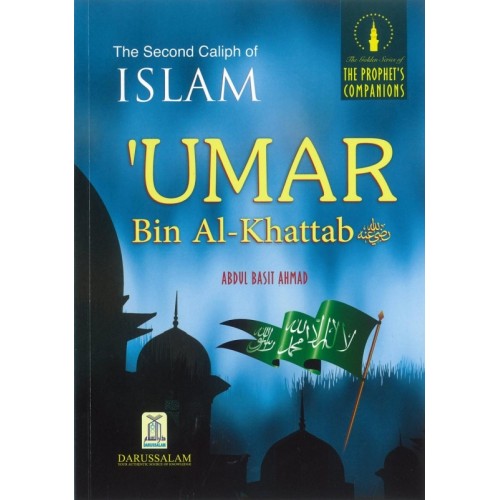
The Second Caliph of Islam: ‘Umar bin Al-Khattab (P/B)
Uthman bin Affan (R) was one of the early men who accepted Islam in Makkah. From the first moment he became a Muslim, he put all his wealth under the service of Islam. He spent most of his resources to satisfy the needs of poor Muslims. Recognizing his generosity and devotion to Islam, the Prophet (S) told him that his place would be in Paradise on the Hereafter. He married Ruqayah (R),the Prophet’s daughter. After she died, he married her sister Um Kulthum ;for that, the people at that time called him Dhun Nurain, “The Man with the Two Lights.”


There are no reviews yet.