

| Weight | 0.095 kg |
|---|---|
| Product Type | Book |
| Author | |
| Publisher | DCP |
| Pages | 59 |
| ISBN | 9789675699436 |
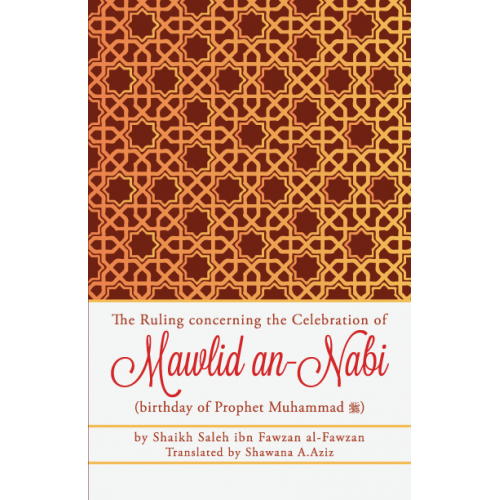
The Ruling Concerning the Celebration of Mawlid an-Nabi (2nd edition)
Previous product
The Sahabiyat (P/B)
RM15.00
Next product
The Road To Mecca (P/B)
RM39.00
RM5.00 RM7.00
29% Off
Hurry up, Only 5 left.

Highlights:
somdn_product_page
Compare
In this book, is an explicit CLARIFICATION of the MAJOR DOUBTS raised by the proponents of Mawlid an-Nabi, including:
- Mawlid an-Nabi is honoring the Prophet.
- Mawlid an-Nabi is celebrated by a large number of the people in many towns and cities.
- Commemorating Mawlid an-Nabi renews the memories of the Prophet.
- Celebration of Mawlid an-Nabi is cut of love for the Prophet and an expression of ones love, which is permissible.
- Mawlid an-Nabi is a Bidah Husna (good innovation) because it is a means of showing gratitude towards Allah for sending the Prophet.
- The sayings of Umar, ‘What a good Bidah is this?’
Additional quotes by Shaikh Muhammad ibn Ibraheem Aal-Shaikh have been added to further clarify these issues. The booklet also as 2 valuable appendixes:
Appendix 1: Explanation of the Hadeeth,”He, who established/initiates a Sunnah Husna in Islam.” in the word o Shaikh Saleh al-Fawzan and Shaikh Muhammad ibn al-Uthaimeen (rahimahullah)
Appendix 2: A Dialogue between Shaikh al-Albani (rahimahullah) and a proponent of Mawlid.
Additional information
Reviews (0)
Be the first to review “The Ruling Concerning the Celebration of Mawlid an-Nabi (2nd edition)” Cancel reply
You must be logged in to post a review.
Related Products
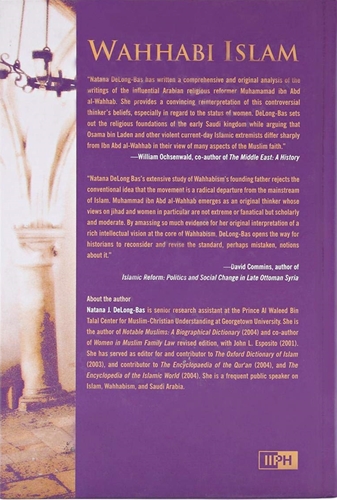
Wahhabi Islam From Revival And Reform To Global Jihad
Highlights:
Until September 11, 2001 few Westerners had ever heard of “Wahhabism.” Now most of us recognize the word as describing an austere and puritanical type of Islam, mentioned frequently in connection with Osama bin Laden and Saudi Arabia and often named as the inspiration behind the 9/11 terror attacks. The word “Wahhabi” stems from the name of the founder of this system of thought, Muhammad Ibn Abd al-Wahhab (1702-1791), companion and religious adviser to Muhammad Ibn Saud, founder of the House of Saud. In this book Natana DeLong-Bas offers an in-depth study of the written works of al-Wahhab. She focuses on four areas: theology, legal theory, proselytizing through education and jihad, and law on women. Through a close reading of al-Wahhab’s texts she demonstrates that many aspects of 20th- and 21st-century Wahhabi extremism do not have their origins in his writings. Examples of this extremism include the emphasis on jihad, martyrdom and militancy, and misogyny. The strict division of the world into dar al-Islam and dar al-kufr, according to which only Wahhabi adherents are considered to be true Muslims and all others are non-Muslims who must be fought, is entirely absent from al-Wahhab’s work. Instead, argues DeLong-Bas, all of these themes were only added to Wahhabi teachings in the 19th century following armed engagement with the Ottoman Empire. DeLong-Bas’s study fills an enormous gap in the literature about Wahhabism by returning to the original writings of the founder of the movement. She debunks the common journalistic portrayal of Muhammad Ibn Abd al-Wahhab as an illiterate, rural bumpkin with no scholarly formation. Her revisionist reading of al-Wahhab’s thought will be controversial but impossible to ignore. The book will be essential reading for students and scholars of Islam as well as for those interested in the background of this dangerous modern ideology.
RM91.00
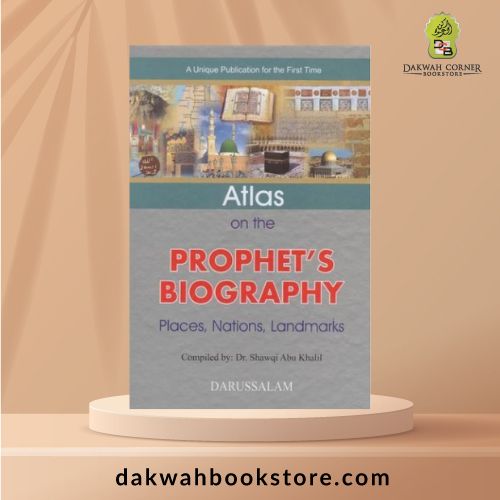
Atlas on the Prophet’s Biography Places, Nations, Landmarks
Highlights:
Seerah and Biographies
RM57.00
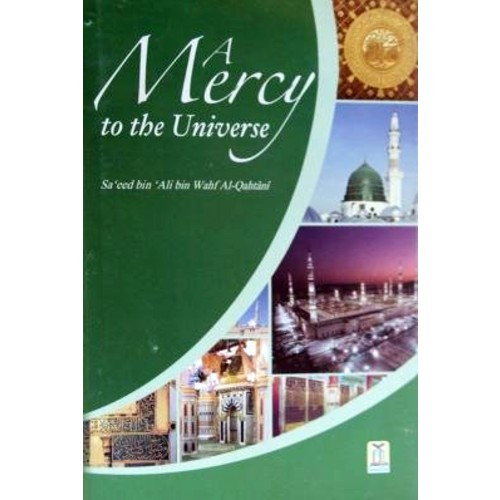
A Mercy to the Universe
Highlights:
Mercy is clemency and forbearance; mercy is the disposition to forgive or show compassion; mercy means a favor or a blessing; mercy further denotes the qualities of kindness, sympathy, generosity, and beneficence. Suffice is to say that all of these qualities were present in abundance in the character of the Prophet Muhammad (May Allah have his peace and blessings on him).
He was a mercy not just to believers, but to disbelievers as well, for he would invite them to come out of darkness and into the light of true guidance. He is a favor and blessing for mankind, not just the Arabs, the people among whom he was sent, but for people of all races and colors. His staunchest enemies became his closest followers when the cloud of blind prejudice was removed from their sight and when they were able, for the very first time, to see with clarity the true nature of the Prophet’s character.
This book deals with many of the qualities that the Prophet possessed that made him the mercy to everyone. It starts with His perfect lineage, His noble upbringing, and his fully dedicated worship. This book then gives many of the qualities of the Prophet including his generosity, humbleness, bravery, patience, and leadership to name a few. Each chapter includes examples from the life of the Prophet on how he was the perfect living example of that quality. The book ends with the perfection of life of the Prophet with his farewell sermon and even his noble death where he demonstrated some of those qualities as well.
RM46.00
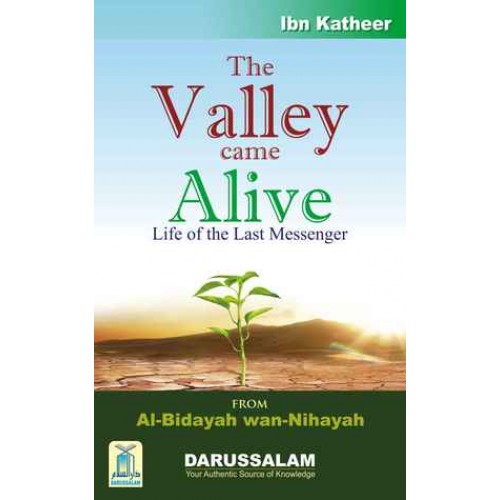
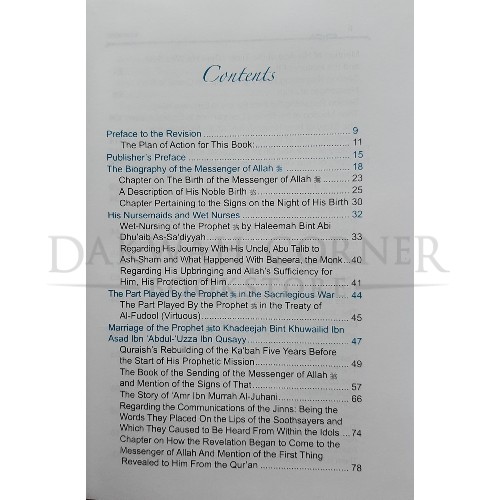
The Valley Came Alive (H/B)
Highlights:
Darussalam is proud to present the abridged English translation of the classic work: Al-Bidayah wan Nihayah, focusing exclusively on the life of Prophet Muhammad (peace be upon him). This volume contains a detail account of the life and times of the Messenger of Allah taken from a number of historical and traditional sources. The book reports the events of his blessed life, his battles, military campaigns, the delegations that met him, and sheds light upon the unique exemplary qualities, virtues and signs of his Messengership that make him a guide and role-model for all of humanity until the end of time.
A1-Bidayah wan Nihayah (The Beginning and The End) by the renowned scholar Abu Al-Fida ‘Imad ad-Deen lsma’eel bin ‘Umar ibn Katheer, is considered one of the most authoritative sources on Islamic history.
RM60.00
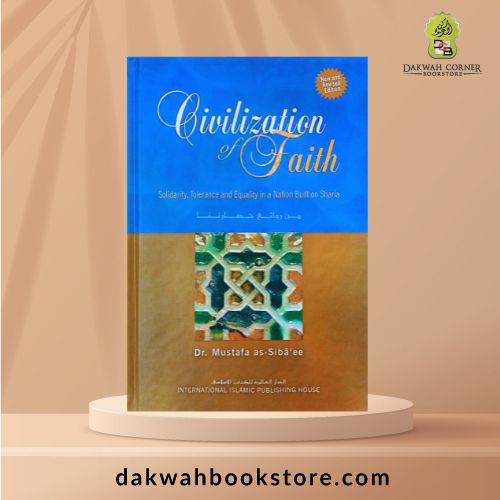
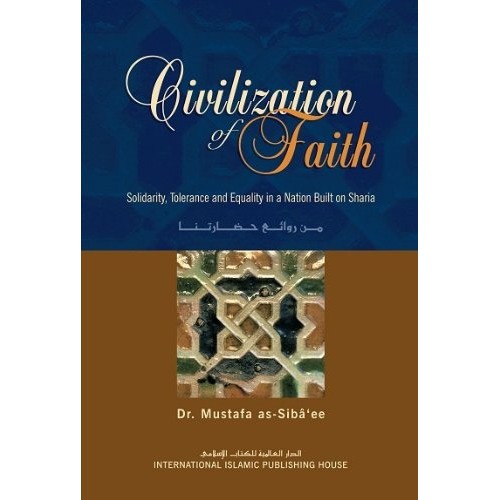
Civilization of Faith (IIPH)
Highlights:
We are living at a time when western civilization is at its peak and the Muslim nations are at their weakest point. They are dazzled by the power of the west with its wealth, scientific discoveries and technological advantages. Those who are unfamiliar with history might be unaware that this has not always been the case. A few hundred years ago, it was just the opposite. The Muslim Ummah was the superpower of the age, and Muslims were leaders in culture, science and technology. The cities of the Muslim world were the centres of learning to which people came from far and wide. The Muslims, at one time, were the most technologically-advanced civilization on the earth. The uniqueness of their civilization lay in the fact that, although they achieved a great deal in materialistic terms, they remained a compassionate society where the poor and disadvantaged were cared for. This book is a reminder to Muslims that they have a glorious past; for many centuries, they had the upper hand over their enemies. They became masters of the world when they adhered to Islam; however, when they became preoccupied with worldly gain and the pursuit of luxury, decline set in. Today, if Muslims take their religion seriously, they will once again be supported by Allah, the Exalted, and lead the world in all spheres of life. Nasiruddin al-Khattab has translated this thought provoking book into English. The hardcover version of this book that we have for sale is the revised 3rd edition, published in 2011.
RM19.00 – RM26.00Price range: RM19.00 through RM26.00
HardcoverSoftcover
Clear
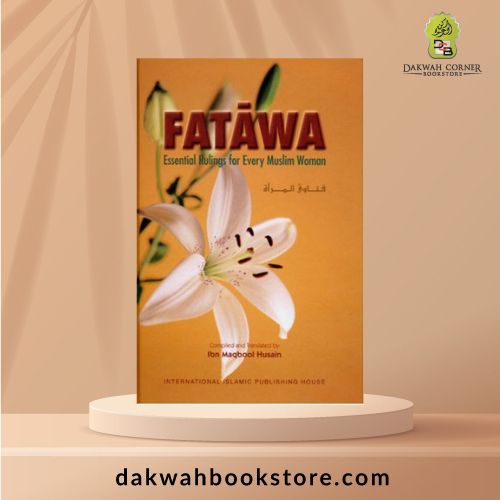
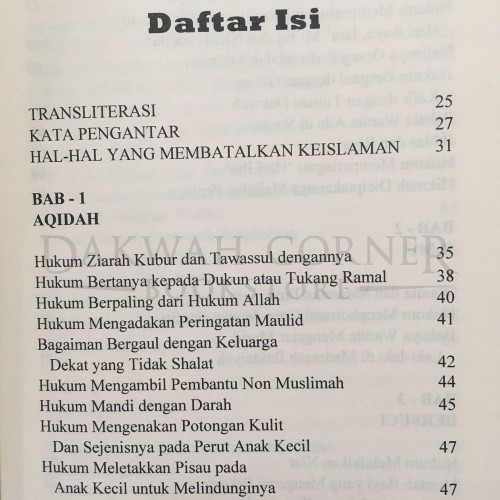
Fatawa-fatawa Tentang Wanita (H/B)
4 ★
4 ★
1 Rating
5 ★
0
4 ★
1
3 ★
0
2 ★
0
1 ★
0
Highlights:
Buku ini merupakan kumpulan fatwa-fatwa pilihan yang berkaitan dengan masalah wanita, yang dihimpun dari fatwa-fatwa Syaikh Abdul Aziz bin Baz, Syaikh Muhammad al-Utsaimin, Syaikh Abdullah al-Jabrain, dan fatwa-fatwa Lajnah Da’imah lil-Ifta’. Buku ini penting dimiliki setiap muslimah, karena di dalam buku ini terdapat jawaban-jawaban atas persoalan-persoalan yang dihadapi atau dialami oleh wanita muslimah dalam kehidupannya, di mana banyak dari persoalan-persoalan tersebut yang tidak didapatkan jawabannya dalam buku-buku klasik.
This is the Indonesian translation of Fatawa: Rulings for Muslim Woman. Acquiring knowledge of Islam is incumbent upon every Muslim – male and female – in order to live one’s life according to the commands and recommendations of the Qur’an and the Sunnah of Allah’s Messenger (blessings and peace of Allah be upon him). Naturally, women have some specific issues that concern them and that are different than those that concern all Muslims or only men. In this book, these rulings, or fatâwa, have been compiled from the religious verdicts of well-known and respected Islamic scholars, both past and present — Shaykh ‘Abdul-‘Aziz ibn Baz, Shaykh Muhammad ibn ‘Uthaymeen, Shaykh Ibn Jibreen, and the Standing Committee for Scholarly Research and Issuing Fatwas (Saudi Arabia). The rulings are derived from the Qur’an and the Sunnah. The rulings were compiled in this book by Muhammad al-Musnid and translated into Indonesian/Malay by Uril Bahruddin. This book is a compendium of such rulings in a question-and-answer format, catering to the special needs of the Muslim woman. It is a concise and readily accessible reference, and an invaluable addition to the Muslim woman’s personal library.
RM45.00
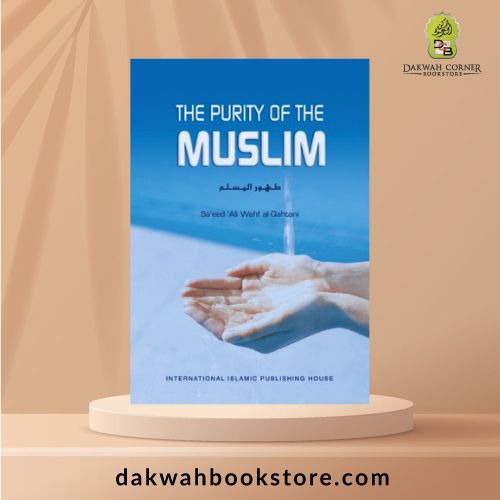
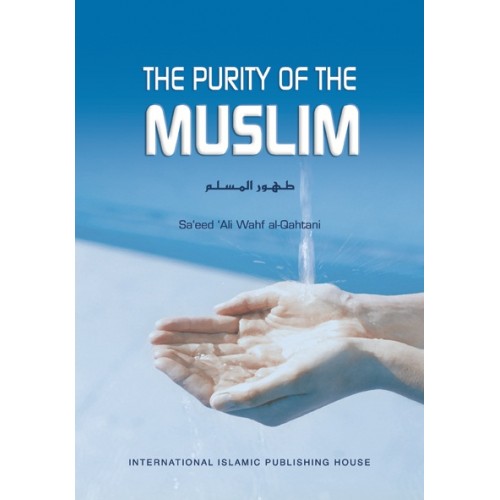
The Purity of Muslim (P/B)
Highlights:
According to a well-known hadith, cleanliness and purity are half of the faith. It is obligatory for a Muslim to be clean and in a state of purity in order to offer formal prayer and recite the Quran by way of ablution, a ritual shower, or dry ablution. Purity and cleanliness encompass both physical and spiritual aspects. Physical impurities can be removed by clean, pure water or dry, clean earth or stone, and this is a beginning step for spiritual cleanliness. In the Purity of the Muslim, Saeed al-Qahtani explains in a clear and comprehensive manner the types of various impurities and the ways to attain purity and cleanliness according to the teachings of the Quran and of the final prophet, Muhammad (blessings and peace of Allah be upon him).
RM15.00
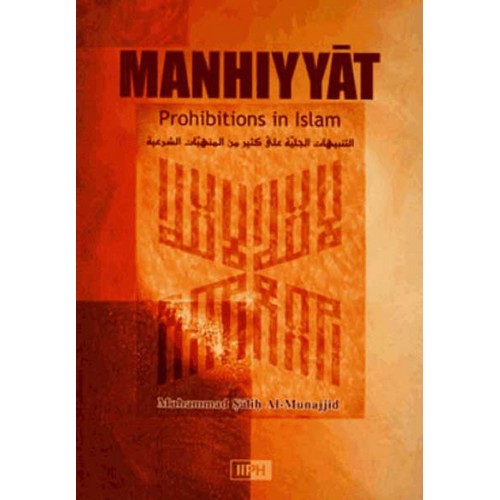
Manhiyyat Prohibitions in Islam (P/B) (IIPH)
Highlights:
Whatever has been prohibited in the Qur’an and the Sunnah is for a good reason. Every Muslim is commanded to learn his or her religion, and being aware of these prohibitions is part of that essential knowledge. The Qur’an and the Sunnah enjoin virtuous behaviour, and any actions they prohibit are destructive deeds that a Muslim should avoid. In Prohibitions in Islam, Shaykh Muhammad Sâlih al-Munajjid explains that Allah Almighty and His Messenger (blessings and peace be upon him) have prohibited everything that contains any sort of harm or evil. These prohibitions vary in their degree of evil: they are either forbidden or detestable, and a practicing Muslim should avoid both kinds.
RM11.00
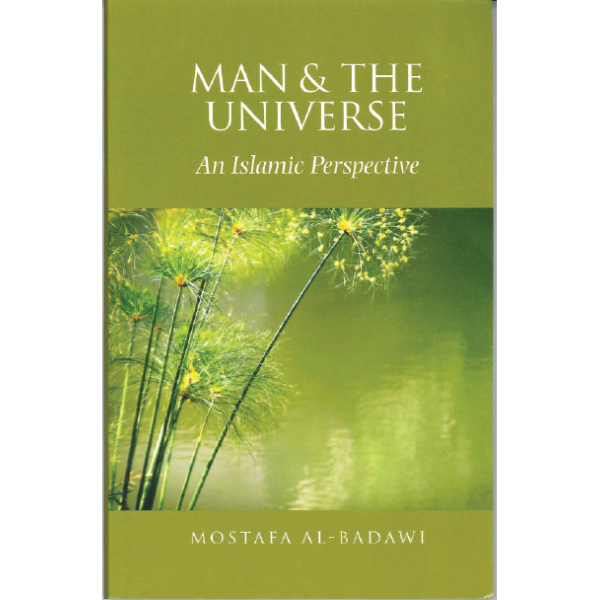
Man & The Universe An Islamic Perspective – Awakening
Highlights:
The author presents a penetrating diagnosis of the illnesses of humanity today, together with a fascinating overview of the Islamic metaphysics, unearthing its spiritual and moral values and its timeless relevance and applicability. Man and universe is a compelling and urgently needed piece of writing about what we human beings are, where we stand, and what we can do about it.
RM65.00
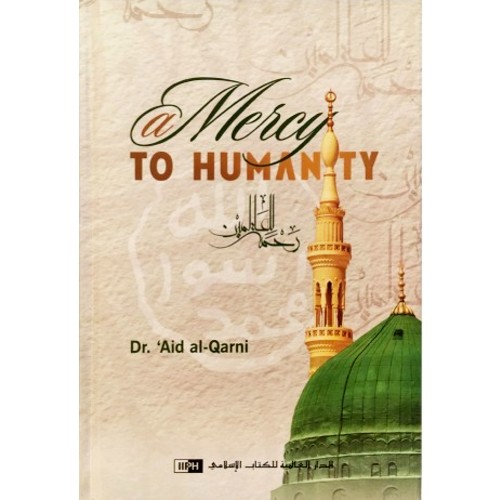
A Mercy to Humanity
Highlights:
A Mercy to Humanity is a truly unique study of the Prophet’s (SAW) biography in which Dr. Aid al-Qarni paints a vivid picture of his noble character, delivering a personal insight into the events of his life. It is an emotional and engaging commentary that includes the author’s thoughts and reflections on the subject.
RM77.00
Recently Viewed
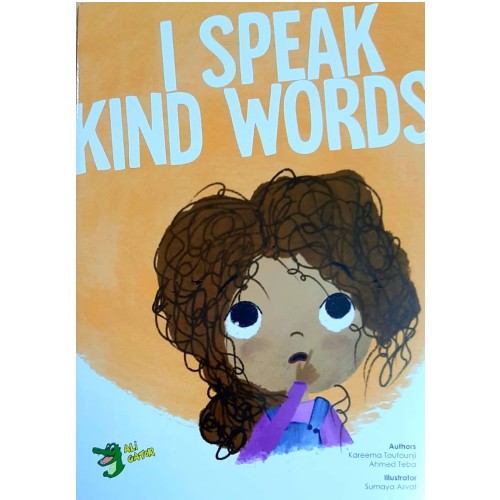
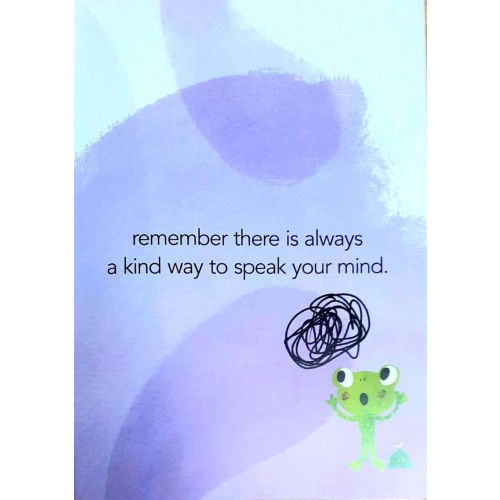
I Speak Kind Words (P/B)
Highlights:
Speak KIND WORDS, hmm, whats does that mean?
Well when you’re excited for DINNER but instead of chicken soup you get
BEANS.
Quirky poems to help young children live a virtuous life based on the character of our PERFECT example.
RM35.00
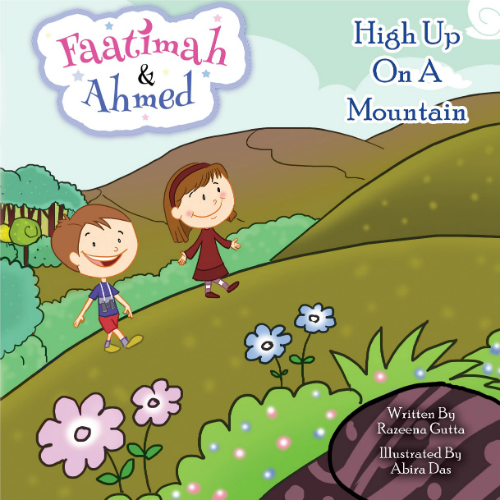
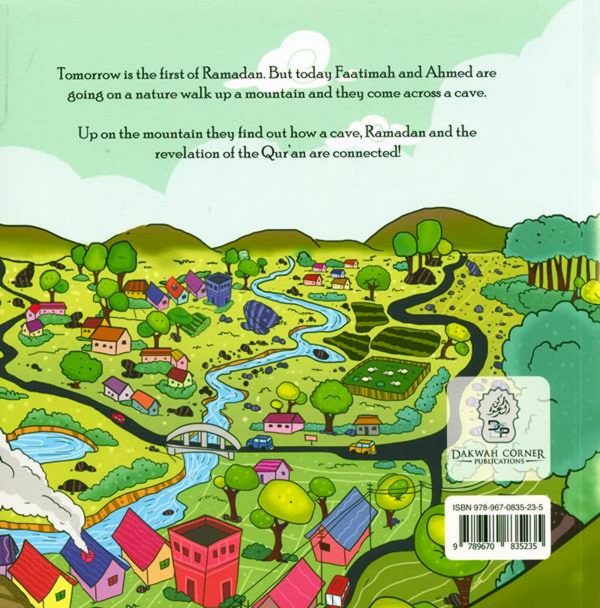
Faatimah & Ahmed High Up On A Mountain
Highlights:
Tomorrow is the first of Ramadhan. But today Faatimah and Ahmed are going on a nature walk up a mountain and they come across a cave. Up on the mountain, they find out how a cave, Ramadhan and the revelation of the Quran are connected!
RM18.00
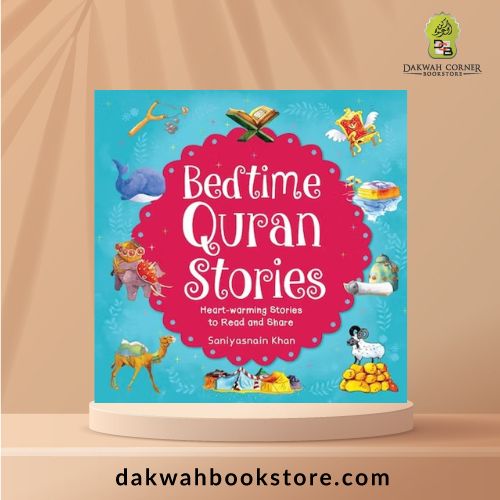
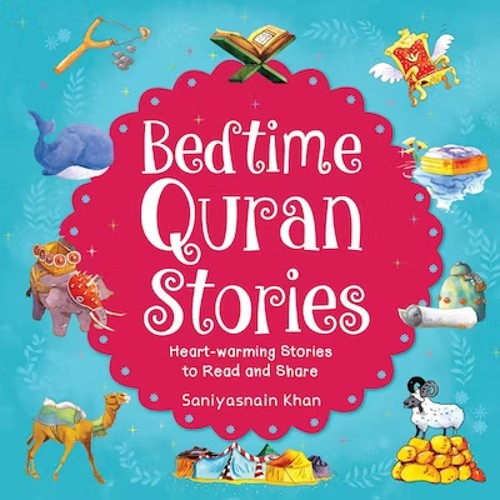
Bedtime Quran Stories
5 ★
5 ★
1 Rating
5 ★
1
4 ★
0
3 ★
0
2 ★
0
1 ★
0
RM56.00
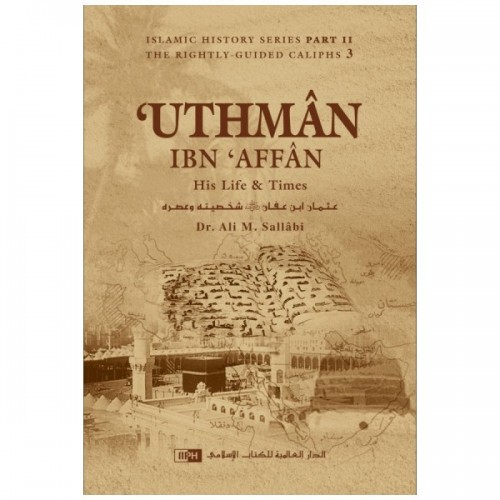
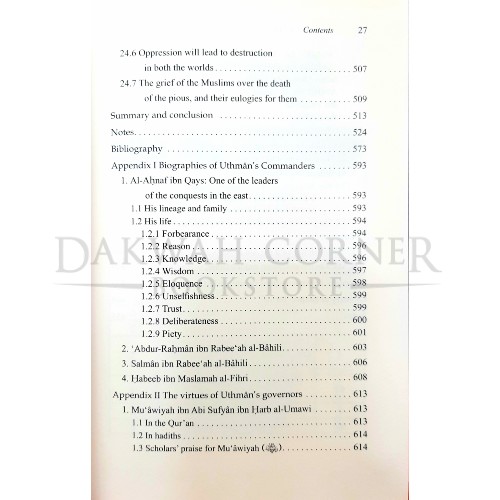
Uthman Ibn Affan His Life and Times (IIPH)
Highlights:
By Dr. Ali Muhammad As-Sallabi
In today’s crisis-ridden world, amidst the numerous internal and external forces striking at the roots of Islam, Muslims are truly hard pressed to find strong and competent leaders. This has not always been the case, though. Examples of first-rate leaders are plentiful in Islamic history.
The life and times of Uthmân ibn Affân, as detailed in this book by Dr. Ali M. Sallâbi, truly illustrate the characteristics of exemplary leaders along with the commendable qualities of those under them. This account of how Uthmân ibn Affân, the third Rightly-Guided Caliph, expanded the Islamic state, compiled the Qur’an into a single edition, and, finally, dealt with the turmoil that engulfed the Ummah, makes for a very enlightening read. The author has also given us insight into the life of Dhun-Noorayn (Uthmân, the ‘Possessor of the Two Lights’) before he became the caliph. Readers discover his attachment to the Prophet (sa), his relationship with the Qur’an and his generous financial contributions towards the founding of the Islamic state. All in all, this book will prove to be a valuable resource on Islamic history.
RM90.00
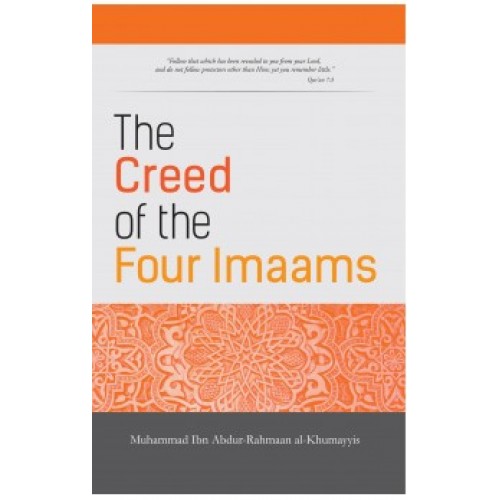
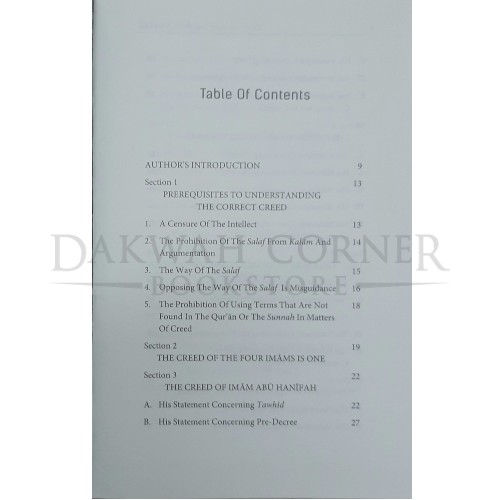
The Creed Of The Four Imaams (H/B)
5 ★
5 ★
1 Rating
5 ★
1
4 ★
0
3 ★
0
2 ★
0
1 ★
0
Highlights:
The book proves the important, yet overlooked point: that despite whatever differences the Imaams had in their fiqh, their creed (aqidah) was one and the same in almost all issues. Many narrations are brought from the past and present day scholars showing that the path to Allaah is one. Detailed biographies have been provided for each of the four Imaams from ancient authentic sources. Additionally many doubts cast over the creed and lives of the Imaams have been uncovered, and the Creed of the Ahlus-Sunnah wal-Jama’ah has been exonerated.
RM32.00
Abraham – The Friend Of God
Highlights:
Abraham, as a prophet and patriarch, is called “the friend of God” in Jewish, Christian, and Islamic scriptures, and has a place of eminence in the shared scriptures and histories of each of these three monotheistic, prophetic, and Middle Eastern religions.
In Abraham: The Friend of God, Dr. Dirks provides Jewish, Christian, and Muslim readers with a unique and original presentation of the life of Abraham. In constructing a chronological biography of Abraham, the author integrated and synthesized information from a wide range of Judaeo-Christian and Islamic traditions, including the Bible, the Pseudeigrapha (I.e. Jubilees and the Genesis Apocryphon), the Qur’an, the authenticated sayings (Sahih Ahadith) of Prophet Muhammad, and the classic books of ancient history authored by Josephus and Al-Tabari. This integrated biographical sketch is embedded in a framework drawn from the various historical and geographical contexts dealing with different aspects of Abraham’s life.
RM95.00 RM105.00
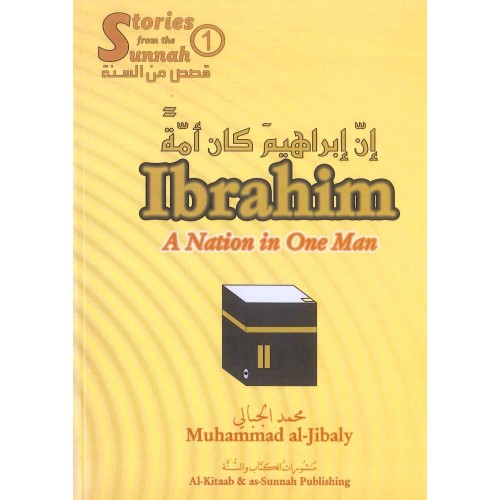
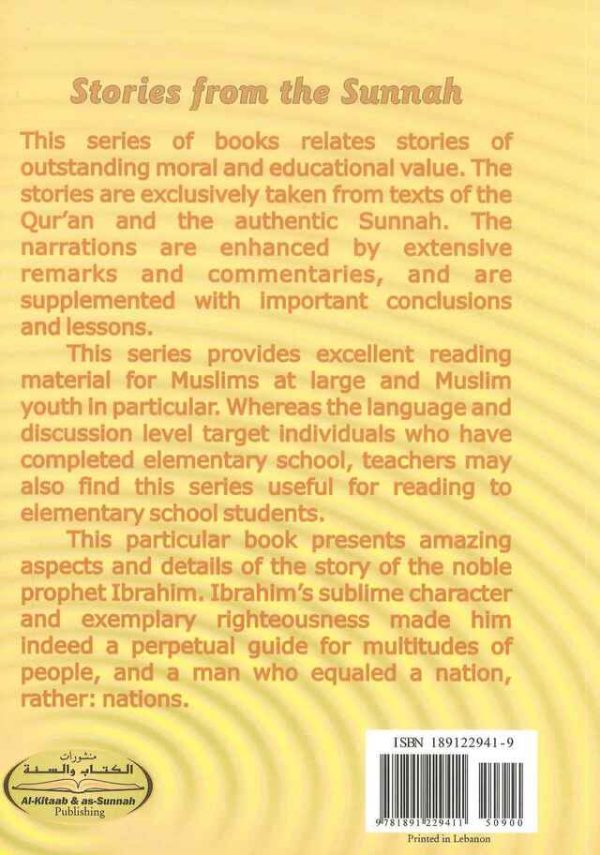
Ibrahim A Nation in One Man (P/B)
Highlights:
Prophet Ibrahim (AS) was known to be the friend of Allah. There was a reason why this was true. His Love for the Lord was unparalleled and so were his trials.However, through his life history one can learn a lot about life as well as the attributes of being a great human being. Includes the Life and times of Prophet Ibrahim (AS), explained in detail by the author. Every story of the prophet is linked to a moralistic and educational value. All stories provided in the book are authentic; they are taken from the Quran and the authentic Sunnah. Each story is supported by further research and commentaries from Muslim Scholars. The language level is easy to understand and it targets the students of Elementary school. Although everyone else is free to read it. The prophets were all Allah’s messengers, and they were the perfect example of what had to be offered in order to maximize the message of Allah. So why not learn from them, and make our world a better place?
RM39.00
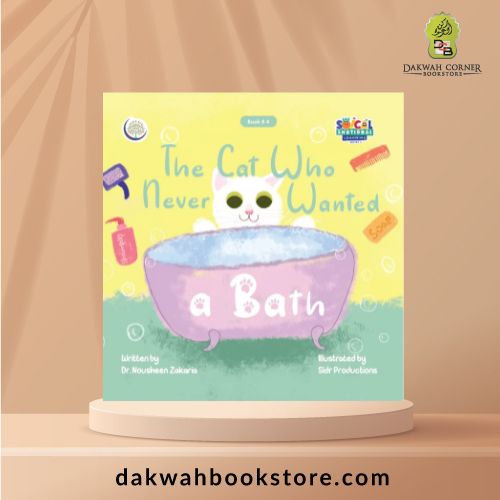

The Cat Who Never Wanted a Bath
Highlights:
The Cat Who Never Wanted a Bath is a heartwarming story about Fatima and her playful cat, Mimi—who will do anything to avoid bath time! Through laughter, muddy adventures, and gentle lessons, children learn that cleanliness is not just about looking neat but is an important part of faith. Rooted in Islamic teachings, this beautifully illustrated story helps little readers understand that staying clean pleases Allah and reflects gratitude for His blessings. With humor and tenderness, it encourages children to develop healthy habits, patience, and empathy, while reminding families that even everyday routines can become moments of love, learning, and faith.
RM25.00
There are no reviews yet.