

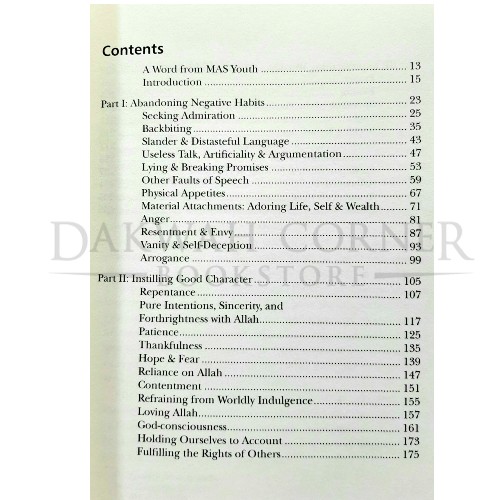
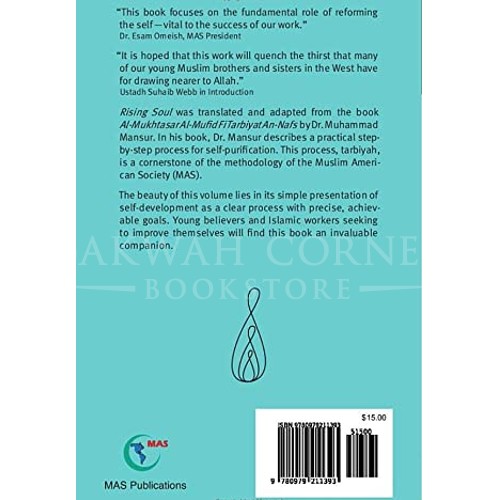
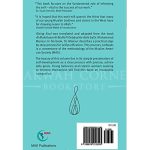
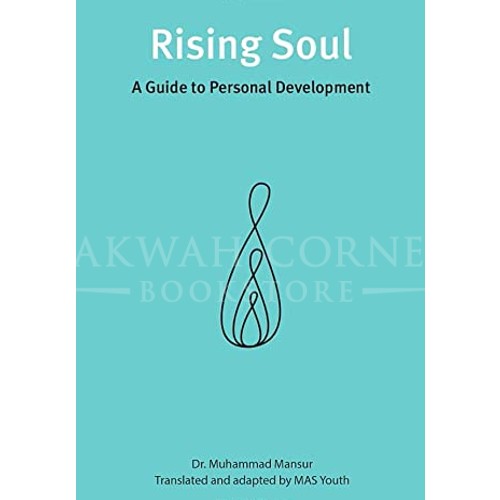
Rising Soul was translated and adapted from the book “Al-Mukhtasar Al-Mufid Fi Tarbiyat An-Nafs” by Dr. Muhammad Mansur. In his book by him, Dr. Mansur describes a practical step-by-step process for self-purification. This process, tarbiya, is a cornerstone of the methodology of the Muslim American Society (MAS).
Rising Soul: A Guide To Personal Development
Previous product
Embark with Us (P/B) - DCB
RM10.00 RM20.00
Next product
Road Blocks (P/B)
RM75.00
RM75.00
Out of Stock
Highlights:
somdn_product_page
Compare
“The beauty of this volume lies in its simple presentation of self-development as a clear process with precise, achievable goals. Young believers and Islamic workers seeking to improve themselves will find this book an invaluable companion.”
SKU: MM244
Categories: Motivational & Manners, Popular Titles Worldwide
Frequently Bought Together
0 Item
RM75.00
1 Add-Ons
- RM25.00
Total
RM50.00
Additional information
| Weight | 0.55 kg |
|---|---|
| Dimensions | 21.5 × 14 × 1.6 cm |
| Author | |
| Binding | Paperback |
| ISBN | 9780979211393 |
| Pages | 237 |
| Publisher | Muslim American Society (MAS) Publishing |
Reviews (0)
Be the first to review “Rising Soul: A Guide To Personal Development” Cancel reply
You must be logged in to post a review.
You may also like…
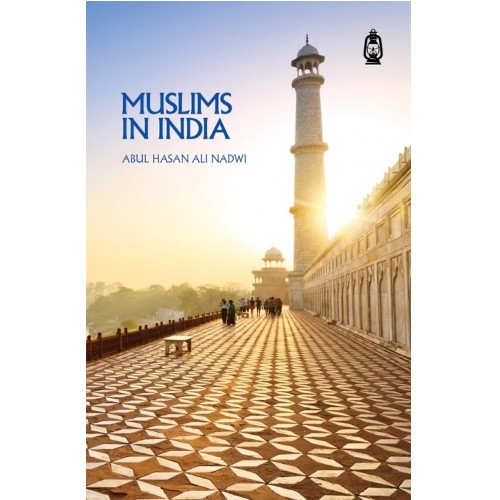
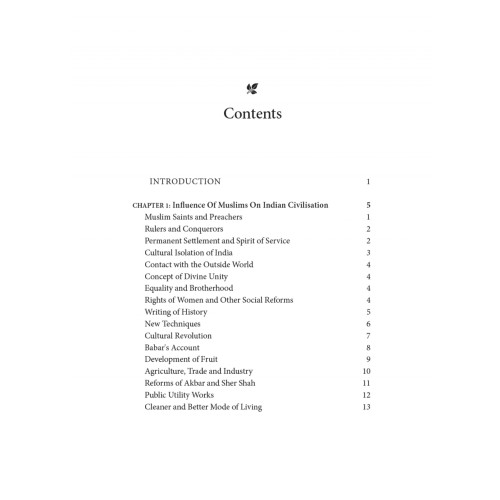
Muslims in India by Abul Hasan Ali Nadwi (Claritas)
Highlights:
In this collection of nine essays on Islam in India, Abul Hasan Ali Nadwi illuminates the truth of the historical “Muslim era” in India. Nadwi seeks to both share Indian culture with others and to broaden the national perspective in India on the nation’s Islamic history.
RM67.00
Personality Development (P/B)
Highlights:
From an Islamic vision, the human being is the center of universe. A quick review of the verses of the Glorious Quran and the Sunnah, statements, actions and traditions of Allah’s Messenger (SAW), reveals more than 90% of both revolve around the human being. There are very few verses in the Glorious Quran that address the improvement of the environment and the inhabitants and construction of the earth. But the majority of the verses of the Glorious Quran and the majority of the efforts done by the Prophet of Islam; Mohammad (SAW) throughout his blessed life revolve around the reformation of the human being. If the human being is reformed, then, the entire life would be reformed and fine.
RM15.00
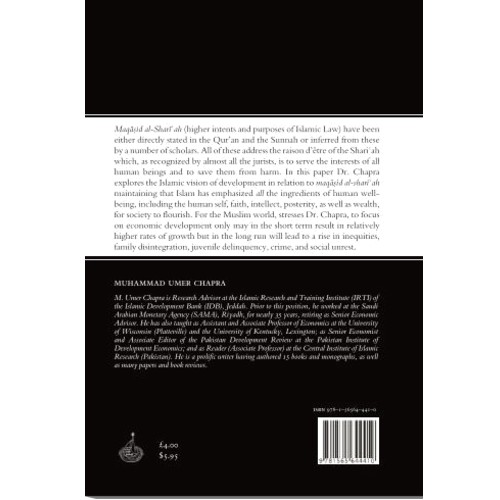
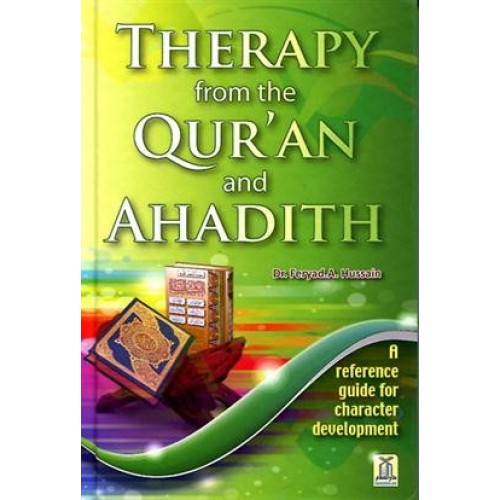
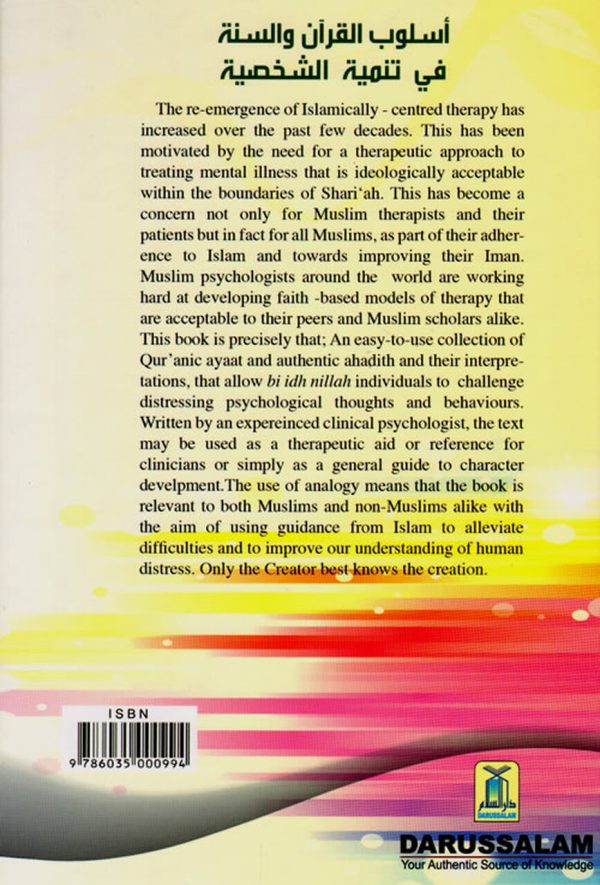
Therapy from the Qur’an and Ahadith (H/B)
Highlights:
The re-emergence of Islamically – centred therapy has increased over the past few decades. This has been motivated by the need for a therapeutic approach to treating mental illness that is ideologically acceptable within the boundaries of Shari’ah. This has become a concern not only for Muslim therapists and their patients but in fact for all Muslims, as part of their adherence to Islam and towards improving their Iman. Muslim psychologists around the world are working hard at developing faith -based models of therapy that are acceptable to their peers and Muslim scholars alike. This book is precisely that; An easy-to-use collection of Qur’anic ayaat and authentic ahadith and their interpretations, that allow bi idh nillah individuals to challenge distressing psychological thoughts and behaviors. Written by an experienced clinical psychologist, the text may be used as a therapeutic aid or reference for clinicians or simply as a general guide to character development. The use of analogy means that the book is relevant to both Muslims and non-Muslims alike with the aim of using guidance from Islam to alleviate difficulties and to improve our understanding of human distress. Only the Creator best knows the creation.
RM46.00

The Middle Path of Moderration in Islam (H/B)
Highlights:
In The Middle Path of Moderation in Islam, leading Islamic law expert Mohammad Hashim Kamali examines the concept of wasatiyyah, or moderation, arguing that scholars, religious communities, and policy circles alike must have access to this governing principle that drives the silent majority of Muslims, rather than focusing on the extremist fringe. Kamari explores wasatiyyah in both historical/conceptual terms and in contemporary/practical terms. Tracing the definition and scope of the concept from the foundational sources of Islam, the Qu’ran and Hadith, he demonstrates that wasatiyyah has a long and well-developed history in Islamic law and applies the concept to contemporary issues of global policy, such as justice, women’s rights, environmental and financial balance, and globalization.
Framing his work as an open dialogue against a now-decades long formulation of the arguably destructive Huntingtonian “clash of civilizations” thesis as well as the public rhetoric of fear of Muslim extremism since the attacks of September 11, 2001, Kamali connects historical conceptions of wasatiyyah to the themes of state and international law, governance, and cultural maladies in the Muslim world and beyond. Both a descriptive and prescriptive meditation on a key but often neglected principle of Islam, The Middle Path of Moderation in Islam provides insight into an idea that is in the strategic interest of the West both to show and practice for themselves and to recognize in Muslim countries.
RM189.00
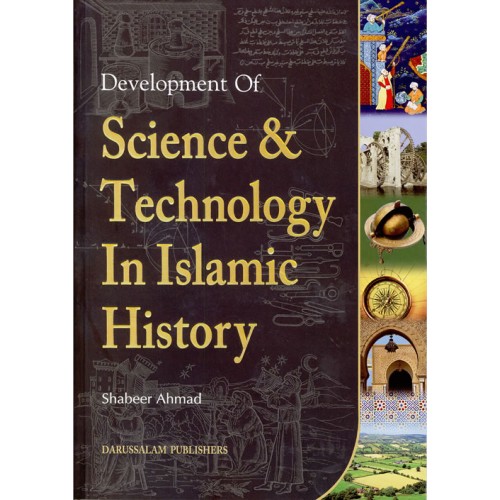
Development of Science & Technology In Islamic History (P/B)
Highlights:
The objectives of this book are:
1- To examine the argument that there is a contradiction between science and Islam.
2- To highlight some of the great contributionsmade by Muslims to science and technology over a period of 1000 years.
Science has never been separate from Islam. Objective study of this subject will reveal that Islamic texts – Qur’an and the Sunnah, provided a tremendous boost for study of the physical world and the laws that govern it. As a result, discoveries and inventions became the hallmarks of the Islamic civilization. Recently there has been a surge in the number of publications dealing with science and its relationship with Islam.
These books have focused on the various verses on the Qur’an that point to the physical world to prove that science is compatible with Islam. However, areas that are not covered enough for the English reader are the historical development of science and technology in the Muslim world, and the factors that led to its rise and decline. The decline has been so severe, that today’s Muslims are not even aware that their ancestors were the founding fathers of modern sciences. Just consider the common Arabic words used in the English language today like cotton, algebra, aorta, alcohol, chemistry, earth and alkaline. They are a living testimony to the pioneering work of the Muslims.
I am proud to introduce this inspiring book to our readers. It focuses on the strides made by the Muslims in various disciplines of science and technology from the early period of the Islamic State to its last days in the 20t’ century CE. The unique aspect of this book is that it sheds light on the key factors that led to the rapid advances in science and technology. Furthermore, it also analyses the reasons why Muslim World declined in this field, and last but not least, how the Muslim World can achieve the same kind of success as we already have in the past. Abdul Malik Mujahid About the Author Shabeer Ahmad, born in 1966, is a respected technologist by profession. He studied Avionics Engineering at University of London and he is currently an IT Consultant, having worked in Asia, Europe, Middle East and North America. The author has written widely on various subjects in Islam, including science, economics, politics and history.
The author is also a well respected speaker. The current book started as a lecture for a radio station in London. Given the massive interest it generated, and the little information available, the author began to research more into historical developments of science in the Muslim world. The author felt that the contributions of Muslims in this area have not been widely acknowledged, and that there is a need to counter the view that Islam is incompatible with science. The current book is a culmination of his research over the years.
RM26.00
Related Products
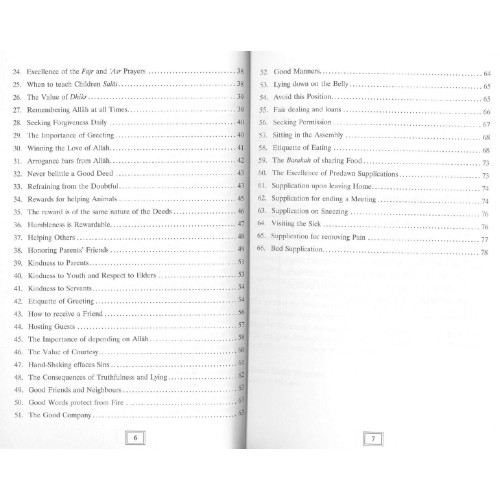
100 Ahadith about Islamic Manners
4 ★
4 ★
2 Ratings
5 ★
0
4 ★
2
3 ★
0
2 ★
0
1 ★
0
Highlights:
An extract of 100 Ahadith from famous collections of Ahadith (Sahih Al Bukhari, Sahih Muslim, At-Tirmidhi, Riyad-us-saliheen and others). The distinguishing feature of this book is the selection of its chapters that persuade the good morals and behaviour.
A moral and spiritual revolution begins to happen in the mind and conduct of the readers as their study progresses. We hope that this selection of Ahadith will initiate the readers to follow Islamic teachings throughout their life.
RM11.00
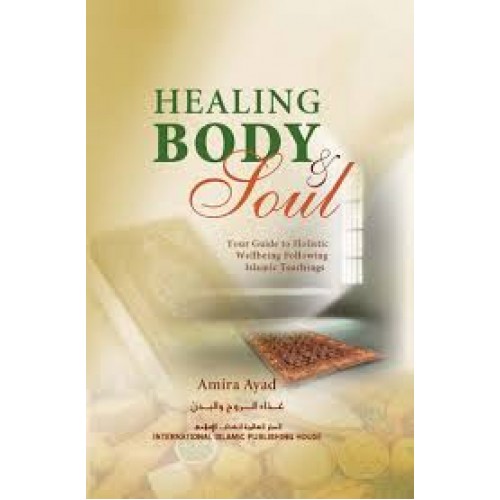
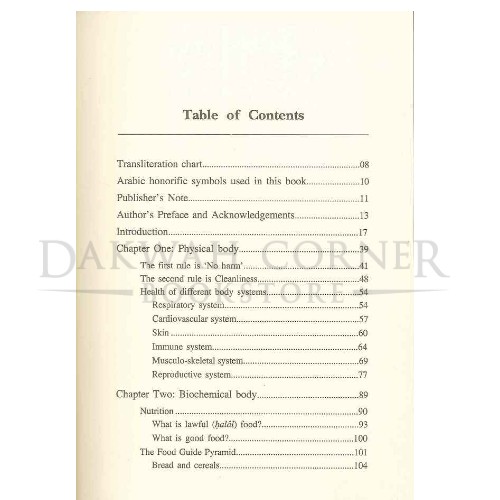
Healing Body and Soul : Your Guide to Holistic Wellbeing Following Islamic Teachings
5 ★
5 ★
1 Rating
5 ★
1
4 ★
0
3 ★
0
2 ★
0
1 ★
0
Highlights:
Like other guides to good health, Healing Body & Soul advocates abandoning an unhealthy diet and altering a sedentary lifestyle, but this book goes beyond the mere physical aspects of health. Amira Ayad is a practitioner and researcher with a Master’s in Pharmaceutics and pursuing her Doctorate in Natural Health. She writes: During the course of this work, I try to explain how you can combine the rich tradition of Islamic teaching with beneficial contemporary scientific knowledge in order to lead a holistically healthy and happy life. The book is divided into five chapters, each concerning one of the five components that make up your body, mind and soul, clarifying in each chapter how to look after that part of you and keep it healthy. During the course of the book you will notice how these bodies are interconnected; the health of one is highly dependent on the wellbeing of the others, so that a happy, healthy life entails a balance between all of them. Healing Body & Soul presents holistic Islamic health science in a simple yet comprehensive user-friendly guide to better health. Healing Body& Soul is an invaluable reference that encourages and empowers people to take control of their health and their lives.
RM96.00
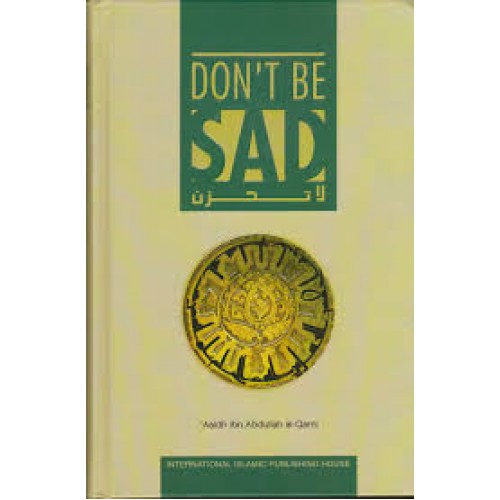
Don’t Be Sad By Dr. A’id al-Qarni
5 ★
5 ★
1 Rating
5 ★
1
4 ★
0
3 ★
0
2 ★
0
1 ★
0
Highlights:
At a time in which the Muslims are beset with trials from every periphery and within, comes this heartening book rooted in the commandments of Allah (swt), the Sunnah and the excellent guidance and examples of the Muslims that have come before us. Don’t Be Sad is an absolute must-read for all people. It is full of practical advice on how to replace sadness with a pragmatic and ultimately satisfying Islamic outlook on life. It exposes to the modern reader how Islam teaches us to deal with the tests and tribulations of this world. So, take heart and hold firmly onto the rope of Allah (swt)
RM75.00 – RM85.00Price range: RM75.00 through RM85.00
HardcoverPaperback
Clear
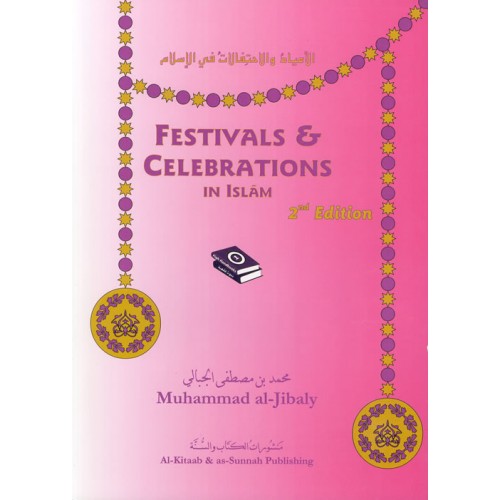
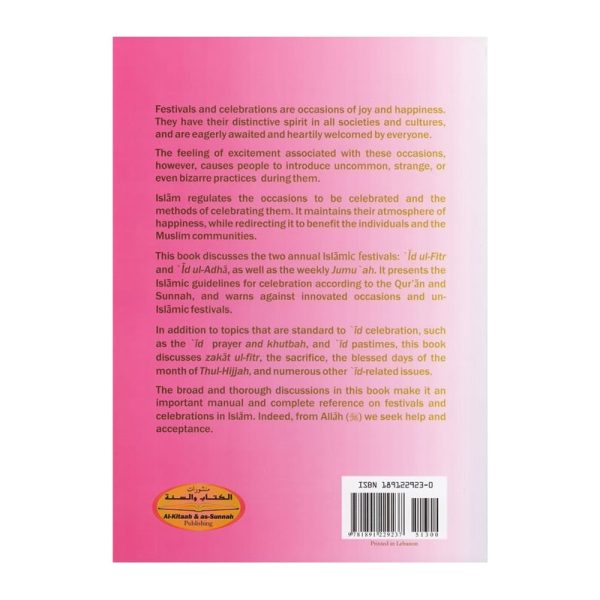
Festivals & Celebrations In Islam
5 ★
5 ★
1 Rating
5 ★
1
4 ★
0
3 ★
0
2 ★
0
1 ★
0
Highlights:
Festivals and celebrations are occasions of joy and happiness. They have their distinctive spirit in all societies and cultures, and are eagerly awaited and heartily welcomed by everyone.
The feeling of excitement associated with these occasions, however, causes people to introduce uncommon, strange or even bizarre practices during them.
Islam regulates the occasions to be celebrated and the methods of celebrating them. It maintains their atmosphere of happiness, while redirecting
This book discusses the two annual Islaamic festivals: Eid ul-Fitr and Eid ul-Adhaa as well as the weekly Jumu’ah. It presents the Islaamic guidelines for celebration according to the Quraan and Sunnah, and warns against innovated occasions and un-Islaamic festivals.
In addition to topics that are standard to ‘Id celebration, such as the ‘Id prayer and khutbah, and ‘Id pastimes, this book discusses zakat-ul-fitr, the sacrifice, the blessed days of the month of Thul-Hijjah, and numerous other ‘Id-related issues.
The broad and thorough discussions in this book make it an important manual and complete reference on festivals and celebrations in Islam. Indeed, from Allah (swt) we seek help and acceptance.
RM51.00


33 Ways of Developing Al-Khushoo`: Humility and Devotion in Prayer
5 ★
5 ★
1 Rating
5 ★
1
4 ★
0
3 ★
0
2 ★
0
1 ★
0
Highlights:
Shaykh Muhammad Salih al-Munajjid’s little book is perhaps one of the most widely-circulated among Muslims today. This is because the topic touches worshippers where it hurts—we know that we often lapse into an automatic sort of prayer when we lose concentration. The Shaykh points out that this loss of concentration really stems from a lack of humility and devotion—in Arabic, khushoo‘. His aim in writing this book is to help us to get back that khushoo‘. His step-by-step approach makes it simple. He gives practical advice and uses the excellent example of the prayer of the Messenger of Allah (blessings and peace be upon him) to guide us, so that as worshippers, we can truly return to a state of humility and devotion before the Lord.
RM15.00
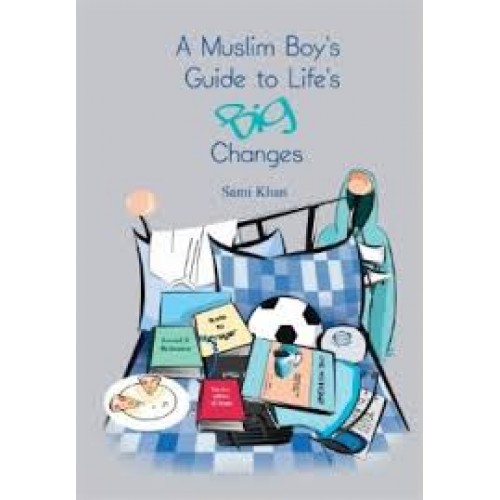

A Muslim Boy’s Guide to Life’s Big Changes (Ta-Ha)
5 ★
5 ★
1 Rating
5 ★
1
4 ★
0
3 ★
0
2 ★
0
1 ★
0
Highlights:
Motivational & Manners
RM35.00
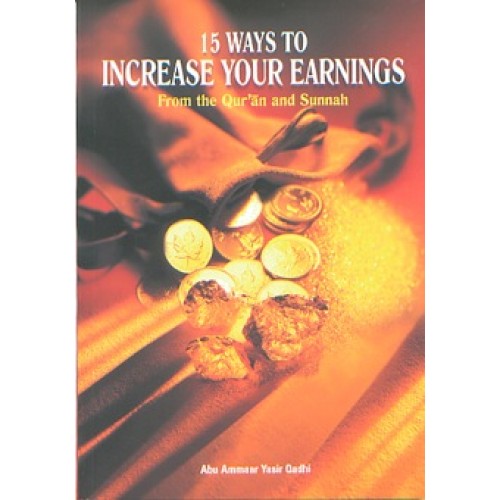
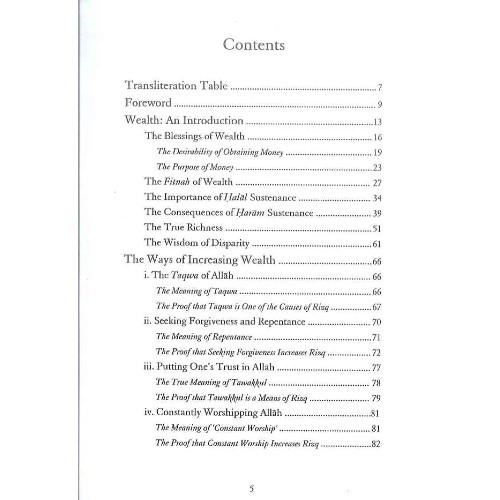
15 Ways to Increase Your Earnings from the Quran and Sunnah (P/B)
5 ★
5 ★
1 Rating
5 ★
1
4 ★
0
3 ★
0
2 ★
0
1 ★
0
Highlights:
One of the blessings that Allah has given His servants is that of a convenient means of financial exchange, i.e. money. Money has since grown to become one of the most’ prized possessions of mankind, and like so many elements of the dunya, serves to test the obedience of Allah’s servants by challenging their system of priorities… Therefore, due to the fact that the Muslims of today are preoccupied with the seeking of money to an extent almost unparalleled in Islamic history, I felt the need to compile a short treatise explaining the manner in which Allah and His Messenger described how Muslims could increase their money. The focus of this book is upon encouraging Muslims to procure money through halal means, and to abstain from haram gains. Abu Ammaar Yasir Qadhi was born in Houston, TX, but completed his primary and secondary education in Jeddah, Saudi Arabia. He graduated with a B.Sc. in Chemical Engineering from the University of Houston, after which he was accepted as a student at the Islamic University of Madinah. After completing a diploma in Arabic, he graduated with a B.A. from the College of Hadith and Islamic Sciences. He is presently doing an M.A. in Islamic Theology (‘aqidah) from the College of Da’wah at the University. Of his published works are: Riyaa: Hidden Shirk; An Introduction to the Sciences of the Qur’an; An Explanation of the Four Principles of Shirk;Du’a: The Weapon of the Believer; and others.
RM47.00
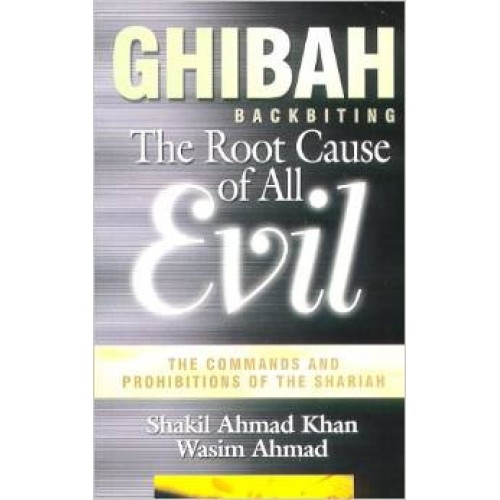
Ghibah (Backbiting) : The Root Cause of All Evil : The Commands and Prohibitions of the Shariah
Highlights:
Islam is a religion of peace, love, and compassion. Lies, suspicion, backbiting, slander, vain talk — all these are anathema to Islam. Indeed, such negative activity sows the seeds of enmity among the people and ultimately brings about the downfall of society. Backbiting (ghibah) in particular, according to the Qur’an, is not just a common social evil, but rather an abhorrent act, a major sin — the equivalent of eating one’s brother’s flesh.
Numerous ahadith of the Prophet Muhammed (pbuh) also underscore the complete futility, extreme loathsomeness and grave consequences of the deliberate misrepresentation of others. Backbiting, by the unanimous rulings of religious scholars (ijma) is forbidden, so that anyone who indulges in it is guilty of serious wrongdoing. Yet people have no qualms about engaging in this practice, flouting all prohibitions and strict commands.
Drawing upon important source material on the subjects of backbiting, false accusation (bhutan), and related issues, this book highlights the need to keep our society free of his ignoble malaise. To this end, it elucidates the relevant commands and prohibitions of the Shari’ah, so as to create in the minds of its readers a deep awareness of the sinfulness and ill effects of calumny.
By Shakil Ahmad Khan and Wasim Ahmad
RM16.00
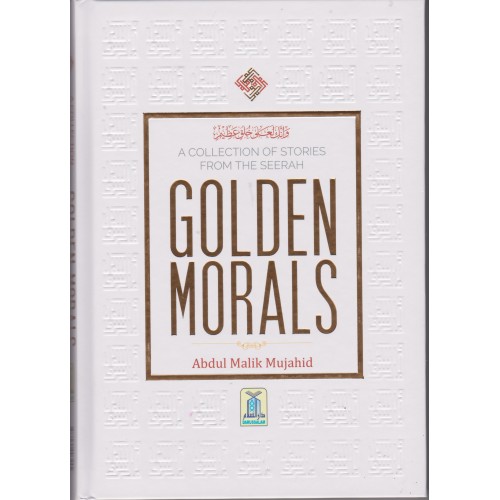
Golden Morals (A Collection Of Stories From The Seerah) (H/B)
5 ★
5 ★
1 Rating
5 ★
1
4 ★
0
3 ★
0
2 ★
0
1 ★
0
Highlights:
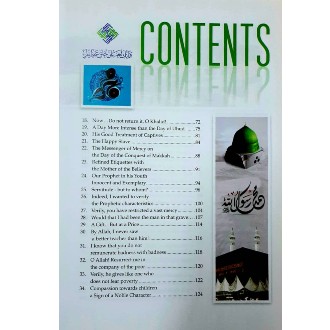
The Seerah of the Prophet (PBUH) is an everlasting topic. The Muslims are never fed up with its fragrance. It has been a topic for writing sine centuries and it will be a topic for writing till the Day of Judgment. Every author shows his love and affection for the Messenger of Allah in his own style and he tries to highlight every aspect of his life. No doubt, thousands of books have been written on the Seerah of the Messenger in different languages from the ancient.
RM67.00
Golden Stories of Accepted Prayers
5 ★
5 ★
1 Rating
5 ★
1
4 ★
0
3 ★
0
2 ★
0
1 ★
0
Highlights:
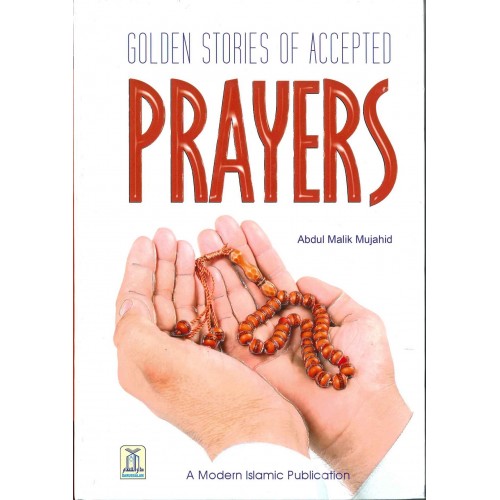
What are invocations? In a real sense these are requests which come from the bottom of our hearts to Allah Almighty. Allah is always ready and happy to receive prayers from anyone at any time.
If you’re facing any difficulties or trouble you should immediately turn to Allah for help. The best invocations are those narrated by the Prophet (S). If you don’t speak Arabic, you can pray in your mother tongue.
When we pray we should feel assured that Allah will accept our requests. We should do so with complete sincerity and devotion.
Prayers can be made at any time, but there is a greater possibility our prayers will be accepted if we do so at specific times.
RM68.50
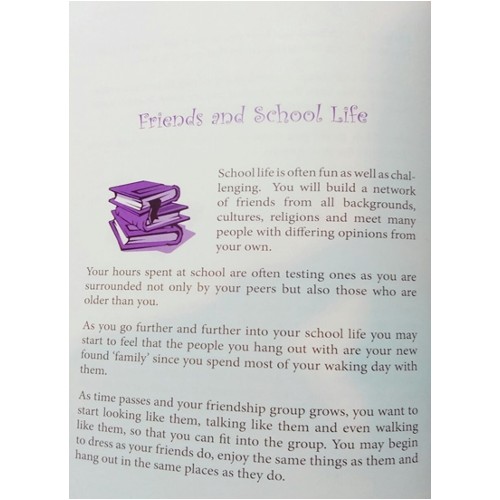
A Muslim Girl’s Guide To Life’s Big Changes (Ta-Ha)
4 ★
4 ★
1 Rating
5 ★
0
4 ★
1
3 ★
0
2 ★
0
1 ★
0
Highlights:
Motivational & Manners
RM35.00
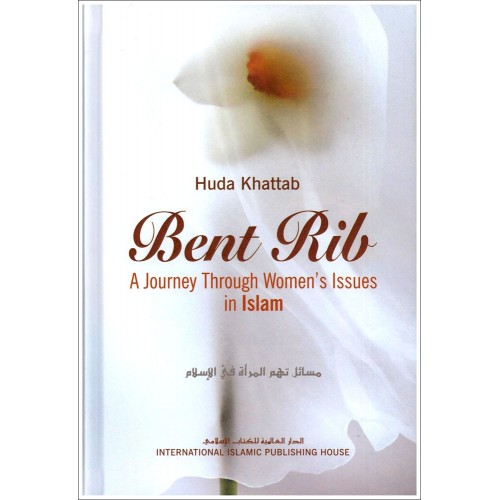
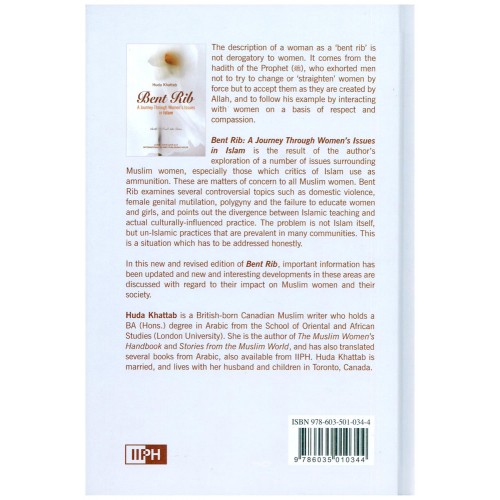
Bent Rib: A Journey Through Women’s Issues in Islam (H/B)
5 ★
5 ★
1 Rating
5 ★
1
4 ★
0
3 ★
0
2 ★
0
1 ★
0
Highlights:
This book examines the role of women in Islam, their education and marriage, and several controversial topics such as domestic violence, female genital mutilation and polygyny. It addresses honestly the divergence between Islamic teaching and actual culturally-influenced practices.
RM40.00
Recently Viewed
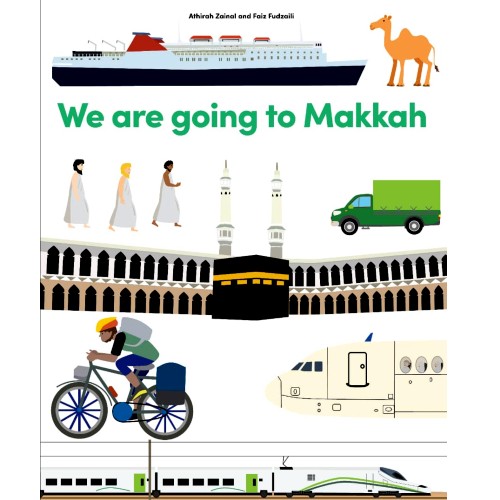
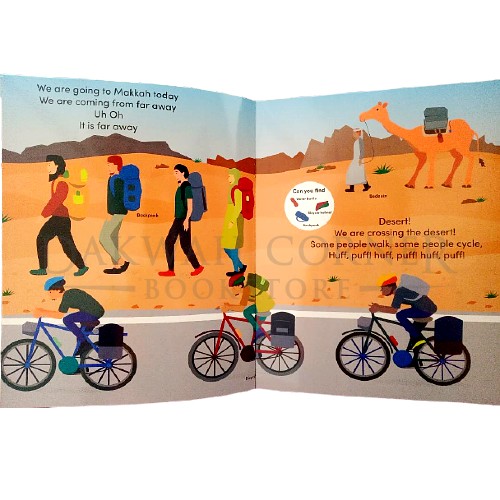
We are going to Makkah
Highlights:
A fun book exploring how do people get to Makkah, the sacred city. People converge to Makkah by different modes of transport from far far away. Zoom! Zoom! Bismillah! and off to Makkah we go!
RM28.90
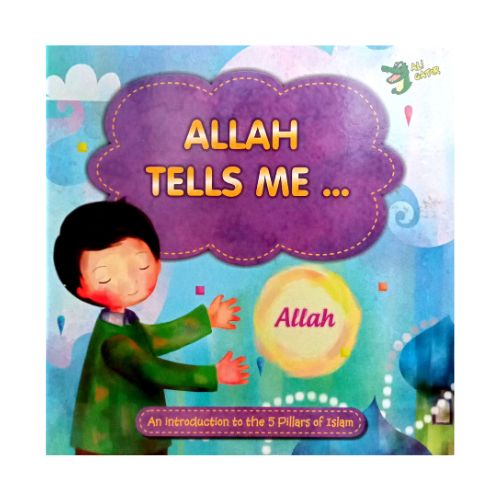
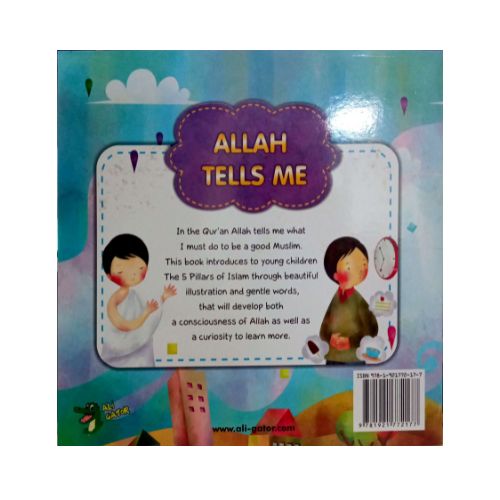
Allah Tell Me – Ali Gator
Highlights:
In the Quran Allah Tells Me what I must do to be a good Muslim.
In Sha Allah (God Willing) this book inspires young hearts to learn & love Allah.
Full Color
RM22.00
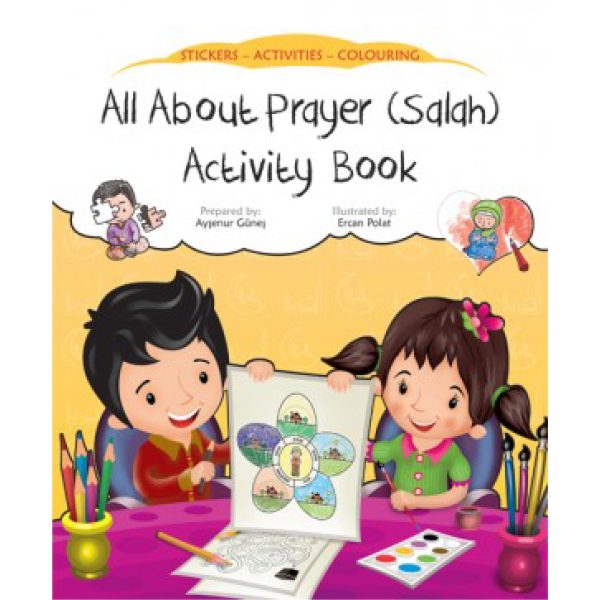
(READY STOCK✅) All About Prayer (Salah) Activity Book
Highlights:
Find out about the Muslim prayer with this fun sticker activity book. Features dot-to-dot drawings, coloring fun, puzzles to solve and over 60 stickers to stick.
Introduces children to the way Muslims prepare for prayer and the main parts involved in performing it, including calling adhan, facing the Kaaba and reciting words from the Qur’an.
RM22.00
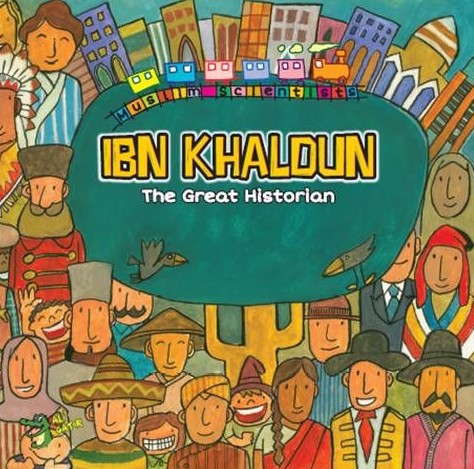
Ibn Khaldun: The Historian (The Muslim Scientists Series)
4 ★
4 ★
1 Rating
5 ★
0
4 ★
1
3 ★
0
2 ★
0
1 ★
0
Highlights:
Idn Khaldun was more than just one of the great historians of all time. He was also a supreme judge, government minister, social scientist, political expert and Hafiz al Quran!
The Muslim Scientists Series introduces children to great scientists, scholars and adventurers from the Golden Age of Islam.
RM22.00
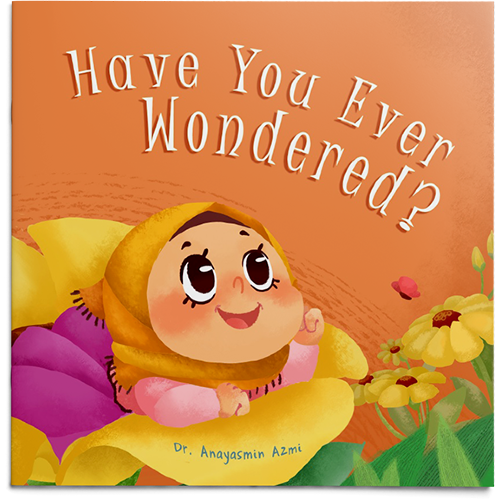
Have You Ever Wondered?
4 ★
4 ★
1 Rating
5 ★
0
4 ★
1
3 ★
0
2 ★
0
1 ★
0
Highlights:
Raising the future generation is one of our most important responsibilities as parents. The best way to do so, is through learning and understanding the Quran. This book provides a way for children to understand and love the Quran through simple stories and fun illustrations.
“1 night 1 Quranic verse” concept. Simple writing dan gambar with attractive illustration
RM15.00
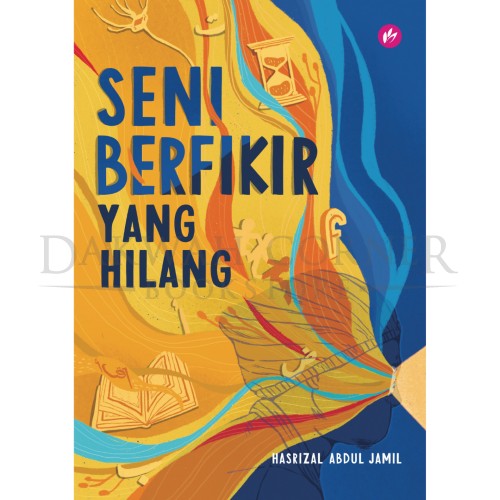
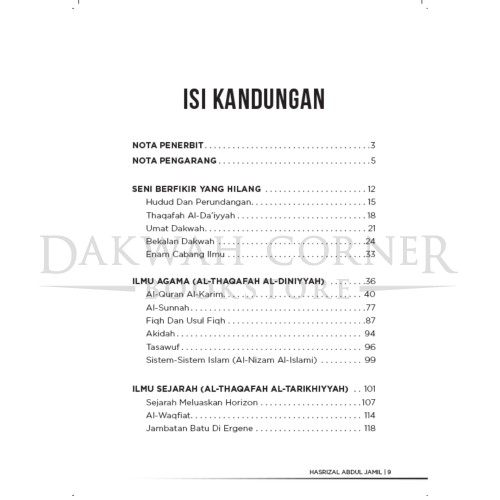
Seni Berfikir Yang Hilang
Highlights:
Melalui buku Seni Berfikir Yang Hilang, Ustaz Hasrizal Abdul Jamil mengupas enam cabang ilmu yang seharusnya kita kuasai. Ilmu yang membentuk cara fikir kita, sekali gus membantu kita menghadapi isu-isu sekitar kehidupan dengan lebih matang.
RM30.00
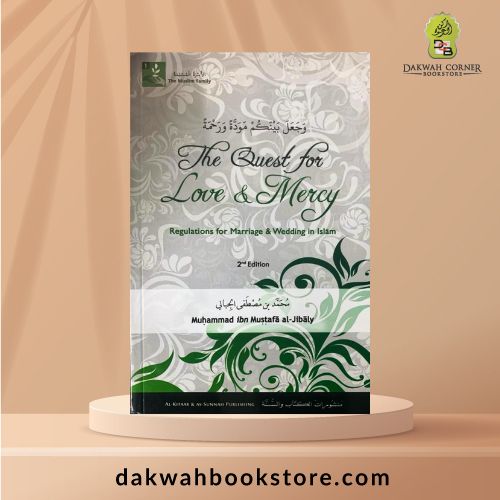
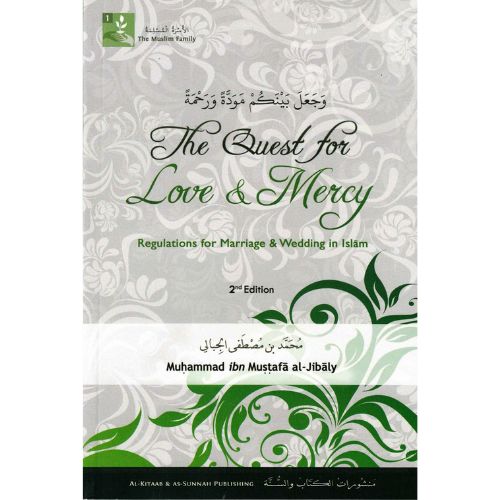
The Quest For Love & Mercy (P/B)
Highlights:
This is one of a 3-book series covering various aspects of marriage according to the authentic Sunnah. Marriage plays a most central role in the human life, and has been largely discussed by the scholars of Islaam through the ages, resulting in numerous writings and treatises. Some of those writings, mostly by contemporary scholars, have been translated into English. However, we find them restricted in scope, addressing Muslims who live in predominantly Islaamic countries, or overlooking important real issues that have developed under modern civilization. This leaves quite a large gap that needs to be filled for the benefit of the Muslims in English-speaking countries, and this is what we attempt to fulfill over the span of three books.”
The book covers the importance and advantages of marriage, selecting a spouse, the courting process, the marriage contract, celebrating the wedding, the waleemah, forbidden marriages, etc. It provides a practical procedure for performing a marriage contract, and includes a sample marriage certificate.
RM50.00

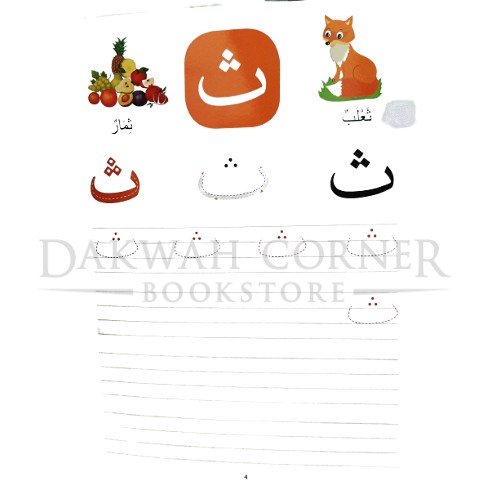
Wipe-Clean Arabic Alphabet P/B
Highlights:
Wipe and Clean Arabic Alphabet introduces children to Arabic alphabet in a very clear, fun and engaging manner. Wipe and clean book is a perfect way to build your child’s early Arabic alphabet recognition and writing skills. Your little one will love discovering Arabic letters and write and wipe them again and again until they feel confident to write them alone.
RM15.00
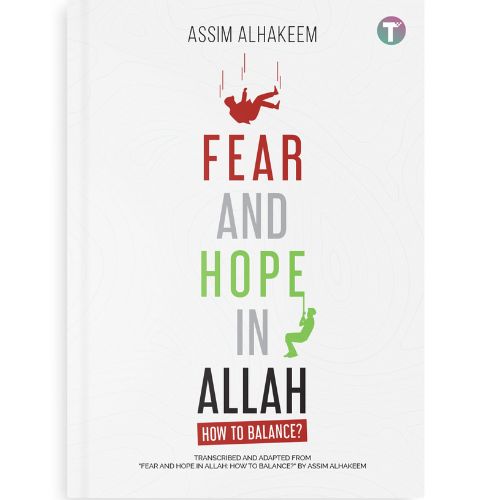
Fear and Hope in Allah (H/B)
Highlights:
“Indeed, they used to hasten to good deeds and supplicate Us in hope and fear, and they were to Us humbly submissive.”
(Surah al-Anbiyaʾ, 21:90)
RM60.00
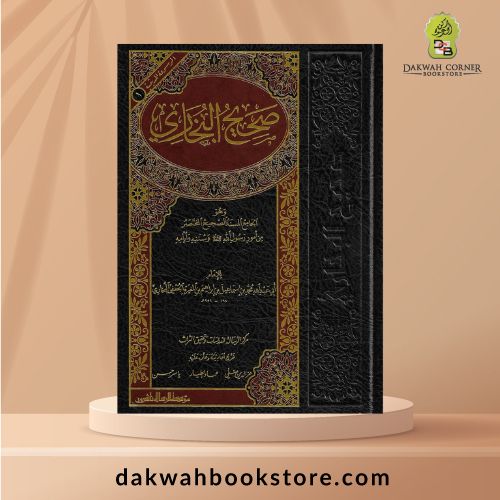
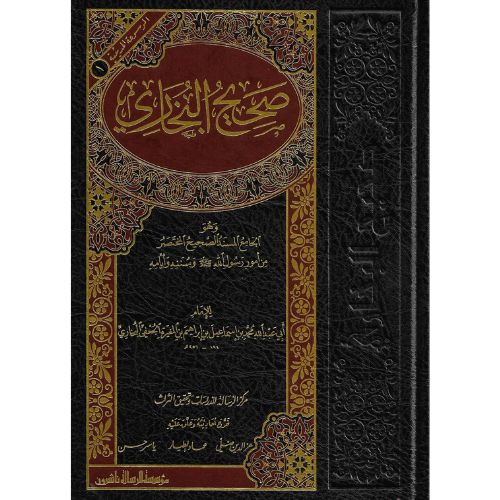
[HH] Sahih Al Bukhari (Ar Risalah Naashirun) / صحيح البخاري
Highlights:
يعد هذا الكتاب من أوّل كتاب مصنّف في الحديث الصحيح المجرّد، وهو أهم و أشهر كتب الحديث الشريف، واستغرق مصنّفه في تحريره ستة عشر عاماً، وقد انتقى أحاديثه من ستمائة ألف حديث جمعها.
RM200.00
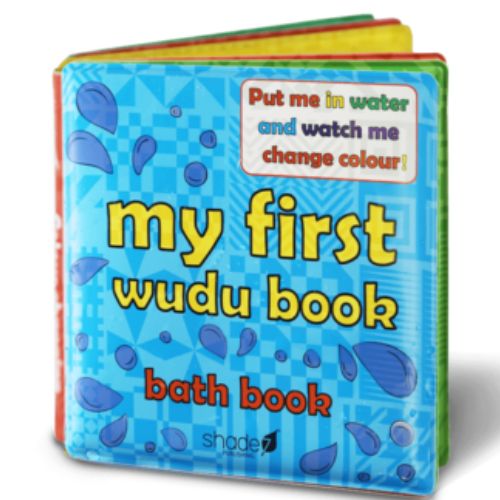
My First Wudu Book: Bath Book
Highlights:
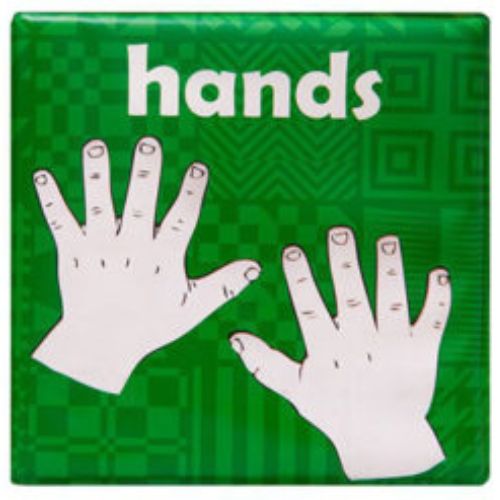
‘My First Wudu Book’ is a colour-changing bath book, which aims to truly captivate and educate young hearts on the order of washing the basic body parts for wudu — the ritual washing performed by Muslims in preparation for their daily prayers.
RM50.00

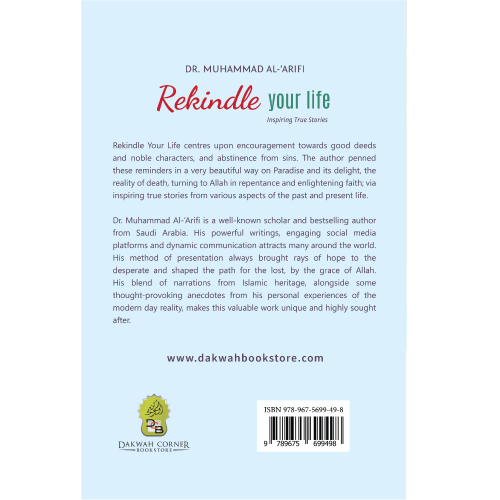
(E-Book) Rekindle Your Life (Revised)
5 ★
5 ★
1 Rating
5 ★
1
4 ★
0
3 ★
0
2 ★
0
1 ★
0
Highlights:
Rekindle Your Life centres upon encouragement towards good deeds and noble characters, abstinence from sins by giving reminders in a very beautiful way about Paradise and its delight, the reality of death, turning to Allah in repentance and enlightening faith through inspired, true and wonderful stories from various aspects of life past and present.
RM30.00
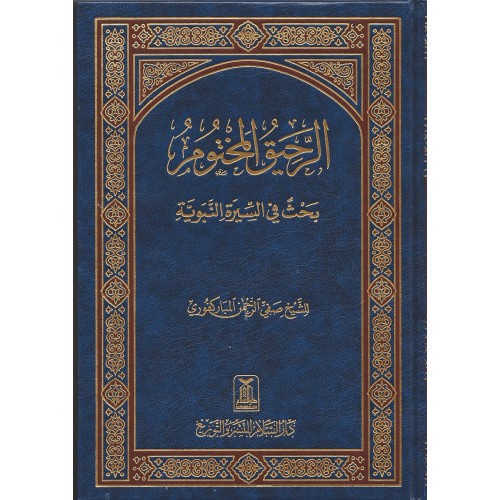
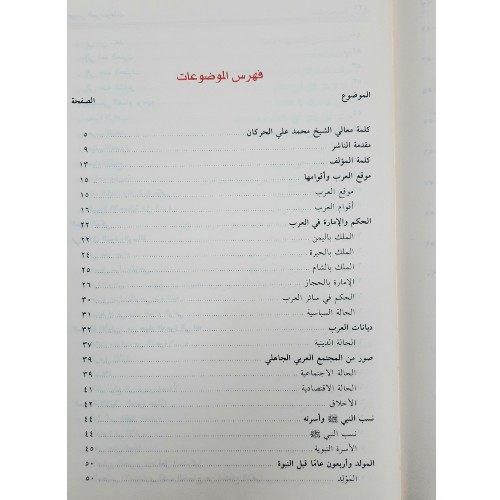
[SB] Ar-Raheeq Al Makhtum (Arabic Only – Large) الرحيق المختوم
Highlights:
Ar-Raheeq AI-Makhturn is a book of great value and praiseworthy work on the Seerah of our beloved Prophet Muhammad. This book has been written by the Eminent Shaikh Safiur-Rahman Mubarakpuri of Jamiah Salafiyah, Banaras (India). The first Islamic Conference on Seerah (biography of the Prophet) was held in 1976 in Pakistan sponsored by the Muslim World League. The League announced a world contest for writing a book on the life of the Prophet.
One hundred and seventy-one manuscripts were received from all over the world. Out of these, eighty-five were in the Arabic Language, sixty-four in Urdu, twenty-one were in English and one in French and Hausa.
A board of highly qualified scholars judged the manuscripts and announced the results. The manuscript of Shaikh Safiur-Rahman Mubarakpuri, Jamiah Salafiyah Banaras (India), author of the book in hand received first the grand prize for its authentic and sound collections of the narrations. Dr. Majid Ali Khan, New Delhi, India, placed second. The third prize went to Dr. Naseer Ahmed, Islamic University, Lahore, Pakistan. The fourth prize was awarded to Mr. Harnid Mahmud of Egypt. The fifth and final prize was awarded to Abdus-Salam Hashim of Madinah Munawwarah.
A complete authoritative book on the life of Prophet Muhammad (S) by Sheikh Safi-ur-Rahman al-Mubarkpuri. It was honored by the World Muslim League as first prize winner book. Whoever wants to know the whole life style of the Prophet in detail must read this book.
Muhammad (S) is the Messenger of Allah, and those who are with him, are severe against the disbelievers, and merciful among themselves. You see them bowing and falling down prostrate (in prayer), seeking bounty from Allah and (His) Good Pleasure. The mark of them (i.e. of their Faith) is on their faces (fore heads) from the traces of prostration (during prayers). This is their description in the Taurah (Torah). But their description in the Injeel (Gospel) is like a (sown) seed which sends forth its shoot, then makes it strong, and becomes thick and it stands straight on its stem, delighting the sowers, that He may enrage the disbelievers with them. Allah has promised those among them who believe and do righteous good deeds, forgiveness and a mighty reward (Paradise). (Al-Fath: 29)
The Prophet Muhammad (S) said: ‘The example of guidance and knowledge with which Allah has sent me is like abundant rain falling on the earth. Some of which was fertile soil that absorbed rain-water and brought forth vegetation and grass in abundance. (And) another portion of it was hard and held the rain-water and Allah benefited the people with it and they utilized it for drinking (making their animals drink from it) and to irrigate the land for cultivation. (And) a portion of it was barren which could neither hold the water nor bring forth vegetation (then that land gave no benefits). The first is the example of the person who comprehends Allah’s Religion (Islam) and gets benefit (from the knowledge) which Allah (Azawajal) has revealed through me (the Prophet) and learns and then teaches it to others. The (last example is that of a) person who does not care for it and does not take Allah’s Guidance revealed through me (he is like that barren land).’ (Al-Mukarramah)
Someone asked ‘Aishah (R) about the noble character and manners of the Prophet (S). She answered: ‘Have you not read the Qur’an? His character is a complete explanation of the Qur’an.’
It means that whatever is commanded and prohibited in the Qur’an, its practical example is present in the manners of Muhammad In other words, the ideal and perfect example of good manners and character which the Qur’an demands from mankind, was present in the person of Muhammad in its highest degree.
Scholars of Ahadith (traditions) and writers of the biography of Muhammad , the Messenger of Allah, have explored his life from every angle and aspect from birth to death. Every event, every incident of his life has been described and narrated, but none had claimed that he has given his life’s recording its full rights. Hundreds of books have been written on the life of Muhammad and this endeavor will continue till the Day of Resurrection.
RM65.00
There are no reviews yet.