

![[AAC] Mukhtasar Minhaj al-Sunnah / مختصر منهاج السنة لشيخ الإسلام ابن تيمية](https://shop.dakwahbookstore.com/wp-content/uploads/2025/10/website-500x500-6.jpg)
![[AC] Sharah Masail Aljahiliah / شرح مسائل الجاهلية](https://shop.dakwahbookstore.com/wp-content/uploads/2025/11/website-500x500-2025-11-24T150626.619.jpg)
| Weight | 0.185 kg |
|---|---|
| Dimensions | 21 × 15 × 0.5 cm |
| Author | |
| Binding | Paperback |
| Pages | 104 |
| ISBN | 9780860379935 |
| Year of publication | 2025 |
| Publisher | KUBE Publishing |
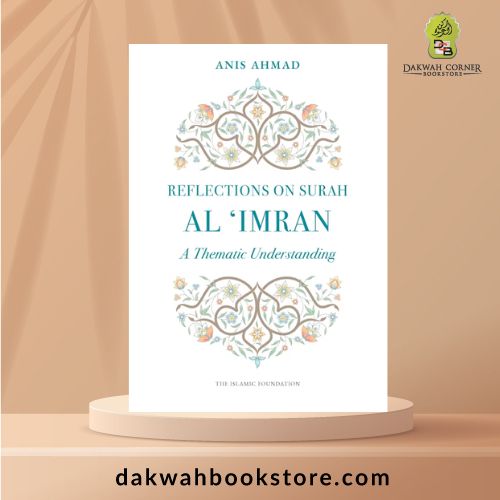
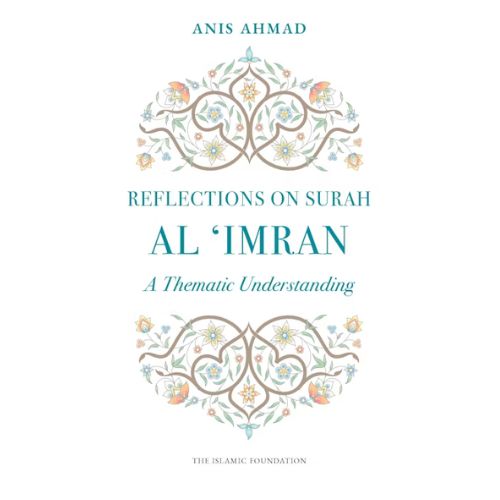
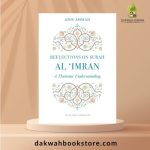
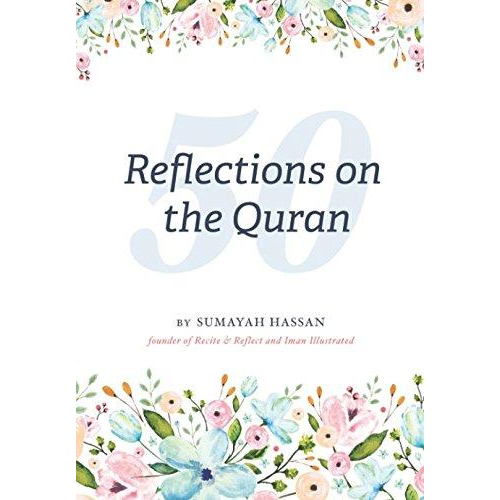
Reflections on Surah Al ‘Imran (P/B) – Kube
RM40.00
Hurry up, Only 1 left.
Highlights:
somdn_product_page
Compare
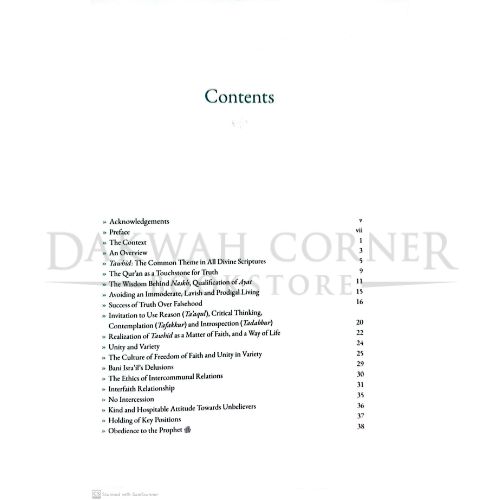
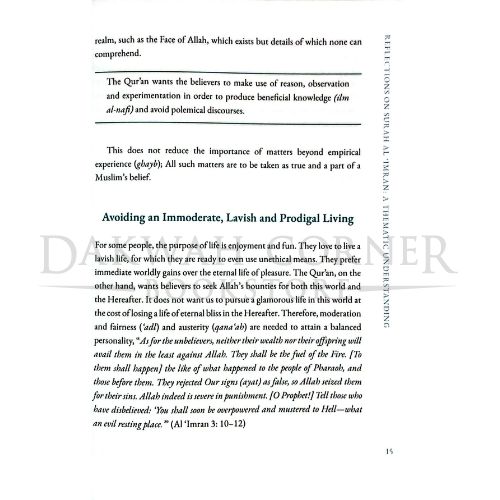
Continuing with the Reflections series, this book focusses on the third chapter in the Holy Qur’an. Written in simple and easy to read format, allowing the reader to absorb the key points of Surah Al-Imran is trying to convey.
Frequently Bought Together
1 Item
RM40.00
1 Add-Ons
RM120.00
Total
RM160.00
Additional information
Reviews (0)
Be the first to review “Reflections on Surah Al ‘Imran (P/B) – Kube” Cancel reply
You must be logged in to post a review.
Related Products
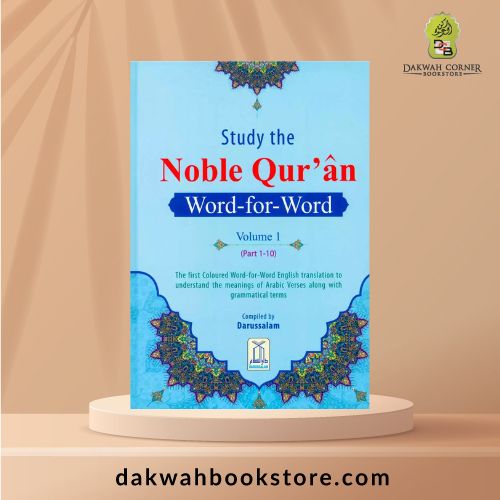
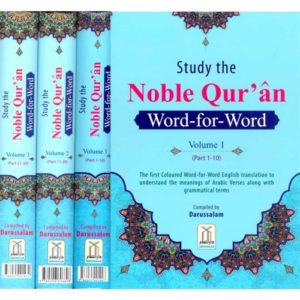
Study The Noble Qur’an Word for Word (3 volumes) – Colour
Highlights:
Available NOW only for online shopping.
Complete Qur’an in 3 volumes Colour Version (10 Parts per book). Individual volumes are available from the related items section. The first coloured Word-for-Word English translation to understand the meanings of the Arabic verses along with grammatical terms. Read more below…
RM350.00
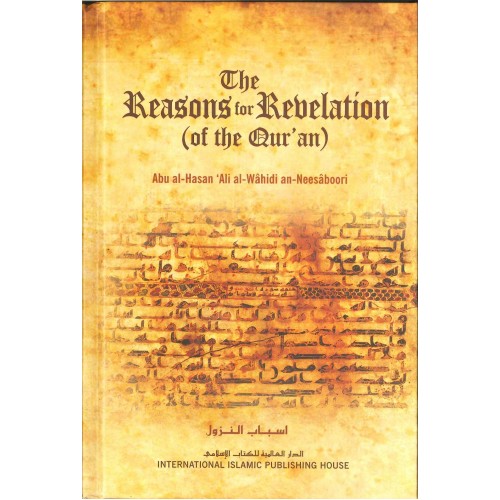
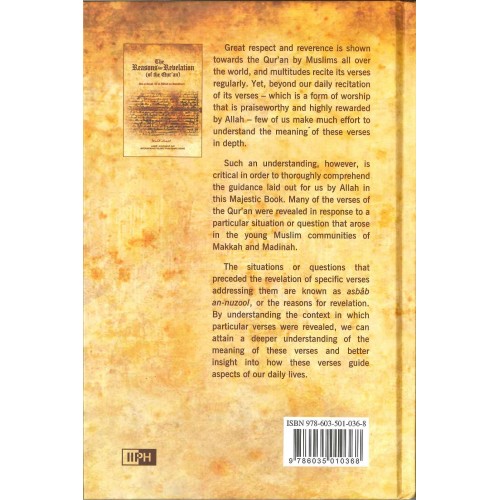
The Reasons for the Revelation (IIPH)
Highlights:
Have you ever wondered in what circumstances a particular verse or Soorah was revealed? In this translation of the great work ‘Asbaab an-Nuzool’ by the great Muslim scholar Ali ibn Ahmad an-Neesaboori, you may well find the answer. This first volume covers the first four sections of the Qur’an, from Sorrah al-Fatihah to verse 22 of Soorah an-Nisa. The publication of this book reflects our continuing effort to bring to the English speaking Muslims works previously only available to Arab speakers.
RM31.00
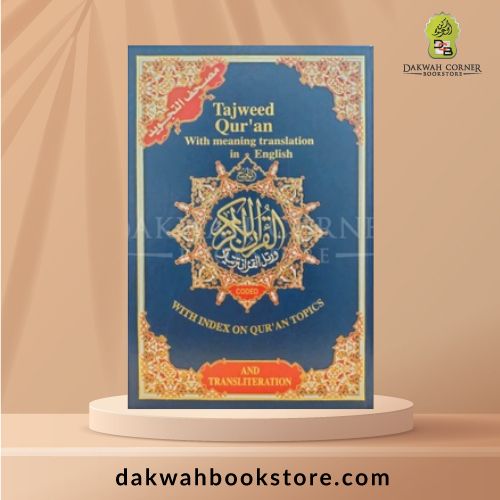
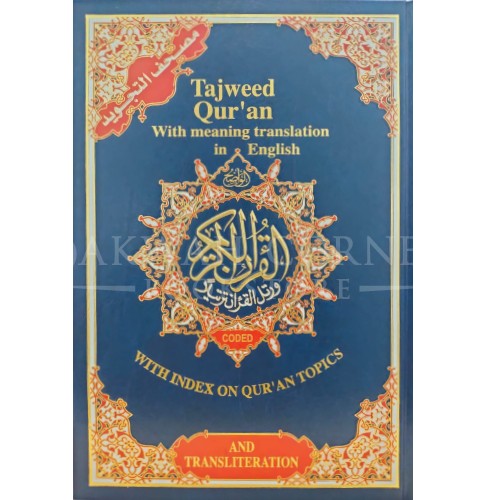
Tajweed Qur’an with Meaning Translation in English and Transliteration
Highlights:
Translation: meanings of the Quranic versus are translated into English and placed on the margins around the Arabic text.
Transliteration: Arabic letters are presented by English letters with added symbols in order to give the same sound of Arabic letters.
English transliteration makes it easier for the speakers of the English language to read the Tajweed Quran in Arabic pronunciation using the English alphabet letters.
Considering that this Part contains small suras; it is a perfect start for kids, beginners and students.
This Amma Part comes in the standard portrait form, with a nice glossy soft cover. Each page contains 15 lines as any standard Quran.
Meanings tranlated by Abdullah Yusuf Ali
Alla (sw) ordered us in his holy book to recite the Quran with Tajweed … “Quran recitation modulating”. System of Tajweed serves as a guide for improving the recitation of Quranic style. It was in this way that the Qur’an revealed to Prophet Muhammad (peace be upon him), as well as the manner in which he recited it. Therefore, the readers of the Quran are eager to realize the promise of the Prophet Muhammad (pbuh): “whoever recites the Quran correctly and proficiently will be with the bountiful dutiful writers (the angels of the preserved tablet – Al lauh Al Mahfuz”.
Based on a practical understanding of phonology, we have color-coded some letters to facilitate the correct recitation of the holy Quran. This enabled us to classify these letters into three possible categories to enhance the reader’s knowledge and remembering of Tajweed rules:
– The letters which requires expanded vocalization. We used red color to highlight these letters.
– The letters which are nasalized these letters are green in color.
– The dark blue color indicates the emphasis of the letter (R), the blue color indicates the unrest letters-echoing sound- (qualquala)
– While the letters which are written but are not vocalized. These letters are gray in color.
The reader will get used to reciting the Quran by using colors very easily. By engaging the eye, the reader will find him/herself applying 24 rules of Tajweed with ease and precision while his/her mind is left un-enganged to comprehend and understand the meaning of the holy Quran. For more details click here
This Tajweed Quran is in Hafs narration.
All our Tajweed Quran products -including this Quran- come with the following:
- Color coded letters: to present the Tajweed rules, very good and simple way to learn and apply Tajweed rules.
- Obvious script: extra spaces were added between the words in order to make it easier to read and recite the Quran.
- Permissible stops: long spaces were added at certain places where it is permissible to stop. It helps to avoid stopping at wrong places or times.
- A set of very useful indexes such as: Surahs Color Index, Subject Index.
- Tajweed rules explained in details with helpful illustration.
RM200.00
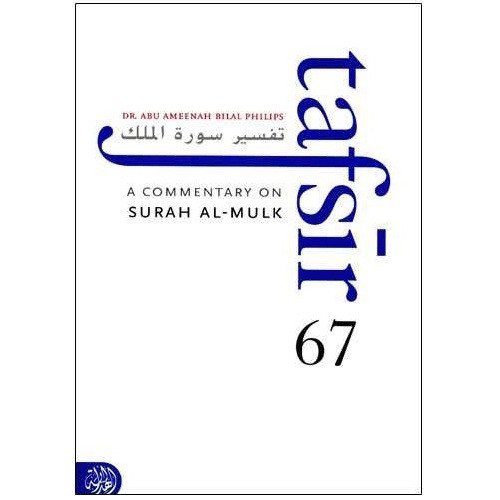
Tafsir 67 : A Commentary on Surah al Mulk (P/B)
Highlights:
The beauty of the Qur’an is such that its miracles cannot truly be understood until one contemplates every verse of every surah; this alone makes tafsir one of the most amazing sciences of Islam. Surah Al-Mulk is a chapter of the Quran which would be recited every night by the Prophet (peace be upon him), in its midst are deep meanings which highlight the purpose of our creation, as well as entailing the message of Islam. In this book, the author takes the reader on a wonderful journey through the gardens of the first surah in the 29th Juzz of the Qur’an.
About the Author: Dr. Philips was born in 1947 in Jamaica, but grew up in Canada, where he converted to Islam in 1972. He completed a diploma in Arabic language and a B.A. degree in 1979 from the College of Islamic Disciplines at the Islamic University of Madinah, an Islamic university in Saudi Arabia. At the University of Riyadh College of Education he completed his M.A. in Islamic Theology in 1985, and in 1994 he completed his Ph.D in Islamic Theology in the department of Islamic studies at the University of Wales. He later taught Islamic education and Arabic language in private schools in Riyadh for over ten years. Because of his opposition to Saudi Arabia’s position in the Gulf War, he had to leave the country and for three years he lectured M.Ed. students in the Islamic Studies department of Shariff Kabunsuan College (SKC) in Cotabato City, Mindanao, the Philippines. Islamic Information Center Since 1994, he has founded and directed the Islamic Information Center (which is now known as Discover Islam) in Dubai, United Arab Emirates, and is known as a prolific speaker and author on topics relating to Islam, including audio lectures and books. Presently, he is a lecturer of Arabic language and Islamic Studies at the American University in Dubai and ‘Ajman University in Ajman, United Arab Emirates. He frequently appears at the Islamic Research Foundation in Mumbai, India, on lecture tours. He has also founded the Distance Learning Program called Islamic Online University, which offers a four year degree in Islamic Studies plus a variety of short courses. Dr. Philips is something of a pioneer as a person of Western origin achieving the status of a scholar of Islam inside the tradition.
RM63.00

The Spiritual Cure An Explanation to Surah al-Fatihah (P/B)
Highlights:
Surah al Fatiha is the greatest chapter of the Qur’an, its like is not found in the rest of the Book or in the previous scriptures. It is a
Light that was granted to Prophet Muhammad (S) which had not been granted to any other Prophet or Messenger before him; indeed
some of the Salaf stated that when this chapter was revealed, Shaytãn l let out a great cry of lament.
It holds a central position in the daily Prayer hence the daily life of the Muslim.
The underlying theme, of al-Fatiha is one of contemplation and serenity; pondering the Names and Attributes of Allah, pondering the creation , and acknowledging that He Alone deserves praise and Worship, that He Alone should be asked for help, that He Alone Should be feared and hoped in, that He Alone should be invoked, that there is indeed a Day of Judgment, and that guidance has come to us and we are required to follow it.
It calls us to carefully scrutinise our relationship with our Lord: are we living according to the dictates of ‘none has the right to be worshipped save of Allah’ or not? This opening chapter, despite its brevity, calls man to fulfil the rights of Tawhid, the right that Allah has over us to worship Him Alone without any partner
A Summary of numerous Classical Commentaries of the Qur’an
at-Tabari, al-Baghawi, Az-Zamakhshari, ibn Atityyah, Ibn Jawzi, Al-Qurtubi, Ibn Qayyim, Ibn Kathir, as-Suyuti, Alusi, ash-Shawkani, as-Sa’di, ash-Shaqiti and many Others
RM73.00
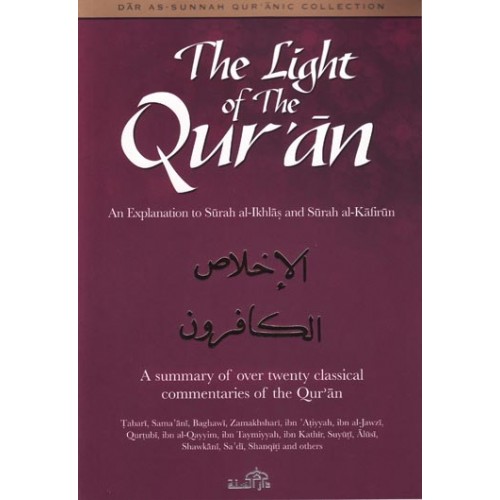
The Light of The Qur’an
Highlights:
The Prophet peace and blessings of Allah be upon him, passed by a person reciting Surah Al – Kafirun and remarked, “He has been saved from shirk”. He passed by another reciting Surah Al – Ikhlas and remarked. Paradise has become obligatory for him. Reported by Muslim.
These two chapters have both been given the title Al-Ikhlas, or purity of faith, because they deal with the topic of Tawhid in all its various aspects. Al – Ikhlas concentrates on the pure, essential faith in Allah that all mankind is required to have. Al – Kafirun deals with purity of deed and disavowal of disbelief and paganism. Both chapters lay out the parameters of mans relationship with his/her lord and creator, as well as his/her relationship those around him/her.
Pure, unblemished monotheism combined with sincerity in belief and deed defines the relationship with Allah. Hi is one and only true God, unique, without peer, equal or opposite, and nothing is like on to him. He is the one who stands in need of nothing whereas everything is in dire need of him.
Maintaining the essential Muslim identity and character defines the relationship between the Muslim and his fellow man. The Muslim is unambiguous about his religion, truthful and upright in speech, deed and his dealings with those around him. Hi is proud of his faith and has unshakable conviction in it. He loves his lord, his Messenger and the Muslims and is loyal to them. Because of this, the dearest thing to him is his religion and he will not compromise it, pleasing Allah comes before pleasing the people.
The prophet would frequently recite these two chapters in prayer because of the commonality of their theme and to stress that success is achieved, in this life and the next, by internalising their message and living by it.
RM41.00
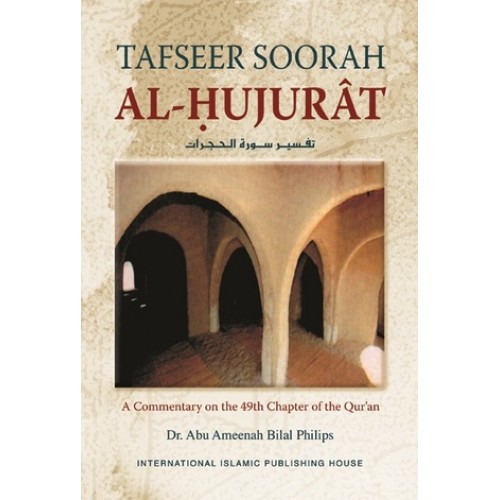
Tafseer Soorah Al-Hujurat (H/B)
Highlights:
Tafseer Soorah al-Hujurât: A Commentary on the 49th Chapter of the Qur’an is a treasury of divine advice, commandments, and prohibitions regarding common problems in social relations, including gossip, spying, arguing, and bigotry. To make the best use of this chapter, the believer needs a detailed explanation of the meanings of the verses.
Dr. Bilal Philips has based his tafseer (exegesis) on the methodology used in the classical works of tafseer. He has relied first of all on the explanations found within the Qur’an itself, then on explanations found in the Sunnah and related incidents which occurred at the time of the revelation of the verses in question. Beyond these primary sources, Dr. Philips has relied on the interpretations made by the Prophet’s Companions (may Allah be pleased with them) who were noted for their ability to interpret and comment on the Qur’an. ‘Abdullâh ibn ‘Abbâs, for example, was called ‘The interpreter of the Qur’an’ by Prophet Muhammad (blessings and peace of Allah be upon him). Finally, the author has made use of the grammatical explanations given in the classical tafseer works. Wherever possible, Dr. Philips has tried to apply the derived meanings of the verses to the problems of contemporary society.
RM40.50 RM60.00


The Sources of the Qur’an
Highlights:
“Who is the author of the Qur’an?” On this subject scholars have flagrantly contradicted each other. This work attempts to make a critical review of the major ‘authorship’ theories by pressing into service logical arguments, historical evidence, textual analysis and scientific data. Probably, the only point of agreement about the Qur’an is that it was uttered for the first time by a man who was born in Makkah (Mecca), a city of Arabia, in the sixth century—a man by the name of Muhammad (blessings and peace be upon him). As to the source of the Qur’an, scholars are divided into three main groups: those who believe that Muhammad (blessings and peace be upon him) himself was the author; those who believe that he was not the author himself but learned it from another human author or authors; and those who believe that the Qur’an has no human author but is rather a word-for-word revelation from God. Hamza Njozi examines the three theories and comes to a firm and logical conclusion.
RM14.00
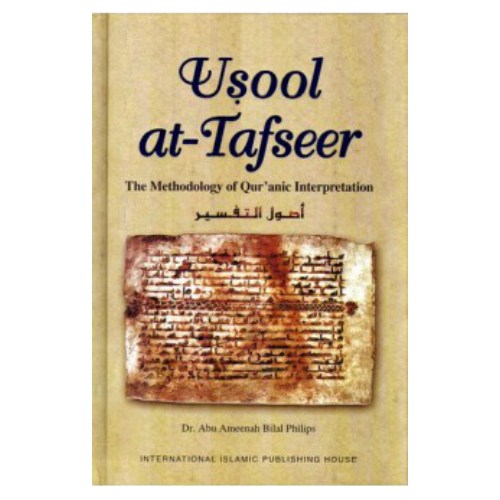
Usool at-Tafseer (H/B)
Highlights:
Usool at-Tafseer, essentially refers to the branches of knowledge necessary for providing an accurate interpretation of the Quranic texts, such as Arabic grammar and syntax, Arabic literature and Quranic sciences (Uloom al-Quran). Familiarity with modern fields of learning, like the pure sciences and social sciences is also necessary for a commentator in this era to make the Quraanic explanations relevant to human society. This book addresses the actual step-by-step methodology of interpreting Quran to ensure that interpretations are not merely the result of human whims and fancies.
RM60.00
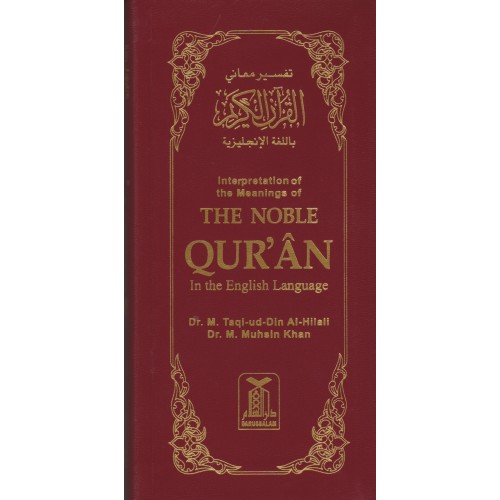
The Noble Quran (Tall Version English Text Only) (RANDOM COLOR)
Highlights:
Interpretion of the meanings of The Noble Quran in the English Language.
RM60.00
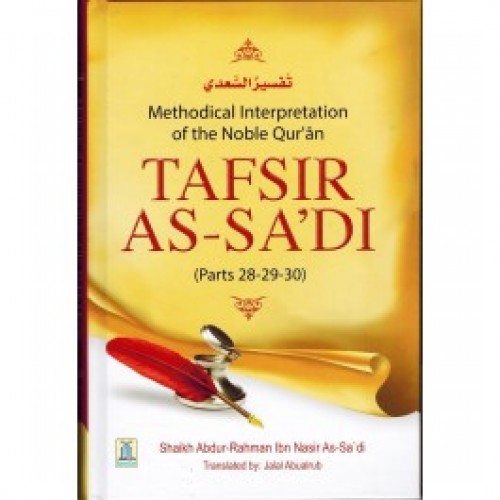
Tafsir As-Sadi (Parts 28-29-30) Methodical Interpretation Of The Noble Quran (H/B)
Highlights:
Tafsir As-Sa’di is a straightforward, easy to read, easy to understand explanation of the meaning of Qur’anic Ayat and statements. In addition to the simplicity of Ibn Sa’di’s writing, it is also articulate and eloquent.
Consequently, for those newly acquainted with Tafsir and those new to Islam, this Tafsir provides an uncomplicated, deep and insightful comprehension into the meaning and explanation of the Qur’an.
The uniqueness of this Tafsir is in the style the Shaikh used to explain the Ayat in a way that it is similar to everyday writing, without listing the various prophetic sayings or statements of the scholars of Tafsir, which Shaikh Ibn Sa’di used as a basis of his Tafsir.
RM80.00

The Soul of the Quran (P/B)
Highlights:
This book is a unique collection of prayers and verses distilled from the Sacred Book. It contains one hundred and fifty four passages of exquisite beauty, majestic prose and breadth of vision. Lucid in style and rich in spiritual wisdom, they have been judiciously selected to inspire and uplift the soul.
RM14.00
Recently Viewed

Muhammad in the Hindu Scriptures (P/B)
Highlights:
God is One. Human nature is one. Human destiny is one. And God�s message to humanity vis-a-vis that destiny is one. However, the rebellious element in man�s nature has led him to disobey God on the one hand, and on the other, he has pushed on to distort the very message of God. But the message is never fully lost. It would be ludicrous and indeed heretical to think that the situation could have gone out of God’s control.
With every distortion, therefore, He has renewed the message to salvage humanity from self-ruin. More interesting than that is the fact
that He has inserted in every message a Pointer to the Final Guide and the message he would be entrusted with; a Pointer which shows the true
seeker where the uncorrupted message could be found – the message that no one would be able to distort any more. While the main body of the message has been corrupted, the Pointer contained within has not been destroyed. Muhammad in the Hindu Scriptures brings out the truth of this phenomenon.
In addition to the Vedas and the Puranas, the book has unearthed this Pointer in the Buddhist, Christian, Jewish and other Hindu scriptures. Each of these scriptures uses its own unique Pointer relevant to its own theological scheme and the religious mentality of its own people. Separately and jointly these Pointers lit up the road to Muhammad (blessings and peace be upon him) exclusively, without any iota of doubt.
By all accounts the Final Guru has been sent and the Last Testament is in our laps. Additionally, the existence of these Pointers in the earlier
scriptures is yet another dimension of God’s mechanism to guide mankind to the infallible Truth. Upon reading the book, the theist, the atheist and the agnostic will find a lot to think about.
RM20.00

Starting from Scratch – Tajweed Made Easy
Highlights:
Holy Quran and Quranic Sciences
RM10.00
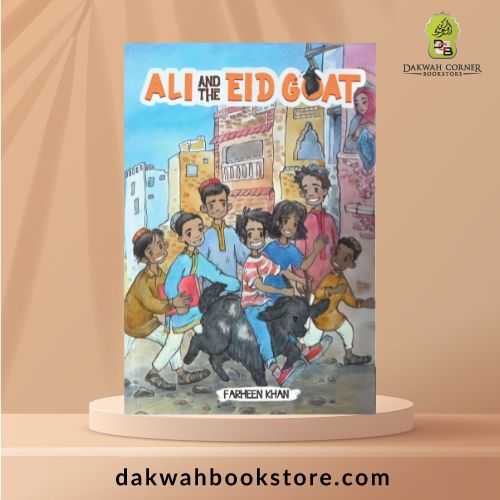
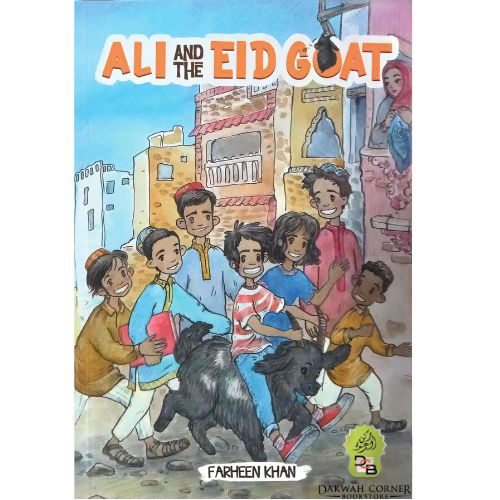
Ali and the Eid Goat ( Ali’s Inspiring Stories)
Highlights:
Ali and the Eid Goat:
5 books in the series, where 9-year-old Ali and his best friend Bear as they navigate through life’s many hair-raising and often hilarious misadventures. From an epic gladiator battle to saving a mischievous baby gibbon’s life, the Ali Series explores themes of friendship, loyalty, and bravery.
RM45.00
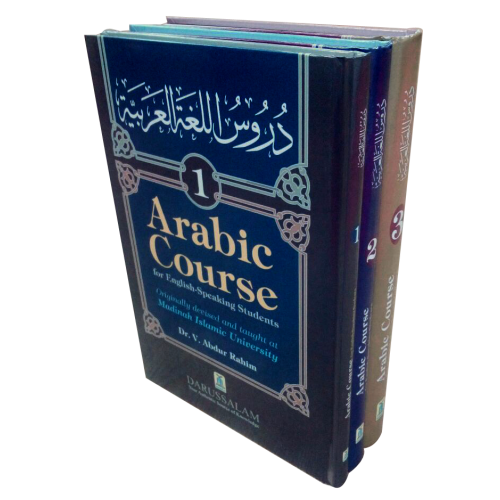
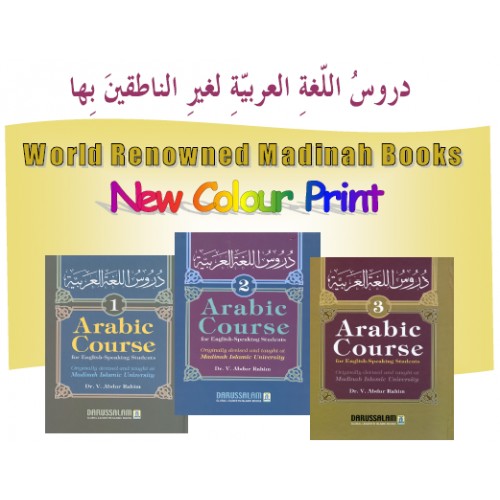
Arabic Course for English-Speaking Students -3 Vols (H/B)
5 ★
5 ★
1 Rating
5 ★
1
4 ★
0
3 ★
0
2 ★
0
1 ★
0
Highlights:
Easy Arabic Course (Durus al-Lughat al-Arabiyah) – For English-Speaking Students. As per the curricula and norms pescribed by the Islamic University of Madinah.
Combines Modern Arabic vocabulary with Islamic terminology as used in the Qur’an and hadith. Assists in learning Arabic grammar and essential language skills Uses a conversational approach to help understand grammatical usages in its perfect form. Contains Multi-skil exercises to improve vocabulary and language
RM300.00
The Noble Quran (Tall Version English Text Only) (RANDOM COLOR)
Highlights:
Interpretion of the meanings of The Noble Quran in the English Language.
RM60.00

Prophet Muhammad: A Blessing for Mankind
Highlights:
Prophet Muhammad (blessings and peace of Allah be upon him) and the lessons he taught us from the continued hardships he underwent in every stage of his life are a real blessing for humankind. Being an orphan child made him compassionate to widows and orphans as well as to the poor. His multiple marriages strengthened the ties of kinship amongst the different tribes, dissolving long-standing enmity. His message and prophethood were challenged by the polytheistic society in Makkah, forcing him and his few followers to emigrate to Madinah. Despite his illiteracy and the struggles he faced, he conveyed Allah’s Book, the Noble Qur’an, to all humanity, teaching them the values and principles that are presently adopted by billions of Muslims throughout the world. In the Qur’an, Allah, the Almighty addresses the Prophet (blessings and peace of Allah be upon him), saying: {We have sent you only as a mercy to the worlds.} (Qur’an 21: 107)
RM8.00 RM9.00
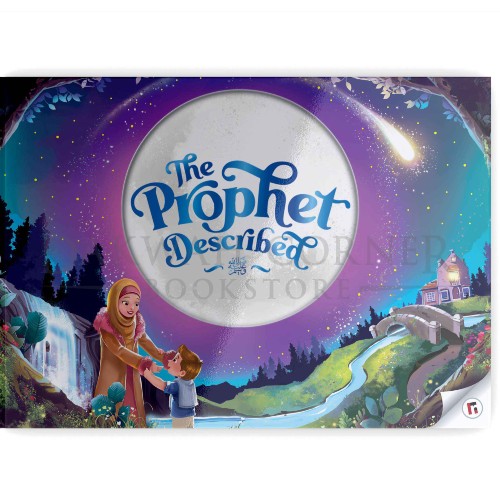
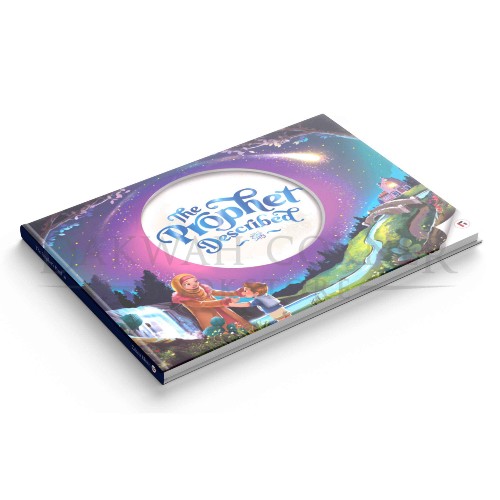
The Prophet (S) Described (Learning Roots)
Highlights:
If you were asked to describe the appearance of the Prophet Muhammad (S), what would you say?
The Prophet Described weaves together classical accounts of the appearance and character of Allah’s finest creation, using the narrations of those closest to him. Expertly crafted into a story-conversation between a mother and son, and using flowing, rhyming text, this book makes learning about Allah’s Messenger (S), a rich and captivating experience. With spectacular illustrations that subtly echo the descriptions, this book is a treasure to be read over and over again.
RM65.00

Muhammad In World Scriptures: Volume II (IBT)
Highlights:
This is the second volume of the series on the Prophet Muhammad as found in world scriptures. While the first volume explores the Parsi, Hindu and Buddhist scriptures, this volume explores what the Bible says about the Holy Prophet of Islam. Written some hundred years ago by a Christian priest who converted to Islam, this book helps readers understand the absolute unity of God and the ultimate source of all revealed Scriptures.
RM34.00

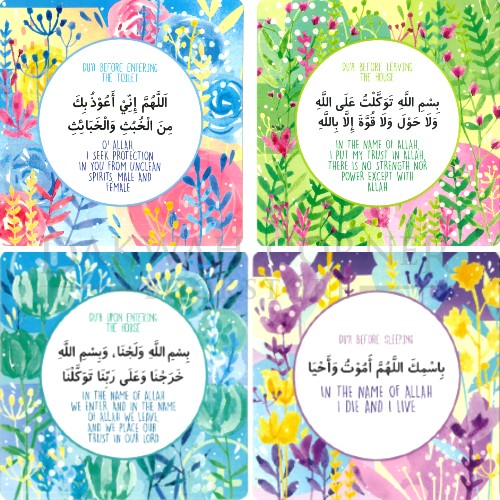
Du’a Prints
Highlights:
A collection of essentials du’as from authentic hadiths. Have 8 du’as in 1 set:-
- Du’a Exiting the Toilet
- Du’a Upon Entering the House
- Du’a Before Leaving the House
- Du’a Before Entering the Toilet
- Du’a Before Eating
- Du’a Before Sleeping
- Du’a in Seeking Knowledge
- Du’a After Waking Up
RM30.00

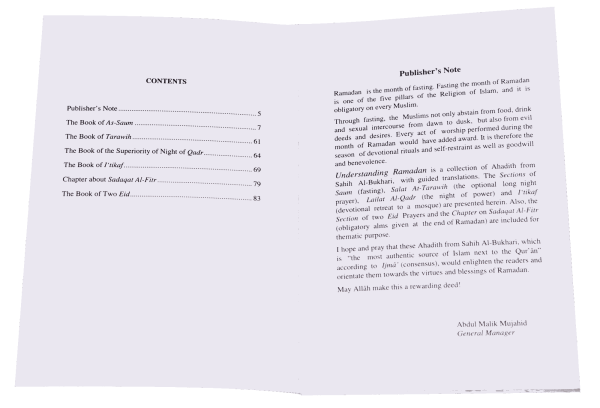
Understanding Ramadan
Highlights:
This book covers important aspects regarding Ramadan. The book is a collection of Ahadith from Sahih Al-Bukhari, with guided translations. The topics which are covered are Fasting, Salat at-Tarawih, Lailat Al-Qadr and Itikaf. Also, the section of two Eid Prayers and the chapter on Sadaqat Al-Fitr are included for the thematic purpose. This book is a must-read for all.
RM20.00
Reflections on Surah Al ‘Imran (P/B) – Kube
Highlights:
Continuing with the Reflections series, this book focusses on the third chapter in the Holy Qur’an. Written in simple and easy to read format, allowing the reader to absorb the key points of Surah Al-Imran is trying to convey.
RM40.00
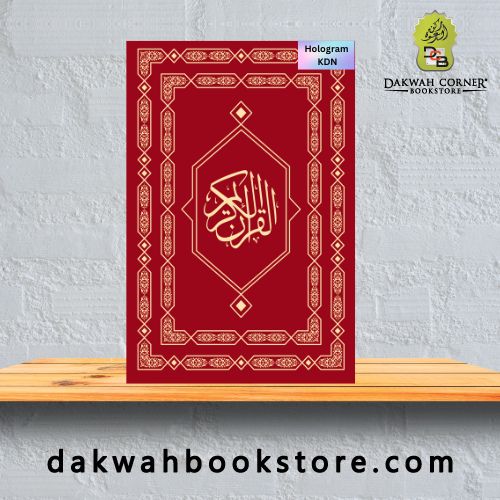
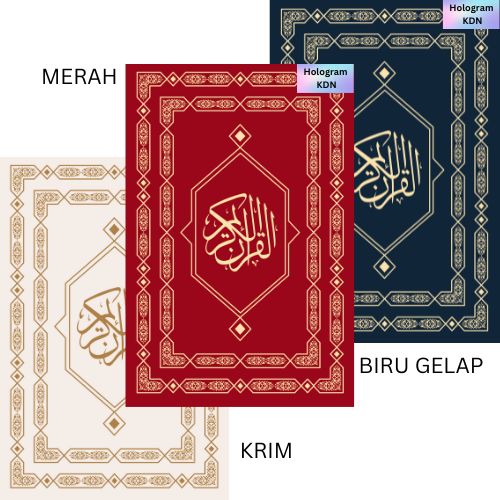
Mushaf Madinah DCB (Local Edition)
Highlights:
Mushaf Madinah Local Edition (Explanation in Malay)
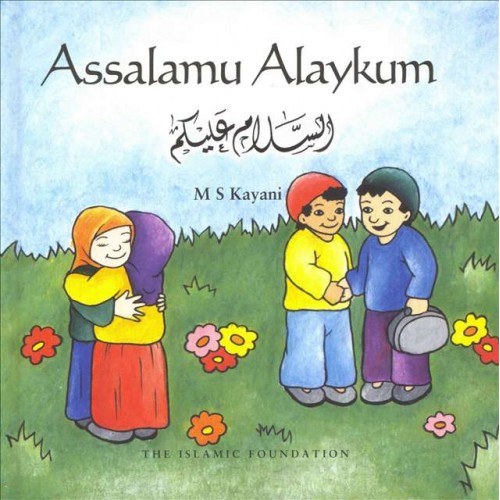
Assalamu Alaykum (H/B)
Highlights:
Come with Abdullah and Aminah as they show you how Muslims greet and share their every day lives with each other.
Recommended for children aged 3+
RM34.00
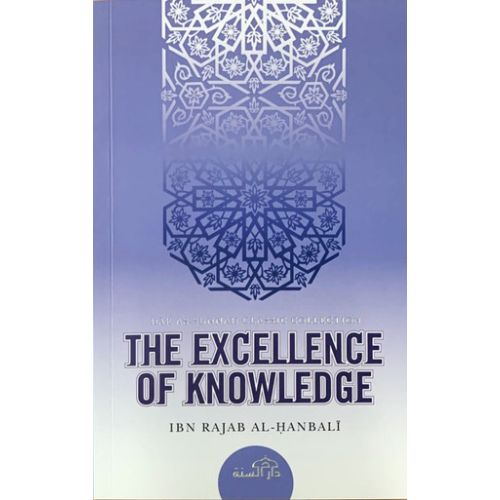
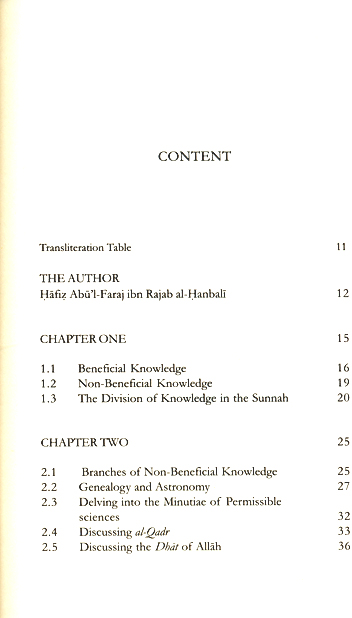
The Excellence of Knowledge (Dar as-Sunnah Publishers)
Highlights:
The way and wisdom of the Salaf, all goodness lies in traversing the way of the Salaf, beneficial Knowledge with regards the ‘Inner Sciences’, the foundation of knowledge and many other branches of the beneficial knowledge.
RM39.00
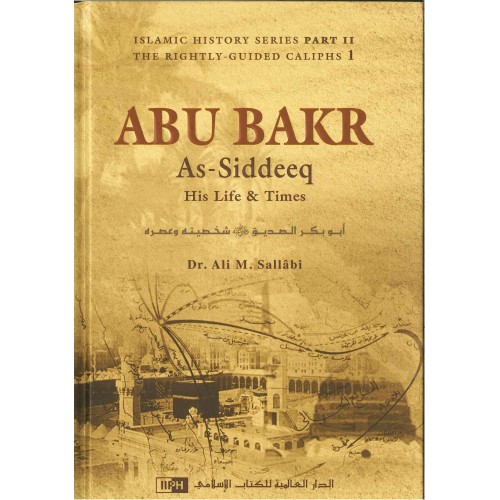
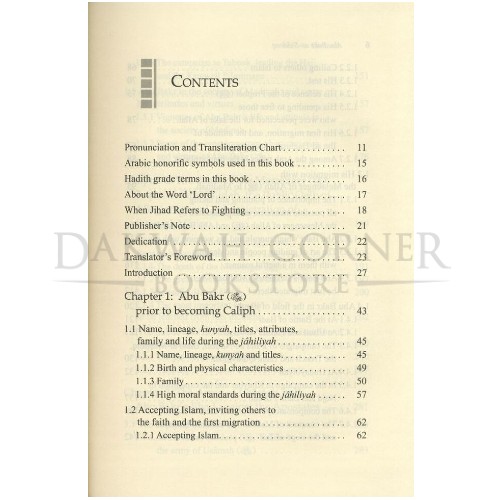
Abu Bakr As-Siddeeq His Life And Times (IIPH)
Highlights:
The life of the first Rightly-Guided Caliph, Abu Bakr as-Siddeeq (may Allah be pleased with him) is a valuable roadmap for the Muslims of today. One of the first people to believe and embrace the Prophet’s Message of Islam, Abu Bakr remained a close companion of the Prophet (blessings and peace be upon him) throughout the Prophet’s life. Appointed as the Prophet’s successor on the basis of consultation, Abu Bakr proved to be a great leader who, with Allah’s help, steered the Ummah through difficult times. He faced numerous challenges within Arabia: some people apostatized, others refused to pay zakâh, and quite a few individuals emerged as false prophets, attracting many followers. Outside Arabia, the Persians and Byzantines keenly observed these developments, looking for an opportunity to crush the new state. Abu Bakr employed effective strategies to deal with these challenges and had remarkable success in doing so. Thus, he paved way for the Islamic conquests that toppled tyrants and carried the message of Islam to the entire world. His leadership should be a great source of inspiration for the Muslims today.
RM90.00
There are no reviews yet.