

| Weight | 0.84 kg |
|---|---|
| Author | |
| ISBN | 9782745184108 |
| Pages | 557 |
| Product Type | Book |
| Publisher | Dar Al-Kotob Al-Ilmiyah (DKI) |
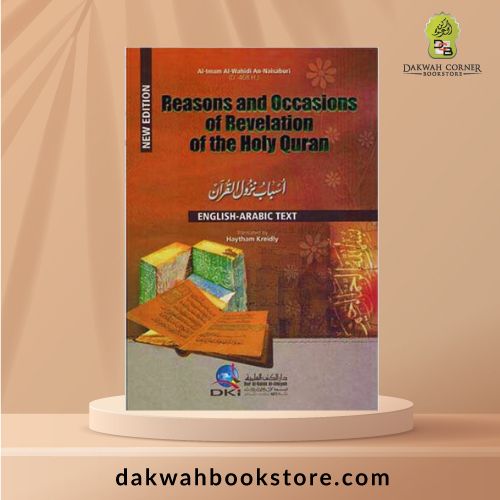
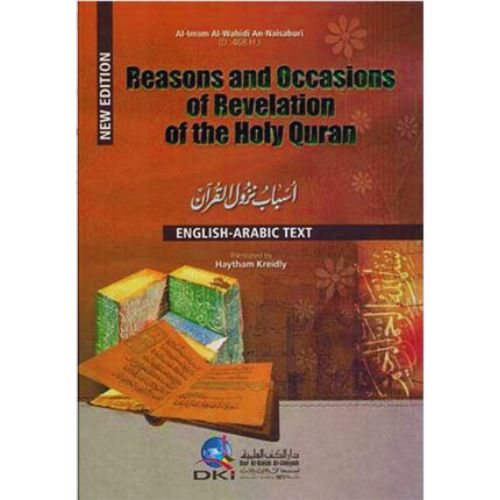
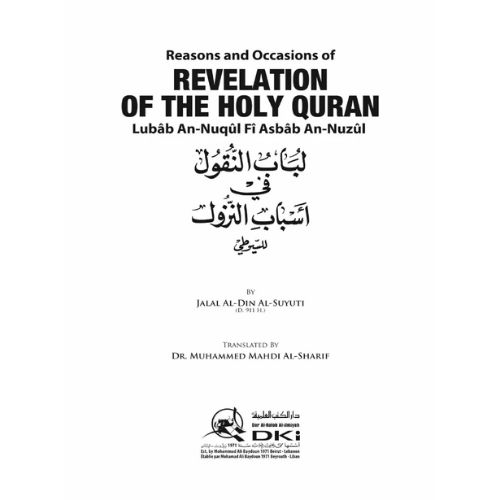
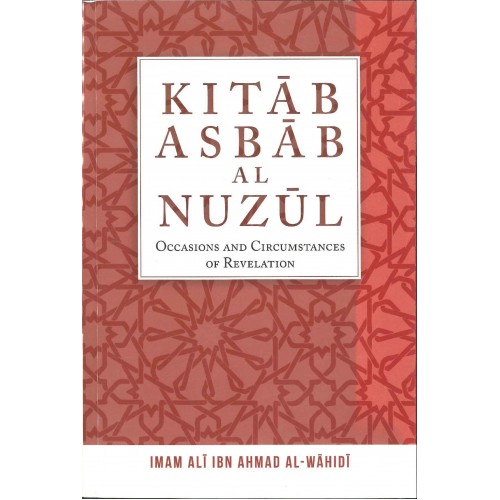
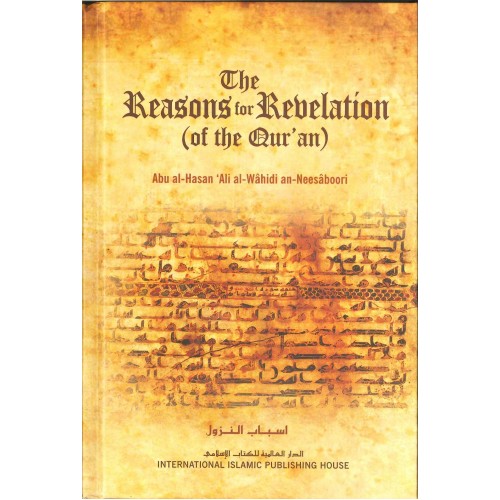
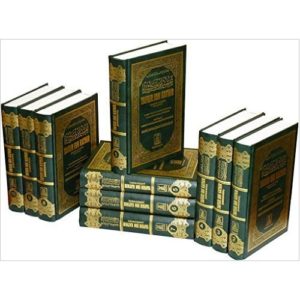
Reasons and Occasions of Revelation of the Holy Quran (DKI)
RM68.00
Hurry up, Only 3 left.
Highlights:
somdn_product_page
Compare
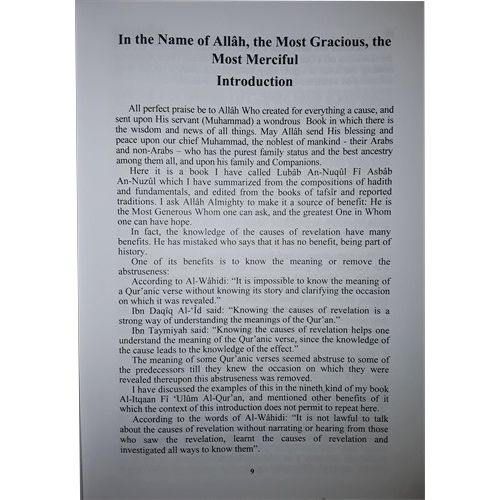
Without doubt, to know the cause of a thing, the occasion on which an incident has come in a particular way, and the circumstances under which an event has taken place in a certain manner can remove a great deal of ambiguity because of which it is not only difficult to understand this thing, but also it is possible to understand it quite differently from what it really is.
Frequently Bought Together
1 Item
RM68.00
2 Add-Ons
RM91.00
Total
RM159.00
Additional information
Reviews (0)
Be the first to review “Reasons and Occasions of Revelation of the Holy Quran (DKI)” Cancel reply
You must be logged in to post a review.
Related Products


An Introduction to The Sciences of The Qur’an (H/B) Al-Hidaayah UK
Highlights:
An introduction to the Sciences of the Qur’aan presents a detailed and thorough explanation of the sciences related to the history, understanding and implementation of the Qur’aan. The book provides the English reader with a detailed analysis of classic Muslim scholarship regarding: the process on Inspiration (Wahy); the various means of classifying verses of the Qur’aan; the history of the compilation of the Qur’aan; the meaning of the seven ahruf and the ten qira’aat of the Qur’aan; the miraculous nature of the Qur’aan; the concept of abrogation in the Qur’aan; the procedure and methodology of tafseer; and many other topics. The work has a number of sections dedicated to explaining the traditional Muslim refutations of certain belief of the Ash’arees with regards to the Qur’aan.
This book also includes detailed discussions on modern Western scholarship of the Qur’aan. After presenting a history of the English translation of the Qur’aan, along with a critical review of some translations, the author discusses and refutes common Orientalist polemic literature on the Qur’aan.
The work is unique in that it presents classical material in a simple and modern style, while maintaning a hight academic level. It is the most advanced work of its kind in the English language, and a necessary reference for all serious students of Islamic knowledge.
RM149.00
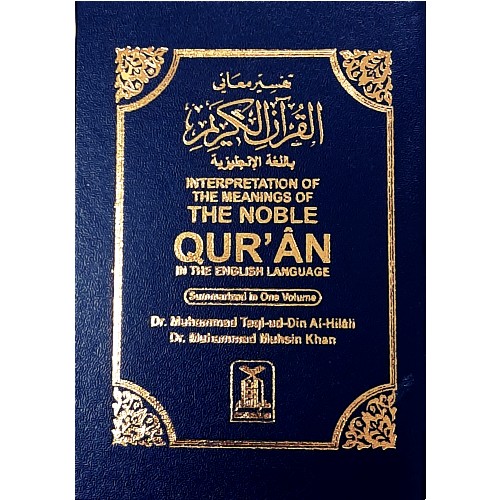
The Noble Qur’an pocket size H/B (Arabic/English)
Highlights:
The Noble Qur’an is a widely popular translation by Islamic University – Madina scholars Dr. Muhsin Khan and Dr. Taqi-ud-Din Hilali. It features frequent footnotes gleaned by the translators from Tafsir At-Tabari, Tafsir Ibn Kathir, and Sahih-al-Bukhari. Arabic-English format with detailed index.
Interpretation of the meanings of the Noble Qur’an with Arabic text in the modern English language. A summarized version of At-Tabari, Al-Qurtubi and Ibn Kathir with comments from Sahih Al-Bukhari.
This summarized 1 volume version offers brief commentary and Ahadith wherever necessary. This unique combination of commentary and relevant Ahadith makes this a very useful study reference tool. The Arabic text is taken from Mushaf al Madinah.
RM85.00


Divine Speech
5 ★
5 ★
3 Ratings
5 ★
3
4 ★
0
3 ★
0
2 ★
0
1 ★
0
Highlights:
The Quran, the sacred scripture of Islam, is revered as the spoken word of God by approximately one-fifth of the world’s population. Since its inception, the power of the Quran has derived not only from its message, but also from the inimitable literary style and rhetorical impact that the Arabic scripture has on its audiences. Divine Speech: Exploring the Quran as Literature attempts to make some of the most recent Arabic and European-language scholarship on its literary features accessible to a wider, English-speaking audience. These features include its language and word choice, its use of figures of speech and other rhetorical devices, its manner of narrating parables and stories, and the structure, coherence, and the order of its “chapters”-aspects that typically remain mysterious to readers of English translations of the text. Divine Speech furnishes its readers with a better appreciation of the Quran from a literary perspective, and in the process stimulates interest in, and provides tools and resources for, further study of the scripture.
RM100.00
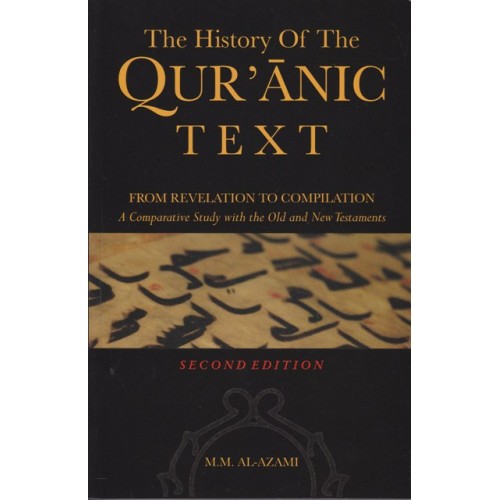
The History of the Qur’anic Text (P/B) (IBT)
Highlights:
The Qur’an reigns supreme in Muslim hearts as the most sacred of texts: a profusion of exalted ideas to rouse the mind, noble histories to stir the soul, universal truths to awaken the conscience and precise injunctions directing humanity to its own deliverance, all distilled into the melodious essence that is the Word of Allah. Through fourteen centuries Muslims have persevered in championing the text against corruption, memorising its every word and contemplating its every phrase, so that in our own times untold millions have enthusiastically committed each letter to heart.
Beginning with a catalogue of ancient and contemporary attacks on the Qur’an, this expansive book provides unique insights into the holy text’s immaculate preservation throughout its history, as well as exploring many of the accusations leveled against it. The reception of divine revelations, Prophet Muhammad’s role in teaching and disseminating these verses, the text’s compilation under his guidance and the setting of its final external shape shortly after his death, are meticulously and scientifically examined alongside such topics as the origins of Arabic, its paleography and orthography, the so-called Mushaf of Ibn Mas’ud, and the strict methodology employed in assembling textual fragments.
By way of comparison the author investigates the histories of the Old and New Testaments, relying entirely on Judaeo-Christian sources including the Dead Sea Scrolls and uncovers a startling range of alterations that touch almost every fact of the Biblical Scriptures. Using this as a springboard for assessing Western theories regarding the Qur’an, he makes a sophisticated yet passionate case for questioning the aims of Western scholarship in continuously undermining Islam’s holy book, and illustrates convincingly that such research, motivated by more than mere curiousity, has no scientific bearing on the Qur’an’s integrity.
This monumental effort, a scholarly work composed in an impassioned tone, provides a welcome foundation for sincere study at a time when assailing the Qur’an has become all too common.
A cornerstone addition to any personal library. A Truly monumental effort. This work presents a cogent and powerful argument for the Qur’an’s unique inviolability.
RM79.00
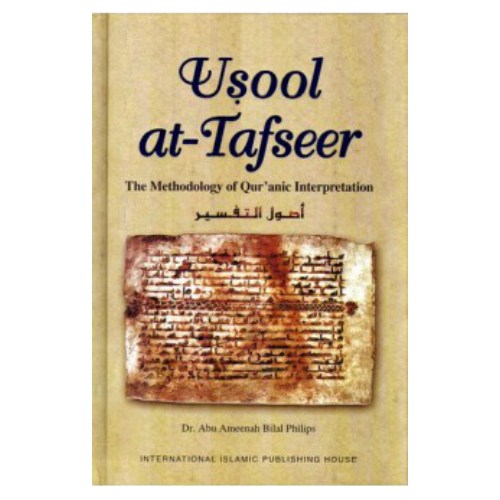
Usool at-Tafseer (H/B)
Highlights:
Usool at-Tafseer, essentially refers to the branches of knowledge necessary for providing an accurate interpretation of the Quranic texts, such as Arabic grammar and syntax, Arabic literature and Quranic sciences (Uloom al-Quran). Familiarity with modern fields of learning, like the pure sciences and social sciences is also necessary for a commentator in this era to make the Quraanic explanations relevant to human society. This book addresses the actual step-by-step methodology of interpreting Quran to ensure that interpretations are not merely the result of human whims and fancies.
RM60.00

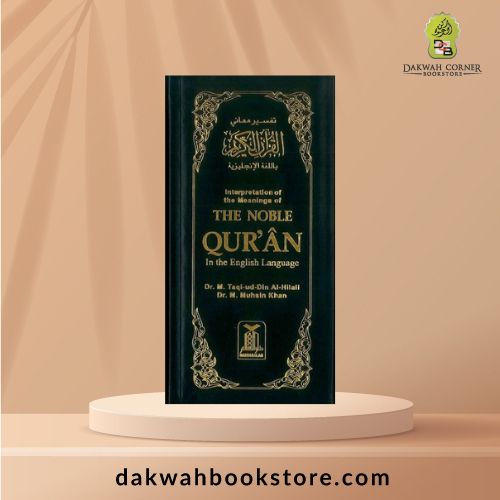
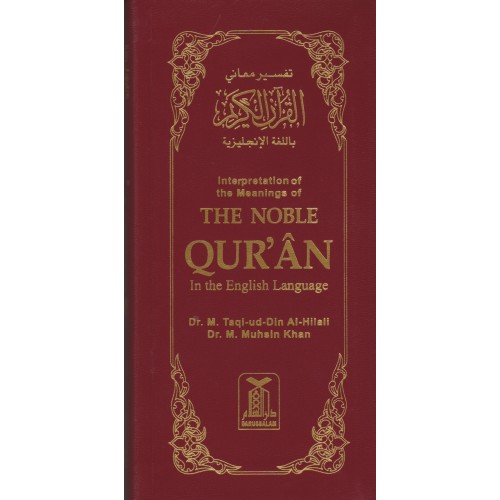
The Noble Quran (Tall Version English Text Only) (RANDOM COLOR)
Highlights:
Interpretion of the meanings of The Noble Quran in the English Language.
RM60.00


Starting from Scratch – Tajweed Made Easy
Highlights:
Holy Quran and Quranic Sciences
RM10.00
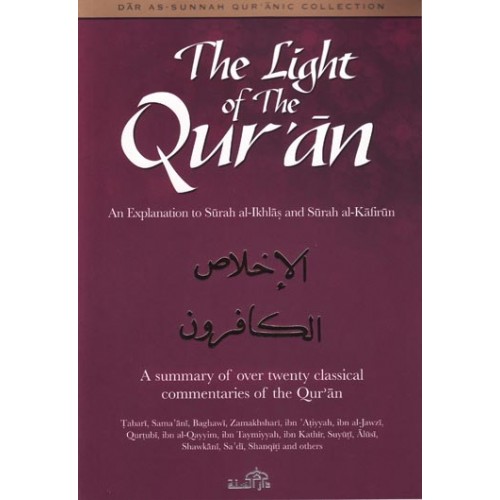
The Light of The Qur’an
Highlights:
The Prophet peace and blessings of Allah be upon him, passed by a person reciting Surah Al – Kafirun and remarked, “He has been saved from shirk”. He passed by another reciting Surah Al – Ikhlas and remarked. Paradise has become obligatory for him. Reported by Muslim.
These two chapters have both been given the title Al-Ikhlas, or purity of faith, because they deal with the topic of Tawhid in all its various aspects. Al – Ikhlas concentrates on the pure, essential faith in Allah that all mankind is required to have. Al – Kafirun deals with purity of deed and disavowal of disbelief and paganism. Both chapters lay out the parameters of mans relationship with his/her lord and creator, as well as his/her relationship those around him/her.
Pure, unblemished monotheism combined with sincerity in belief and deed defines the relationship with Allah. Hi is one and only true God, unique, without peer, equal or opposite, and nothing is like on to him. He is the one who stands in need of nothing whereas everything is in dire need of him.
Maintaining the essential Muslim identity and character defines the relationship between the Muslim and his fellow man. The Muslim is unambiguous about his religion, truthful and upright in speech, deed and his dealings with those around him. Hi is proud of his faith and has unshakable conviction in it. He loves his lord, his Messenger and the Muslims and is loyal to them. Because of this, the dearest thing to him is his religion and he will not compromise it, pleasing Allah comes before pleasing the people.
The prophet would frequently recite these two chapters in prayer because of the commonality of their theme and to stress that success is achieved, in this life and the next, by internalising their message and living by it.
RM41.00
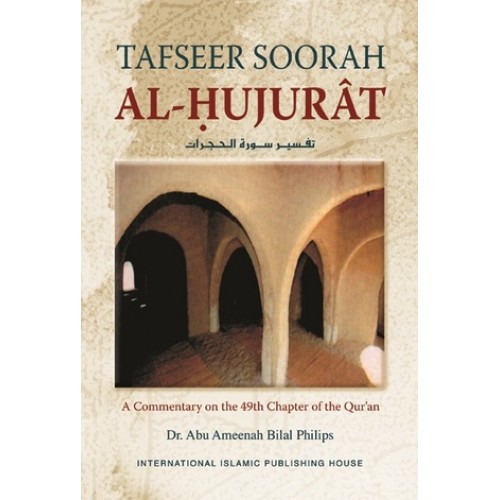
Tafseer Soorah Al-Hujurat (H/B)
Highlights:
Tafseer Soorah al-Hujurât: A Commentary on the 49th Chapter of the Qur’an is a treasury of divine advice, commandments, and prohibitions regarding common problems in social relations, including gossip, spying, arguing, and bigotry. To make the best use of this chapter, the believer needs a detailed explanation of the meanings of the verses.
Dr. Bilal Philips has based his tafseer (exegesis) on the methodology used in the classical works of tafseer. He has relied first of all on the explanations found within the Qur’an itself, then on explanations found in the Sunnah and related incidents which occurred at the time of the revelation of the verses in question. Beyond these primary sources, Dr. Philips has relied on the interpretations made by the Prophet’s Companions (may Allah be pleased with them) who were noted for their ability to interpret and comment on the Qur’an. ‘Abdullâh ibn ‘Abbâs, for example, was called ‘The interpreter of the Qur’an’ by Prophet Muhammad (blessings and peace of Allah be upon him). Finally, the author has made use of the grammatical explanations given in the classical tafseer works. Wherever possible, Dr. Philips has tried to apply the derived meanings of the verses to the problems of contemporary society.
RM40.50 RM60.00

The Spiritual Cure An Explanation to Surah al-Fatihah (P/B)
Highlights:
Surah al Fatiha is the greatest chapter of the Qur’an, its like is not found in the rest of the Book or in the previous scriptures. It is a
Light that was granted to Prophet Muhammad (S) which had not been granted to any other Prophet or Messenger before him; indeed
some of the Salaf stated that when this chapter was revealed, Shaytãn l let out a great cry of lament.
It holds a central position in the daily Prayer hence the daily life of the Muslim.
The underlying theme, of al-Fatiha is one of contemplation and serenity; pondering the Names and Attributes of Allah, pondering the creation , and acknowledging that He Alone deserves praise and Worship, that He Alone should be asked for help, that He Alone Should be feared and hoped in, that He Alone should be invoked, that there is indeed a Day of Judgment, and that guidance has come to us and we are required to follow it.
It calls us to carefully scrutinise our relationship with our Lord: are we living according to the dictates of ‘none has the right to be worshipped save of Allah’ or not? This opening chapter, despite its brevity, calls man to fulfil the rights of Tawhid, the right that Allah has over us to worship Him Alone without any partner
A Summary of numerous Classical Commentaries of the Qur’an
at-Tabari, al-Baghawi, Az-Zamakhshari, ibn Atityyah, Ibn Jawzi, Al-Qurtubi, Ibn Qayyim, Ibn Kathir, as-Suyuti, Alusi, ash-Shawkani, as-Sa’di, ash-Shaqiti and many Others
RM73.00
Recently Viewed
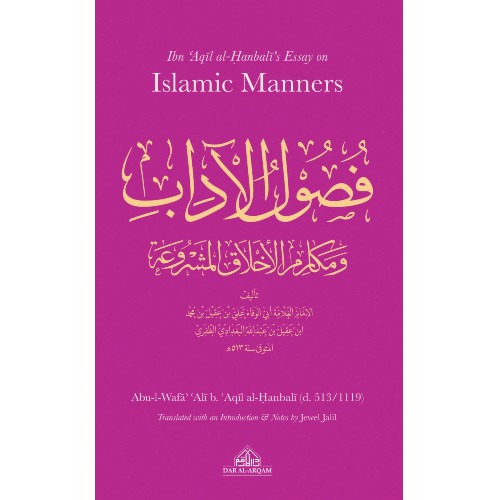
Ibn ‘Agil al-Hanbali’s Essay on Islamic Manners
Highlights:
This book is a translation of Ibn ʿAqīl al-Ḥanbalī’s (d. 513/1119) essay on Islamic manners, Fuṣul al-Adab wa Makarim al-Akhlaq al-Mashruʿah. It presents a significant number of commendable etiquettes Muslims are required to observe for everyday living and dealings. Ibn ʿAqīl’s essay is considered to be the shortest, and the earliest extant work from the Ḥanbalī school on Islamic manners.
RM35.00
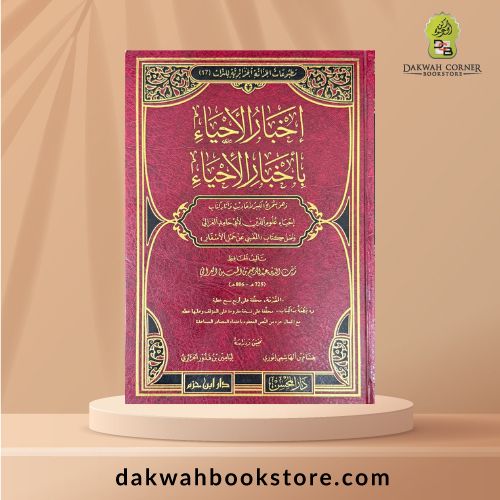
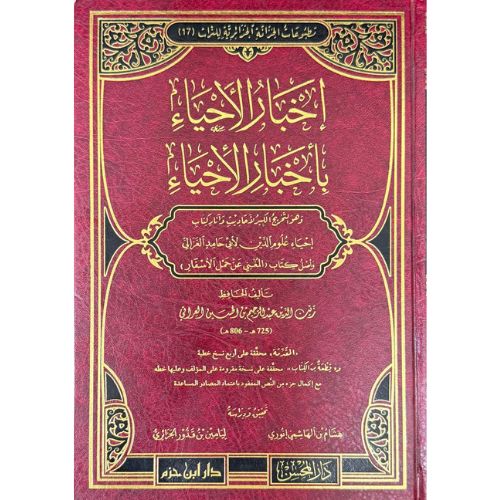
[AH] Ikhbār al-Aḥyā’ bi-Akhbār al-Iḥyā / ‘إخبار الأحياء بأخبار الإحياء –
Highlights:
نحمد اللّه حمد من تظاهرت عليه من ربه الآلاء، ونشكره شكر من تكاثرت عليه من مولاه النعماء، ونصلي على أشرف مَن دعا الناس بكلمه الجوامع إلى حسن الفعال التي يستحق بها الجزاء، وصدق المقال الذي يُكتسب به الثناء، وأكمل من فاق عباد اللّٰه المكرمين وصار للعالمين رحمة وشفاء، سيدنا محمد الرؤوف الرحيم، ذي الخُلق العظيم، الذي بعث لإتمام مكارم الأخلاق، قائد الغُر المحجَّلين من الأصفياء، وعلى جميع إخوانه من الأنبياء الذين كانوا في أزمنتهم شموساً للاقتداء، وعلى آله سفن النجاة لأهل النجاء، وصحبه نجوم الاهتداء، ومَن تبعهم بإحسان ما أظلت الخضراء وأقلت الغبراء
RM90.00
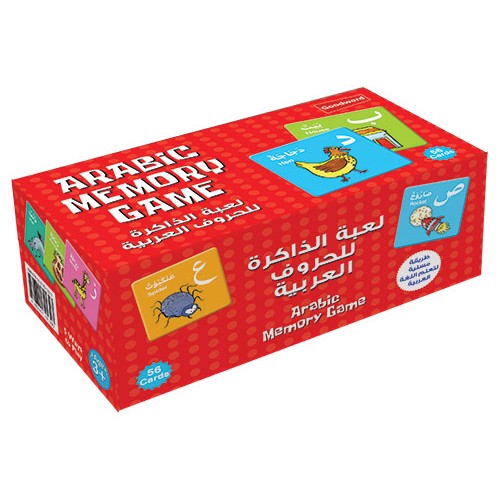
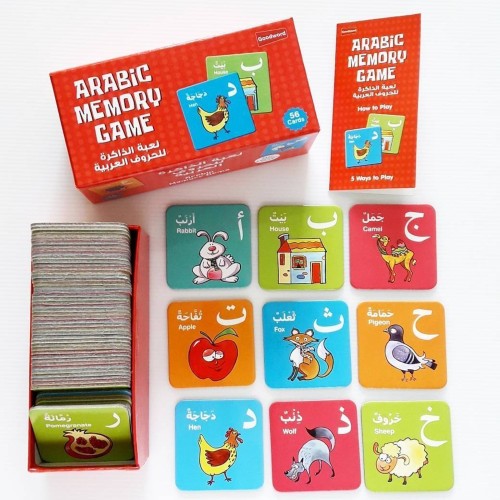
[GM] Arabic Memory Game (لعبة الذاكرة الحروف العربية)
Highlights:
Enjoy the Arabic letters. Enhance the skills of recognizing letters, and Images
- 56 Flash Cards
- 5 Ways to Play
- A Fun Way to Learn
- 3-5 Years
RM40.00
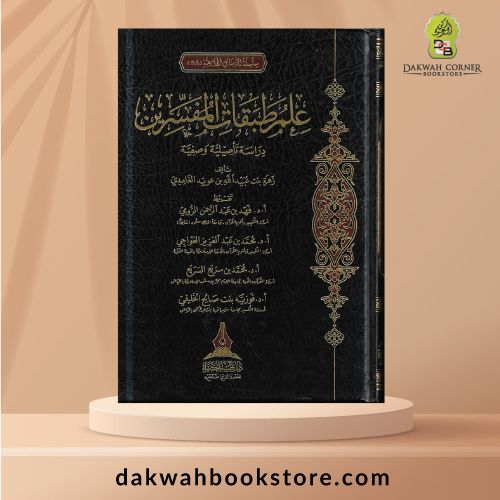
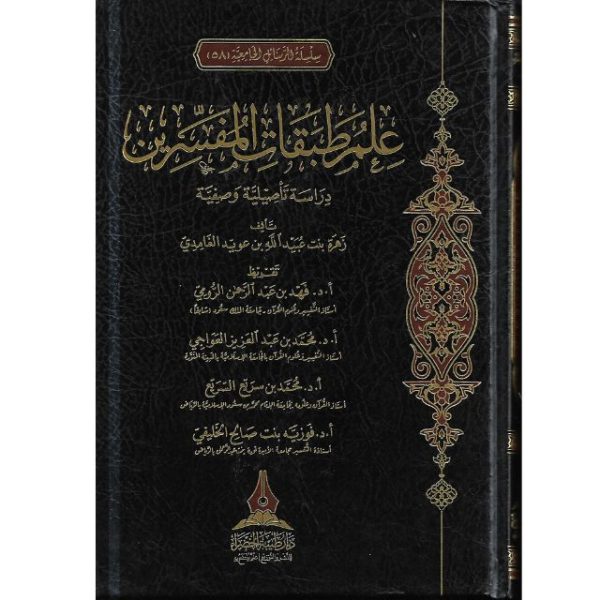
[AUT] Ilm Tabaqat Almufasirin / علم طبقات المفسرين
Highlights:
علم طبقات المفسرين هو علم يعنى بترتيب علماء تفسير القرآن الكريم في فئات أو “طبقات” بناءً على عصرهم، شيوخهم، وفضلهم. يهدف إلى حفظ تاريخ التفسير، معرفة أسانيد الروايات، وتمييز أقوال السلف عن المتأخرين.
RM100.00
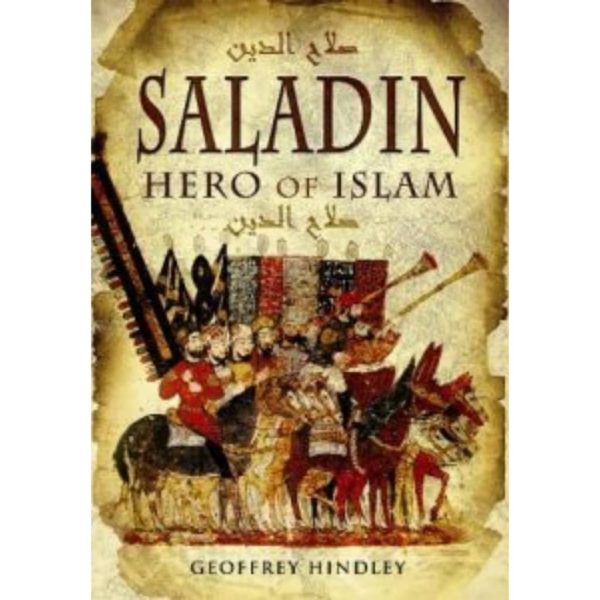
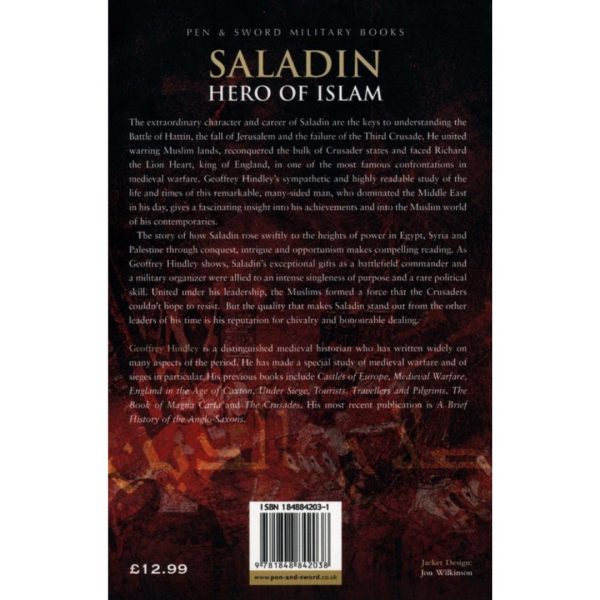
Saladin Hero of Islam (P/B)
Highlights:
The extraordinary character and career of Saladin are the keys to understanding the Battle of Hattin, the fall of Jerusalem and the failure of the Third Crusade. He united warring Muslim lands, reconquered the bulk of Crusader states and faced Richard the Lion Heart, king of England, in one of the most famous confrontations in medieval. Geoffrey Hindley’s sympathetic and highly readable study of the life and times of this remarkable, many-sided man, who dominated the Middle East in his day, gives a fascinating insight into his achievements and into the Muslim world of his contemporaries.
The story of how Saladin rose swiftly to the heights of power in Egypt, Syria and Palestine through conquest, intrigue and opportunism makes compelling reading. As Geoffrey Hindley shows, Saladin’s exceptional gifts as a battlefields commander and a military organizer were allied to an intense singleness of purpose and a rare political skill. United under his leadership, the Muslims formed a force that the Crusaders couldn’t hope to resist. But the quality that makes Saladin stand out from the other leaders of his time is his reputation for chivalry and honourable dealing.
Greoffrey Hindley is a distinguished medieval historian who has written widely on many aspects of the period. He has made a special study of medieval warfare and of England in the Age of Caxton, Under Siege, Tourists, Travellers nd Pilgrims, The Book of Magna Carta and The Crusades. His most recent publication is A Brief History of the Anglo-Saxons.
RM95.00
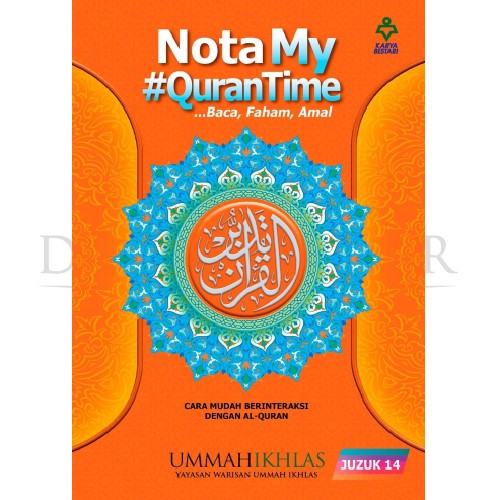
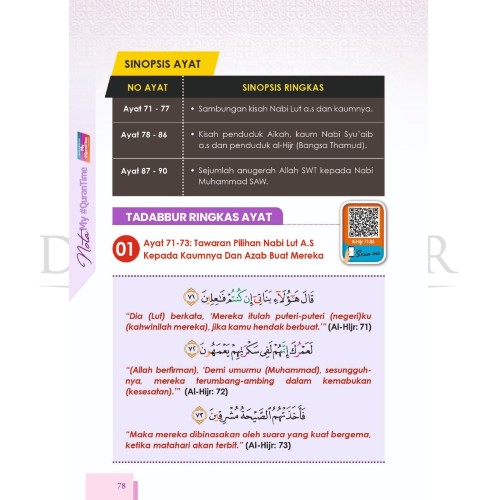
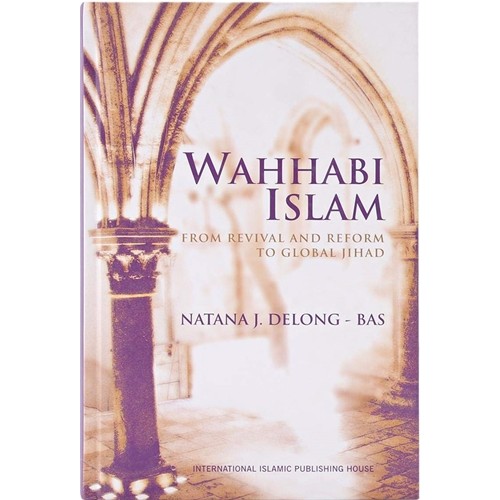
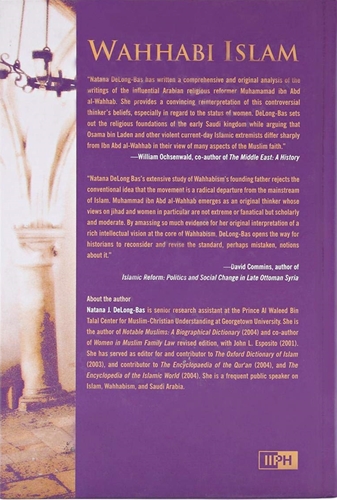
Wahhabi Islam From Revival And Reform To Global Jihad
Highlights:
Until September 11, 2001 few Westerners had ever heard of “Wahhabism.” Now most of us recognize the word as describing an austere and puritanical type of Islam, mentioned frequently in connection with Osama bin Laden and Saudi Arabia and often named as the inspiration behind the 9/11 terror attacks. The word “Wahhabi” stems from the name of the founder of this system of thought, Muhammad Ibn Abd al-Wahhab (1702-1791), companion and religious adviser to Muhammad Ibn Saud, founder of the House of Saud. In this book Natana DeLong-Bas offers an in-depth study of the written works of al-Wahhab. She focuses on four areas: theology, legal theory, proselytizing through education and jihad, and law on women. Through a close reading of al-Wahhab’s texts she demonstrates that many aspects of 20th- and 21st-century Wahhabi extremism do not have their origins in his writings. Examples of this extremism include the emphasis on jihad, martyrdom and militancy, and misogyny. The strict division of the world into dar al-Islam and dar al-kufr, according to which only Wahhabi adherents are considered to be true Muslims and all others are non-Muslims who must be fought, is entirely absent from al-Wahhab’s work. Instead, argues DeLong-Bas, all of these themes were only added to Wahhabi teachings in the 19th century following armed engagement with the Ottoman Empire. DeLong-Bas’s study fills an enormous gap in the literature about Wahhabism by returning to the original writings of the founder of the movement. She debunks the common journalistic portrayal of Muhammad Ibn Abd al-Wahhab as an illiterate, rural bumpkin with no scholarly formation. Her revisionist reading of al-Wahhab’s thought will be controversial but impossible to ignore. The book will be essential reading for students and scholars of Islam as well as for those interested in the background of this dangerous modern ideology.
RM91.00
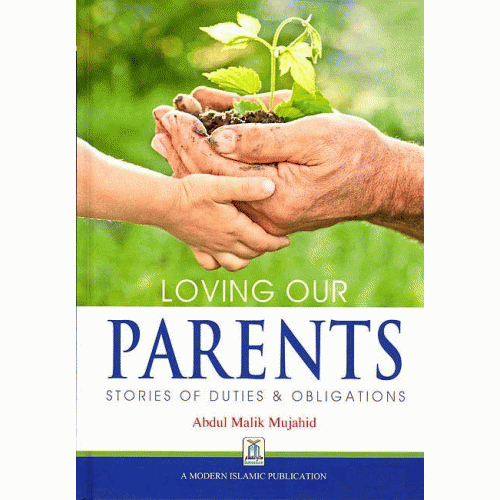

Loving Our Parents Stories of Duties & Obligations
Highlights:
Loving our Parents is a wonderful collection of stories from the loves of ordinary people on the rewards of treating our parents with honor and respect.
It also has detailed and authentic accounts from both the Noble Qur’an and the Prophet’s Sunnah on our duties and obligations to those who have sacrificed so much to raise and educate us.
RM80.00
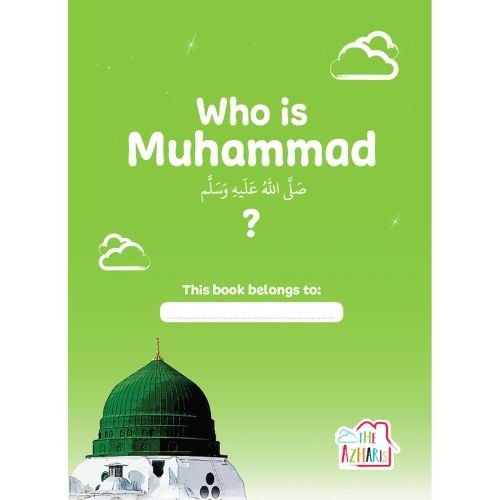
Who is Muhammad? (P/B)
Highlights:
Who Is Muhammad ﷺ?
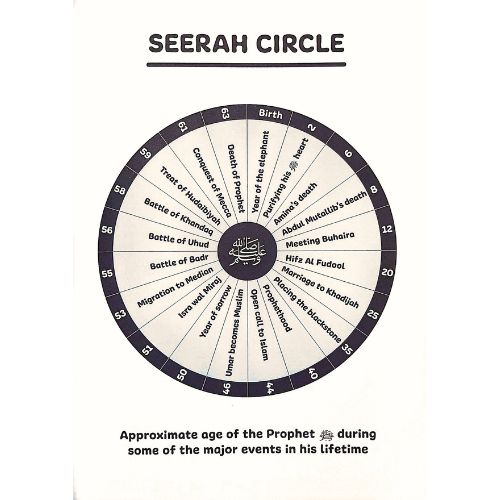
The entire life of the Prophet Muhammad ﷺ, instilling the love of our Prophet into our hearts and taking practical lessons we can learn from his life.
RM80.00
Stories of the Qur’an: Quiz Book
Highlights:
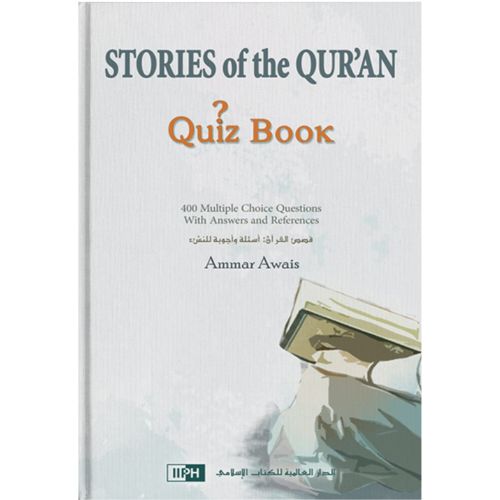
Four hundred questions are spread over fifty quizzes in this well-researched book that aims to test the reader’s knowledge about various personalities and incidents related in the Qur’an. Stories of the Qur’an: Quiz Book is extremely handy in familiarizing young adults with the lives of the prophets and righteous individuals. It can also be used in quiz competitions and fun-based learning activities.
RM71.00
The International Jew and the Protocols of the Elders of Zion (P/B)
5 ★
5 ★
1 Rating
5 ★
1
4 ★
0
3 ★
0
2 ★
0
1 ★
0
Highlights:
Much is known about Henry Ford (1863-1947), one of the greatest industrialists of our times, and his ‘Model T’.
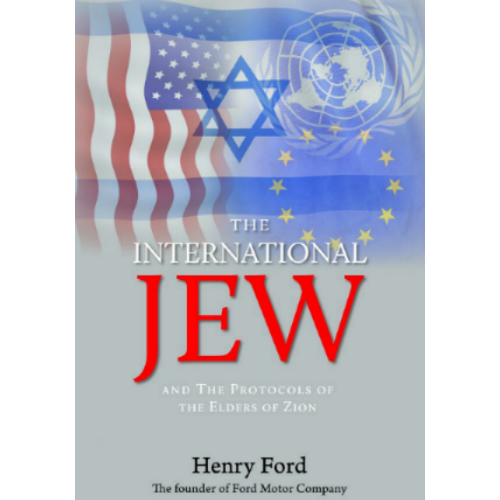
What is not so well known is that Ford devoted years of his life and a substantial part of his fortune to awakening the American people to the enemies of the nation. Ford had become convinced that there was an organized, dangerous, largely secret, and incredibly powerful menace to America, almost completely Jewish at its highest levels, and he was determined to do something about it. Thus, 1920 marked the beginning of the publication of Ford’s research series in The Dearborn Independent, the Ford Motor Company’s weekly magazine. These articles were eventually collected in book form under the title The International Jew. When first published, more than 10 million copies were sold in the United States alone. It was translated into sixteen LANGUAGEs and distributed by the millions in Europe, South America and the Middle East, making it one of the greatest bestsellers of all time.
Yet today this book is almost impossible to find. You will not be able to buy it in your local bookstore, nor check it out at your local library. The truth is that in the so called “democratic, pluralist†America this book has been nakedly suppressed.
The International Jew is relevant to all of us, even if Henry Ford addressed this question to the Americans. Its insights into the roots of today’s political situation is astounding and prophetic. The International Jew and the Zionist movement have assumed gigantic proportions affecting the peace of the world.
RM45.00
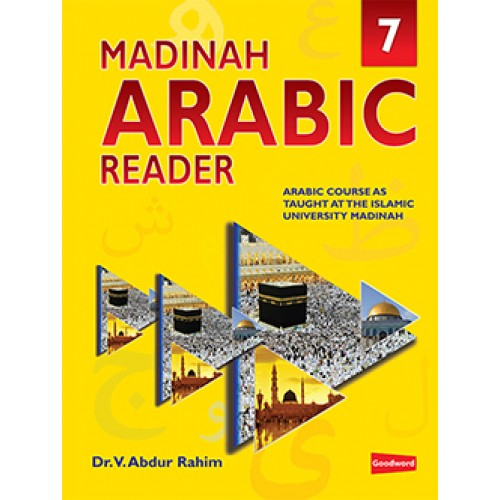
Madinah Arabic Reader (Book 7)
Highlights:
Professor Abdur Rahim, Director of the Translation Centre of the King Fahd Quran Printing Complex and former Professor of Arabic at the Islamic University of Madinah, Saudi Arabia, has authored texts designed to impart a knowledge of classical Arabic through applied grammar. Each lesson, based on a conversation, illustrates distinctive language patterns. These patterns are elucidated by a variety of helpful exercises. The vocabulary ranges from classical and Quranic Arabic to modern Arabic. This series of books is currently being utilized at various schools to prepare students for the University of London (UK) GCE O-Level and A-Level examinations.
RM30.00
There are no reviews yet.