

| Weight | 0.08 kg |
|---|---|
| Author | |
| ISBN | 9789960992518 |
| Pages | 59 |
| Product Type | Book |
| Publisher | IIPH |
| Binding | Paperback |
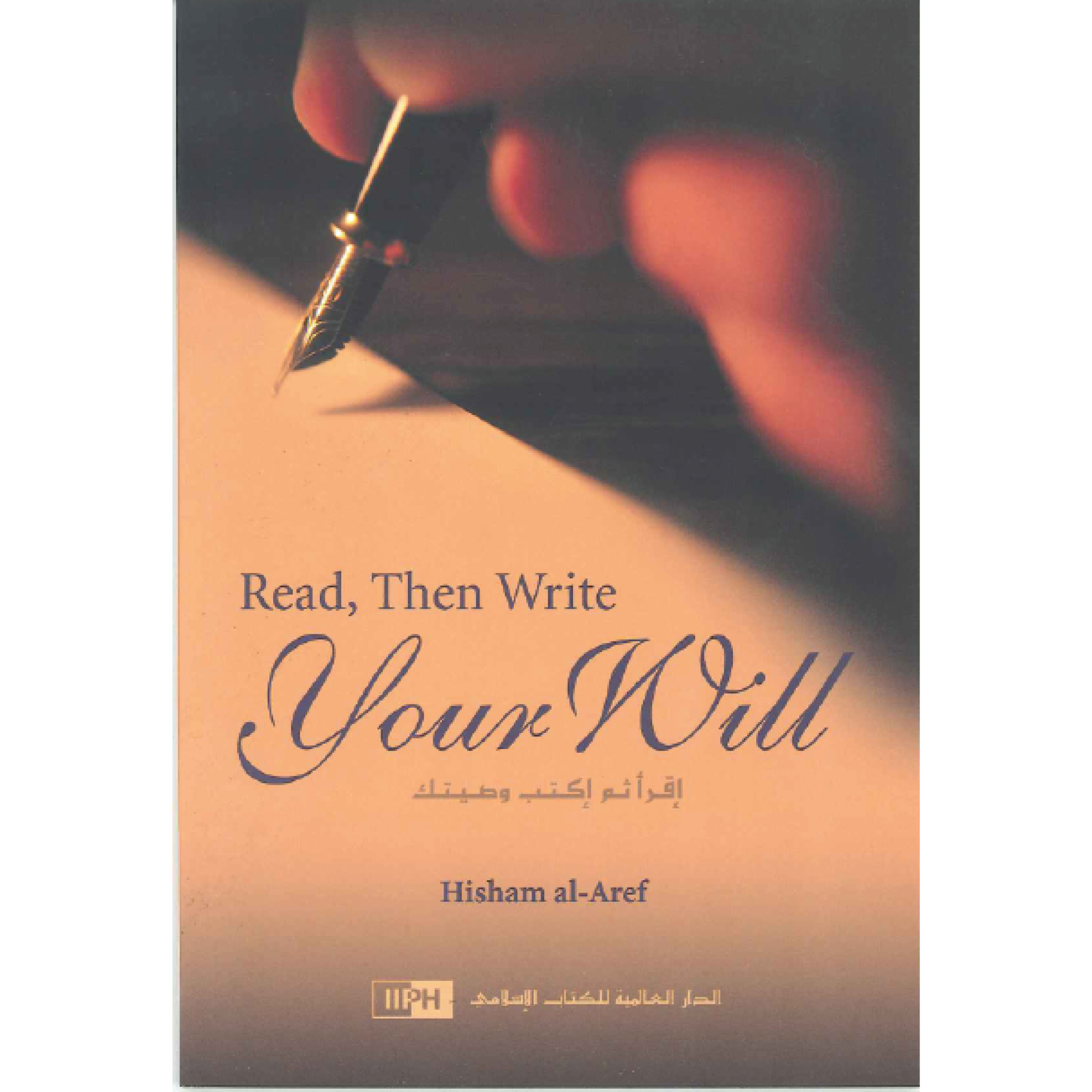
Read, Then Write Your Will
RM12.00
Hurry up, Only 3 left.
Highlights:
somdn_product_page
Compare
This book deals with the importance of having an Islamic will. Author Hisham Ibn Fahmi Ibn Moussa Al-Aref explains what a will is and how important it is in Islam.
Islam highly encourages, if not obligates, writing a will as soon as possible, since one does not know when Allah will take the Muslim’s soul back to Him. Many man-made laws also recognize the importance of a will and the difficulties that the absence of one can cause. The will can include both financial and religious matters and can be a document for reference and application without disputes.
SKU: SJ173
Category: Sharia, Fiqh and Jurisprudence
Additional information
Reviews (0)
Be the first to review “Read, Then Write Your Will” Cancel reply
You must be logged in to post a review.
Related Products

The Right to Education, Work and Welfare in Islam (P/B)
Highlights:
In The Right to Education, Work and Welfare in Islam Professor M.H. Kamali develops an Islamic perspective on three connected and complementary areas of rights and liberties. He urges that education is often a necessary ingredient of professional work even more so now than in earlier times when the range and variety of specialised knowledge were relatively limited. A person who acquires education, whether generally or at advanced levels of specialisation, is more likely to stand in a better position to enter the workforce and thus to contribute to the welfare of the community.
The author commences his discussions on education, work and welfare in Islam by focusing on how each is treated in the Qur’an; and follows this by the example of the Prophet and, after him, the Pious Caliphs who gave prominence to the education and welfare needs of people at times both of scarcity and affluence. Professor Kamali then moves forward to our time and discusses the right to education, the education of children, institutionalisation of learning, academic freedom and the debate between science and religion.
The section on work elaborates on the value of work, work ethics, workers’ and employers’ rights and responsibilities, and the role and responsibility of governments.
Finally, the section on welfare focuses on the importance in Islam of caring for those who are in need and the different forms of provision that can be made available by individuals, the state and charities.
RM63.00

War and Peace in Islam : The Uses and Abuses of Jihad (P/B)
Highlights:
Written by a number of Islamic religious authorities and Muslim scholars, this work presents the views and teachings of mainstream Sunni and Shi’i Islam on the subject of jihad. It authoritatively presents jihad as it is understood by the majority of the world’s 1.7 billion Muslims in the world today, and supports this understanding with extensive detail and scholarship. No word in English evokes more fear and misunderstanding than “jihad.” To date the books that have appeared on the subject in English by Western scholars have been either openly partisan and polemical or subtly traumatized by so many acts and images of terrorism in the name of jihad and by the historical memory of nearly 1,400 years of confrontation between Islam and Christianity. Though jihad is the central concern of War and Peace in Islam: The Uses and Abuses of Jihad, the range of the essays is not confined exclusively to the study of jihad. The work is divided into three parts: War and Its Practice, Peace and Its Practice, and Beyond Peace: The Practice of Forbearance, Mercy, Compassion and Love. The book aims to reveal the real meaning of jihad and to rectify many of the misunderstandings that surround both it and Islam’s relation with the “Other.”
Reviews:
“A dynamic myth-busting clarification of the real position of mainstream orthodox Islam on the whole question of violence and jihad.” —T. J. Winter, University of Cambridge
“This is the best book on the subject in English. It will be of inestimable value.” —Shaykh Mustafa Ceric, Grand Mufti Emeritus of Bosnia
RM145.00

Preservation of Health in Islamic Law (P/B)
Highlights:
Preservation of health (hifz al-sihhah) is the most important branch of Islamic medicine since it is primarily concerned with the prevention of illness rather than cure. This book represents one of the few attempts to introduce the role of Islamic medicine, although Chapter One provides information about a historical background of the preservation of helath in Islam, its aim is to provide fresh ant timely overview of the major aspects of legal, ritual and spiritual structures of teh Islamic law (shariah). These include the laws related to Ibadah, Islamic family laws, foods and drinks as well as environmental laws, for maintaning and preserving human health. Findings indicated that prevention of any diseases from Islamic medical law presentive cannot attain any real success unless it emanates from an Islamic fundamental teaching, namely: the pillars of Islam. Iman and observance of the Islamic rituals such as Salah, zakah, Sawm and Hajj, have played an important role in shaping the attitude, behavior and model personality of the Muslim, in boosting the spiritual motivation or attitude change, and in disseminating the message of prevention. This indicates that bodily and spiritual health goes hand in hand and that pyscho-spritual balance and health is a primary consideration whereas physical health is a secondary one.
RM47.00

The Problems of the Illegitimate Child (P/B)
Highlights:
This book addresses the views of the Sunni scholars regarding the importance of genealogical relationship (nasab) in Islamic family law and examines the role of legitimacy on the basis of the legal maxim “al-walad li al-firash”, evidence (al-bayyinah), and doubtful intercourse (wat’ shubhah). It also elucidates the views of the Sunni schools of law on how to establish illegitimacy. For the Sunni jurists, there are several situations that determine the illegitimacy of the child. A child is considered illegitimate if its birth is the outcome of adultery (zina) or the result of legitimate union but accompanied with imprecation (li‘an). Other circumstances include the birth of the child taking place in less than six lunar months, the father of the child being categorized as one who is incapable of begetting, or the birth as a result of marital relationship considered unlawful because of consanguinity. The book also deals comprehensively with the moral, religious, legal and other aspects of the illegitimate child and the foundling in the works of the Sunni jurists. The status and rights of the illegitimate child and the foundling in the Islamic family law of Malaysia and Brunei are also discussed by referring to some provisions from Federal Territory Act 1984 (Act 303) and Brunei law.
RM49.00


Funerals Regulations and Exhortations (H/B)
Highlights:
Our soul inevitably follows a route starting from birth, passing through death, and ending with our resurrection in the next life. The inevitable journey discusses over a sequence of titles: sickness, inheritance, funerals, Life in Barzakh and so on…
RM75.00


The Ultimate Guide to Umrah by Darussalam
Highlights:
Based on the famous book ‘Getting the Best out of Hajj’ With special chapters on Umrah in Ramadaan & Visiting Madinah After Hajj, a Muslim considers Umrah to be the most significant worship that brings the opportunity of rewards and the blessings of visiting Ka’bah and the Prophet’s Mosque along with other sacred places one wishes to visit and try to feel the atmosphere present at the time of Allah’s Messenger (peace be upon him) and the hardships he had to bear while preaching Islam. During such a visit, a newcomer has to face many difficulties because of a lack of knowledge about the rites and places. To provide complete details about everything, a pilgrim wants to know, the first time this book has been compiled with the utmost care and research so as to make it useful in every respect.
RM55.00


Islamic Rulings on Menstruation and Postpartum Condition
Highlights:
The birth of human being is a most amazing phenomenon. The physical cycles that the body of woman must endure in order to maintain this act of creation should be respected to the highest degree. Allah mentions that our mothers have born us with difficulty and struggle and because of this are due the highest respect. one among many of the difficulties that women must brave, are the doubts that these conditions present to the correct obervance of her religion. How is her fassting affected, how are her prayers affected, how is her ability to pursue her studies, and how are her conjugal relations affected by her ever changing physical condition in relation to her as the sole vessel of the birth of man. A really valuable publication by Darussalam for all Muslim woman to study
RM11.00

Worship In Islam: An In-depth Study of Ibadah, Salah and Sawm (P/B)
Highlights:
Worship in Islam is in-depth study of the nature and significance of Islamic spirituality by Abul A‘la Mawdudi (1903–79), one of the leading Muslim intellectuals of the twentieth century, with special reference to the concepts of God’s Oneness (tawhid), the finality of Prophethood (risalah) and the Islamic system of worship (‘ibadah) with a focus upon prayer (salah) and fasting (sawm) and their role in the development of the Islamic personality and Islam’s social order. The distinguishing feature of Mawdudi’s approach is his elaboration of the social dimension of worship, which extends the traditional approach found in Islamic jurisprudence, with its focus upon ritual and self-purification, to consider worship’s transformative role in social life. Presenting a holistic view of the Islamic system, Mawdudi highlights Islam’s social, economic and political dimensions, which he argues has the capacity to resolve emergent issues and problems that humankind faces.
This historic text should be of wider interest to both students and specialists in contemporary Islamic thought, and includes an introduction by Professor Anis Ahmad.
Edited and translated into accessible English by Ahmad Imam Shafaq Hashemi, this book is an authoritative compilation by a leading Islamic twentieth-century revivalist on the central matter of worship’s role in Islam.
RM84.00


Getting the Best Out of Hajj
Highlights:
The book provides a realistic view of Hajj as it is today, with detailed explanations of all the rites. It provides Figh related issues about Hajj, Salah and personal behaviour according to the Quran and Sunnah, to enable you to obtain the best value for your time spent in the holy cities. It also provides information and suggestions about planning for the journey, what to expect and how to survive, so you can depart with full confidence. This is a must have for all those planning to go on Hajj!
RM75.00


Fiqh Course: Tahaarah, Salaah & Janaa’iz
Highlights:
This course was compiled for English-speaking Muslims and is especially beneficial for new Muslims. It covers tahârah (purification), salâh (prayer) and janâ‘iz (funerals). It is set out in an easy-to-understand manner, citing evidence from the Qur’an and authentic hadiths. The aim of this book is to provide the reader with a correct, yet uncomplicated guide to the performance of the aforementioned acts of worship. Allah willing, it is the first in a series which will cover all aspects of worship and Islamic jurisprudence.
RM46.00

Forensic Psychiatry In Islamic Jurisprudence (P/B) (IBT)
Highlights:
This is the first book in Forensic Psychiatry that focuses on the application of psychiatry to legal issues connected to Islamic jurisprudence. It gives contemporary psychiatry in any Islamic country a broad spectrum of tools to work with, enabling the utilization of options specific to particular societal and cultural norms. This book will appeal to both the general as well as the academic reader.
RM40.00


Al-Jumu’ah: The Day of Congregation
Highlights:
In our busy lives, Friday comes around once a week. It often comes and goes without our being really aware of it. For many Muslim men, it may be punctuated by the congregational prayer that they make special efforts to attend. For many Muslim women, it may go by just like any other day. This ought not to be the case. In this unique book, Dr. Gowher Yusuf gives us reason to stop and think about how special Friday (al-Jumu‘ah) really is, and what we should be doing to achieve the many bounteous blessings it holds for those who observe it. Drawing constantly from the Qur`an and the Sunnah and the great works of the scholars of Islam, Dr. Gowher Yusuf explores this topic in depth and presents it to the reader in simple language for them to understand and ponder over. This book travels through the various issues pertaining to the Friday prayer and its Khutbah, or sermon. These issues are explained within the Islamic framework, thus abolishing any myths and misunderstandings and clarifying the topic for the reader. Dr. Yusuf writes: The day of the week known as al-Jumu‘ah, or simply Jumu‘ah, is Friday, and it is special. Compared to the other days of the week, Friday has been accorded the largest amount of merit, so much so that the father of all humankind, Prophet Âdam (peace be upon him), was created on this day and a particular prayer was ordered for this day. It was from the guidance given to Prophet Muhammad (blessings and peace of Allah be upon him) to magnify this day, honour it, and designate it for acts of worship. …On a Friday, we all will be gathered and will stand congregated in front of Allah, the Exalted, on the Day of Resurrection, also called the Day of Accountability or the Day of Judgement.
RM38.00
Recently Viewed
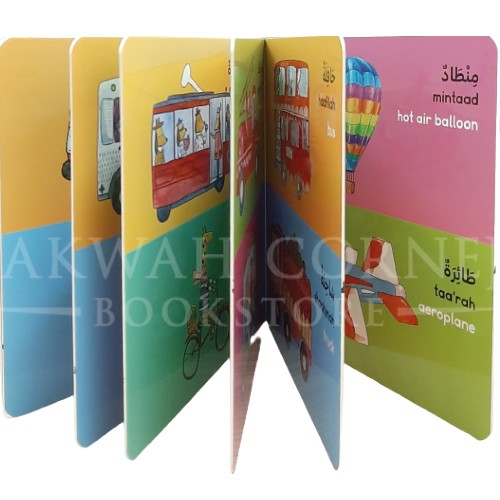
[CB] Things that Move Board Book (الاشياء التي تتحرك)
Highlights:
Things That Move Board Book | Arabic-English | Islamic Baby Book
RM20.00
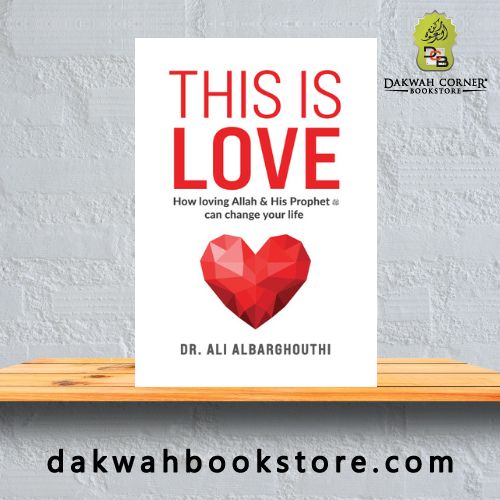
This is Love [3rd Edition]
5 ★
5 ★
1 Rating
5 ★
1
4 ★
0
3 ★
0
2 ★
0
1 ★
0
Highlights:
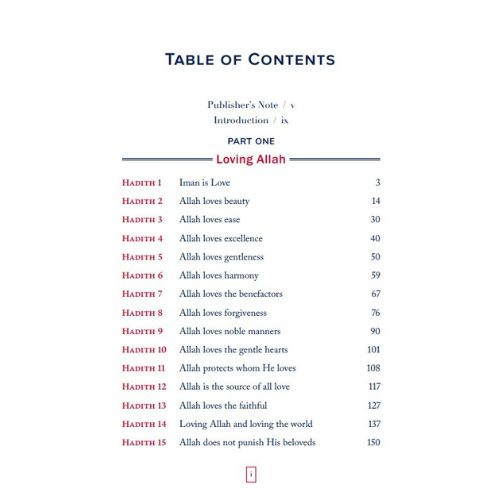
This book presents the Islamic message of love through forty hadiths on loving Allah, His Prophet, and His creation. It explains the indispensability of divine love in human existence, the centrality of love in Islam, and the means to attain and spread love on earth.
RM85.00
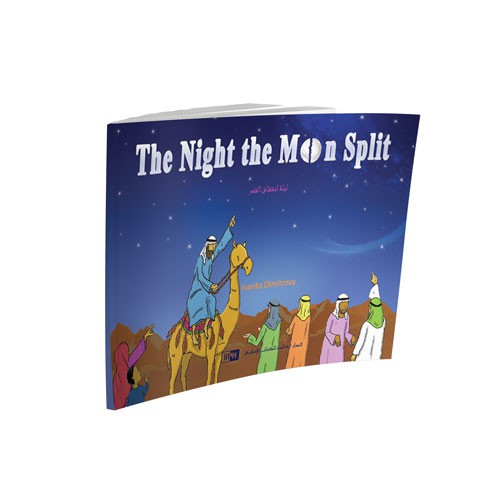
The Night the Moon Split
Highlights:
The Night the Moon Split, by Ivanka Dimitrova, takes young readers on a journey through time, back to the days of Prophet Muhammad (peace and blessings be upon him). It describes one of his greatest miracles: the splitting of the moon. This remarkable event is related as a bedtime story told to a young Muslim boy. This story is an excellent choice for both read-aloud and independent readers. Recommended for ages 7-12.
RM25.00
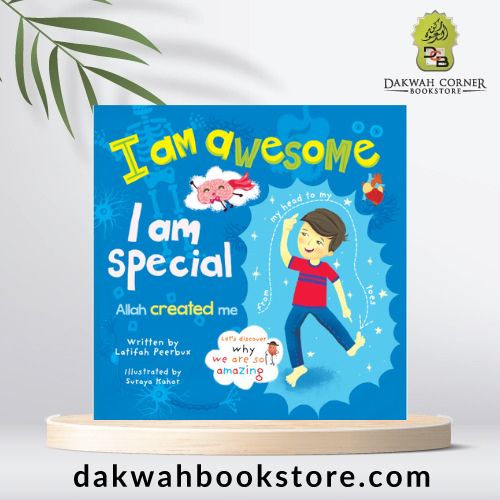
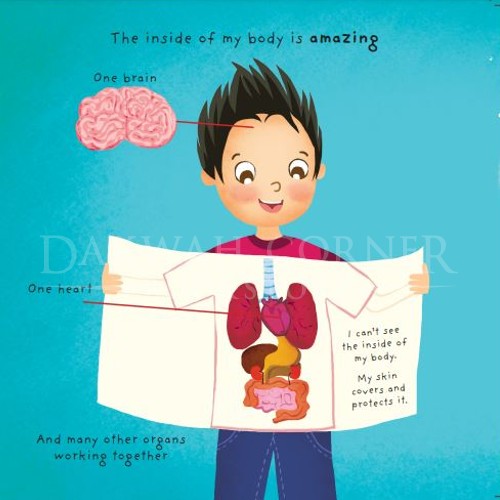
I Am Awesome
Highlights:
An activity Kit is free to download HERE
RM26.00

Prophet Muhammad: A Blessing for Mankind
Highlights:
Prophet Muhammad (blessings and peace of Allah be upon him) and the lessons he taught us from the continued hardships he underwent in every stage of his life are a real blessing for humankind. Being an orphan child made him compassionate to widows and orphans as well as to the poor. His multiple marriages strengthened the ties of kinship amongst the different tribes, dissolving long-standing enmity. His message and prophethood were challenged by the polytheistic society in Makkah, forcing him and his few followers to emigrate to Madinah. Despite his illiteracy and the struggles he faced, he conveyed Allah’s Book, the Noble Qur’an, to all humanity, teaching them the values and principles that are presently adopted by billions of Muslims throughout the world. In the Qur’an, Allah, the Almighty addresses the Prophet (blessings and peace of Allah be upon him), saying: {We have sent you only as a mercy to the worlds.} (Qur’an 21: 107)
RM8.00 RM9.00
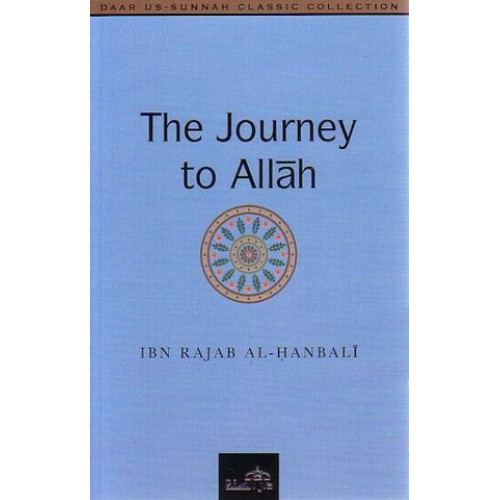
The Journey to Allah (P/B)
5 ★
5 ★
1 Rating
5 ★
1
4 ★
0
3 ★
0
2 ★
0
1 ★
0
Highlights:
Bukhari records on the authority of abu Hurayrah (raiyAllahu ?anhu) that the Prophet said, ?Your actions alone will not save any of you.? They asked, ?Messenger of Allah, not even you?? He replied, ?not even me, unless Allah were to envelop me in His mercy.
Be firm; steadfast and balanced; and journey [to Allah] in the beginning of the day, the end of the day, and a portion of the latter part of the night. Moderation, moderation! Through this you will attain your goal!?
He also recorded this hadith in another place with the wording, ?This religion is easy, none makes it hard upon himself except that it overwhelms him; therefore be firm, steadfast, and balanced; upon which have glad tidings! Seek help in this by journeying [to Allah] at the beginning of the day, at the end of the day, and a portion of the latter part of the night.?
He also records on the authority of ?A?ishah (raiyAllahu ?anhu) that the Prophet said, ?be firm, steadfast, and balanced upon which have glad tidings for indeed actions alone will not cause one to enter Paradise.? They asked, ?Messenger of allah, not even you?? He replied, ?not even me, unless Allah were to envelop me in His forgiveness and mercy.?
He also records on her authority that the Prophet said, ?be firm, steadfast, and balanced: know that your actions alone will not be a cause for your entry into Paradise and that the most beloved actions to allah are those that are done continuously and persistently, even if they be few.?
These noble ahadith detail a great and important principle from which stem many issues related to the journey to Allah while wayfaring along His Path.
Some of the Salaf said, ?The Hereafter consists either of allah?s forgiveness or the Fire; and this world is either a source of allah?s protection or a source of destruction.? On his deathbed, Muhammad ibn Wasi bid farewell to his companions saying, ?Peace be upon you, either to the Fire or to the forgiveness of allah.?
RM49.00

Interactions Of The Greatest Leader (H/B)
Highlights:
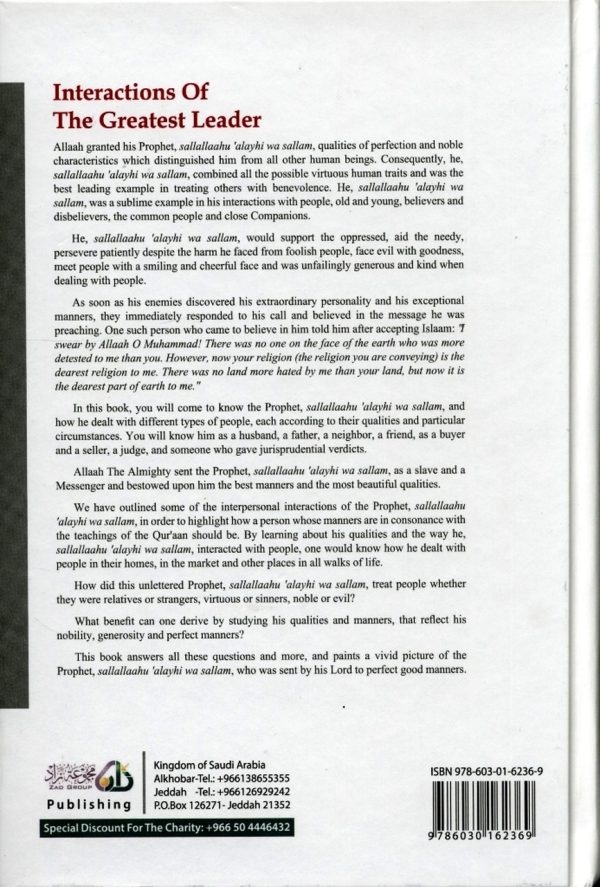
Allaah granted his Prophet, sallallaahu ‘alayhi wa sallam, qualities of perfection and noble characteristics which distinguished him from all other human beings. Consequently, he, sallallaahu ‘alayhi wa sallam, combined all the possible virtuous human traits and was the best leading example in treating others with benevolence. He, sallallaahu ‘alayhi wa sallam, was a sublime example in his interactions with people, old and young, believers and disbelievers, the common people and close Companions. He, sallallaahu ‘alayhi wa sallam, would support the oppressed, aid the needy, persevere patiently despite the harm he faced from foolish people, face evil with goodness, meet people with a smiling and cheerful face and was unfailingly generous and kind when dealing with people.
As soon as his enemies discovered his extraordinary personality and his exceptional manners, they immediately responded to his call and believed in the message he was preaching. One such person who came to believe in him told him after accepting Islaam: ” I swear by Allaah O Muhammad! There was no one on the face of the earth who was more detested to me than you. However, now your religion (the religion you are conveying) is the dearest religion to me. There was no land more hated by me than your land, but now it is the dearest part of earth to me.” In this book, you will come to know the Prophet, sallallaahu ‘alayhi wa sallam, and how he dealt with different types of people, each according to their qualities and particular circumstances. You will know him as a husband, a father, a neighbor, a friend, as a buyer and a seller, a judge, and someone who gave jurisprudential verdicts. Allaah The Almighty sent the Prophet, sallallaahu ‘alayhi wa sallam, as a slave and a Messenger and bestowed upon him the best manners and the most beautiful qualities. We have outlined some of the interpersonal interactions of the Prophet, sallallaahu ‘alayhi wa sallam, in order to highlight how a person whose manners are in consonance with the teachings of the Qur’aan should be.
By learning about his qualities and the way he, sallallaahu ‘alayhi wa sallam, interacted with people, one would know how he dealt with people in their homes, in the market and other places in all walks of life. How did this unlettered Prophet, sallallaahu ‘alayhi wa sallam, treat people whether they were relatives or strangers, virtuous or sinners, noble or evil? What benefit can one derive by studying his qualities and manners, that reflect his nobility, generosity and perfect manners? This book answers all these questions and more, and paints a vivid picture of the Prophet, sallallaahu ‘alayhi wa sallam, who was sent by his Lord to perfect good manners.
RM95.00

The Wives of the Prophet Muhammad (H/B)
Highlights:
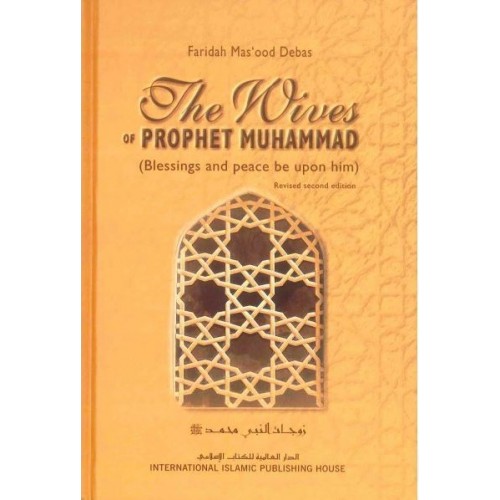
Within this book, The Wives of Prophet Muhammad, is a wealth of captivating information about the distinguished wives of the Prophet (may Allah be pleased with them). Their lives are represented through vivid stories encompassing their lineage, history, and marriages to the Prophet (blessings and peace be upon him). From their hardships to their triumphs, their lives were filled with honesty, sincerity, and devotion to Allah. Their lives exemplify an ideal for which Muslims may strive. Each wife is honoured as an individual, with her life and her love of the Prophet (blessings and peace be upon him) directing her story. The author has compiled the statements of several scholars on this topic and added to this her own impassioned arguments, with which she dispels criticism by orientalists of the Prophet’s practice of polygyny. From a historical perspective, his life, along with those of his wives, authenticates his mission. His practice of polygyny, when investigated, reveals a deep wisdom behind his marriages that supported his efforts of teaching and spreading Islam. This edition is new and completely revised. It has been reorganized to make it easy to read while drawing out the most inspiring aspects of the lives of the honourable wives of the Prophet Muhammad.
RM65.00
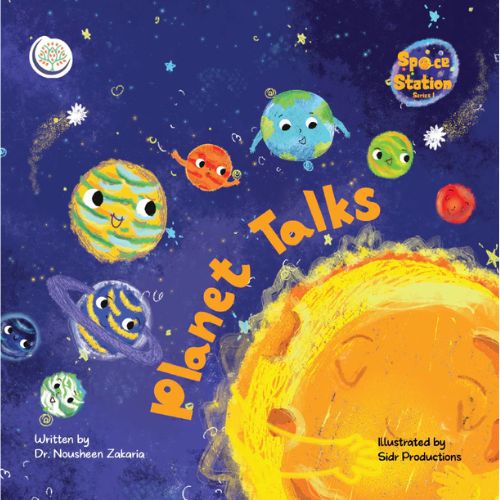
Planet Talks (P/B)
Highlights:
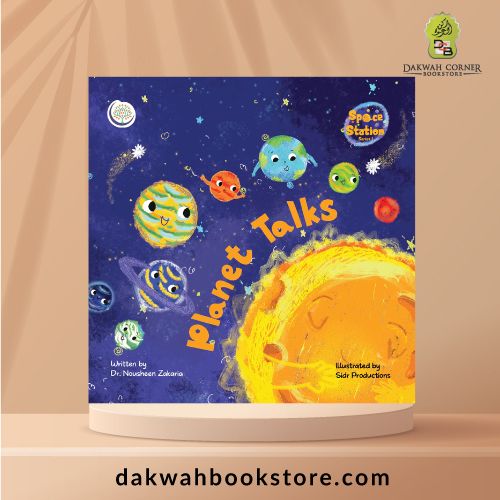
What if the planets could talk?
High above the Earth, beyond clouds and stars, the planets gather for a quiet conversation. Some are hot. Some are icy. Some spin fast, others slowly.
Each one has a story to tell.
What makes Earth so special?
Why does Mars hold secrets of ancient water?
Planet Talks is a gentle journey through space where science meets wonder, and every planet becomes a sign to reflect upon.
RM20.00 RM35.00
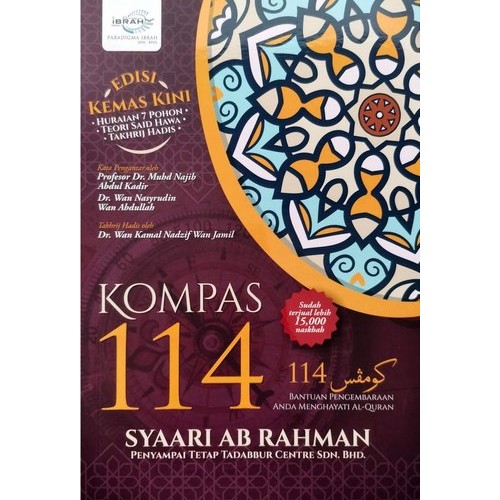
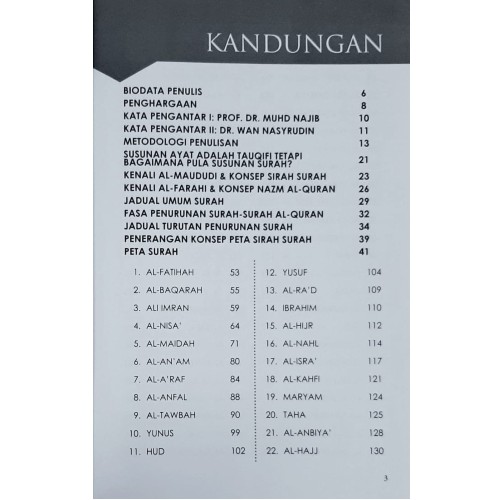
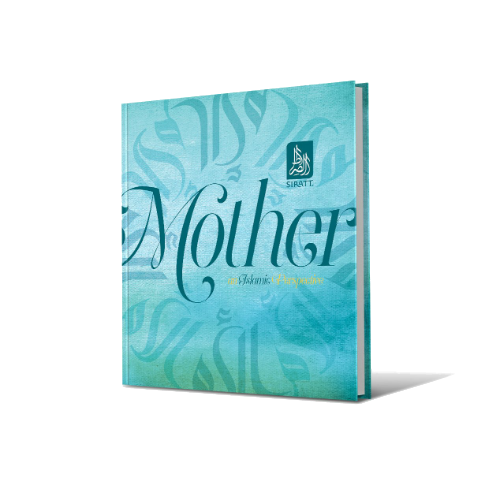
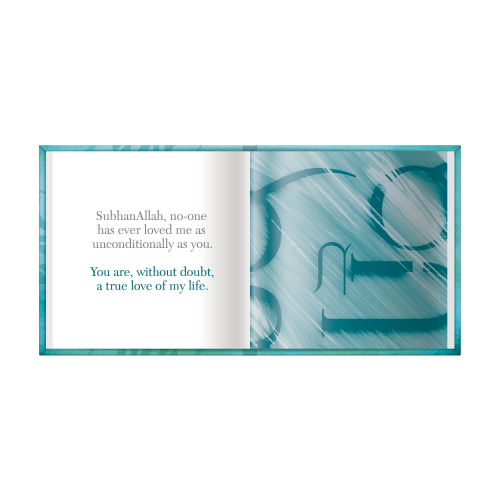
MOTHER
Highlights:
Mother The perfect gift to give a loved one or indeed to educate oneself as to the significance Islam places on this important relationship through relevant Qur’anic Ayah, Hadith, and Islamic Poetry.
Example Quotes from GiftBook:
And We have enjoined upon man (to be good and dutiful) to his parents; (because) his mother bore him in weakness, and hardship, and his weaning is in two years. (Hear the Command, therefore,), Show gratitude (and thanks) to Me and to your parents; (then) unto Me is the final destination. [Q31:14]
Through you, Allah brought me here Great pain and suffering you did bear I could never pay you back Words of gratitude I do lack From pen to paper I do convey The innermost love with which I pray I do love you with all my heart In Paradise I hope we never part.
Ideal gifts to convey what we sometimes find difficult to say through relevant Qur’anic Ayah, Hadith, and Islamic Poetry.
RM36.00
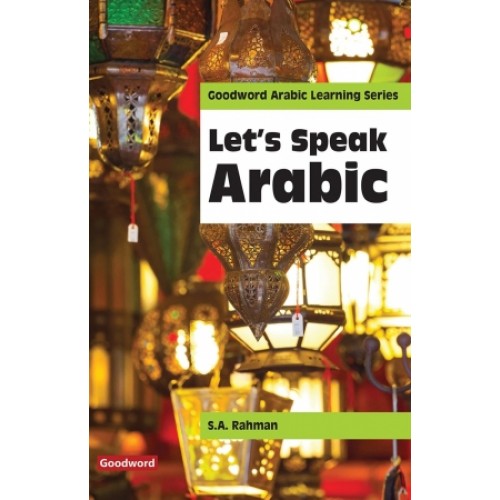
Let’s Speak Arabic
Highlights:
For business or pleasure you need Let’s Speak Arabic for useful vocabulary and phrases. The book is organized to make Arabic learning easy and accessible. Let’s Speak Arabic focuses exclusively on the most common, everyday situations you will encounter in Arabic-speaking countries. It is just what you need to communicate successfully in basic Arabic.
RM18.00
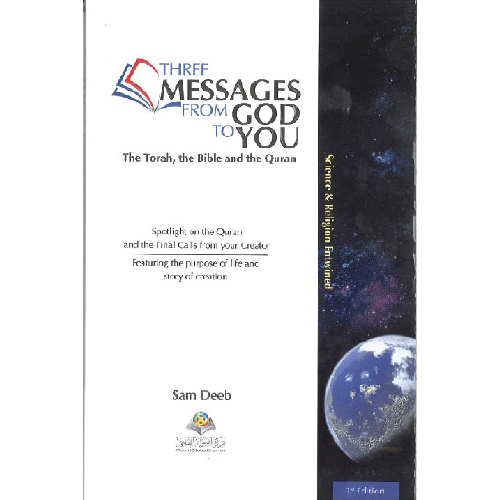
Three Messages from God to You
Highlights:
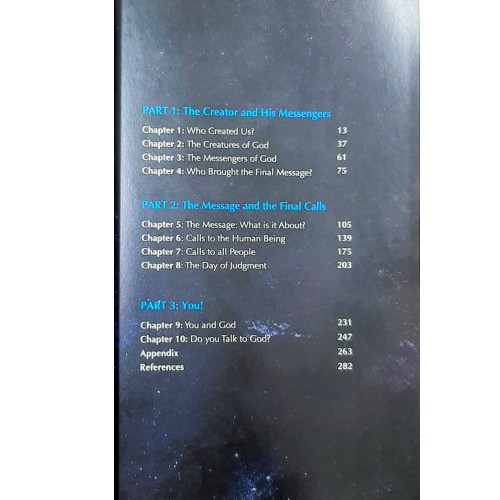
● Who created the universe? Who created us and the beings on the earth? Who gave life to billions of creatures on our plant? Is He our God? What is His name? Are there other creators than Him?
● Why do we live on the earth? What is the purpose of life? Did our creator really send us messages? What does He want to inform us? Are these messages true?
● Are the Torah, the Bible and the Quran true divine books? Are they related? Do they contain true Messages from God to us? Is there a final testament?
● Why all creatures die? Is there another life after death? Do we return to our Creator? Why?
RM25.00

There are no reviews yet.