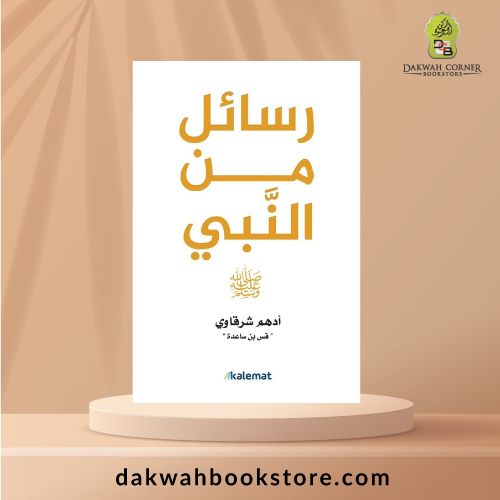
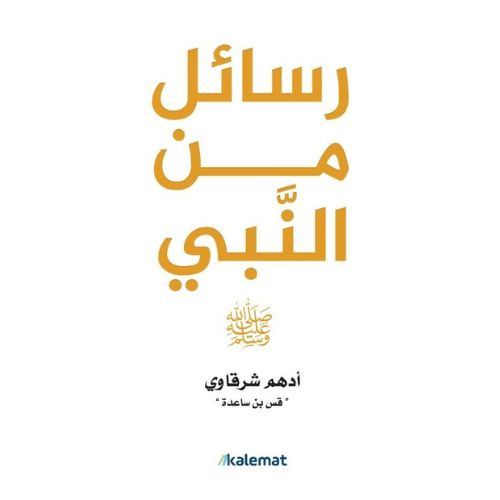
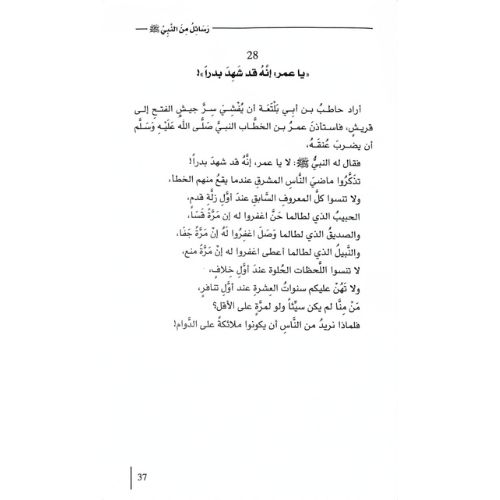
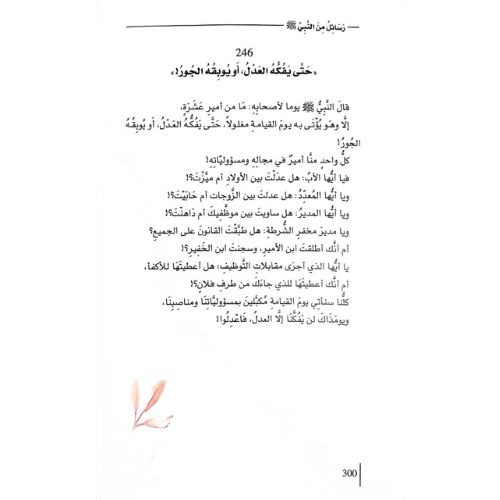
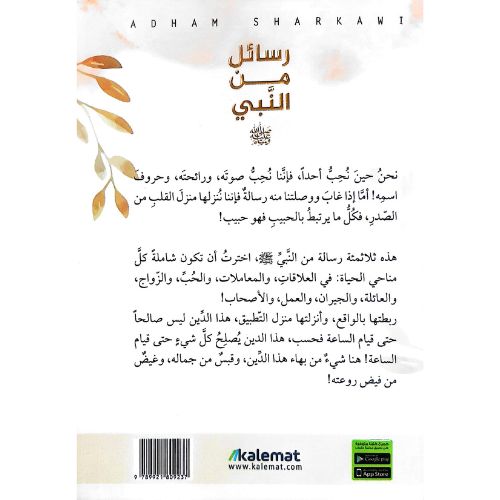
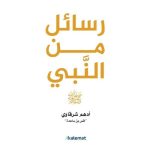
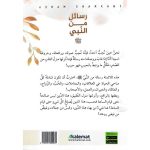
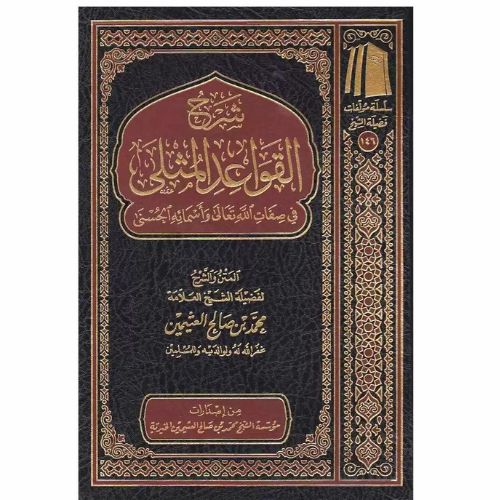
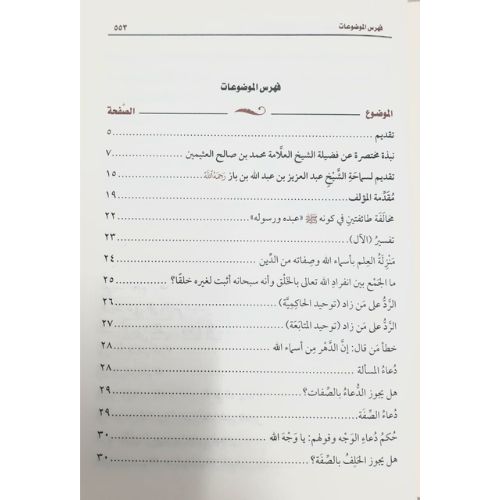
[HH] Rasail Min An Nabi / رسائل من النبي
RM90.00
Frequently Bought Together
| Weight | 0.80 kg |
|---|---|
| Dimensions | 21 × 14 × 2 cm |
| Author | |
| Binding | Hardcover |
| ISBN | 9789921809237 |
| Pages | 363 |
| Publisher | Kalemat |
Be the first to review “[HH] Rasail Min An Nabi / رسائل من النبي” Cancel reply
You must be logged in to post a review.
You may also like…
Related Products
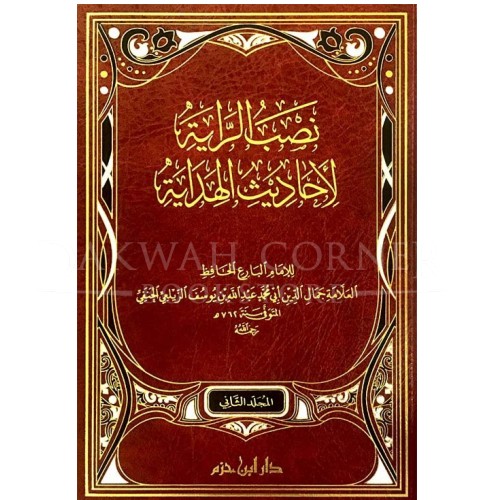
[AH] Nasab Alrayah Liahadith Alhidayah (2 Vol) ( نصب الراية لأحاديث الهداية)
نصب الراية لأحاديث الهداية للشيخ الإمام المحدث جمال الدين الزيلعي.
خرج فيه الإمام الزيلعي الأحاديث التي وردت في كتاب الهداية،
وكتاب الهداية كتاب في الفقه الحنفي ألفه العلامة برهان الدين علي بن أبي بكر المرغيناني الحنفي المتوفى سنة 593 هـ،
ولم يقتصر الزيلعي على تخريج أحاديث الهداية، بل زانه بإيضاح أدلة المخالفين.
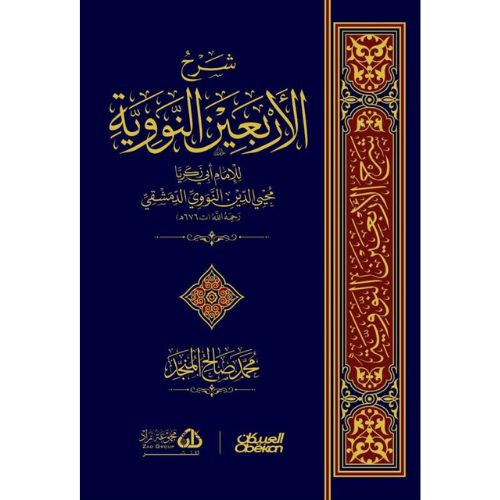
[HH] Sharh Al Arbain An Nawawiah / شرح الاربعين النووية
شرح الأربعين النووية للإمام النووي – رحمه الله -، وهو متن مشهور، اشتمل على اثنين
وأربعين حديثًا في فنون العلم المختلفة، فكل حديث منها قاعدة عظيمة من قواعد الدين
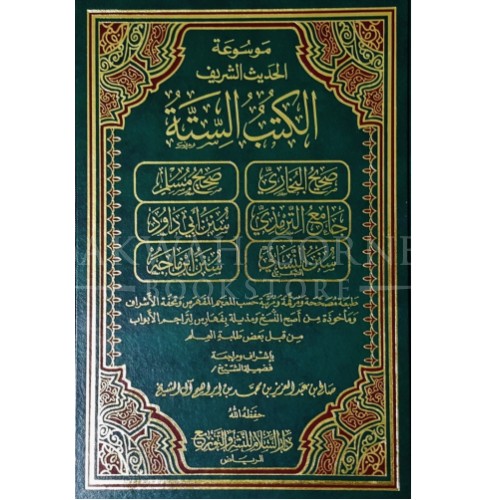
[HH] Al-Kutub Al-Sittah (موسوعة الحديث (الكتب الستة
Al-Kutub Al-Sittah: 6 Sahih Hadith Books ARABIC IN 1 VOLUME
This is a unique collection book that includes the whole six books of Sahih Hadith of:
1- Sahih Al-Bukhari
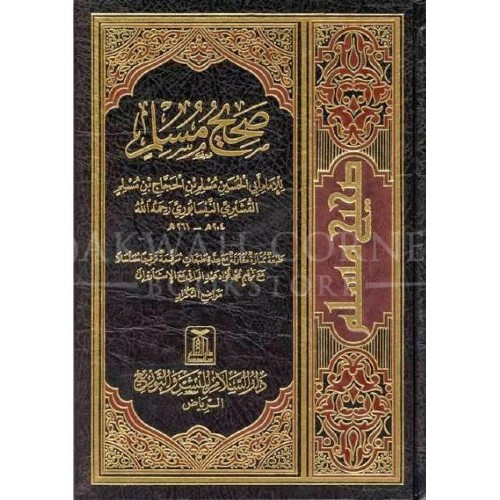
2- Sahih Muslim
3- Sunan Abu Dauod
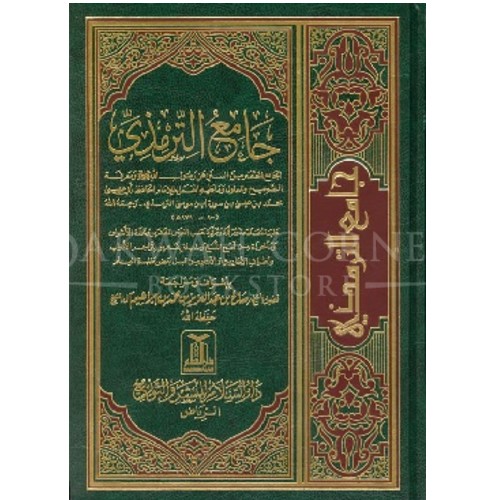
4- Jame’ At-Termidhi
5- Sunan An-Nasa’ie As-Sughra
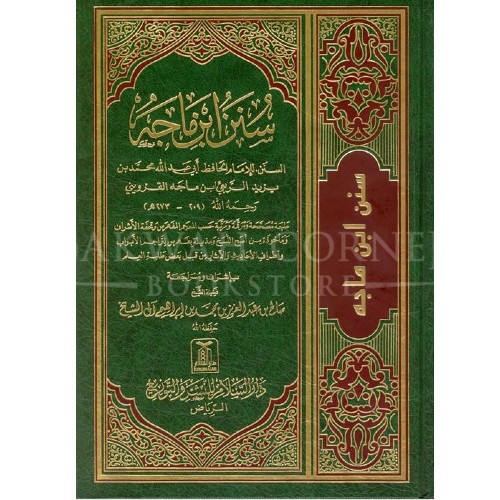
6- Sunan Ibn Majah
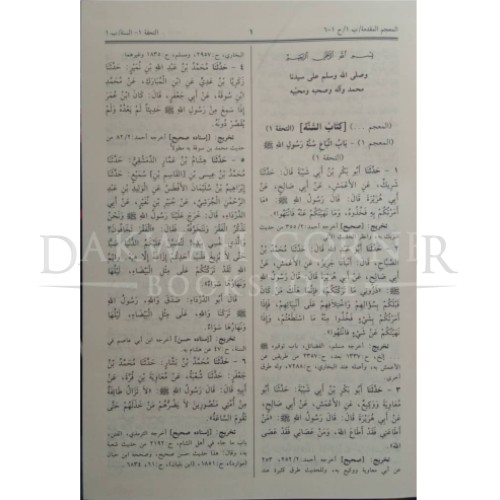
The Text includes the Tashkeel or Harakat
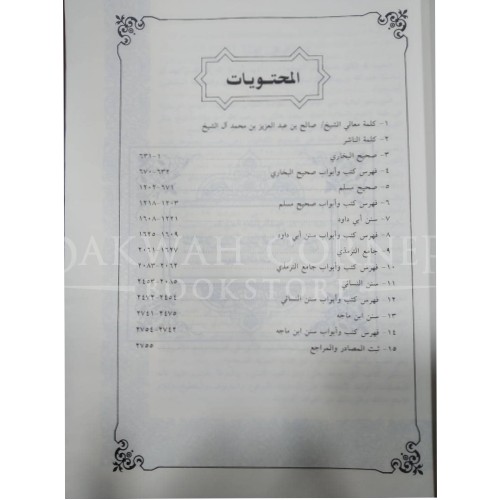
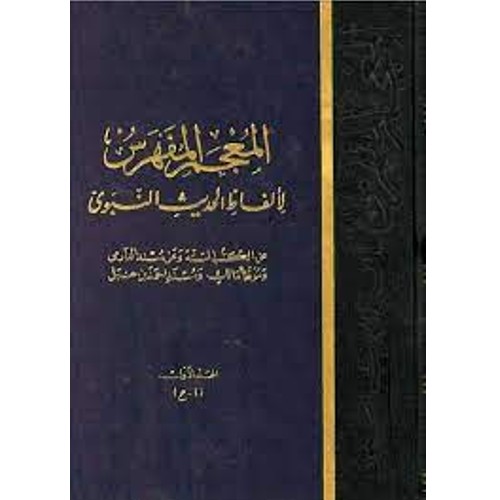
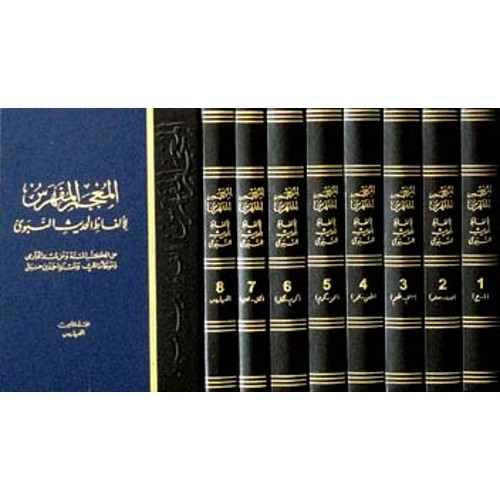
This edition is corrected, numbered and ordered according to the (Mu’jam Mufahras & Tuhfat Al-Ashraf). This edition is taken from the most authintic sources, and includes tables of chapters’ discriptions, hadith & traces’ ends which were collected by some students of knowledge.
[AH] Fathul-Bari Sharah Sahi Al- Bukhari (2 vols) – فتح الباری شرح صحیح البخاری
Fathul-Bari Sharah Sahi Al- Bukhari vol 1&2
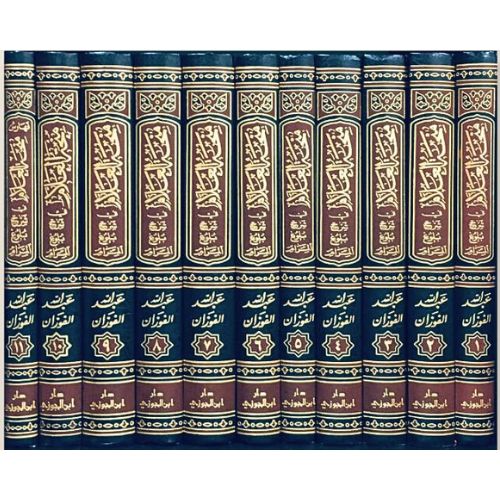
[HH] Minhat Al Alam Fi Sharh Bulugh Al Maram 11 Vol (مـنـحـة الـعـلاّم في شـرح بـلـوغ الـمـرام)
شرح الشيخ عبد الله الفوزان على بلوغ المرام للحافظ ابن حجر و سماه: منحة العلام شرح بلوغ المرام, و هو من أفضل و أكمل الشروح على بلوغ المرام
طبعة سعودية رائعة مشكولة المتن في 11 مجلدا و المجلد الأخير خاص بالفهارس
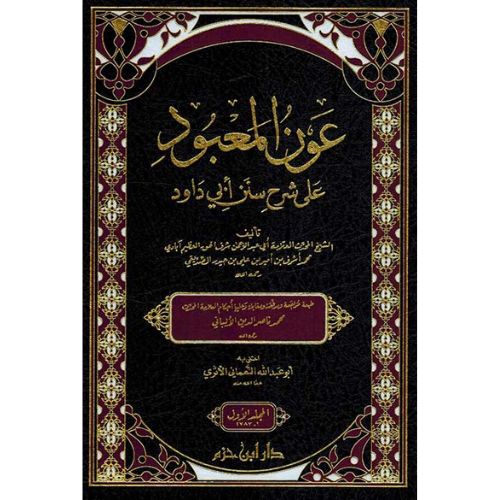
[HH] Awn al-Ma’bud ala Sharh Sunan Abi Dawud (2 Vols) – عون المعبود على شرح سنن أبي داود
تعتبر سنن أبي داود من الكتب الستة المشهورة في الحديث وهو من أكثرها فائدة من الناحية الفقهية، وقد شرحه العلامة العظيم آبادي مركزا على الناحية الفقهية دون إغفال الناحية الحديثية فيه، مبينا فيه أقوال الأئمة، مطبعة مراجعة ومدققة ومقابلة وعليها أحكام العلامة المحدّث محمد ناصر الدين الألباني
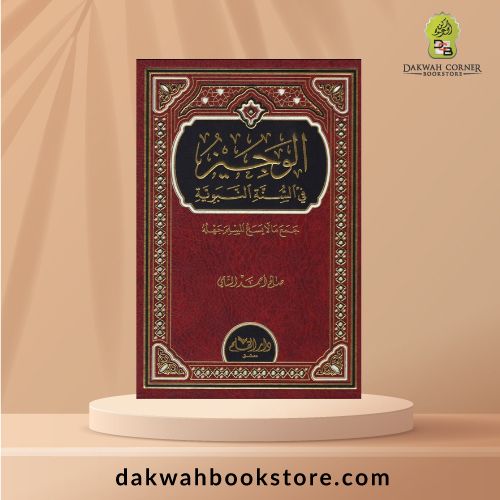
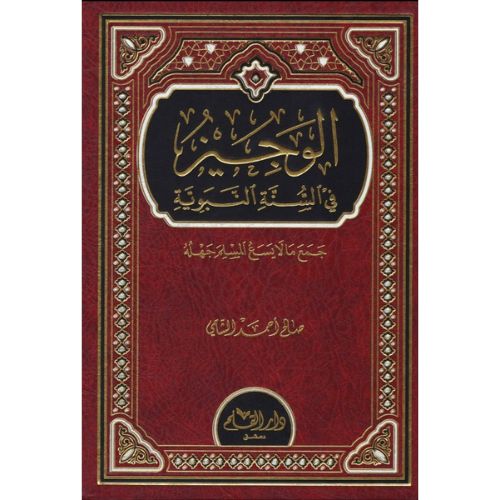
[HH] Al Wajiz Fi Al Sunnah An Nabawiyyah / الوجيز في السنة النبوية ” جمع ما لا يسع المسلم جهله
الوجيز في السنة النبوية : كتاب للشيخ صالح الشامي – أثابه الله – جمع فيه 1300 حديث تقريبًا، من الأحاديث النبوية الشريفة التي توضح للمسلم أبرز ما يحتاجه في كل شؤونه، دينية كانت أم دنيوية.
Recently Viewed
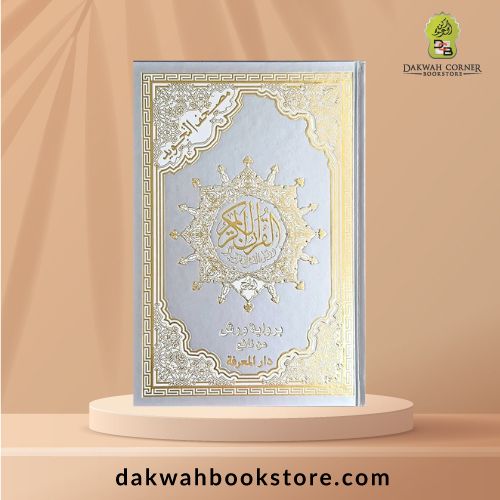
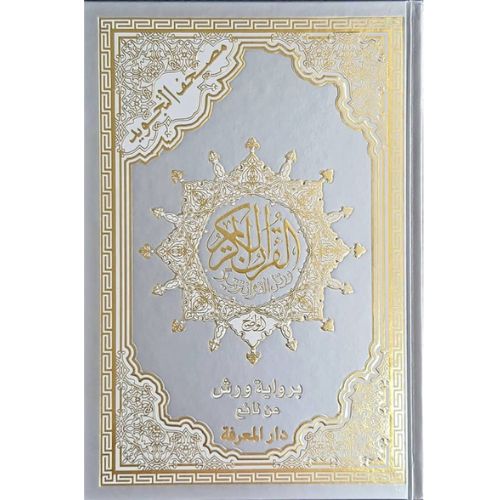
Mushaf Tajwid (Riwayat Warsh) (L)
Mushaf Al Quran Qiraat Nafi’ Riwayat Warash Warsh Warsy Tajwid Warna.
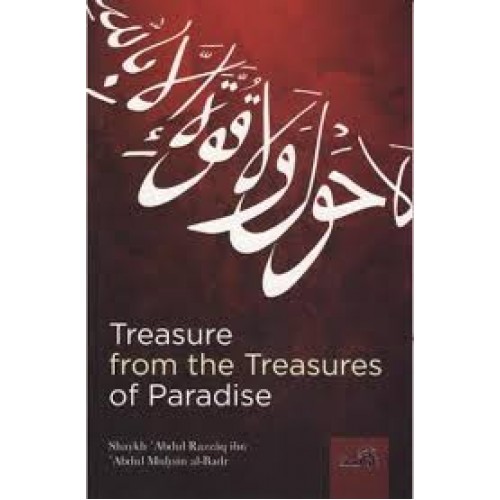
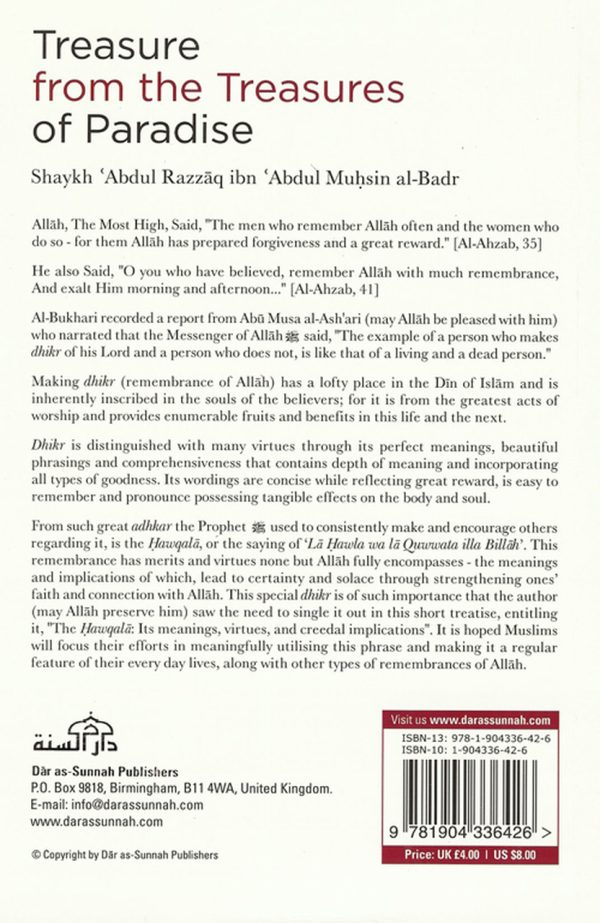
Treasure From the Treasures of Paradise (P/B)
Allah, The Most High, Said, “The men who remember Allah often and the women who do so – for them Allah has prepared forgiveness and a great reward.” [Al-Ahzab, 35]. He also Said, “O you who have believed, remember Allah with much remembrance, And exalt Him morning and afternoon…” [Al-Ahzab, 41] Al-Bukhari recorded a report from AbuMusa al-Ash’ari (may Allah be pleased with him) who narrated that the Messenger of Allah said, “The example of a person who makes dhikr of his Lord and a person who does not, is like that of a living and a dead person.”
Making dhikr (remembrance of Allah) has a lofty place in the Din of Islam and is inherently inscribed in the souls of the believers; for it is from the greatest acts of worship and provides enumerable fruits and benefits in this life and the next.
Dhikr is distinguished with many virtues through its perfect meanings, beautiful phrasings and comprehensiveness that contains depth of meaning and incorporating all types of goodness. Its wordings are concise while reflecting great reward, is easy to remember and pronounce possessing tangible effects on the body and soul.
From such great adhkar the Prophet used to consistently make and encourage others regarding it, is the Hawqala, or the saying of ‘La Hawla wa la Quwwata illa Billah’. This remembrance has merits and virtues none but Allah fully encompasses – the meanings and implications of which, lead to certainty and solace through strengthening ones’ faith and connection with Allah. This special dhikr is of such importance that the author (may Allah preserve him) saw the need to single it out in this short treatise, entitling it, “The Hawqala: Its meanings, virtues, and creedal implications”. It is hoped Muslims will focus their efforts in meaningfully utilising this phrase and making it a regular feature of their every day lives, along with other types of remembrances of Allah.

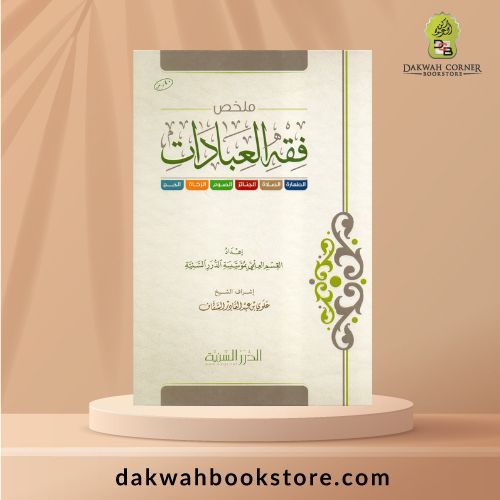
[SJ] Mulkhas Fiqh Al Ibadat / ملخص فقه العبادات
ملخص فقه العبادات من إعداد القسم العلمي بمؤسسة الدرر السنية، جُمع فيه مسائل أبواب: (الطهارة – الصلاة – الجنائز- الصوم – الزكاة – الحج) ، وبلغ عدد المسائل أكثر من 2300 مسألة فقهية. يمتاز الكتاب بسهولة العبارة، وحسن الترتيب والتبويب، والوضوح، والإختصار. نفع الله به
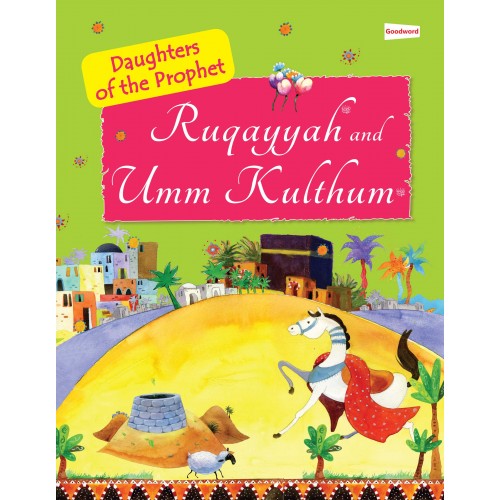
Ruqayyah and Umm Kulthum: Daughters of the Prophet
“As they were born only a year apart they shared almost everything and did many things together…”
War and Peace in Islam : The Uses and Abuses of Jihad (P/B)
Written by a number of Islamic religious authorities and Muslim scholars, this work presents the views and teachings of mainstream Sunni and Shi’i Islam on the subject of jihad. It authoritatively presents jihad as it is understood by the majority of the world’s 1.7 billion Muslims in the world today, and supports this understanding with extensive detail and scholarship. No word in English evokes more fear and misunderstanding than “jihad.” To date the books that have appeared on the subject in English by Western scholars have been either openly partisan and polemical or subtly traumatized by so many acts and images of terrorism in the name of jihad and by the historical memory of nearly 1,400 years of confrontation between Islam and Christianity. Though jihad is the central concern of War and Peace in Islam: The Uses and Abuses of Jihad, the range of the essays is not confined exclusively to the study of jihad. The work is divided into three parts: War and Its Practice, Peace and Its Practice, and Beyond Peace: The Practice of Forbearance, Mercy, Compassion and Love. The book aims to reveal the real meaning of jihad and to rectify many of the misunderstandings that surround both it and Islam’s relation with the “Other.”
Reviews:
“A dynamic myth-busting clarification of the real position of mainstream orthodox Islam on the whole question of violence and jihad.” —T. J. Winter, University of Cambridge
“This is the best book on the subject in English. It will be of inestimable value.” —Shaykh Mustafa Ceric, Grand Mufti Emeritus of Bosnia
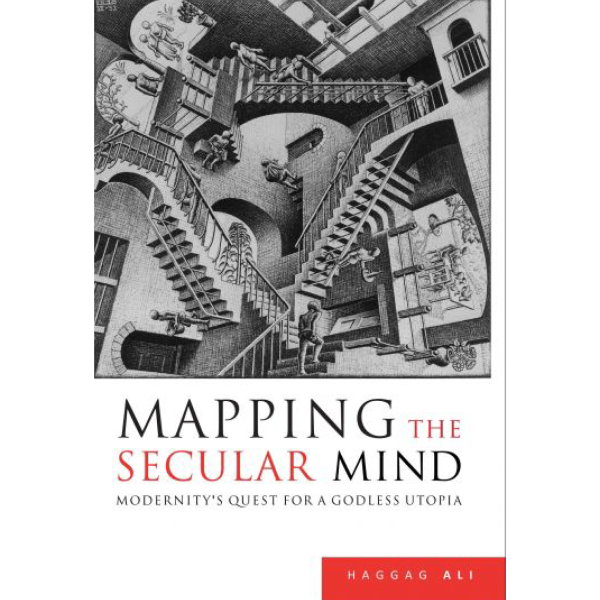
Mapping The Secular Mind (IIIT)
The secular mind had a grand plan, to establish an earthly paradise, a utopia of the here and now, a modern civilization governed by human reason, rationality, and the triumph of progress. Whilst ideals are one thing, the means to realize them is something else. Away from the hype, emancipating humanity from the shackles of God and religion has proved no easy matter. Mapping the Secular Mind critically examines issues of reason, rationality, and secular materialism, to explore how these mental perceptions, or ways of mapping the world, have affected human interaction and sociological development. It does this by comparing and contrasting the ideas of Abdelwahab M. Elmessiri (1938 2008) a leading Arab intellectual, and Zygmunt Bauman (1925), one of the world s foremost sociologists. In the last few decades, an emergent Western critique of modernity has inspired Muslim intellectuals to develop new ideas, images, terms and concepts that state their positions towards the tendencies of secular modernity, its transformations and consequences, and how it manipulates perceptions of reality. The book challenges foundations of secular ideology to argue that its aspirations have deeply transformed human consciousness and man s sense of self, leaving him a creature of purposeless consumption, wearied by the search for fulfillment, and controlled by materialistic laws governing physical phenomena. It also offers a more darker thesis, that Fascist Germany and the Eugenics movement were a form of Social Darwinism taken to its logical course. These were not an aberration from the principles of modernity, Ali argues, but a consistent outcome of the modern worldview, with the seeds of self-destruction being woven into the very fabric of the philosophy.


There are no reviews yet.