

| Weight | 0.405 kg |
|---|---|
| Product Type | Book |
| Author | |
| Publisher | Goodword |
| Pages | 352 |
| ISBN | 9789351790518 |
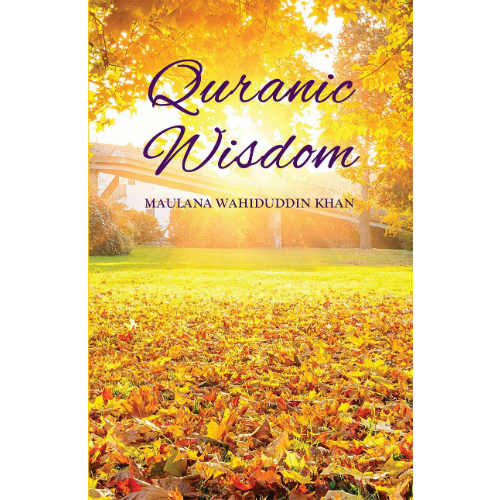
Quranic Wisdom
RM20.00
Hurry up, Only 1 left.

Highlights:
somdn_product_page
Compare
According to the Quran, a person’s life has been divided into two phases: the pre-death period and the post-death period.
The present life is only temporary and is meant as a test. Depending upon our performance in this test, we shall be judged in the eternal life after death. The Quran aims to make one aware of this reality and help one lead one’s life in this world in such a way that one is rewarded with Paradise in the life Hereafter
Additional information
Reviews (0)
Be the first to review “Quranic Wisdom” Cancel reply
You must be logged in to post a review.
Related Products

Starting from Scratch – Tajweed Made Easy
Highlights:
Holy Quran and Quranic Sciences
RM10.00
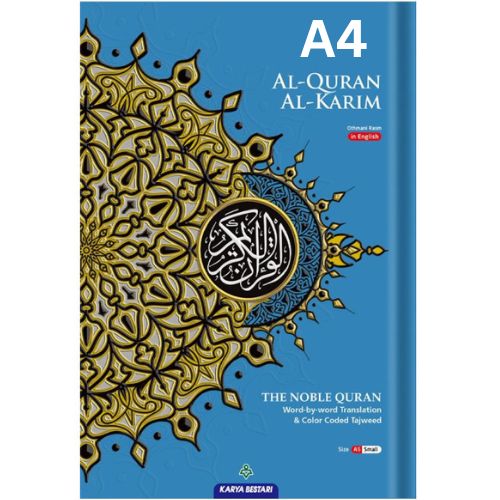
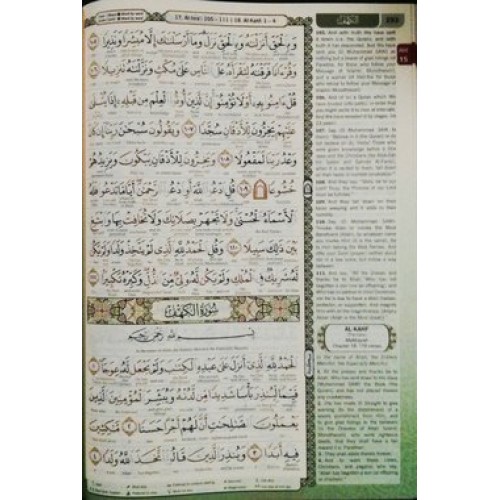
The Noble Quran Word-By-Word Translation & Color Coded Tajweed A4 (Arabic-English) – RANDOM COLOR
5 ★
5 ★
1 Rating
5 ★
1
4 ★
0
3 ★
0
2 ★
0
1 ★
0
Highlights:
The Noble Quran (Al-Quran Al-Kareem Maqdis) is a translation learning method of word-by-word Al-Quran with every word and sentence is colored differently, in Arabic and English.
Every word in the Quran was translated literally so that the reader could understand the meaning of every single word. It needs to be remembered that not all literal translation represents the exact meaning of the word since the Quran uses varied Arabic language style and sometimes metaphor.
Accordingly, to understand the full or intended meaning of the word or the verse, Muhsin Khan’s the Holy Quran Translation had been included in this edition. However, to comprehend more of the meaning of the Quran, reading the commentary of the Quran from trusted scholars would be necessary.
Approved by the Department of Islamic Development of Malaysia (JAKIM) and Malaysian Ministry of Home Affairs (KDN).
Features:
● Rasm Uthmani script in English
● Word-by-word translation Arabic-English
● Color coded tajweed
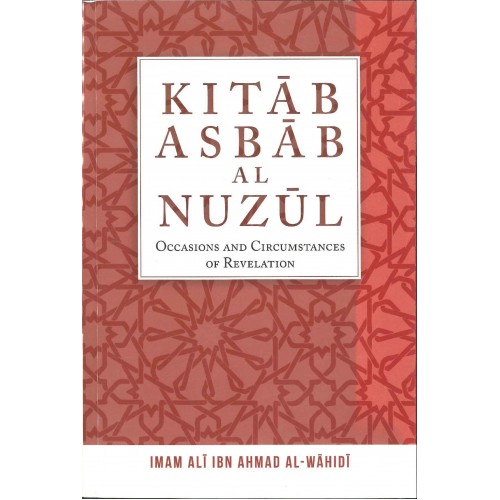
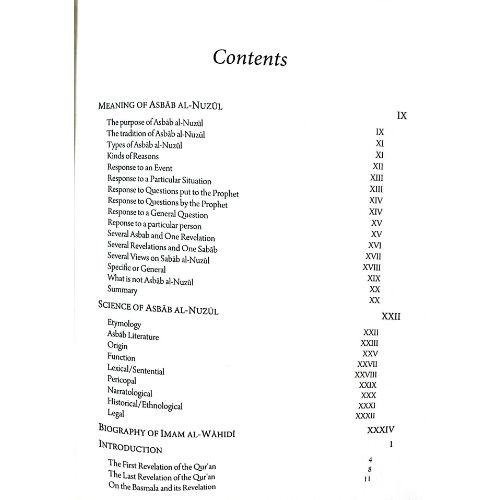
● Asbab al-Nuzul
● Authentic Hadiths
● Riyad-us-Saliheen
● Al-Quran Language Dictionary (Mu’jam)
Size A4 Large
SPECIFIC COLOR PLEASE DM US.
RM85.00
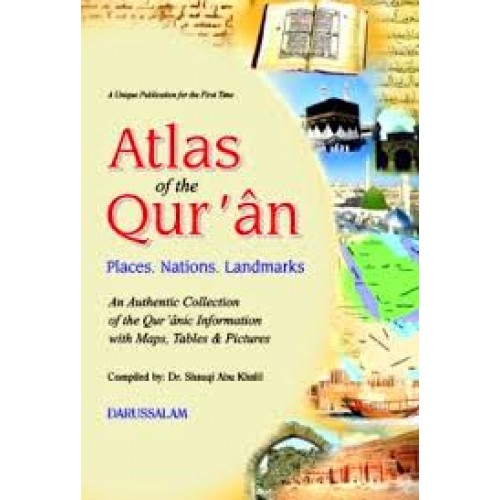
Atlas of the Qur’an (Darussalam)
Highlights:
This Atlas is new in its subject, a subject that has not been touched before. It helps whoever recites the Qur’an or studies it to specify the locations mentioned by the Noble Verses, and to mark those places of ancient people mentioned in the Qur’Gn. This is besides locating areas where the incidents of the prophetic Seerah occurred.
Eventually the diligent reader will easily recognize those places, learn about them, and take heed of them while reciting.
Eventually the diligent reader will easily recognize those places, learn about them, and take heed of them while reciting. The Atlas has also revealed obscure places we used to pass through inattentively, like the site where Nuh’s Ark settled, the site of the curved Sand-hills {Al Ahqah}, the cave of the young faithful men, the houses of median, the site of Sodom and other places determined by the Atlas depending on reliable sources.
Thus the Atlas eliminates all the guessing and the fantasies we used to encounter when reciting the Noble Quran, and takes us to the specific place.
RM80.00

Daily Wisdom: Selections from the Holy Qur’an (H/B)
Highlights:
This beautiful presentation of a selection from the Holy Qur’an engages the reader in a moment of daily reflection. Edited for ease of comprehension, English-speaking readers will find this compilation both spiritually enriching and easy to understand. With 365 verses covering the whole year, this is a must for every home.
An introduction to the Qur’an and its eternal message for humanity is included, giving the reader an insight into its origin, purpose, and style.
Abdur Raheem Kidwai is professor of English at the Aligarh Muslim University in India and the well-known author of many works on the Qur’an and Islam.
RM75.00
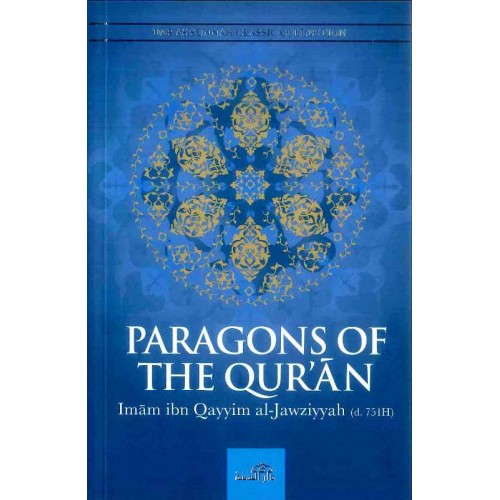
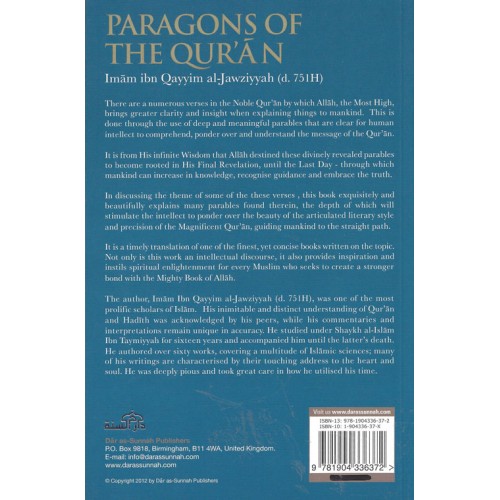
Paragons of The Qur’an (P/B)
Highlights:
In discussing the unique style, theme and content of the Qur’an – this is the first work of its kind in English literature.
There are a numerous verses in the Noble Qur’an by which Allah, the Most High, brings Greater clarity and insight when explaining things to mankind. This is done through the use of deep and meaningful parables that are clear for human intellect to comprehend, ponder over and understand the message of the Qur’an. It is from his infinite Wisdom that Allah destined these divinely revealed parables to become rooted in His Final Revelation, until the Last Day – through which mankind can increase in knowledge, recognise guidance and embrace the truth.
This book explains many parables in the Qur’an, in such depth – exquisitely and beautifully. It is an amazing work that will get the intellect thinking and pondering over the beauty and precisions of the Magnificent Qur’an, guiding mankind to the straight path. Not only is this work an intellectual discourse, but also a spiritual enlightenment for every Muslim.
It is a timely translation of one on the finest, yet concise books written on the topic. Not only is this work an intellectual discourse, it also provides inspiration and instils spiritual enlightenment for every Muslim who seeks to create a stronger bond with the Mighty Book Of Allah.
In discussing the theme of some of these verses, this book exquisitely and beautifully explains many parables found therein, the depth of which will stimulate the intellect to ponder over the beauty of the articulated literary style and precision of the Magnificent Quran, guiding mankind to the straight path.
RM49.00
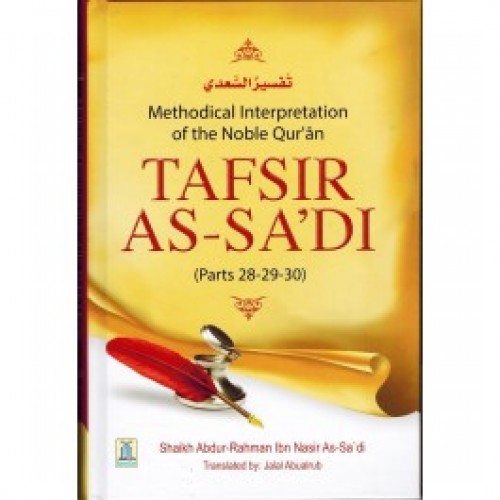
Tafsir As-Sadi (Parts 28-29-30) Methodical Interpretation Of The Noble Quran (H/B)
Highlights:
Tafsir As-Sa’di is a straightforward, easy to read, easy to understand explanation of the meaning of Qur’anic Ayat and statements. In addition to the simplicity of Ibn Sa’di’s writing, it is also articulate and eloquent.
Consequently, for those newly acquainted with Tafsir and those new to Islam, this Tafsir provides an uncomplicated, deep and insightful comprehension into the meaning and explanation of the Qur’an.
The uniqueness of this Tafsir is in the style the Shaikh used to explain the Ayat in a way that it is similar to everyday writing, without listing the various prophetic sayings or statements of the scholars of Tafsir, which Shaikh Ibn Sa’di used as a basis of his Tafsir.
RM80.00


The Sources of the Qur’an
Highlights:
“Who is the author of the Qur’an?” On this subject scholars have flagrantly contradicted each other. This work attempts to make a critical review of the major ‘authorship’ theories by pressing into service logical arguments, historical evidence, textual analysis and scientific data. Probably, the only point of agreement about the Qur’an is that it was uttered for the first time by a man who was born in Makkah (Mecca), a city of Arabia, in the sixth century—a man by the name of Muhammad (blessings and peace be upon him). As to the source of the Qur’an, scholars are divided into three main groups: those who believe that Muhammad (blessings and peace be upon him) himself was the author; those who believe that he was not the author himself but learned it from another human author or authors; and those who believe that the Qur’an has no human author but is rather a word-for-word revelation from God. Hamza Njozi examines the three theories and comes to a firm and logical conclusion.
RM14.00
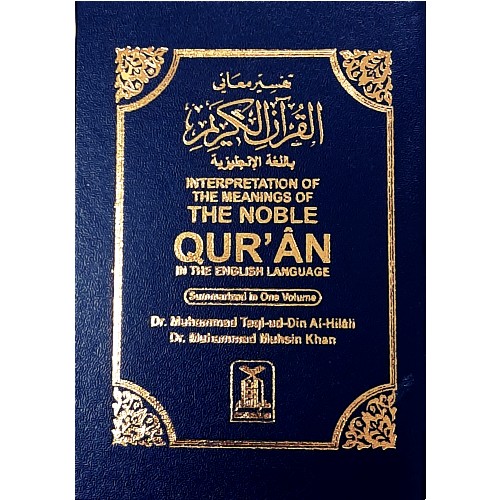
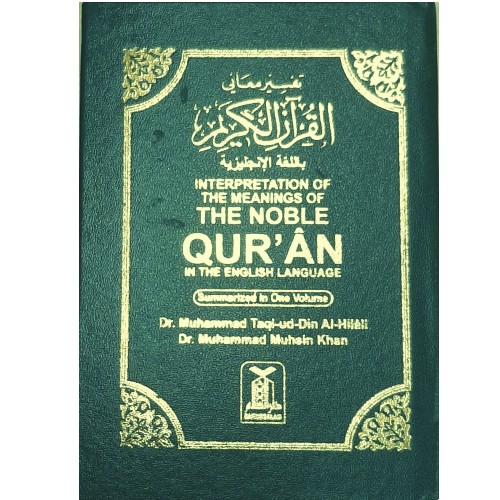
The Noble Qur’an pocket size H/B (Arabic/English)
Highlights:
The Noble Qur’an is a widely popular translation by Islamic University – Madina scholars Dr. Muhsin Khan and Dr. Taqi-ud-Din Hilali. It features frequent footnotes gleaned by the translators from Tafsir At-Tabari, Tafsir Ibn Kathir, and Sahih-al-Bukhari. Arabic-English format with detailed index.
Interpretation of the meanings of the Noble Qur’an with Arabic text in the modern English language. A summarized version of At-Tabari, Al-Qurtubi and Ibn Kathir with comments from Sahih Al-Bukhari.
This summarized 1 volume version offers brief commentary and Ahadith wherever necessary. This unique combination of commentary and relevant Ahadith makes this a very useful study reference tool. The Arabic text is taken from Mushaf al Madinah.
RM85.00
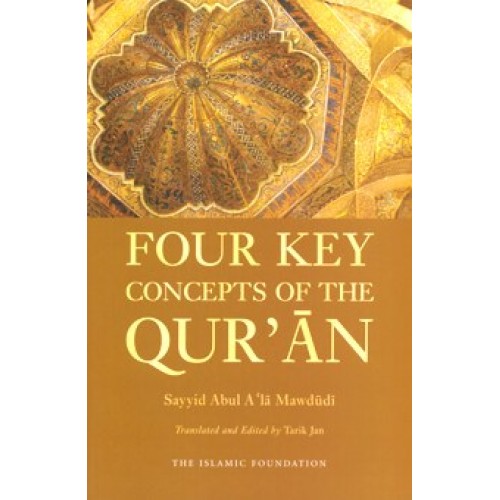
Four Key Concept of the Qur’an
Highlights:
Four Key concepts oF the Qur’An elucidates these basic Qur’anic concepts Ilah, Rabb, Ibadah and Din in order to bring out fully the Islamic way of life, as distinct from other perspectives. This elaboration goes a long way in developing a sound understanding of the Qur’an. It also explains the man-God relationship in Islam, guiding Muslims on how to lead their lives in total surrender to Allah.
RM46.00
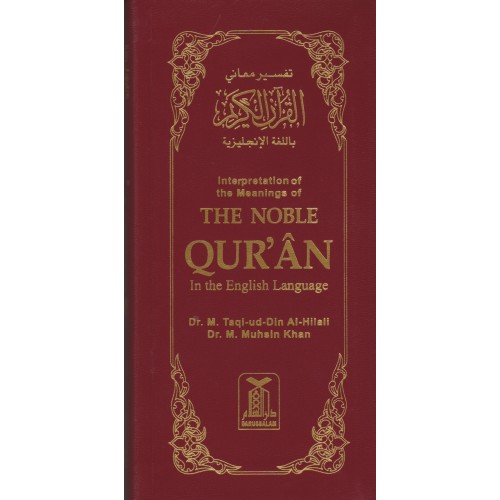
The Noble Quran (Tall Version English Text Only) (RANDOM COLOR)
Highlights:
Interpretion of the meanings of The Noble Quran in the English Language.
RM60.00
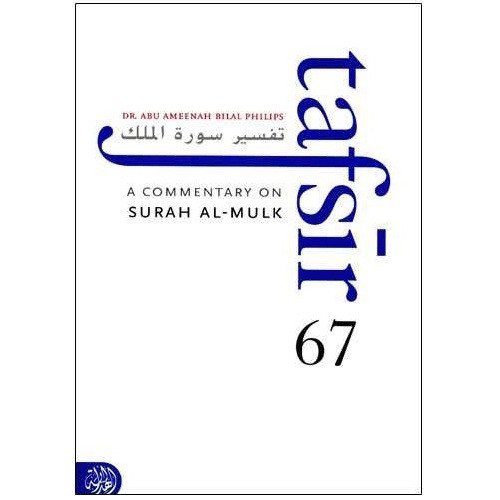
Tafsir 67 : A Commentary on Surah al Mulk (P/B)
Highlights:
The beauty of the Qur’an is such that its miracles cannot truly be understood until one contemplates every verse of every surah; this alone makes tafsir one of the most amazing sciences of Islam. Surah Al-Mulk is a chapter of the Quran which would be recited every night by the Prophet (peace be upon him), in its midst are deep meanings which highlight the purpose of our creation, as well as entailing the message of Islam. In this book, the author takes the reader on a wonderful journey through the gardens of the first surah in the 29th Juzz of the Qur’an.
About the Author: Dr. Philips was born in 1947 in Jamaica, but grew up in Canada, where he converted to Islam in 1972. He completed a diploma in Arabic language and a B.A. degree in 1979 from the College of Islamic Disciplines at the Islamic University of Madinah, an Islamic university in Saudi Arabia. At the University of Riyadh College of Education he completed his M.A. in Islamic Theology in 1985, and in 1994 he completed his Ph.D in Islamic Theology in the department of Islamic studies at the University of Wales. He later taught Islamic education and Arabic language in private schools in Riyadh for over ten years. Because of his opposition to Saudi Arabia’s position in the Gulf War, he had to leave the country and for three years he lectured M.Ed. students in the Islamic Studies department of Shariff Kabunsuan College (SKC) in Cotabato City, Mindanao, the Philippines. Islamic Information Center Since 1994, he has founded and directed the Islamic Information Center (which is now known as Discover Islam) in Dubai, United Arab Emirates, and is known as a prolific speaker and author on topics relating to Islam, including audio lectures and books. Presently, he is a lecturer of Arabic language and Islamic Studies at the American University in Dubai and ‘Ajman University in Ajman, United Arab Emirates. He frequently appears at the Islamic Research Foundation in Mumbai, India, on lecture tours. He has also founded the Distance Learning Program called Islamic Online University, which offers a four year degree in Islamic Studies plus a variety of short courses. Dr. Philips is something of a pioneer as a person of Western origin achieving the status of a scholar of Islam inside the tradition.
RM63.00
Recently Viewed
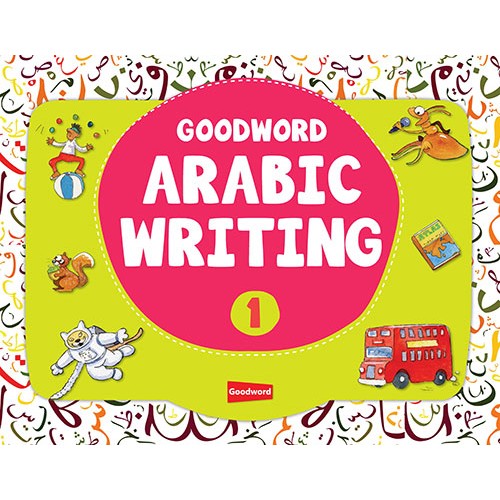
Arabic Writing Book 1
Highlights:
This series is perfect for your children to practice their Arabic writing skills. These books will bring out the latent calligraphers in them.
RM15.00



Problems and Solutions (IIPH)
Highlights:
What should I do if I miss the fajr prayer? What are the consequences of excessive laughter? How should I deal with insinuating thoughts from Satan? How can I control my bad temper? What is so bad about staying up late night after night? Drawing on the great guidance of the Qur’an and the Sunnah, Shaykh Muhammad Sâlih al-Munajjid answers these questions and more, giving informative explanations and practical solutions to help you improve in your worship and in your performance of everyday activities.
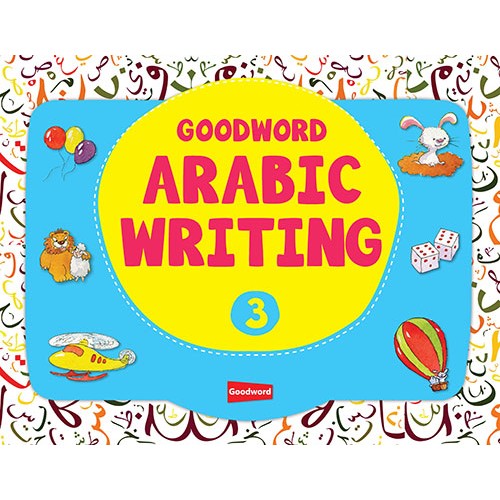
Arabic Writing Book 3
Highlights:
This series is perfect for your children to practice their Arabic writing skills. These books will bring out the latent calligraphers in them.
RM13.00
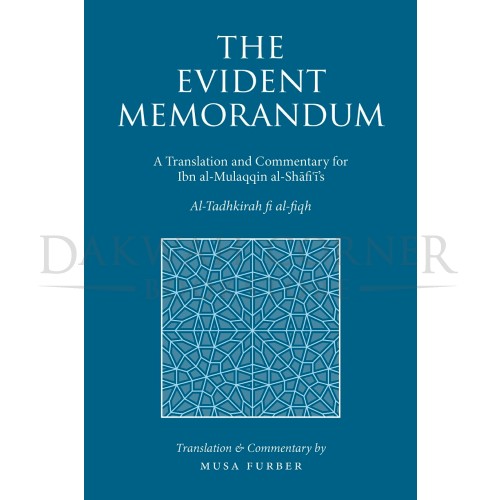
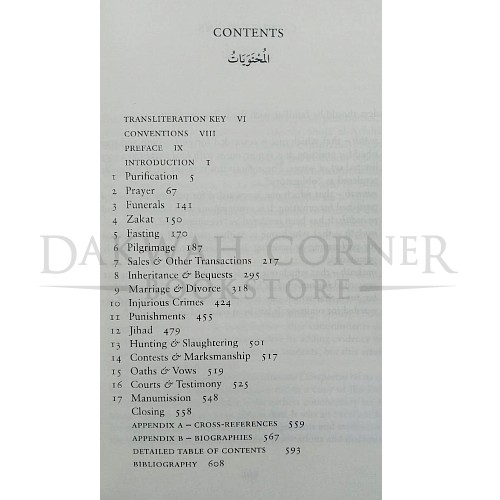
The Evident Memorandum
Highlights:
The Evident Memorandum: A Translation and Commentary for Ibn al-Mulaqqin al-Shāfiʿī’s Al-Tadhkirah fi al-fiqh
This volume contains an original commentary for Al-Tadhkirah (The Memorandum), a legal primer for Islamic Law according to the later scholars of the Shāfiʿī school by Ibn al-Mulaqqin, an Egyptian scholar who died in 804 AH/1401 CE. The commentary introduces essential evidence for the core issues of Islamic Law from its primary sources (the Quran, Sunnah, legal analogy, and scholarly consensus).
The Arabic text of Al-Tadhkirah is approximately 8,500 words in length. It is two hundred words longer than Abū Shujāʿ al-Aṣfahānī (b. 433AH/1042CE)’s Matn al-ghāyat wa-l-taqrīb (published as The Ultimate Conspectus). Although the two are roughly the same size, Ibn Mulaqqin’s style is more economical than Abū Shujāʿ’s, allowing him to cover more within the same word count. And while Ibn Mulaqqin discusses more issues, he does occasionally skip a few details that Abū Shujāʿ includes.
The primary sources for comments in this book are Ibn Mulaqqin’s books of fiqh, including Sharḥ Mukhtasar al-Tabrīzī, ʿUjālat al-muḥtāj, and Khulāṣat al-fatāwī. The bulk of the commentary comes from Sharḥ Mukhtaṣar al-Tabrīzī. Comments and hadith in the commentary can be sourced back to either one of Ibn Mulaqqin’s fiqh texts or a Shāfiʿī fiqh text through an appendix that cross-references each chapter and section in this book against its sources. Each hadith mentioned in the book is traced back to its primary sources, along with a reference to one or more of Ibn Mulaqqin’s hadith works. In the few instances where a hadith is not included in one of Ibn Mulaqqin’s works, it is referenced it to a Shāfiʿī text that does. Through this, readers can be assured that the hadiths cited here are ones that Shāfiʿīs themselves use.
Readers will find the book most beneficial after reading The Accessible Conspectus and Sharh al-Waraqat.
RM125.00
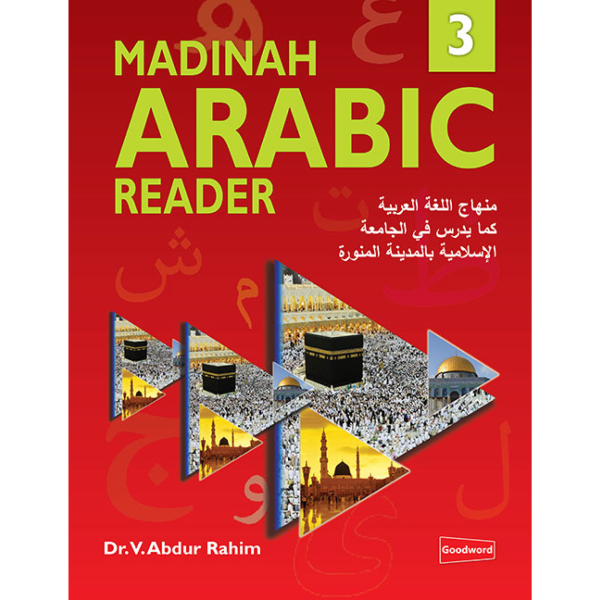
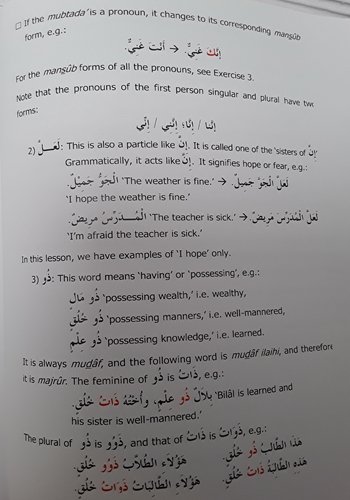
Madinah Arabic Reader (Book 3)
5 ★
5 ★
1 Rating
5 ★
1
4 ★
0
3 ★
0
2 ★
0
1 ★
0
Highlights:
Professor Abdur Rahim, Director of the Translation Centre of the King Fahd Quran Printing Complex and former Professor of Arabic at the Islamic University of Madinah, Saudi Arabia, has authored texts designed to impart a knowledge of classical Arabic through applied grammar. Each lesson, based on a conversation, illustrates distinctive language patterns. These patterns are elucidated by a variety of helpful exercises. The vocabulary ranges from classical and Quranic Arabic to modern Arabic. This series of books is currently being utilized at various schools to prepare students for the University of London (UK) GCE O-Level and A-Level examinations.
RM30.00
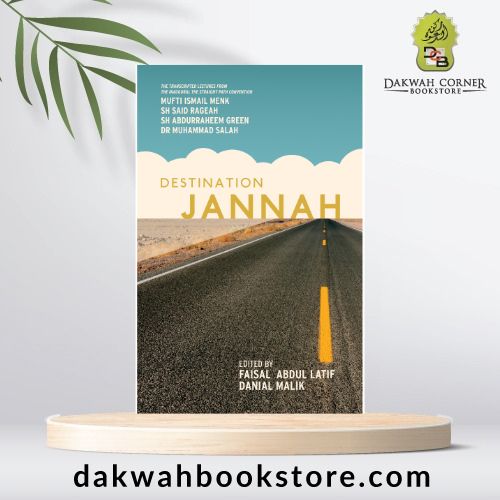
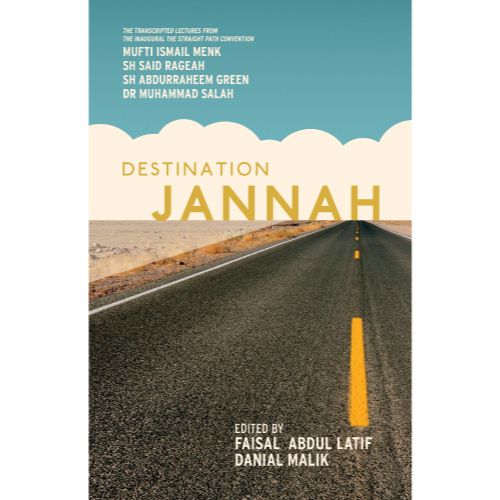
Destination Jannah
Highlights:
Author: DCB Research & The Straight Path Convention 2015
Let us pause and ask ourselves this question—the same question asked by Allah swt in surah At-Takwir 81:26 —on the context of your life:
﴾ فَأَيۡنَ تَذۡهَبُونَ ﴿
“Where are you going?”
RM50.00
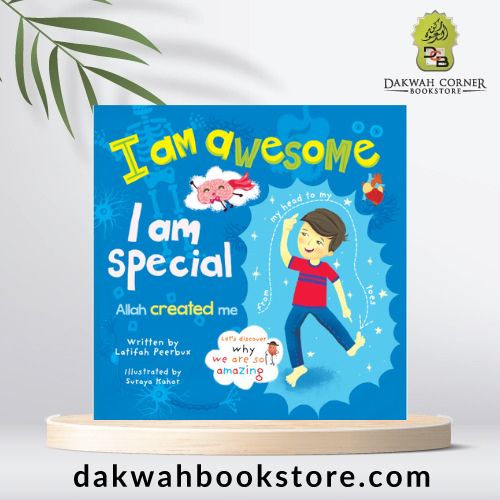
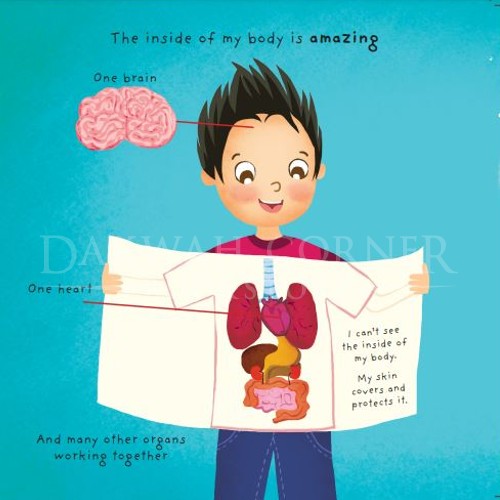
I Am Awesome
Highlights:
An activity Kit is free to download HERE
RM26.00
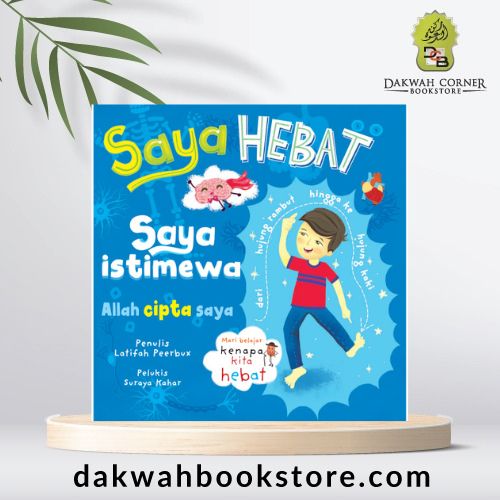
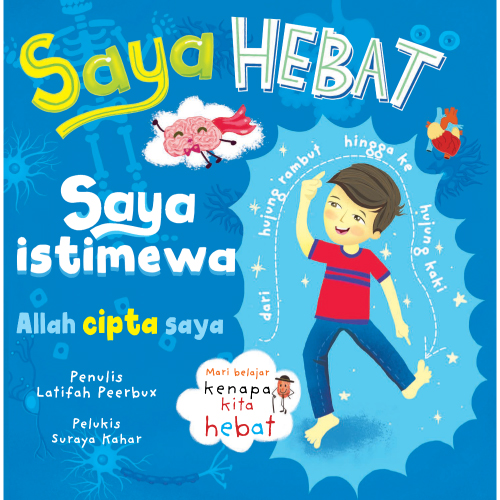
Saya Hebat
Highlights:
Aktivity Kit dapatkan disini
RM25.00
The Devil’s Deceptions
Highlights:
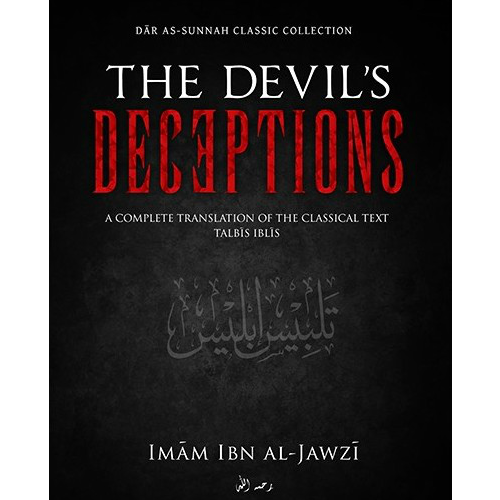
Imam Ibn Al-Jawzi It is from enmity and hopelessness of the devil that his endeavour to misguide mankind from the Path of Allah will persist. This misguidance takes many shades and forms; be it from planting seeds of doubt, or giving rise to deviant ideas antithetical to the sacred teachings of Islam, and essentially becoming entangled within regressive intellectual and rhetorical discourses.
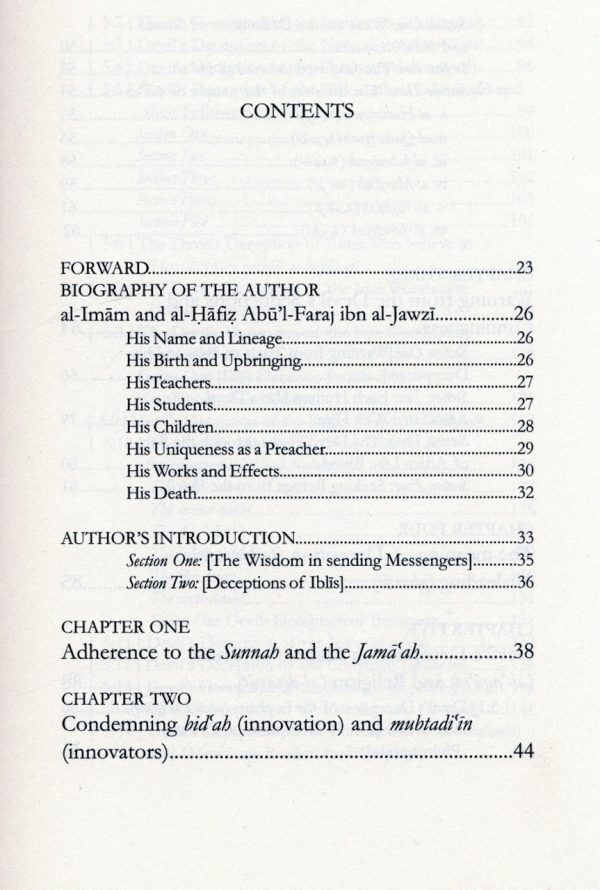
The Ummah has suffered varying levels of deviation, some of which remain prevalent today, while more continue to be uncovered – and such is the impact of delusive plottings of the devil and his allies. This book is the sixth instalment from Dar as-Sunnah of the illustrious Imam, Abu’l-Faraj Ibn Jawzi. Being a complete translation of his well-known and prized work, Ibn Jawzi enumerates within it, many of the mechanisms and modus operandi used by the devil in deceiving and leading mankind away from the Straight Path.
It is of particular value and importance because only by unearthing and accentuating some of the traps of the devil, can mankind avoid them as well as navigate others away from falling prey to his harm. Speaking about the devil and his plotting, the author wrote that, “he was only able to do so while creeping during the night of ignorance. Had the dawn of knowledge shone on him, he would have been exposed.
Thus I decided to warn from his plots… for identifying evil is a form of warning from it.” This translation of Tablees Iblees will provide important analysis in developing self-awareness and critical thinking to ward off many deceptions of the devil, which have plagued mankind from the time of Adam. For such reasons alone, this work is a valuable addition to the scholarly discourse it presents to the English speaking world.
RM220.00
There are no reviews yet.