


| Weight | 0.405 kg |
|---|---|
| Product Type | Book |
| Author | |
| Publisher | Goodword |
| Pages | 352 |
| ISBN | 9789351790518 |
Quranic Wisdom
RM20.00
Hurry up, Only 1 left.

Highlights:
somdn_product_page
Compare
According to the Quran, a person’s life has been divided into two phases: the pre-death period and the post-death period.
The present life is only temporary and is meant as a test. Depending upon our performance in this test, we shall be judged in the eternal life after death. The Quran aims to make one aware of this reality and help one lead one’s life in this world in such a way that one is rewarded with Paradise in the life Hereafter
Additional information
Reviews (0)
Be the first to review “Quranic Wisdom” Cancel reply
You must be logged in to post a review.
Related Products
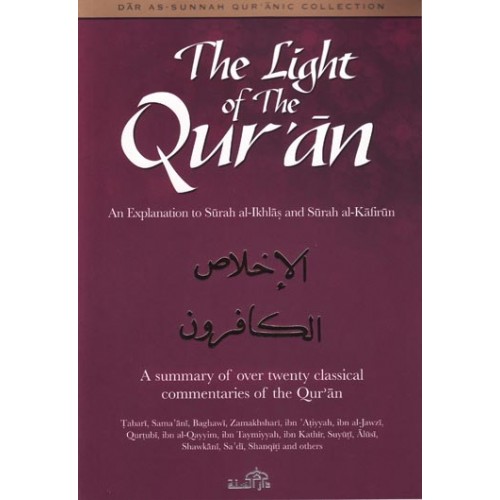
The Light of The Qur’an
Highlights:
The Prophet peace and blessings of Allah be upon him, passed by a person reciting Surah Al – Kafirun and remarked, “He has been saved from shirk”. He passed by another reciting Surah Al – Ikhlas and remarked. Paradise has become obligatory for him. Reported by Muslim.
These two chapters have both been given the title Al-Ikhlas, or purity of faith, because they deal with the topic of Tawhid in all its various aspects. Al – Ikhlas concentrates on the pure, essential faith in Allah that all mankind is required to have. Al – Kafirun deals with purity of deed and disavowal of disbelief and paganism. Both chapters lay out the parameters of mans relationship with his/her lord and creator, as well as his/her relationship those around him/her.
Pure, unblemished monotheism combined with sincerity in belief and deed defines the relationship with Allah. Hi is one and only true God, unique, without peer, equal or opposite, and nothing is like on to him. He is the one who stands in need of nothing whereas everything is in dire need of him.
Maintaining the essential Muslim identity and character defines the relationship between the Muslim and his fellow man. The Muslim is unambiguous about his religion, truthful and upright in speech, deed and his dealings with those around him. Hi is proud of his faith and has unshakable conviction in it. He loves his lord, his Messenger and the Muslims and is loyal to them. Because of this, the dearest thing to him is his religion and he will not compromise it, pleasing Allah comes before pleasing the people.
The prophet would frequently recite these two chapters in prayer because of the commonality of their theme and to stress that success is achieved, in this life and the next, by internalising their message and living by it.
RM41.00
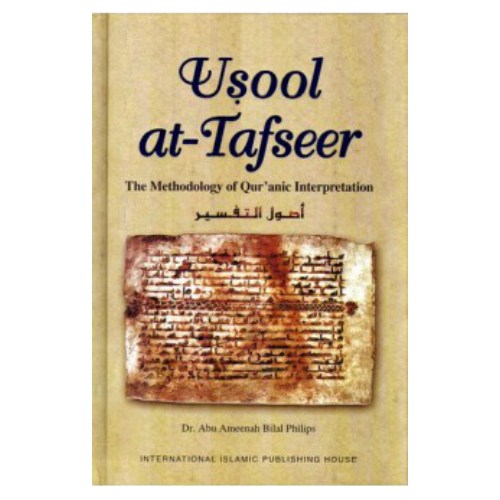
Usool at-Tafseer (H/B)
Highlights:
Usool at-Tafseer, essentially refers to the branches of knowledge necessary for providing an accurate interpretation of the Quranic texts, such as Arabic grammar and syntax, Arabic literature and Quranic sciences (Uloom al-Quran). Familiarity with modern fields of learning, like the pure sciences and social sciences is also necessary for a commentator in this era to make the Quraanic explanations relevant to human society. This book addresses the actual step-by-step methodology of interpreting Quran to ensure that interpretations are not merely the result of human whims and fancies.
RM60.00


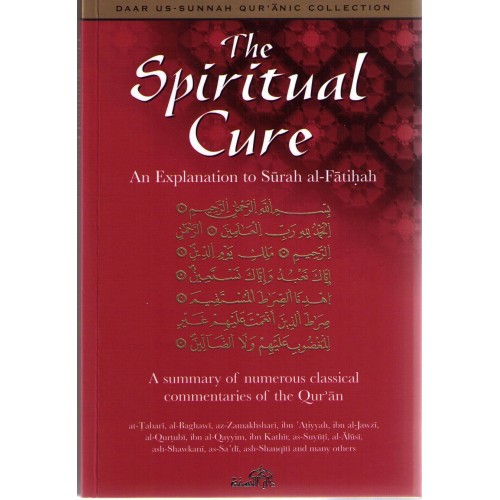
The Spiritual Cure An Explanation to Surah al-Fatihah (P/B)
Highlights:
Surah al Fatiha is the greatest chapter of the Qur’an, its like is not found in the rest of the Book or in the previous scriptures. It is a
Light that was granted to Prophet Muhammad (S) which had not been granted to any other Prophet or Messenger before him; indeed
some of the Salaf stated that when this chapter was revealed, Shaytãn l let out a great cry of lament.
It holds a central position in the daily Prayer hence the daily life of the Muslim.
The underlying theme, of al-Fatiha is one of contemplation and serenity; pondering the Names and Attributes of Allah, pondering the creation , and acknowledging that He Alone deserves praise and Worship, that He Alone should be asked for help, that He Alone Should be feared and hoped in, that He Alone should be invoked, that there is indeed a Day of Judgment, and that guidance has come to us and we are required to follow it.
It calls us to carefully scrutinise our relationship with our Lord: are we living according to the dictates of ‘none has the right to be worshipped save of Allah’ or not? This opening chapter, despite its brevity, calls man to fulfil the rights of Tawhid, the right that Allah has over us to worship Him Alone without any partner
A Summary of numerous Classical Commentaries of the Qur’an
at-Tabari, al-Baghawi, Az-Zamakhshari, ibn Atityyah, Ibn Jawzi, Al-Qurtubi, Ibn Qayyim, Ibn Kathir, as-Suyuti, Alusi, ash-Shawkani, as-Sa’di, ash-Shaqiti and many Others
RM73.00


The Sources of the Qur’an
Highlights:
“Who is the author of the Qur’an?” On this subject scholars have flagrantly contradicted each other. This work attempts to make a critical review of the major ‘authorship’ theories by pressing into service logical arguments, historical evidence, textual analysis and scientific data. Probably, the only point of agreement about the Qur’an is that it was uttered for the first time by a man who was born in Makkah (Mecca), a city of Arabia, in the sixth century—a man by the name of Muhammad (blessings and peace be upon him). As to the source of the Qur’an, scholars are divided into three main groups: those who believe that Muhammad (blessings and peace be upon him) himself was the author; those who believe that he was not the author himself but learned it from another human author or authors; and those who believe that the Qur’an has no human author but is rather a word-for-word revelation from God. Hamza Njozi examines the three theories and comes to a firm and logical conclusion.
RM14.00

Daily Wisdom: Selections from the Holy Qur’an (H/B)
Highlights:
This beautiful presentation of a selection from the Holy Qur’an engages the reader in a moment of daily reflection. Edited for ease of comprehension, English-speaking readers will find this compilation both spiritually enriching and easy to understand. With 365 verses covering the whole year, this is a must for every home.
An introduction to the Qur’an and its eternal message for humanity is included, giving the reader an insight into its origin, purpose, and style.
Abdur Raheem Kidwai is professor of English at the Aligarh Muslim University in India and the well-known author of many works on the Qur’an and Islam.
RM75.00
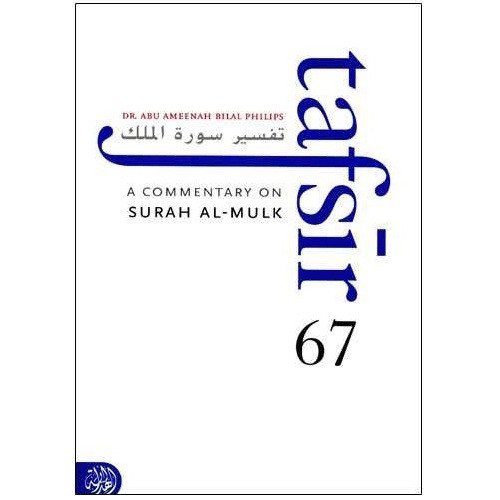
Tafsir 67 : A Commentary on Surah al Mulk (P/B)
Highlights:
The beauty of the Qur’an is such that its miracles cannot truly be understood until one contemplates every verse of every surah; this alone makes tafsir one of the most amazing sciences of Islam. Surah Al-Mulk is a chapter of the Quran which would be recited every night by the Prophet (peace be upon him), in its midst are deep meanings which highlight the purpose of our creation, as well as entailing the message of Islam. In this book, the author takes the reader on a wonderful journey through the gardens of the first surah in the 29th Juzz of the Qur’an.
About the Author: Dr. Philips was born in 1947 in Jamaica, but grew up in Canada, where he converted to Islam in 1972. He completed a diploma in Arabic language and a B.A. degree in 1979 from the College of Islamic Disciplines at the Islamic University of Madinah, an Islamic university in Saudi Arabia. At the University of Riyadh College of Education he completed his M.A. in Islamic Theology in 1985, and in 1994 he completed his Ph.D in Islamic Theology in the department of Islamic studies at the University of Wales. He later taught Islamic education and Arabic language in private schools in Riyadh for over ten years. Because of his opposition to Saudi Arabia’s position in the Gulf War, he had to leave the country and for three years he lectured M.Ed. students in the Islamic Studies department of Shariff Kabunsuan College (SKC) in Cotabato City, Mindanao, the Philippines. Islamic Information Center Since 1994, he has founded and directed the Islamic Information Center (which is now known as Discover Islam) in Dubai, United Arab Emirates, and is known as a prolific speaker and author on topics relating to Islam, including audio lectures and books. Presently, he is a lecturer of Arabic language and Islamic Studies at the American University in Dubai and ‘Ajman University in Ajman, United Arab Emirates. He frequently appears at the Islamic Research Foundation in Mumbai, India, on lecture tours. He has also founded the Distance Learning Program called Islamic Online University, which offers a four year degree in Islamic Studies plus a variety of short courses. Dr. Philips is something of a pioneer as a person of Western origin achieving the status of a scholar of Islam inside the tradition.
RM63.00

Four Key Concept of the Qur’an
Highlights:
Four Key concepts oF the Qur’An elucidates these basic Qur’anic concepts Ilah, Rabb, Ibadah and Din in order to bring out fully the Islamic way of life, as distinct from other perspectives. This elaboration goes a long way in developing a sound understanding of the Qur’an. It also explains the man-God relationship in Islam, guiding Muslims on how to lead their lives in total surrender to Allah.
RM46.00

Starting from Scratch – Tajweed Made Easy
Highlights:
Holy Quran and Quranic Sciences
RM10.00
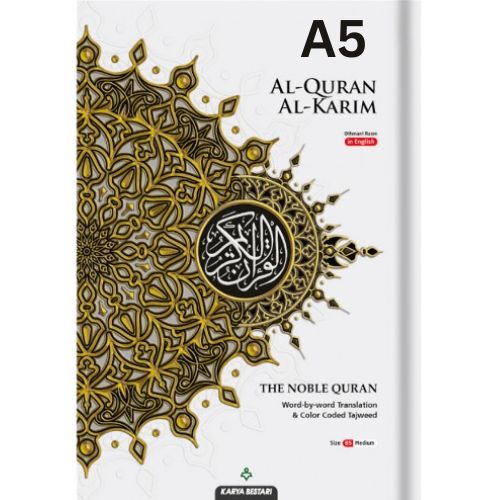

The Noble Quran Word-By-Word Translation & Color Coded Tajweed A5 Size (Arabic-English)
5 ★
5 ★
1 Rating
5 ★
1
4 ★
0
3 ★
0
2 ★
0
1 ★
0
Highlights:
Al-Quran Al-Kareem is a translation learning method of word-by-word Al-Quran with every word and sentence is colored differently, in Arabic and English.
Every word in the Quran was translated literally so that the reader could understand the meaning of every single word. It needs to be remembered that not all literal translation represents the exact meaning of the word since the Quran uses varied Arabic language style and sometimes metaphor.
Accordingly, to understand the full or intended meaning of the word or the verse, Muhsin Khan’s the Holy Quran Translation had been included in this edition. However, to comprehend more of the meaning of the Quran, reading the commentary of the Quran from trusted scholars would be necessary.
Approved by the Department of Islamic Development of Malaysia (JAKIM) and Malaysian Ministry of Home Affairs (KDN).
Features:
● Rasm Uthmani script in English
● Word-by-word translation Arabic-English
● Color coded tajweed
● Thematic Index
The Meaning of The Holy Qur’an -Pocket Size (P/B) (IBT)
Highlights:
This very handy pocket-sized edition contains the complete meaning of the Holy Qur’an, without the Arabic text and the commentaries. Weighing just under 170 grammes, sized 9.5 cm X 13 cm and with a thickness of 1.5cm, it is intended as a handy travel companion as well as a gift to friends and colleagues.
RM23.00
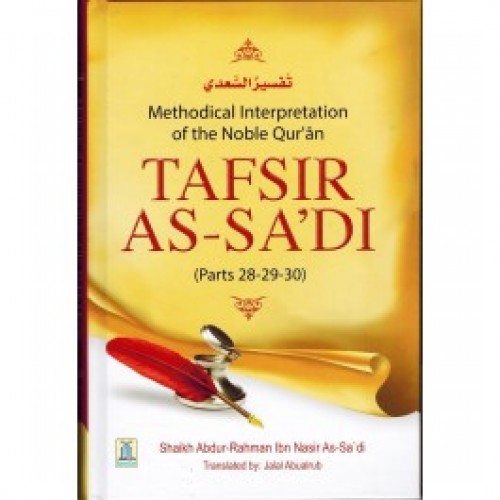
Tafsir As-Sadi (Parts 28-29-30) Methodical Interpretation Of The Noble Quran (H/B)
Highlights:
Tafsir As-Sa’di is a straightforward, easy to read, easy to understand explanation of the meaning of Qur’anic Ayat and statements. In addition to the simplicity of Ibn Sa’di’s writing, it is also articulate and eloquent.
Consequently, for those newly acquainted with Tafsir and those new to Islam, this Tafsir provides an uncomplicated, deep and insightful comprehension into the meaning and explanation of the Qur’an.
The uniqueness of this Tafsir is in the style the Shaikh used to explain the Ayat in a way that it is similar to everyday writing, without listing the various prophetic sayings or statements of the scholars of Tafsir, which Shaikh Ibn Sa’di used as a basis of his Tafsir.
RM80.00
Recently Viewed
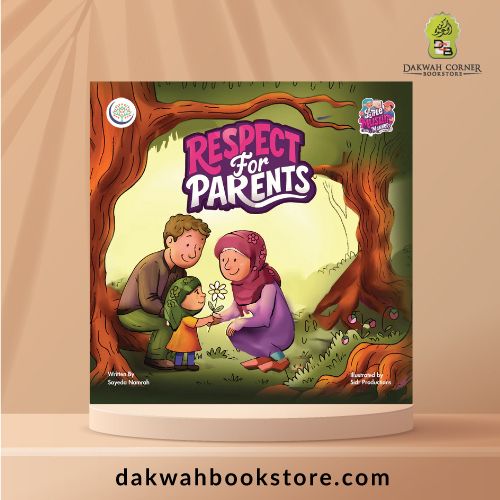
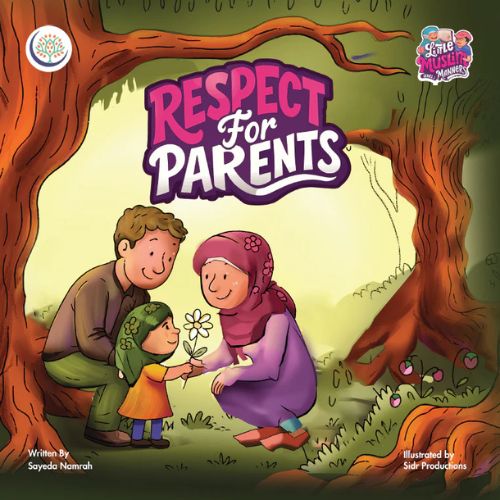
Respect For Parents (P/B)
Highlights:
Manners are part of our deen. The Little Muslim Manners Series helps toddlers (ages 1-4) learn everyday Islamic manners in fun and simple ways. From respect for parents and honesty, to kindness with neighbours and table manners, each book makes good behaviour easy to learn and love. Perfect for bedtime reading, circle time, or teaching first adab.
RM20.00 RM35.00
Let’s Think About Allah’s Great Garden
Highlights:
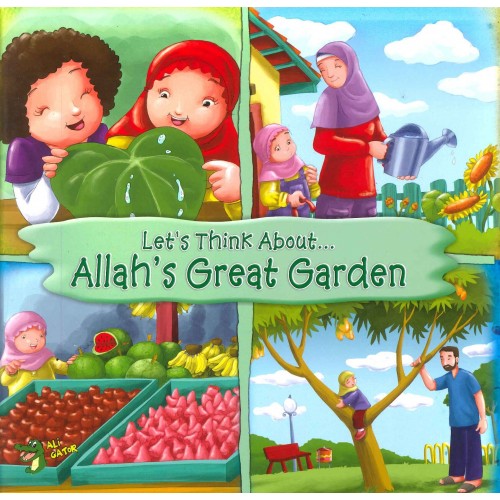
The Let’s Think About… series will grab the attention of young inquisitive minds with their vibrant colours and easy to read format.
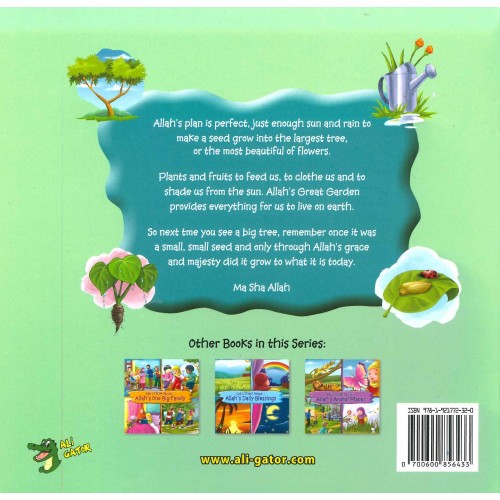
In Let’s Think About…Allah’s Great Garden, children are shown how Allah’s plan is perfect, just enough sun and rain to make a small seed grow into the largest tree, or the most beautiful of flowers.
Plants and fruits to feed us, to clothe us and to shade us from the sun. Allah’s Great Garden provides everything for us to live on earth.
So next time you see a big tree, remember once it was a small, small seed and only through Allah’s grace and majesty did it grow to what it is today.
Ma Sha Allah.
The notes to teachers and parents section provides a list of points to consider and questions to ask as you read along. This allows for the young readers to receive the maximum benefit from the books, whilst enjoying them.
There are four books in the series.
Full Color
RM20.00
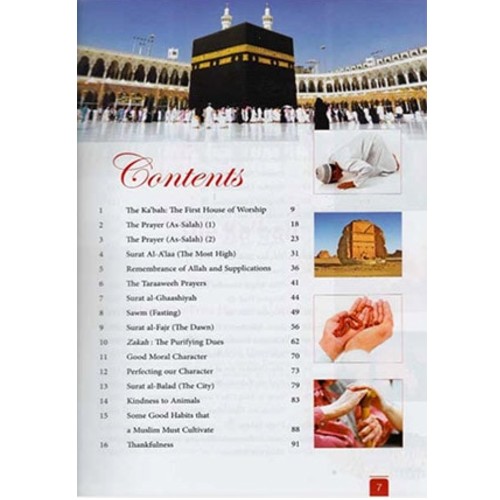
Islamic Studies Grade 6 – Darussalam
Highlights:
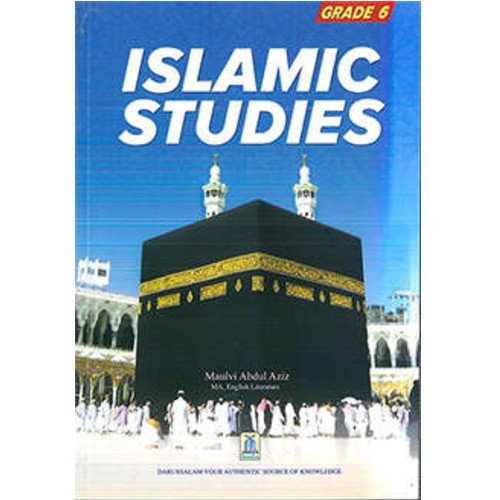
This full-color Grade 6 textbook (for the sixth grade or similar level) is part of the Islamic Education series which covers all areas of Islamic studies: Tafseer, Hadeeth, Tawheed, Fiqh, Seerah, and general etiquette relating to different areas and situations.
RM120.00
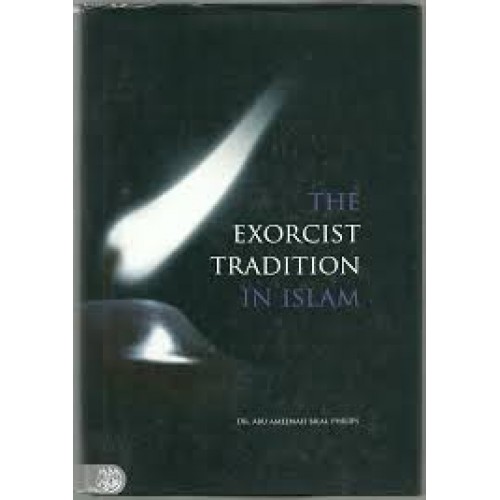
The Exorcist Tradition in Islam (H/B)
Highlights:
This original work was first presented as a Ph.D. thesis in 1994 at the University of Wales. It is a well-balanced combination of library as well as
field research which systematically and critically assesses the theory and practice of exorcism among orthodox Muslims.
The field research is comprised of interviews with seventeen exorcists from seven countries. The results are analysed in the main text, and the interviews themselves are reproduced in a sizeable appendix. This book is a unique contribution to the understanding of a subject little known among western scholars.
This work is specifically aimed at filling a gap in modern research on the Islamic concept of exorcism and the supernatural world related to it, based upon the sources considered authentic by Islamic authorities and augmented by field research. The possession of humans by jinns and their expulsion are thoroughly discussed. A comparative study is made with Christian exorcist tradition and the medical professions point of view. Case studies of leading Muslim exorcists from Egypt, Sudan, Saudi Arabia, Bahrain, Pakistan and India are included.
RM154.00
Which Way to Paradise? – IIPH
Highlights:
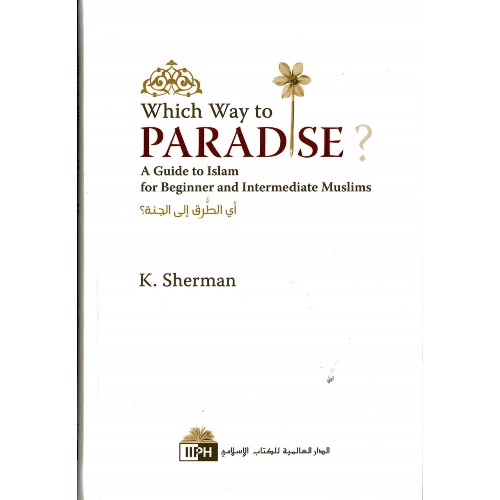
Which Way to Paradise? A Guide to Islam for Beginner and Intermediate Muslims seeks to elucidate Islamic principles and injunctions and elaborate on the very spirit of Islam, while at the same time exposing and refuting common misconceptions about the religion.
RM50.00
Purity of Faith (P/B)
Highlights:
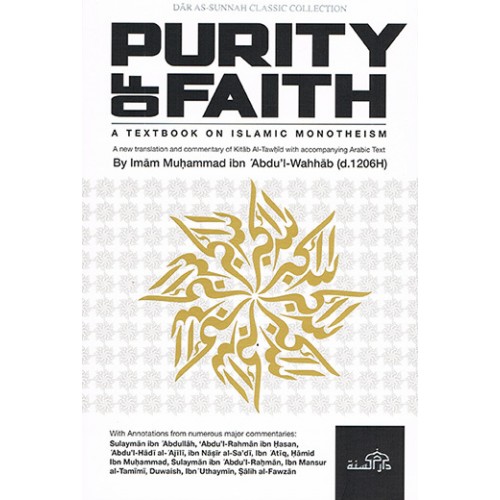
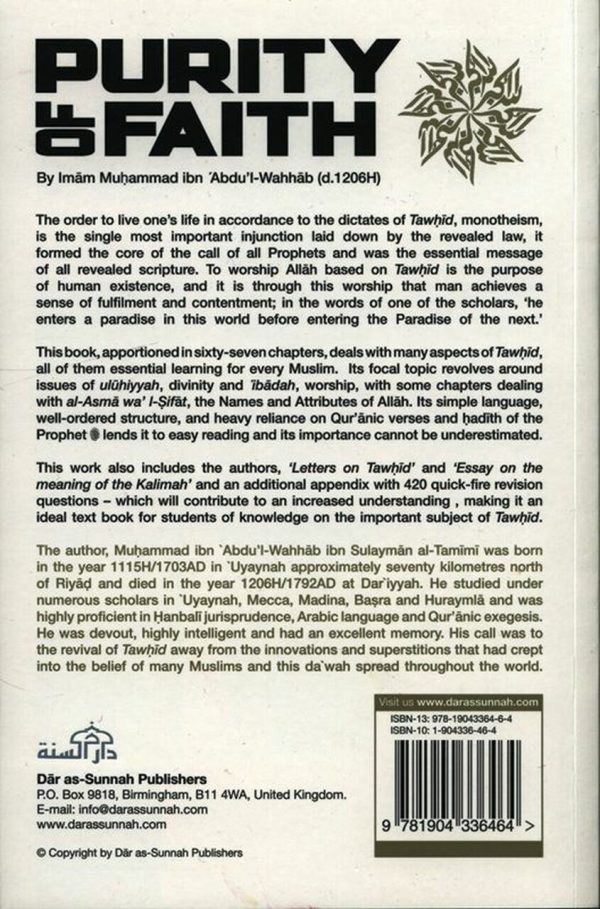
The order to live one’s life in accordance to the dictates of Tawhid, monotheism, is the single most important injunction laid down by the revealed law, it formed the core of the call of all Prophets and was the essential message of all revealed scripture. To worship Allah based on Tawhid is the purpose of human existence, and it is through this worship that man achieves a sense of fulfilment and contentment; in the words of one of the scholars, ‘he enters a paradise in this world before entering the Paradise of the next.’
This book, apportioned in sixty-seven chapters, deals with many aspects of Tawhid, all of them essential learning for any Muslim. Its focal topic revolves around issues of ulùhiyyah, divinity and `ibadah, worship, with some chapters dealing with al-Asmm wa’l-Sifat, the Names and Attributes of Allah. Its simple language, well-ordered structure, and heavy reliance on Qur’anic verses and Hadith of the Prophet (saw) lends it to easy reading and its importance cannot be underestimated.
Kitab al-Tawhid is a landmark work analysing orthodox Islamic monotheism. Since it was authored it has received a great deal of attention, a large number of commentaries and has been translated into over twenty languages. Relevant as it was then, it remains relevant today and Muslims are in dire need of reading it, studying it and teaching it.
Unfortunately, despite previous laudable efforts, a translation does not yet exist in English that truly reflects the importance of this work. It gives Dar us-Sunnah great pleasure to present this work to the reader in the hope that it fills this gap
• An accurate translation in easy to read modern English
• Annotations taken from 15 major commentaries
• All major criticisms against the book by its antagonists addressed
• All Hadiths and narrations critically analysed and referenced
• This work also includes the authors ‘Letters on Tawhid and Eassay on the meaning of the Kalimah’
• Overview of the style and structure of the book
• Biography of the author analysing his life, creed and works
• The Arabic text of the whole book included
• 420 Revision Questions
• Indexes of verses, Hadiths and narrations
• This is an ideal text book for every Muslim on this very important topic
RM132.00

A Muslim Boy’s Guide to Life’s Big Changes (Ta-Ha)
5 ★
5 ★
1 Rating
5 ★
1
4 ★
0
3 ★
0
2 ★
0
1 ★
0
Highlights:
Motivational & Manners
RM35.00
Islamic Studies Grade 1 – Darussalam
Highlights:
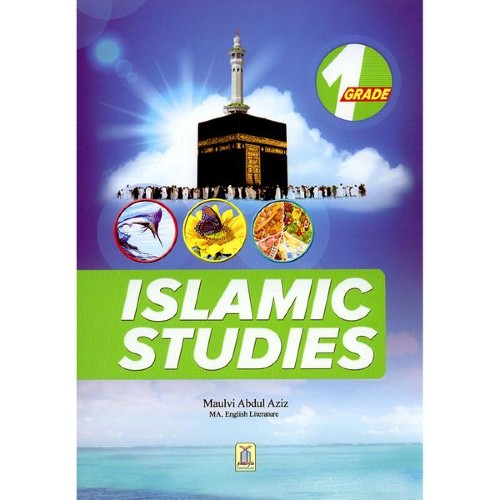
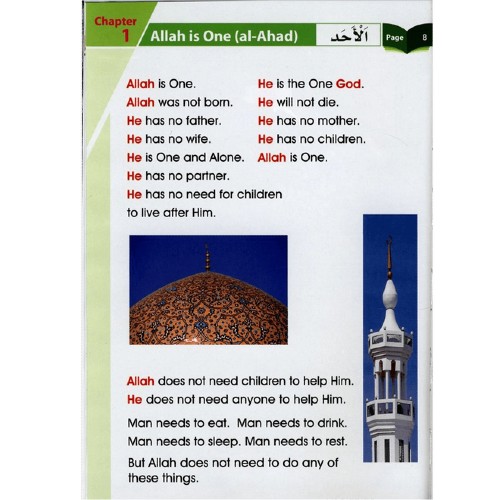
Grade 1 covers a variety of topics, including Allah as the One, the Creator, and the Giver of Life; pillars of Islam; Iman; performance of wudo; prayer; several sections about the Prophet Mohammad (s); and more. This book also contains fun activities and review sections.
RM100.00
Reviving The Balance
Highlights:
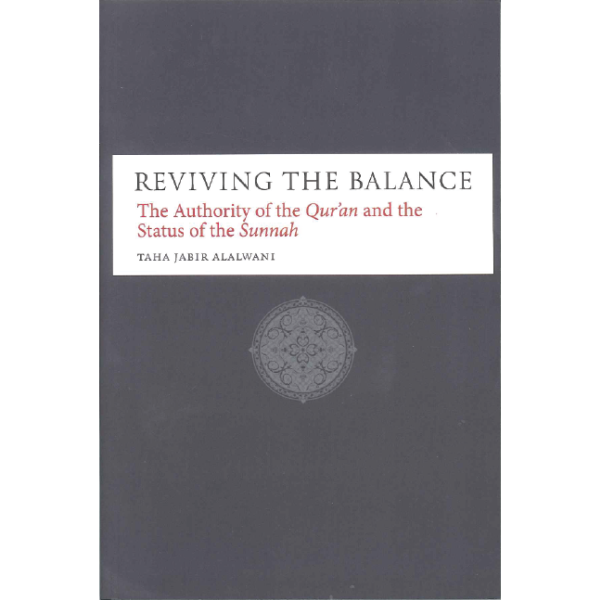
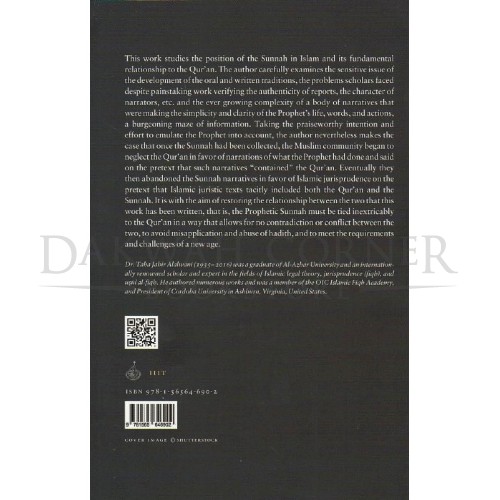
This work studies the position of the Sunnah in Islam and its fundamental relationship to the Qur’an. The author carefully examines the sensitive issue of the development of the oral and written traditions, the problems scholars faced despite painstaking work verifying the authenticity of reports, the character of narrators, etc. and the ever growing complexity of a body of narratives that were making the simplicity and clarity of the Prophet’s life, words, and actions, a burgeoning maze of information. Taking the praiseworthy intention and effort to emulate the Prophet into account, the author nevertheless makes the case that once the Sunnah had been collected, the Muslim community began to neglect the Qur’an in favor of narrations of what the Prophet had done and said on the pretext that such narratives “contained” the Qur’an. Eventually they then abandoned the Sunnah narratives in favor of Islamic jurisprudence on the pretext that Islamic juristic texts tacitly included both the Qur’an and the Sunnah. It is with the aim of restoring the relationship between the two that this work has been written, that is, the Prophetic Sunnah must be tied inextricably to the Qur’an in a way that allows for no contradiction or conflict between the two, to avoid misapplication and abuse of hadith, and to meet the requirements and challenges of a new age.
RM105.00
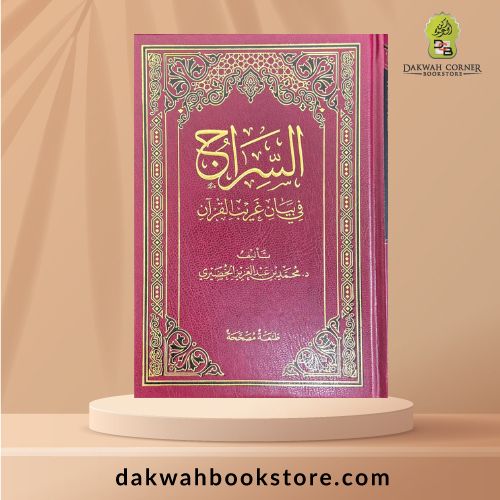
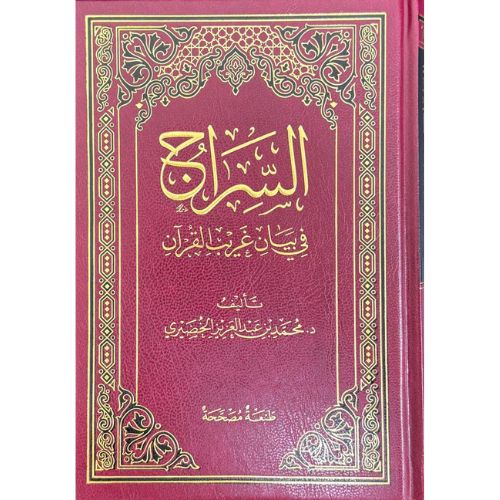
[AUQ]As-Siraj Fi Bayan Gharib Al-Qur’an/ السراج في بيان غريب القرآن
Highlights:
أما عبارة “بيان غريب القرآن” فهي توضّح موضوع الكتاب بدقة، حيث تشير إلى شرح الكلمات النادرة أو الصعبة في القرآن الكريم وبيان معانيها اللغوية. وهذا النوع من الكتب مهم لطلاب العلم والباحثين في اللغة العربية وعلوم القرآن، لأنه يساعد على فهم المفردات القرآنية التي قد تكون غير مألوفة.
وبشكل عام، فإن العنوان يجمع بين الأسلوب البلاغي الجذاب والدلالة العلمية الواضحة، مما يعكس هدف المؤلف في توضيح معاني الألفاظ الغريبة في القرآن الكريم وتسهيل فهمها للقارئ.
RM40.00
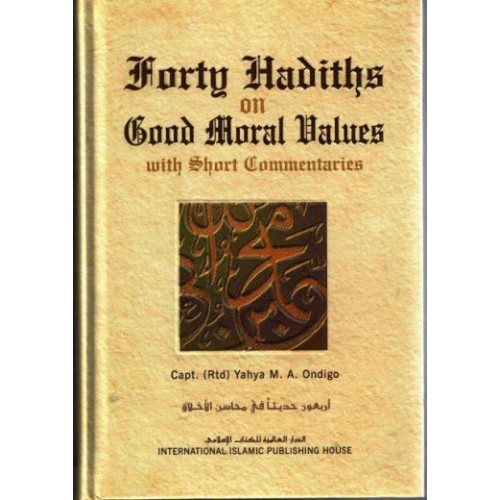
Forty Hadiths On Good Moral Values (H/B)
Highlights:
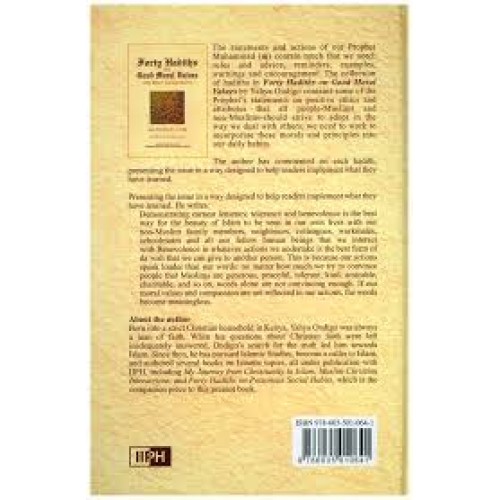
The statements and actions of our Prophet Muhammad (s) contain much that we need: rules and advice, reminders, examples, warnings and encouragement. The collection of hadiths in Forty Hadiths on Good Moral
Values by Yahya Ondigo contains some of the Prophet?s statements on positive ethics and attributes that all people-Muslims and non-Muslims-should strive to adopt in the way we deal with others; we need to work to incorporate these morals and principles into our daily habits.
RM65.00
Muhammad The Messenger of Guidance (H/B)
Highlights:
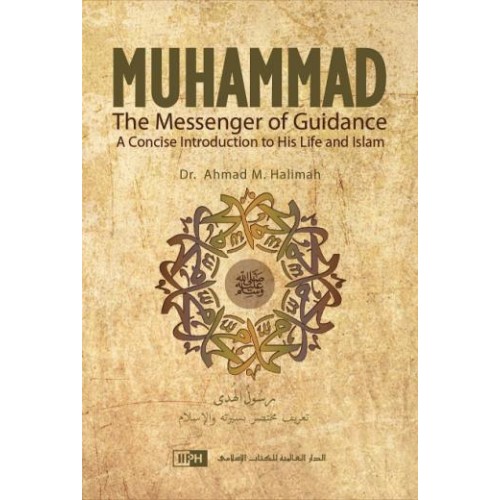
Muhammad (blessings and peace be upon him), the Messenger of Guidance: A Concise Introduction to His Life and Islam is an excellent resource for both Muslims and non-Muslims. In Part One, the author succinctly summarises the life of Prophet Muhammad (blessings and peace be upon him), using authentic reports from his Companions to paint a beautiful portrait of his qualities and characteristics. In addition, he examines and explains the basic pillars of faith and worship in Islam, and then goes on to discuss issues that are relevant to the Muslim nation today.
Part Two brings together a wide selection of sound hadiths, or sayings of the Prophet (blessings and peace be upon him). The author has carefully chosen these to cover a broad variety of topics, thus creating a useful reference that is easy to follow and comprehend.
This book provides the reader with an academic perspective on Islam, which is supported by modern, eloquent translations of the original textual sources: the Qur’an and the Sunnah of the Prophet Blessings and peace be upon him. It is an excellent resource for both the casual and the academic reader.
RM58.00
There are no reviews yet.