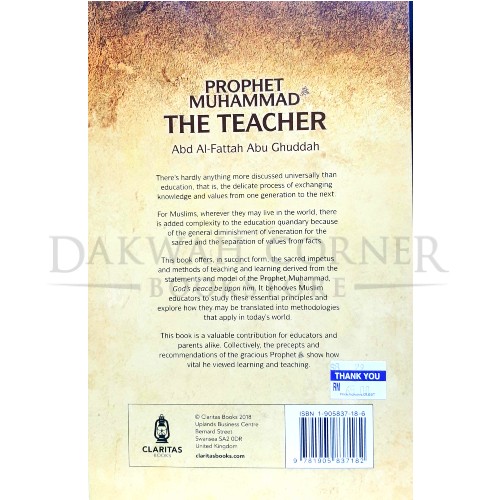
There’s hardly anything more discussed universally than education, that is, the delicate process of exchanging knowledge and values from one generation to the next.
RM65.00

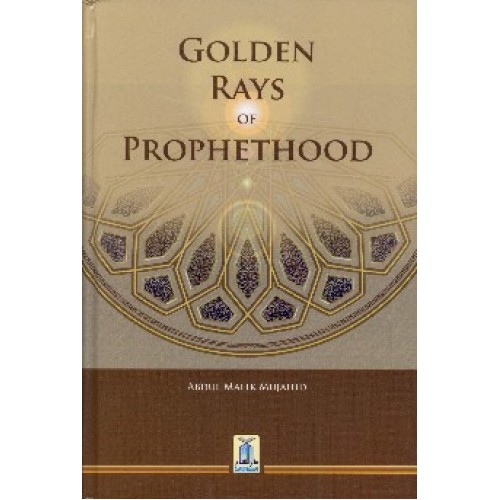
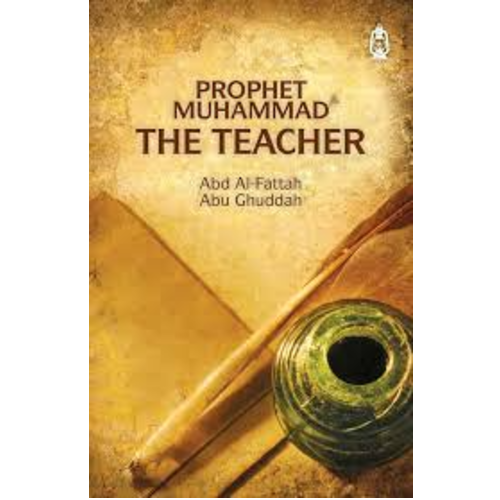
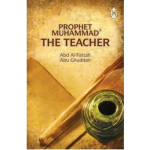
This book offers the sacred impetus and methods of teaching and learning derived from the statements and model of the Prophet Muhammad, God’s peace be upon him. It behooves Muslim educators and teachers to study these essential principles and explore how they may be translated into methodologies that apply in today’s world.
Collectively, the precepts and recommendations of the gracious Prophet SAW show how vital he viewed learning and teaching.
There’s hardly anything more discussed universally than education, that is, the delicate process of exchanging knowledge and values from one generation to the next.
| Weight | 0.260 kg |
|---|---|
| Dimensions | 21.5 × 14 × 1.8 cm |
| Author | |
| ISBN | 9781905837182 |
| Pages | 164 |
| Publisher | Claritas |
You must be logged in to post a review.
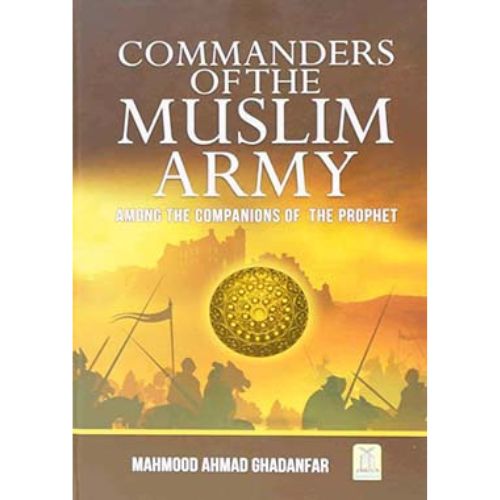
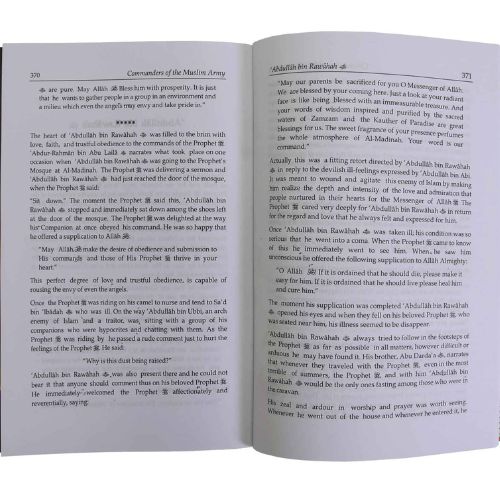
This book is about the lives of those Noble Companions and Commanders who led the Islamic forces in the violent and strife-torn arenas of conflict against the kuffar. They struck terror in the hearts of the enemy, and the strong forts and palaces of Caesar and Chosroes trembled before their might. In this compilation there are not only stories of the battlefields but also the stories of bravery and courage, valour and piety, austerity and simplicity.
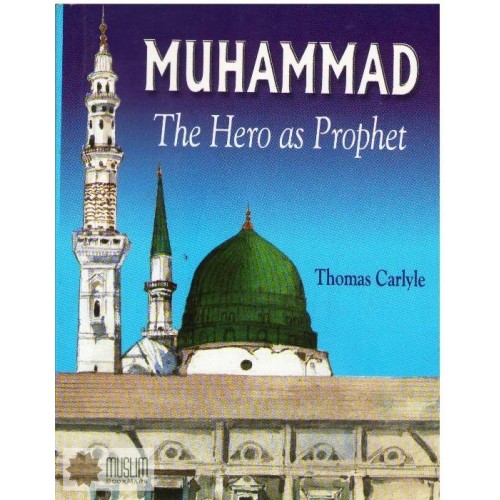
In this book, the author examins the primary the facts which made Muhammad (saw) the Hero as Prophet. To this day, it stands a very clear, concise, knowledgeable anfd fair account of the last prophet of God.
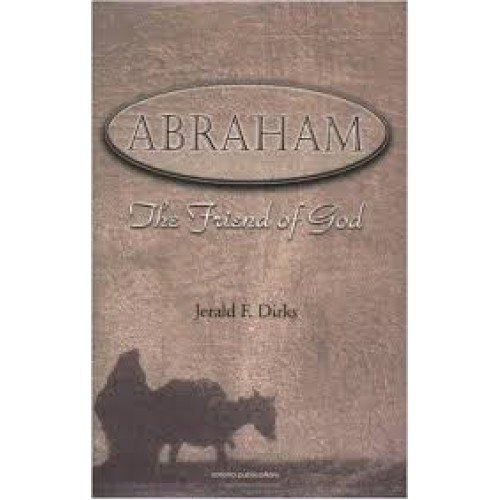
Abraham, as a prophet and patriarch, is called “the friend of God” in Jewish, Christian, and Islamic scriptures, and has a place of eminence in the shared scriptures and histories of each of these three monotheistic, prophetic, and Middle Eastern religions.
In Abraham: The Friend of God, Dr. Dirks provides Jewish, Christian, and Muslim readers with a unique and original presentation of the life of Abraham. In constructing a chronological biography of Abraham, the author integrated and synthesized information from a wide range of Judaeo-Christian and Islamic traditions, including the Bible, the Pseudeigrapha (I.e. Jubilees and the Genesis Apocryphon), the Qur’an, the authenticated sayings (Sahih Ahadith) of Prophet Muhammad, and the classic books of ancient history authored by Josephus and Al-Tabari. This integrated biographical sketch is embedded in a framework drawn from the various historical and geographical contexts dealing with different aspects of Abraham’s life.
Knowledge of the Prophetic Seerah is incumbent upon every Muslim, whether young or old, male or female. This current book adds to those that have already been published on this great subject. It lays out the Prophetic biography in a clear and concise manner, relying on well-documented and authentic sources. The author paints a narrative of the important events during the lifetime of Prophet Muhammad, the patience demonstrated by the Prophet and his Companions through difficult times, without losing their faith in their Lord. These events touch the heart of the reader and draws them in.
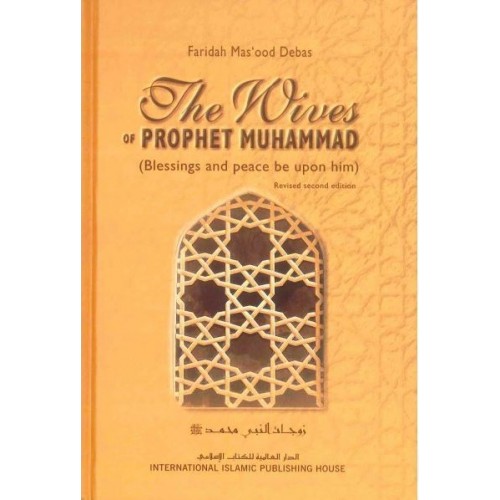
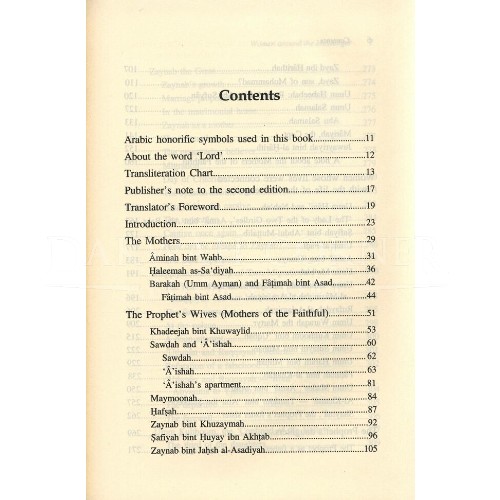
Within this book, The Wives of Prophet Muhammad, is a wealth of captivating information about the distinguished wives of the Prophet (may Allah be pleased with them). Their lives are represented through vivid stories encompassing their lineage, history, and marriages to the Prophet (blessings and peace be upon him). From their hardships to their triumphs, their lives were filled with honesty, sincerity, and devotion to Allah. Their lives exemplify an ideal for which Muslims may strive. Each wife is honoured as an individual, with her life and her love of the Prophet (blessings and peace be upon him) directing her story. The author has compiled the statements of several scholars on this topic and added to this her own impassioned arguments, with which she dispels criticism by orientalists of the Prophet’s practice of polygyny. From a historical perspective, his life, along with those of his wives, authenticates his mission. His practice of polygyny, when investigated, reveals a deep wisdom behind his marriages that supported his efforts of teaching and spreading Islam. This edition is new and completely revised. It has been reorganized to make it easy to read while drawing out the most inspiring aspects of the lives of the honourable wives of the Prophet Muhammad.
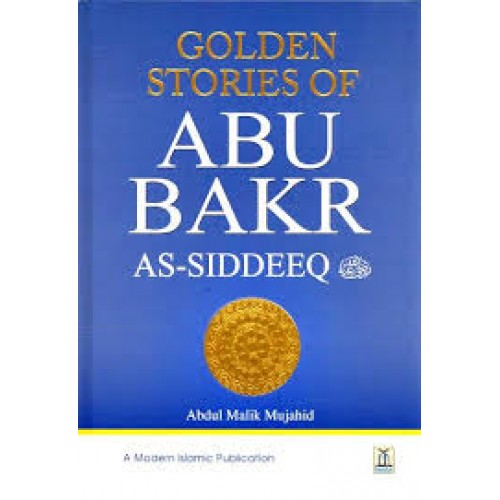
Golden Stories of Abu Bakr As-Siddeeq (RA) This book provides detailed and insightful glimpses into the extraordinary life of the first Caliph of the Muslims, Abu Bakr As-Siddeeq (RA) and his massive contribution to all of humanity; As a principled and disciplined young person in Makkah A successful businessman Embracing Islam under the tutelage of the prophet (SAW) and laying the groundwork for Islam’s spread across the globe. In a world currently needing moral and ethical leadership based on the divine revelations of Allah, the life of Abu Bakr offers a blueprint to a successful life to those Muslims and non Muslims who are searching for the truth. He was a truly a man for all ages, encompassing all aspects of complete individual, as an intellectual, Companion of the Prophet and Caliph.
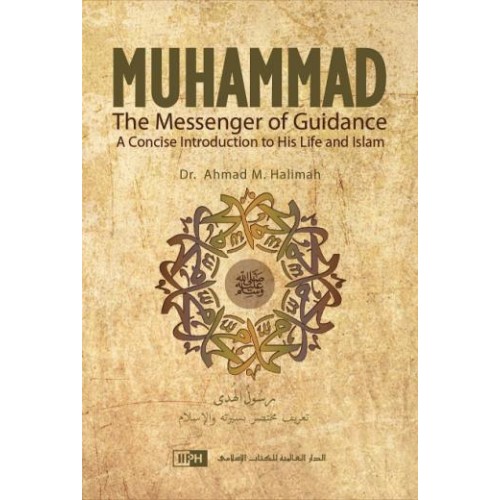
Muhammad (blessings and peace be upon him), the Messenger of Guidance: A Concise Introduction to His Life and Islam is an excellent resource for both Muslims and non-Muslims. In Part One, the author succinctly summarises the life of Prophet Muhammad (blessings and peace be upon him), using authentic reports from his Companions to paint a beautiful portrait of his qualities and characteristics. In addition, he examines and explains the basic pillars of faith and worship in Islam, and then goes on to discuss issues that are relevant to the Muslim nation today.
Part Two brings together a wide selection of sound hadiths, or sayings of the Prophet (blessings and peace be upon him). The author has carefully chosen these to cover a broad variety of topics, thus creating a useful reference that is easy to follow and comprehend.
This book provides the reader with an academic perspective on Islam, which is supported by modern, eloquent translations of the original textual sources: the Qur’an and the Sunnah of the Prophet Blessings and peace be upon him. It is an excellent resource for both the casual and the academic reader.
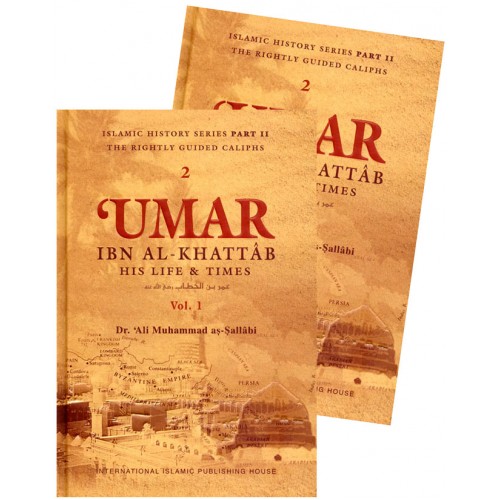
The second caliph of Islam, ‘Umar ibn al-Khattâb faced more struggles than any other Muslim leader in the early onset of Islam. His life began in a time of ignorance and ended during the Golden Age of Islam. Under his leadership, the Muslim world was witnessing some of its most notable conquests in the history of Islam. The strength and resilience of Islam’s leaders were being tested, and ‘Umar ibn al-Khattâb’s true commitment to Allah shone to reveal an Islamic spirit unlike that found in any other Muslim leader. The standards by which he lived can teach us a lot about determination, hardship, and success. The two books which compose ‘Umar ibn al-Khattâb: His Life and Times are sold together as a set. They belong in Part II of the Islamic History Series, as the second set of The Rightly Guided Caliphs. The Table of Contents for Volume 1 of ‘Umar ibn al-Khattâb: His Life and Times may be viewed via the ‘View Table of Contents’ link located above. This book was translated into English by Nasiruddin al-Khattab. From the Translator: For those who would be leaders, this book offers the model of an ideal Muslim leader, one who felt responsible before Allah for the well being of all those under his rule, including his troops, women, infants, non-Muslim subjects and even animals. ‘Umar was a ‘hands on’ leader who kept himself informed and consulted scholars and experts before every major decision. For the rest of us, this book offers a window into an exciting and important period of Islamic history, and it also reminds of an important lesson, that our strength comes not from wealth or money or status, but from our submission to Allah and our commitment to the path of Islam.
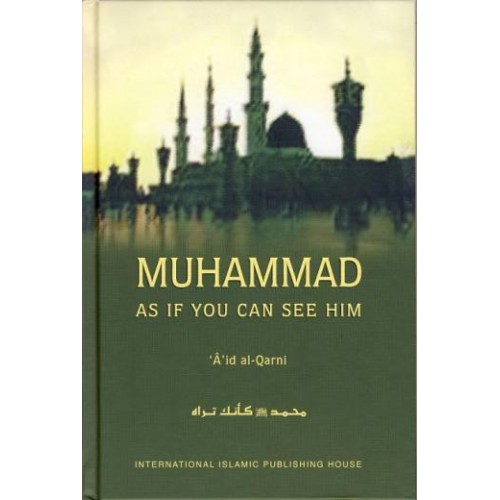
How many times have you heard the phrase, ‘Would you do that if the prophet was watching?’
This book challenges readers to think closely about this phrase, and describes the Prophet Muhammad (PBUH) from the first page of the book’s first chapter.
In fact, the book is a message of love from a mere human being.. to the best of human beings.
Written by the best-selling author of Don’t be Sad and You can be the Happiest Woman in the World, Muhammad as if you can see Him is promised to have the same effect on readers as did ‘Aid Al-Qarni’s previous writings.
What makes the book so special??
It is written by a skilled and award-winning author.
It describes the Prophet’s physical features as well as his inner traits.
The book leads the reader to understanding Muhammad from his beginning to his end.
The text and words are easy to understand, and the stories allow readers to keep up with their pace.
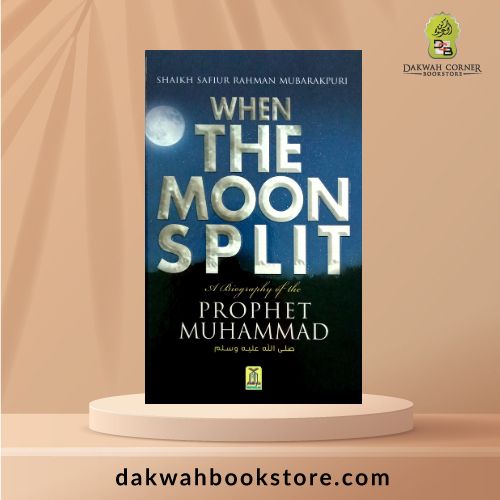
When the Moon Split
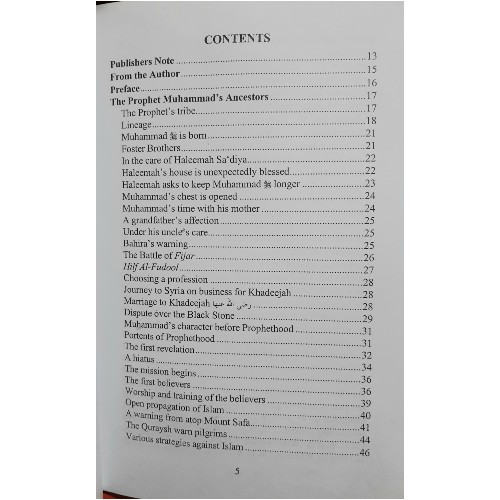
A Biography of Prophet Muhammad (PBUH). The biography of the Prophet is a very noble and exalted subject by which Muhammad the rise of Islam, and how Prophet Muhammad (PBUH) was chosen by Allah to receive the divine revelation. You also learn about the hardships the Prophet (PBUH) and his companions faced, and how they eventually succeeded with Allah’s help. This book adds to where Ar-Raheeq Al-Makhtum left off. Its clear, yet precise narration of the life of the Prophet makes it a great compliment to Ar-Raheeq Al-Makhtum. Over 6 months of editing, a master piece on the life of the Prophet, this book explains the life of the Prophet in the light of Authentic Ahadith and the Qur’an.
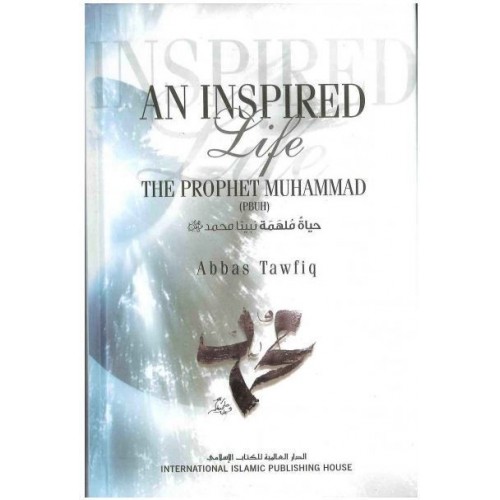
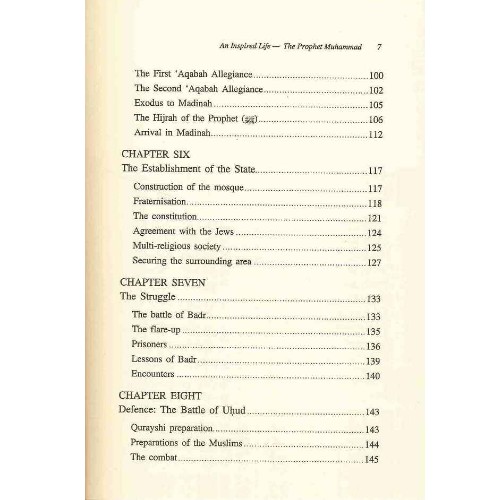
An inspired life informs and inspires with its insights into the birth of the Islamic faith and the tribulation encountered by its Prophet Muhammd ( PBUH ) and his steadfast followers prior to the the acceptance and establishment of the religion.
The Author has provided a fascinating glimpse into the life of the Prophet Muhammad (PBUH), which clarifies his role of divine messenger and extols his attributes and personal qualities as a model muslim.
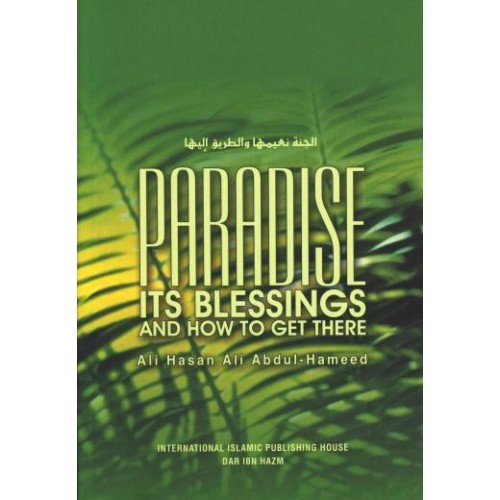
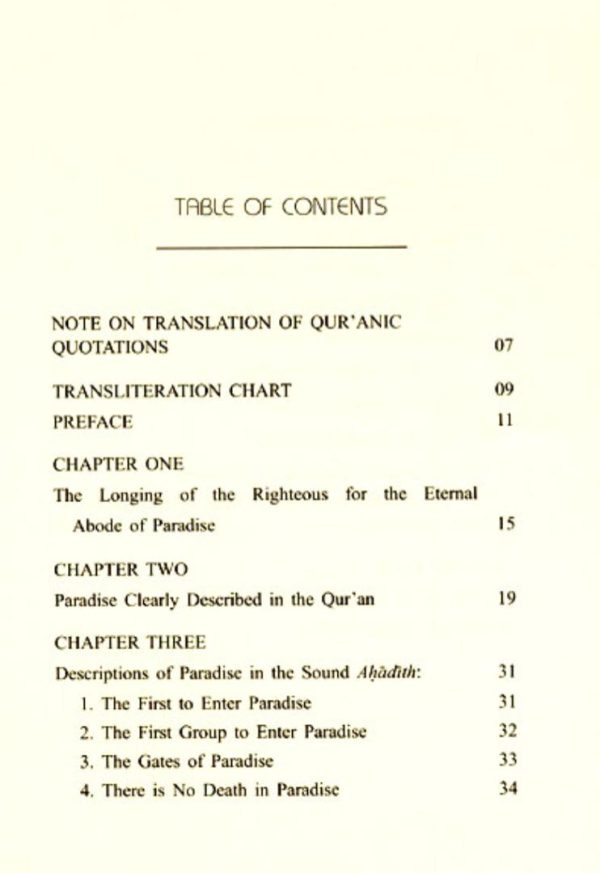
Paradise and its inhabitants as portrayed in the Qur’an and the Hadith, then discusses the various rewards and blessings that are promised to those who make it there. Finally, the author lists the many and myriad deeds that a Muslim can do that will help him or her to achieve the Garden of Eden.
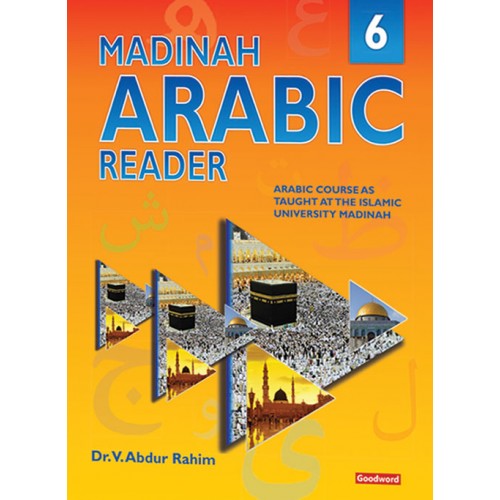
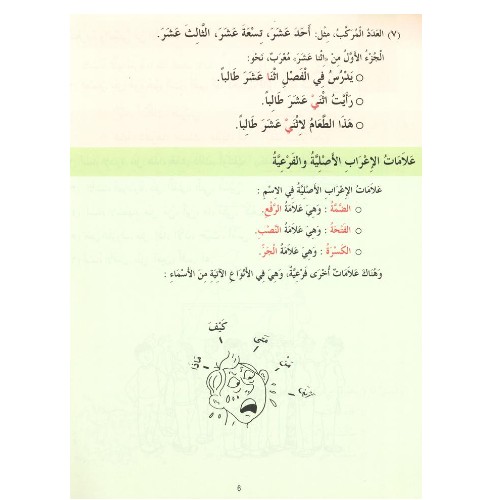
Professor Abdur Rahim, Director of the Translation Centre of the King Fahd Quran Printing Complex and former Professor of Arabic at the Islamic University of Madinah, Saudi Arabia, has authored texts designed to impart a knowledge of classical Arabic through applied grammar. Each lesson, based on a conversation, illustrates distinctive language patterns. These patterns are elucidated by a variety of helpful exercises. The vocabulary ranges from classical and Quranic Arabic to modern Arabic. This series of books is currently being utilized at various schools to prepare students for the University of London (UK) GCE O-Level and A-Level examinations.
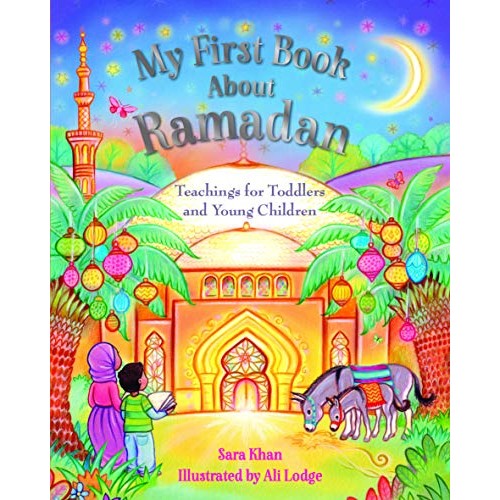
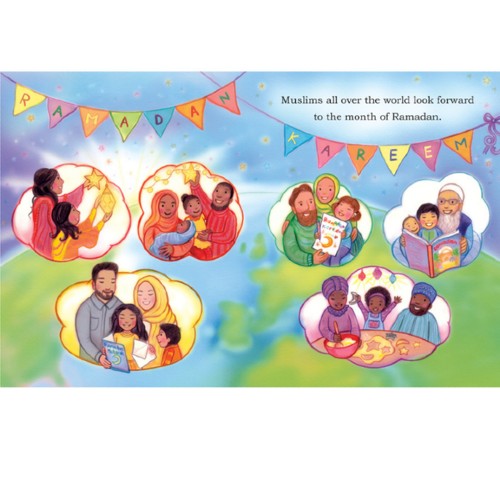
“The perfect book to introduce children to the month of Ramadan” This simple but beautiful board book presents children with some of the blessings of the month of Ramadan. It introduces the concept of fasting as one of the five pillars of Islam and explains how Muslims can make the most of this special month.
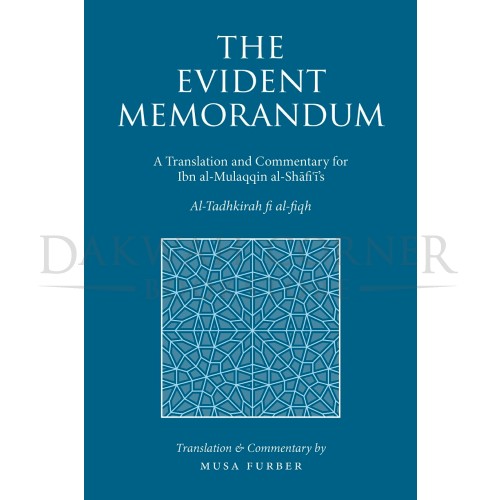
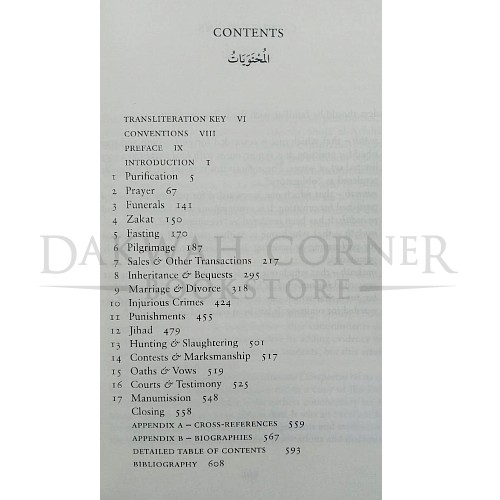
The Evident Memorandum: A Translation and Commentary for Ibn al-Mulaqqin al-Shāfiʿī’s Al-Tadhkirah fi al-fiqh
This volume contains an original commentary for Al-Tadhkirah (The Memorandum), a legal primer for Islamic Law according to the later scholars of the Shāfiʿī school by Ibn al-Mulaqqin, an Egyptian scholar who died in 804 AH/1401 CE. The commentary introduces essential evidence for the core issues of Islamic Law from its primary sources (the Quran, Sunnah, legal analogy, and scholarly consensus).
The Arabic text of Al-Tadhkirah is approximately 8,500 words in length. It is two hundred words longer than Abū Shujāʿ al-Aṣfahānī (b. 433AH/1042CE)’s Matn al-ghāyat wa-l-taqrīb (published as The Ultimate Conspectus). Although the two are roughly the same size, Ibn Mulaqqin’s style is more economical than Abū Shujāʿ’s, allowing him to cover more within the same word count. And while Ibn Mulaqqin discusses more issues, he does occasionally skip a few details that Abū Shujāʿ includes.
The primary sources for comments in this book are Ibn Mulaqqin’s books of fiqh, including Sharḥ Mukhtasar al-Tabrīzī, ʿUjālat al-muḥtāj, and Khulāṣat al-fatāwī. The bulk of the commentary comes from Sharḥ Mukhtaṣar al-Tabrīzī. Comments and hadith in the commentary can be sourced back to either one of Ibn Mulaqqin’s fiqh texts or a Shāfiʿī fiqh text through an appendix that cross-references each chapter and section in this book against its sources. Each hadith mentioned in the book is traced back to its primary sources, along with a reference to one or more of Ibn Mulaqqin’s hadith works. In the few instances where a hadith is not included in one of Ibn Mulaqqin’s works, it is referenced it to a Shāfiʿī text that does. Through this, readers can be assured that the hadiths cited here are ones that Shāfiʿīs themselves use.
Readers will find the book most beneficial after reading The Accessible Conspectus and Sharh al-Waraqat.
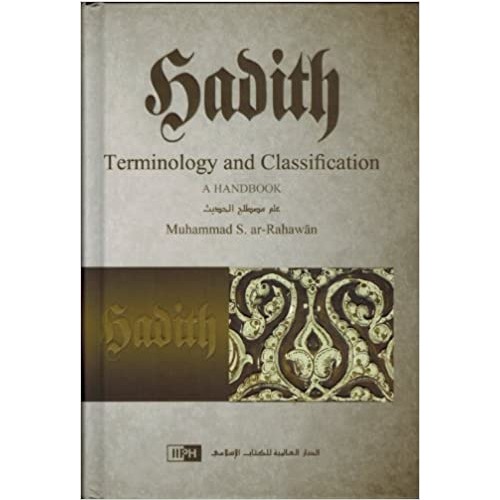
Islam is a complete way of life that enlightens through the Qur’an and the Sunnah, the true path of guidance and success in this world and the hereafter. However, one must accurately comprehend what has been ordained through the Sunnah and identify the authentic hadiths of the Prophet (blessings and peace be upon him). To do that, it is imperative to understand the rules that govern the classification and definitions of hadith methodology and criticism.
Get access to your Orders, Wishlist and Recommendations.
Your personal data will be used to support your experience throughout this website, to manage access to your account, and for other purposes described in our privacy policy.
Shopping cart is empty!
Select at least 2 products
to compare


There are no reviews yet.