





| Weight | 1 kg |
|---|---|
| Dimensions | 23 × 16 × 3 cm |
| Product Type | Book |
| Author | |
| Publisher | Ilmiah Publishers |
| Pages | 432 |
| ISBN | 9789832092001 |
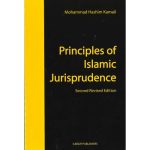
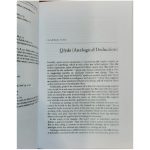
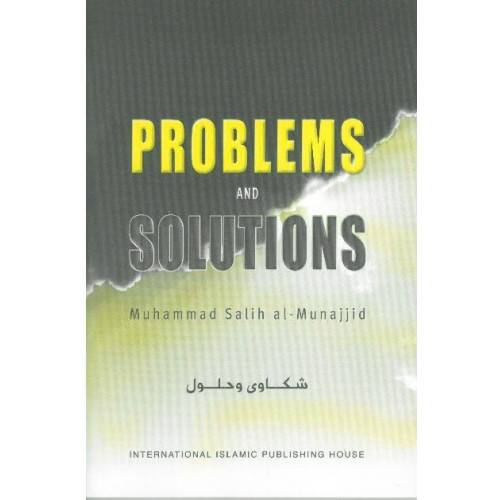
Principles of Islamic Jurisprudence (2nd Revised Edition)
RM75.00
Hurry up, Only 2 left.
Highlights:
somdn_product_page
Compare
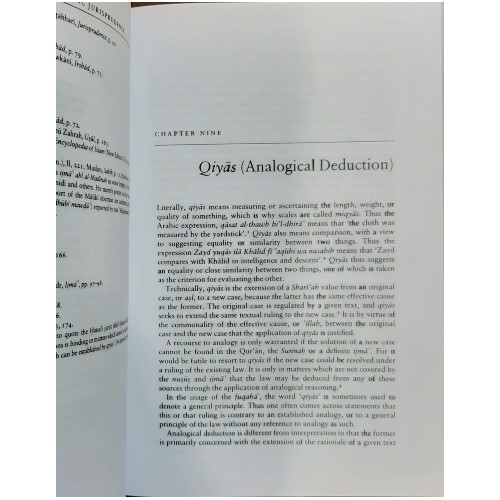
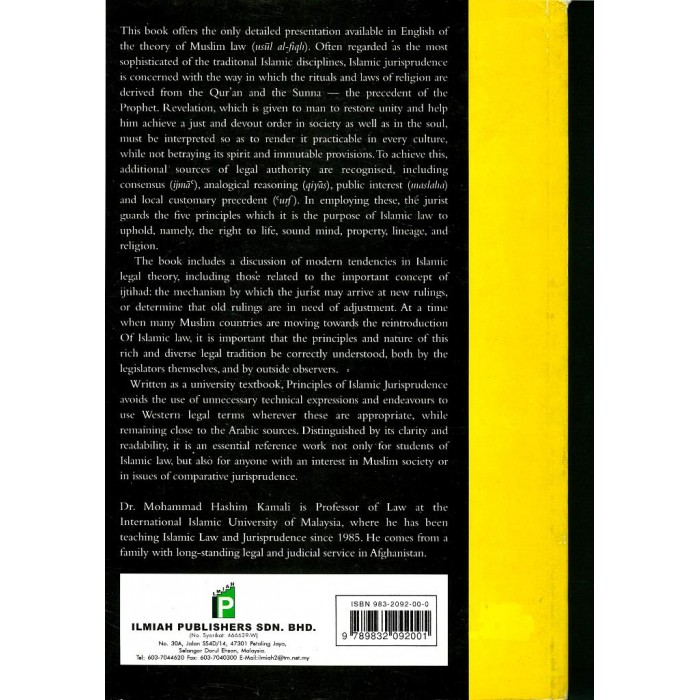
This book offers a detailed presentation of the theory of Muslim law (usul al-figh). Often regarded as the most sophisticated of the traditional Islamic disciplines, Muslim jurisprudence is concerned with the way in which the rituals and laws of religion are derived from the Qur’an and the Sunna – the precedent of the Prophet. Revelation, which is given to man to restore unity and help him achieve a just and devout order in society as well as in the soul, must be interpreted so as to render it practicable in every culture, while not betraying its spirit and immutable provisions. To achieve this, additional sources of legal authority are recognized, including consensus (ijma), analogical deduction (qiyas), public interest (maslaha) and local customary precedent (urf). In employing these, the jurist guards the five principles which it is the purpose of Islamic law to uphold, namely, the right to life, sound mind, property, lineage and religion.
SKU: SJ189
Category: Sharia, Fiqh and Jurisprudence
Additional information
Reviews (0)
Be the first to review “Principles of Islamic Jurisprudence (2nd Revised Edition)” Cancel reply
You must be logged in to post a review.
Related Products


Al-Jumu’ah: The Day of Congregation
Highlights:
In our busy lives, Friday comes around once a week. It often comes and goes without our being really aware of it. For many Muslim men, it may be punctuated by the congregational prayer that they make special efforts to attend. For many Muslim women, it may go by just like any other day. This ought not to be the case. In this unique book, Dr. Gowher Yusuf gives us reason to stop and think about how special Friday (al-Jumu‘ah) really is, and what we should be doing to achieve the many bounteous blessings it holds for those who observe it. Drawing constantly from the Qur`an and the Sunnah and the great works of the scholars of Islam, Dr. Gowher Yusuf explores this topic in depth and presents it to the reader in simple language for them to understand and ponder over. This book travels through the various issues pertaining to the Friday prayer and its Khutbah, or sermon. These issues are explained within the Islamic framework, thus abolishing any myths and misunderstandings and clarifying the topic for the reader. Dr. Yusuf writes: The day of the week known as al-Jumu‘ah, or simply Jumu‘ah, is Friday, and it is special. Compared to the other days of the week, Friday has been accorded the largest amount of merit, so much so that the father of all humankind, Prophet Âdam (peace be upon him), was created on this day and a particular prayer was ordered for this day. It was from the guidance given to Prophet Muhammad (blessings and peace of Allah be upon him) to magnify this day, honour it, and designate it for acts of worship. …On a Friday, we all will be gathered and will stand congregated in front of Allah, the Exalted, on the Day of Resurrection, also called the Day of Accountability or the Day of Judgement.
RM38.00


Funeral Rites In Islam (H/B)
Highlights:
The purpose of this book is to provide English speaking Muslims a concise and authentic compilation of the instructions regarding funeral rites in Islam.
RM35.00


Zakah According to the Quran & Sunnah (Darussalam)
Highlights:
Zakah, the third Pillar of Islam, is probably the first Pillar of its economic system. It represents the first and most important mechanism to implement economic justice and to provide sustenance to the economically unfortunate, two issues for which Islam is especially sensitive. These two issues are the essence of this book. This book consists of all the main issues of Zakat (i-e, Zakah on Gold, Silver, Paper Money, Livestock, Fruits, Grains, Rented Land, Buried treasures, Minerals, Trade, Shares, Stocks, and Exploited Assets etc). The main objective of this work is to serve an easy and authentic reference to the reader.
RM65.00


Having Fun The Halal Way Entertainment In Islam
5 ★
5 ★
1 Rating
5 ★
1
4 ★
0
3 ★
0
2 ★
0
1 ★
0
Highlights:
With the advent of technology, the entertainment industry has flourished and become immensely popular. Combine this with the exponential advances in technology, and the result is an increasing number of ways to amuse ourselves. As a result of such advances, Muslim react in a variety of manners towards entertainment. Some label entertainment as completely forbidden. This sometimes includes parents who say no to almost everything that their young ones deem to be ‘fun’, without providing them with suitable alternatives. Others, who do not want to take this extreme approach, fall into the trap of excessive use of – and even addiction to – various sources of entertainment, without any limits.
In Having Fun the Halal Way, Ismail Kamdar explores the teachings of Islam regarding entertainment. Drawing upon the Quran, the Sunnah and the understanding of the righteous scholars of Islam, he provides a detailed and balanced analysis of the topic. He not only explains the detriments of the current entertainment industry, but also suggests alternative means to have a good time with friends and family members.
RM18.00

A Guide to Male-Female Interaction
Highlights:
Are Muslim men allowed to interact with female students, and vice versa, in a virtual classroom? Can a Muslim woman pursue a professional career that necessitates her interaction with men? Is it appropriate for a woman to serve her husband’s guests? Do mixed wedding ceremonies comply with the Sharia? Read this bilingual book to find the answers and more!
RM56.00

Hajj & Umrah And Visitors (H/B)
Highlights:
Rites and Selected Etiquettes for those intending to Perfom Hajj & Umrah and Visitors In this book the author calls attention to the most important things that those who intend to perform Hajj, Umrah or Visiting the Prophets Mosque in Medinah must have as provisions. The author has made his work brief and arranged its topics according to their priorities. the author mentions a considerable number of sayings of the people of knowledge and calling the attention of the reader to some important matters.
RM45.00

Shatibi’s Philosophy of Islamic Law (P/B)
Highlights:
Abu Ishaq al-Shatibi, who died in 1888, had sought an answer to the challenge posed by modernisation and change to Islamic law, by introducing maslahah, which forms the basis of his philosophy of Islamic law. In a fascinating way, the author leads us step by step to what he considers the true import of Shatibi’s views concerning jurisprudence.
RM41.00

Forensic Psychiatry In Islamic Jurisprudence (P/B) (IBT)
Highlights:
This is the first book in Forensic Psychiatry that focuses on the application of psychiatry to legal issues connected to Islamic jurisprudence. It gives contemporary psychiatry in any Islamic country a broad spectrum of tools to work with, enabling the utilization of options specific to particular societal and cultural norms. This book will appeal to both the general as well as the academic reader.
RM40.00


Should A Muslim Follow A Particular Madhhab?
Highlights:
In this book, the author has widely described the main principle of Taqleed. He says that Allah and Prophet Mohammed (SAW) has not ordered us to follow any opinions and interpretations. So there’s a possibility of being correct or incorrect in the opinions because there are many issues on which the Imams had different views and they explain them according to their own reasons and speculations, but the real and true Islam is based on the book (Quran) and Prophet’s Sunnah.
Allah says: “But no, by your Lord, they can have no Faith until they make you judge in all disputed matters between them, and find in themselves no resistance against your decision, and accept them with full submission.” And the prophet said: “I leave you with two things as long as you hold them tightly, you never go astray: they are the book of Allah and my Sunnah.” In this sense, the author has described the difference between different Madhahib (madhabs/mazhabs), and their views and urged to follow only the Quran and Sunnah.
RM11.00


Hajj & Umrah (Pocket Guide) – English Version
5 ★
5 ★
2 Ratings
5 ★
2
4 ★
0
3 ★
0
2 ★
0
1 ★
0
Highlights:
A useful pocket guide that includes the rites of Umrah,Hajj, and visiting Madinah.
RM14.00


Fiqh According To The Quran & Sunnah (2 vol)
Highlights:
The complete set, ‘Al-Lubab Fee Fiqh As-Sunnah Wal-Kitab,’ contains all of the books of Islamic Fiqh and its chapters, accompanied by evidence and is presented in a clear and simple manner, in order that they may be understood by the young and the old, without blindly following any of the schools of Jurisprudence, but rather being subject to authentic proofs and following the most authoritative opinions, without fanatical adherence to any particular group. Rather the author agrees with each group when the truth is with them and contradicts them when they veer from that which is correct.
Fiqh is to achieve access to knowledge of that which is unclear through knowledge of that which is proven, so it is more specific than mere knowledge or learning. And fiqh is knowledge of the juristic law. It is said Faquha -A man has acquired understanding and so he has become a Faqeeh (A scholar of Islamic Jurisprudence); and it is said Faqiha – He has understood it, i.e he has attained understanding of it, and it is said Tafaqqaha – he has devoted himself to the acquisition of (Islamic) Knowledge and specialized in it. Fiqh has been a subject of contention among the scholars as well as layman throughout the history of Islam.
RM180.00


Fiqh Course: Tahaarah, Salaah & Janaa’iz
Highlights:
This course was compiled for English-speaking Muslims and is especially beneficial for new Muslims. It covers tahârah (purification), salâh (prayer) and janâ‘iz (funerals). It is set out in an easy-to-understand manner, citing evidence from the Qur’an and authentic hadiths. The aim of this book is to provide the reader with a correct, yet uncomplicated guide to the performance of the aforementioned acts of worship. Allah willing, it is the first in a series which will cover all aspects of worship and Islamic jurisprudence.
RM46.00
Recently Viewed
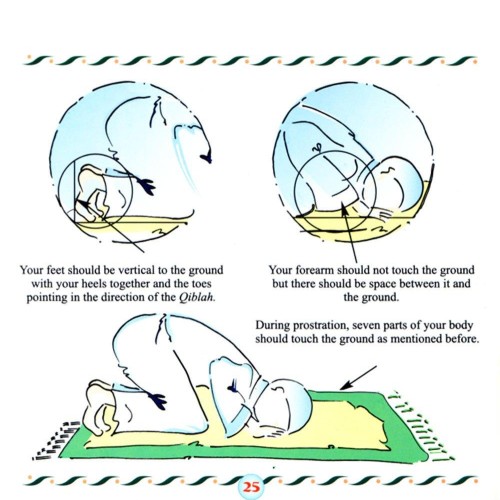
My Prayer Book
Highlights:
My Prayer Book A step by step guide to perfect your child’s obligatory prayer according to the Quran and the Sunnah
RM15.00
Indispensable Implication of Sunnah (P/B)
5 ★
5 ★
1 Rating
5 ★
1
4 ★
0
3 ★
0
2 ★
0
1 ★
0
Highlights:
The author has discusses the topic of innovation in Islam. For example, he proves that celebrating the Prophet’s birthday is not right according to the Qur’an and Sunnah.
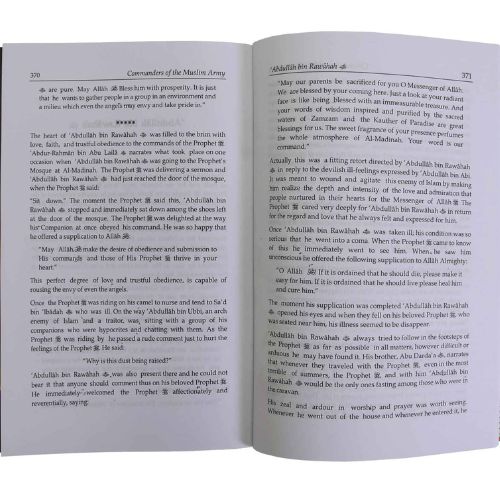
Commanders of the Muslim Army (H/B)
Highlights:
This book is about the lives of those Noble Companions and Commanders who led the Islamic forces in the violent and strife-torn arenas of conflict against the kuffar. They struck terror in the hearts of the enemy, and the strong forts and palaces of Caesar and Chosroes trembled before their might. In this compilation there are not only stories of the battlefields but also the stories of bravery and courage, valour and piety, austerity and simplicity.
RM60.00
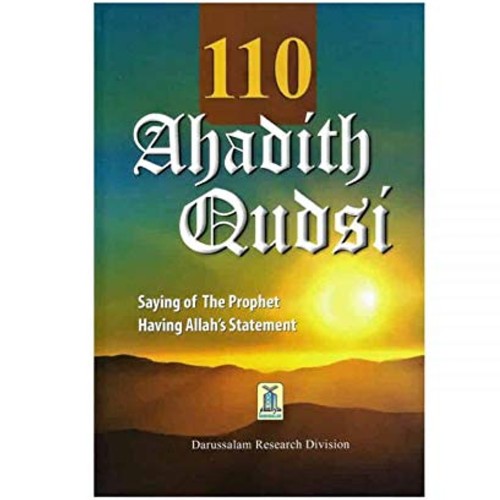
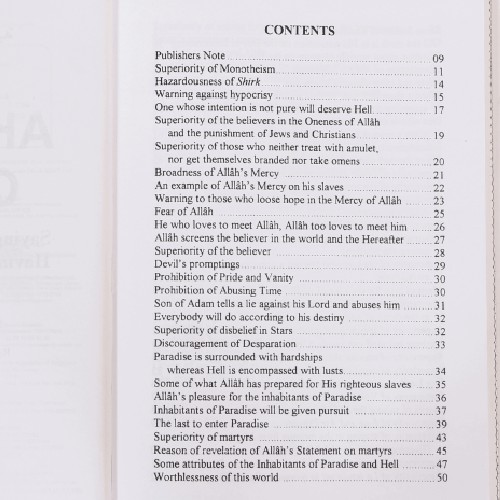
110 Ahadith Qudsi (3rd Edition)
Highlights:
Ahadith are the sayingd, deeds and approvals of the Prophet SAW under Divine guidance and are generally traced back to the Prophet SAW as regards their authority. But some Ahadith hold a distinct place and are termed as Ahadith Qudsi (Sacres Ahadith) and the authority in these Ahadith is attributed to Allah through the Prophet SAW. It is a collection of 110 such Ahadith relating to the important aspects of daily life so that the readers may get benefited from it for the success in this life as well as in the Hereafter.
RM35.00
RM50.00 – RM65.00Price range: RM50.00 through RM65.00
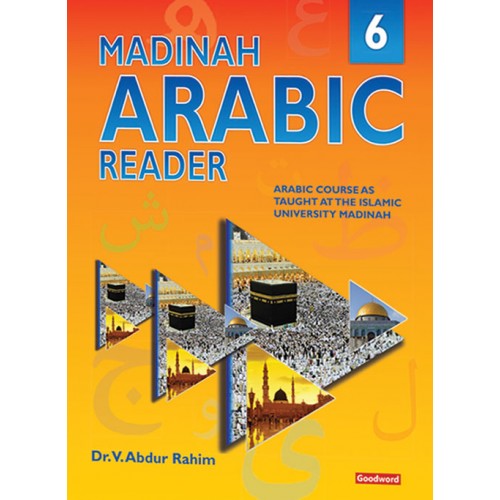
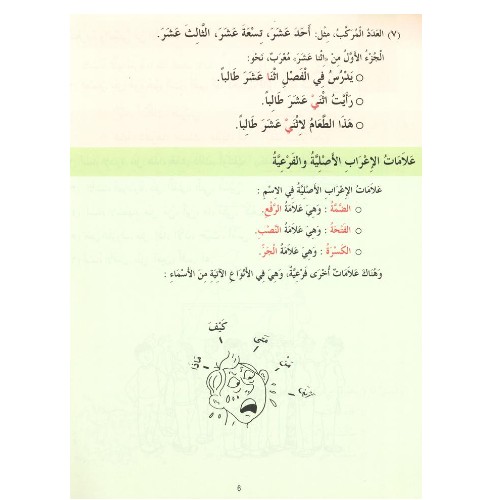
Madinah Arabic Reader (Book 6)
Highlights:
Professor Abdur Rahim, Director of the Translation Centre of the King Fahd Quran Printing Complex and former Professor of Arabic at the Islamic University of Madinah, Saudi Arabia, has authored texts designed to impart a knowledge of classical Arabic through applied grammar. Each lesson, based on a conversation, illustrates distinctive language patterns. These patterns are elucidated by a variety of helpful exercises. The vocabulary ranges from classical and Quranic Arabic to modern Arabic. This series of books is currently being utilized at various schools to prepare students for the University of London (UK) GCE O-Level and A-Level examinations.
RM30.00
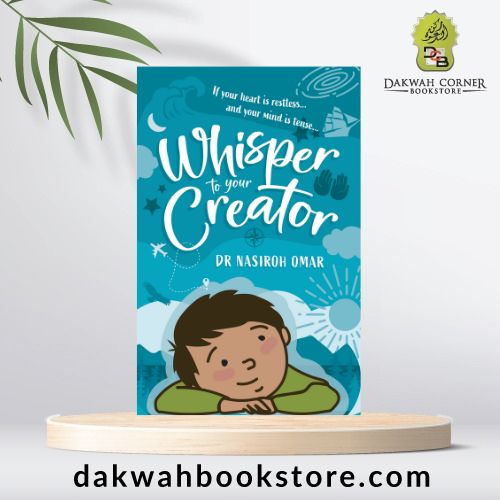
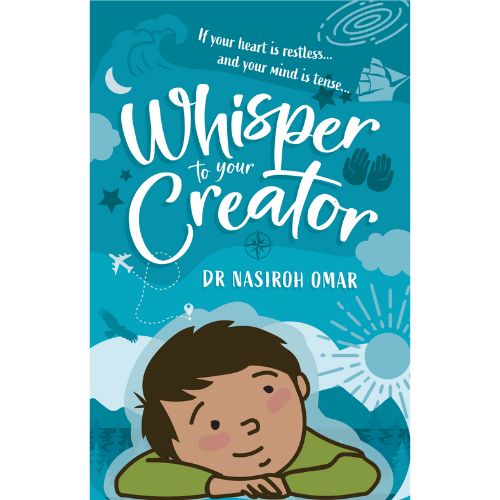
Whisper to your Creator
Highlights:
Whisper to your Creator”, a collection of thoughtful notes spanning the realms of the womb to this world and beyond, will take you on an exploration of self-reflection. The author of this book encourages readers to value the route chosen by our Creator, Allah SWT. Which world is the most important? Why do we need to organize our lives so carefully? In times of misfortune, sadness, and trouble, who should we turn to? The Quran, the human life guidebook, tackles these issues. This enlightening book emphasizes the short duration of our earthly existence, encouraging readers to appreciate each moment and seek Allah SWT’s blessings in whatever we do.
RM29.00

Mapping The Secular Mind (IIIT)
Highlights:
The secular mind had a grand plan, to establish an earthly paradise, a utopia of the here and now, a modern civilization governed by human reason, rationality, and the triumph of progress. Whilst ideals are one thing, the means to realize them is something else. Away from the hype, emancipating humanity from the shackles of God and religion has proved no easy matter. Mapping the Secular Mind critically examines issues of reason, rationality, and secular materialism, to explore how these mental perceptions, or ways of mapping the world, have affected human interaction and sociological development. It does this by comparing and contrasting the ideas of Abdelwahab M. Elmessiri (1938 2008) a leading Arab intellectual, and Zygmunt Bauman (1925), one of the world s foremost sociologists. In the last few decades, an emergent Western critique of modernity has inspired Muslim intellectuals to develop new ideas, images, terms and concepts that state their positions towards the tendencies of secular modernity, its transformations and consequences, and how it manipulates perceptions of reality. The book challenges foundations of secular ideology to argue that its aspirations have deeply transformed human consciousness and man s sense of self, leaving him a creature of purposeless consumption, wearied by the search for fulfillment, and controlled by materialistic laws governing physical phenomena. It also offers a more darker thesis, that Fascist Germany and the Eugenics movement were a form of Social Darwinism taken to its logical course. These were not an aberration from the principles of modernity, Ali argues, but a consistent outcome of the modern worldview, with the seeds of self-destruction being woven into the very fabric of the philosophy.
RM86.00
There are no reviews yet.