

| Weight | 0.15 kg |
|---|---|
| Dimensions | 17 × 10 × 0.6 cm |
| Author | |
| Pages | 119 |
| ISBN | 9786297545561 |
| Year of publication | 2025 |
| Publisher | Dakwah Corner Bookstore |
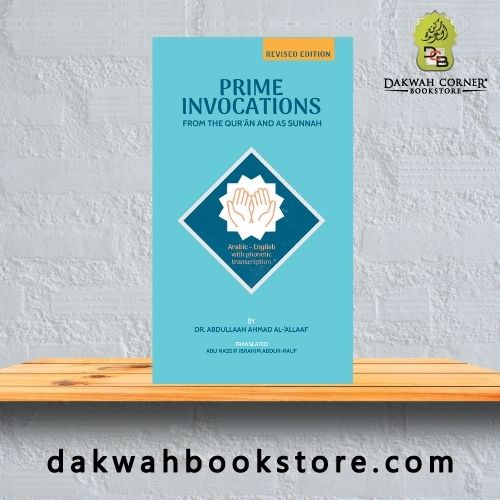
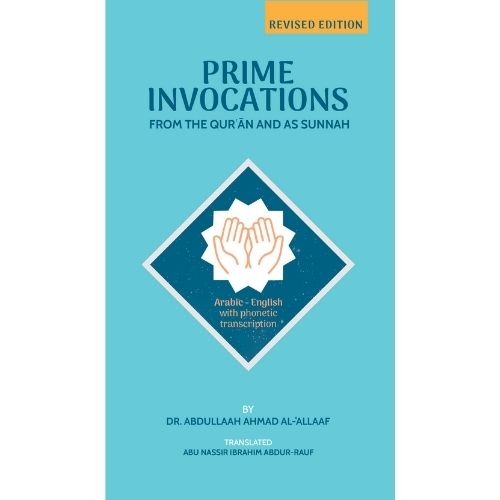
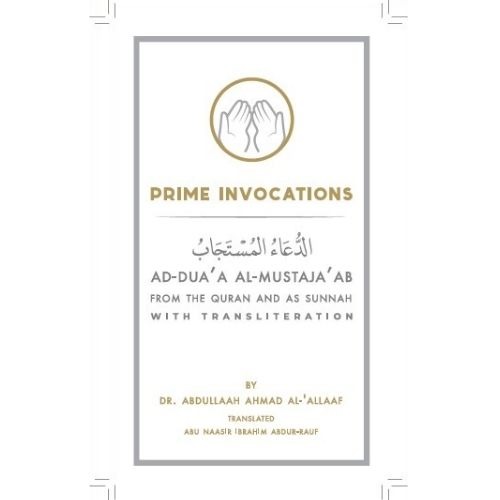
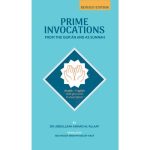
Prime Invocation from the Quran and Sunnah (Revised Edition)
RM17.00
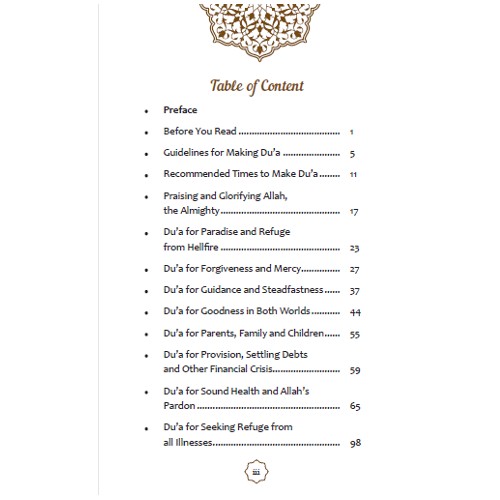
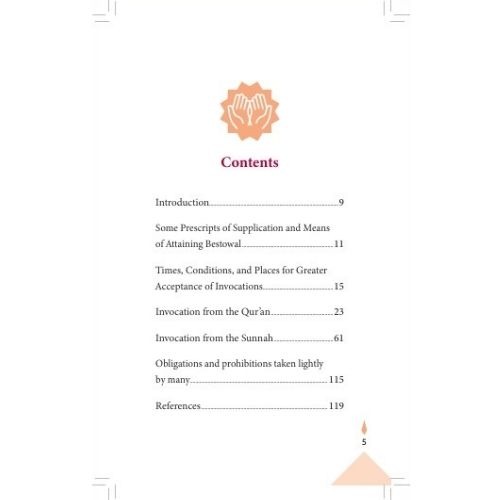
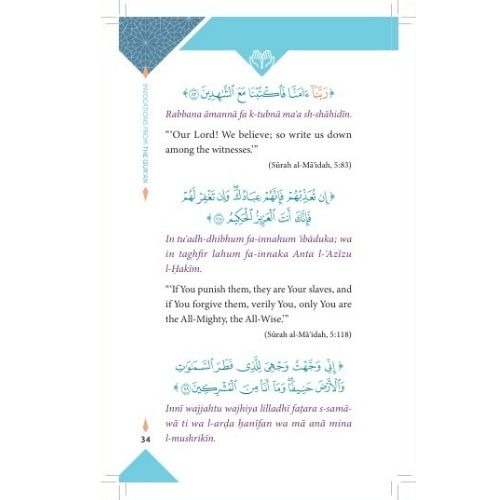
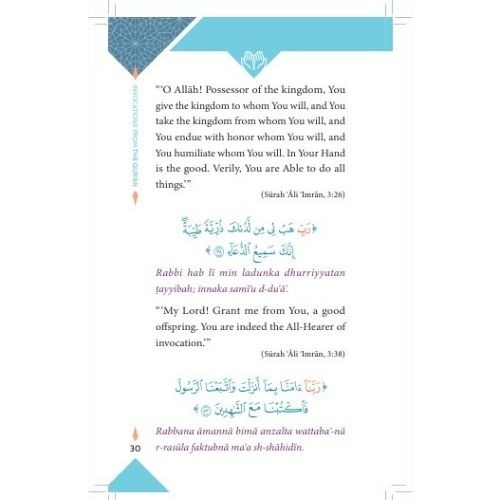
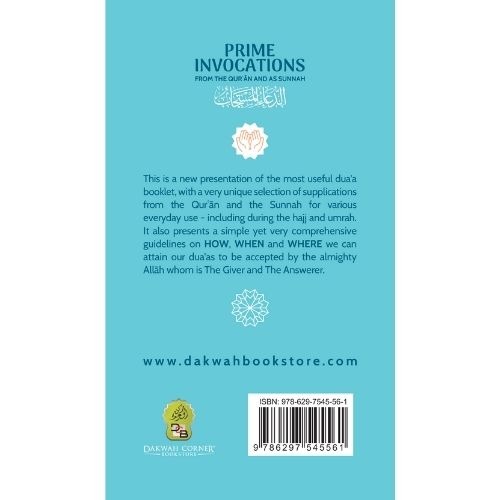
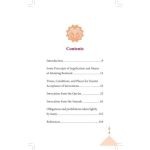
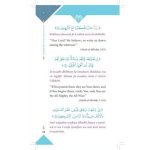
This is a new presentation of the most useful dua’a booklet, with a very unique selection of supplications from the Quran and the Sunnah for various everyday use – including during the hajj and umrah. It also presents a simple yet very comprehensive guidelines, on HOW, WHEN and WHERE we can attain our dua’a to be accepted by the almighty Allah whom is The Giver and The Answerer.
Frequently Bought Together
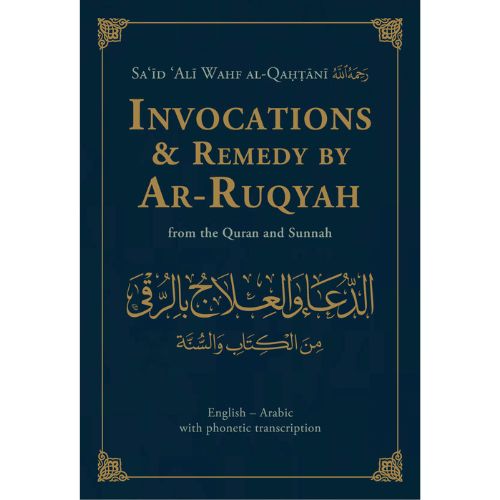
Invocations & Remedy By Ar Ruqyah From The Quran And Sunnah (Leather / Medium Size)
Be the first to review “Prime Invocation from the Quran and Sunnah (Revised Edition)” Cancel reply
You must be logged in to post a review.
Related Products
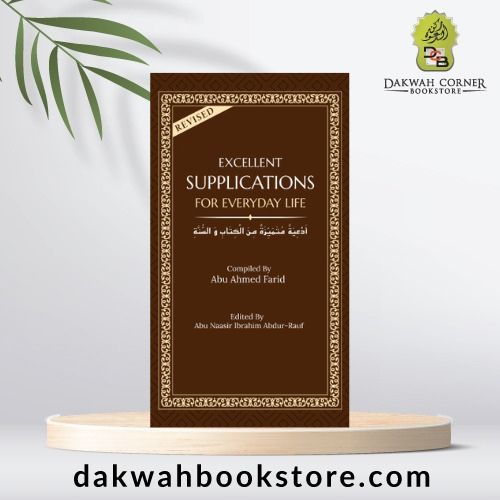
Excellent Supplications For Everyday Life (Revised)
This concise and beautiful collection of supplications is a selection from the Noble Qur’an and authentic traditions of the Prophet Muhammad ﷺ.
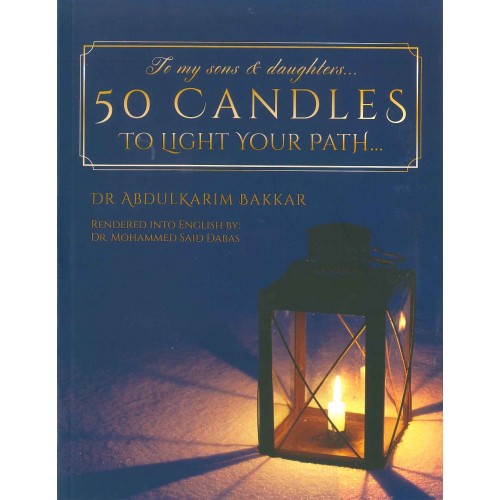
50 Candles To Light Your Path (P/B)
One goal brings them together : how to improve the well-being of our sons and daughters, how to aid them towards threading the path of guidance to engender their excelling in their academic, work and other facets of life.
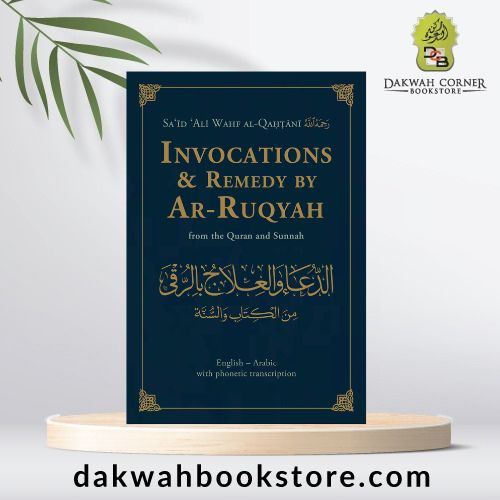
Invocations & Remedy By Ar Ruqyah From The Quran And Sunnah (Leather / Medium Size)
This is a medium-sized translation of the book, ‘INVOCATIONS AND REMEDY BY AR-RUQYAH’ by Shaykh SAID ‘ALI WAHF AL-QAHTANI رحمه الله .
In this work, the author meticulously compiled authentic invocations as well as remedies which pertain to Ar-Ruqyah from the Quran and Sunnah. He also discusses the best times and places for invocations to be accepted.
Shaykh Sa’id is highly regarded in this genre, with his famous book, ‘Fortress of the Muslim’ having been embraced by Muslims worldwide as a reliable source for daily invocations.
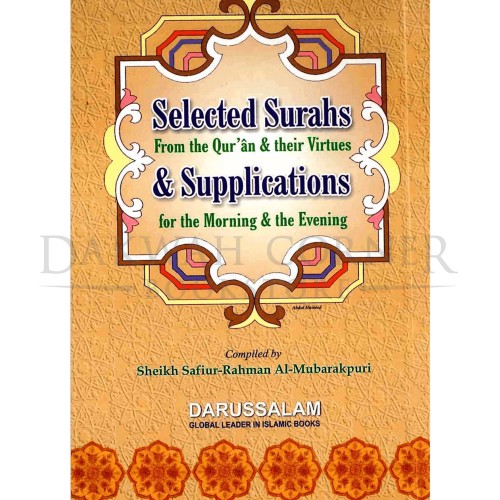
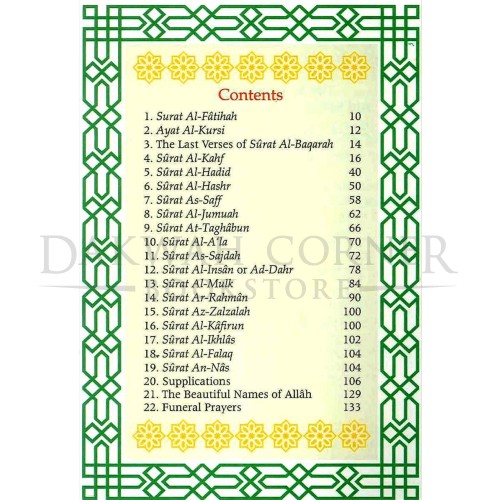
Selected Surahs and Supplications Pocket Size (P/B)
Selected Surahs & Supplications for the Morning & Evening
From Quran & Their Virtues
Compiled by Sheikh Safiur-Rehman al-Mubrakpuri
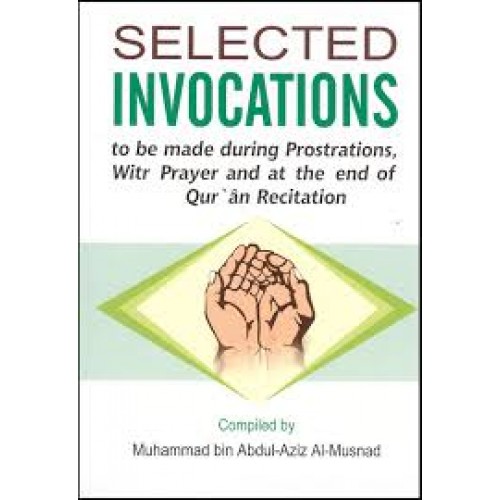
Selected Invocations (Pocket Size) (P/B)
This small booklet has many excellent invocations to read during prostration, witr prayer, and at the end of Qur’anic recitation.
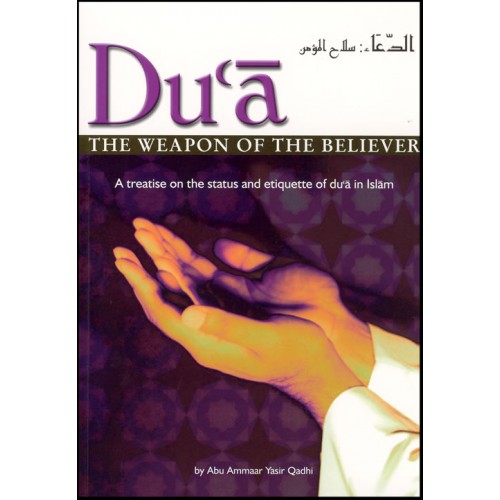
Du’a The Weapon of The Believer
The recommended etiquette of performing dua
The timings and situations in which the dua is more likely to be answered
The various factors that aid or prevent a dua from being accepted
The relationship of dua with the Divine Decree (qadr)
The wisdom behind a delayed response
This is a highly informative and essential book for every Muslim household. In this work, the author elaborates on the status, importance, and etiquette of du’a or prayer and supplications in Islam. In the most comprehensive work yet written in English on this topic, the author discusses, amongst other matters:
- The excellence and benefits of the dua
- The types of dua
- The pre-conditions that are needed in order for a dua to be accepted
- The recommended etiquette of performing dua
- The timings and situations in which the dua is more likely to be answered
- The various factors that aid or prevent a dua from being accepted
- The relationship of dua with the Divine Decree (qadr)
- The wisdom behind a delayed response
This is a highly informative and essential book for every Muslim household.
A Child Reads (Successful Family Upbringing Series-06)
A Statement Regarding Fiqh Of Du’aa (P/B)
He who reviews the Qur’aan will find that the Book of Allaah, the Mighty and Majestic, is replete with many verses and a number of texts indicating the virtue of Du’aa and the loftiness of its status. When you read the Qur’aan, you will find that the first Soorah with which the book of Allaah, the Mighty and Majestic, begins with it; Soorah Al-Faatihah contains this tremendous act of worship, and the last of the Qur’aan Soorah An-Naas as well, contains this tremendous act of worship.
So the Book of Allaah, the Mighty and Majestic, begins with Du’aa and ends with it. The Du’aa, which is within Al-Faatihah, is the greatest of supplications hands down. (It contains) asking Allaah, the Blessed and High, for guidance to the straight path and that the servant avoids the paths of those who are astray and those upon whom is the Anger of Allaah. The last of the Book of Allaah, the Mighty and Majestic, contains the Du’aa of seeking refuge with Him, Glorified and Exalted be He, from the evil of the one who whispers and withdraws; the one who whispers into the hearts of mankind; from the Jinn as well as men, in order to make them deviate from the straight path of Allaah and the upright way.
Allaah informs us that Shaytaan says:
Then I will come to them from before them, and behind them, from their right and their left, and You will not find most of them as thankful ones (i.e., they will not be dutiful to You).[1]
So there is no firmness upon the straight path of Allaah, nor safety from the accursed Shaytaan-who calls mankind to deviation from the straight path-except by way of Du’aa and seeking refuge with Allaah, the Majestic and High; and a good manner of taking refuge with Him. This beginning and ending contain an indication of the importance of Du’aa from different perspectives; and the need of mankind for Du’aa to be firm upon the straight path of Allaah. When you reflect upon the other verses of the Qur’aan, you find the great status of Du’aa and lofty station of it within the Qur’aan.
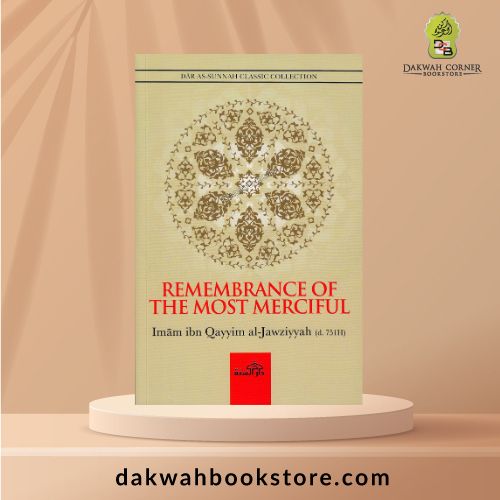
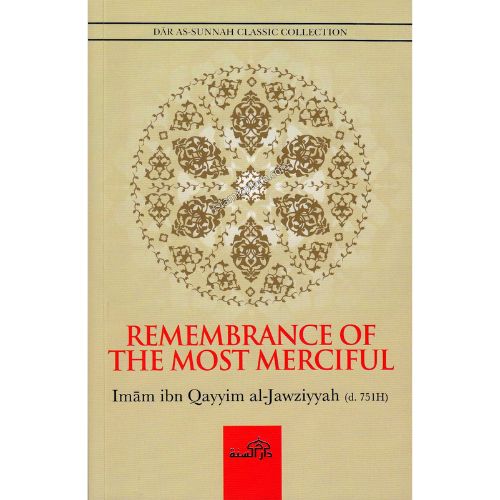
Remembrance of The Most Merciful ( Dar sa-Sunnah)
Imâm ibn Qayyim al Jawziyyah (d. 751M)
Allah, the Most High, Says: “Remember Me, and I shall remember you” Qur’an 2:152 Abu Hurayrah (radiy Allahu ‘anhu), said that the Prophet (if) said: ‘Allah the Almighty said:’ “I am as My servant thinks of Me. I am with him when he makes mention of Me. If he makes mention of Me to himself, I make mention of him to Myself; and if he makes mention of Me in an assembly, I make mention of him in an assembly better than it. And if he draws near to Me an arm’s length, I draw near to him a cubit, and if he draws near to Me a cubit, I draw near to him a fathom, if he comes to Me walking, I go to him at speed. (al-Bulkäri and Muslim)
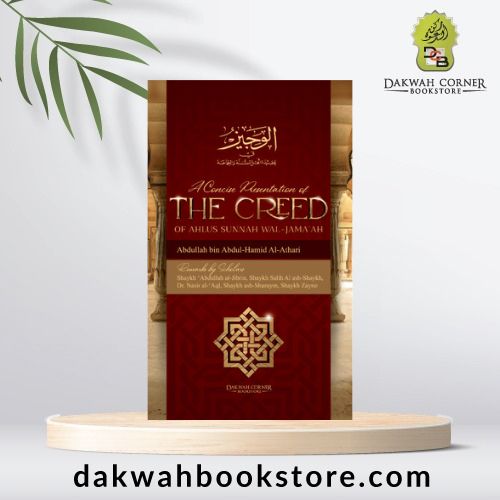
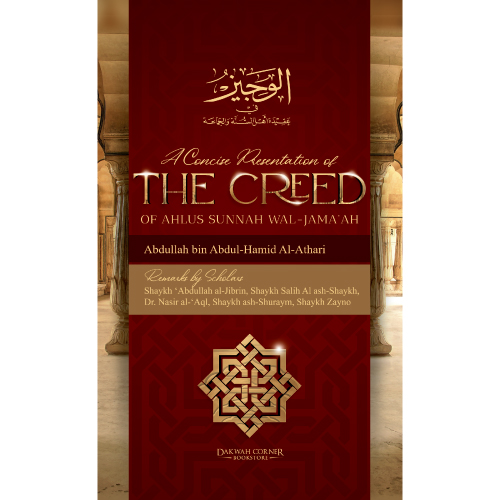
A Concise Presentation Of The Creed Of Ahlul Sunnah Wal Jama’ah
A Concise presentation of THE CREED OF AHLUS SUNNAH WAL-JAMA’AH: is an explanation on the beliefs of the Pious Predecessors of this Ummah. They include the companions, their followers and successors who have followed them in goodness and those who upheld the real and true Islam brought by the last Prophet Muhammad SAW.
Recently Viewed
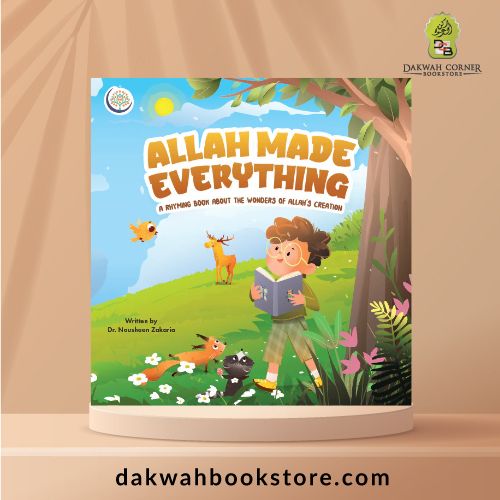
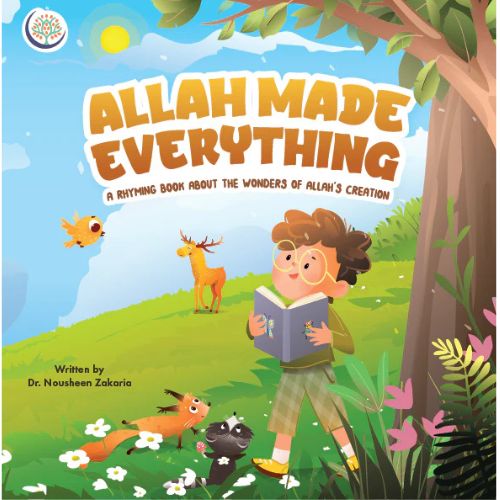
Allah Made Everything (P/B)
Allah Made Everything is a heartwarming rhyming journey that invites children to reflect on the wonders of creation—birds that soar, oceans that flow, mountains that rise, and families filled with love.
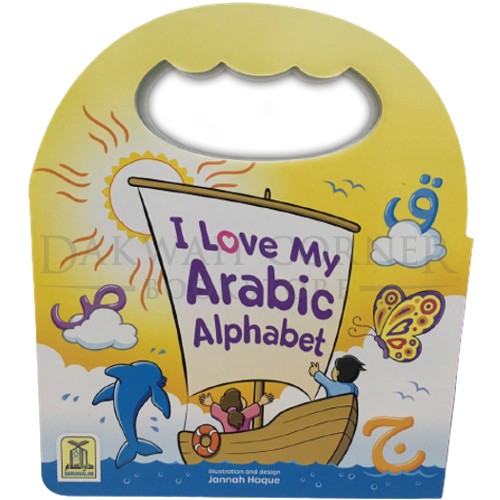
I Love My Arabic Alphabet (without Eyes)
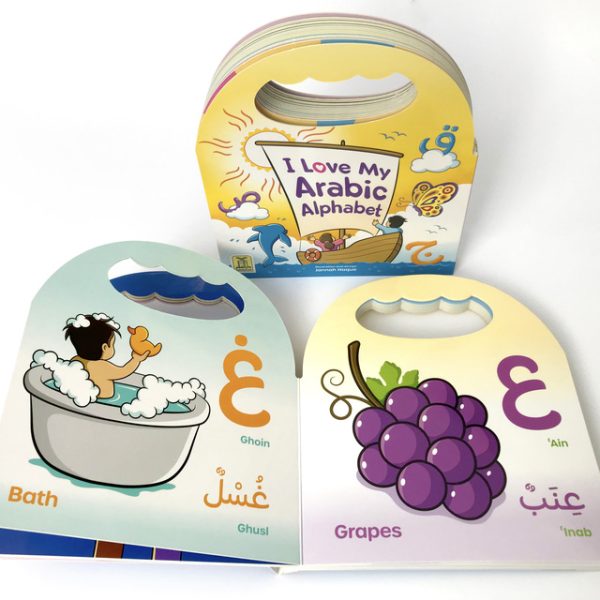
I Love My Arabic Alphabet
Create a Fun and Loving Connection
Get your child excited and engaged with this colourful and charming alphabet book with bold, friendly illustrations and carefully selected simple words from the Quran. Give your child an early start in recognising and loving Arabic letters and words while building a strong spiritual connection that will last a lifetime.
Faith First: A Guide To Awakening Iman
“Fait first is based on a simple premise: Begin with faith, and the rest will follow.”
My Favourite Prophet Muhammad Stories
Formerly known as The Prophet Muhammad Storybook -1
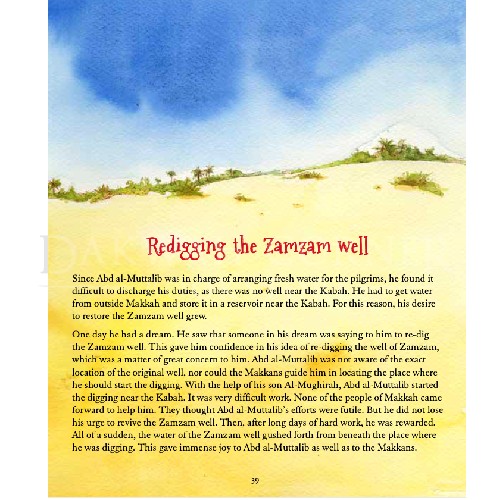
This book takes you back to the early days of Makkah, to a period long before the birth of the Prophet Muhammad . It relates fascinating stories about the Kabah and how the pilgrimage to it and trade with far-off lands such as Yemen, Syria, Iraq, Persia were organized along the silk route by the Prophet?s great grandfather.
Everything is covered from the re-digging of the Zamzam well to the year of elephants, to the birth of the Prophet Muhammad, and then on to his childhood in the desert and his early life in Makkah.The Prophet Muhammad Storybook, meant for 7 year olds and above, encourages children to discover for themselves the message of the life of the Prophet and to find their own ways of applying the Prophet?s timeless teachings to their lives. With its colourful, child-friendly illustrations, this book is perfect for reading to your children or grandchildren, and is excellent for use at home or at school.
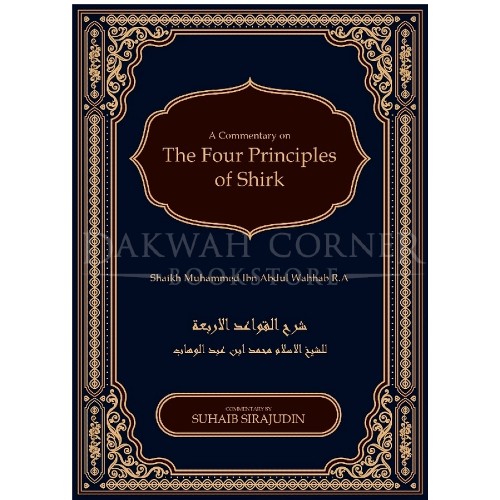
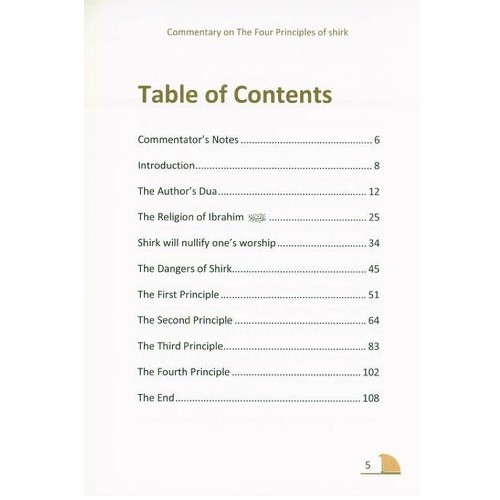
A Commentary on The Four Principles of Shirk
A commentary on the treatise of Shaikh Muhammed ibn Abdul Wahhab’s ‘Qawaidul Arba’ah’ The Four Principles of Shirk. In this treatise, the Shaikh discusses and brings the evidence for four principles; about knowing the disbelievers, knowing what they worship, that they differ in their religions, and the mushrikeen of now are worse than those before.
A Hanbali Epitome: A Student’s Guide
The present work focuses on the Muslim community requires for purification, prayer, charity, fasting, pilgrimage, and warfare. A lengthy introduction to Islamic law and the Hanbali’ school has been included to prepare the readers. The language employed in the translation has been kept simple, straightforward, and modern to make the work accessible to everyone who speaks English – law student or otherwise. This bilingual edition, with its parallel Arabic text, will allow readers to access the original Arabic and hopefully help with vocabulary building, oracy, and future translation. Muslims for many centuries have turned to Dalil al-Talib for study, and ultimately to be informed of their religious practices. It is hoped the translation, The Student’s Guide, will produce a similar response and convey the spirit and manner of the original owing to its style and simplicity.
Worship In Islam: An In-depth Study of Ibadah, Salah and Sawm (P/B)
Worship in Islam is in-depth study of the nature and significance of Islamic spirituality by Abul A‘la Mawdudi (1903–79), one of the leading Muslim intellectuals of the twentieth century, with special reference to the concepts of God’s Oneness (tawhid), the finality of Prophethood (risalah) and the Islamic system of worship (‘ibadah) with a focus upon prayer (salah) and fasting (sawm) and their role in the development of the Islamic personality and Islam’s social order. The distinguishing feature of Mawdudi’s approach is his elaboration of the social dimension of worship, which extends the traditional approach found in Islamic jurisprudence, with its focus upon ritual and self-purification, to consider worship’s transformative role in social life. Presenting a holistic view of the Islamic system, Mawdudi highlights Islam’s social, economic and political dimensions, which he argues has the capacity to resolve emergent issues and problems that humankind faces.
This historic text should be of wider interest to both students and specialists in contemporary Islamic thought, and includes an introduction by Professor Anis Ahmad.
Edited and translated into accessible English by Ahmad Imam Shafaq Hashemi, this book is an authoritative compilation by a leading Islamic twentieth-century revivalist on the central matter of worship’s role in Islam.
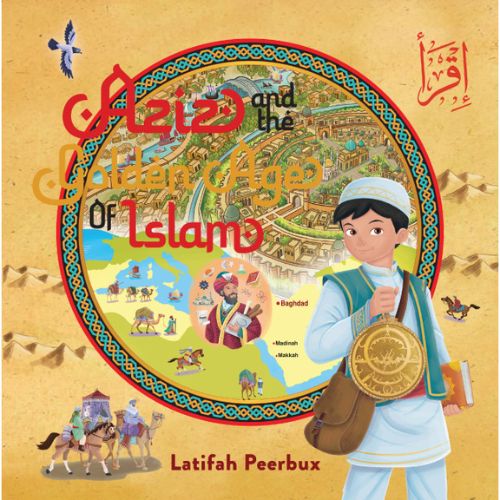
Aziz and the Golden Age – Activity Kit
An activity Kit is free to download. You can purchase a physical book HERE without this activity kit.
The Purpose of Creation (P/B)
Mankind must know about the purpose of their existence, their responsibility towards their Creator, and what they must do in preparation for the Day in which they shall return to Him – this work addresses these issues aptly in the authors usual readable style.
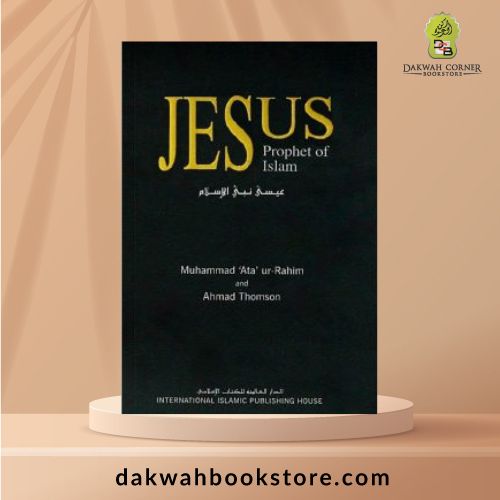
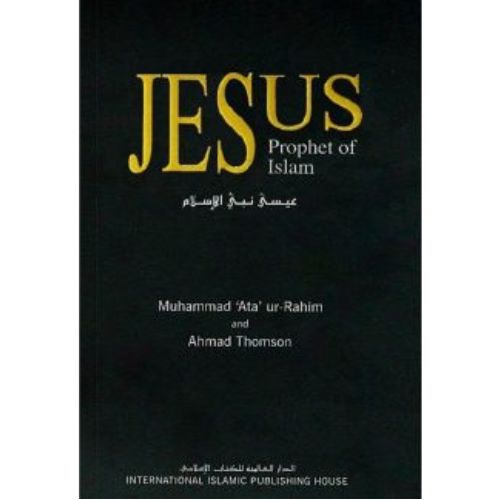
Jesus Prophet of Islam (H/B) – IIPH
1996 expanded and revised edition. This book examines Jesus as a prophet teaching the Unity of God, and the historical collapse of Christianity as it abandoned his teaching. The author sketches the dramatic picture of the original followers of Jesus who affirmed Unity. What emerges is that “Christianity” is the fiction that replaced their truth. A work that covers the Gospel of Barnabas, the Gospel of Hermes, the Shephard, early and later Unitarian Christians, Jesus in the Gospels and in the Qur’an and Hadith. The author clearly shows the idea of Jesus as part of a Trinity was a Greek Pagan idea adopted by early Christian mission-aries to gain converts among the Greek, and did not become a widely accepted Christian doctrine until after the Council of Nicea in 325 A.D.


There are no reviews yet.