| Weight | 0.53 kg |
|---|---|
| Dimensions | 23.5 × 16.5 × 1.5 cm |
| Author | |
| Binding | Paperback |
| ISBN | 9789678609852 |
| Pages | 357 |
| Year of publication | 2021 (1st Edition) |
| Publisher | Karya Bestari Sdn Bhd |
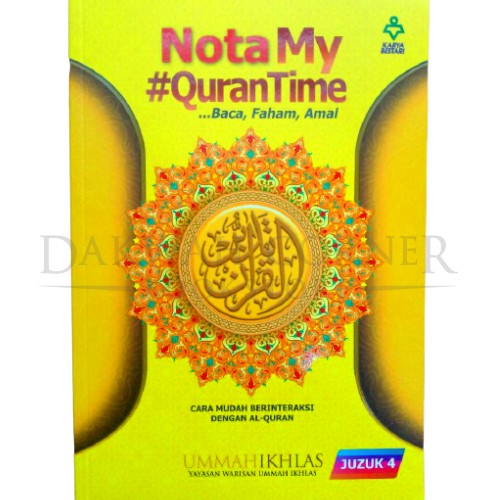
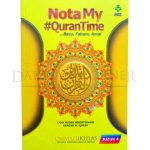
Nota My #QURANTIME Juzuk 4
RM30.00
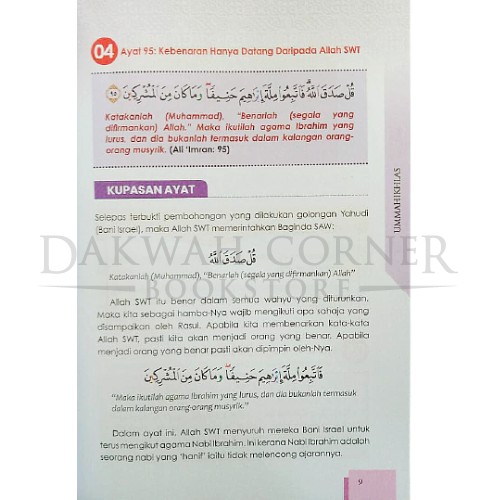
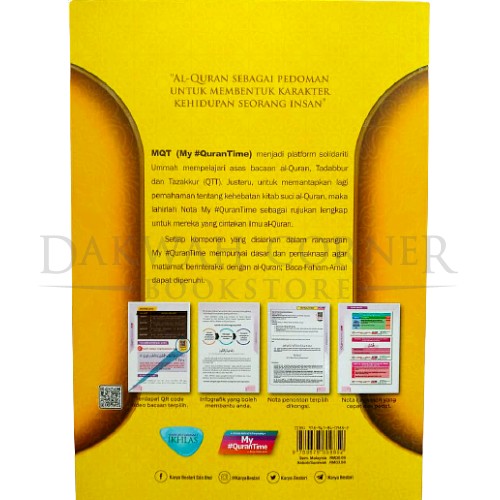
Sejajar dengan tujuan program My#QuranTime yang disiarkan di TV ALHIJRAH Iaitu mahu menjadi platform solidariti ummah mempelajari asas bacaan al-Quran, Tadabbur dan Tazakkur, maka lahirlah naskhah lengkap: NOTA MY #QURANTIME sebagai panduan lengkap buat mereka yang cintakan al-Quran.
NOTA MY #QURANTIME Juzuk ke-4 membincangkan:
- Mengenai Hukum Memakan harta anak yatim
- Mengenai Kewajipan menjaga harta anak yatim
- Mengenai kebenaran mengambil harta anak yatim dalam keaadaan tertentu
- Mengenai Pembahagian harta pusaka mengikut hukum faraid
- Mengenai Hukum wanita yang melakukan perbuatan keji
- Mengenai lelaki yang ingin mengambil kembali mas kahwin yang telah diberikan (selepas bercerai).
- Mengenai 12 golongan yang haram dikahwini
Nota ini juga merangkumi:
- Satu buku, satu juzuk
- Nota pilihan daripada penonton
- Aplikasi QR code untuk video bacaan terpilih
- Nota ringkasan yang padat tapi mudah difahami
- Peta infografik berwarna yang dapat membantu pemahaman pembaca.
Be the first to review “Nota My #QURANTIME Juzuk 4” Cancel reply
You must be logged in to post a review.
Related Products

Starting from Scratch – Tajweed Made Easy
Holy Quran and Quranic Sciences
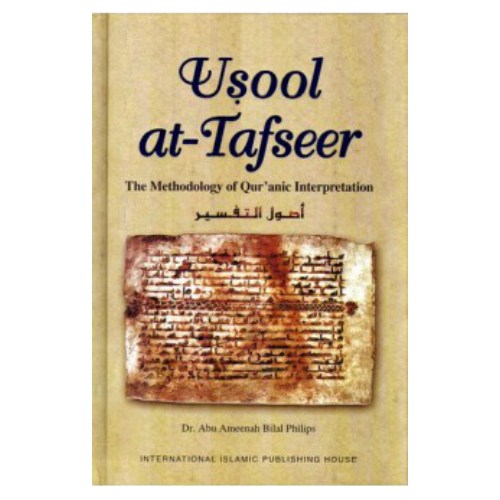
Usool at-Tafseer (H/B)
Usool at-Tafseer, essentially refers to the branches of knowledge necessary for providing an accurate interpretation of the Quranic texts, such as Arabic grammar and syntax, Arabic literature and Quranic sciences (Uloom al-Quran). Familiarity with modern fields of learning, like the pure sciences and social sciences is also necessary for a commentator in this era to make the Quraanic explanations relevant to human society. This book addresses the actual step-by-step methodology of interpreting Quran to ensure that interpretations are not merely the result of human whims and fancies.
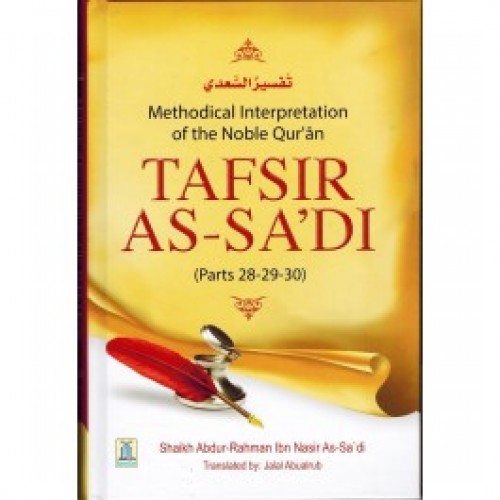
Tafsir As-Sadi (Parts 28-29-30) Methodical Interpretation Of The Noble Quran (H/B)
Tafsir As-Sa’di is a straightforward, easy to read, easy to understand explanation of the meaning of Qur’anic Ayat and statements. In addition to the simplicity of Ibn Sa’di’s writing, it is also articulate and eloquent.
Consequently, for those newly acquainted with Tafsir and those new to Islam, this Tafsir provides an uncomplicated, deep and insightful comprehension into the meaning and explanation of the Qur’an.
The uniqueness of this Tafsir is in the style the Shaikh used to explain the Ayat in a way that it is similar to everyday writing, without listing the various prophetic sayings or statements of the scholars of Tafsir, which Shaikh Ibn Sa’di used as a basis of his Tafsir.
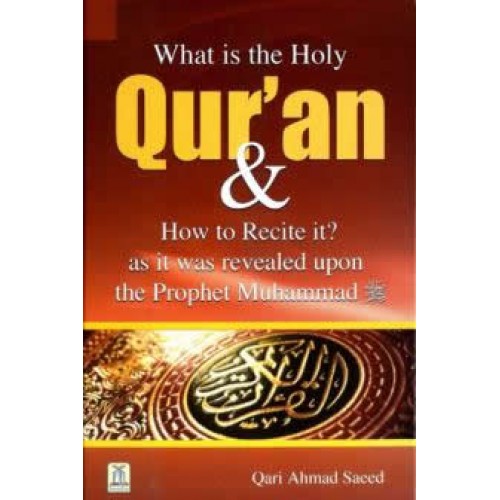
What is the Holy Quran & How to Recite it? (H/B)
This book guides readers to pronunciate the Arabic alphabet from their correct point of articulations. It also guides them to recite the Holy Qur’an according to the laws and principles of the art of recitation and intonation.
The correct pronunciation of the Arabic words and alphabet was difficult to some extent for the people living in the West as compared to those of East. So they need some more efforts to solve this problem and to make it easy for them.
By the grace of Allah, this book will do the job successfully and in a very convenient way.
The Sources of the Qur’an
“Who is the author of the Qur’an?” On this subject scholars have flagrantly contradicted each other. This work attempts to make a critical review of the major ‘authorship’ theories by pressing into service logical arguments, historical evidence, textual analysis and scientific data. Probably, the only point of agreement about the Qur’an is that it was uttered for the first time by a man who was born in Makkah (Mecca), a city of Arabia, in the sixth century—a man by the name of Muhammad (blessings and peace be upon him). As to the source of the Qur’an, scholars are divided into three main groups: those who believe that Muhammad (blessings and peace be upon him) himself was the author; those who believe that he was not the author himself but learned it from another human author or authors; and those who believe that the Qur’an has no human author but is rather a word-for-word revelation from God. Hamza Njozi examines the three theories and comes to a firm and logical conclusion.
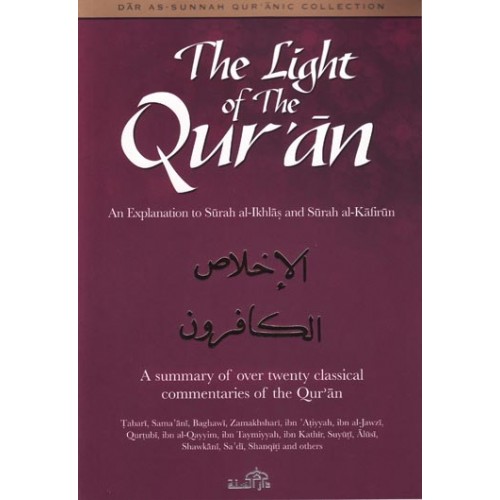
The Light of The Qur’an
The Prophet peace and blessings of Allah be upon him, passed by a person reciting Surah Al – Kafirun and remarked, “He has been saved from shirk”. He passed by another reciting Surah Al – Ikhlas and remarked. Paradise has become obligatory for him. Reported by Muslim.
These two chapters have both been given the title Al-Ikhlas, or purity of faith, because they deal with the topic of Tawhid in all its various aspects. Al – Ikhlas concentrates on the pure, essential faith in Allah that all mankind is required to have. Al – Kafirun deals with purity of deed and disavowal of disbelief and paganism. Both chapters lay out the parameters of mans relationship with his/her lord and creator, as well as his/her relationship those around him/her.
Pure, unblemished monotheism combined with sincerity in belief and deed defines the relationship with Allah. Hi is one and only true God, unique, without peer, equal or opposite, and nothing is like on to him. He is the one who stands in need of nothing whereas everything is in dire need of him.
Maintaining the essential Muslim identity and character defines the relationship between the Muslim and his fellow man. The Muslim is unambiguous about his religion, truthful and upright in speech, deed and his dealings with those around him. Hi is proud of his faith and has unshakable conviction in it. He loves his lord, his Messenger and the Muslims and is loyal to them. Because of this, the dearest thing to him is his religion and he will not compromise it, pleasing Allah comes before pleasing the people.
The prophet would frequently recite these two chapters in prayer because of the commonality of their theme and to stress that success is achieved, in this life and the next, by internalising their message and living by it.
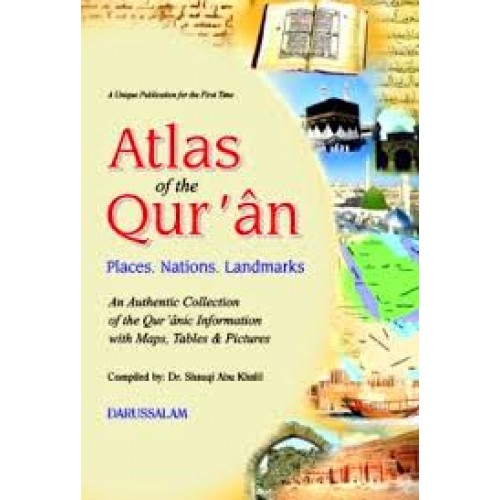
Atlas of the Qur’an (Darussalam)
This Atlas is new in its subject, a subject that has not been touched before. It helps whoever recites the Qur’an or studies it to specify the locations mentioned by the Noble Verses, and to mark those places of ancient people mentioned in the Qur’Gn. This is besides locating areas where the incidents of the prophetic Seerah occurred.
Eventually the diligent reader will easily recognize those places, learn about them, and take heed of them while reciting.
Eventually the diligent reader will easily recognize those places, learn about them, and take heed of them while reciting. The Atlas has also revealed obscure places we used to pass through inattentively, like the site where Nuh’s Ark settled, the site of the curved Sand-hills {Al Ahqah}, the cave of the young faithful men, the houses of median, the site of Sodom and other places determined by the Atlas depending on reliable sources.
Thus the Atlas eliminates all the guessing and the fantasies we used to encounter when reciting the Noble Quran, and takes us to the specific place.
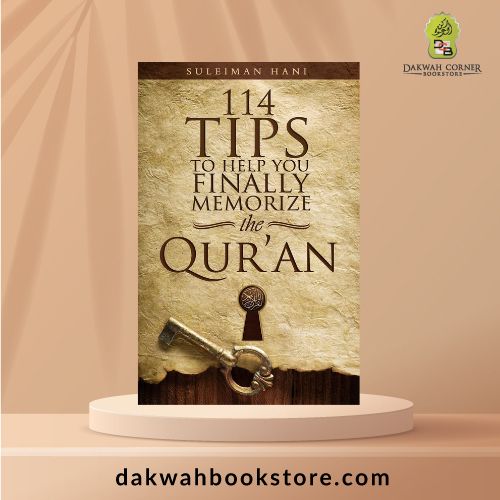
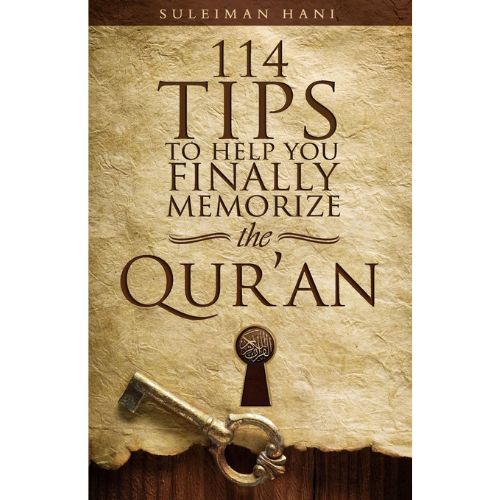
114 Tips to Help You Finally Memorize The Qur’an (P/B)
“114 Tips to Help You Finally Memorize the Qur’an is a concise book that aims to equip readers of all backgrounds with the information and techniques necessary in order to begin, continue with, and complete the memorization of the Qur’an, eliminating thereby the common excuse and reasons for not memorizing.”
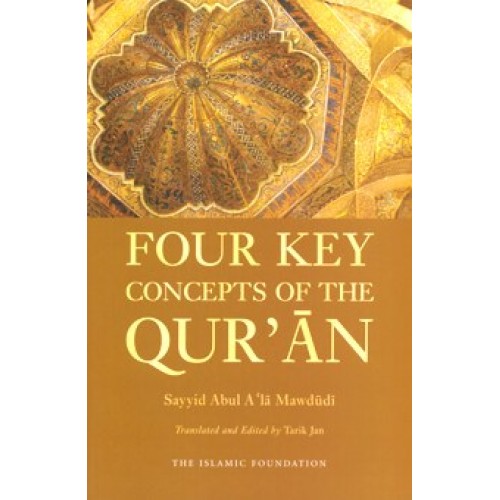
Four Key Concept of the Qur’an
Four Key concepts oF the Qur’An elucidates these basic Qur’anic concepts Ilah, Rabb, Ibadah and Din in order to bring out fully the Islamic way of life, as distinct from other perspectives. This elaboration goes a long way in developing a sound understanding of the Qur’an. It also explains the man-God relationship in Islam, guiding Muslims on how to lead their lives in total surrender to Allah.
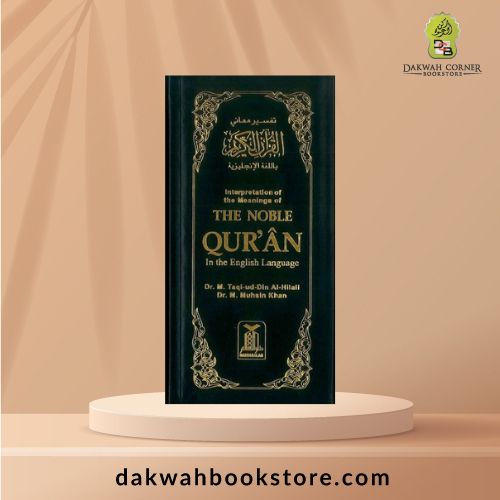
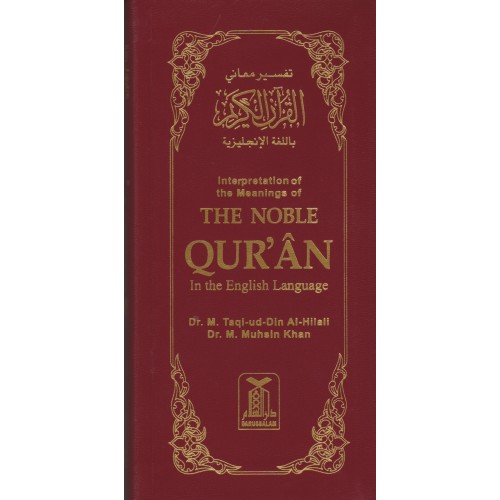
The Noble Quran (Tall Version English Text Only) (RANDOM COLOR)
Interpretion of the meanings of The Noble Quran in the English Language.
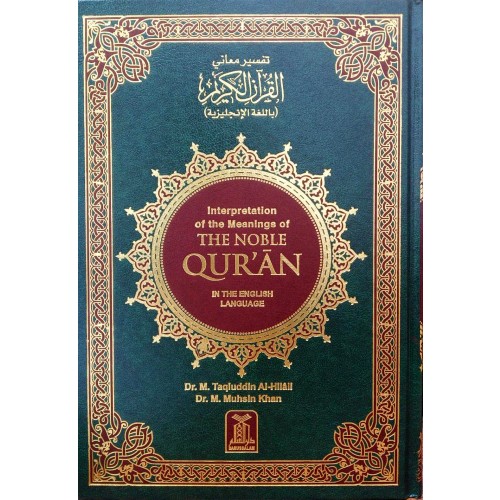
Interpretation of the Meanings of the Noble Qur’an in the English Language (17x24cm)
Note: Any order for this item, Please send to us your information details at sale@dakwahbookstore.com.
This item will be shipped directly from Dawah Corner Bookstore, Makkah to your address.
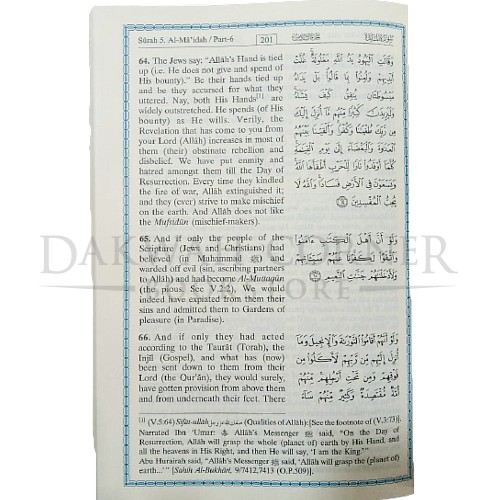
New type of Noble Quran with Arabic Mushaf Uthmani 15 lines/page print on the right side and English translation on the left side of every page. It also includes tafsir footnotes on the bottom of the English page.
Interpretation of the meanings of The Noble Quran with Arabic text in the modern English language.
The Magnificence of the Qur’an is a book that relates to us the countless miracles and benefits of the Holy Book of Islam. It expands on numerous aspects of the Quran, all of which point to its magnificence, as signified by the apt title. The author discusses everything from the methodology of studying the Qur’an to its characteristics, qualities and the manners with which one should approach it. It is much like a user’s manual that opens up a world of knowledge and facts about the Qur’an. For all audiences, this book is an invaluable companion to the Qur’an and one which serves to remind us of its eminence and its superiority to all other books. By discussing a series of seemingly miscellaneous topics, the author manages to create a whole picture of the Qur’an which surpasses any other guide of this academic nature.
Recently Viewed
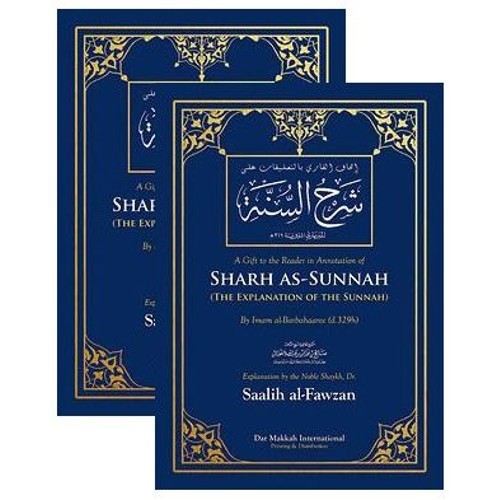
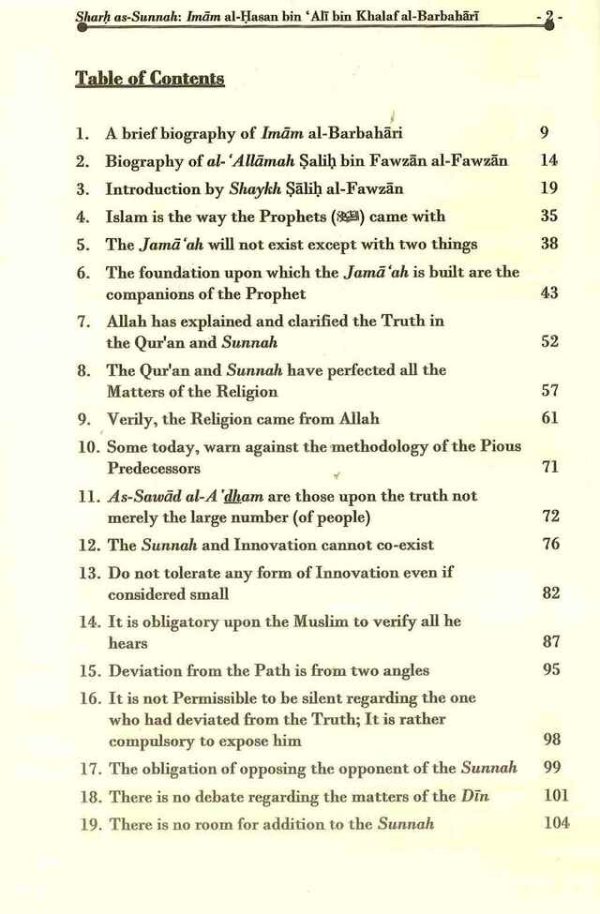
Sharh As-Sunnah : The Explanation of the Sunnah (2 Vol Set)
About The Book This is the highly beneficial two volume work in explanation of the famous works by Imam al-Barbahari (d.329h) by the esteemed & noble Shaykh, Dr Saalih al- Fawzan. Its importance can be seen by virtue of its being compiled in the early times; as it is one of the books of the earliest Salaf – those who lived in the same period with the great Imams, acquired knowledge from them and reported their pure Aqidah(creed) About The Author Imaam Al-Barbahaaree, rahimahullaah was a formidable and imposing Imaam of the 4th centuty Hijri who spoke out with the truth and called to the Sunnah and to the following of narrations. He also had renown and the respect of the ruler. In his gatherings, various circles for the study of hadeeth, the narrations and Fiqh were held. These were attended by many of the scholars of hadeeth and fiqh. The scholar, Abu ‘Abdillaah said: “If you see a person of Baghdaad loving Abul-Hasan Ibn Bashshaar and Abu Muhammad Al-Barbahaaree, then know that he is a person of the Sunnah.” The Imam Died in 329 Hijri
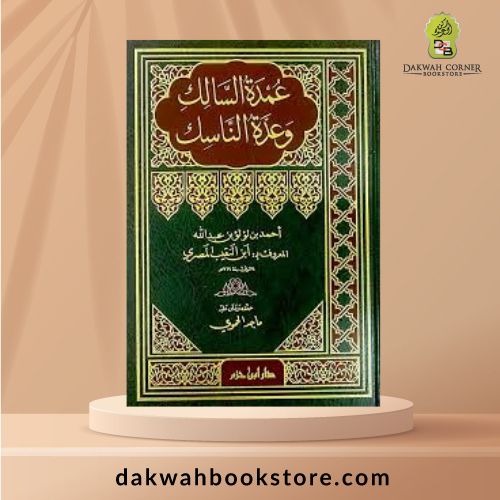
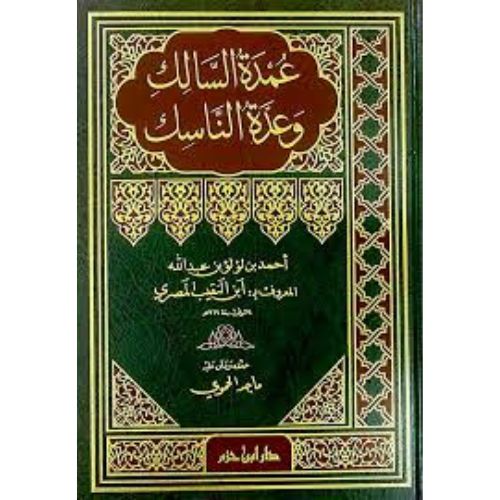
[SJ] Umdat As Salik Wa ‘Idah Al Nasik / عمدة السالك وعدة الناسك
“عمدة السالك” من تأليف ابن نقيب المصري، كتاب معروف في الفقه الشافعي، وهو على وجازته جامع لأبواب الفقه كلها، سهل التناول، كثير النفع، التزم مصنفه التصحيح على طريقة المتأخرين كما أشار في مقدمته.
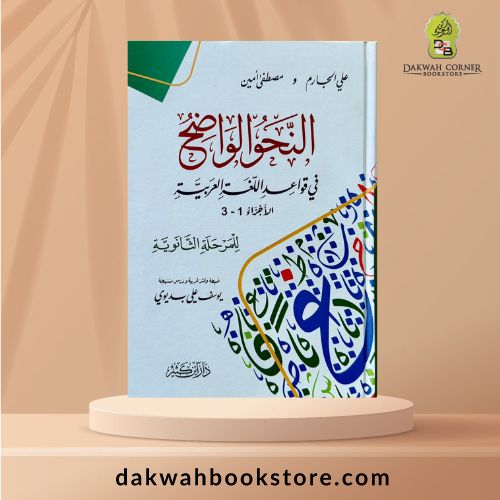
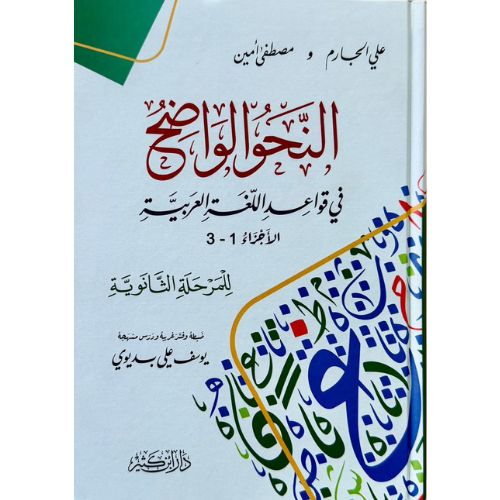
Al-Nahu Al-Wadih – Secondary – النحو الواضح (الثانوية)
أهمُّ كتاب في العصر الحديث يضمّ قواعدَ اللغة العربية، ويقع في جزأين: الأول: للمرحلة الابتدائية، والثاني: للمرحلة الثانوية.
يتَسم الكتابُ بعرض أكثر من أربعمئة قاعدة بأسلوب ميسّر، سلس، منهجيّ، لا يختلَ ولا يتغيّر، ويهتمَ بعرض الأمثلة الموضّحة، وشرح البحوث النحوية، واستخلاص القواعد في نهاية كلّ درس، ثم إيراد التدريبات… وذلك كله بطريقة الاستنباط القريبة من أذهان طلاب العلم.
وتمتاز هذه الطبعةُ بالمراجعة الدقيقة، وضبط النص ضبطاً متقناً، وشرح الغريب، وتسمية البحور، واعراب الأمثلة، مع ذكر فوائد تشبهُ القلائد في كثير من المواضع


There are no reviews yet.