

| Weight | 0.51 kg |
|---|---|
| Author | |
| Binding | Paperback |
| ISBN | 9789678609845 |
| Pages | 337 |
| Year of publication | 2021 (1st Edition) |
| Publisher | Karya Bestari Sdn Bhd |
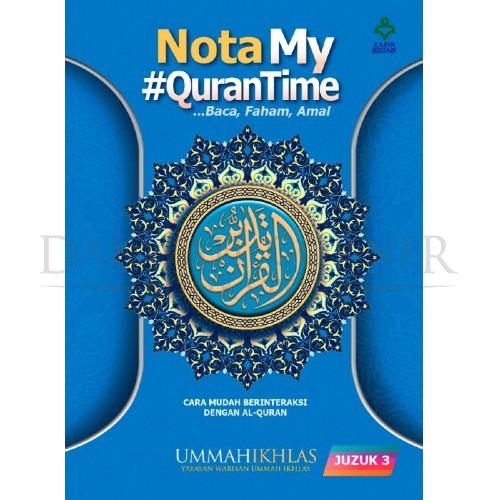
Nota My #QURANTIME Juzuk 3
RM30.00
Hurry up, Only 2 left.
Highlights:
somdn_product_page
Compare
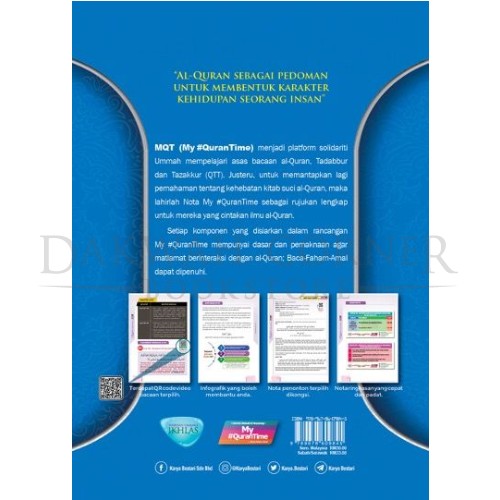
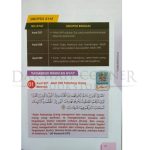
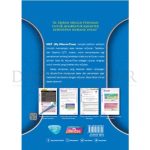
Sejajar dengan tujuan program My#QuranTime yang disiarkan di TV ALHIJRAH Iaitu mahu menjadi platform solidariti ummah mempelajari asas bacaan al-Quran, Tadabbur dan Tazakkur, maka lahirlah naskhah lengkap: NOTA MY #QURANTIME sebagai panduan lengkap buat mereka yang cintakan al-Quran.
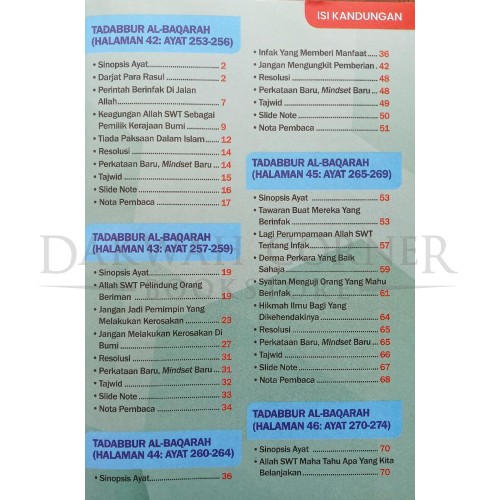
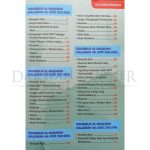
NOTA MY #QURANTIME Juzuk ke-3 ini lebih istimewa kerana di dalamnya terdapat lebih banyak perbincangan yang dikupas secara menyeluruh. Antaranya ialah:
- Pertukaran arah kiblat
- Kekal hidup bagi yang berjihad di jalan Allah
- Ujian Allah buat mereka yang bersabar
- Ganjaran buat mereka yang ditimpa musibah
- Laknat bagi mereka yang menyembunyikan kebenaran
- Hukum berniaga ketika musim haji
Nota ini juga merangkumi:
- Satu buku, satu juzuk
- Nota pilihan daripada penonton
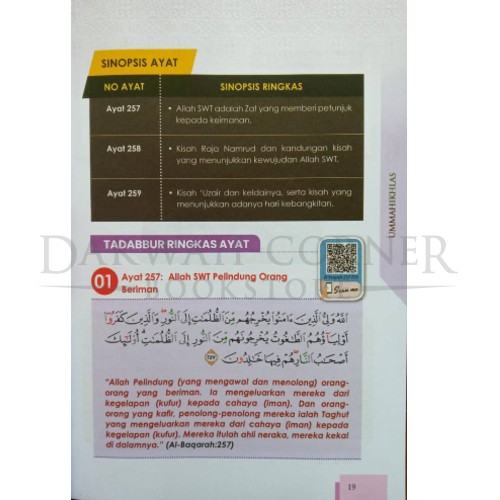
- Aplikasi QR code untuk video bacaan terpilih
- Nota ringkasan yang padat tapi mudah difahami
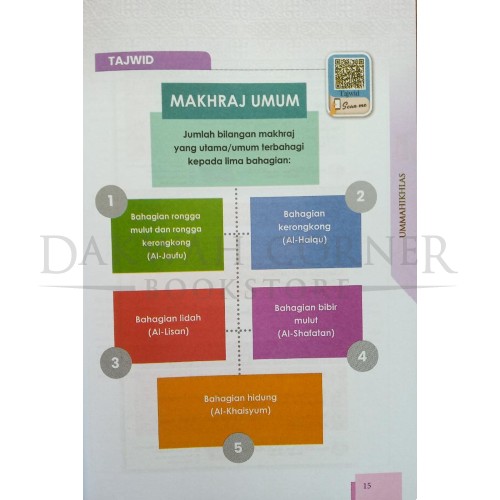
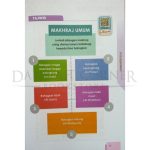
- Peta infografik berwarna yang dapat membantu pemahaman pembaca
SKU: QQ124
Categories: Bahasa Melayu, Holy Quran and Quranic Sciences, Tafseer / Commentary
Brand: Karya Bestari
Additional information
Reviews (0)
Be the first to review “Nota My #QURANTIME Juzuk 3” Cancel reply
You must be logged in to post a review.
Related Products

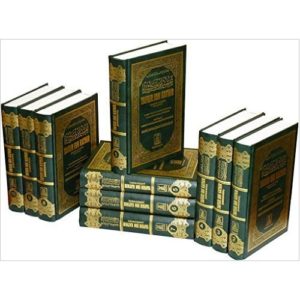
Usool at-Tafseer (H/B)
Highlights:
Usool at-Tafseer, essentially refers to the branches of knowledge necessary for providing an accurate interpretation of the Quranic texts, such as Arabic grammar and syntax, Arabic literature and Quranic sciences (Uloom al-Quran). Familiarity with modern fields of learning, like the pure sciences and social sciences is also necessary for a commentator in this era to make the Quraanic explanations relevant to human society. This book addresses the actual step-by-step methodology of interpreting Quran to ensure that interpretations are not merely the result of human whims and fancies.
RM60.00

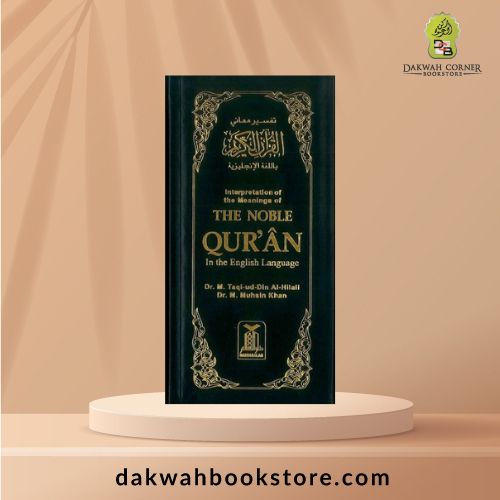
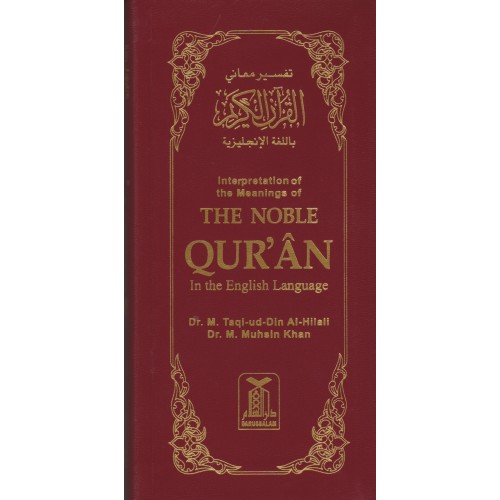
The Noble Quran (Tall Version English Text Only) (RANDOM COLOR)
Highlights:
Interpretion of the meanings of The Noble Quran in the English Language.
RM60.00
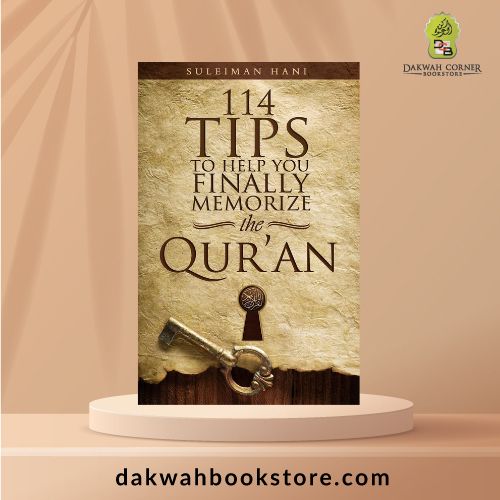
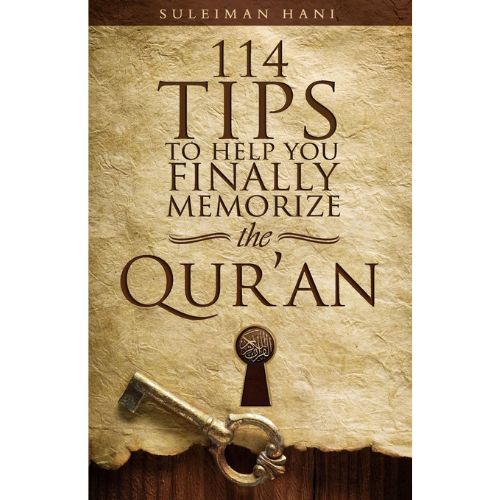
114 Tips to Help You Finally Memorize The Qur’an (P/B)
5 ★
5 ★
1 Rating
5 ★
1
4 ★
0
3 ★
0
2 ★
0
1 ★
0
Highlights:
“114 Tips to Help You Finally Memorize the Qur’an is a concise book that aims to equip readers of all backgrounds with the information and techniques necessary in order to begin, continue with, and complete the memorization of the Qur’an, eliminating thereby the common excuse and reasons for not memorizing.”
RM80.00

What is the Holy Quran & How to Recite it? (H/B)
Highlights:
This book guides readers to pronunciate the Arabic alphabet from their correct point of articulations. It also guides them to recite the Holy Qur’an according to the laws and principles of the art of recitation and intonation.
The correct pronunciation of the Arabic words and alphabet was difficult to some extent for the people living in the West as compared to those of East. So they need some more efforts to solve this problem and to make it easy for them.
By the grace of Allah, this book will do the job successfully and in a very convenient way.
RM46.00


Divine Speech
5 ★
5 ★
3 Ratings
5 ★
3
4 ★
0
3 ★
0
2 ★
0
1 ★
0
Highlights:
The Quran, the sacred scripture of Islam, is revered as the spoken word of God by approximately one-fifth of the world’s population. Since its inception, the power of the Quran has derived not only from its message, but also from the inimitable literary style and rhetorical impact that the Arabic scripture has on its audiences. Divine Speech: Exploring the Quran as Literature attempts to make some of the most recent Arabic and European-language scholarship on its literary features accessible to a wider, English-speaking audience. These features include its language and word choice, its use of figures of speech and other rhetorical devices, its manner of narrating parables and stories, and the structure, coherence, and the order of its “chapters”-aspects that typically remain mysterious to readers of English translations of the text. Divine Speech furnishes its readers with a better appreciation of the Quran from a literary perspective, and in the process stimulates interest in, and provides tools and resources for, further study of the scripture.
RM100.00
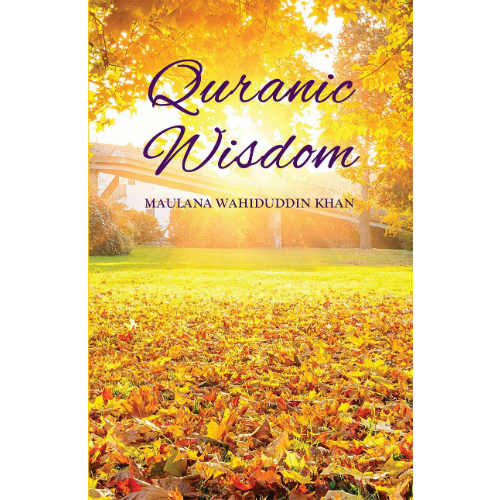
Quranic Wisdom
Highlights:
According to the Quran, a person’s life has been divided into two phases: the pre-death period and the post-death period.
The present life is only temporary and is meant as a test. Depending upon our performance in this test, we shall be judged in the eternal life after death. The Quran aims to make one aware of this reality and help one lead one’s life in this world in such a way that one is rewarded with Paradise in the life Hereafter
RM20.00
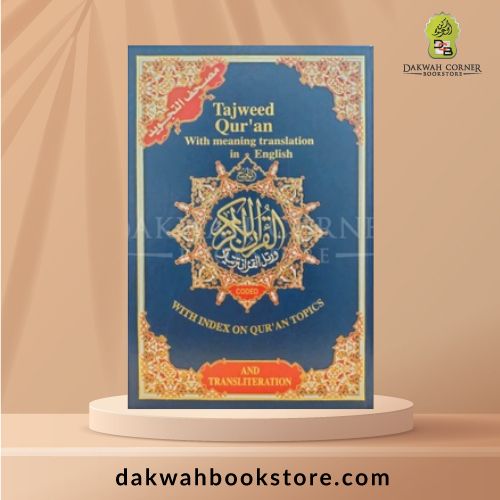
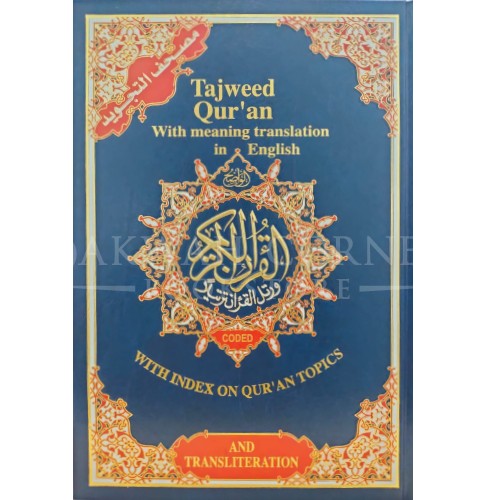
Tajweed Qur’an with Meaning Translation in English and Transliteration
Highlights:
Translation: meanings of the Quranic versus are translated into English and placed on the margins around the Arabic text.
Transliteration: Arabic letters are presented by English letters with added symbols in order to give the same sound of Arabic letters.
English transliteration makes it easier for the speakers of the English language to read the Tajweed Quran in Arabic pronunciation using the English alphabet letters.
Considering that this Part contains small suras; it is a perfect start for kids, beginners and students.
This Amma Part comes in the standard portrait form, with a nice glossy soft cover. Each page contains 15 lines as any standard Quran.
Meanings tranlated by Abdullah Yusuf Ali
Alla (sw) ordered us in his holy book to recite the Quran with Tajweed … “Quran recitation modulating”. System of Tajweed serves as a guide for improving the recitation of Quranic style. It was in this way that the Qur’an revealed to Prophet Muhammad (peace be upon him), as well as the manner in which he recited it. Therefore, the readers of the Quran are eager to realize the promise of the Prophet Muhammad (pbuh): “whoever recites the Quran correctly and proficiently will be with the bountiful dutiful writers (the angels of the preserved tablet – Al lauh Al Mahfuz”.
Based on a practical understanding of phonology, we have color-coded some letters to facilitate the correct recitation of the holy Quran. This enabled us to classify these letters into three possible categories to enhance the reader’s knowledge and remembering of Tajweed rules:
– The letters which requires expanded vocalization. We used red color to highlight these letters.
– The letters which are nasalized these letters are green in color.
– The dark blue color indicates the emphasis of the letter (R), the blue color indicates the unrest letters-echoing sound- (qualquala)
– While the letters which are written but are not vocalized. These letters are gray in color.
The reader will get used to reciting the Quran by using colors very easily. By engaging the eye, the reader will find him/herself applying 24 rules of Tajweed with ease and precision while his/her mind is left un-enganged to comprehend and understand the meaning of the holy Quran. For more details click here
This Tajweed Quran is in Hafs narration.
All our Tajweed Quran products -including this Quran- come with the following:
- Color coded letters: to present the Tajweed rules, very good and simple way to learn and apply Tajweed rules.
- Obvious script: extra spaces were added between the words in order to make it easier to read and recite the Quran.
- Permissible stops: long spaces were added at certain places where it is permissible to stop. It helps to avoid stopping at wrong places or times.
- A set of very useful indexes such as: Surahs Color Index, Subject Index.
- Tajweed rules explained in details with helpful illustration.
RM200.00
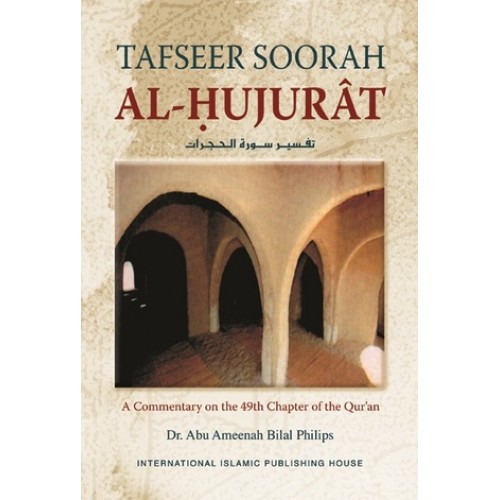
Tafseer Soorah Al-Hujurat (H/B)
Highlights:
Tafseer Soorah al-Hujurât: A Commentary on the 49th Chapter of the Qur’an is a treasury of divine advice, commandments, and prohibitions regarding common problems in social relations, including gossip, spying, arguing, and bigotry. To make the best use of this chapter, the believer needs a detailed explanation of the meanings of the verses.
Dr. Bilal Philips has based his tafseer (exegesis) on the methodology used in the classical works of tafseer. He has relied first of all on the explanations found within the Qur’an itself, then on explanations found in the Sunnah and related incidents which occurred at the time of the revelation of the verses in question. Beyond these primary sources, Dr. Philips has relied on the interpretations made by the Prophet’s Companions (may Allah be pleased with them) who were noted for their ability to interpret and comment on the Qur’an. ‘Abdullâh ibn ‘Abbâs, for example, was called ‘The interpreter of the Qur’an’ by Prophet Muhammad (blessings and peace of Allah be upon him). Finally, the author has made use of the grammatical explanations given in the classical tafseer works. Wherever possible, Dr. Philips has tried to apply the derived meanings of the verses to the problems of contemporary society.
RM40.50 RM60.00
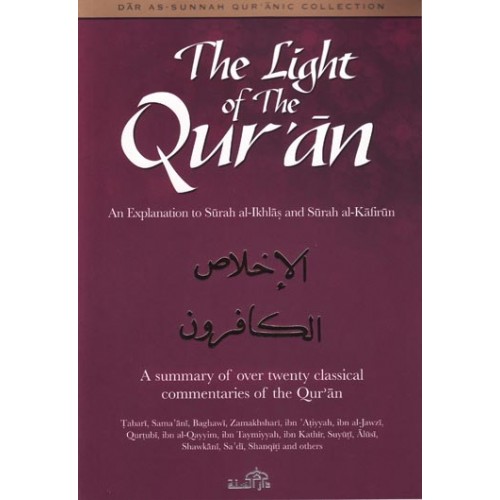
The Light of The Qur’an
Highlights:
The Prophet peace and blessings of Allah be upon him, passed by a person reciting Surah Al – Kafirun and remarked, “He has been saved from shirk”. He passed by another reciting Surah Al – Ikhlas and remarked. Paradise has become obligatory for him. Reported by Muslim.
These two chapters have both been given the title Al-Ikhlas, or purity of faith, because they deal with the topic of Tawhid in all its various aspects. Al – Ikhlas concentrates on the pure, essential faith in Allah that all mankind is required to have. Al – Kafirun deals with purity of deed and disavowal of disbelief and paganism. Both chapters lay out the parameters of mans relationship with his/her lord and creator, as well as his/her relationship those around him/her.
Pure, unblemished monotheism combined with sincerity in belief and deed defines the relationship with Allah. Hi is one and only true God, unique, without peer, equal or opposite, and nothing is like on to him. He is the one who stands in need of nothing whereas everything is in dire need of him.
Maintaining the essential Muslim identity and character defines the relationship between the Muslim and his fellow man. The Muslim is unambiguous about his religion, truthful and upright in speech, deed and his dealings with those around him. Hi is proud of his faith and has unshakable conviction in it. He loves his lord, his Messenger and the Muslims and is loyal to them. Because of this, the dearest thing to him is his religion and he will not compromise it, pleasing Allah comes before pleasing the people.
The prophet would frequently recite these two chapters in prayer because of the commonality of their theme and to stress that success is achieved, in this life and the next, by internalising their message and living by it.
RM41.00
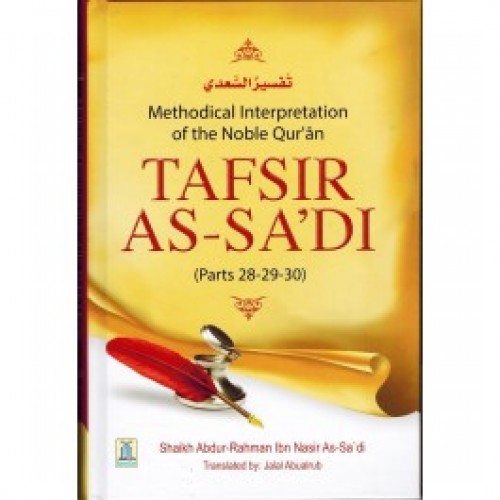
Tafsir As-Sadi (Parts 28-29-30) Methodical Interpretation Of The Noble Quran (H/B)
Highlights:
Tafsir As-Sa’di is a straightforward, easy to read, easy to understand explanation of the meaning of Qur’anic Ayat and statements. In addition to the simplicity of Ibn Sa’di’s writing, it is also articulate and eloquent.
Consequently, for those newly acquainted with Tafsir and those new to Islam, this Tafsir provides an uncomplicated, deep and insightful comprehension into the meaning and explanation of the Qur’an.
The uniqueness of this Tafsir is in the style the Shaikh used to explain the Ayat in a way that it is similar to everyday writing, without listing the various prophetic sayings or statements of the scholars of Tafsir, which Shaikh Ibn Sa’di used as a basis of his Tafsir.
RM80.00
Recently Viewed
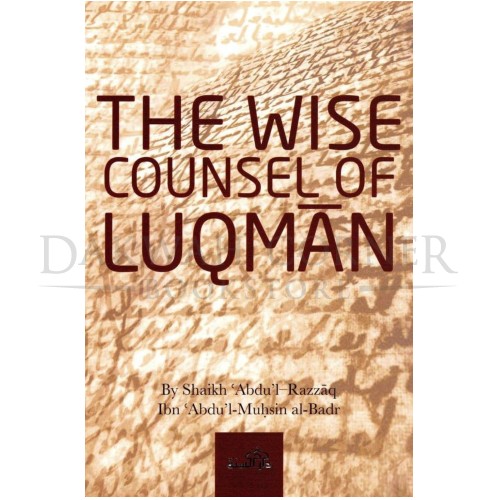
The Wise Counsel of Luqman
Highlights:
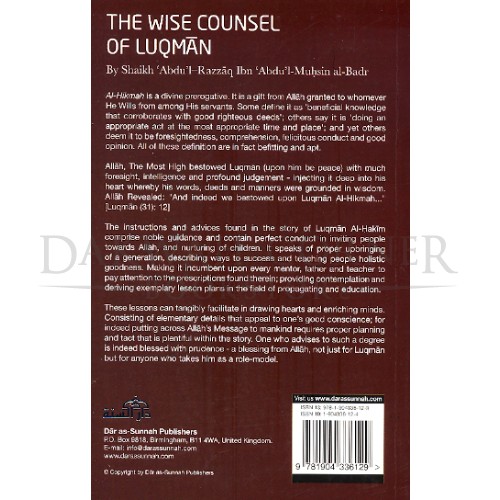
Al-Hikmah is a divine prerogative. It is a gift from Allah granted to whomever He Wills from among His servants. Some define it as ‘beneficial knowledge that corroborates with good righteous deeds’; others say it is ‘doing an appropriate act at the most appropriate time and place’; and yet others deem it to be foresightedness, comprehension, felicitous conduct and good opinion. All of these definition are in fact befitting and apt. Allah, The Most High bestowed Luqman (upon him be peace) with much foresight, intelligence and profound judgement – injecting it deep into his heart whereby his words, deeds and manners were grounded in wisdom. Allah Revealed: “And indeed we bestowed upon Luqman Al- Hikmah…” [Luqman (31): 12] The instructions and advices found in the story of Luqman Al-Ḥakim comprise noble guidance and contain perfect conduct in inviting people towards Allah, and nurturing of children. It speaks of proper upbringing of a generation, describing ways to success and teaching people holistic goodness. Making it incumbent upon every mentor, father and teacher to pay attention to the prescriptions found therein; providing contemplation and deriving exemplary lesson plans in the field of propagating and education. These lessons can tangibly facilitate in drawing hearts and enriching minds. Consisting of elementary details that appeal to one’s good conscience; for indeed putting across Allah’s Message to mankind requires proper planning and tact that is plentiful within the story. One who advises to such a degree is indeed blessed with prudence – a blessing from Allah, not just for Luqman but for anyone who takes him as a role-model.
RM34.00
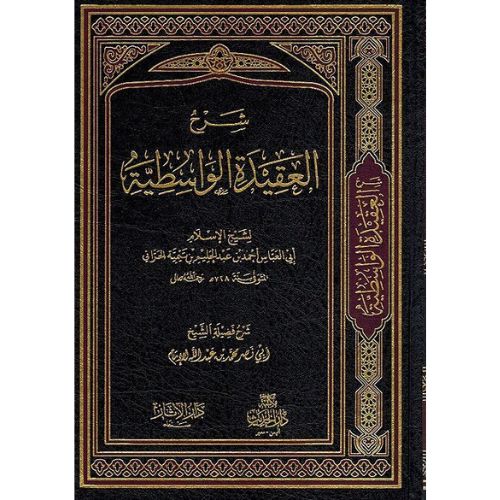
[AC] Sharh Al Aqidah Al Wasatiah / شرح العقيدة الواسطية
Highlights:
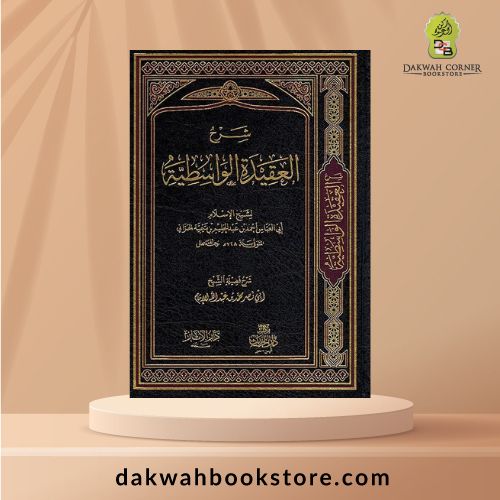
شرح كتاب العقيدة الشهير للشيخ ابن تيمية والذي تم شرحه عدة مرات، هذا شرح جديد للشيخ أبي نصر الإمام.
RM115.00
Nota My #QURANTIME Juzuk 3
Highlights:
Sejajar dengan tujuan program My#QuranTime yang disiarkan di TV ALHIJRAH Iaitu mahu menjadi platform solidariti ummah mempelajari asas bacaan al-Quran, Tadabbur dan Tazakkur, maka lahirlah naskhah lengkap: NOTA MY #QURANTIME sebagai panduan lengkap buat mereka yang cintakan al-Quran.
NOTA MY #QURANTIME Juzuk ke-3 ini lebih istimewa kerana di dalamnya terdapat lebih banyak perbincangan yang dikupas secara menyeluruh. Antaranya ialah:
- Pertukaran arah kiblat
- Kekal hidup bagi yang berjihad di jalan Allah
- Ujian Allah buat mereka yang bersabar
- Ganjaran buat mereka yang ditimpa musibah
- Laknat bagi mereka yang menyembunyikan kebenaran
- Hukum berniaga ketika musim haji
Nota ini juga merangkumi:
- Satu buku, satu juzuk
- Nota pilihan daripada penonton
- Aplikasi QR code untuk video bacaan terpilih
- Nota ringkasan yang padat tapi mudah difahami
- Peta infografik berwarna yang dapat membantu pemahaman pembaca
RM30.00
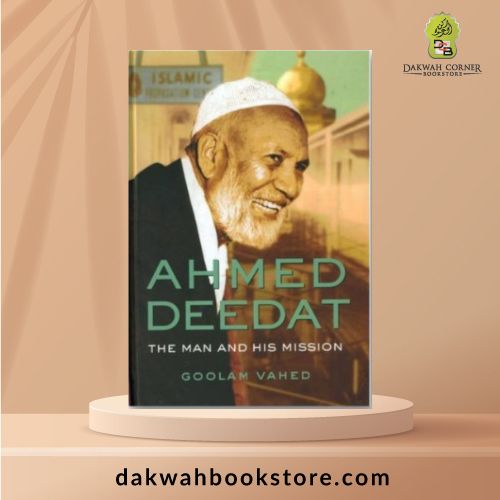
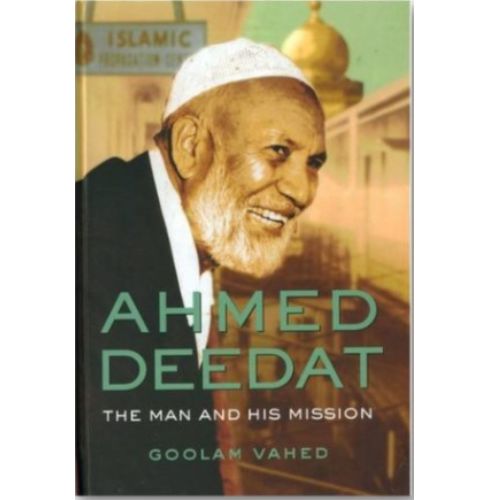
AHMED DEEDAT – The Man and His Mission
Highlights:
The usual arena for religious discussion ssion is a place other than a stage. But this is where Ahmed Deedat found himself during apartheid’s heyday, publicly defending his beloved islam against what he perceived to be the unbounded … ignorance and slander dished out by Christian missionaries of the time.
RM66.00


Tajweed Rules of the Quran (Part Three)
Highlights:
This is the third and final part of a three part series in English on the rules of tajweed the Qur’an for the recitation of Hafs from ‘Aasim by the way of Ash-Shaatibiyyah. These books are meant as a guide for non-Arabs with a good grasp of English for studying tajweed of the Glorious Qur’an. This final book explains the stop and start when reading the Glorious Qur’an, and gives details as to what kind of stop is allowed, what kind is preferred, and what kind of stop is forbidden. Stopping on the ends of words with strong endings (consonants) and rules for what is allowed on the last letter of the word is described, including ar-room (الروم) and al-ishmaam (الإشمام). Stopping on the ends of words with weak endings (words ending in the alif, ya’ or wow) and different rules and explanations for these type of words is clarified. One important aspect of Qur’an recitation is knowing and understanding which word combinations are written together and which separately in different parts of the Qur’an as well as in which places of the Qur’an are some words are written the female haa (هاء), and in which places they are written with the taa (تاء). This part lays out the different places in the Qur’an these occurrences take place, so the reader knows how he/she can stop on these words. The words that are read in a special way, or have two allowed ways for the reading of Hafs from ‘Aasim by the way of Ash-Shaatibiyyah are detailed in this book. The history of the writing of the Glorious Qur’an (رسم) and the general rules for the writing of the Qur’an are laid out in the last chapter of this part. This last part of the three parts on tajweed is for students who have studied and mastered the other two parts, or have studied everything covered in the first two parts. The explanations of the different subjects are in English, and the Arabic terms are translated. The goal is always to assist the students in understanding and to encourage them to learn the Arabic terms and definitions. The three parts of this series on tajweed rules of the Glorious Qur’an should facilitate non-Arabic speaking students of the Qur’an whether they are in a classroom with an Arabic medium for teaching or English. With this third part completed, insha’ Allah the non-Arab English speaking student of the Qur’an will find a complete curriculum and explanation of the tajweed rules for the recitation of Hafs ‘an ‘Aasim from the way of Ash-Shatibiyyah in any classroom or study situation that he/she may find themselves in. These three parts are only guidance; the real goal is reciting and applying all the different rules correction which can only be done by reciting to and being corrected by a qualified teacher of the Qur’an.
RM30.00
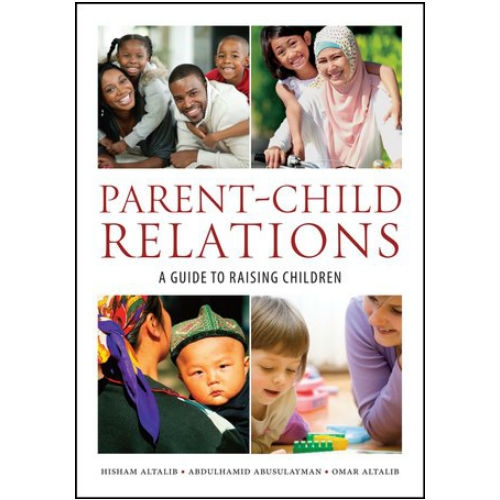
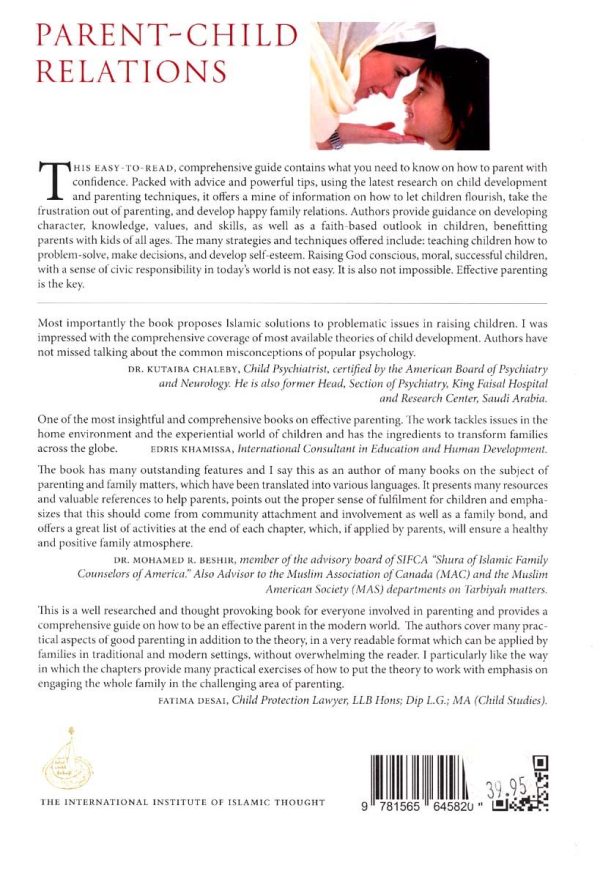
Parent-Child Relations A Guide To Raising Children (IIIT)
Highlights:
Raising God-conscious, moral, successful children with a sense of civic responsibility in today’s world is not easy. It is also not impossible. Effective parenting is the key. As parents struggle to raise successful children, they need knowledge and skills to communicate wisely with their children and create happy, loving family relationships and homes. Central to this knowledge is teaching children about Islam, the Qur’an, the lives of the prophets, and Muslim history.
This parenting series is dedicated to families wishing to raise their children to become men and women of caliber, possessing values and qualities of righteousness, honesty, courage, compassion, creativity, and faith, as well as strength of mind and a sense of responsible independence.
RM225.00
There are no reviews yet.