



![[CB] Vegetables Board Book -الخضروات](https://shop.dakwahbookstore.com/wp-content/uploads/2021/11/Untitled-42.jpg)
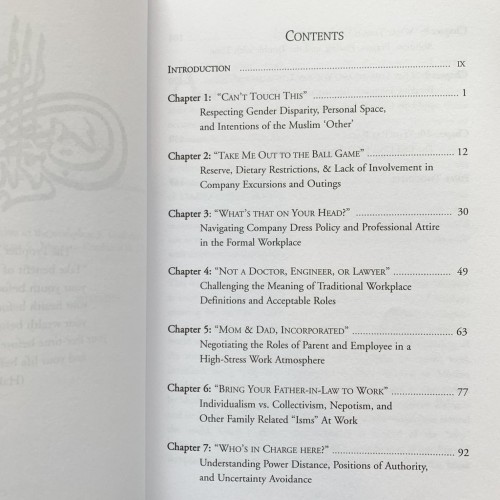
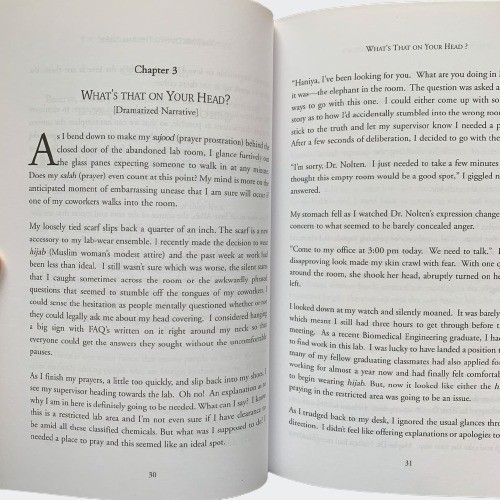
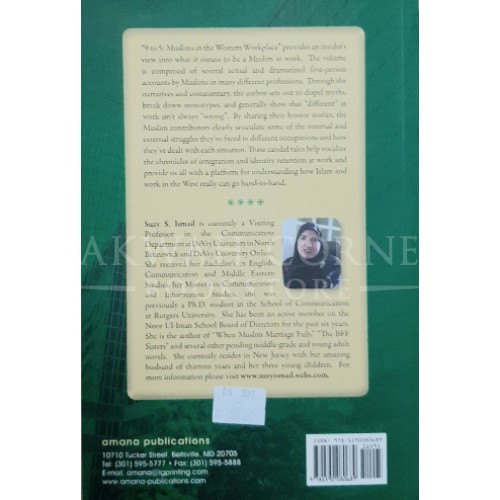
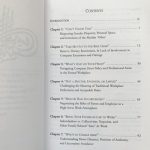
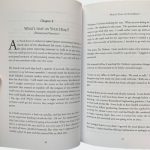
Muslims in the Western Workplace” provides an insider’s view into what it means to be a Muslim at work. The volume is comprised of several actual and dramatized first- accounts by Muslims in many different professions. Through the narratives and commentary, the author sets out to dispel myths. break down stereotypes, and generally show that “different” at work isn’t always “wrong”. By sharing their honest stories, the Muslim contributors clearly articulate some of the internal and external struggles they’ve faced in different occupations and how they’ve dealt with each situation. These candid tales help vocalize the chronicles of integration and identity retention at work and provide us all with a platform for understanding how Islam and work in the West really can go hand-in-hand.
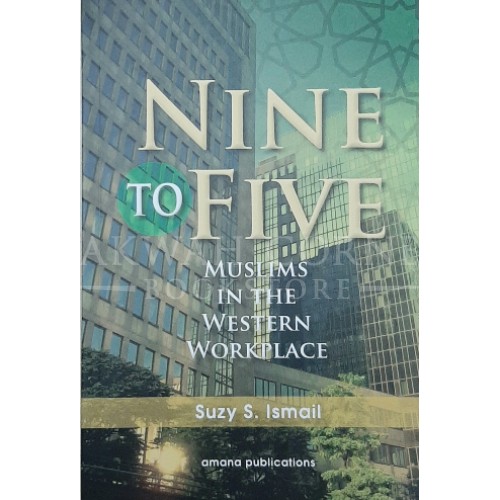
Nine To Five: Muslims In The Western Workplace
RM55.00
Frequently Bought Together
| Weight | 0.30 kg |
|---|---|
| Dimensions | 22.5 × 15.5 × 1 cm |
| Author | |
| Binding | Paperback |
| ISBN | 978-1590080689 |
| Pages | 150 |
| Publisher | Amana Publications |
Be the first to review “Nine To Five: Muslims In The Western Workplace” Cancel reply
You must be logged in to post a review.
You may also like…
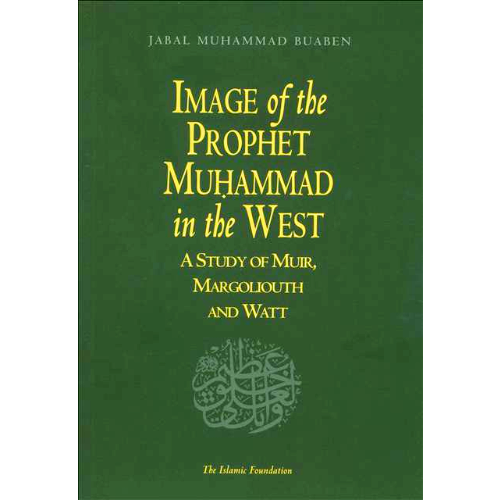
Image of the Prophet Muhammad in the West: A Study of Muir, Margoliouth and Watt
This is an outline of the main contours of Wstern scholarshop on the life and achievements of the Prophet Muhammad. It aim to highlight a perceived lack of objectivity and to focus on the need to study Islam from a scholarly and objective angle.
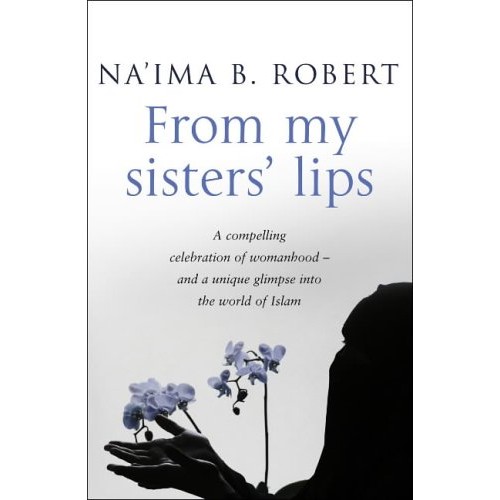
From my sisters’ lips
Covered from head to toe with only her eyes visible, the sight of a Muslim woman on a western city street rarely fails to provoke a strong reaction. Feelings of shock, horror, repulsion, pity or even fear are not uncommon. But have you ever wondered who it is behind the veil and what makes her tick? Ever wondered what her life is really like and whether her dreams, hopes and aspirations differ from yours? From My Sisters’ Lips offers a rare glimpse into the lives of a community of women, most of whom are converts to Islam, and invites you to share their joys, sorrows, convictions and faith.
When Na’ima B Robert abandoned her western lifestyle and embraced Islam six years ago, it was not a decision taken lightly. Yet soon after she took her first tentative steps towards covering, she felt empowered; no longer judged on physical appearances alone, no longer seeking the approval to feel beautiful – or using her looks to wield power over men – the experience effected her greatly. Before long she grew in confidence and courage. As she says, ‘Something just clicked. I thought, “Good, don’t look; don’t compare me with your latest squeeze, don’t try and guess my measurements – my body is my own business!”‘
From My Sisters’ Lips offers a glimpse into the lives of just some of the extraordinary women who, like herself, have chosen to live behind the veil. What emerges is a vivid and intimate portrait of a sisterhood; as they speak candidly and with conviction on a diverse range of subjects ranging from marriage to motherhood, stereotypes, submission and self-image, we hear the strong, proud voices of those who are seldom heard.
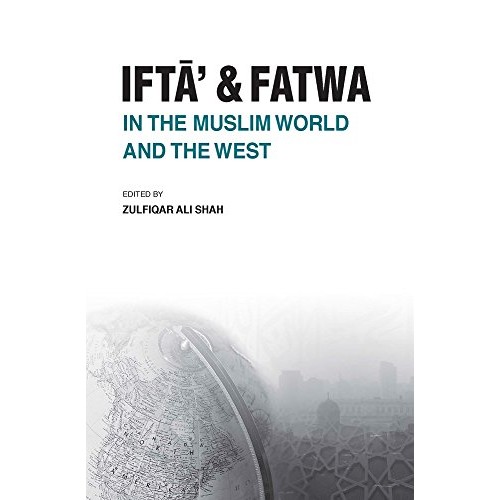
Ifta’ & Fatwa In the Muslim World and the West
During the formative classical period of Islamic jurisprudence, well-known scholars possessed not only the intellectual skills required for analytic reasoning but also a broad general knowledge of the fields relevant to the cultural contexts in which they issued their edicts. A viable fatwa requires knowledge of the Shariah as well as local customs, cultural realities, individual and communal implications, and related matters. The original juristic tradition was formulated and fixed during the first three Islamic centuries, a time of widespread sociopolitical turmoil. Of course, the jurists’ legal outlooks and thinking processes could not have escaped this reality. While Muslims of the prophetic and r shid n periods adhered closely to the authentic texts due to their sincerity, piety, prophetic training, and proximity to the revelation, the changing environment in which their descendants functioned gradually started to impact how the authentic texts were understood, interpreted, paraphrased, and implemented. Both the Muslim and the non-Muslim worlds have drastically changed since that time. The new geopolitical and scientific realities of our rapidly changing world demand a fresh look at some aspects of the established juristic tradition. The way forward involves a systematic fresh look at and reevaluation of the old fatwas, as well as the issuance of new ones with a maq sid outlook that can deal successfully with today s ever-changing global realities. In this edited volume, papers on fatwa and ift point to an approach that is both rooted in the Islamic legacy and committed to meeting the challenges of the modern world.

Dream Interpretation According to the Qur’an and Sunnah (P/B)
Separates the authentic Islamic teachings on dream interpretation from the myths, superstitions and fabrications being circulated on the subject. It also provides a guide for dream interpretation according to references found in the Quran and authentic hadeeths.
Since the English publication of Muhammad Al-Akili’s 508 page work entitled, Ibn Seerin’s Dictionary of Dreams: According to Islamic Inner Traditions in 1992, followed shortly thereafter by Dreams and Interpretations by Ibn Seereen, there has been an explosion of dream interpretation and interpreters among English-speaking Muslim communities in the West. On the other hand, dream interpretation has been a long established tradition in the Muslim East. However, it has become so mixed up with superstition, myths and fortunetelling, that most educated Muslims shun this area. The fact of the matter is that dream interpretation is mentioned in the Quran and was regularly practised by the Prophet (pbuh), himself. Consequently, there is a real need to understand this subject, especially, considering that humans spend about a third of their lives sleeping.
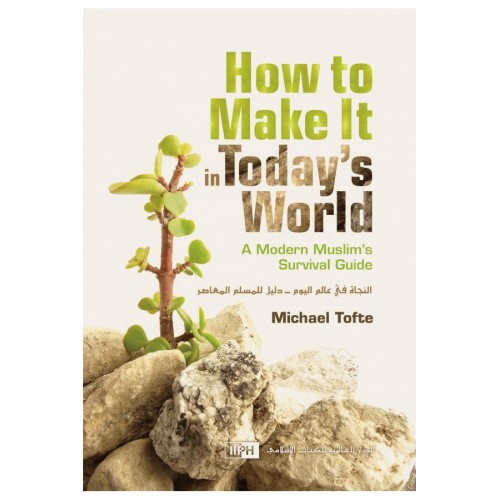
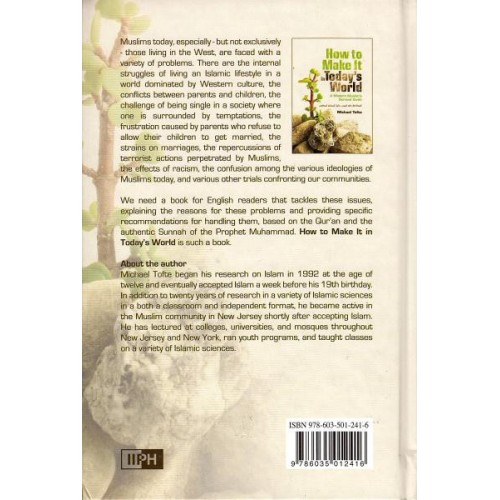
How to Make It in Today’s World (H/B)
Muslims today, especially – but not exclusively – those living in the West, are faced with a variety of problems. There are the internal struggles of living an Islamic lifestyle in a world dominated by Western culture, the conflicts between parents and children, the challenge of being single in a society where one is surrounded by temptations, the frustration caused by parents who refuse to allow their children to get married, the strains on marriages, the repercussions of terrorist actions perpetrated by Muslims, the effects of racism, the confusion among the various ideologies of Muslims today, and various other trials confronting our communities. We need a book for English readers that tackles these issues, explaining the reasons for these problems and providing specific recommendations for handling them, based on the Qur’an and the authentic Sunnah of the Prophet Muhammad (blessings and peace be upon him). How to Make It in Today’s World is such a book.
Related Products

Polygamy in Islam (P/B)
Polygamy is the Muslim practice most frequently and severely maligned by Westerners and modernist Muslims. This book can be read with profit by all unprejudiced readers who wish to know its justification and rationale.
One of the greatest contrasts between Islam and the West is their conflicting concepts of relations between the sexes. Indeed, the very first question a Muslim convert is confronted with by an American or European is ‘Why does Islam allow four wives?’ This book…replies straightforwardly to that question and much more.
The authors describe all the most important characteristics of marriage in Islam, pointing out that the Western notions of sex equality and romantic premarital ‘love’ are not necessary in Islamic marriage based on piety and the commitment on the part of both parents to win the pleasure of Almighty Allah.’
This book contains basic guides for anyone interested in understanding the rights and obligations of males and females in Islamic plural marriage. The guidelines have been drawn from the Quran, Hadith and opinions of Islamic scholars.


Weakness of Faith (IIPH)
The phenomenon of weak faith has become very widespread among Muslims, and many people complain about the hardness of their hearts. So often we hear the words, “I feel hardness in my heart,” “I do not find any joy in worship,” “I feel that my faith has hit rock bottom,” “Reading Qur’aan does not move me,” “I fall into sin so easily.” The effects of this affliction can be seen in many people, and this problem is the cause of every disaster and adversity.
One of the most important principles which must be understood in order to treat the problem of weak faith is that faith increases and decreases, or waxes and wanes. This is one of the basic principles of the ‘aqeedah of Ahl al-Sunnah wa’l-Jamaa’ah, who say that faith is something to be spoken in words, to be believed in in the heart, and to be put into action. Faith increases with obedience and decreases with disobedience.
‘… that they may grow more in Faith along with their (present) Faith…’ [al-Fath 48:4]
‘… Which of you has had his faith increased by it? …'[al-Tawbah 9:124]. aari, Fath, 1/51).

Journey to Islam: Diary of a German Diplomat 1951-2000 (The Islamic Foundation)
A lengthy process, rich in remarkable and thought-provoking events, including compelling encounters with Islamic philosophy, led the author to embrace Islam. His experiences since that time – such as his pilgrimages to Makkah – further deepened his understanding of, and identification with, this “fastest growing religion in Europe.” This “Diary” is, however, much more than a recorded soliloquy. It is a lively introduction to Islam as such – developed in the spiritual confrontation of a Muslim intellectual of European background with the ideology and value system of post-industrial western society.

Philanthropy and Social Justice in Islam (P/B)
This book analyses the principles and practices of philanthropy and distributive justice in Islam. It argues, with analyses and examples, that the accomplishment of purposive philanthropy, as commanded by the fundamental tenets of Islam, through the professionalization and rationalization of zakat management, modernization of awaqaf, etc. has the potential of optimizing justice in Muslim societies. The work draws on the Quran, Hadithe, other authentic literature, and also on official documents and publications of management agencies dealing with philanthropy in different Muslim countries/societies. The analyses are documented enough to be used as a text for the study of philanthropy in Islam in tertiary institutions nonetheless are simple enough to draw general readership and to be used by non-profit and international organizations worldwide in order to order to understand the principles and issues of philanthropy and distributive justice in Muslim societies.

In Search of God (P/B)
Some thinkers has said, ‘A smattering of knowledge turns people away from God. Grater knowledge brings them back to Him’. The author concludes in this book by examining various theories that the choice humanity have is not between the universe with God and the universe with God and the universe without God. The real option is between the universe with God and no universe at all. Therefore humanity is compelled to opt for the proposition the universe with God. Hence it is logical to say I exist, therefore, God exists.

Kindness to Parents
Kindness to Parents is a very enlightening booklet by Abdul Malik Al-Qasim. He has collected several stories and narrations that demonstrate the Birr (being dutiful) and kindness to our righteous Salaf towards their parents’ needs and necessities, in obedience to Allah’s worship in sincerity. He refers from the Noble Qur’an that a man is never allowed to say ‘Uff” (fie) if he smells a bad order coming from his parents or one of them.
The author has exposed shortcomings and errors of many among us who don not preserve the rights of their parents.

Muslim Unification at Time of Crisis
This book authored by one of the great scholars of our time is an advice to the people of Ahulul ?Sunnah wal-Jamaah to unify and be merciful to each other, and cooperate upon righteousness and taqwa.

Lawful Wives or Unlawful Girlfriends
In the Name of Allah, the Most Beneficent, the Most Merciful
Allah (SWT) says: (If you fear that you will not be able to deal justly with the orphans, marry women of your choice, two or three or four; but if you fear that you shall not be able to deal justly (with them), then only one or (the captives or the slaves) that your right hands possess. That will be more suitable to prevent you from doing injustice) (An-Nisa’: 3).
Praise be to Allah (SWT) who has prescribed for His Servants a religion (Islam) that is beneficial to them in this world and the Hereafter, and Peace and Blessing be upon His Messengers and Prophets who were guided by His Guidance and conveyed His Religion. The last and seal of His Messengers was Muhammad Ibn Abdillah (SAW). He (SAW) was the best to advise his Ummah and convey the True Message, by words, deeds and his character. He (SAW) was the best model and example for the believers.
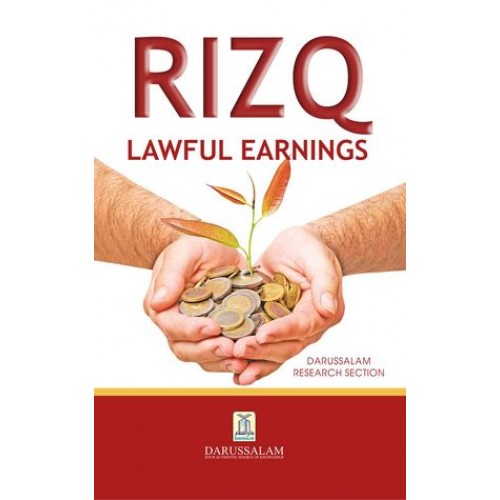
Rizq Lawful Earnings (P/B)
Narrated by Umar Ibn al-Khattaab (May Allah be pleased with him), the Prophet (Peace be upon him) said:
“If you put your faith completely in Allah, He will arrange for your sustenance in the same way as he provides for the bird. They go out in the morning with their stomachs empty and return filled in the evening.” (Tirmidhee)
This book discusses the place of pride Islam gives to making lawful earnings and rizq through hard work and striving. It also looks at the contempt Islam places on begging and indolence. Then it looks at which earnings are lawful, which are not and the many ways by which wealth can increase while seeking the pleasure of Allah (Glorified and Exalted is He).


A Brief Illustrated Guide to Understanding Islam (P/B)
Discusses some evidence for the truth of Islam, the scientific miracles in the Holy Qur’an, and the great challenge to produce a single chapter like the chapters of the Holy Qur’an.

Wholeness and Holiness in Education An Islamic Perspective (P/B)
It was initially an adaptation of Shah ‘Abdul Qadir Muhaddith Dehlawi’s translation and commentary known as Mudih al-Qur’an which according to many great ‘ulama’ is devinely inspired and accepted by all Muslims.

In Pursuit of Allah’s Pleasure
In this book the authors outlined a complete methodology for Islamic work today. From `Aqeedah to Da’wah, Jihad to Khilafah and Taqwa to Sabr (patience), they explained how all of these parts of Islam come together for the sole objective of each and every Muslim: to seek the Pleasure of Allah ( SWT ), the Irresistible. It was written in a manner portraying the true situation of the Muslims today and, coming from imprisoned scholars: a realistic portrayal.
This book is an excellent read by itself and an even better guide if used as a syllabus in learning Islam in an organised, collective manner. It is ideal as a basis for study circles and acts as a comprehensive manual. Coupled with the supplementary reading of some other books in the English language and memorisation of the Holy Quran, it can consolidate the knowledge of anyone seeking to work for Islam in this day and age.
Contents
Preface
Introduction
Part One: Our Ultimate Goal
Part Two: Our `Aqeedah
Part Three: Our Understanding
Part Four: Our Aim
Part Five: Our Path
Part Six: Our Provisions
Part Seven: Our Walaa’ (Loyalty)
Part Eight: Our ‘Adaa’ (Animosity)
Part Nine: Our Gathering
Glossary of Arabic Trems
The Twentieth Century has witnessed one of the fiercest blows inflicted upon our Ummah by our enemy: the collapse of the Khilafah. If only their conspiracy had stopped at the demise of Khilafah. But they went on to indoctrinate Muslims with strange, foreign ideas and concepts, in order to confuse our understanding of our Deen. Once we wake up and try to return to our original Deen, we will be confronted with an intellectual perplexity, in which evil and good is mixed. Hence, the truth will be ambiguous and we will go astray, and lose the true understanding of Islam.
And hold fast, all of you together, to the Rope of Allah (this Qur’an) and be not divided among yourselves.” [Surah Ale-Imran (3), Ayah 103.]
by Dr. Naahah Ibrahim, Asim Abdul Maajid and Esaam-ud-Deen Darbaalah
Recently Viewed
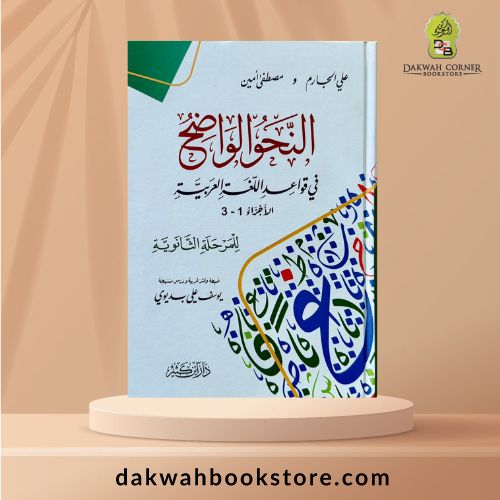
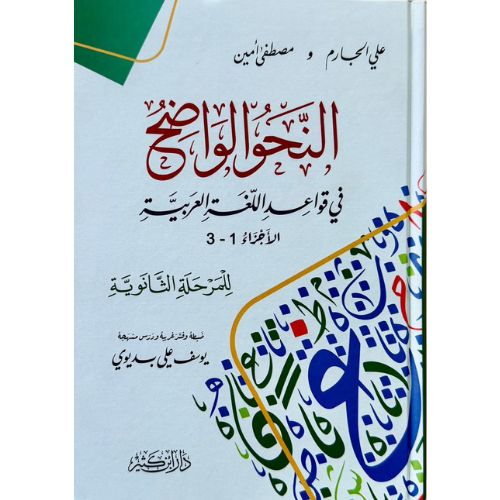
Al-Nahu Al-Wadih – Secondary – النحو الواضح (الثانوية)
أهمُّ كتاب في العصر الحديث يضمّ قواعدَ اللغة العربية، ويقع في جزأين: الأول: للمرحلة الابتدائية، والثاني: للمرحلة الثانوية.
يتَسم الكتابُ بعرض أكثر من أربعمئة قاعدة بأسلوب ميسّر، سلس، منهجيّ، لا يختلَ ولا يتغيّر، ويهتمَ بعرض الأمثلة الموضّحة، وشرح البحوث النحوية، واستخلاص القواعد في نهاية كلّ درس، ثم إيراد التدريبات… وذلك كله بطريقة الاستنباط القريبة من أذهان طلاب العلم.
وتمتاز هذه الطبعةُ بالمراجعة الدقيقة، وضبط النص ضبطاً متقناً، وشرح الغريب، وتسمية البحور، واعراب الأمثلة، مع ذكر فوائد تشبهُ القلائد في كثير من المواضع
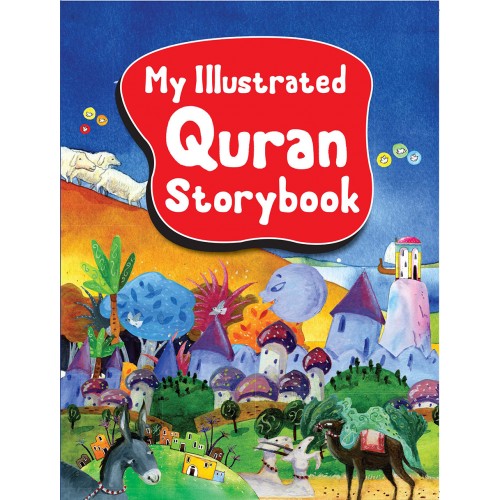
My Illustrated Quran Storybook
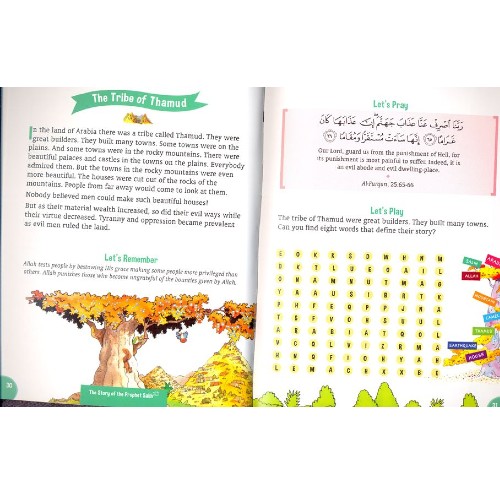
Time will fly by with this amazing story cum activity book. My Illustrated Quran Storybook is an exciting new way to learn about the Quran. Along with stories, prayers and teachings, this book is also packed with crosswords, jigsaw puzzles, mazes, colouring activities, spot the differences and much more.
Special Features;
Quran reference for each story and prayer bright and colourful illustrations more than eighty stories exciting activities.
Ages 7 and above
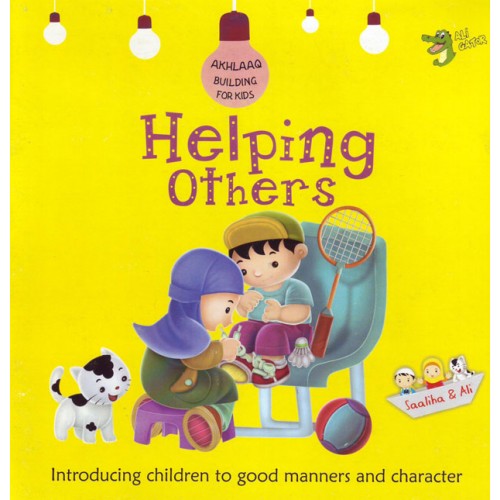
Helping Others (Akhlaaq Building Series)
Akhlaaq Building For Kids Series, featuring Saaliha & her younger brother Ali.
This series inspires children to develop good Manners through fun stories involving children like themselves.
HELPING OTHERS
Ali is blessed to have a caring big sister like Saaliha, she helps him in so many ways.
- Full Color
- Ages 3yrs – 8yrs
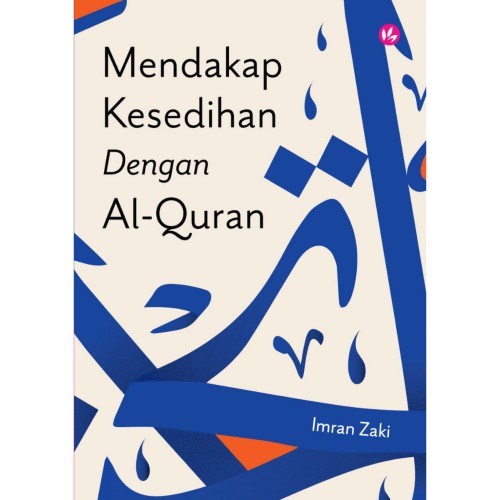
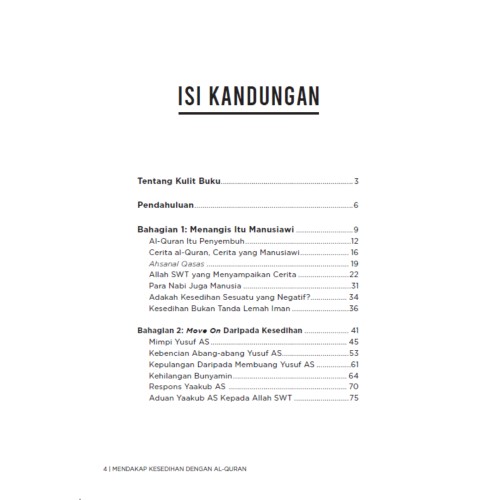
Mendakap Kesedihan Dengan Al-Quran
Benarkah kita dilarang untuk berasa sedih?
Andai kita rasa terbuang; Yusuf AS juga begitu.
Andai kita pernah melalui konflik berkeluarga; Yaakub AS juga begitu.
Andai kita pernah dikhianati teman; Lut AS juga begitu.
Kita menangis; Yaakub AS juga menangis, sehingga buta matanya.
Kita rasa hidup tidak lagi bermakna; Maryam AS juga pernah rasa begitu, sehingga terlahir kata-kata penyesalan dari bibirnya.
Sebenarnya, apakah respons al-Quran terhadap kesedihan yang kita bahkan para nabi rasai?
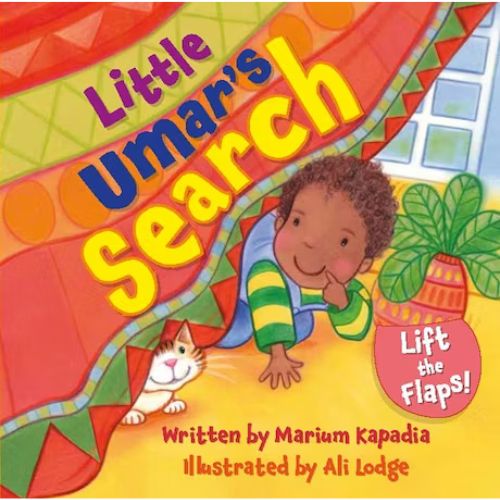
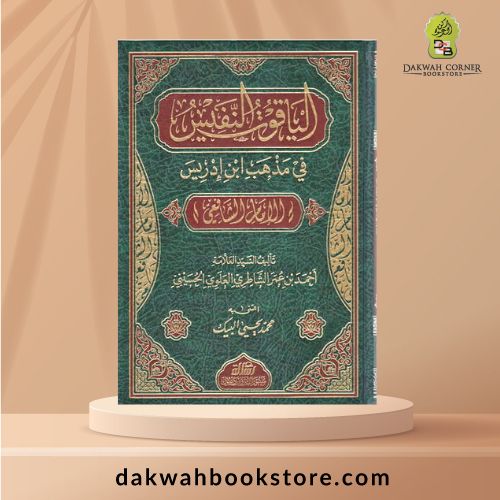
[ASJ] Al-Yaqut Al Nafis / الياقوت النفيس
، وقد جُمع بجهود كبار العلماء على مر العصور. يتناول الكتاب مواضيع الفقه، العقيدة، والتصوف ويقدم معلومات قيّمة تساعد القراء على فهم الإسلام بشكل أفضل. بفضل محتواه الغني والمعد بعناية، يُعدّ مرجعاً مفيداً لمن يرغب في تطوير معرفته بالإسلام من جميع الفئات العمرية. “الياقوت النفيس” هو خيار مثال
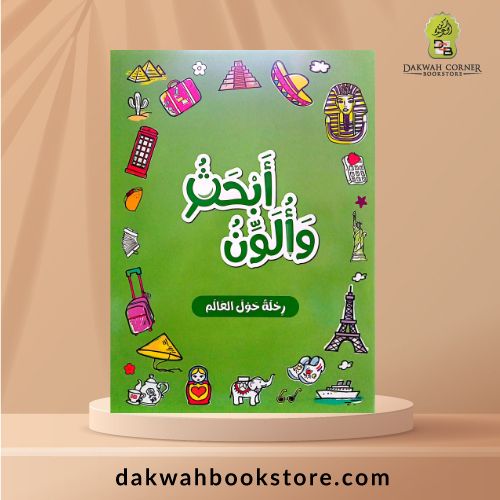
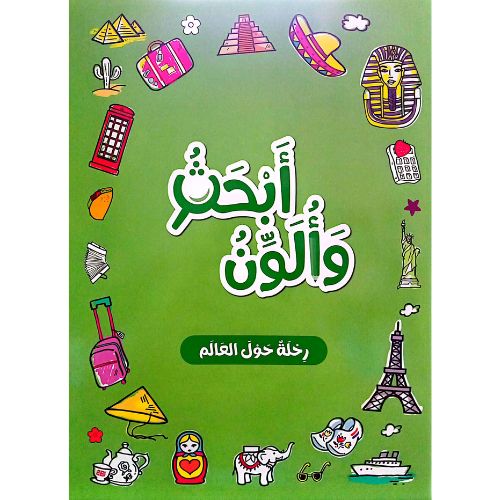
[CB] Abhath Wa’ulawwin – Rihlah Hawl Al-‘Aalam / (ابحث والون (رحلة حول العالم
هَلْ تَرَى الحَافِلاتِ الإِنْجِلِيزِيَّةَ ذَاتَ الطَّابَقَيْنِ؟ جِدْهَا ثُمَّ لَوْنُهَا بِالْأَحْمَرِ،
وَالقُدُورَ المغربيَّةَ؟ تِلْكَ لَوْنَهَا بِالْأَصْفَرِ.
وَخِيَامَ الهُنُودِ الحُمْرِ؟ يُمْكِنُكَ تَلْوِينُهَا بِمَا شِئْتَ مِنْ أَلْوَانٍ.
فِي هَذَا الكِتَابِ أَبْحَثُ وَأُلَوِّنُ سَتَذْهَبُ لِتَكْتَشِفَ العَالَمِ!
مِنْ تِمْثَالِ أَبِي الهَوْلِ المِصْرِيِّ ، إِلَى الدُّمَى الرُّوسِيَّةِ ، مُرُورًا بِالْأَهْرَامَاتِ الْأَزْتِيكِيَّةِ.
اكْتَشِفِ الأَشْيَاءَ الَّتِي تُمَيِّزُ كُلَّ بَلَدٍ، وَاكْسُهَا أَلْوَانًا جَمِيلَةً

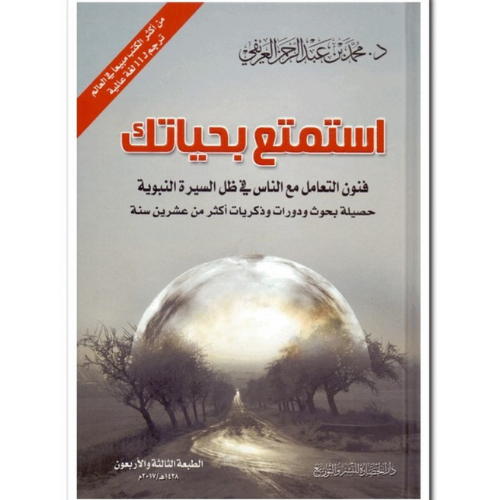
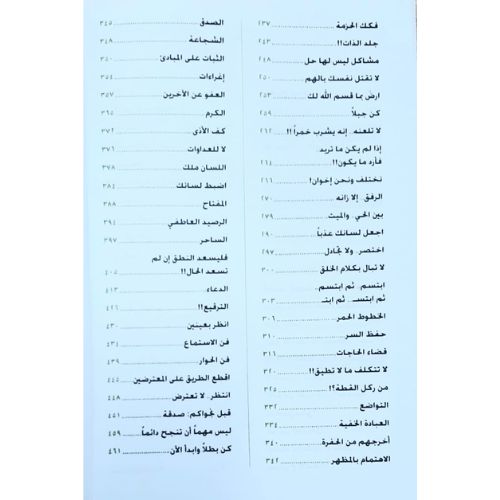
[MM] Istamti’ Bi HayatIk (استمتع بحياتك)
استمتع بحياتك،محمد ابن عبد الرحمن العريفي
استمتع بحياتك : فنون التعامل مع الناس في ظل السيرة النبوية – حصيلة بحوث و دورات و ذكريات أكثر من عشرين سنة
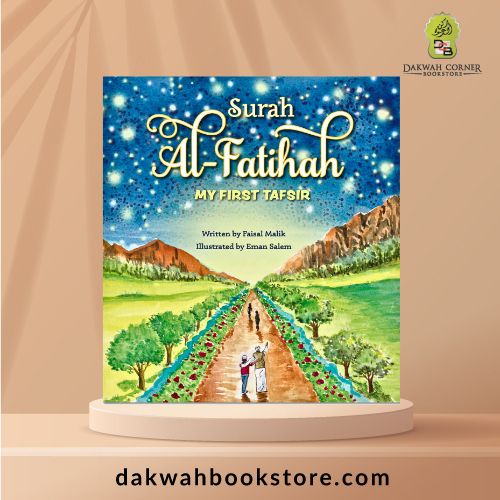
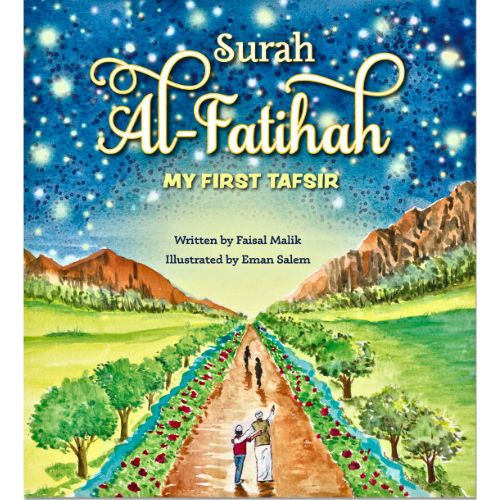
Surah Al Fatihah: My First Tafsir (P/B)
Based on the real-life teachings of a beloved Shaykh, Surah Al-Fatihah:
My First Tafsir is a gateway to understanding the prayer we recite every day, planting a seed of deep and lasting love for Allah’s words.
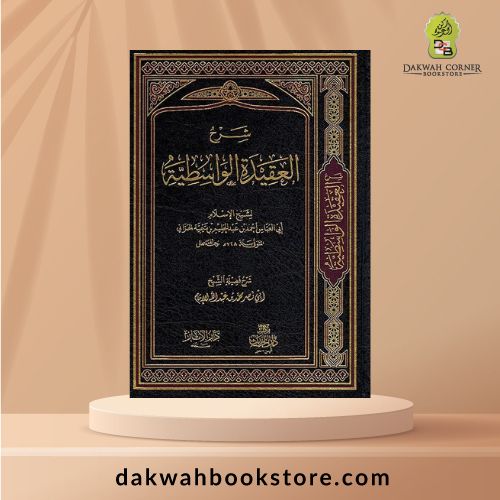
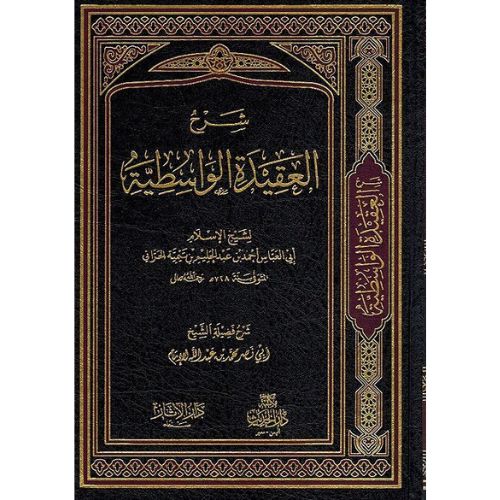
[AC] Sharh Al Aqidah Al Wasatiah / شرح العقيدة الواسطية
شرح كتاب العقيدة الشهير للشيخ ابن تيمية والذي تم شرحه عدة مرات، هذا شرح جديد للشيخ أبي نصر الإمام.
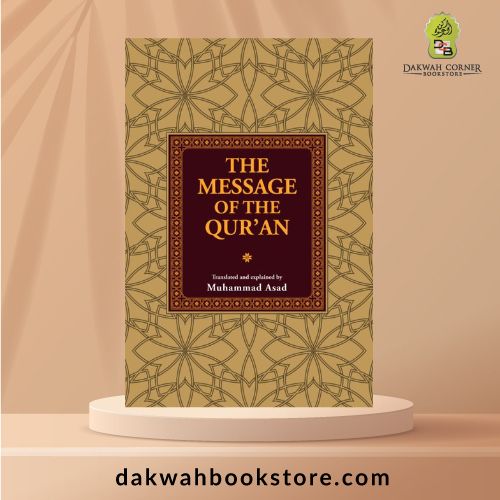
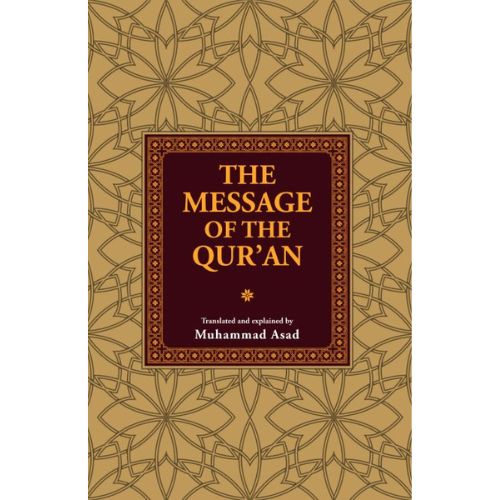
The Message of the Qur’an H/B (IBT)
The Message of the Qur’an is widely recognized as among the best English translations and commentaries of the Qur’an and comparable to the famous works of Pickthall, Yusuf Ali, and Daryabadi. Asad’s rendering is simple and straightforward. Although widely known as a proponent of conservative Islam, his translation departs from the traditional exegetic approaches and reflects his deep knowledge of Jewish and Christian scriptures. This edition boasts of a comprehensive index and uses the standard Uthmani Qur’anic script.
There are no reviews yet.