


![[CB] Vegetables Board Book -الخضروات](https://shop.dakwahbookstore.com/wp-content/uploads/2021/11/Untitled-42.jpg)
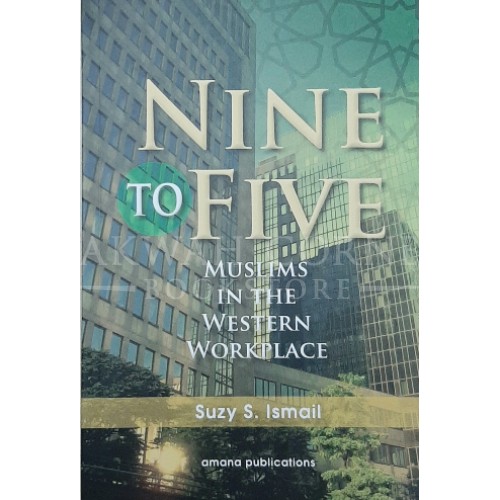
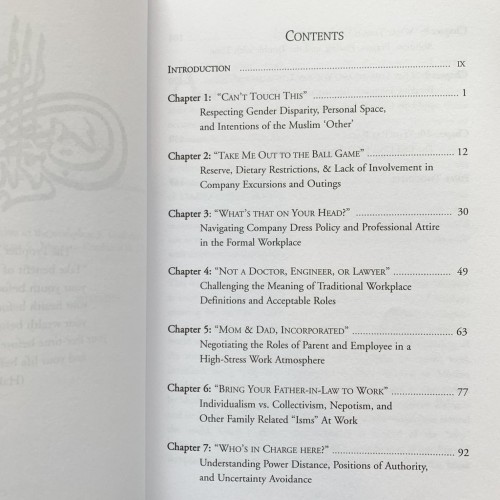
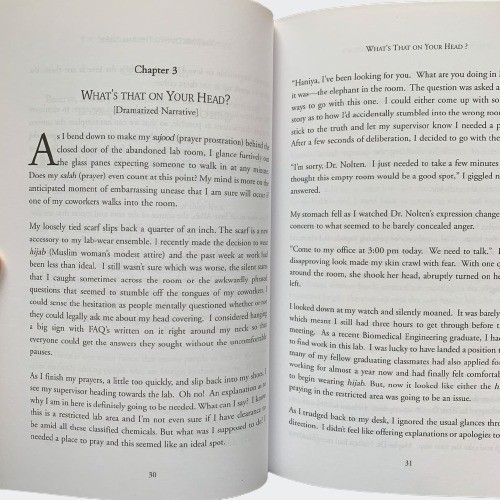
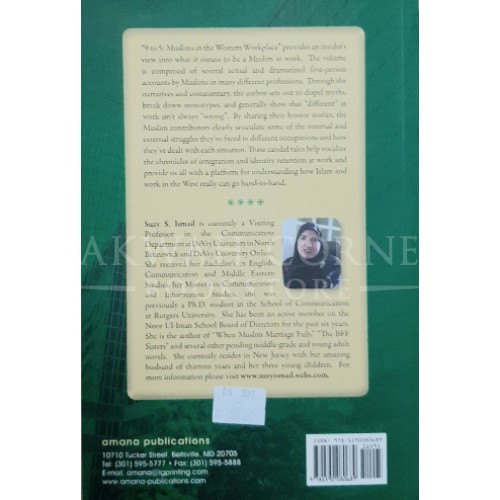
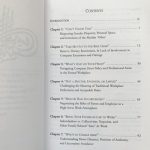
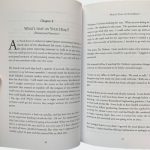
Muslims in the Western Workplace” provides an insider’s view into what it means to be a Muslim at work. The volume is comprised of several actual and dramatized first- accounts by Muslims in many different professions. Through the narratives and commentary, the author sets out to dispel myths. break down stereotypes, and generally show that “different” at work isn’t always “wrong”. By sharing their honest stories, the Muslim contributors clearly articulate some of the internal and external struggles they’ve faced in different occupations and how they’ve dealt with each situation. These candid tales help vocalize the chronicles of integration and identity retention at work and provide us all with a platform for understanding how Islam and work in the West really can go hand-in-hand.
Nine To Five: Muslims In The Western Workplace
RM55.00
Frequently Bought Together
| Weight | 0.30 kg |
|---|---|
| Dimensions | 22.5 × 15.5 × 1 cm |
| Author | |
| Binding | Paperback |
| ISBN | 978-1590080689 |
| Pages | 150 |
| Publisher | Amana Publications |
Be the first to review “Nine To Five: Muslims In The Western Workplace” Cancel reply
You must be logged in to post a review.
You may also like…
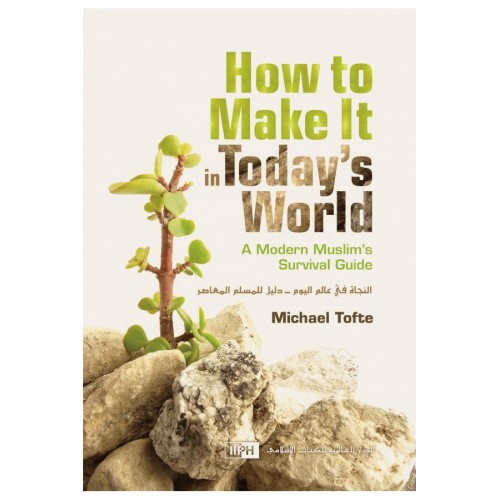
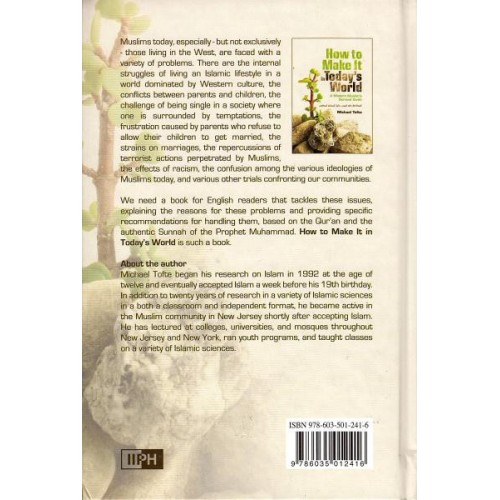
How to Make It in Today’s World (H/B)
Muslims today, especially – but not exclusively – those living in the West, are faced with a variety of problems. There are the internal struggles of living an Islamic lifestyle in a world dominated by Western culture, the conflicts between parents and children, the challenge of being single in a society where one is surrounded by temptations, the frustration caused by parents who refuse to allow their children to get married, the strains on marriages, the repercussions of terrorist actions perpetrated by Muslims, the effects of racism, the confusion among the various ideologies of Muslims today, and various other trials confronting our communities. We need a book for English readers that tackles these issues, explaining the reasons for these problems and providing specific recommendations for handling them, based on the Qur’an and the authentic Sunnah of the Prophet Muhammad (blessings and peace be upon him). How to Make It in Today’s World is such a book.
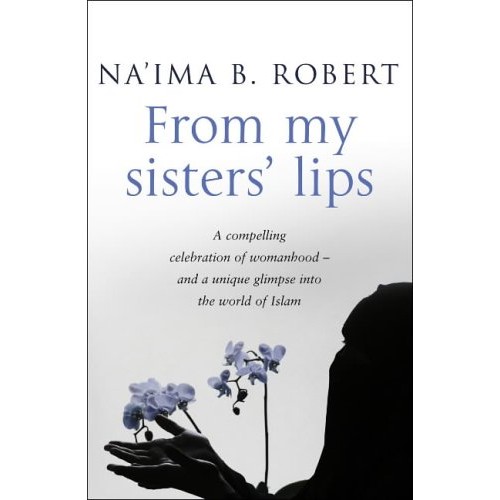
From my sisters’ lips
Covered from head to toe with only her eyes visible, the sight of a Muslim woman on a western city street rarely fails to provoke a strong reaction. Feelings of shock, horror, repulsion, pity or even fear are not uncommon. But have you ever wondered who it is behind the veil and what makes her tick? Ever wondered what her life is really like and whether her dreams, hopes and aspirations differ from yours? From My Sisters’ Lips offers a rare glimpse into the lives of a community of women, most of whom are converts to Islam, and invites you to share their joys, sorrows, convictions and faith.
When Na’ima B Robert abandoned her western lifestyle and embraced Islam six years ago, it was not a decision taken lightly. Yet soon after she took her first tentative steps towards covering, she felt empowered; no longer judged on physical appearances alone, no longer seeking the approval to feel beautiful – or using her looks to wield power over men – the experience effected her greatly. Before long she grew in confidence and courage. As she says, ‘Something just clicked. I thought, “Good, don’t look; don’t compare me with your latest squeeze, don’t try and guess my measurements – my body is my own business!”‘
From My Sisters’ Lips offers a glimpse into the lives of just some of the extraordinary women who, like herself, have chosen to live behind the veil. What emerges is a vivid and intimate portrait of a sisterhood; as they speak candidly and with conviction on a diverse range of subjects ranging from marriage to motherhood, stereotypes, submission and self-image, we hear the strong, proud voices of those who are seldom heard.
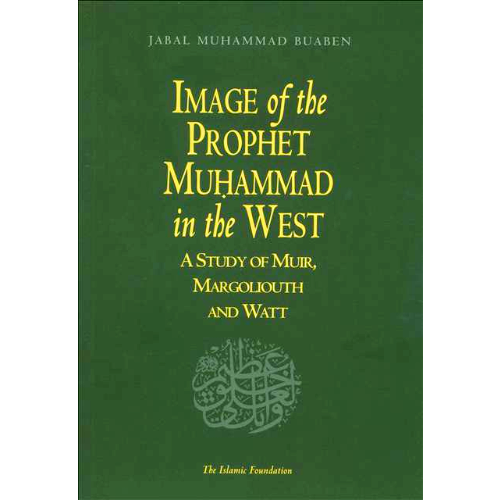
Image of the Prophet Muhammad in the West: A Study of Muir, Margoliouth and Watt
This is an outline of the main contours of Wstern scholarshop on the life and achievements of the Prophet Muhammad. It aim to highlight a perceived lack of objectivity and to focus on the need to study Islam from a scholarly and objective angle.

Dream Interpretation According to the Qur’an and Sunnah (P/B)
Separates the authentic Islamic teachings on dream interpretation from the myths, superstitions and fabrications being circulated on the subject. It also provides a guide for dream interpretation according to references found in the Quran and authentic hadeeths.
Since the English publication of Muhammad Al-Akili’s 508 page work entitled, Ibn Seerin’s Dictionary of Dreams: According to Islamic Inner Traditions in 1992, followed shortly thereafter by Dreams and Interpretations by Ibn Seereen, there has been an explosion of dream interpretation and interpreters among English-speaking Muslim communities in the West. On the other hand, dream interpretation has been a long established tradition in the Muslim East. However, it has become so mixed up with superstition, myths and fortunetelling, that most educated Muslims shun this area. The fact of the matter is that dream interpretation is mentioned in the Quran and was regularly practised by the Prophet (pbuh), himself. Consequently, there is a real need to understand this subject, especially, considering that humans spend about a third of their lives sleeping.
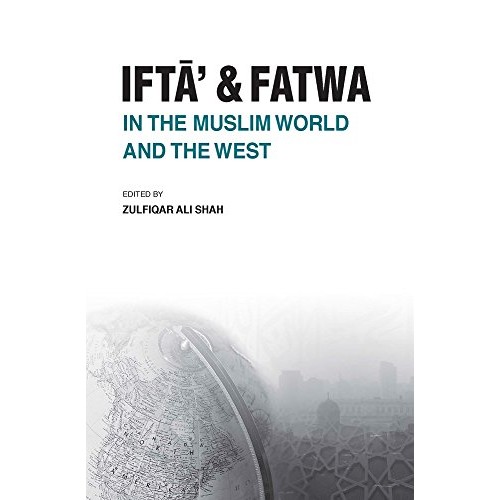
Ifta’ & Fatwa In the Muslim World and the West
During the formative classical period of Islamic jurisprudence, well-known scholars possessed not only the intellectual skills required for analytic reasoning but also a broad general knowledge of the fields relevant to the cultural contexts in which they issued their edicts. A viable fatwa requires knowledge of the Shariah as well as local customs, cultural realities, individual and communal implications, and related matters. The original juristic tradition was formulated and fixed during the first three Islamic centuries, a time of widespread sociopolitical turmoil. Of course, the jurists’ legal outlooks and thinking processes could not have escaped this reality. While Muslims of the prophetic and r shid n periods adhered closely to the authentic texts due to their sincerity, piety, prophetic training, and proximity to the revelation, the changing environment in which their descendants functioned gradually started to impact how the authentic texts were understood, interpreted, paraphrased, and implemented. Both the Muslim and the non-Muslim worlds have drastically changed since that time. The new geopolitical and scientific realities of our rapidly changing world demand a fresh look at some aspects of the established juristic tradition. The way forward involves a systematic fresh look at and reevaluation of the old fatwas, as well as the issuance of new ones with a maq sid outlook that can deal successfully with today s ever-changing global realities. In this edited volume, papers on fatwa and ift point to an approach that is both rooted in the Islamic legacy and committed to meeting the challenges of the modern world.
Related Products

Philanthropy and Social Justice in Islam (P/B)
This book analyses the principles and practices of philanthropy and distributive justice in Islam. It argues, with analyses and examples, that the accomplishment of purposive philanthropy, as commanded by the fundamental tenets of Islam, through the professionalization and rationalization of zakat management, modernization of awaqaf, etc. has the potential of optimizing justice in Muslim societies. The work draws on the Quran, Hadithe, other authentic literature, and also on official documents and publications of management agencies dealing with philanthropy in different Muslim countries/societies. The analyses are documented enough to be used as a text for the study of philanthropy in Islam in tertiary institutions nonetheless are simple enough to draw general readership and to be used by non-profit and international organizations worldwide in order to order to understand the principles and issues of philanthropy and distributive justice in Muslim societies.




Islam A Total Beginners Guide – Part Two (P/B)
In present era we are facing lot of questions:
• What is status of women in Islam?
• Who is superior – man or women?
• What does Islam say about inter-religious marriages, man’s treatment towards his wife and privacy in homes?
• What does Islam say about dress, veil, clothing and ornaments, perfumes and the wisdom of banning gold and silk for men?
This beginner’s guide to Islam answers all such questions.

New Directions in Islamic Education : Pedagogy and Identity Formation (P/B)
New Directions in Islamic Education explores the relationship between pedagogy and the formation of religious identities within Islamic education settings that are based in minority and majority Muslim contexts. Based on empirical research, the book engages critically with the philosophical, theological and cultural dynamics that inform Muslim educational thought and practice. The book offers an integrated model of Islamic education that identifies the heart of the Islamic educational imagination as tarbiyah, a transformative process of becoming. Overall, this book seeks to ground the theory and practice of Islamic education within the experience of the educator and the learner, and it synthesises the spiritual foundations of Islam with the tradition of critical reflection within the classical Muslim educational heritage. This ground breaking and wide-ranging work should be of interest not only to Muslim educators and education specialists, but also to social scientists, theologians and policy makers.

Muslim Unification at Time of Crisis
This book authored by one of the great scholars of our time is an advice to the people of Ahulul ?Sunnah wal-Jamaah to unify and be merciful to each other, and cooperate upon righteousness and taqwa.
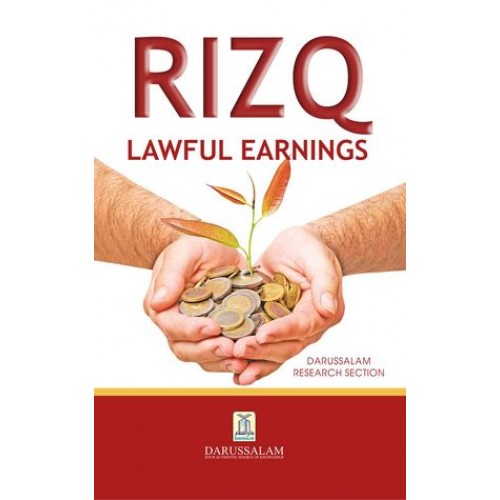
Rizq Lawful Earnings (P/B)
Narrated by Umar Ibn al-Khattaab (May Allah be pleased with him), the Prophet (Peace be upon him) said:
“If you put your faith completely in Allah, He will arrange for your sustenance in the same way as he provides for the bird. They go out in the morning with their stomachs empty and return filled in the evening.” (Tirmidhee)
This book discusses the place of pride Islam gives to making lawful earnings and rizq through hard work and striving. It also looks at the contempt Islam places on begging and indolence. Then it looks at which earnings are lawful, which are not and the many ways by which wealth can increase while seeking the pleasure of Allah (Glorified and Exalted is He).

Wholeness and Holiness in Education An Islamic Perspective (P/B)
It was initially an adaptation of Shah ‘Abdul Qadir Muhaddith Dehlawi’s translation and commentary known as Mudih al-Qur’an which according to many great ‘ulama’ is devinely inspired and accepted by all Muslims.

Essential Lessons for Every Muslim
This work is a translation of Shaikh Abdul Aziz bin Baz’s book ‘Ad-Duroos Al-Muhimmah li-Ammatil-Ummah.’ It contains concise lessons that explain the fundamental teachings of Islam. This book covers a wide range of basic information such as the meaning of Tawhid (Islamic monotheism), the categories and implications of Shirk (polytheism), the regulations of prayer, and Islamic morals and manners. As the title implies, these are truly essential lessons for everyone who is concerned with the correctness of his Islamic beliefs and acts of worship.


From Monogamy to Polygamy : A Way Through (H/B)
From Monogamy to Polygyny: A Way Through addresses the deep and complex issues and concerns the Muslim women worldwide have with polygyny. The insight offered by this book is new, unique, and encouraging. Practical advice is brought forth to aid in moving past the negative feelings that are commonly associated with polygyny, ultimately helping the Muslim woman progress to a higher level of Iman, In sha Allah. Rich with understanding, comfort, advice, motivation, clarity, examples, experiences, and answers; a way through is paved for the Muslim woman, making polygyny easier, or at the very least more endurable. Although this book is geared mainly towards women, its vast content can give men insight into the emotional affects of polygyny on women, which they can use to make sound and wise decisions. Overall, this is a valuable resource for both Muslim men and Muslim women considering, dealing with, questioning, and pondering polygyny.

Prophet Muhammad: A Blessing for Mankind
Prophet Muhammad (blessings and peace of Allah be upon him) and the lessons he taught us from the continued hardships he underwent in every stage of his life are a real blessing for humankind. Being an orphan child made him compassionate to widows and orphans as well as to the poor. His multiple marriages strengthened the ties of kinship amongst the different tribes, dissolving long-standing enmity. His message and prophethood were challenged by the polytheistic society in Makkah, forcing him and his few followers to emigrate to Madinah. Despite his illiteracy and the struggles he faced, he conveyed Allah’s Book, the Noble Qur’an, to all humanity, teaching them the values and principles that are presently adopted by billions of Muslims throughout the world. In the Qur’an, Allah, the Almighty addresses the Prophet (blessings and peace of Allah be upon him), saying: {We have sent you only as a mercy to the worlds.} (Qur’an 21: 107)


A Treatise on Hijab and Compilation of Questions Pertaining to Family Matters (H/B)
No one denies that the modesty which is commanded by Islamic Law and by convention includes the decency and decorousness demanded of a woman, and the kind of behavior that will ensure that she is kept far away from situations of temptation and suspicion. Further more, there is no doubt that the greatest act of modesty that she can perform is to wear the hijab, which covers her face. It is the best thing with which she can adorn herself, because it protects her and keeps her far removed from temptation.

Ibn Taymeeyah’s Essay on the Jinn (P/B) ASN
Dr. Abu Ameenah Bilal Philips has rendered Ibn Taymiyah’s treatise, Eedaah-ud-Dalaalah fee ‘Umoom-ir-Risaalah, from volume 19 of Majmoo‘-ul-Fataawa into very readable English. This abridged and annotated translation is significant in that it is perhaps the first book available in English exclusively on the topic of spirit-possession and exorcism in Islam.
Ahmad ibn ‘Abdul-Haleem ibn Taymeeyah was bron in the town of Harran [near Edessa, in what was once Northern Iraq, but is now called Orfa and is a part of Turkey.], in the year 1263 CE. His father was a leading scholar of the Hanbalite school of Islamic law and so was his grandfather, who authored Muntaqaa al-Akhbaar, the text of ash-Shawkaanee’s Hadeeth classic Nayl al-Awtaar.
Ibn Taymeeyah mastered the various disciplines of Islamic study at an early age and read extensively the books of the various sects and religions in existence at that time. Much of his time and effort was spend defending the orthodox Islamic position against a tidal wave of deviation which had swept over the Muslim nation. Consequently, he faced many difficulties from both the prominent sectarian scholars of his time and from the authorities who supported them. His clashes with them led to his imprisonment on numerous occasions. Ibn Taymeeyah also fought, not only against internal enemies of Islaam, but also against its external enemies by both his Fatwaas (Islamic legal rulings) and his physical participation in battles. His ruling allowing the taking up arms against groups which recognized the Shahaadataan (declaration of faith) but refused to uphold some aspects of the fundamental principles of Islaam, greatly affected the resistance movement against the Tartars who had declared their acceptance of Islaam but did not rule according to divine law.
During these struggles he wrote countless books and treatises demonstrating his extensive reading and knowledge, not only of the positions of the early scholars, but also those of the legal and theological schools which had subsequently evolved. Ibn Taymeeyah also had a major effect on the open-minded schoars of his day, most of whom were from the Shaafi’ite school of law. Among the most famous of his students were IBN KATHEER, ADH-DHAHABEE and IBN AL-QAYYIM. The author died in 1328 while in prison in Damascus for his Fatwaa against undertaking journeys to visit the graves of saints [Ibn Taymeeyah’s ruling was based on the authentic statement reported by Abu Hurayrah wherein the Prophet Muhammad (sallallaahu alayhi wasallam) said, “Do not undertake a journey except to three masjids; this masjid of mine, Masjid al-Haraam (Makkah) and Masjid al-Aqsaa (Bayt al-Maqdis).” Collected by Al-Bukhaaree and Muslim]. His Fatwaa had been distorted by his enemies to say that he forbade visiting the Prophet Muhammad’s (sallallaahu alayhi wasallam) grave.
Recently Viewed
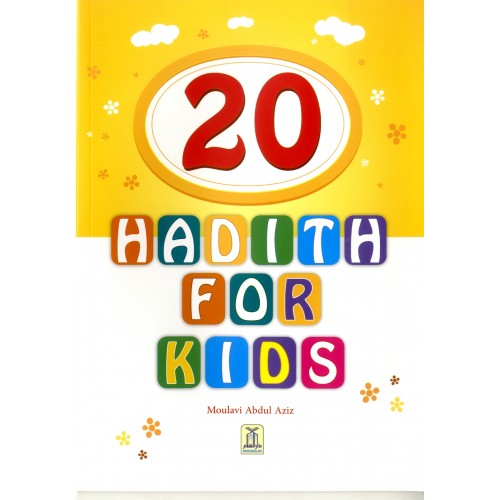
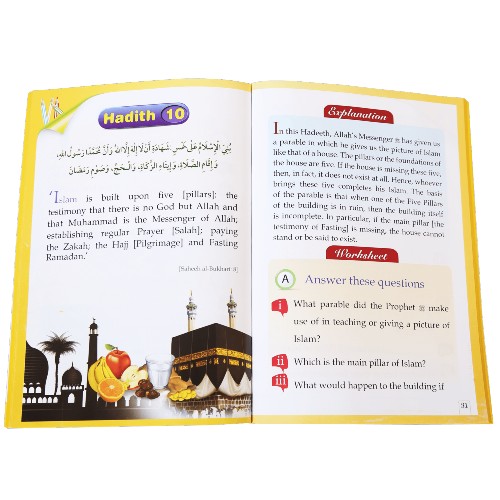
20 Hadith for Kids
The Sunnah is the most authentic explanation and elaboration of the Word of Allah. Many worthy collections of Hadith of the Prophet pbuh have been compiled and translated into English. Yet very few, however, have been compiled especially for children ad young people, and this collection is intended to fill this gap.
This collection presents twenty sound Ahadith that will appeal to all ages, but are especially suitable for young people, taking into consideration their needs and interests. In translation and brief commentary that follows each Hadith, an effort has been made to use plain language and explanation for the ordinary mind.
Moreover, useful exercises have also been added. In this way, this collection will be greatly beneficial for young Muslims. This small book has been the collaborative effort of many. It is our hope that this collection of Ahadith will serve as a useful introductions to the timeless wisdom of the last Prophet of Islam both at home and the classroom.
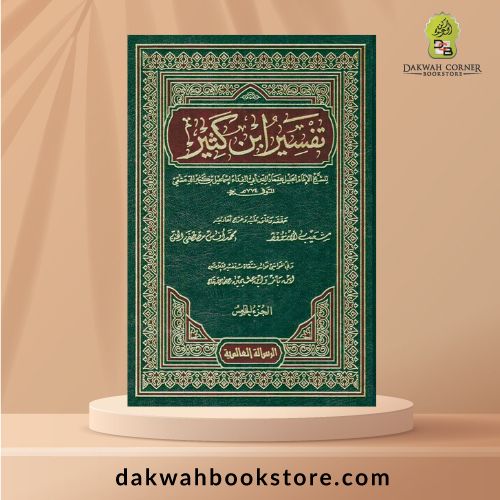
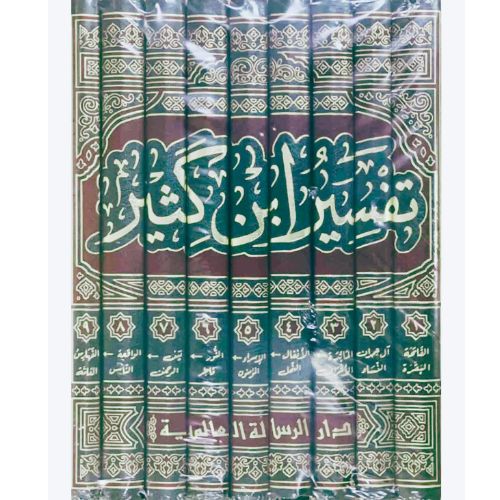
[ATQ] Tafsir Ibn Kathir 9Vol – 9/1تفسير ابن كثير
من أشهر وأفضل ما كُتب في تفسير القرآن الكريم، اهتم فيه ابن كثير باللغة، والقراءات وأوجهها وأسباب النزول، وذكر الأحاديث مع أسانيدها، وبيان صحيحها من سقيمها، مع حسن الترتيب وسهولة العبارة والبعد عن التعقيد والتكلف، وهذه طبعة جديدة أنيقة وملوّنة ضمن 9 مجلدات فاخرة الطباعة.
[HH] Sharh Al Arbain Al Nawawiyah / شرح الاربعين النووية
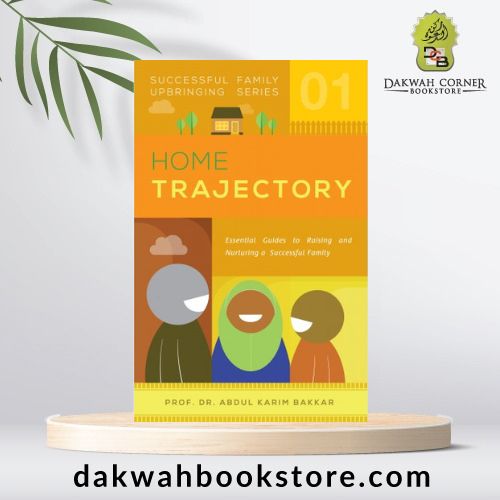
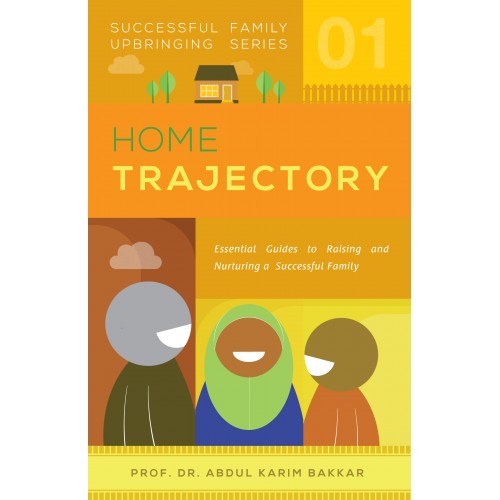
Home Trajectory (Successful Family Upbringing Series-01)
Endangering the smooth running of its affairs, in relation to its vision, moral values, conducts, inter-relationship, and interests. It is believed that clear apprehension of the drifts and trajectories along which a family should tread would provide the uttermost and worthwhile rectitude and success expected of a Muslim family, as it would also provide an appreciable and remarkable definition for the methodologies and techniques that are necessary for parents to adopt in their children’s upbringing.
It would be noticed that we, individual families and societies, are faced with the problem of how to relate with the overwhelming modern cultures that have been vigorously streamed on us from all nooks and crannies of the world. Moreover, in reality this problem is no more of relationship or management, the effect of those alien cultures has grown to being capable of causing a lot differences among people in our community, in relation to their manners, general practices and traditions, which are the main points of contest.
Also, Muslims generally are faced with the problem of illiteracy, poverty, and unemployment. Even among those who work, a large percentage of them engage in hard corporal jobs.
Consequently, all these have affected the level of attention the parents pay to their families, in terms of planning their family lives and projecting for the upbringing and future of their children. This makes it necessary for us to continue to discuss and write on the matter of child upbringing, as that is the only way out for us. And this is the aim of writing this book.
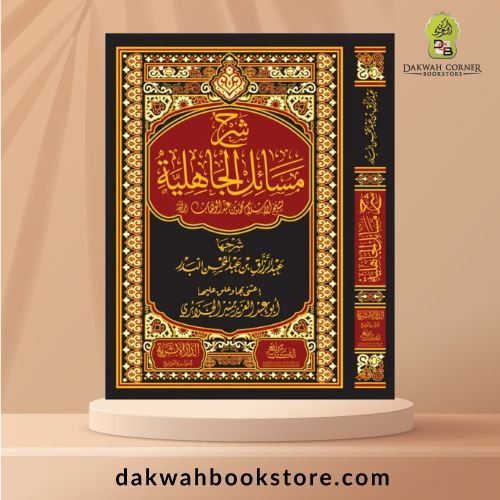
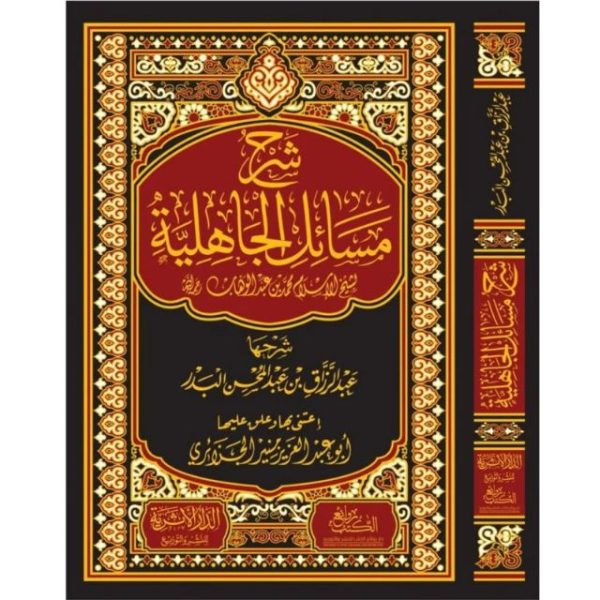
[AAC] Sharḥ Masail al Jāhiliyyah / شرح مسائل الجاهلية
اسم المؤلف: عبد الرزاق عبد المحسن البدر دار النشر: الدار الاثرية – الجزائر صيغة الكتاب: تجليد فني ورق شمواه تاريخ النشر
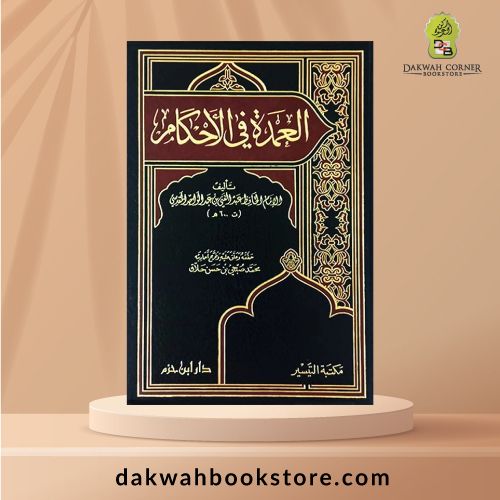
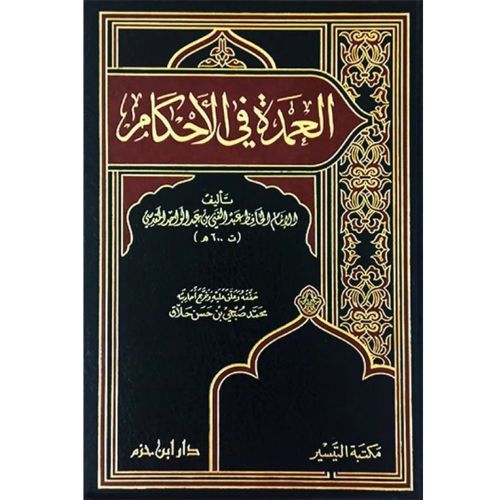
[AH] Al Umdah Fi Al Ahkam / العمدة في الأحكام
هذا الكتاب يحتوي على نخبة منتقاة من أصح آثار النبي – صلى الله عليه وسلم – اختارها المؤلف من صحيحي البخاري ومسلم، ورتبها على الأبواب الفقهية؛ لتكون عونا على أخذ المسائل من أدلتها الصحيحة. المتن: عمدة الأحكام للحافظ عبد الغني المقدسي التحقيق: للشيخ محمد صبحي حلاق


Hajj & Umrah (Pocket Guide) – English Version
A useful pocket guide that includes the rites of Umrah,Hajj, and visiting Madinah.
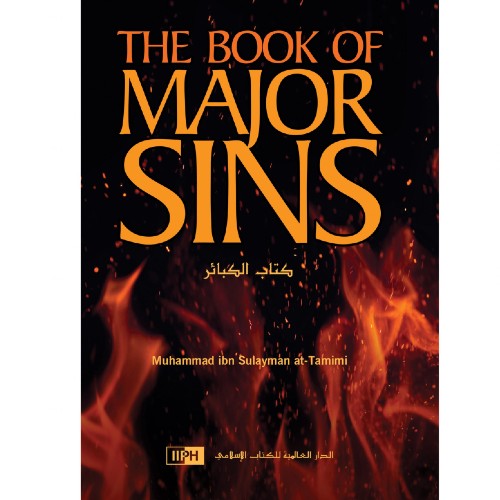
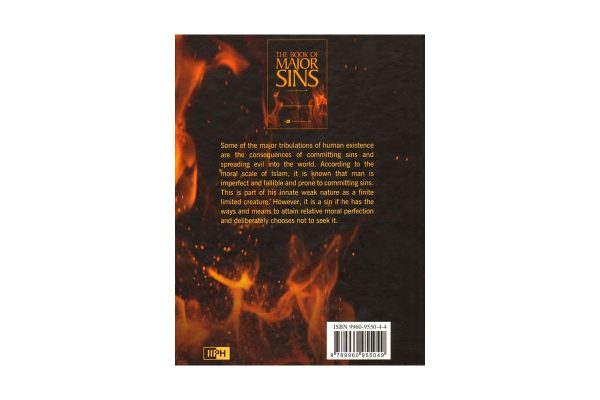
The Book of Major Sins
This is a useful handbook for every Muslim who wishes to please Allah and to avoid His wrath by learning what Allah has proscribed for him or her and making every effort to keep away from major sins.
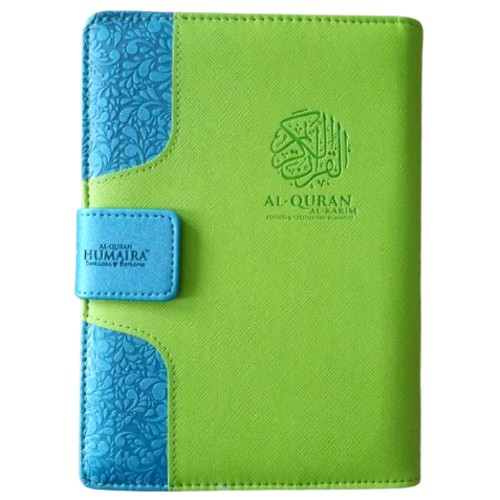
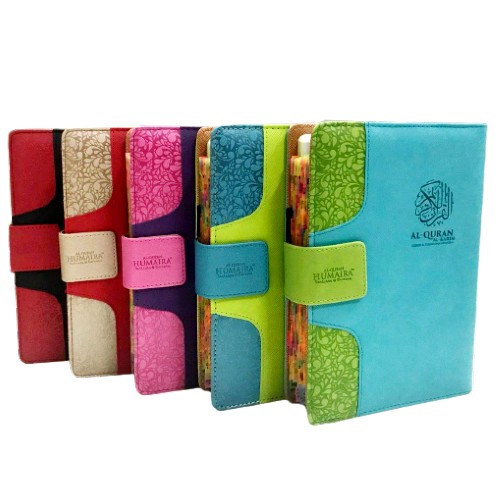
Al-Quran Humaira Diari Magnet A5 (Tagging)
Al-Quran istimewa yang bukan saja buatkan anda lebih bersemangat untuk membaca, bahkan membantu anda untuk menghayati setiap bait ayat didalamnya.
Dengan ciri-ciri ‘tagging’ yang lengkap untuk setiap juzuk, terjemahan dan juga kisah disebalik penurunan ayat-ayat suci Al-Quran.
Ciri-ciri menarik Al-Quran Tagging Humaira
- Dilengkapi dengan :
- Asbabun Nuzul
- Asmaul Husna
- Hadith Sahih
- Kod Tajwid Bewarna
- Terjemahan Bahasa Malaysia
- Resan Uthmani Bahasa Melayu
KEISTIMEWAAN AL-QURAN TAJWID & TERJEMAHAN EDISI DIARI MAGNET A5 :
- Mudah di bawa ke mana-mana, design yang ekslusif sesuai untuk semua orang.
- Isi dalam PELANGI, BERWARNA WARNI
- Terdapat penanda quran comel yang mengandungi Doa Sujud Tilawah, Doa Permulaan Baca Al-Quran.
- Malah juga terdapat penanda quran comel yang mengandungi Panduan Tajwid Kod Berwarna
- Kelulusan KDN.
Nota: Warna mungkin sedikit berbeza disebabkan pencahayaan.
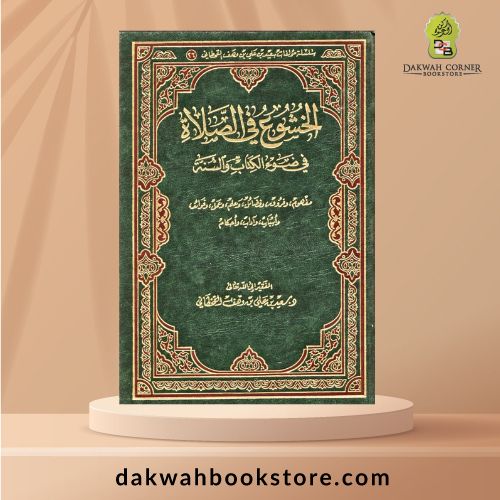
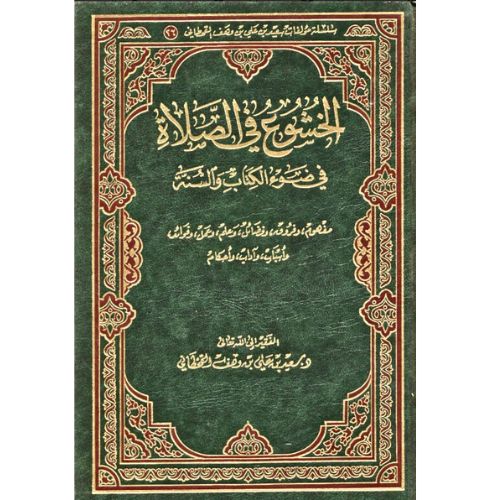
[ASJ] Al Khushoo’ fi al Salah / الخشوع في الصلاة
الخشوع هو روح الصلاة ولبّها، ويعني حضور القلب بين يدي الله تعالى، وسكون الجوارح، واستشعار عظمة الخالق. وقد ربط الله سبحانه وتعالى فلاح المؤمنين بالخشوع في قوله: ﴿قَدْ أَفْلَحَ الْمُؤْمِنُونَ * الَّذِينَ هُمْ فِي صَلَاتِهِمْ خَاشِعُونَ﴾
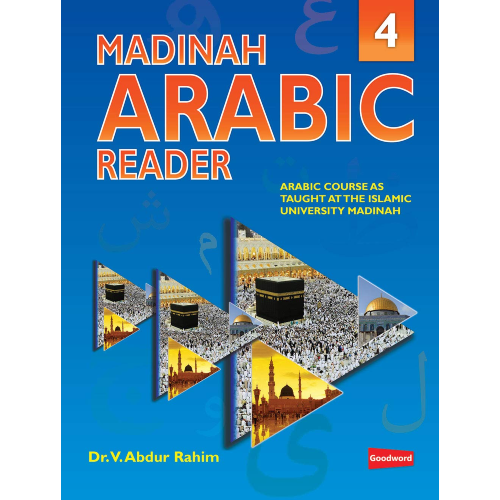
Madinah Arabic Reader (Book 4)
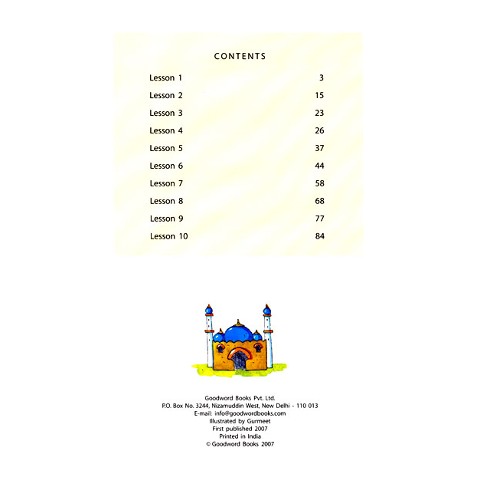
Professor Abdur Rahim, Director of the Translation Centre of the King Fahd Quran Printing Complex and former Professor of Arabic at the Islamic University of Madinah, Saudi Arabia, has authored texts designed to impart a knowledge of classical Arabic through applied grammar. Each lesson, based on a conversation, illustrates distinctive language patterns. These patterns are elucidated by a variety of helpful exercises. The vocabulary ranges from classical and Quranic Arabic to modern Arabic. This series of books is currently being utilized at various schools to prepare students for the University of London (UK) GCE O-Level and A-Level examinations.
There are no reviews yet.