



![[CB] Vegetables Board Book -الخضروات](https://shop.dakwahbookstore.com/wp-content/uploads/2021/11/Untitled-42.jpg)
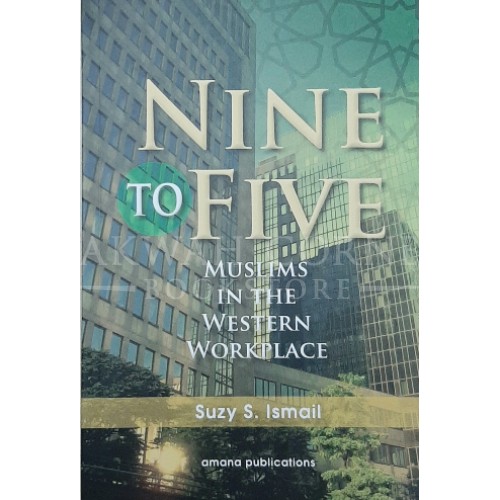
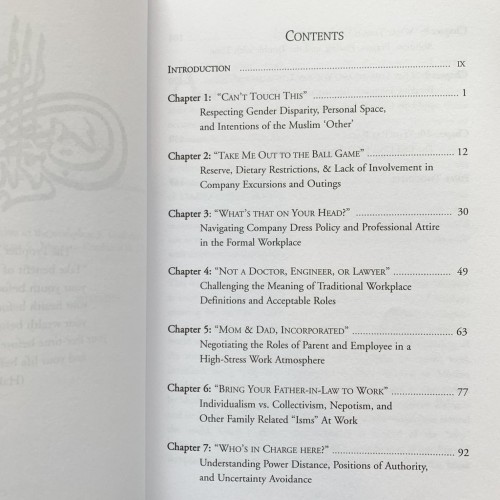
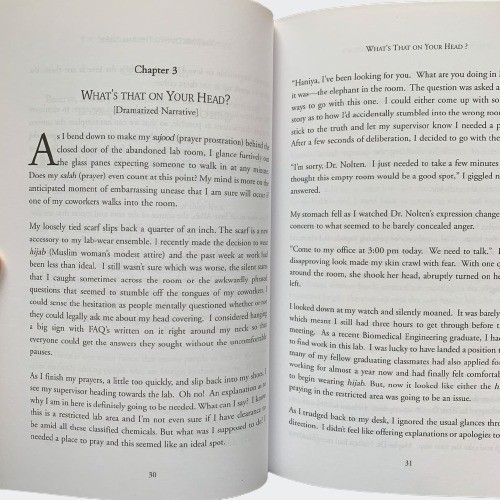
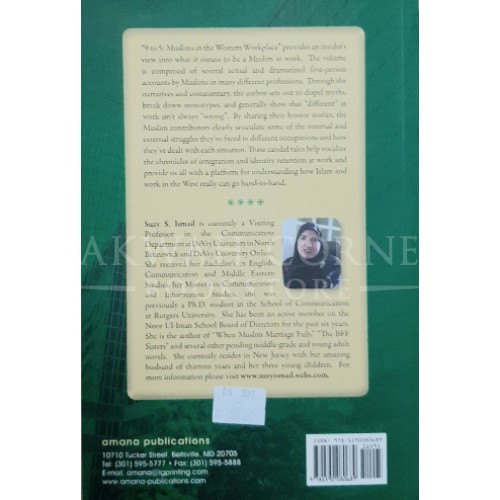
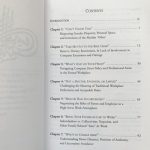
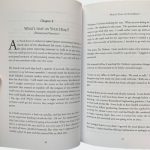
Muslims in the Western Workplace” provides an insider’s view into what it means to be a Muslim at work. The volume is comprised of several actual and dramatized first- accounts by Muslims in many different professions. Through the narratives and commentary, the author sets out to dispel myths. break down stereotypes, and generally show that “different” at work isn’t always “wrong”. By sharing their honest stories, the Muslim contributors clearly articulate some of the internal and external struggles they’ve faced in different occupations and how they’ve dealt with each situation. These candid tales help vocalize the chronicles of integration and identity retention at work and provide us all with a platform for understanding how Islam and work in the West really can go hand-in-hand.
Nine To Five: Muslims In The Western Workplace
RM55.00
Frequently Bought Together
| Weight | 0.30 kg |
|---|---|
| Dimensions | 22.5 × 15.5 × 1 cm |
| Author | |
| Binding | Paperback |
| ISBN | 978-1590080689 |
| Pages | 150 |
| Publisher | Amana Publications |
Be the first to review “Nine To Five: Muslims In The Western Workplace” Cancel reply
You must be logged in to post a review.
You may also like…
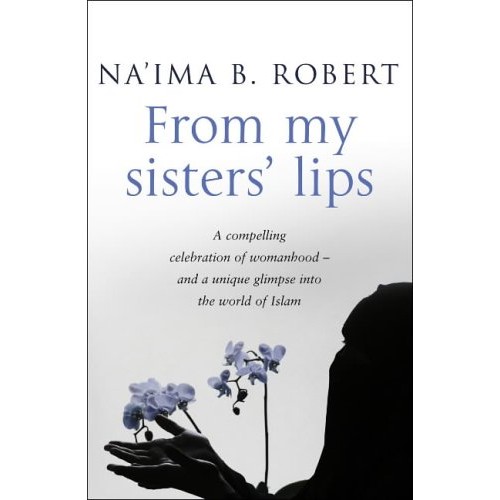
From my sisters’ lips
Covered from head to toe with only her eyes visible, the sight of a Muslim woman on a western city street rarely fails to provoke a strong reaction. Feelings of shock, horror, repulsion, pity or even fear are not uncommon. But have you ever wondered who it is behind the veil and what makes her tick? Ever wondered what her life is really like and whether her dreams, hopes and aspirations differ from yours? From My Sisters’ Lips offers a rare glimpse into the lives of a community of women, most of whom are converts to Islam, and invites you to share their joys, sorrows, convictions and faith.
When Na’ima B Robert abandoned her western lifestyle and embraced Islam six years ago, it was not a decision taken lightly. Yet soon after she took her first tentative steps towards covering, she felt empowered; no longer judged on physical appearances alone, no longer seeking the approval to feel beautiful – or using her looks to wield power over men – the experience effected her greatly. Before long she grew in confidence and courage. As she says, ‘Something just clicked. I thought, “Good, don’t look; don’t compare me with your latest squeeze, don’t try and guess my measurements – my body is my own business!”‘
From My Sisters’ Lips offers a glimpse into the lives of just some of the extraordinary women who, like herself, have chosen to live behind the veil. What emerges is a vivid and intimate portrait of a sisterhood; as they speak candidly and with conviction on a diverse range of subjects ranging from marriage to motherhood, stereotypes, submission and self-image, we hear the strong, proud voices of those who are seldom heard.
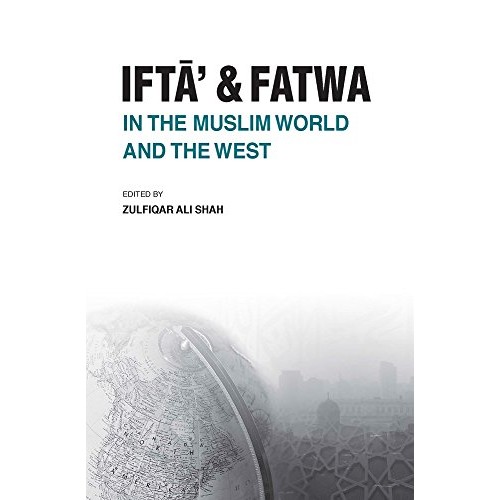
Ifta’ & Fatwa In the Muslim World and the West
During the formative classical period of Islamic jurisprudence, well-known scholars possessed not only the intellectual skills required for analytic reasoning but also a broad general knowledge of the fields relevant to the cultural contexts in which they issued their edicts. A viable fatwa requires knowledge of the Shariah as well as local customs, cultural realities, individual and communal implications, and related matters. The original juristic tradition was formulated and fixed during the first three Islamic centuries, a time of widespread sociopolitical turmoil. Of course, the jurists’ legal outlooks and thinking processes could not have escaped this reality. While Muslims of the prophetic and r shid n periods adhered closely to the authentic texts due to their sincerity, piety, prophetic training, and proximity to the revelation, the changing environment in which their descendants functioned gradually started to impact how the authentic texts were understood, interpreted, paraphrased, and implemented. Both the Muslim and the non-Muslim worlds have drastically changed since that time. The new geopolitical and scientific realities of our rapidly changing world demand a fresh look at some aspects of the established juristic tradition. The way forward involves a systematic fresh look at and reevaluation of the old fatwas, as well as the issuance of new ones with a maq sid outlook that can deal successfully with today s ever-changing global realities. In this edited volume, papers on fatwa and ift point to an approach that is both rooted in the Islamic legacy and committed to meeting the challenges of the modern world.
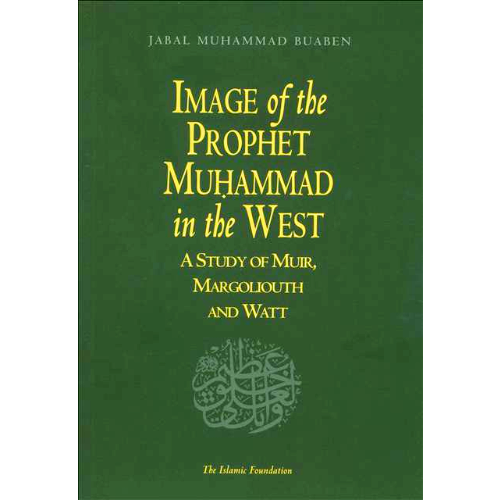
Image of the Prophet Muhammad in the West: A Study of Muir, Margoliouth and Watt
This is an outline of the main contours of Wstern scholarshop on the life and achievements of the Prophet Muhammad. It aim to highlight a perceived lack of objectivity and to focus on the need to study Islam from a scholarly and objective angle.

Dream Interpretation According to the Qur’an and Sunnah (P/B)
Separates the authentic Islamic teachings on dream interpretation from the myths, superstitions and fabrications being circulated on the subject. It also provides a guide for dream interpretation according to references found in the Quran and authentic hadeeths.
Since the English publication of Muhammad Al-Akili’s 508 page work entitled, Ibn Seerin’s Dictionary of Dreams: According to Islamic Inner Traditions in 1992, followed shortly thereafter by Dreams and Interpretations by Ibn Seereen, there has been an explosion of dream interpretation and interpreters among English-speaking Muslim communities in the West. On the other hand, dream interpretation has been a long established tradition in the Muslim East. However, it has become so mixed up with superstition, myths and fortunetelling, that most educated Muslims shun this area. The fact of the matter is that dream interpretation is mentioned in the Quran and was regularly practised by the Prophet (pbuh), himself. Consequently, there is a real need to understand this subject, especially, considering that humans spend about a third of their lives sleeping.
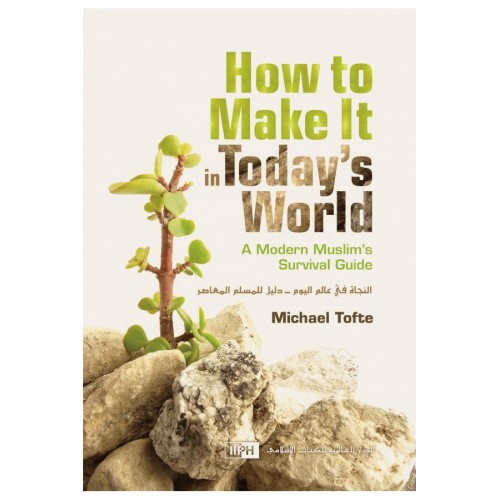
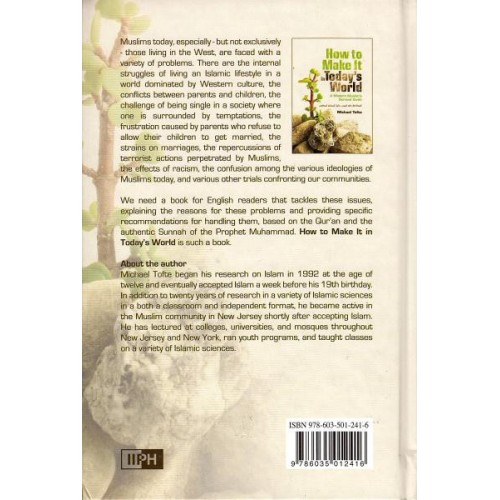
How to Make It in Today’s World (H/B)
Muslims today, especially – but not exclusively – those living in the West, are faced with a variety of problems. There are the internal struggles of living an Islamic lifestyle in a world dominated by Western culture, the conflicts between parents and children, the challenge of being single in a society where one is surrounded by temptations, the frustration caused by parents who refuse to allow their children to get married, the strains on marriages, the repercussions of terrorist actions perpetrated by Muslims, the effects of racism, the confusion among the various ideologies of Muslims today, and various other trials confronting our communities. We need a book for English readers that tackles these issues, explaining the reasons for these problems and providing specific recommendations for handling them, based on the Qur’an and the authentic Sunnah of the Prophet Muhammad (blessings and peace be upon him). How to Make It in Today’s World is such a book.
Related Products

In Search of God (P/B)
Some thinkers has said, ‘A smattering of knowledge turns people away from God. Grater knowledge brings them back to Him’. The author concludes in this book by examining various theories that the choice humanity have is not between the universe with God and the universe with God and the universe without God. The real option is between the universe with God and no universe at all. Therefore humanity is compelled to opt for the proposition the universe with God. Hence it is logical to say I exist, therefore, God exists.


Why Islam?
Often, the first thing someone is asked when they discover the truth and embrace Islam is the question: Why Islam? Here, an American revert-to-Islam answers that question. The author, K. Sherman, writes: The beauty of Islam is probably the best-kept secret in modern times; it is about time it was revealed. This is the sentiment of a majority of people who are discovering the truth about Islam every day. My first exposure to the religion was through a perusal of a fifty-page booklet titled Towards Understanding Islam (written in 1932). It explained to me everything that twenty years of life and fifteen years of education could not. After the initial sense of relief, I suddenly felt cheated. I was consumed with rage. Why? I could not fathom how people could know about this phenomenal way of life and not speak out and inform others. This book is my personal take on the beauty of Islam, backed up by relevant and authentic references. I am convinced that humanity direly needs it and it is my duty to speak out.


Provisions of the Afterlife Which Lie Within Prophetic Guidance (H/B – DKI
Written originally by Ibn Qayyim Al-Jauziyyah is one of the important resources of knowledge for those who seek to know the Seerah of their Prophet (P.B.U.H) as well as the Fiqh learned from it. This is a book that is unique in that it explains the Sunnah through the Seerah and the Seerah through the Sunnah. It is a profound classic work containing thousands of pages written by Imam ibn al-Qayyam while on the Hajj journey, Pilgrimage, from Damascus to Makkah. Despite its being written from memory, the several thousand incidents, Hadiths, Ayat (verses of the Quran), Fiqh benefits, as well as names of the companions associated with them, were remarkably close to the truth with marginal errors.
However, those who know the status, level of knowledge ad Ta’hqiq that Imam ibn al-Qayyim had will not be surprised to know this fact. Still, it is amazing how Ibn Al-Qayyim was able to write this vast volume while traveling to Hajj (Pilgrimage), especially since he was away from the resources of knowledge and was enduring the hardships of travel. It is a blessing from Allah (S.A.T) that it was possible for him to do so. Note: As with Many English Translations this work appears to be slightly abridged but it seems to cover most of the subjects Note : With the Lack of English works covering Hanbali Fiqh , This Books would be the nearest alternative. Although not a Specifically Fiqh Book, Ibn Qayyim’s views which are based on Hanbali Fiqh are quoted throughout.


Islam A Total Beginners Guide – Part Three (P/B)
In present era we are facing lot of questions:
• What is status of women in Islam?
• Who is superior – man or women?
• What does Islam say about inter-religious marriages, man’s treatment towards his wife and privacy in homes?
• What does Islam say about dress, veil, clothing and ornaments, perfumes and the wisdom of banning gold and silk for men?
This beginner’s guide to Islam answers all such questions.


From Monogamy to Polygamy : A Way Through (H/B)
From Monogamy to Polygyny: A Way Through addresses the deep and complex issues and concerns the Muslim women worldwide have with polygyny. The insight offered by this book is new, unique, and encouraging. Practical advice is brought forth to aid in moving past the negative feelings that are commonly associated with polygyny, ultimately helping the Muslim woman progress to a higher level of Iman, In sha Allah. Rich with understanding, comfort, advice, motivation, clarity, examples, experiences, and answers; a way through is paved for the Muslim woman, making polygyny easier, or at the very least more endurable. Although this book is geared mainly towards women, its vast content can give men insight into the emotional affects of polygyny on women, which they can use to make sound and wise decisions. Overall, this is a valuable resource for both Muslim men and Muslim women considering, dealing with, questioning, and pondering polygyny.


A Treatise on Hijab and Compilation of Questions Pertaining to Family Matters (H/B)
No one denies that the modesty which is commanded by Islamic Law and by convention includes the decency and decorousness demanded of a woman, and the kind of behavior that will ensure that she is kept far away from situations of temptation and suspicion. Further more, there is no doubt that the greatest act of modesty that she can perform is to wear the hijab, which covers her face. It is the best thing with which she can adorn herself, because it protects her and keeps her far removed from temptation.

Guarding The Tongue (P/B)
How many people have earned the wrath of Allah as a result of misuse of their tongues? How many injuries that may never heal have been inflicted throughtt the careless slips of the tongue? The Messenger of Allah said:
“Indeed, the servant will speak words that are pleasing to Allah, due to which he will he given a condition in which Allah will raise him many levels. And indeed, the servant will speak words that are displeasing to Allah, due to which he will not he given a good condition, but (instead) be thrown into the Hellfire.”(Bukhari)
This book highlights those sins that seem so light on the tongue yet so grave on the scale and offers practical advice on how to keep the tongue in check.

When Wings Expand (P/B)
Writing on the pages of her journal, Nur, a teenage girl in Canada, charts the onset and advance of her mother’s cancer. Nur watches her mother’s body begin to shrink and her mood begin to darken. And when family and friends begin to encroach, Nur must face the prospect of her mother’s looming death.

Polygamy in Islam (P/B)
Polygamy is the Muslim practice most frequently and severely maligned by Westerners and modernist Muslims. This book can be read with profit by all unprejudiced readers who wish to know its justification and rationale.
One of the greatest contrasts between Islam and the West is their conflicting concepts of relations between the sexes. Indeed, the very first question a Muslim convert is confronted with by an American or European is ‘Why does Islam allow four wives?’ This book…replies straightforwardly to that question and much more.
The authors describe all the most important characteristics of marriage in Islam, pointing out that the Western notions of sex equality and romantic premarital ‘love’ are not necessary in Islamic marriage based on piety and the commitment on the part of both parents to win the pleasure of Almighty Allah.’
This book contains basic guides for anyone interested in understanding the rights and obligations of males and females in Islamic plural marriage. The guidelines have been drawn from the Quran, Hadith and opinions of Islamic scholars.

Essential Lessons for Every Muslim
This work is a translation of Shaikh Abdul Aziz bin Baz’s book ‘Ad-Duroos Al-Muhimmah li-Ammatil-Ummah.’ It contains concise lessons that explain the fundamental teachings of Islam. This book covers a wide range of basic information such as the meaning of Tawhid (Islamic monotheism), the categories and implications of Shirk (polytheism), the regulations of prayer, and Islamic morals and manners. As the title implies, these are truly essential lessons for everyone who is concerned with the correctness of his Islamic beliefs and acts of worship.

Philanthropy and Social Justice in Islam (P/B)
This book analyses the principles and practices of philanthropy and distributive justice in Islam. It argues, with analyses and examples, that the accomplishment of purposive philanthropy, as commanded by the fundamental tenets of Islam, through the professionalization and rationalization of zakat management, modernization of awaqaf, etc. has the potential of optimizing justice in Muslim societies. The work draws on the Quran, Hadithe, other authentic literature, and also on official documents and publications of management agencies dealing with philanthropy in different Muslim countries/societies. The analyses are documented enough to be used as a text for the study of philanthropy in Islam in tertiary institutions nonetheless are simple enough to draw general readership and to be used by non-profit and international organizations worldwide in order to order to understand the principles and issues of philanthropy and distributive justice in Muslim societies.

New Directions in Islamic Education : Pedagogy and Identity Formation (P/B)
New Directions in Islamic Education explores the relationship between pedagogy and the formation of religious identities within Islamic education settings that are based in minority and majority Muslim contexts. Based on empirical research, the book engages critically with the philosophical, theological and cultural dynamics that inform Muslim educational thought and practice. The book offers an integrated model of Islamic education that identifies the heart of the Islamic educational imagination as tarbiyah, a transformative process of becoming. Overall, this book seeks to ground the theory and practice of Islamic education within the experience of the educator and the learner, and it synthesises the spiritual foundations of Islam with the tradition of critical reflection within the classical Muslim educational heritage. This ground breaking and wide-ranging work should be of interest not only to Muslim educators and education specialists, but also to social scientists, theologians and policy makers.
Recently Viewed
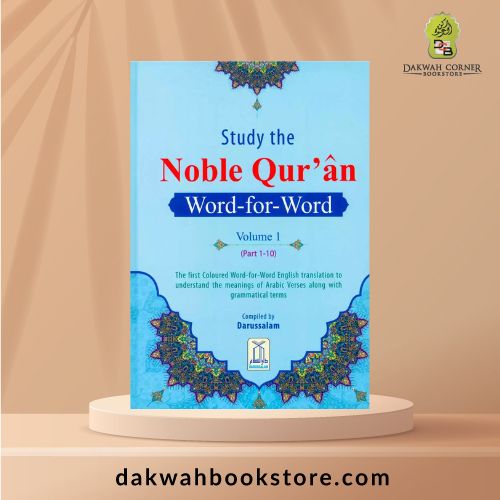
Study The Noble Qur’an Word for Word (3 volumes) – Colour
Available NOW only for online shopping.
Complete Qur’an in 3 volumes Colour Version (10 Parts per book). Individual volumes are available from the related items section. The first coloured Word-for-Word English translation to understand the meanings of the Arabic verses along with grammatical terms. Read more below…
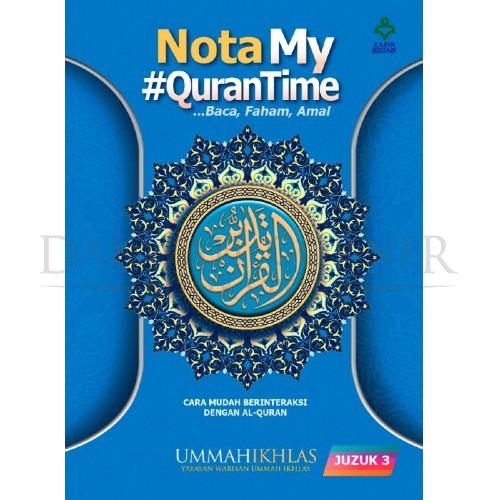
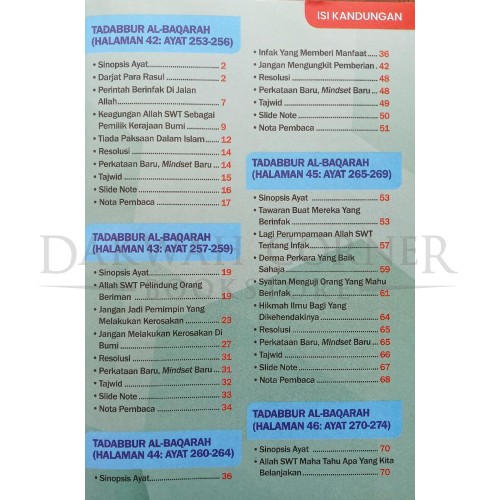
Nota My #QURANTIME Juzuk 3
Sejajar dengan tujuan program My#QuranTime yang disiarkan di TV ALHIJRAH Iaitu mahu menjadi platform solidariti ummah mempelajari asas bacaan al-Quran, Tadabbur dan Tazakkur, maka lahirlah naskhah lengkap: NOTA MY #QURANTIME sebagai panduan lengkap buat mereka yang cintakan al-Quran.
NOTA MY #QURANTIME Juzuk ke-3 ini lebih istimewa kerana di dalamnya terdapat lebih banyak perbincangan yang dikupas secara menyeluruh. Antaranya ialah:
- Pertukaran arah kiblat
- Kekal hidup bagi yang berjihad di jalan Allah
- Ujian Allah buat mereka yang bersabar
- Ganjaran buat mereka yang ditimpa musibah
- Laknat bagi mereka yang menyembunyikan kebenaran
- Hukum berniaga ketika musim haji
Nota ini juga merangkumi:
- Satu buku, satu juzuk
- Nota pilihan daripada penonton
- Aplikasi QR code untuk video bacaan terpilih
- Nota ringkasan yang padat tapi mudah difahami
- Peta infografik berwarna yang dapat membantu pemahaman pembaca
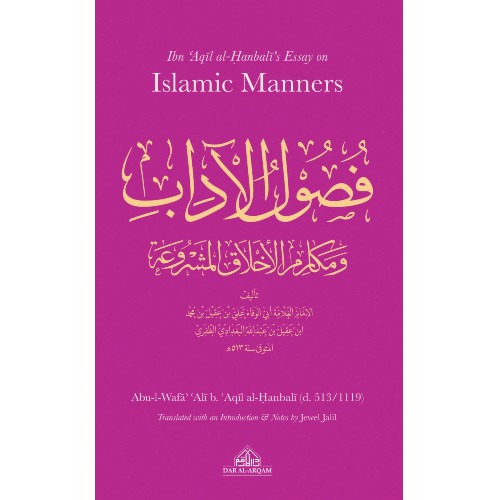
Ibn ‘Agil al-Hanbali’s Essay on Islamic Manners
This book is a translation of Ibn ʿAqīl al-Ḥanbalī’s (d. 513/1119) essay on Islamic manners, Fuṣul al-Adab wa Makarim al-Akhlaq al-Mashruʿah. It presents a significant number of commendable etiquettes Muslims are required to observe for everyday living and dealings. Ibn ʿAqīl’s essay is considered to be the shortest, and the earliest extant work from the Ḥanbalī school on Islamic manners.
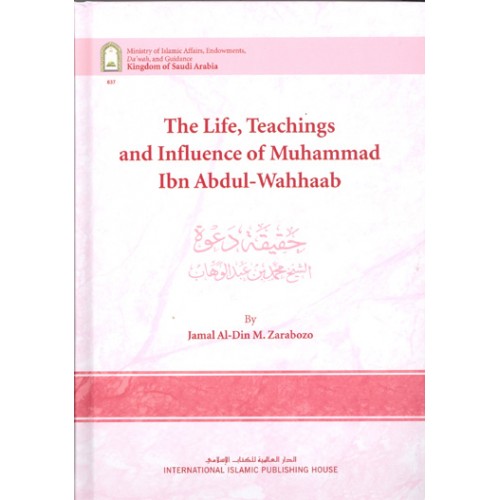
The Life, Teachings And Influence Of Muhammad Ibn Abdul-Wahhaab (H/B)
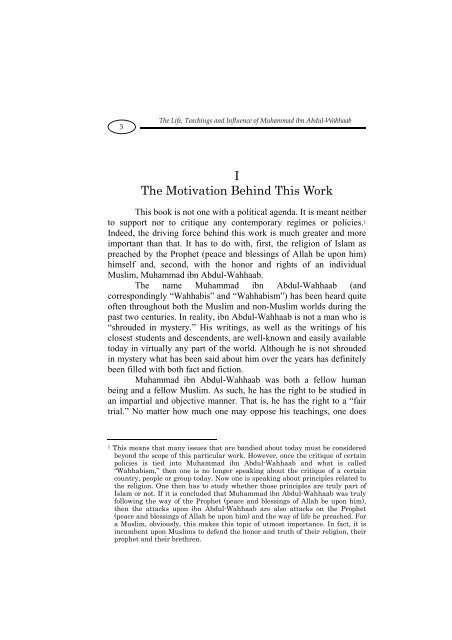
From Chapter 1 – This book is not one with a political agenda. It is meant neither to support nor to critique any contemporary regimes or polices. Indeed, the driving force behind this work is much greater and more important than that. It has to do with, first, the religion of Islam as preached by the Prophet and second, with the honor and right of an individual Muslim, Muhammad ibn Abdul-Wahhaab. An attempt has been made to resent a fair and accurate presentation of the life and teachings of him. Conclusions were derived based only on the most historically and logically reliable, accurate, substantiated and proven-based sources – be they from Muslims or non-Muslims.
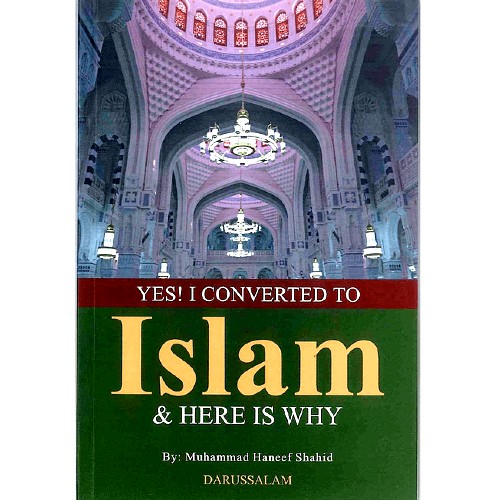
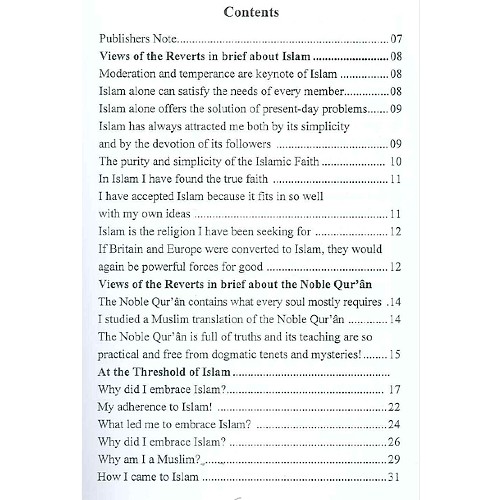
Yes! I Converted To Islam & Here Is Why
This book is a collection from the several narratives about the lives, experiences and previous beliefs as well as Islamic impressions and reasons of different personalities belonging to all walks of life as to why they reverted to Islam.
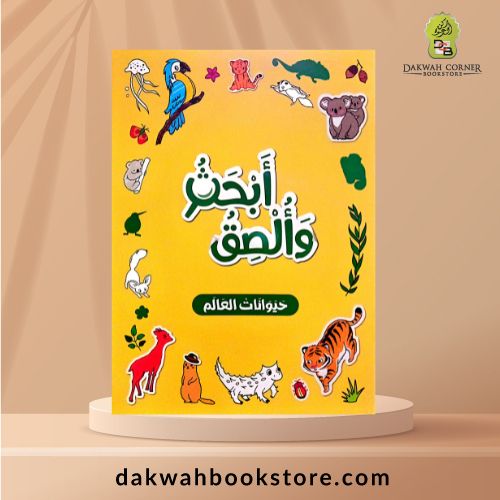
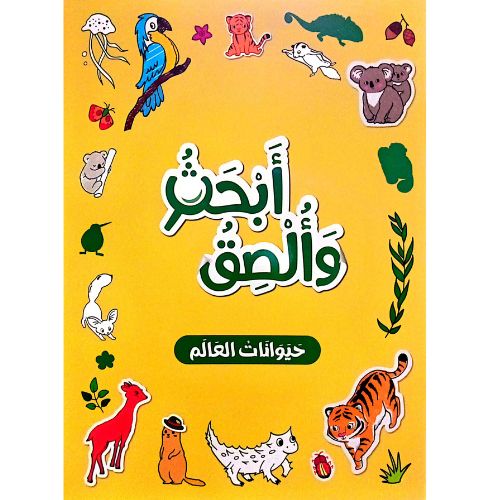
[CB] Abhath Waulsiq – Hayawaanaat Al-‘Aalam / (أبحث وألصق (حيوانات العالم
أَلْصِقِ النَّمِرَ فِي الأَدْغَالِ، وَامْنَحِ المَرَامِيطَ قُبَّعَاتٍ طَرِيفَةً.
ابْحَثُ عَنْ كُلِّ البُومَاتِ فِي الرَّسْمِ، وَامْنَحْ كُلَّ وَاحِدَةٍ مِنْهَا نَظَارَةً.
سَتَجِدُ فِي كِتَابِ الإِلْصَاقِ وَالتَّلْوِينِ المُسَلِّي هَذَا، حَيَوَانَاتٍ مِنْ جِهَاتِ هَذَا
الكَوْكَبِ الأَرْبَعِ : حَيَوَانَاتِ الصَّحْرَاءِ وَحَيَوَانَاتِ الأَدْغَالِ وَحَيَوَانَاتِ الغَابَةِ.
أَلْصِقْهَا جَمِيعًا فِي مَكَانِهَا ، ثُمَّ لَوْنِ الرُّسُومَاتِ الجَمِيلَةَ.
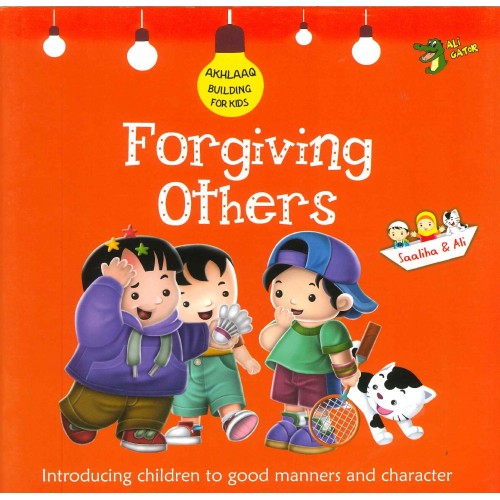
Forgiving Others (Akhlaaq Building Series)
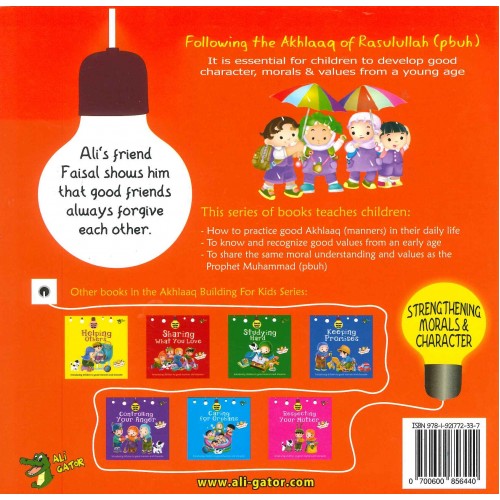
“Forgiving Others” is one the latest releases in the immensely popular “Akhlaaq Building Series”, featuring Saaliha and her younger brother Ali.
In “Forgiving Others” Ali’s friend Faisal shows him that good friends always forgive each other, which really isn’t that hard. There are good lessons in there for children (and adults too).
Colourful, funny and educational, the perfect combination for young readers.
Customers who bought the original 4 titles will grab this off the shelf.
There are 8 books in this highly successful series.
Full Color
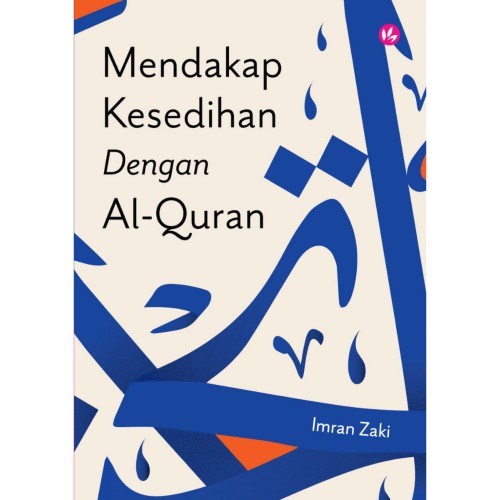
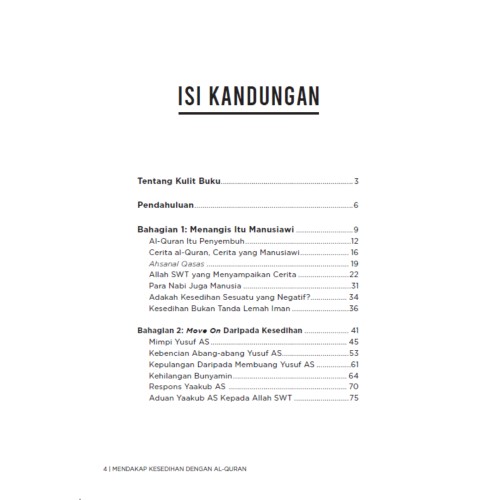
Mendakap Kesedihan Dengan Al-Quran
Benarkah kita dilarang untuk berasa sedih?
Andai kita rasa terbuang; Yusuf AS juga begitu.
Andai kita pernah melalui konflik berkeluarga; Yaakub AS juga begitu.
Andai kita pernah dikhianati teman; Lut AS juga begitu.
Kita menangis; Yaakub AS juga menangis, sehingga buta matanya.
Kita rasa hidup tidak lagi bermakna; Maryam AS juga pernah rasa begitu, sehingga terlahir kata-kata penyesalan dari bibirnya.
Sebenarnya, apakah respons al-Quran terhadap kesedihan yang kita bahkan para nabi rasai?

Lawful Wives or Unlawful Girlfriends
In the Name of Allah, the Most Beneficent, the Most Merciful
Allah (SWT) says: (If you fear that you will not be able to deal justly with the orphans, marry women of your choice, two or three or four; but if you fear that you shall not be able to deal justly (with them), then only one or (the captives or the slaves) that your right hands possess. That will be more suitable to prevent you from doing injustice) (An-Nisa’: 3).
Praise be to Allah (SWT) who has prescribed for His Servants a religion (Islam) that is beneficial to them in this world and the Hereafter, and Peace and Blessing be upon His Messengers and Prophets who were guided by His Guidance and conveyed His Religion. The last and seal of His Messengers was Muhammad Ibn Abdillah (SAW). He (SAW) was the best to advise his Ummah and convey the True Message, by words, deeds and his character. He (SAW) was the best model and example for the believers.
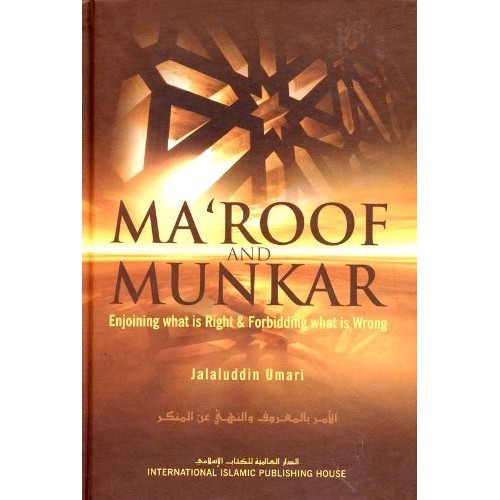
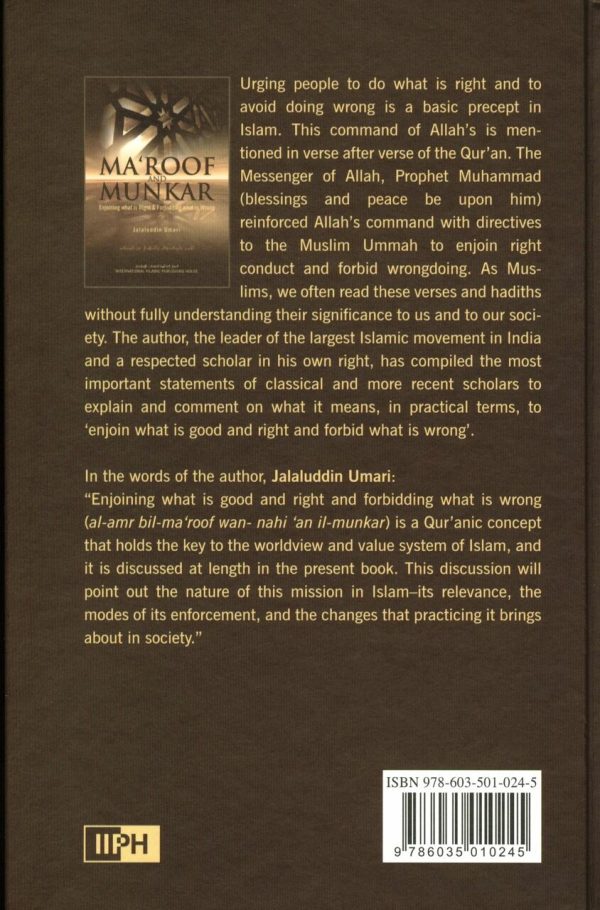
Ma’roof And Munkar – Enjoining what is Right & Forbidding what is Wrong
Ma’roof and Munkar (Enjoining what is Right & Forbidding What is Wrong) By : Jalaludin Umari Urging people to do what is right and to avoid doing wrong is a basic precept in islam . This command of allah is mentiones in verse after verse of the quran. The Messenger of Allah,Prophet Muhammad (PBUH) reinforced Allah’s command with Directives to the muslim Ummah to enjoin right conduct and forbid wrongdoing. As Muslims , we often read these verses and hadiths without fully understanding their significance to us and to our society . The Author has compiled the most important statements of classical and more recent scholars to explain and comment on what it means,in practical terms to enjoin what is good and right and forbid what is wrong.
The Effects of Fitan (P/B)
Among his outstanding traits (radhiallahu ‘anhu) is what Al-Bukhari and Muslim collected on the authority of Anas bin Malik (radhiallahu ‘anhu) that Allah’s Messenger (sallallahu ‘alayhi wa sallam) said to Ubay,
إِنَّ اللهَ أَمَـرَنِـي أَنْ أَقْـرَأَ عَـلَـيْـكَ , قَـالَ : آلله سَـمَّـانِـي لَـكَ ؟ قَـالَ : اللهُ سَـمَّـاكَ لِـي . قَـالَ : فَـجَـعَـلَ أُبَـيٌّ يَـبْـكِـي .
“Indeed Allah ordered me to teach you” He (i.e. Ubay) said, “Did Allah mention my name to you?” the Prophet said, “Allah mentioned your name to me” Anas bin Malik said, “Ubay began to weep.”
Likewise you should contemplate in order to grasp Ubay’s the full extent of understanding of the religion (radhiallahu ‘anhu); his response to this question wasn’t after long period of time like a week or a month in which he could review the verses and contemplate its meanings; rather he (radhiallahu ‘anhu) merely responded immediately after the Messenger (sallallahu ‘alayhi wa sallam) repeated the question; so he chose this blessed verse.
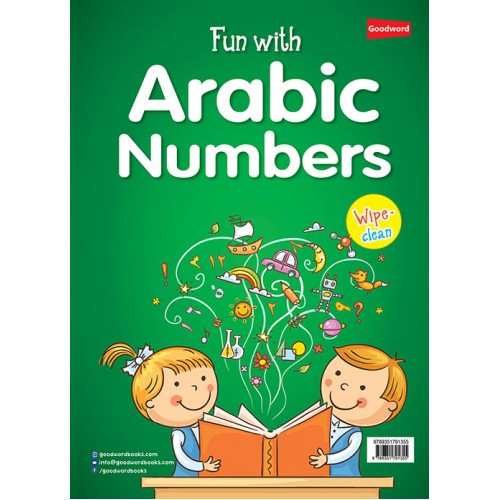
Fun with Arabic Numbers
Fun with Arabic Numbers is an ideal first book for your child to learn and practice writing Arabic Numbers. The 10 jumbo-size, wipe and clean pages packed with beautiful, clear and easily recognised pictures encourage your child early Arabic number learning in a fun way.
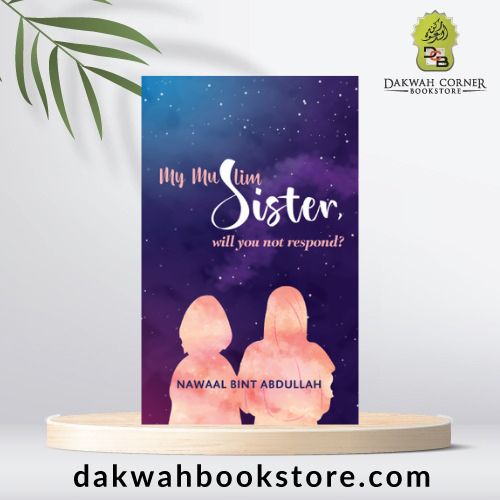
My Muslim Sister, will you not respond?
This book is the result of the author’s personal experiences and observation of the issues concerning muslim women of today. From the influences of society and culture, to the lack of understanding toward obligations and rights, women in general are under pressure to “look good.”
There are no reviews yet.