

| Weight | 0.13 kg |
|---|---|
| Product Type | Book |
| Author | |
| Publisher | Taha |
| ISBN | 9781897940006 |
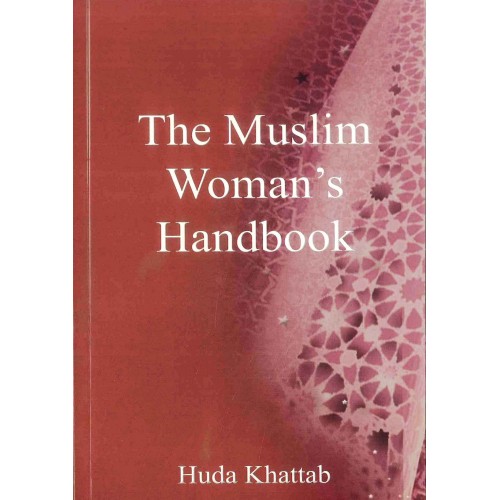
The Muslim Woman’s Handbook- TA-HA
RM26.00
Out of Stock
Highlights:
somdn_product_page
Compare
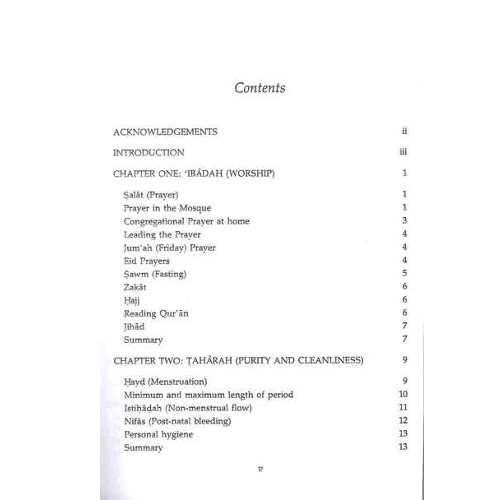
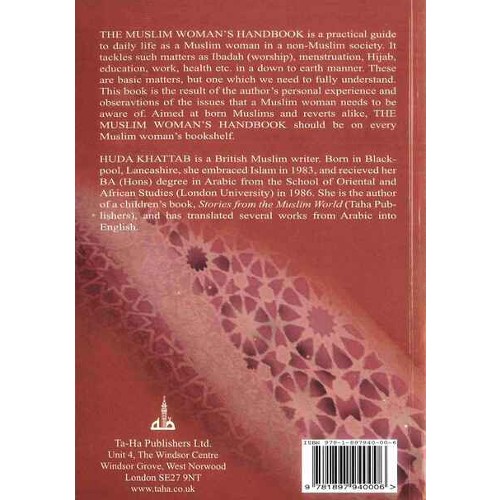
This is a practical manual dealing with all aspects of a woman’s daily life. The author deals with such delicate subjects as personal hygiene, menstruation, hijab, marriage, divorce as well as the woman’s role in the family and in the community. This book is of immense value to Muslim Women and teenage girls, especially those are discovering or re-discovering the relevance of Islam in their lives.
Additional information
Reviews (0)
Be the first to review “The Muslim Woman’s Handbook- TA-HA” Cancel reply
You must be logged in to post a review.
Related Products


Islam A Total Beginners Guide – Part Three (P/B)
Highlights:
In present era we are facing lot of questions:
• What is status of women in Islam?
• Who is superior – man or women?
• What does Islam say about inter-religious marriages, man’s treatment towards his wife and privacy in homes?
• What does Islam say about dress, veil, clothing and ornaments, perfumes and the wisdom of banning gold and silk for men?
This beginner’s guide to Islam answers all such questions.
RM45.00



Let Us Be Muslims (P/B)
Highlights:
LET US BE MUSLIMS is a new edited English version of Sayyid Mawdudi’s Urdu Khutubat. It is no ordinary book, says Khurram Murad in his long Introduction, for it has stirred more hearts and impelled more lives to change their course than any of his more erudite works. In these Friday congregational addresses, Sayyid Mawdudi expounds such familiar themes as Iman, Islam, the Prayer, Fasting, Almsgiving, Pilgrimage and Jihad. But, in an unusually beautiful, powerfully reasoned, eloquent and passionate, and yet simple and lucid style,
“Sayyid Abul A’la Al-Mawdudui (1903-1979), one of the chief architects of contemporary Islamic resurgence, was the an outstanding Islamic thinker and writer of his time. He devoted his life to expound the meaning and message of Islam and to organise a collective movement to establish the Islamic Order. In this struggle, he had to pass through all kinds of sufferings.
Between 1948-67, he spent a total of five years in different prisons of Pakistan. In 1953, he was also sentenced to death by a Martial Law court for writing a ‘seditious’ pamphlet, this sentence being later commuted to life imprisonment. In 1941, he founded Jama’at-I Islami, of which he remained Amir, until 1972 and which is one of the most prominent Islamic movements of our day. He authored more than one hundred works on Islam, both scholarly and popular, and his writings have been translated into forty languages.”
RM70.00

Fundamentals of Islam (P/B)
Highlights:
Fundamentals of Islam is a revised English edition of the critically acclaimed Khutubah (original written in Urdu). It consist of Friday congregational addresses, in them he expounds familiar themes; like Iman, Islam, the Prayer, Fasting, Alms-giving, Pilgrimage and Jihad.
RM38.00

When Wings Expand (P/B)
Highlights:
Writing on the pages of her journal, Nur, a teenage girl in Canada, charts the onset and advance of her mother’s cancer. Nur watches her mother’s body begin to shrink and her mood begin to darken. And when family and friends begin to encroach, Nur must face the prospect of her mother’s looming death.
RM40.00

Journey to Islam: Diary of a German Diplomat 1951-2000 (The Islamic Foundation)
Highlights:
A lengthy process, rich in remarkable and thought-provoking events, including compelling encounters with Islamic philosophy, led the author to embrace Islam. His experiences since that time – such as his pilgrimages to Makkah – further deepened his understanding of, and identification with, this “fastest growing religion in Europe.” This “Diary” is, however, much more than a recorded soliloquy. It is a lively introduction to Islam as such – developed in the spiritual confrontation of a Muslim intellectual of European background with the ideology and value system of post-industrial western society.
RM25.00

Ibn Taymeeyah’s Essay on the Jinn (P/B) ASN
Highlights:
Dr. Abu Ameenah Bilal Philips has rendered Ibn Taymiyah’s treatise, Eedaah-ud-Dalaalah fee ‘Umoom-ir-Risaalah, from volume 19 of Majmoo‘-ul-Fataawa into very readable English. This abridged and annotated translation is significant in that it is perhaps the first book available in English exclusively on the topic of spirit-possession and exorcism in Islam.
Ahmad ibn ‘Abdul-Haleem ibn Taymeeyah was bron in the town of Harran [near Edessa, in what was once Northern Iraq, but is now called Orfa and is a part of Turkey.], in the year 1263 CE. His father was a leading scholar of the Hanbalite school of Islamic law and so was his grandfather, who authored Muntaqaa al-Akhbaar, the text of ash-Shawkaanee’s Hadeeth classic Nayl al-Awtaar.
Ibn Taymeeyah mastered the various disciplines of Islamic study at an early age and read extensively the books of the various sects and religions in existence at that time. Much of his time and effort was spend defending the orthodox Islamic position against a tidal wave of deviation which had swept over the Muslim nation. Consequently, he faced many difficulties from both the prominent sectarian scholars of his time and from the authorities who supported them. His clashes with them led to his imprisonment on numerous occasions. Ibn Taymeeyah also fought, not only against internal enemies of Islaam, but also against its external enemies by both his Fatwaas (Islamic legal rulings) and his physical participation in battles. His ruling allowing the taking up arms against groups which recognized the Shahaadataan (declaration of faith) but refused to uphold some aspects of the fundamental principles of Islaam, greatly affected the resistance movement against the Tartars who had declared their acceptance of Islaam but did not rule according to divine law.
During these struggles he wrote countless books and treatises demonstrating his extensive reading and knowledge, not only of the positions of the early scholars, but also those of the legal and theological schools which had subsequently evolved. Ibn Taymeeyah also had a major effect on the open-minded schoars of his day, most of whom were from the Shaafi’ite school of law. Among the most famous of his students were IBN KATHEER, ADH-DHAHABEE and IBN AL-QAYYIM. The author died in 1328 while in prison in Damascus for his Fatwaa against undertaking journeys to visit the graves of saints [Ibn Taymeeyah’s ruling was based on the authentic statement reported by Abu Hurayrah wherein the Prophet Muhammad (sallallaahu alayhi wasallam) said, “Do not undertake a journey except to three masjids; this masjid of mine, Masjid al-Haraam (Makkah) and Masjid al-Aqsaa (Bayt al-Maqdis).” Collected by Al-Bukhaaree and Muslim]. His Fatwaa had been distorted by his enemies to say that he forbade visiting the Prophet Muhammad’s (sallallaahu alayhi wasallam) grave.
RM33.00


A Treatise on Hijab and Compilation of Questions Pertaining to Family Matters (H/B)
Highlights:
No one denies that the modesty which is commanded by Islamic Law and by convention includes the decency and decorousness demanded of a woman, and the kind of behavior that will ensure that she is kept far away from situations of temptation and suspicion. Further more, there is no doubt that the greatest act of modesty that she can perform is to wear the hijab, which covers her face. It is the best thing with which she can adorn herself, because it protects her and keeps her far removed from temptation.
RM50.00


Why Islam?
Highlights:
Often, the first thing someone is asked when they discover the truth and embrace Islam is the question: Why Islam? Here, an American revert-to-Islam answers that question. The author, K. Sherman, writes: The beauty of Islam is probably the best-kept secret in modern times; it is about time it was revealed. This is the sentiment of a majority of people who are discovering the truth about Islam every day. My first exposure to the religion was through a perusal of a fifty-page booklet titled Towards Understanding Islam (written in 1932). It explained to me everything that twenty years of life and fifteen years of education could not. After the initial sense of relief, I suddenly felt cheated. I was consumed with rage. Why? I could not fathom how people could know about this phenomenal way of life and not speak out and inform others. This book is my personal take on the beauty of Islam, backed up by relevant and authentic references. I am convinced that humanity direly needs it and it is my duty to speak out.
RM22.00

Dreams of the Prophets and the Righteous
Highlights:
Originally written in Arabic by Abdul Mun’im al Hashmi. It is like an encyclopedia of dreams. It tells us how we should behave on seeing a dream and how they may be interpreted. There are dreams of the Prophets and the Righteous men, and the dreams of the Prophet and his Sahabah. Some dreams of non-Muslims also find place in this book. The author also informs as to what various things like animals, birds and certain chapters of the Qur’an would mean if seen in a dream.
RM35.00

In Search of God (P/B)
Highlights:
Some thinkers has said, ‘A smattering of knowledge turns people away from God. Grater knowledge brings them back to Him’. The author concludes in this book by examining various theories that the choice humanity have is not between the universe with God and the universe with God and the universe without God. The real option is between the universe with God and no universe at all. Therefore humanity is compelled to opt for the proposition the universe with God. Hence it is logical to say I exist, therefore, God exists.
RM11.00

Essential Lessons for Every Muslim
Highlights:
This work is a translation of Shaikh Abdul Aziz bin Baz’s book ‘Ad-Duroos Al-Muhimmah li-Ammatil-Ummah.’ It contains concise lessons that explain the fundamental teachings of Islam. This book covers a wide range of basic information such as the meaning of Tawhid (Islamic monotheism), the categories and implications of Shirk (polytheism), the regulations of prayer, and Islamic morals and manners. As the title implies, these are truly essential lessons for everyone who is concerned with the correctness of his Islamic beliefs and acts of worship.
RM15.00
Recently Viewed
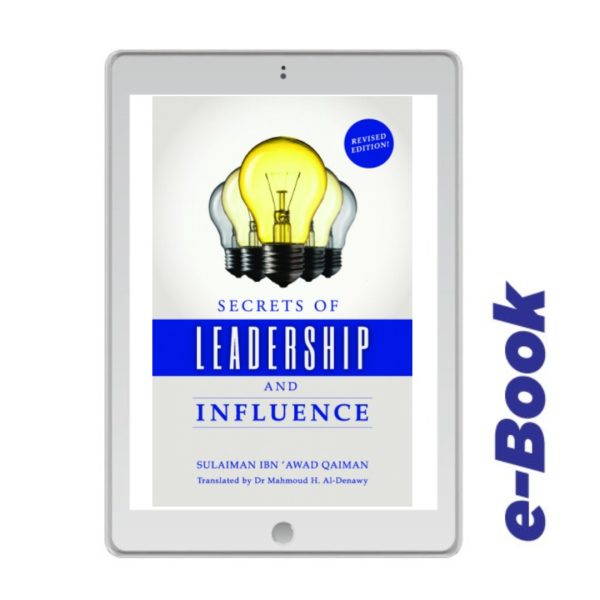
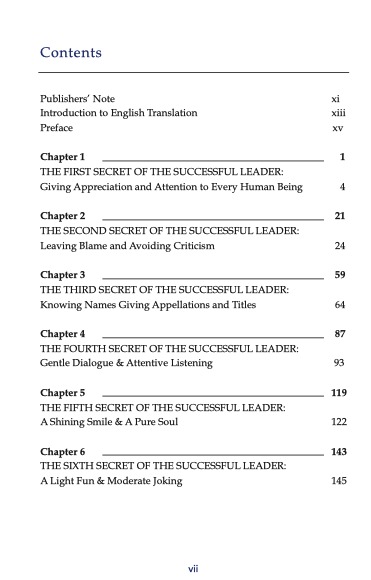
(E-Book) Secret Of Leadership
Highlights:
In this book, you will read about an enormous number of strong leadership situations, the work plans and the means to achieving the mastery of the machineries for influencing people, and of the ways of impacting changes. The book presents to you some illustrations from the inside of the human soul to get you acquainted with systems that can provide you with enormous strength and high aptitude toward effective leadership.
RM26.00
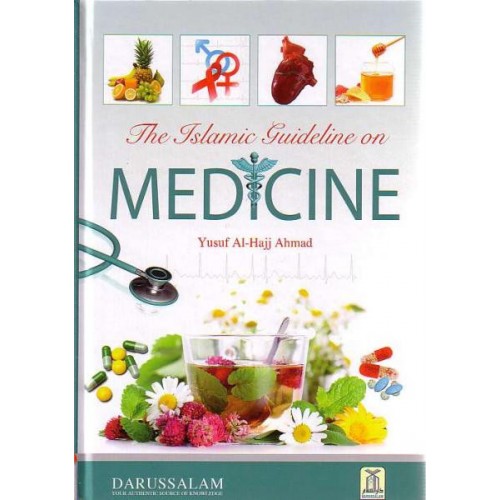
Islamic Guideline on Medicine
Highlights:
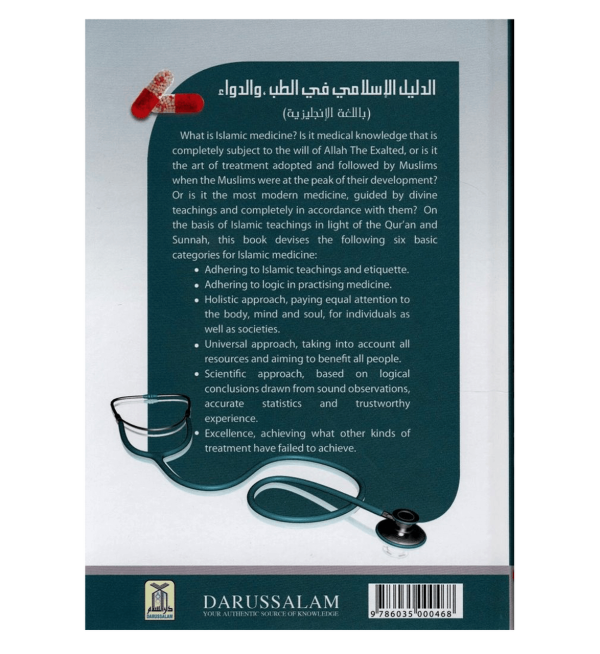
What is Islamic medicine? Is it medical knowledge that is completely subject to the will of Allah The Exalted, or is it the art of treatment adopted and followed by Muslims when the Muslims were at the peak of their development? Or is it the most modern medicine, guided by divine teachings and completely in accordance with them?
On the basis of Islamic teachings in light of the Qur’an and Sunnah, this book devises the following six basic categories for Islamic medicine:
- Adhering to Islamic teachings and etiquette.
- Adhering to logic in practicing medicine.
- Holistic approach, paying equal attention to the body, mind and soul, for individuals as well as societies.
- Universal approach, taking into account all resources and aiming to benefit all people.
- Scientific approach, based on logical conclusions drawn from sound observations, accurate statistics and trustworthy experience.
- Excellence, achieving what other kinds of treatment have failed to achieve.
RM100.00
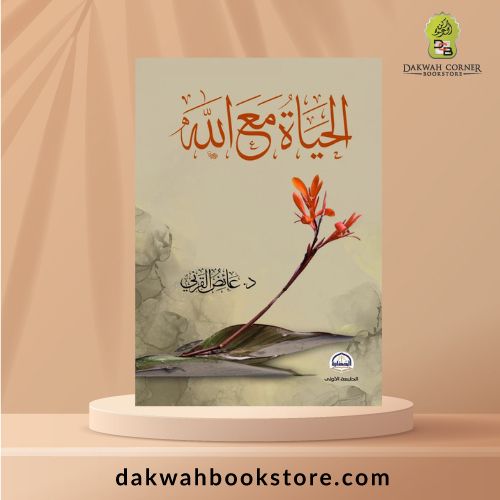
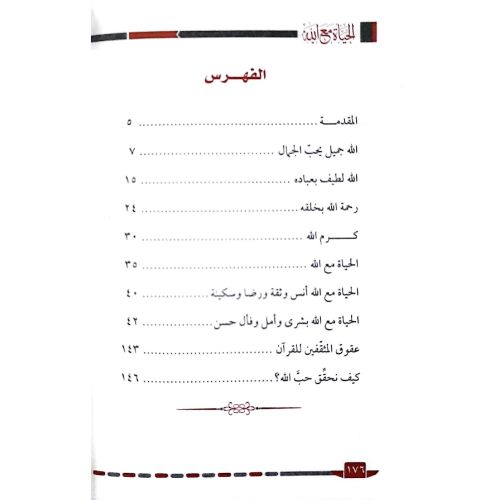
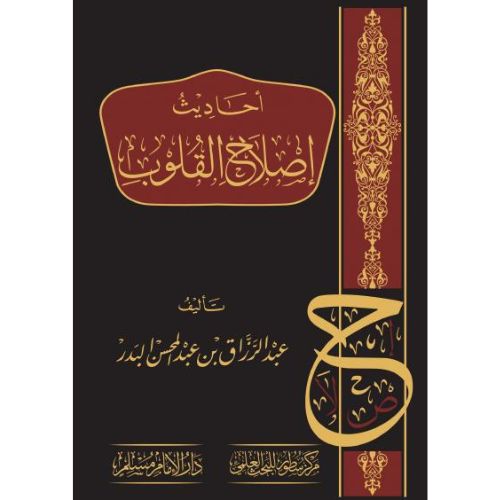
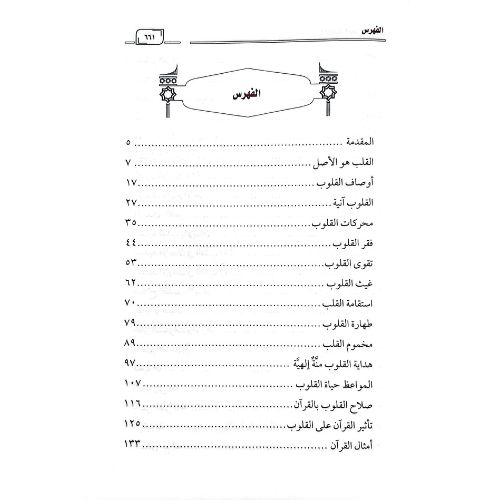
[AH] Ahadith Islah Al Qulub / أحاديث إصلاح القلوب
Highlights:
فإن أولى ما صرفت فيه الهمم والعزائم إصلاح القلوب وعلاجها وحفظ صحتها ودفع أسقامها وحمايتها مما يفسدها، وهو المقصود بالقصد، لعظم خطرها وشدة تأثيرها على الأبدان صلاحا أو فسادا.
RM90.00
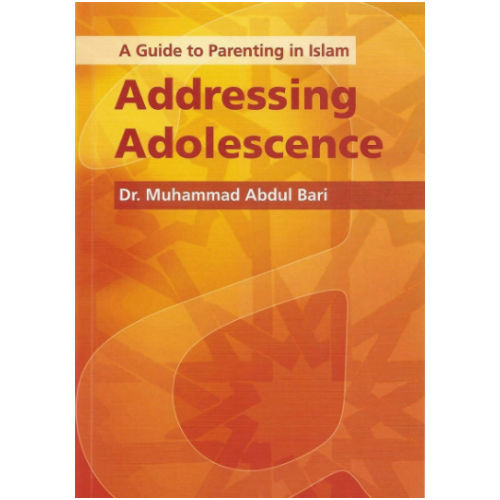
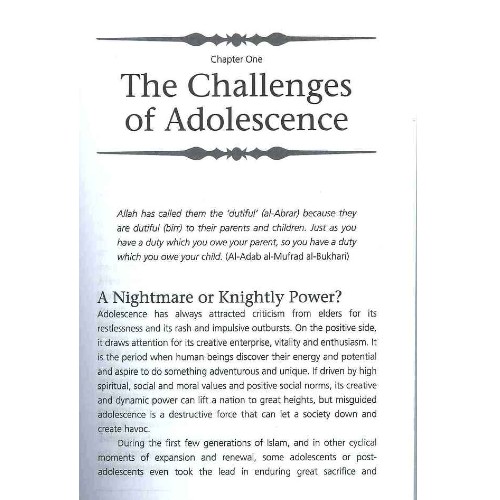
A Guide to Parenting in Islam: Addressing Adolescence
4 ★
4 ★
1 Rating
5 ★
0
4 ★
1
3 ★
0
2 ★
0
1 ★
0
Highlights:
| Addressing Adolescence is a parent-to-parent handbook outlining how to tackle the challenges of parenting adolescents within an Islamic ethos in a pluralist society.
It covers: |
RM45.00
The Muslim Woman’s Handbook- TA-HA
Highlights:
This is a practical manual dealing with all aspects of a woman’s daily life. The author deals with such delicate subjects as personal hygiene, menstruation, hijab, marriage, divorce as well as the woman’s role in the family and in the community. This book is of immense value to Muslim Women and teenage girls, especially those are discovering or re-discovering the relevance of Islam in their lives.
RM26.00
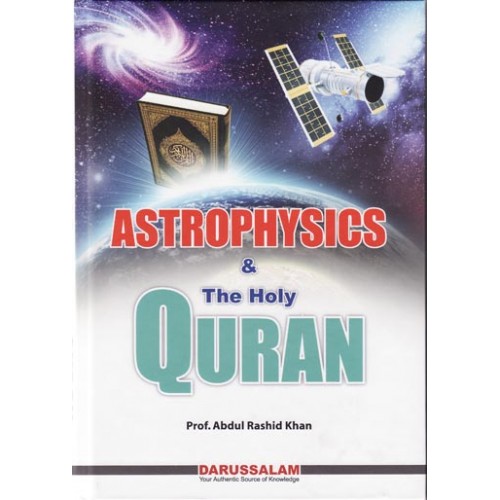
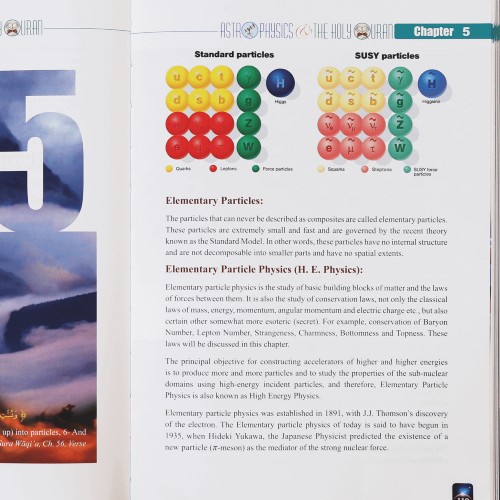
Astrophysics & The Holy Quran (H/B)
Highlights:
We are living now-a-days in the age of science. The intelligent human beings want to know where did they come from? Where did the universe come from? Will the universe come to an end, if so, how? Is the universe static or dynamic, if dynamic, is it expanding or contracting? What is time? When was it started? Will it come to an end? What are Black Holes? What are the forces of Nature? What is the smallest piece of matter? What is the status of man in the universe? Are there ultimate limits for human beings to know about something?
The majority of people especially in the third world are unable to answer these questions. When they are asked such questions, most of them answer with a shrug or with a vague and ambiguous knowledge. On the basis of Holy Qur’an as well as scientific knowledge, I have tried my level best to answer these questions in this book “Astrophysics and the Holy Quran”.
RM80.00
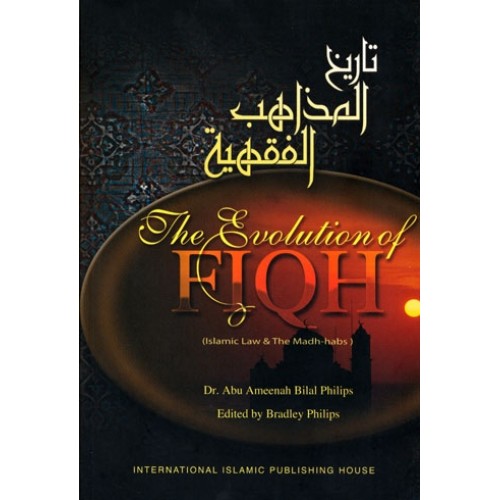
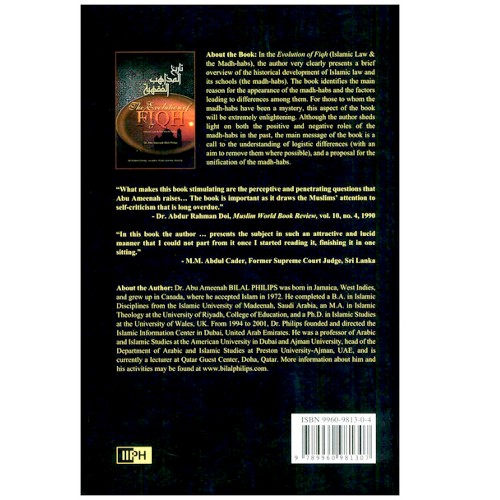
The Evolution of Fiqh (H/B)
Highlights:
In The Evolution of Fiqh: Islamic Law & the Madh-habs, Dr. Bilal Philips presents a brief overview of the historical development of Islamic law and its schools of jurisprudence (the madh-habs). This authentic Islamic book on fiqh identifies the main reason for the appearance of the madh-habs and the factors leading to differences among them, with a call to understanding juristic differences and removing them where possible.
RM45.00
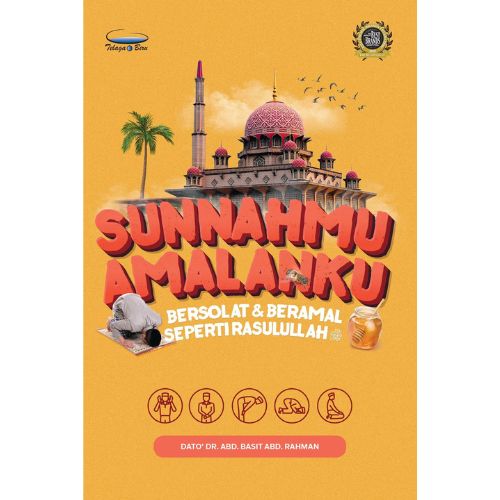
Sunnahmu Amalanku
Highlights:
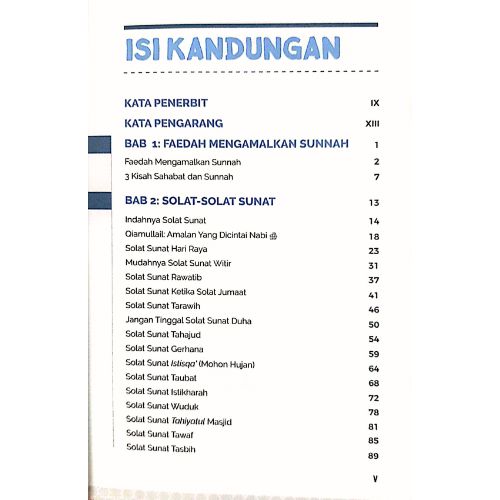
KEISTIMEWAAN BUKU INI:
- Memahami dalam mentaati ajaran yang disampaikan oleh Rasulullah SAW secara menyeluruh.
- Mempertahankan agama Islam dari serangan musuh-musuh Islam dengan penghujahan ilmiah.
- Mencintai perkara yang disukai oleh Nabi Muhammad SAW serta membasahi lidah dengan berselawat kepadanya.
RM18.00
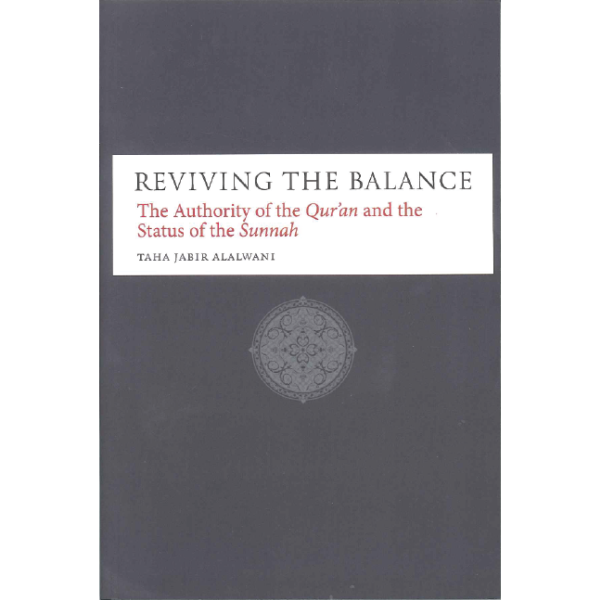
Reviving The Balance
Highlights:
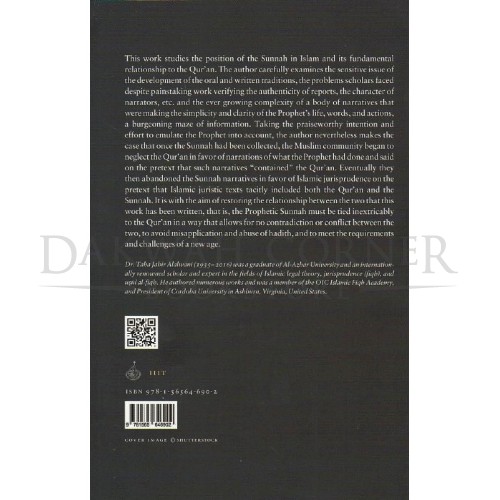
This work studies the position of the Sunnah in Islam and its fundamental relationship to the Qur’an. The author carefully examines the sensitive issue of the development of the oral and written traditions, the problems scholars faced despite painstaking work verifying the authenticity of reports, the character of narrators, etc. and the ever growing complexity of a body of narratives that were making the simplicity and clarity of the Prophet’s life, words, and actions, a burgeoning maze of information. Taking the praiseworthy intention and effort to emulate the Prophet into account, the author nevertheless makes the case that once the Sunnah had been collected, the Muslim community began to neglect the Qur’an in favor of narrations of what the Prophet had done and said on the pretext that such narratives “contained” the Qur’an. Eventually they then abandoned the Sunnah narratives in favor of Islamic jurisprudence on the pretext that Islamic juristic texts tacitly included both the Qur’an and the Sunnah. It is with the aim of restoring the relationship between the two that this work has been written, that is, the Prophetic Sunnah must be tied inextricably to the Qur’an in a way that allows for no contradiction or conflict between the two, to avoid misapplication and abuse of hadith, and to meet the requirements and challenges of a new age.
RM105.00
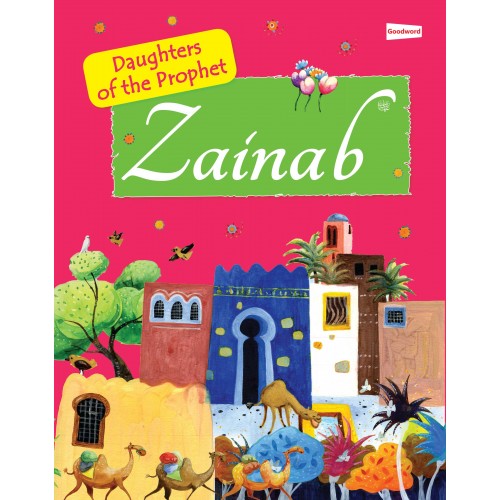
Zainab: Daughter of the Prophet
Highlights:
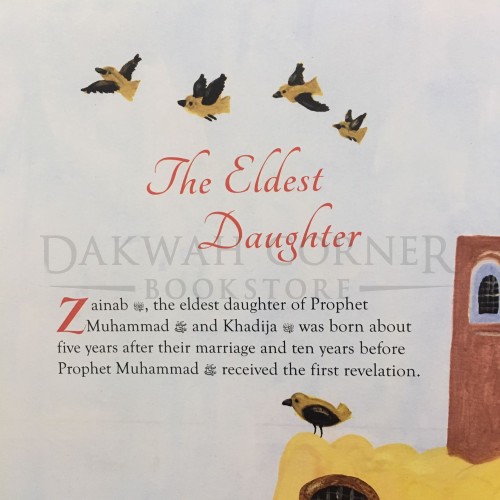
“Zainab (ra), the eldest daughter of Prophet Muhammad saw and Khadija (ra) was born about five years after their marriage…”
RM11.00
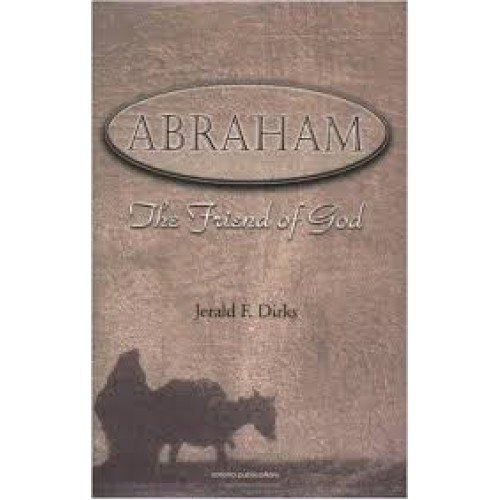
Abraham – The Friend Of God
Highlights:
Abraham, as a prophet and patriarch, is called “the friend of God” in Jewish, Christian, and Islamic scriptures, and has a place of eminence in the shared scriptures and histories of each of these three monotheistic, prophetic, and Middle Eastern religions.
In Abraham: The Friend of God, Dr. Dirks provides Jewish, Christian, and Muslim readers with a unique and original presentation of the life of Abraham. In constructing a chronological biography of Abraham, the author integrated and synthesized information from a wide range of Judaeo-Christian and Islamic traditions, including the Bible, the Pseudeigrapha (I.e. Jubilees and the Genesis Apocryphon), the Qur’an, the authenticated sayings (Sahih Ahadith) of Prophet Muhammad, and the classic books of ancient history authored by Josephus and Al-Tabari. This integrated biographical sketch is embedded in a framework drawn from the various historical and geographical contexts dealing with different aspects of Abraham’s life.
RM95.00 RM105.00
There are no reviews yet.