


| Weight | 0.250 kg |
|---|---|
| Product Type | Book |
| Author | |
| Publisher | Goodword |
| Pages | 190 |
| ISBN | 9788185063256 |
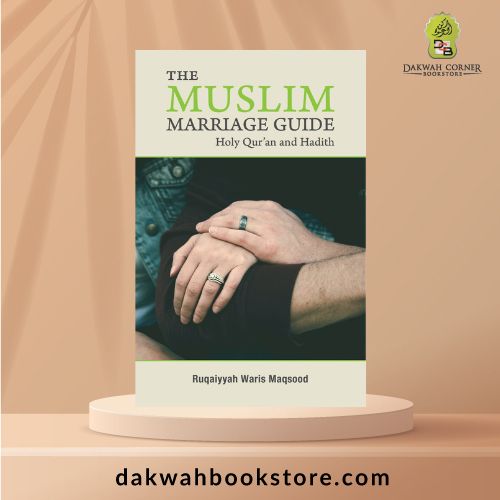
The Muslim Marriage Guide (P/B)
RM25.00
Hurry up, Only 2 left.
Highlights:
somdn_product_page
Compare
A much needed manual, this marvelous book that draws from Islamic sources to provide practical advice for a Muslim couple. Far from the sociological analysis or list of rules that fill other books about Islamic marriage, this book draws from the wisdom of the Sunnah to show how to love your partner in this life and prepare each other for the next. Written with plenty of real life experience (and even humor) from Muslims living in the West, the author balances the issues of male-female differences, respect for each others rights and needs and raising God-conscious children. A must read for anyone interested in marriage.
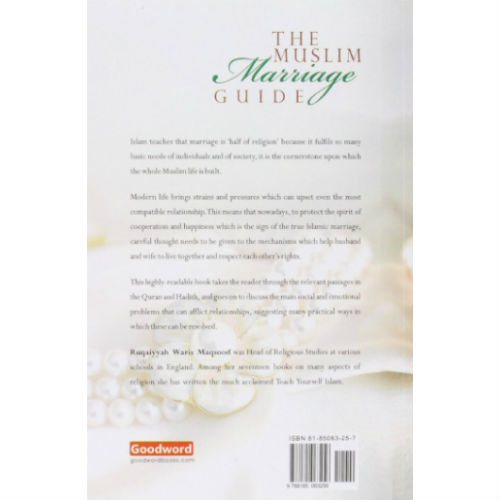
Modern life brings strains and pressures which can upset even the most compatible relationship. This means that nowadays, to protect the spirit of cooperation and happiness which is the sign of the true Islamic marriage, careful thought needs to be given to the mechanisms which help husband and wife to live together and respect each others rights.
This highly readable book takes the reader through the relevant passages in the Quran and Hadith (Islamic sources), and goes on to discuss the main social and economic problems that can afflict relationships, suggesting many practical ways in which these can be resolved.
Additional information
Reviews (0)
Be the first to review “The Muslim Marriage Guide (P/B)” Cancel reply
You must be logged in to post a review.
Related Products


A Treatise on Hijab and Compilation of Questions Pertaining to Family Matters (H/B)
Highlights:
No one denies that the modesty which is commanded by Islamic Law and by convention includes the decency and decorousness demanded of a woman, and the kind of behavior that will ensure that she is kept far away from situations of temptation and suspicion. Further more, there is no doubt that the greatest act of modesty that she can perform is to wear the hijab, which covers her face. It is the best thing with which she can adorn herself, because it protects her and keeps her far removed from temptation.
RM50.00


Why Islam?
Highlights:
Often, the first thing someone is asked when they discover the truth and embrace Islam is the question: Why Islam? Here, an American revert-to-Islam answers that question. The author, K. Sherman, writes: The beauty of Islam is probably the best-kept secret in modern times; it is about time it was revealed. This is the sentiment of a majority of people who are discovering the truth about Islam every day. My first exposure to the religion was through a perusal of a fifty-page booklet titled Towards Understanding Islam (written in 1932). It explained to me everything that twenty years of life and fifteen years of education could not. After the initial sense of relief, I suddenly felt cheated. I was consumed with rage. Why? I could not fathom how people could know about this phenomenal way of life and not speak out and inform others. This book is my personal take on the beauty of Islam, backed up by relevant and authentic references. I am convinced that humanity direly needs it and it is my duty to speak out.
RM22.00

In Search of God (P/B)
Highlights:
Some thinkers has said, ‘A smattering of knowledge turns people away from God. Grater knowledge brings them back to Him’. The author concludes in this book by examining various theories that the choice humanity have is not between the universe with God and the universe with God and the universe without God. The real option is between the universe with God and no universe at all. Therefore humanity is compelled to opt for the proposition the universe with God. Hence it is logical to say I exist, therefore, God exists.
RM11.00

Ibn Taymeeyah’s Essay on the Jinn (P/B) ASN
Highlights:
Dr. Abu Ameenah Bilal Philips has rendered Ibn Taymiyah’s treatise, Eedaah-ud-Dalaalah fee ‘Umoom-ir-Risaalah, from volume 19 of Majmoo‘-ul-Fataawa into very readable English. This abridged and annotated translation is significant in that it is perhaps the first book available in English exclusively on the topic of spirit-possession and exorcism in Islam.
Ahmad ibn ‘Abdul-Haleem ibn Taymeeyah was bron in the town of Harran [near Edessa, in what was once Northern Iraq, but is now called Orfa and is a part of Turkey.], in the year 1263 CE. His father was a leading scholar of the Hanbalite school of Islamic law and so was his grandfather, who authored Muntaqaa al-Akhbaar, the text of ash-Shawkaanee’s Hadeeth classic Nayl al-Awtaar.
Ibn Taymeeyah mastered the various disciplines of Islamic study at an early age and read extensively the books of the various sects and religions in existence at that time. Much of his time and effort was spend defending the orthodox Islamic position against a tidal wave of deviation which had swept over the Muslim nation. Consequently, he faced many difficulties from both the prominent sectarian scholars of his time and from the authorities who supported them. His clashes with them led to his imprisonment on numerous occasions. Ibn Taymeeyah also fought, not only against internal enemies of Islaam, but also against its external enemies by both his Fatwaas (Islamic legal rulings) and his physical participation in battles. His ruling allowing the taking up arms against groups which recognized the Shahaadataan (declaration of faith) but refused to uphold some aspects of the fundamental principles of Islaam, greatly affected the resistance movement against the Tartars who had declared their acceptance of Islaam but did not rule according to divine law.
During these struggles he wrote countless books and treatises demonstrating his extensive reading and knowledge, not only of the positions of the early scholars, but also those of the legal and theological schools which had subsequently evolved. Ibn Taymeeyah also had a major effect on the open-minded schoars of his day, most of whom were from the Shaafi’ite school of law. Among the most famous of his students were IBN KATHEER, ADH-DHAHABEE and IBN AL-QAYYIM. The author died in 1328 while in prison in Damascus for his Fatwaa against undertaking journeys to visit the graves of saints [Ibn Taymeeyah’s ruling was based on the authentic statement reported by Abu Hurayrah wherein the Prophet Muhammad (sallallaahu alayhi wasallam) said, “Do not undertake a journey except to three masjids; this masjid of mine, Masjid al-Haraam (Makkah) and Masjid al-Aqsaa (Bayt al-Maqdis).” Collected by Al-Bukhaaree and Muslim]. His Fatwaa had been distorted by his enemies to say that he forbade visiting the Prophet Muhammad’s (sallallaahu alayhi wasallam) grave.
RM33.00

Fundamentals of Islam (P/B)
Highlights:
Fundamentals of Islam is a revised English edition of the critically acclaimed Khutubah (original written in Urdu). It consist of Friday congregational addresses, in them he expounds familiar themes; like Iman, Islam, the Prayer, Fasting, Alms-giving, Pilgrimage and Jihad.
RM38.00

Muslim Unification at Time of Crisis
Highlights:
This book authored by one of the great scholars of our time is an advice to the people of Ahulul ?Sunnah wal-Jamaah to unify and be merciful to each other, and cooperate upon righteousness and taqwa.
RM24.00

Essential Lessons for Every Muslim
Highlights:
This work is a translation of Shaikh Abdul Aziz bin Baz’s book ‘Ad-Duroos Al-Muhimmah li-Ammatil-Ummah.’ It contains concise lessons that explain the fundamental teachings of Islam. This book covers a wide range of basic information such as the meaning of Tawhid (Islamic monotheism), the categories and implications of Shirk (polytheism), the regulations of prayer, and Islamic morals and manners. As the title implies, these are truly essential lessons for everyone who is concerned with the correctness of his Islamic beliefs and acts of worship.
RM15.00


Islam A Total Beginners Guide – Part Two (P/B)
Highlights:
In present era we are facing lot of questions:
• What is status of women in Islam?
• Who is superior – man or women?
• What does Islam say about inter-religious marriages, man’s treatment towards his wife and privacy in homes?
• What does Islam say about dress, veil, clothing and ornaments, perfumes and the wisdom of banning gold and silk for men?
This beginner’s guide to Islam answers all such questions.
RM35.00

When Wings Expand (P/B)
Highlights:
Writing on the pages of her journal, Nur, a teenage girl in Canada, charts the onset and advance of her mother’s cancer. Nur watches her mother’s body begin to shrink and her mood begin to darken. And when family and friends begin to encroach, Nur must face the prospect of her mother’s looming death.
RM40.00

Prophet Muhammad: A Blessing for Mankind
Highlights:
Prophet Muhammad (blessings and peace of Allah be upon him) and the lessons he taught us from the continued hardships he underwent in every stage of his life are a real blessing for humankind. Being an orphan child made him compassionate to widows and orphans as well as to the poor. His multiple marriages strengthened the ties of kinship amongst the different tribes, dissolving long-standing enmity. His message and prophethood were challenged by the polytheistic society in Makkah, forcing him and his few followers to emigrate to Madinah. Despite his illiteracy and the struggles he faced, he conveyed Allah’s Book, the Noble Qur’an, to all humanity, teaching them the values and principles that are presently adopted by billions of Muslims throughout the world. In the Qur’an, Allah, the Almighty addresses the Prophet (blessings and peace of Allah be upon him), saying: {We have sent you only as a mercy to the worlds.} (Qur’an 21: 107)
RM8.00 RM9.00

Kindness to Parents
Highlights:
Kindness to Parents is a very enlightening booklet by Abdul Malik Al-Qasim. He has collected several stories and narrations that demonstrate the Birr (being dutiful) and kindness to our righteous Salaf towards their parents’ needs and necessities, in obedience to Allah’s worship in sincerity. He refers from the Noble Qur’an that a man is never allowed to say ‘Uff” (fie) if he smells a bad order coming from his parents or one of them.
The author has exposed shortcomings and errors of many among us who don not preserve the rights of their parents.
RM17.00

Polygamy in Islam (P/B)
Highlights:
Polygamy is the Muslim practice most frequently and severely maligned by Westerners and modernist Muslims. This book can be read with profit by all unprejudiced readers who wish to know its justification and rationale.
One of the greatest contrasts between Islam and the West is their conflicting concepts of relations between the sexes. Indeed, the very first question a Muslim convert is confronted with by an American or European is ‘Why does Islam allow four wives?’ This book…replies straightforwardly to that question and much more.
The authors describe all the most important characteristics of marriage in Islam, pointing out that the Western notions of sex equality and romantic premarital ‘love’ are not necessary in Islamic marriage based on piety and the commitment on the part of both parents to win the pleasure of Almighty Allah.’
This book contains basic guides for anyone interested in understanding the rights and obligations of males and females in Islamic plural marriage. The guidelines have been drawn from the Quran, Hadith and opinions of Islamic scholars.
RM20.00
Recently Viewed
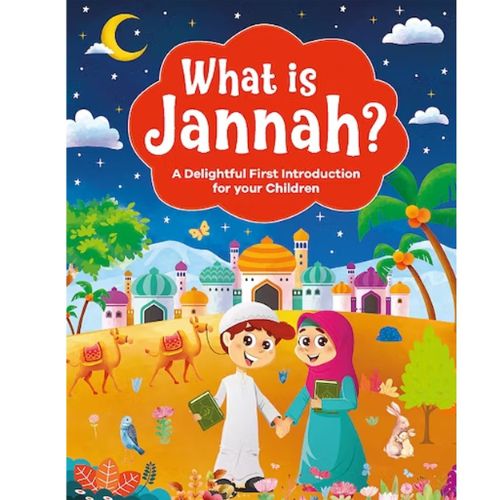
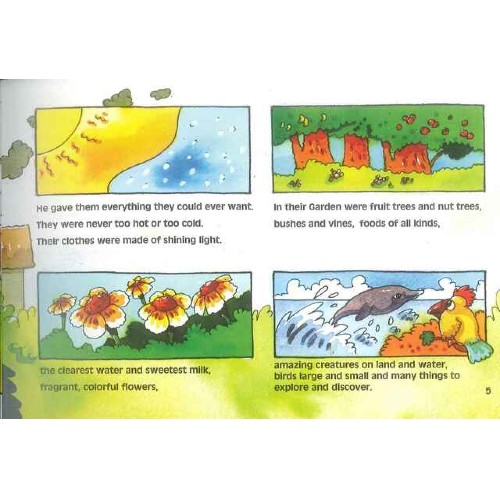
What is Jannah? (P/B)
Highlights:
This book is designed to help parents and teachers in their efforts to encourage young children to ask questions and to assist them in exploring answers together. It makes the sharing of a basic knowledge of Islam simple, clear and enjoyable. This lays the foundation on which greater understanding can be built and learning enriched as young students grow older. And, whatever our age, reviewing the basic in this way can be very beneficial, in that it re-kindles our awareness and glad acceptance of the beautiful message and wondrous knowledge of Islam: we are then the better able share our renewed enthusiasm with others. May you benefit greatly from reading this book.
RM15.00
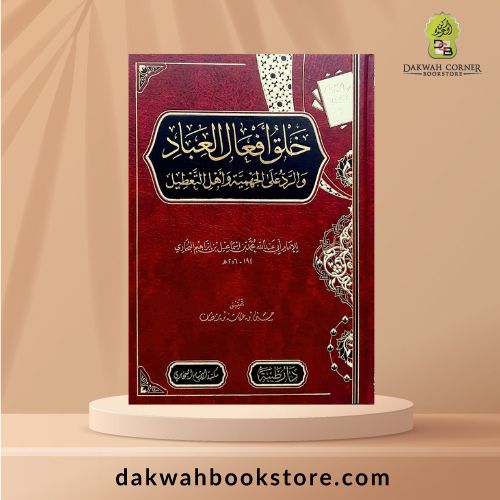
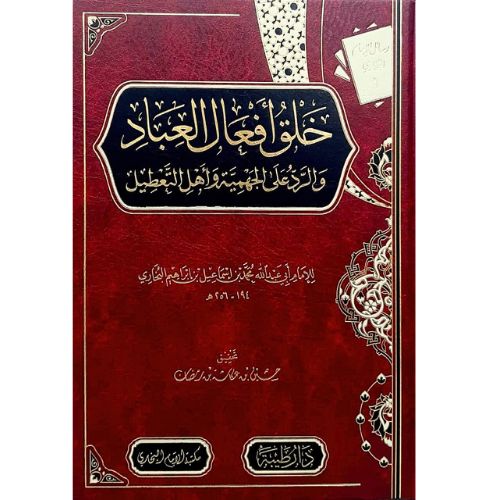
[AC] Khalqu Afali Ibadi / خلق أفعال العباد
Highlights:
بدأ الكتاب بذكر أقاويل أهل السنة في الجهمية وتكفير من يقول بقولها
تناول في الباب الثاني الكلام في مسألة خلق الأفعال، وأثبت أن أفعال العباد مخلوقة، وقام بالرد على الجهمية في هذا
يعد الكتاب أصلًا من الأصول التي احتفظت لنا بجملة كبيرة من أقاويل أئمة السلف من الصحابة والتابعين في فرقة الجهمية ومن قال بقولها، وبيَّن لنا الكتاب كذلك الطريقة المثلى في الرد على أهل البدعة.
يلاحظ كذلك كثرة تعليقات المصنف على ما يورده من نصوص، وأنه لم يكتف بسرد النصوص فحسب، بل كانت له كذلك ردود على الشبهات التي يلقيها الجهمية
RM125.00
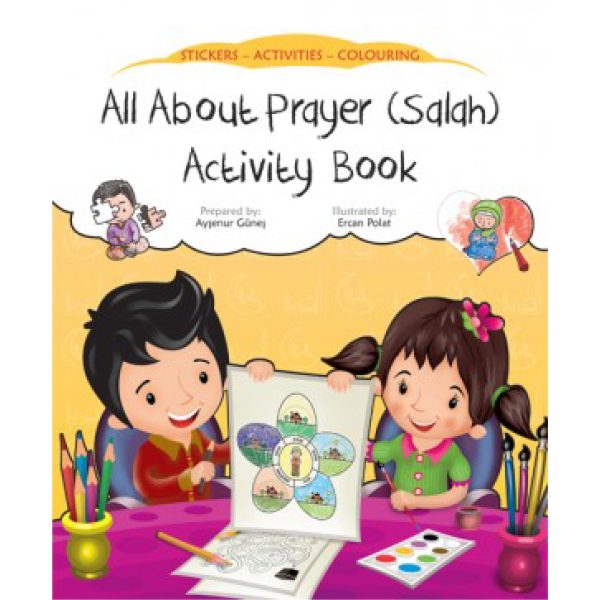
(READY STOCK✅) All About Prayer (Salah) Activity Book
Highlights:
Find out about the Muslim prayer with this fun sticker activity book. Features dot-to-dot drawings, coloring fun, puzzles to solve and over 60 stickers to stick.
Introduces children to the way Muslims prepare for prayer and the main parts involved in performing it, including calling adhan, facing the Kaaba and reciting words from the Qur’an.
RM22.00

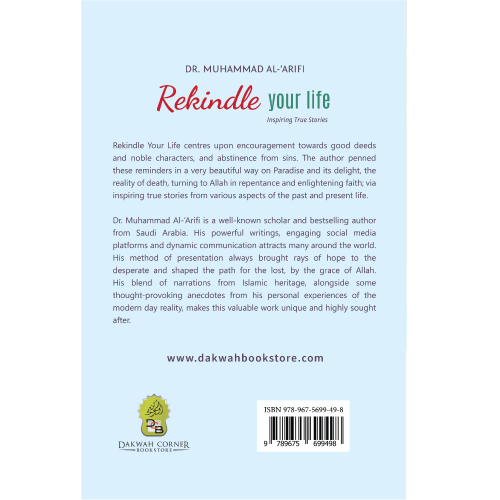
(E-Book) Rekindle Your Life (Revised)
5 ★
5 ★
1 Rating
5 ★
1
4 ★
0
3 ★
0
2 ★
0
1 ★
0
Highlights:
Rekindle Your Life centres upon encouragement towards good deeds and noble characters, abstinence from sins by giving reminders in a very beautiful way about Paradise and its delight, the reality of death, turning to Allah in repentance and enlightening faith through inspired, true and wonderful stories from various aspects of life past and present.
RM30.00
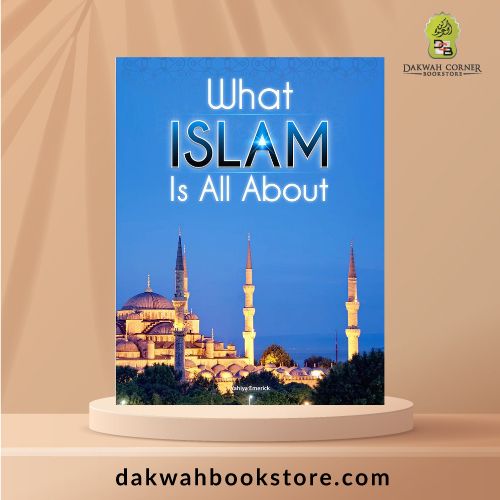
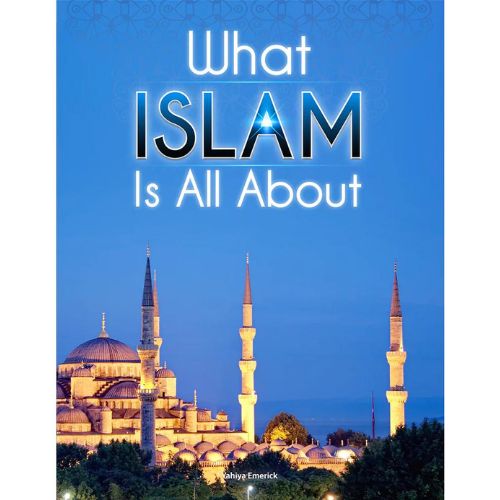
What Islam Is All About
Highlights:
The global Muslim population continues to increase every year. With a tremendous influx of new converts in communities around the world and Islam under the microscope in media and politics, the need for a clear and comprehensive text that explores the faith—its history, philosophy, principals, laws, and practices—has never been more necessary than it is today.
RM120.00
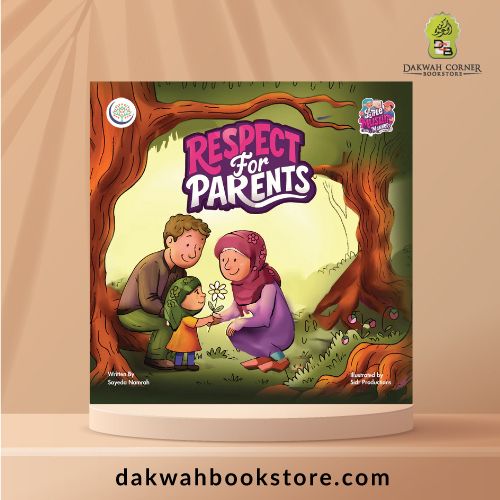
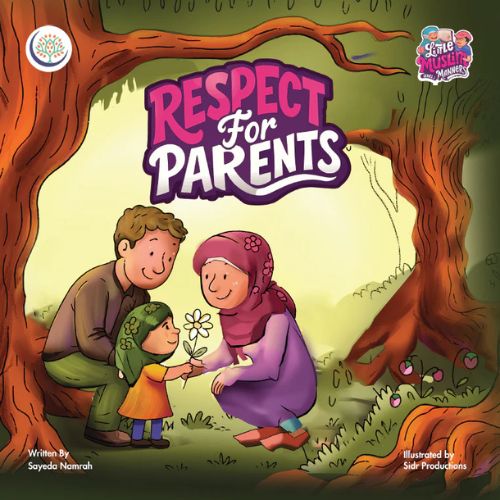
Respect For Parents (P/B)
Highlights:
Manners are part of our deen. The Little Muslim Manners Series helps toddlers (ages 1-4) learn everyday Islamic manners in fun and simple ways. From respect for parents and honesty, to kindness with neighbours and table manners, each book makes good behaviour easy to learn and love. Perfect for bedtime reading, circle time, or teaching first adab.
RM20.00 RM35.00
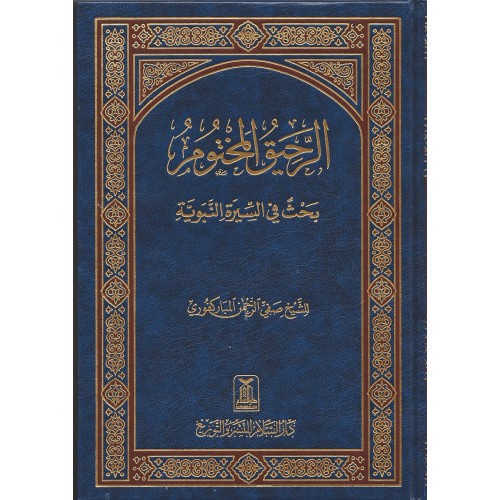
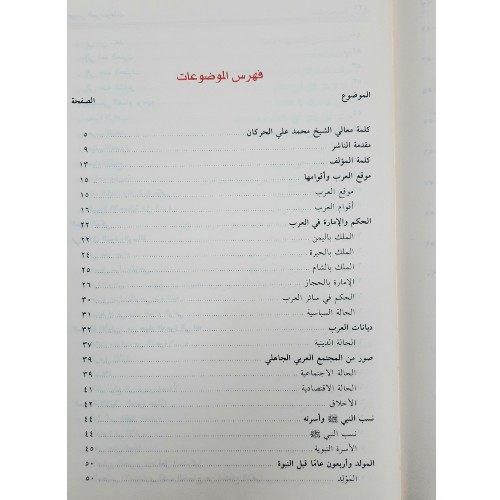
[SB] Ar-Raheeq Al Makhtum (Arabic Only – Large) الرحيق المختوم
Highlights:
Ar-Raheeq AI-Makhturn is a book of great value and praiseworthy work on the Seerah of our beloved Prophet Muhammad. This book has been written by the Eminent Shaikh Safiur-Rahman Mubarakpuri of Jamiah Salafiyah, Banaras (India). The first Islamic Conference on Seerah (biography of the Prophet) was held in 1976 in Pakistan sponsored by the Muslim World League. The League announced a world contest for writing a book on the life of the Prophet.
One hundred and seventy-one manuscripts were received from all over the world. Out of these, eighty-five were in the Arabic Language, sixty-four in Urdu, twenty-one were in English and one in French and Hausa.
A board of highly qualified scholars judged the manuscripts and announced the results. The manuscript of Shaikh Safiur-Rahman Mubarakpuri, Jamiah Salafiyah Banaras (India), author of the book in hand received first the grand prize for its authentic and sound collections of the narrations. Dr. Majid Ali Khan, New Delhi, India, placed second. The third prize went to Dr. Naseer Ahmed, Islamic University, Lahore, Pakistan. The fourth prize was awarded to Mr. Harnid Mahmud of Egypt. The fifth and final prize was awarded to Abdus-Salam Hashim of Madinah Munawwarah.
A complete authoritative book on the life of Prophet Muhammad (S) by Sheikh Safi-ur-Rahman al-Mubarkpuri. It was honored by the World Muslim League as first prize winner book. Whoever wants to know the whole life style of the Prophet in detail must read this book.
Muhammad (S) is the Messenger of Allah, and those who are with him, are severe against the disbelievers, and merciful among themselves. You see them bowing and falling down prostrate (in prayer), seeking bounty from Allah and (His) Good Pleasure. The mark of them (i.e. of their Faith) is on their faces (fore heads) from the traces of prostration (during prayers). This is their description in the Taurah (Torah). But their description in the Injeel (Gospel) is like a (sown) seed which sends forth its shoot, then makes it strong, and becomes thick and it stands straight on its stem, delighting the sowers, that He may enrage the disbelievers with them. Allah has promised those among them who believe and do righteous good deeds, forgiveness and a mighty reward (Paradise). (Al-Fath: 29)
The Prophet Muhammad (S) said: ‘The example of guidance and knowledge with which Allah has sent me is like abundant rain falling on the earth. Some of which was fertile soil that absorbed rain-water and brought forth vegetation and grass in abundance. (And) another portion of it was hard and held the rain-water and Allah benefited the people with it and they utilized it for drinking (making their animals drink from it) and to irrigate the land for cultivation. (And) a portion of it was barren which could neither hold the water nor bring forth vegetation (then that land gave no benefits). The first is the example of the person who comprehends Allah’s Religion (Islam) and gets benefit (from the knowledge) which Allah (Azawajal) has revealed through me (the Prophet) and learns and then teaches it to others. The (last example is that of a) person who does not care for it and does not take Allah’s Guidance revealed through me (he is like that barren land).’ (Al-Mukarramah)
Someone asked ‘Aishah (R) about the noble character and manners of the Prophet (S). She answered: ‘Have you not read the Qur’an? His character is a complete explanation of the Qur’an.’
It means that whatever is commanded and prohibited in the Qur’an, its practical example is present in the manners of Muhammad In other words, the ideal and perfect example of good manners and character which the Qur’an demands from mankind, was present in the person of Muhammad in its highest degree.
Scholars of Ahadith (traditions) and writers of the biography of Muhammad , the Messenger of Allah, have explored his life from every angle and aspect from birth to death. Every event, every incident of his life has been described and narrated, but none had claimed that he has given his life’s recording its full rights. Hundreds of books have been written on the life of Muhammad and this endeavor will continue till the Day of Resurrection.
RM65.00
Interpretation Of Dreams
Highlights:
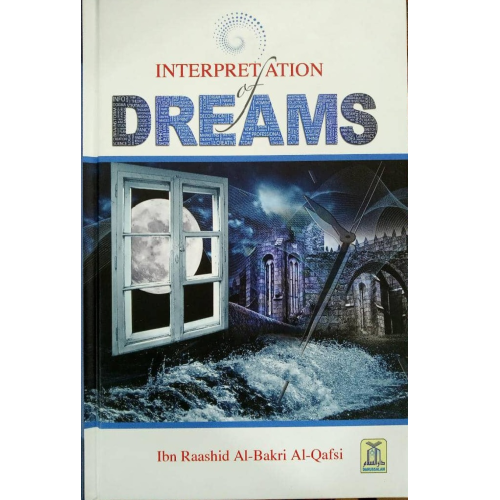
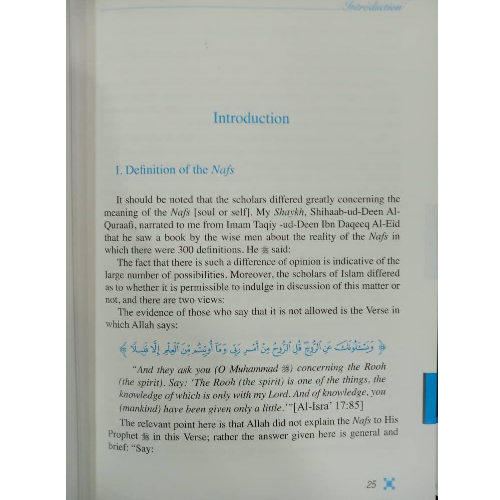
The Present book tackles the issue of the interpretation of dreams in the light of the Quran and the Sunnah, based on the Prophet’s hadeeth in which he said, “The dream of a Muslim is one of the forty-six parts of Prophet-hood. ” In this book, the author provides a definition of the word ‘dream’, discusses the various types of dreams, mention some dreams that were interpreted by the Prophet صلّی الله علیهِ وآلهِ وسلم etiquette to be observed by the person who has a dream and the person who has a dream and the person who interprets it and provides the interpretation of a large number of dreams, among some other issues related to the subject. The author is the well-known erudite scholar Sheikh Muhammad ibn Abd-Allah ibn Raashid al-Bakri (d. 736 Ah/1336 CE). The english reader will definitely find this book highly interesting and thought-provoking.
RM95.00
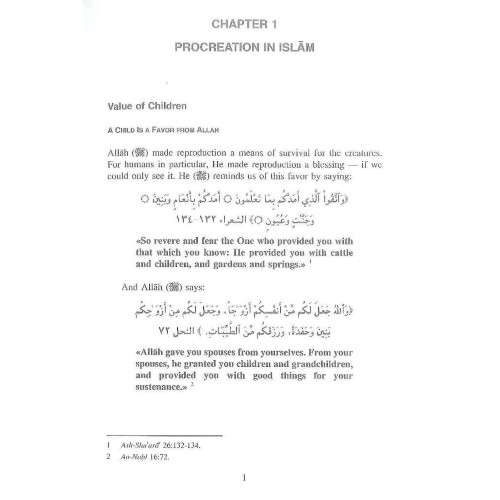
Birth Prevention an Islamic Perspective
Highlights:
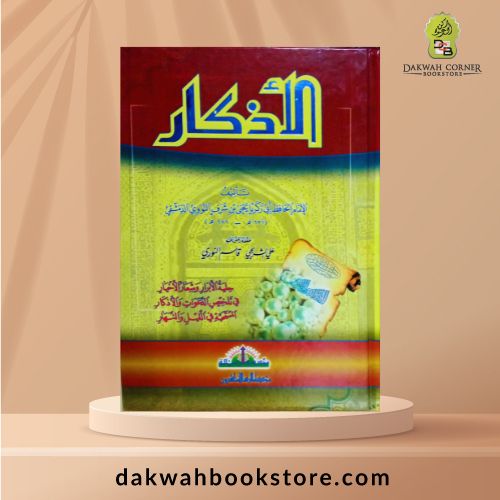
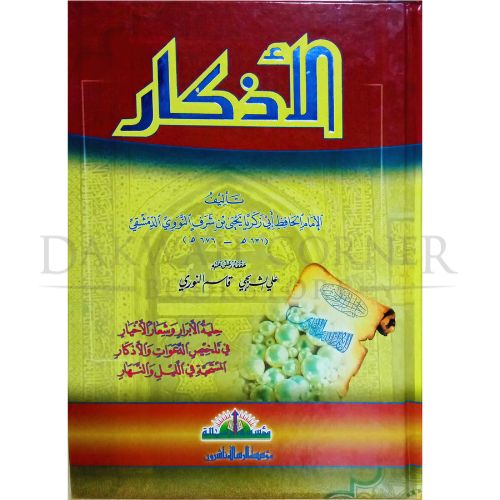
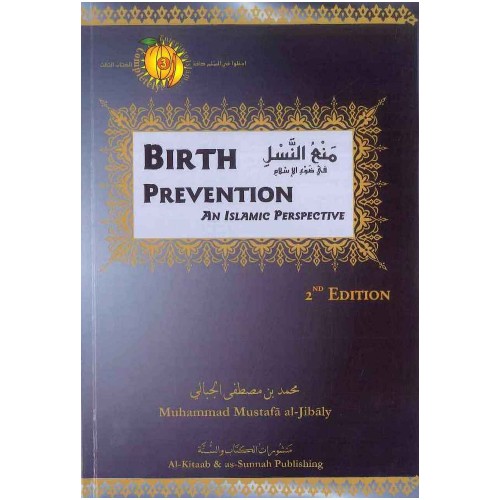
The purpose of this series, enter in to islam completely, is to present some unduly belittled issues, prove their value, and discuss their regulations. This book presents a comprehensive Islamic understanding of birth prevention and other related issues. It first establishes the Islamic view of procreations. This is followed by an overview of birth prevention methods, old and modern
RM26.00
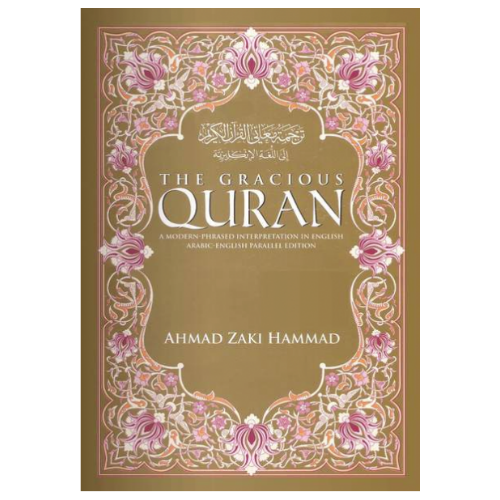
The Gracious Quran (H/B)
Highlights:
A modern-phrased interpretation in English (Arabic-English Parallel Edition)
This contemporary, authoritative translation interprets the Quran’s meaning for the English reader with unprecedented access to the Book that is the foundational source of Islam, its civilization and its peoples, who now comprise nearly one-fourth of humanity across the breadth of all the Earth’s continents and who form a crucial, contiguous community at the middle of the world.
Twenty years in the making, The Gracious Quran: A Modern-Phrased Interpretation of Its Meanings in English is both highly reliable and powerfully expressed. Where the Arabic of the Quran swells with important implication, that intent is conveyed in this rendering with a light hand in unobtrusive brackets, every effort having been expended to make its reading August, clear, accessible, and consistent while at the same time free of poetic pretension, philosophical complication, and lifeless literalisms. Its graceful layout and design augment the profound simplicity of the Quran’s message and give some semblance of resonance to its almost hypnotic power of literary expression.
The interpretation of The Gracious Quran is thoroughly guided by wide and deep experience with the civilizations of both luminous Islam and the enlightened west, while not unmindful of the light that infuses the world’s brilliant traditions. Fully four decades of scholarly expertise in Quranic studies and related disciplines are in its service, and the latest advances in the art of translation conspicuously benefit it.
About the translator:
Dr. Ahmad Zaki Hammad is an internationally known authority on Quran and Islamic Studies. He teaches Islamic Civilization and the Primary Disciplines of Quran Commentary, the Prophetic Traditions, and the Principles of Islamic Law at the foremost center of Islamic and Arabic learning in the Muslim world, AL-Azhar University (Faculty of Languages and Translations, Department of English). He is also a member of the Faculty of Shari’ah, Department of Juristic Studies.
He received his early Islamic and Arabic training at Al-Azhar University, Cairo, and was awarded the graduate degree of Alamiyyah from the Faculty of Theology. He holds a Ph.D., in Islamic Studies from the University of Chicago and is the author of a study of translation of Abu Hamid al-Ghazalis’s Al-Mustasfa min Ilm al-Usul, The Quintessence of the Science of the Principles of Islamic Law; and also Islamic Law: Understanding Juristic Differences, a Primer on the Science of al-Khulaf al Fiqhi in Light of the Shariah Sources.
He lived for many years in the United States, where he founded and served in numerous national and community Islamic institutions for American Muslims.
RM185.00
There are no reviews yet.