


| Weight | 0.46 kg |
|---|---|
| Product Type | Book |
| Author | |
| Publisher | IIPH |
| Pages | 288 |
| ISBN | 9786035011112 |
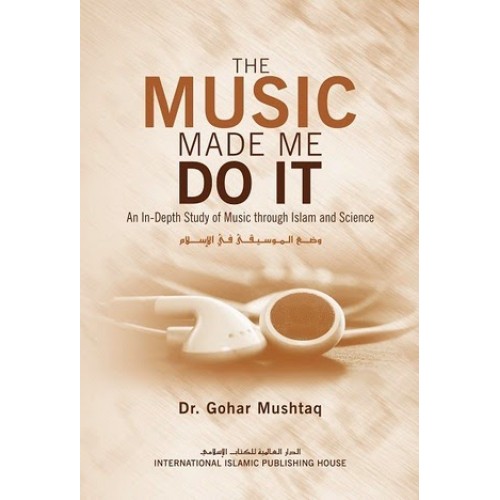
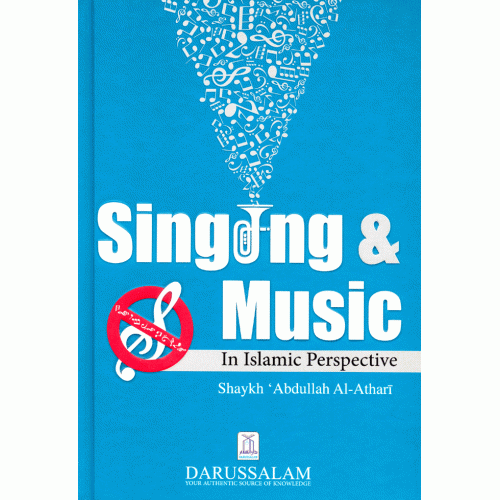
The Music Made Me Do It (H/B)
RM50.00
Hurry up, Only 1 left.

Highlights:
somdn_product_page
Compare
By Dr. Gohar Mushtaq
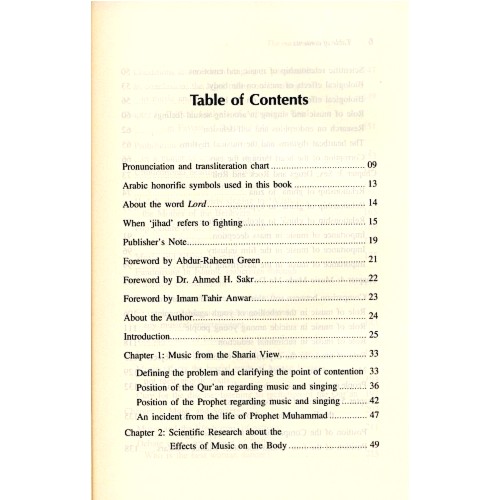
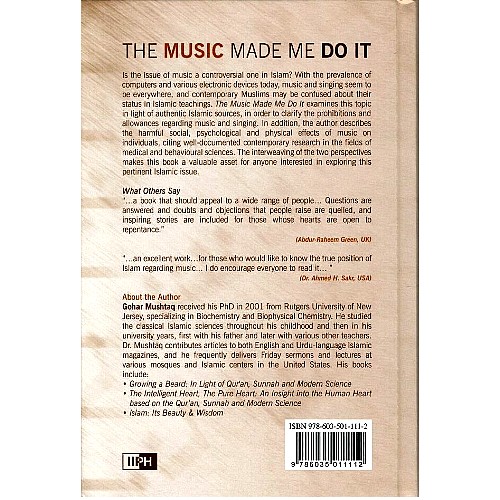
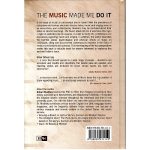
Is the issue of music a controversial one in Islam? With the prevalence of computers and various electronic devices today, music and singing seem to be everywhere, and contemporary Muslims may be confused about their status in Islamic teachings. The Music Made Me Do It: An In-Depth Study of Music through Islam and Science examines this topic in light of authentic Islamic sources, in order to clarify the prohibitions and allowances regarding music and singing. In addition, the author describes the social, psychological and physical effects of music on individuals, citing well-documented contemporary research in the fields of medical and behavioural sciences.
The interweaving of the two perspectives makes this book a valuable asset for anyone interested in exploring this pertinent Islamic issue.
Frequently Bought Together
1 Item
RM50.00
2 Add-Ons
RM170.00
Total
RM220.00
Additional information
Reviews (0)
Be the first to review “The Music Made Me Do It (H/B)” Cancel reply
You must be logged in to post a review.
Related Products

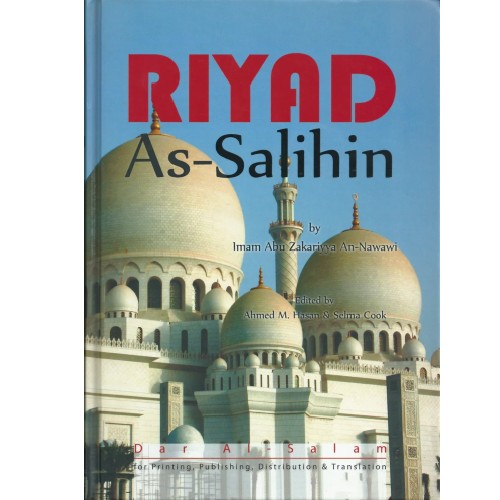
The Pillars of Islam Made Easy – II Salah & Its Essential Conditions (H/B)
Highlights:
Salah is one of the five pillars on which the edifice of Islam rests. Most of us feel that we already know all there is about salah – the formal prayers of a Muslim. However, very few individuals actually do justice to it or derive any worldly or spiritual benefits from it.
Salah & Its Essential Conditions is an effort to detail the essential prerequiires of salah. Moreever, it takes a detailed look at its importance along with the different types of obligatory and voluntary prayers. It alsa presents an illustrated guide to help those who wish to learn or correct the performance of their prayers.
Inshallah, all those who wish to improve their salah will find plenty of help in this book whether they are looking for information on cleanliness and purify, locating the direction of qibla, improving their congregation during salah, making up for the missed salah, or joining acongregation when the imam has already sarted the salah, or joining a congregation when the imam has already started the salah. All in all, it is a relevant handbook on what the Prophet (saw) has described as the coolness of his eyes.
RM50.00


Hajj & Umrah (Pocket Guide) – English Version
5 ★
5 ★
2 Ratings
5 ★
2
4 ★
0
3 ★
0
2 ★
0
1 ★
0
Highlights:
A useful pocket guide that includes the rites of Umrah,Hajj, and visiting Madinah.
RM14.00

Hajj & Umrah And Visitors (H/B)
Highlights:
Rites and Selected Etiquettes for those intending to Perfom Hajj & Umrah and Visitors In this book the author calls attention to the most important things that those who intend to perform Hajj, Umrah or Visiting the Prophets Mosque in Medinah must have as provisions. The author has made his work brief and arranged its topics according to their priorities. the author mentions a considerable number of sayings of the people of knowledge and calling the attention of the reader to some important matters.
RM45.00


Common Mistakes Regarding Prayer – IIPH
Highlights:
Formal prayer (salat) is the second pillar of Islam, and the most important of a Muslim’s acts of worship. Prophet Muhammad (PBUH) said: “The first of one’s actions for which a slave of Allah will be held accountable on the Day of Judgment will be one’s prayers. If they are correct and accounted for, then he (or she) will have succeeded (gained paradise); and if they are lacking, then he (or she) will have failed (lost paradise). If there is something defective in his (or her) obligatory prayers, the Lord will say: ‘See if my slave has any supererogatory prayers with which that which was defective in his (or her) obligatory prayers may be completed. Then the rest of his (or her) deeds will be judged in like manner.” (At-Tirmidhi and others) Shaykh Mashhur Hasan Salman has compiled a list of the most common errors that we make when we pray, discussing and explaining each one. This book is a valuable aid to Muslims hoping to perfect their prayers, so that their prayers may be free of defects and acceptable to Allah. This new and revised edition of the English translation of his work presents the text in a fluent, highly readable style.
RM38.00

War and Peace in Islam : The Uses and Abuses of Jihad (P/B)
Highlights:
Written by a number of Islamic religious authorities and Muslim scholars, this work presents the views and teachings of mainstream Sunni and Shi’i Islam on the subject of jihad. It authoritatively presents jihad as it is understood by the majority of the world’s 1.7 billion Muslims in the world today, and supports this understanding with extensive detail and scholarship. No word in English evokes more fear and misunderstanding than “jihad.” To date the books that have appeared on the subject in English by Western scholars have been either openly partisan and polemical or subtly traumatized by so many acts and images of terrorism in the name of jihad and by the historical memory of nearly 1,400 years of confrontation between Islam and Christianity. Though jihad is the central concern of War and Peace in Islam: The Uses and Abuses of Jihad, the range of the essays is not confined exclusively to the study of jihad. The work is divided into three parts: War and Its Practice, Peace and Its Practice, and Beyond Peace: The Practice of Forbearance, Mercy, Compassion and Love. The book aims to reveal the real meaning of jihad and to rectify many of the misunderstandings that surround both it and Islam’s relation with the “Other.”
Reviews:
“A dynamic myth-busting clarification of the real position of mainstream orthodox Islam on the whole question of violence and jihad.” —T. J. Winter, University of Cambridge
“This is the best book on the subject in English. It will be of inestimable value.” —Shaykh Mustafa Ceric, Grand Mufti Emeritus of Bosnia
RM145.00

Preservation of Health in Islamic Law (P/B)
Highlights:
Preservation of health (hifz al-sihhah) is the most important branch of Islamic medicine since it is primarily concerned with the prevention of illness rather than cure. This book represents one of the few attempts to introduce the role of Islamic medicine, although Chapter One provides information about a historical background of the preservation of helath in Islam, its aim is to provide fresh ant timely overview of the major aspects of legal, ritual and spiritual structures of teh Islamic law (shariah). These include the laws related to Ibadah, Islamic family laws, foods and drinks as well as environmental laws, for maintaning and preserving human health. Findings indicated that prevention of any diseases from Islamic medical law presentive cannot attain any real success unless it emanates from an Islamic fundamental teaching, namely: the pillars of Islam. Iman and observance of the Islamic rituals such as Salah, zakah, Sawm and Hajj, have played an important role in shaping the attitude, behavior and model personality of the Muslim, in boosting the spiritual motivation or attitude change, and in disseminating the message of prevention. This indicates that bodily and spiritual health goes hand in hand and that pyscho-spritual balance and health is a primary consideration whereas physical health is a secondary one.
RM47.00

Shatibi’s Philosophy of Islamic Law (P/B)
Highlights:
Abu Ishaq al-Shatibi, who died in 1888, had sought an answer to the challenge posed by modernisation and change to Islamic law, by introducing maslahah, which forms the basis of his philosophy of Islamic law. In a fascinating way, the author leads us step by step to what he considers the true import of Shatibi’s views concerning jurisprudence.
RM41.00

Islamic Rules of Order (P/B)
Highlights:
Organizations must have rules of order to facilitate their debate and to fill in the procedures not detailed by their constitutional documents. While most American organizations are content to operate by Robert’s Rules of Order, Muslim organizations have often wrestled with questions over whether the rules of order systemized by a Western military figure are in accord with the Qur’an and the Sunnah.
This book tackles the matter directly and takes into account the Qur’an, the sunnah, Islamic manners and the history of Islamic consultation and leadership to provide a simple, practical guide to organizational procedure that can be incorporated into the governance of Muslim organizations. The book includes advice on writing bylaws and on complying with the best practices of the U.S. Dept. of Justice in a way that is Islamically authentic, transparent, and accountable. It provides a basic starting point for any Muslim organization while allowing for flexibility so that organizations may make any variations they require within their own bylaws and constitution, so that it can accommodate differing schools of thought on Islamic law. In its discursive approach it is an essential primer for understanding the value of rules of order and the Islamic context for their application. The Islamic Rules of Order has been adopted as the rules of order of the Association of Muslims Social Scientists.
RM50.00


Fast According to the Quran & Sunnah
Highlights:
Saum (Fast) is a third Pillar of Islam. Allah’s Messenger said, Allah says: “Every deed of the son of Adam is for him, except Saum (fasting). It is for Me and I shall reward for it.”
As the status of this act of worship is so high it is essential to learn the pilings pertaining to this month of fasting so that Muslims will know what is obligatory in order to do it, what is forbidden to avoid it, and what is permissible so that they do not unnecessarily subject themselves to any hardship by depriving themselves from it.
This book consists of all the main issues of Fast. The main objective of this work is to serve an easy and authentic reference to the reader.
RM35.00


Should A Muslim Follow A Particular Madhhab?
Highlights:
In this book, the author has widely described the main principle of Taqleed. He says that Allah and Prophet Mohammed (SAW) has not ordered us to follow any opinions and interpretations. So there’s a possibility of being correct or incorrect in the opinions because there are many issues on which the Imams had different views and they explain them according to their own reasons and speculations, but the real and true Islam is based on the book (Quran) and Prophet’s Sunnah.
Allah says: “But no, by your Lord, they can have no Faith until they make you judge in all disputed matters between them, and find in themselves no resistance against your decision, and accept them with full submission.” And the prophet said: “I leave you with two things as long as you hold them tightly, you never go astray: they are the book of Allah and my Sunnah.” In this sense, the author has described the difference between different Madhahib (madhabs/mazhabs), and their views and urged to follow only the Quran and Sunnah.
RM11.00

Istihsan (P/B)
Highlights:
This work constitutes a critical analysis of classical and modern aspects of the concept of istihsan (juristic preference), an important principle in Islamic legal legislation throughout history. Although there has been many research works on the subject, it still requires further investigation on the role and nature of istihsan with regard to a combination of classical and modern approaches. Consisting of four chapters, the author begins by introducing some general principles of Islamic law, before discussing the history of istihsan during the time of the Prophet and his Companions. He also analyses the validity of istihsan as a source of law and discusses the differences among scholars on its method of implementation.
RM57.00


Funerals Regulations and Exhortations (H/B)
Highlights:
Our soul inevitably follows a route starting from birth, passing through death, and ending with our resurrection in the next life. The inevitable journey discusses over a sequence of titles: sickness, inheritance, funerals, Life in Barzakh and so on…
RM75.00
Recently Viewed
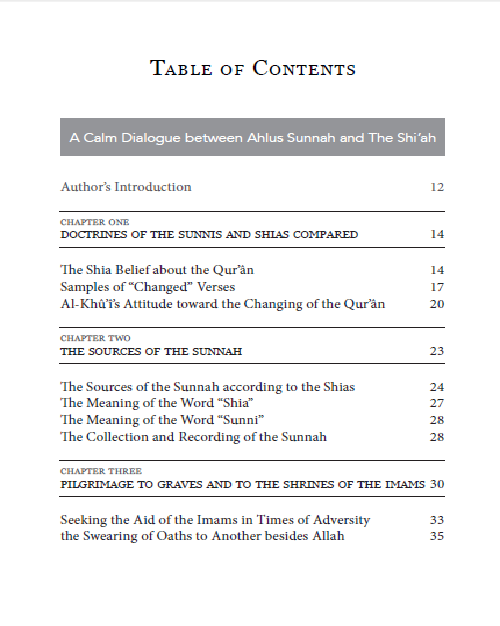
(FREE-eBook) Shi’ism Exposed
Highlights:
This book is mostly dedicated to every Shia who is willing to listen to constructive criticism with an open heart and an enlightened mind. This research is, in fact, a survey of the literature about the rise and spread of Shiism and its fundamental principles. Much of what follows is taken directly from Shia sources. The history, ideological background, and threats posed by Shi’ism against the true Islam of our noble Prophet Muhammad (Peace be upon him)are clearly outlined, and the Muslim finds, in them, a warning against falling prey to the calls of the Shi’ites. Also it is a guidance for Shi’ittes to discover reality of Shi’ism to come back to the original faith of Islamic Monotheism.
RM0.00

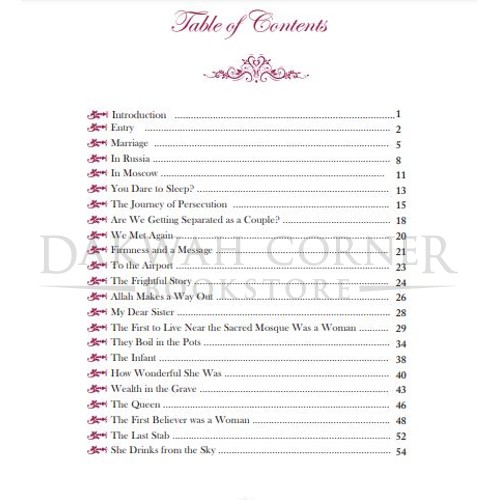
She is the Queen (DCB)
Highlights:
This book consists of real inspiring stories that encourage every Muslim woman to guard her religion against all odds. It began with a recent event of a lady who discovered Islam and how she firmly held on to her deen. The Author then continues with anecdotes from the great women of the pasts whom took pride in Islam as her religion amidst the strong barriers during their time, The inner strength of these amazing women just proves that none can steal the crown of any woman by the will of Allah.
The book is indeed indispensable to every Muslimah for You Are the Queen.
RM18.00 – RM20.00Price range: RM18.00 through RM20.00
2021 (1st Edition)2022 (2nd Edition)
Clear
Islam: A Short History
Highlights:
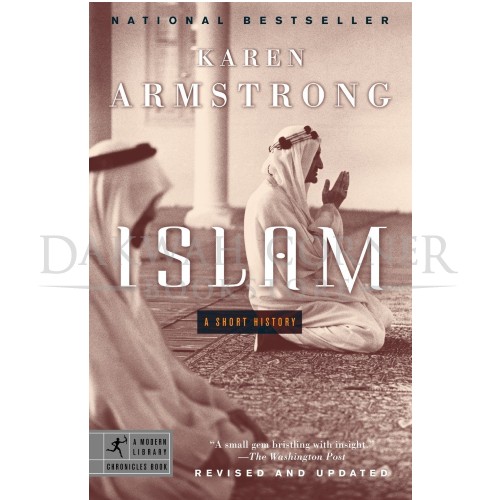
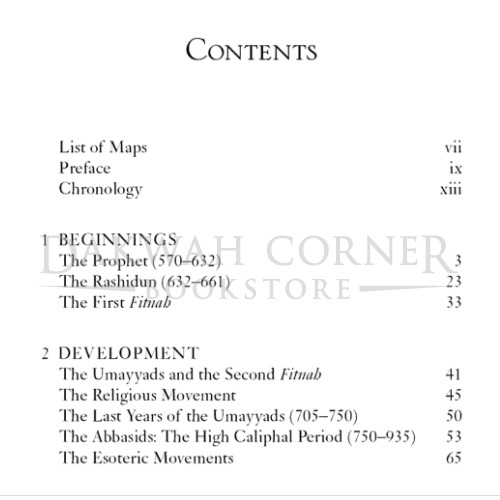
With this brilliant book, Karen Armstrong issues a forceful challenge to those who hold the view that the West and Islam are civilizations set on a collision course. It is also a model of authority, elegance, and economy.
RM80.00
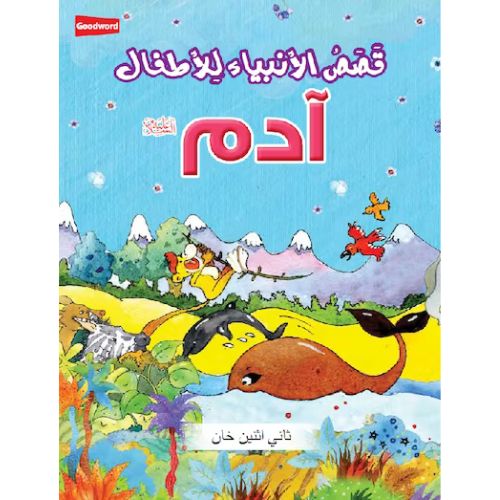
The Prophet Adam (Arabic)
Highlights:
Quran Stories for Kids series provides an ideal first introduction to the Quran, its stories and people for little ones. Each attractive book retells one complete story from the Quran. Written in simple and easy-to-read narrative, with child-friendly illustrations on every page, will surely capture children’s attention and hold their interest. This appealing story about the Prophet Adam, impresses upon young children the need to treat every human being with love and respect.
RM10.00
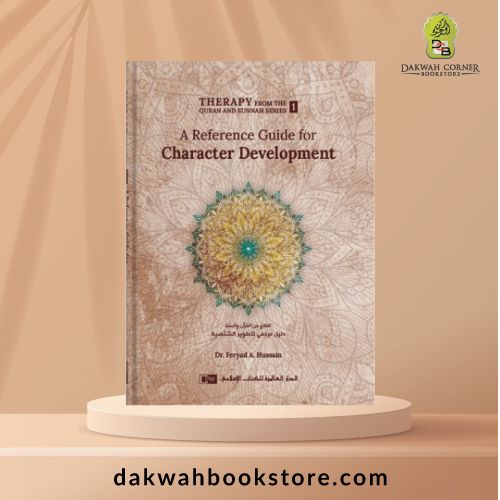
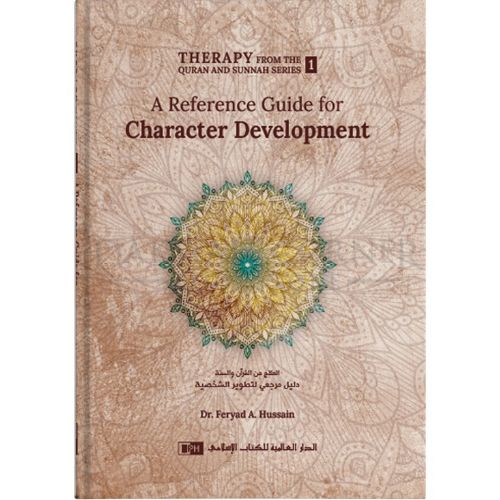

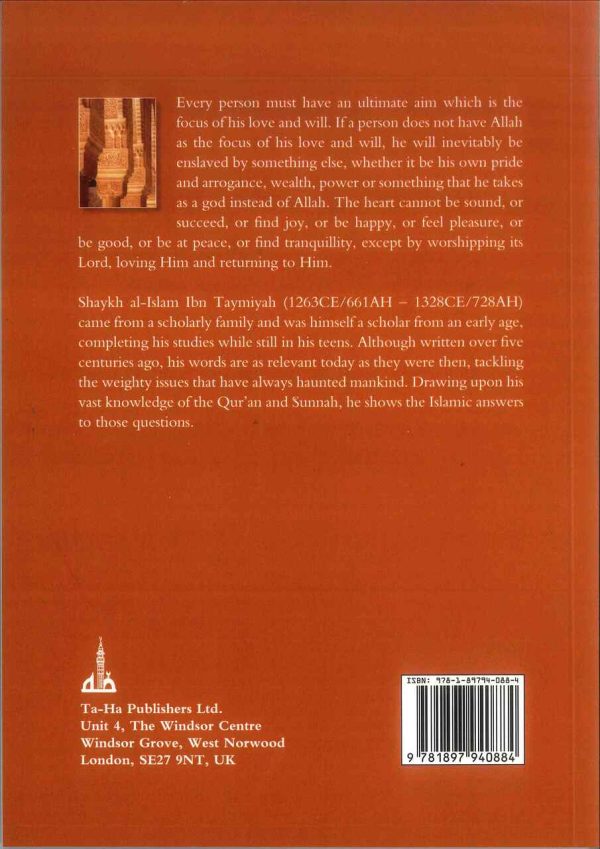
Al-‘Ubudiyyah: Being a True Slave of Allah
5 ★
5 ★
1 Rating
5 ★
1
4 ★
0
3 ★
0
2 ★
0
1 ★
0
Highlights:
Shaykh Ibn Taymiyyah defines the concept of worship in Islam and explains that to be a true “slave of Allah” is a status of both virtue and nobility. The title “slave of Allaah” is one of great honor which Allah bestowed upon the best of creation, Muhammad (SAW). Ibn Taymiyyah highlights the prevalent traps which people fall into, when becoming enslaved by, or allowing their hearts to become attached to worldly objects. The emphasis is on servitude to Allah which is adorned with the true love we hold for Him in our hearts — a matter of central importance for every Muslim.
Highly Recommended for the young blooded who Want to Run before they can Walk and even the Old timers ‘Who sometimes are so comfortable Walking that they have forgotten that there is sometimes a need to run’ in the Path Towards Allah.
RM45.00
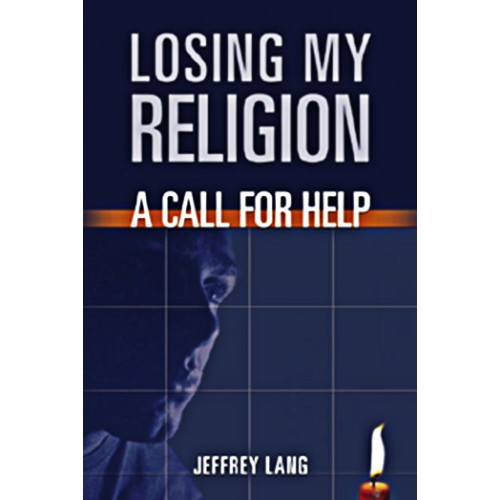
Losing My Religion: A Call For Help (P/B)
Highlights:
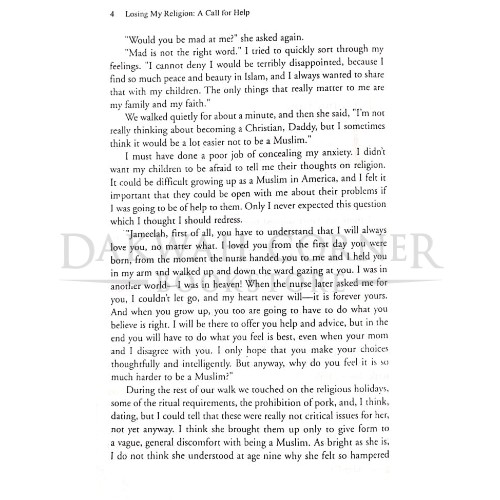
“Crucial to the vitality of any religious community is its ability to attract and engage descendants and converts. By this measure, notwithstanding the proliferation of mosques and Islamic organizations, the Muslim community in America is not doing at all well.” This rather sober assessment motivates Dr. Lang to address, in this book, the alienation from the Mosque of the great majority of America’s homegrown Muslims. In Losing My Religion: A Call For Help, the author comes to terms with many of the queries put to him by Americans of Muslim parentage and converts to Islam since the publication of his book Even Angels Ask in 1977. Lang asserts that to effectively respond to the general malaise of American-born Muslims, the Islamic establishment in America needs to be willing to listen to the doubts and complaints of the disaffected. This entails engaging in open discussions on issues with which many in the Muslim community will be uncomfortable, but Lang avers that such open dialogue will be of more benefit to young American Muslims struggling with their faiths than the covert and uniformed discussions that often take place or no discussion at all. For this reason, Lang feels it is important and beneficial “to be candid and objective and not evade controversy, for to inadequately state the case for or against a specific position, especially when it challenges convention, only serves to further alienate the sceptical.” In addition to examining questions of theodicy, hadith authenticity, and moot practices within the American Muslim community, the author includes many testimonials and inquiries that make this book informative. Dr. Lang is Professor of Mathematics at The University of Kansas, Lawrence, Kansas. He is the author of two best selling works: Struggling to Surrender and Even Angels Ask: A Journey to Islam in America. Both books have been translated into other languages.
RM115.00
There are no reviews yet.