









![[AAA] Naql al-Adīb - نقل الأديب](https://shop.dakwahbookstore.com/wp-content/uploads/2025/03/TARIQ-3-5.jpg)
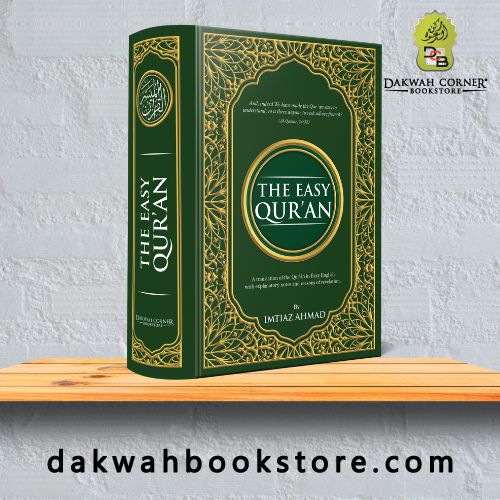

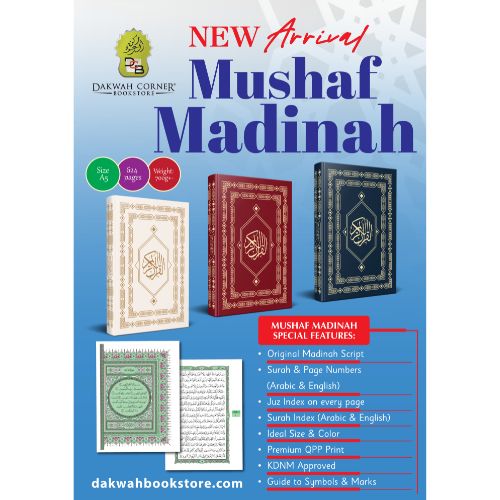
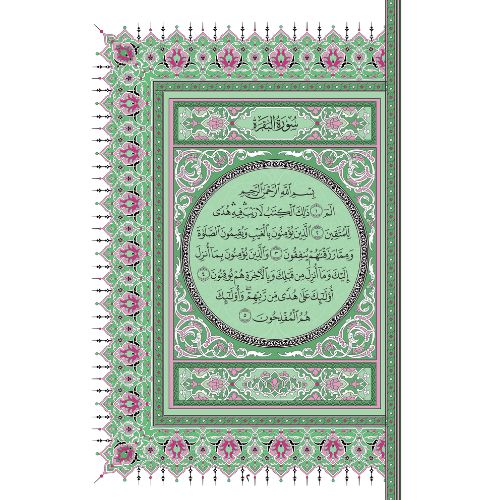
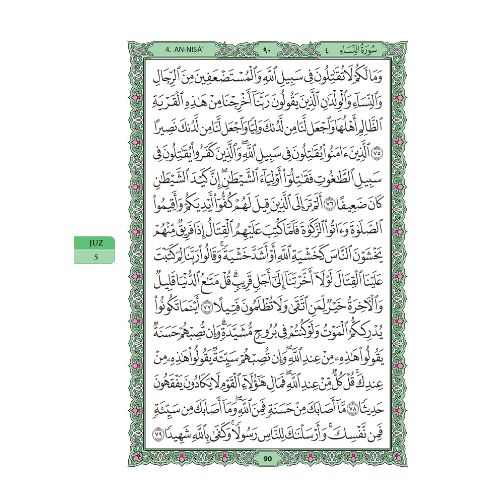
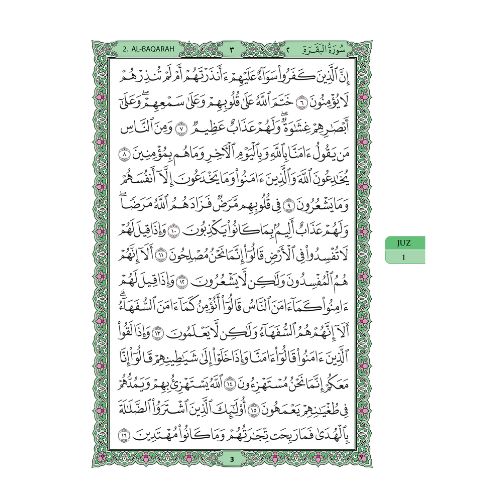
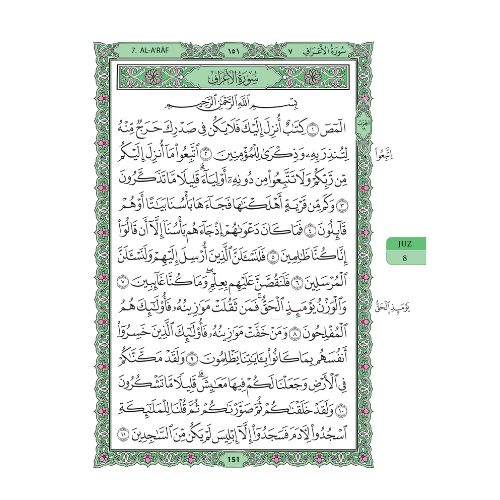
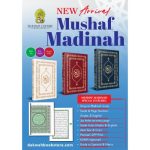
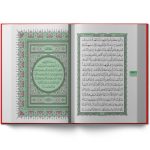
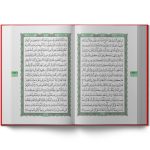
Mushaf Madinal Special Features :
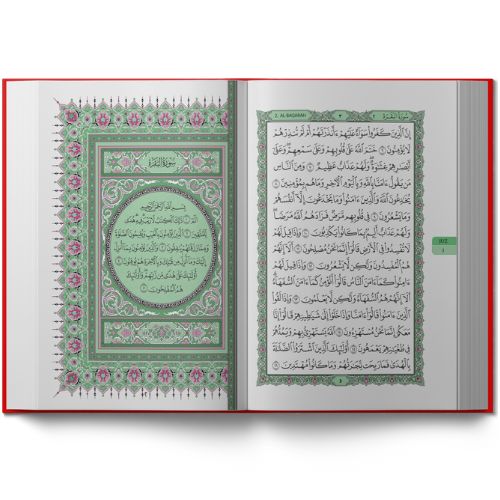
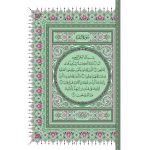
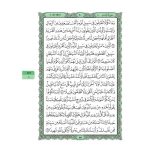
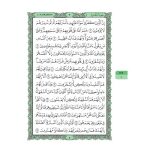
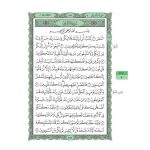
- Original Madinah Script
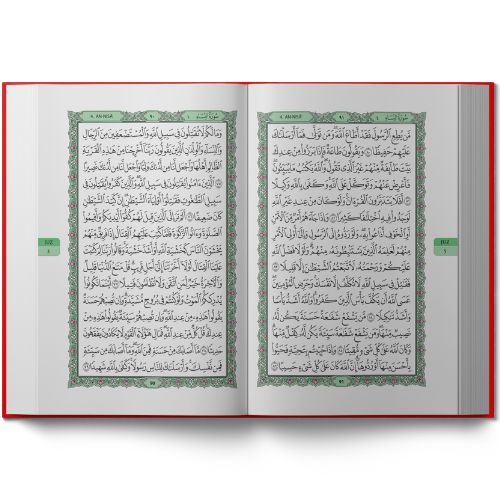
- Surah & Page Numbers (Arabic & English)
- Juz Index on every page
- Surah Index (Arabic & English)
- Ideal Size & Color
- Premium QPP Print
- KDNM Approved
- Guide to Symbols & Marks
RM38.00

Mushaf Madinah International Edition (Explanation in English)
Mushaf Madinal Special Features :
| Weight | 0.700 kg |
|---|---|
| Dimensions | 21.5 × 15.5 × 3 cm |
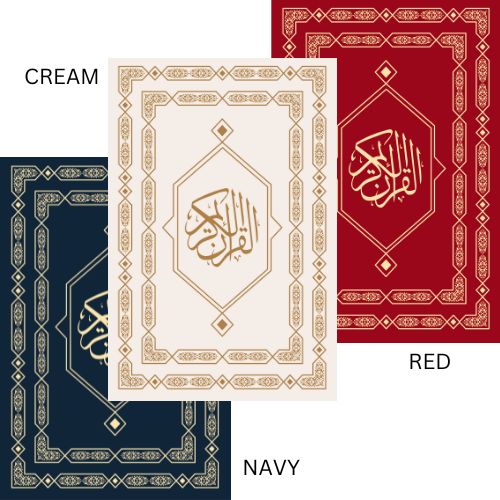
| Color | Cream, Navy/Dark Blue, Red |
| Binding | Hardcover |
| Pages | 604 |
| Publisher | Dakwah Corner Bookstore, Karya Bestari Sdn Bhd |
You must be logged in to post a review.
Tafsir As-Sa’di is a straightforward, easy to read, easy to understand explanation of the meaning of Qur’anic Ayat and statements. In addition to the simplicity of Ibn Sa’di’s writing, it is also articulate and eloquent.
Consequently, for those newly acquainted with Tafsir and those new to Islam, this Tafsir provides an uncomplicated, deep and insightful comprehension into the meaning and explanation of the Qur’an.
The uniqueness of this Tafsir is in the style the Shaikh used to explain the Ayat in a way that it is similar to everyday writing, without listing the various prophetic sayings or statements of the scholars of Tafsir, which Shaikh Ibn Sa’di used as a basis of his Tafsir.
The Quran, the sacred scripture of Islam, is revered as the spoken word of God by approximately one-fifth of the world’s population. Since its inception, the power of the Quran has derived not only from its message, but also from the inimitable literary style and rhetorical impact that the Arabic scripture has on its audiences. Divine Speech: Exploring the Quran as Literature attempts to make some of the most recent Arabic and European-language scholarship on its literary features accessible to a wider, English-speaking audience. These features include its language and word choice, its use of figures of speech and other rhetorical devices, its manner of narrating parables and stories, and the structure, coherence, and the order of its “chapters”-aspects that typically remain mysterious to readers of English translations of the text. Divine Speech furnishes its readers with a better appreciation of the Quran from a literary perspective, and in the process stimulates interest in, and provides tools and resources for, further study of the scripture.
An introduction to the Sciences of the Qur’aan presents a detailed and thorough explanation of the sciences related to the history, understanding and implementation of the Qur’aan. The book provides the English reader with a detailed analysis of classic Muslim scholarship regarding: the process on Inspiration (Wahy); the various means of classifying verses of the Qur’aan; the history of the compilation of the Qur’aan; the meaning of the seven ahruf and the ten qira’aat of the Qur’aan; the miraculous nature of the Qur’aan; the concept of abrogation in the Qur’aan; the procedure and methodology of tafseer; and many other topics. The work has a number of sections dedicated to explaining the traditional Muslim refutations of certain belief of the Ash’arees with regards to the Qur’aan.
This book also includes detailed discussions on modern Western scholarship of the Qur’aan. After presenting a history of the English translation of the Qur’aan, along with a critical review of some translations, the author discusses and refutes common Orientalist polemic literature on the Qur’aan.
The work is unique in that it presents classical material in a simple and modern style, while maintaning a hight academic level. It is the most advanced work of its kind in the English language, and a necessary reference for all serious students of Islamic knowledge.
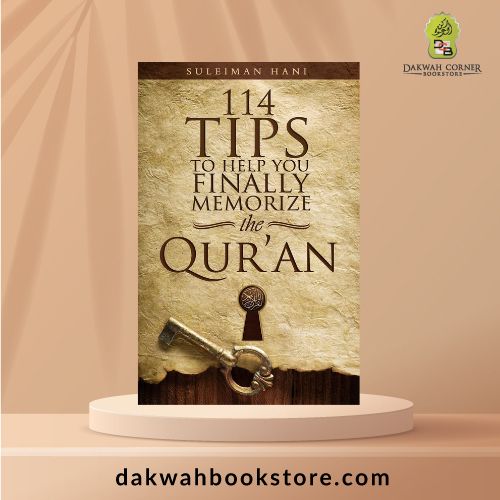
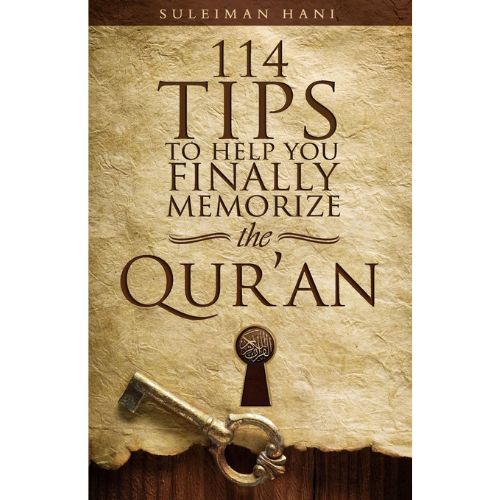
“114 Tips to Help You Finally Memorize the Qur’an is a concise book that aims to equip readers of all backgrounds with the information and techniques necessary in order to begin, continue with, and complete the memorization of the Qur’an, eliminating thereby the common excuse and reasons for not memorizing.”
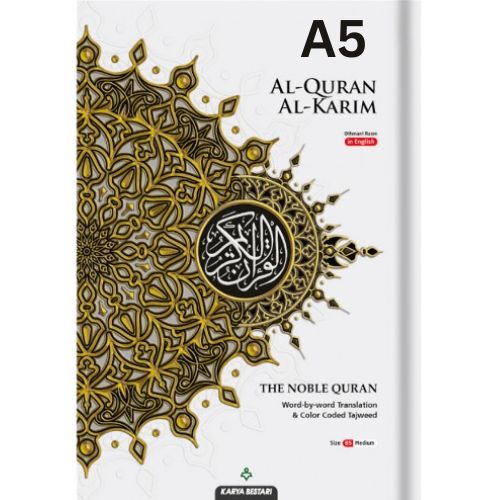
Al-Quran Al-Kareem is a translation learning method of word-by-word Al-Quran with every word and sentence is colored differently, in Arabic and English.
Every word in the Quran was translated literally so that the reader could understand the meaning of every single word. It needs to be remembered that not all literal translation represents the exact meaning of the word since the Quran uses varied Arabic language style and sometimes metaphor.
Accordingly, to understand the full or intended meaning of the word or the verse, Muhsin Khan’s the Holy Quran Translation had been included in this edition. However, to comprehend more of the meaning of the Quran, reading the commentary of the Quran from trusted scholars would be necessary.
Approved by the Department of Islamic Development of Malaysia (JAKIM) and Malaysian Ministry of Home Affairs (KDN).
Features:
● Rasm Uthmani script in English
● Word-by-word translation Arabic-English
● Color coded tajweed
● Thematic Index
Four Key concepts oF the Qur’An elucidates these basic Qur’anic concepts Ilah, Rabb, Ibadah and Din in order to bring out fully the Islamic way of life, as distinct from other perspectives. This elaboration goes a long way in developing a sound understanding of the Qur’an. It also explains the man-God relationship in Islam, guiding Muslims on how to lead their lives in total surrender to Allah.
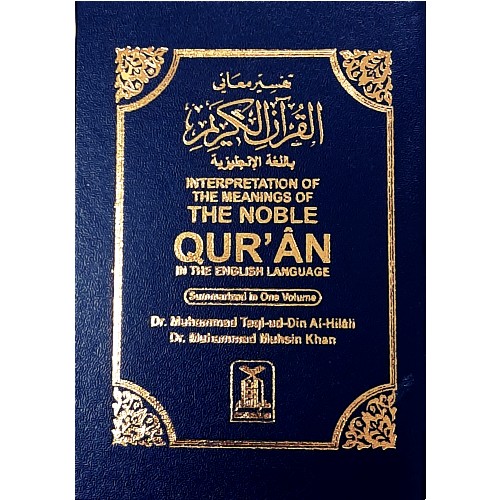
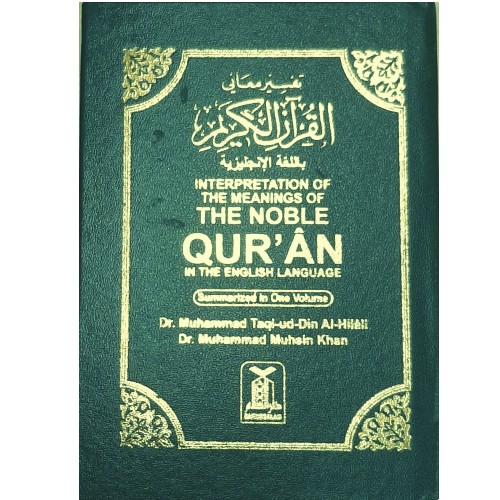
The Noble Qur’an is a widely popular translation by Islamic University – Madina scholars Dr. Muhsin Khan and Dr. Taqi-ud-Din Hilali. It features frequent footnotes gleaned by the translators from Tafsir At-Tabari, Tafsir Ibn Kathir, and Sahih-al-Bukhari. Arabic-English format with detailed index.
Interpretation of the meanings of the Noble Qur’an with Arabic text in the modern English language. A summarized version of At-Tabari, Al-Qurtubi and Ibn Kathir with comments from Sahih Al-Bukhari.
This summarized 1 volume version offers brief commentary and Ahadith wherever necessary. This unique combination of commentary and relevant Ahadith makes this a very useful study reference tool. The Arabic text is taken from Mushaf al Madinah.
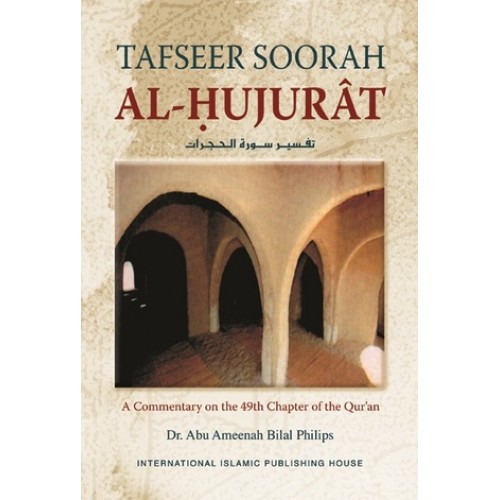
Tafseer Soorah al-Hujurât: A Commentary on the 49th Chapter of the Qur’an is a treasury of divine advice, commandments, and prohibitions regarding common problems in social relations, including gossip, spying, arguing, and bigotry. To make the best use of this chapter, the believer needs a detailed explanation of the meanings of the verses.
Dr. Bilal Philips has based his tafseer (exegesis) on the methodology used in the classical works of tafseer. He has relied first of all on the explanations found within the Qur’an itself, then on explanations found in the Sunnah and related incidents which occurred at the time of the revelation of the verses in question. Beyond these primary sources, Dr. Philips has relied on the interpretations made by the Prophet’s Companions (may Allah be pleased with them) who were noted for their ability to interpret and comment on the Qur’an. ‘Abdullâh ibn ‘Abbâs, for example, was called ‘The interpreter of the Qur’an’ by Prophet Muhammad (blessings and peace of Allah be upon him). Finally, the author has made use of the grammatical explanations given in the classical tafseer works. Wherever possible, Dr. Philips has tried to apply the derived meanings of the verses to the problems of contemporary society.
“Who is the author of the Qur’an?” On this subject scholars have flagrantly contradicted each other. This work attempts to make a critical review of the major ‘authorship’ theories by pressing into service logical arguments, historical evidence, textual analysis and scientific data. Probably, the only point of agreement about the Qur’an is that it was uttered for the first time by a man who was born in Makkah (Mecca), a city of Arabia, in the sixth century—a man by the name of Muhammad (blessings and peace be upon him). As to the source of the Qur’an, scholars are divided into three main groups: those who believe that Muhammad (blessings and peace be upon him) himself was the author; those who believe that he was not the author himself but learned it from another human author or authors; and those who believe that the Qur’an has no human author but is rather a word-for-word revelation from God. Hamza Njozi examines the three theories and comes to a firm and logical conclusion.
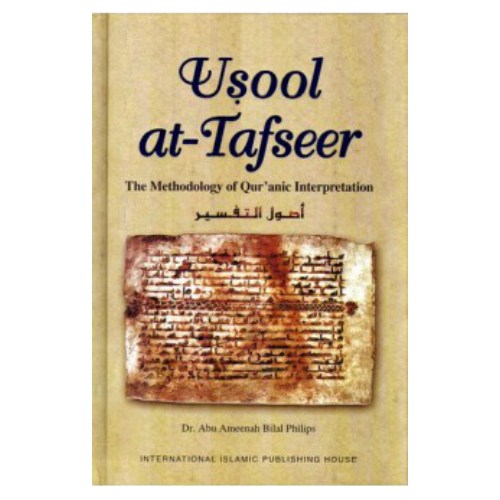
Usool at-Tafseer, essentially refers to the branches of knowledge necessary for providing an accurate interpretation of the Quranic texts, such as Arabic grammar and syntax, Arabic literature and Quranic sciences (Uloom al-Quran). Familiarity with modern fields of learning, like the pure sciences and social sciences is also necessary for a commentator in this era to make the Quraanic explanations relevant to human society. This book addresses the actual step-by-step methodology of interpreting Quran to ensure that interpretations are not merely the result of human whims and fancies.
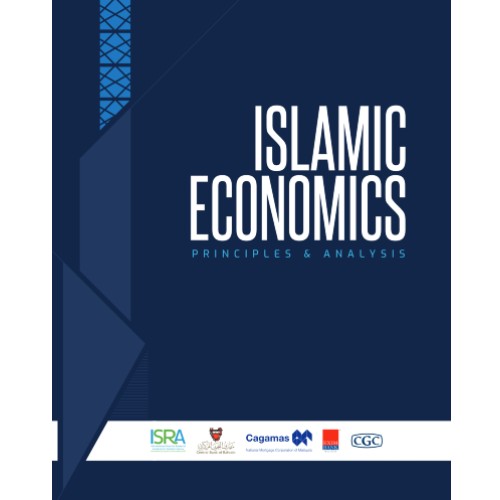
Economics is a social science that studies the behaviour and interactions of economic agents and analyses how economies work at the macro- and micro-levels. It studies production, distribution and consumption of goods and services, identifies economic problems and phenomena, and addresses economic questions from a positive perspective (what is) as well as a normative (how it should be) perspective. Islamic economics examines the same areas as its conventional counterpart. However, it involves the application of Sharīʿah to the different economic functions and issues. It is postulated that Islam offers a better approach compared to conventional economics in managing economic activities and solving economic and social issues.
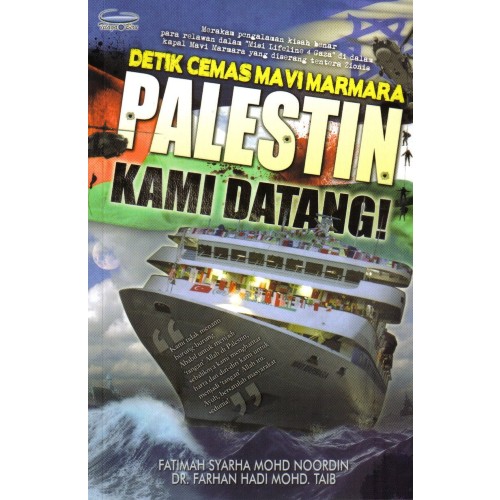
Masih ingat lagi tak anda peristiwa hitam yang menyelubungi aktivis negara kita apabila kapal Mavi Marmara yang membawa barangan untuk disumbangkan kepada rakyat Palestin diserang secara ganas oleh rejim Yahudi. Kejadian tersebut telah membuka mata ramai pihak dan mendapat kutukan keras daripada beberapa buah negara tentang kelakuan zalim tentera Israel kepada para aktivis.
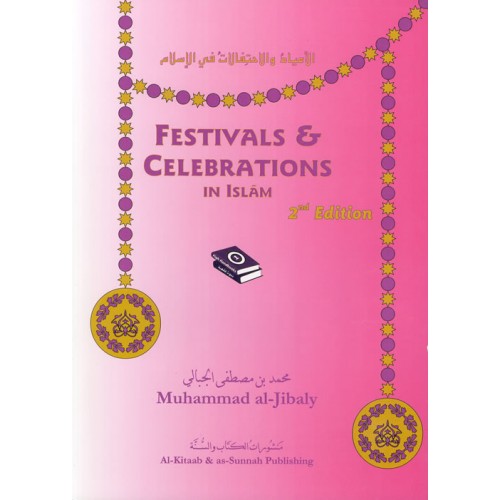
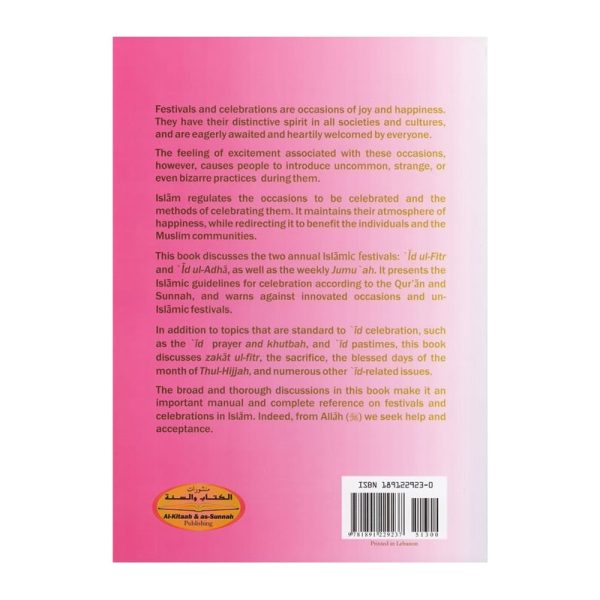
Festivals and celebrations are occasions of joy and happiness. They have their distinctive spirit in all societies and cultures, and are eagerly awaited and heartily welcomed by everyone.
The feeling of excitement associated with these occasions, however, causes people to introduce uncommon, strange or even bizarre practices during them.
Islam regulates the occasions to be celebrated and the methods of celebrating them. It maintains their atmosphere of happiness, while redirecting
This book discusses the two annual Islaamic festivals: Eid ul-Fitr and Eid ul-Adhaa as well as the weekly Jumu’ah. It presents the Islaamic guidelines for celebration according to the Quraan and Sunnah, and warns against innovated occasions and un-Islaamic festivals.
In addition to topics that are standard to ‘Id celebration, such as the ‘Id prayer and khutbah, and ‘Id pastimes, this book discusses zakat-ul-fitr, the sacrifice, the blessed days of the month of Thul-Hijjah, and numerous other ‘Id-related issues.
The broad and thorough discussions in this book make it an important manual and complete reference on festivals and celebrations in Islam. Indeed, from Allah (swt) we seek help and acceptance.
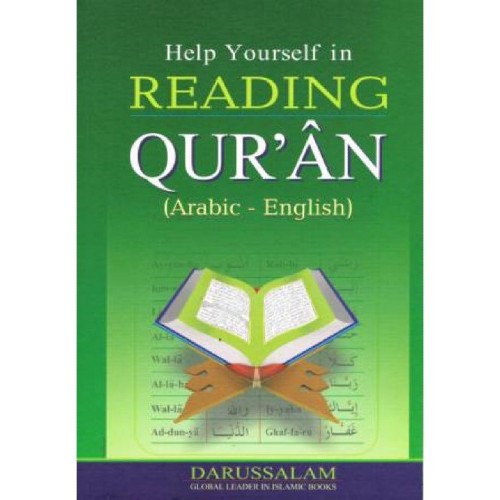
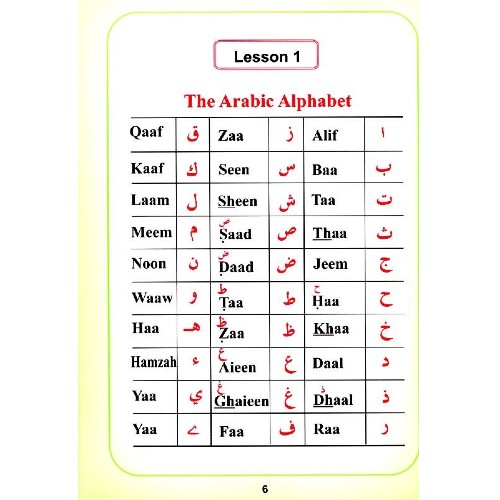
It is a guide for learning to read the Arabic of the Qur’an in a simple way through transliteration without a teacher. After mastering this guide , one will be able to read Qur’an without any difficulty. Insha-Allah.
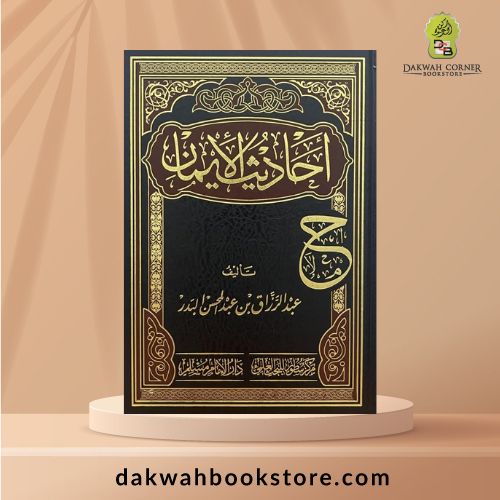
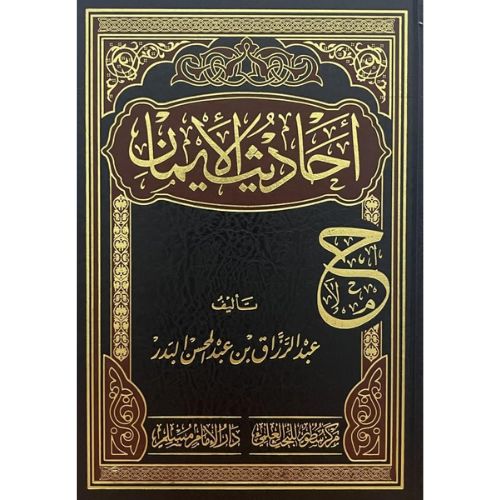
أحاديث الإيمان هي الأحاديث النبوية التي تتناول موضوع الإيمان وأركانه وأحكامه، وتشمل الأحاديث التي تتحدث عن أركان الإيمان الستة، وعن شعب الإيمان، وعن علاقة الإيمان بالعمل، وعن زيادته ونقصه.
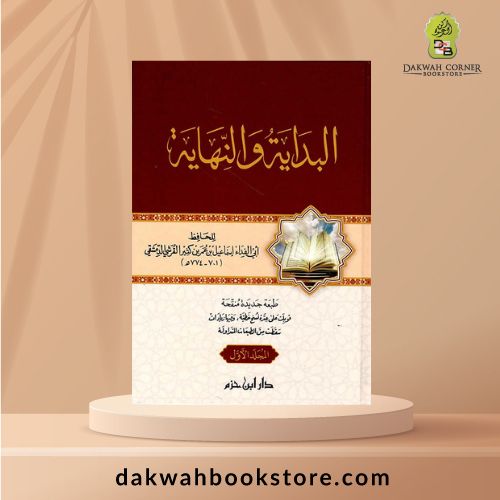
هذا كتاب قيم للحافظ ابن كثير رحمه الله تعالى، فيه سرد من مبدأ المخلوقات إلى سيرة سيد المرسلين محمد بن عبد الله خاتم الأنبياء، بعد ذلك يذكر الفتن والملاحم في زمننا هذا ثم البعث والنشور والقيامة
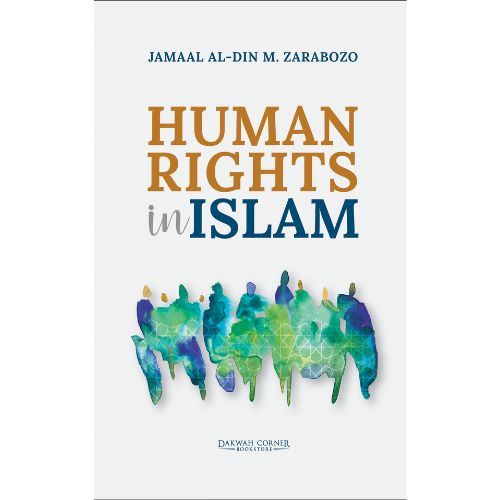
This work argues that contemporary human rights schemes, especially the extreme and vocal branches, offer no convincing reasons for a Muslim to give up tenets of his faith to bend them to meet their demands. On the contrary, these schemes’ baseless claims should strengthen a Muslim’s conviction in Islam. Human Rights Advocates have a noble goal of bringing people the rights they deserve, but they are lost and confused, lacking a foundation for their claims. After examining the human rights paradigm, a Muslim should flee quickly and return to Allah, realizing that without the guidance of the Almighty, there is no hope for humanity.
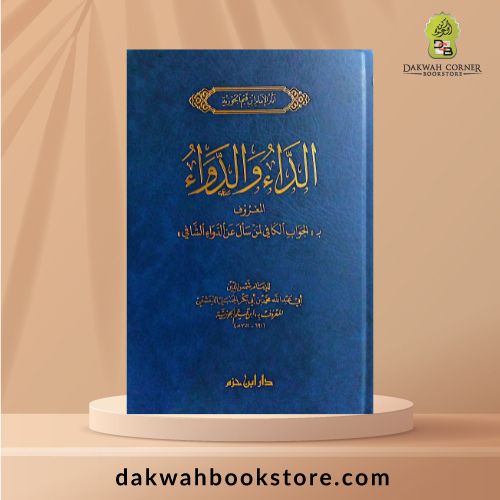
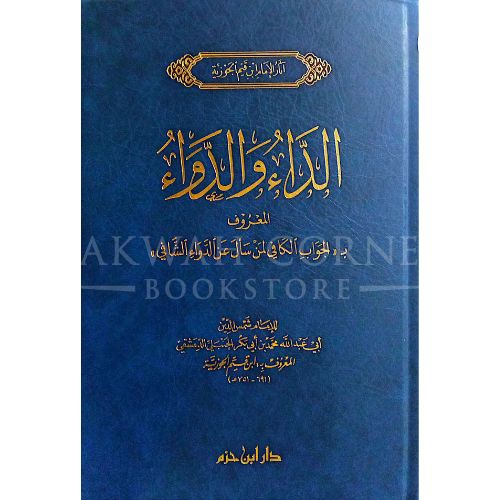
الداء والدواء
المعروف
بـ « الجَوابِ الكَا فِي لِمَنْ سَأَلَ عَن الدَّوَاءِ الشَّافِي
للإمام شمس الدين أبي عبد الله محمد بن أبي بكر الجنب لي الدمشقي المعروف به ابن قيم الجوزية
( ٦٩١ – ٥٧٥١ )
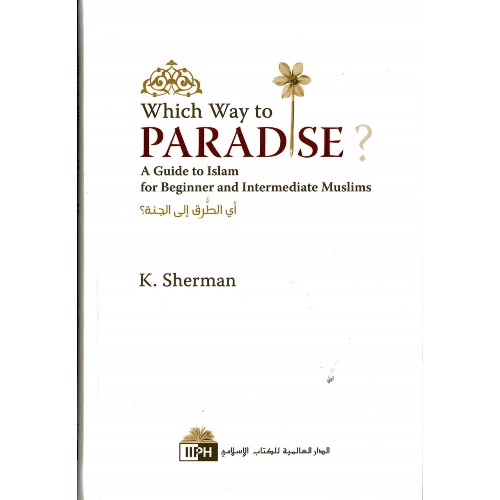
Which Way to Paradise? A Guide to Islam for Beginner and Intermediate Muslims seeks to elucidate Islamic principles and injunctions and elaborate on the very spirit of Islam, while at the same time exposing and refuting common misconceptions about the religion.
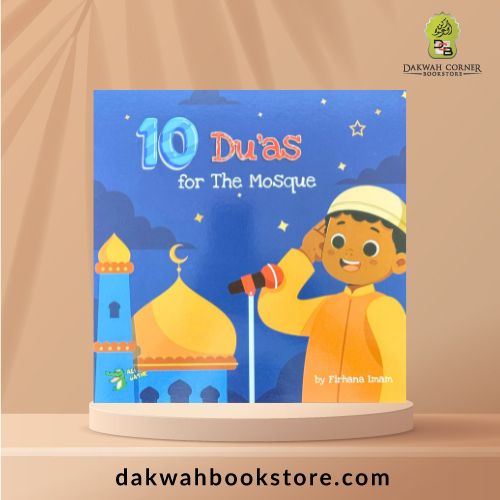
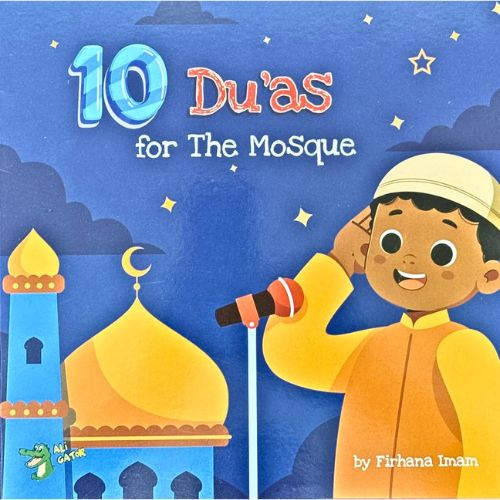
Strengthen your child’s spiritual connection with this meaningful collection of 10 mosque du’as.
Get access to your Orders, Wishlist and Recommendations.
Your personal data will be used to support your experience throughout this website, to manage access to your account, and for other purposes described in our privacy policy.
Shopping cart is empty!
Select at least 2 products
to compare










There are no reviews yet.