
| Weight | N/A |
|---|---|
| Product Type | Book |
| Author | |
| Publisher | IIPH |
| ISBN | 9789960672182, 978-603-501-069-6 |
| Binding | Hardcover, Paperback |
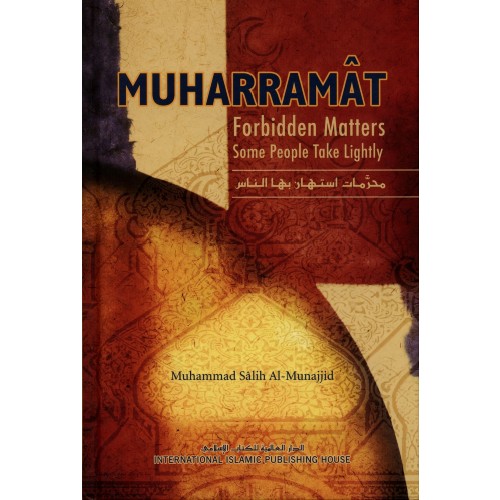
Muharramat: Forbidden Matters Some People Take Lightly
RM11.00 – RM27.00Price range: RM11.00 through RM27.00
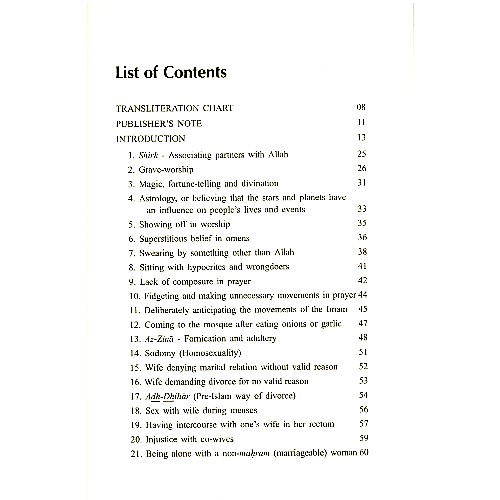
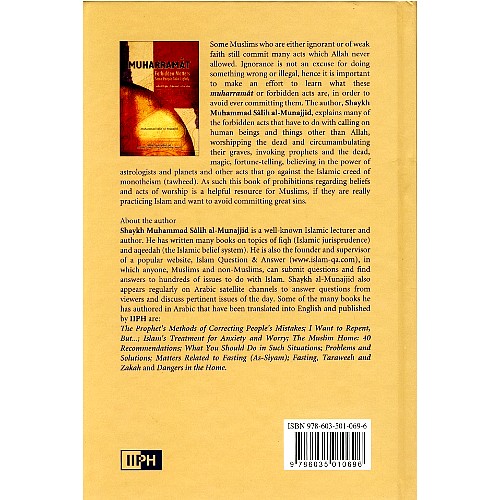
Some Muslims who are either ignorant or of weak faith still commit many acts which Allah never allowed. Ignorance is not an excuse for doing something wrong or illegal, hence it is important to make an effort to learn what these muharramât or forbidden acts are, in order to avoid ever committing them. The author, Shaykh Muhammad Sâlih al-Munajjid, explains many of the forbidden acts that have to do with calling on human beings and things other than Allah, worshipping the dead and circumambulating their graves, invoking prophets and the dead, magic, fortune-telling, believing in the power of astrologists and planets and other acts that go against the Islamic creed of monotheism (tawheed). As such, this book of prohibitions regarding beliefs and acts of worship is a helpful resource for Muslims, if they are really practicing Islam and want to avoid committing great sins.
Add a review Cancel reply
You must be logged in to post a review.
Related Products
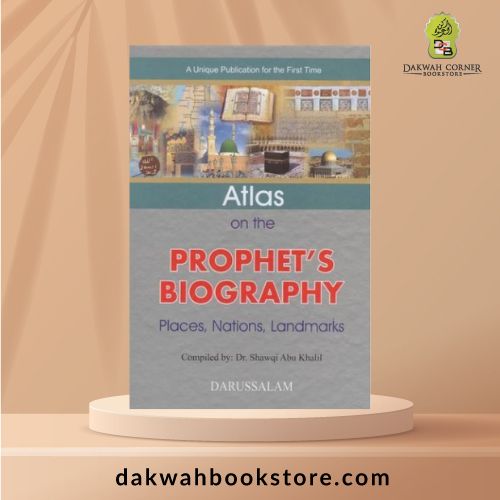
Atlas on the Prophet’s Biography Places, Nations, Landmarks
Seerah and Biographies
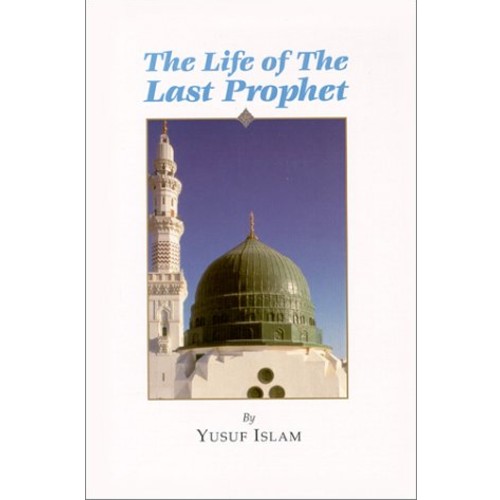
The Life of The Last Prophet (Darussalam)
The influence of Muhammad’s prophet hood is visible in everything that the world now contains: beliefs and patterns of thought, culture and civilization, morals and modes of living, knowledge and learning. In short, all spheres of human endeavor. Strange indeed, therefore, that so many people on the face of the earth today have little or no knowledge of the life and mission of this last great Prophet of God and his historical impact on the world we live in.
The Life of The Last Prophet , is a concise and authentic account of the life of the Prophet Muhammad (S) written by Yusuf Islam, formerly known as Cat Stevens. This book is the printed version of the spoken word album of the same name and also includes a selection of prophetic sayings and detailed references.
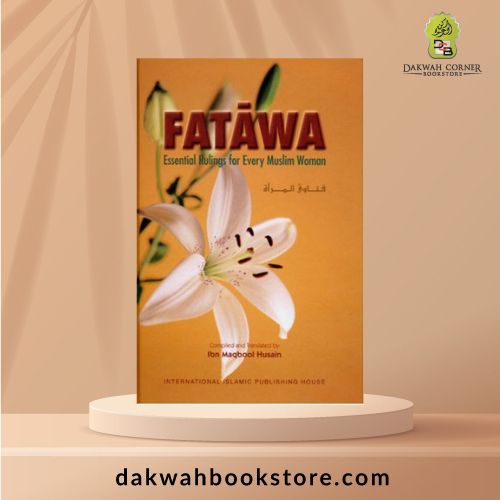
Fatawa-fatawa Tentang Wanita (H/B)
Buku ini merupakan kumpulan fatwa-fatwa pilihan yang berkaitan dengan masalah wanita, yang dihimpun dari fatwa-fatwa Syaikh Abdul Aziz bin Baz, Syaikh Muhammad al-Utsaimin, Syaikh Abdullah al-Jabrain, dan fatwa-fatwa Lajnah Da’imah lil-Ifta’. Buku ini penting dimiliki setiap muslimah, karena di dalam buku ini terdapat jawaban-jawaban atas persoalan-persoalan yang dihadapi atau dialami oleh wanita muslimah dalam kehidupannya, di mana banyak dari persoalan-persoalan tersebut yang tidak didapatkan jawabannya dalam buku-buku klasik.
This is the Indonesian translation of Fatawa: Rulings for Muslim Woman. Acquiring knowledge of Islam is incumbent upon every Muslim – male and female – in order to live one’s life according to the commands and recommendations of the Qur’an and the Sunnah of Allah’s Messenger (blessings and peace of Allah be upon him). Naturally, women have some specific issues that concern them and that are different than those that concern all Muslims or only men. In this book, these rulings, or fatâwa, have been compiled from the religious verdicts of well-known and respected Islamic scholars, both past and present — Shaykh ‘Abdul-‘Aziz ibn Baz, Shaykh Muhammad ibn ‘Uthaymeen, Shaykh Ibn Jibreen, and the Standing Committee for Scholarly Research and Issuing Fatwas (Saudi Arabia). The rulings are derived from the Qur’an and the Sunnah. The rulings were compiled in this book by Muhammad al-Musnid and translated into Indonesian/Malay by Uril Bahruddin. This book is a compendium of such rulings in a question-and-answer format, catering to the special needs of the Muslim woman. It is a concise and readily accessible reference, and an invaluable addition to the Muslim woman’s personal library.
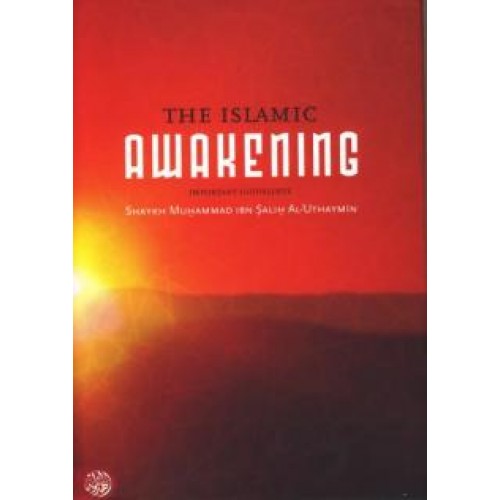
The Islamic Awakening (H/B)
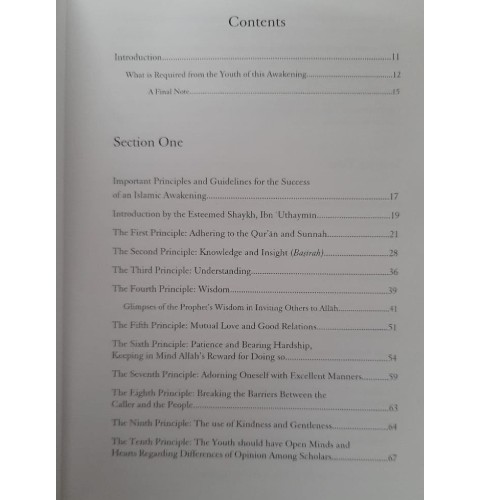
The Muslim Nation today is experiencing a blessed awakening in all aspects of its affairs, one that has been aroused by the efforts of Muslims throughout the globe. This is despite the onslaught of the disbelievers against Islam whether that be military or through their powerful media apparatus. In these often difficult times, we find many Muslims returning to their Din and embracing it with vigour and enthusiasm. However the astute observer will find that there are many problems that hinder its progress, problems that have caused some of the scholars to lay down some guidelines that the youth of this blessed awakening should adhere to and follow. It should also be noted that if the Islamic guidelines are not strictly adhered to, and the youth are left to be driven by their emotions alone, then surely this awakening will result in destroying more than it will build!
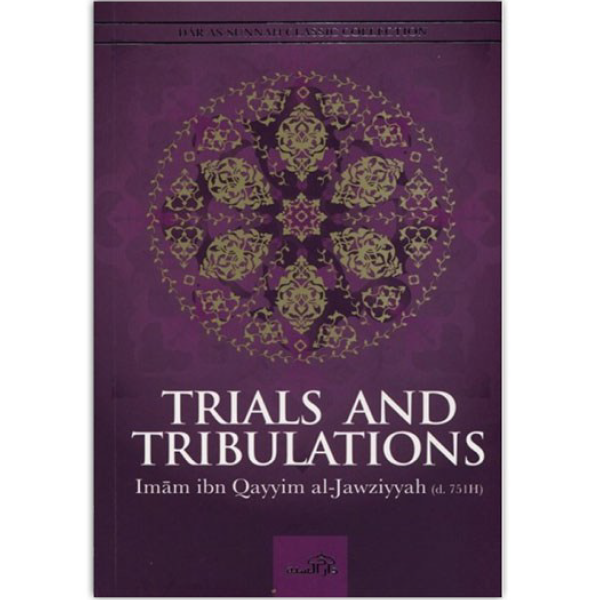
Trials and Tribulations
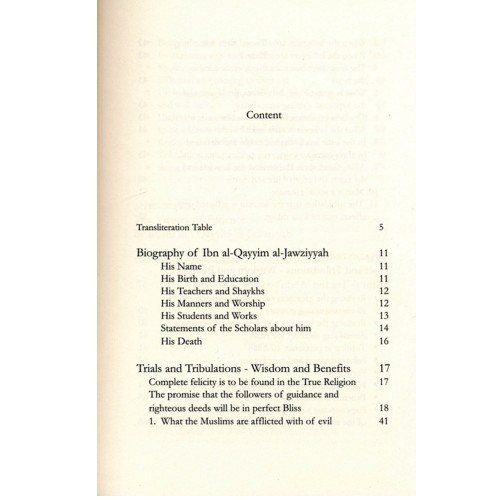
These two treatises deal with the issue of trials and tribulation, extremely essential for every Muslim especially in the times that we are living in today. People often see, and hear of, the believers being afflicted with adversity and tribulation, and conversely they often see, and hear of the disbelievers attaining leadership and wealth in this world. This leads them to mistakenly believe that well-being in this world is only reserved for the disbelievers. A believer may face many trials and tribulations that test his faith, patience and endurance. In a world full of conflict and war, with many also suffering from personal and family problems, shaytan causes a person to question many things. If a Muslim is tried with a difficulty, then the reasons for this are many – including one’s own sin, which arise from leaving something obligated in Islam or comitting an act that is prohibited. Trials are also a means of Allaah purifying and aiding His servants, ennobling them and granting well-being through His Wisdom. The most severely of those who were tried were the Prophets and then those closest to them in following their guidance.
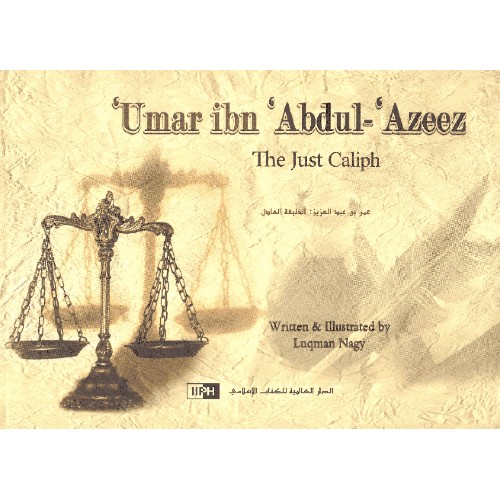
Umar ibn Abdul-Azeez The Just Caliph (IIPH)
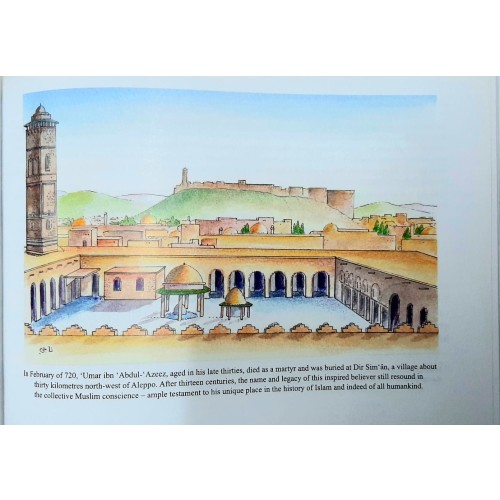
This book, written by Luqman Nagy, highlights the life and times of ‘Umar ibn ‘Abdul-‘Azeez, a truly exceptional Muslim ruler who, during his twenty-nine months in office, governed the Ummah totally in accordance with the Qur’an and the Sunnah. His sincere devotion to the religion of Islam enabled ‘Umar ibn ‘Abdul-‘Azeez to bring prosperity and contentment not only to the Ummah but to all those residing within the Umayyad state.
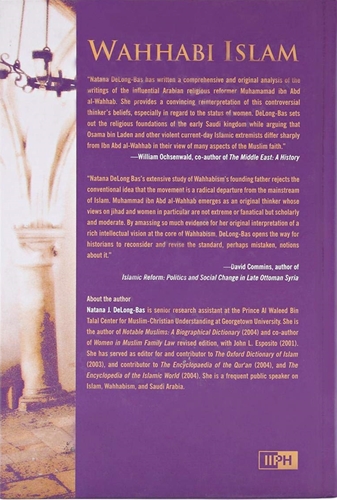
Wahhabi Islam From Revival And Reform To Global Jihad
Until September 11, 2001 few Westerners had ever heard of “Wahhabism.” Now most of us recognize the word as describing an austere and puritanical type of Islam, mentioned frequently in connection with Osama bin Laden and Saudi Arabia and often named as the inspiration behind the 9/11 terror attacks. The word “Wahhabi” stems from the name of the founder of this system of thought, Muhammad Ibn Abd al-Wahhab (1702-1791), companion and religious adviser to Muhammad Ibn Saud, founder of the House of Saud. In this book Natana DeLong-Bas offers an in-depth study of the written works of al-Wahhab. She focuses on four areas: theology, legal theory, proselytizing through education and jihad, and law on women. Through a close reading of al-Wahhab’s texts she demonstrates that many aspects of 20th- and 21st-century Wahhabi extremism do not have their origins in his writings. Examples of this extremism include the emphasis on jihad, martyrdom and militancy, and misogyny. The strict division of the world into dar al-Islam and dar al-kufr, according to which only Wahhabi adherents are considered to be true Muslims and all others are non-Muslims who must be fought, is entirely absent from al-Wahhab’s work. Instead, argues DeLong-Bas, all of these themes were only added to Wahhabi teachings in the 19th century following armed engagement with the Ottoman Empire. DeLong-Bas’s study fills an enormous gap in the literature about Wahhabism by returning to the original writings of the founder of the movement. She debunks the common journalistic portrayal of Muhammad Ibn Abd al-Wahhab as an illiterate, rural bumpkin with no scholarly formation. Her revisionist reading of al-Wahhab’s thought will be controversial but impossible to ignore. The book will be essential reading for students and scholars of Islam as well as for those interested in the background of this dangerous modern ideology.
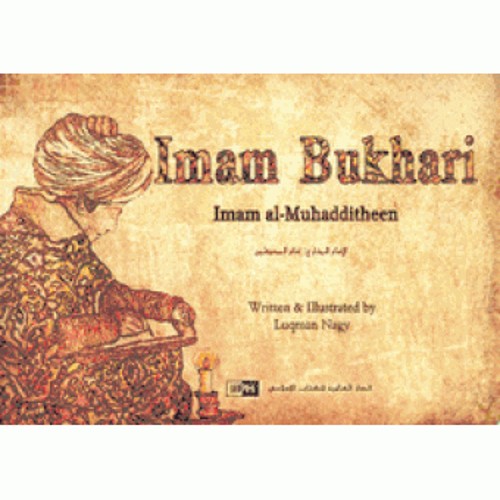
Imam Bukhari – Imam Al-Muhadditheen (IIPH)
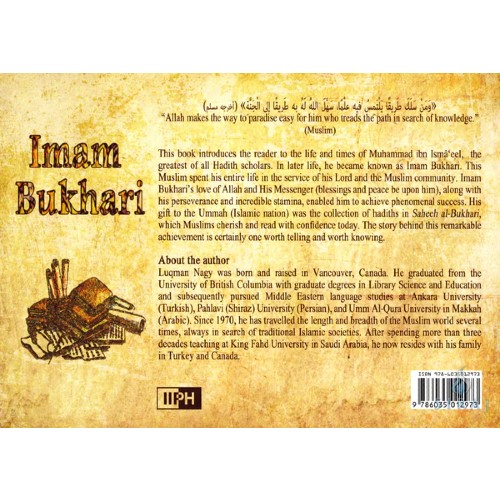
This book, authored by Luqman Nagy, introduces the reader to the life and times of Muhammad ibn Ismâ‘eel, the greatest of all Hadith scholars. In later life, he became known as Imam Bukhari. This Muslim spent his entire life in the service of his Lord and the Muslim community. His gift to the Ummah (nation) was the collection of hadiths in Saheeh al-Bukhâri, which Muslims cherish and read with confidence today. The story behind this remarkable achievement is certainly one worth telling and worth knowing.
Islam is Your Birthright (IIPH)
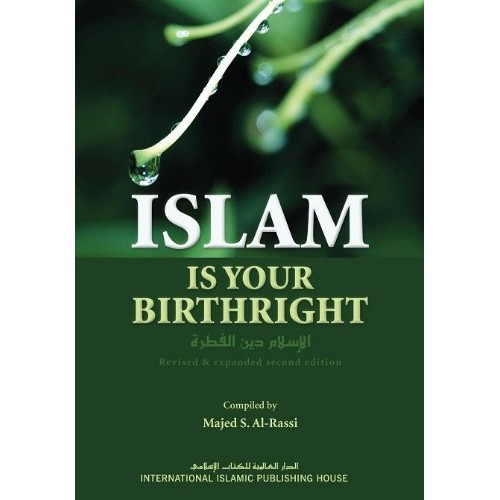
Majed Al-Rassi’s popular booklet, compiled from the works of respected writers on the subject of comparative religion, has been revised and greatly expanded in this new edition. Islam is Your Birthright is a useful and comprehensive guide for Muslims who would like to know how to address non-Muslims on the subject of the relationship between Islam, Christianity and other religions. It is as well a helpful, easy-to-follow explanation of the basic precepts of Islam that interested non-Muslims can pick up and read, without having had any prior study of Islam. Wise men and women know that they are in existence for a purpose and a final destination, whether they know that destination or not. Also, wise people know that if they do not know where they are going, then they will never arrive. In this little book, light is focused on: Why human beings were created What is their final destination How to reach ‘safely’ to that destination
Mysteries of The Soul Expounded (P/B)
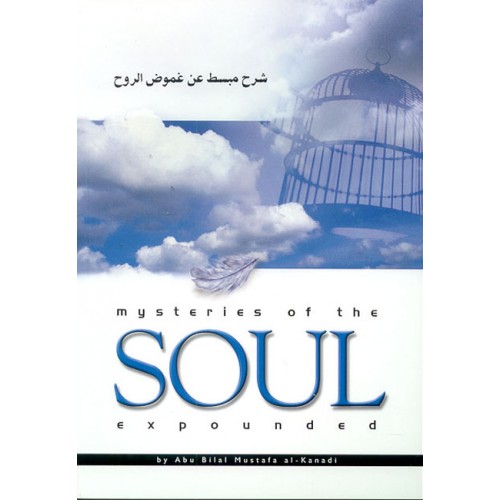
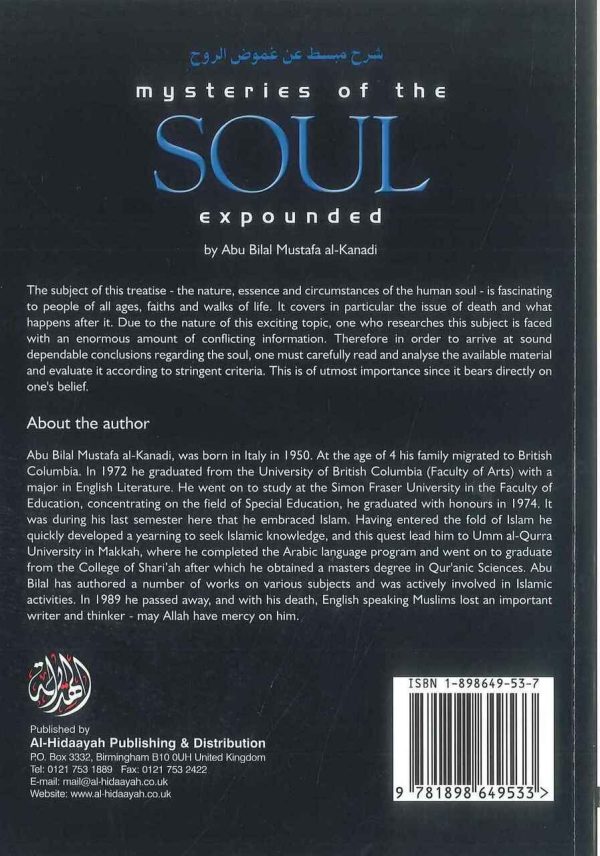
The subject of this treatise – the nature, essence and circumstances of the human soul – is fascinating to people of all ages, faiths and walks of life. It covers in particular the issue of death and what happens after it. Due to the nature of this exciting topic, one who researches this subject is faced with an enormous amount of conflicting information. Therefore in order to arrive at sound dependable conclusions regarding the soul, one must carefully read and analyse the available material and evaluate it according to stringent criteria. This is of utmost importance since it bears directly on one’s belief.
Let Us Remember Allah And Praise Him
Remembrance, praise and supplication – dhikr and du‘â’ – are the core of worship of the Divine. The Noble Qur’an and the last Prophet (blessings and peace of Allah be upon him) have stressed this point and taught us how to attain Allah’s pleasure through calling on Him and remembering Him in words of praise and thankfulness. This small book is a valuable collection of daily supplications from the Qur’an and the authentic hadiths. It contains the Arabic text, full transliteration and clear translation of the meaning of dozens of phrases of remembrance (dhikr) and supplication (du‘â’). This new and revised edition of Let Us Remember Allah and Praise Him is designed to be easy to use: its full-sized page format ensures that the print is large enough to read effortlessly, and yet its ultra-slim volume makes it no trouble to slip into a handbag
or backpack. It is truly a practical handbook for every Muslim desiring to seek peace in this earthly life and salvation in the hereafter.
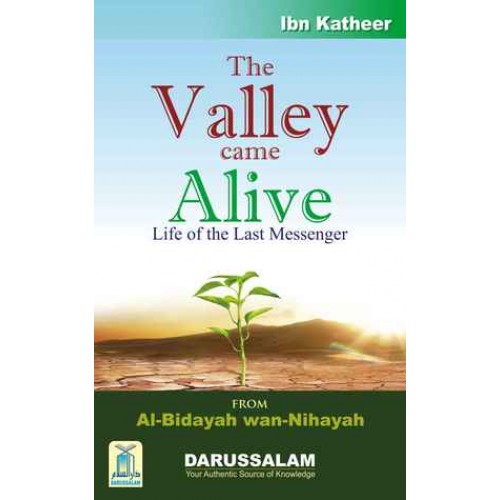
The Valley Came Alive (H/B)
Darussalam is proud to present the abridged English translation of the classic work: Al-Bidayah wan Nihayah, focusing exclusively on the life of Prophet Muhammad (peace be upon him). This volume contains a detail account of the life and times of the Messenger of Allah taken from a number of historical and traditional sources. The book reports the events of his blessed life, his battles, military campaigns, the delegations that met him, and sheds light upon the unique exemplary qualities, virtues and signs of his Messengership that make him a guide and role-model for all of humanity until the end of time.
A1-Bidayah wan Nihayah (The Beginning and The End) by the renowned scholar Abu Al-Fida ‘Imad ad-Deen lsma’eel bin ‘Umar ibn Katheer, is considered one of the most authoritative sources on Islamic history.
Recently Viewed
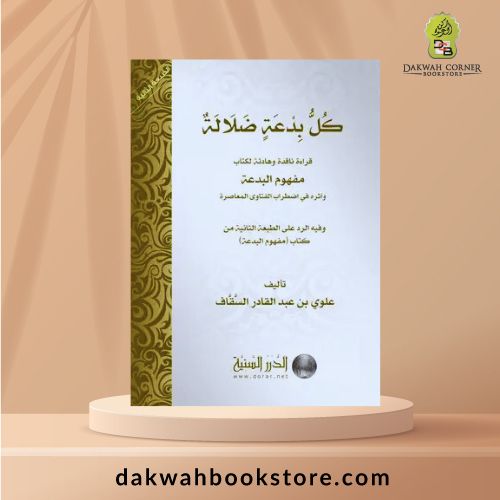
[AAC] Kullu Bid‘atin Dhalalah / كل بدعة ضلالة
هذا الكِتابُ عِبارةٌ عن قِراءةٍ ناقدِةٍ وهادئةٍ لكتابِ (مَفهوم البِدعةِ وأثَره في اضطرابِ الفتاوَى المُعاصِرَة) للدُّكتورِ عبد الإلهِ العَرْفَج. وهذِه هي الطَّبعةُ الثانيةُ مِن الكِتابِ، وتَتميَّز بردِّ المؤلِّف على ما دَوَّنَه الدكتورُ العرفج في طَبعتِه الثانيةِ لكتابِه رادًّا فيه على الطَّبعةِ الأُولى مِن هذا الكِتابِ.
( FREE-eBook) Reliance on Allah
Dialogue is the girdle of the intelligent and the habit of the wise. Dialogue has the greatest influence on humans during interactions and is the loftiest method of enlightenment and preaching. Dialogue is like engraving; it engraves on the souls and leaves lasting impressions on the character of the audience.
After the advent of prophethood, our beloved Prophet Muhammad (Sallalahu Alayhe Wassalam)stayed in Makkah for thirteen years without engaging in physical combat with the non-believers, he did not raise a spear nor unsheathe a sword. He was persistently dialoguing with the people of Makkah for thirteen years !
Dialogue was a well established signpost, clearly seen at every stage of the life of the Prophet (Sallalahu Alayhe Wassalam) and at the different points of his call. The most beloved speech to the people and endearing to their hearts, the most easily accepted by them is that which comes in the form of a conversation in which the listener, the addressee, contributes in speech with his tongue and reasoning while employing his intellect.
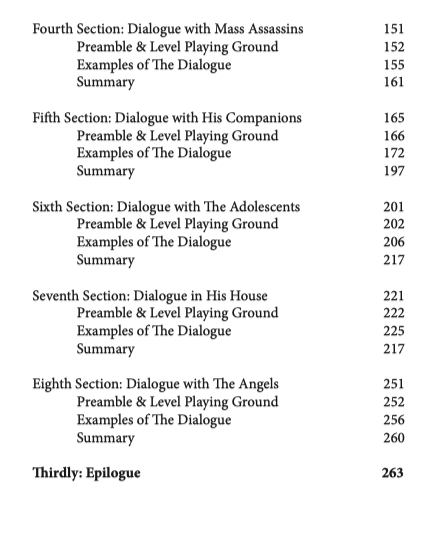
Secrets Of Dialogue and Persuasion : The Loftiest Dialogues and Most Powerful Methods Of Persuasion From The Life Of The Best Men صلى الله عليه وسلم is a study of the dialogues of our beloved Prophet Muhammad (Sallalahu Alayhe Wassalam) while inviting to the path of Allah SWT.
- How did he communicate his message to the World’s superpowers at the time, considering the and community in which he lived ?
- What responses did he receive and what lines of action did he follow?
- How did he persuade the youths and adolescents to accept his message ?
- How did he converse with his household, including the women and children ?
- What were the major elements of his dialogues that yielded the best results ?
History of Islam: Umar ibn al-Khattab (P/B)
This is the second volume from this series, which deals with the life of Umar ibn al-Khattab , the second of the Four Rightly-Guided Caliphs. The evaluation of Amir al-Mu’minin Umar al-Farooq, may Allah be pleased with him, and his far-sighted policies is captured in a statement attributed to the Prophet (S), There were in the nations before you inspired people, and if there is any one of them in my nation, it is Omar. Darussalam presents the entire History of Islam to our youth in language that appeals to them, in a simple yet lucid manner. The first four volumes in this series explore Islamic history during the period of the first Four Rightly-Guided Caliphs. Later volumes would be devoted to the History of Islam, down through the ages to modern times, inshaAllah.
Learning Arabic Language Of The Qur’an
Other components that make this book attractive and useful are the simplicity of the language used, and its clarity and effectiveness of expression in achieving its objective. This book can be used by students of different ages whose intention is to learn Arabic with an eye toward proper understanding of the Qur’an.
The author has profound knowledge of both the Arabic and English languages. She also possesses a deep insight into Qur’anic expressions. She studied Arabic in Saudi Arabia and in India. This comprehensive book is the result of her diligence and commitment to learning and teaching the Qur’anic Arabic.
May Allah reward her for this valuable service to the understanding of the Qur’an and make it popular among the students and the academic world at large.
Prof. Mohsin Usmani Nadwi, Professor of Arabic and Dean at English and Foreign languages University (formerly CIEFL) Hyderabad, India.
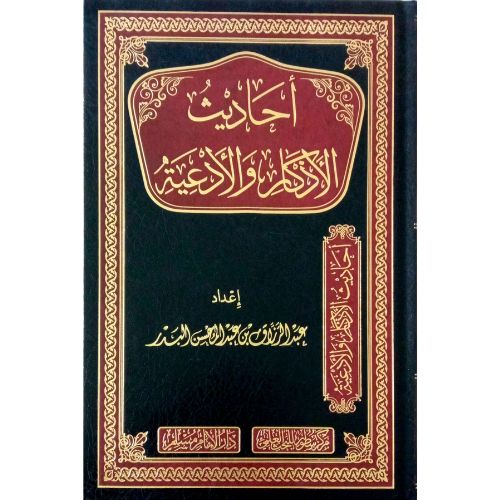
[AH] Ahadith Al Adhkar Wal Adiayah /احاديث الاذكار والادعية
مجموعة من الأحاديث وشروحها، للشيخ عبد الرزاق البدر، تتناول بشكل رئيسي موضوع الأذكار والأدعية. مفيدة جدًا للطالب، جزاه الله خيرًا.
طبعة جميلة تتضمن بعض الحركات على متنها وجميع الحركات على الحديث.
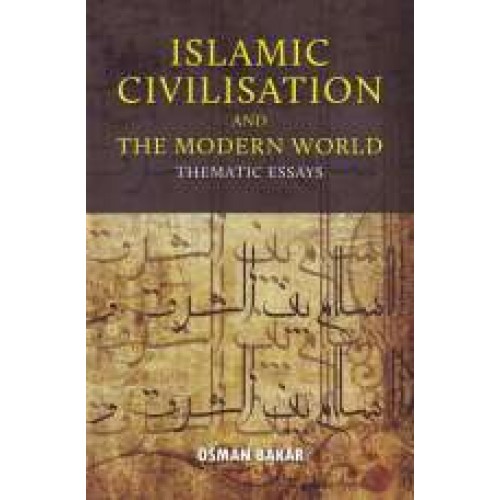
Islamic Civilisation and The Modern World (P/B)
This book presents a thematic treatment of Islamic civilisation. Each of the fourteen chapters comprising this book treats at least one of the major themes that are characteristic of this youngest religiously-based civilisation of the world.
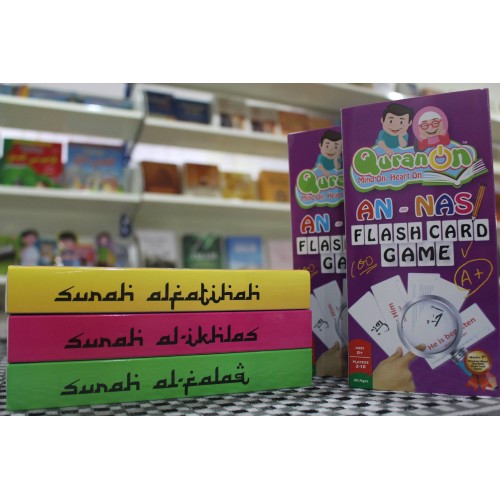
An-Nas Quran On Flash Card Game
Introducing our NEW QuranOn Flash Card Game that will enhance our understanding on the Arabic words, translations, makhraj, tajweed, grammar, meaningful contents and many more.
✔ Recite the verse in the surah clearly from one word to another.
✔ Combination of Arabic alphabets from word by word in the surah to the beginners.
✔ Translation for the each word.
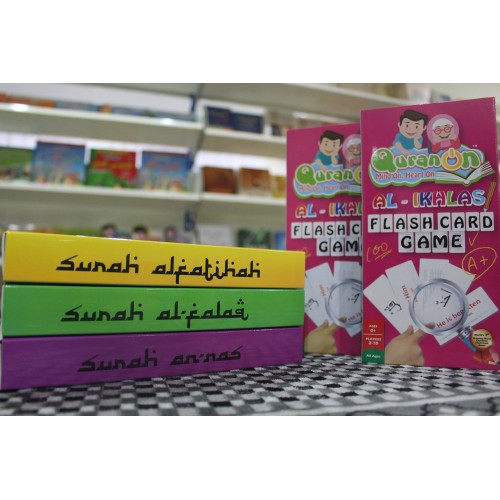
Al-Ikhlas Quran On Flash Card Game
Introducing our NEW QuranOn Flash Card Game that will enhance our understanding on the Arabic words, translations, makhraj, tajweed, grammar, meaningful contents and many more.
✔ Recite the verse in the surah clearly from one word to another.
✔ Combination of Arabic alphabets from word by word in the surah to the beginners.
✔ Translation for the each word.
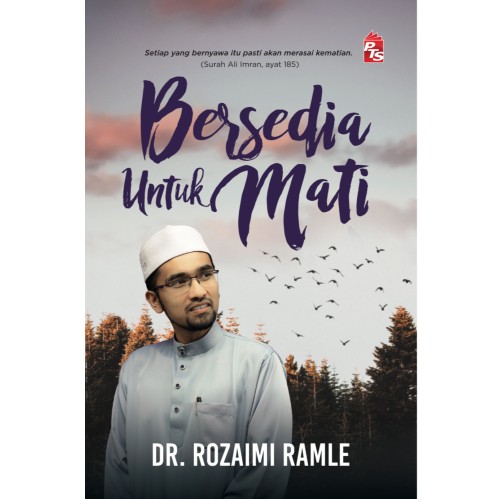
Bersedia untuk Mati (PTS)
Mengingati kematian adalah suatu yang dituntut dalam agama ini. Ia menjadikan manusia berakhlak baik dan melakukan kebaikan. Ia membuka pintu pengharapan bagi orang yang dizalimi.
Bagaimana?
Ia akan diterangkan dalam buku ini.


mhakimhanafi –
Abu Huraira RA narrated, “The Prophet (ﷺ) said, “Leave me as I leave you, for the people who were before you were ruined because of their questions and their differences over their prophets. So, if I forbid you to do something, then keep away from it. And if I order you to do something, then do of it as much as you can.” ~ Bukhari 7288 ~
A Muslim is taught that the principle which underlies all the prohibitions in Islam is that Allah SWT is testing His slaves by means of these prohibitions. By foregoing what is prohibited, the obedient person gains much, for whoever forsakes for the sake of Allah, He will compensate with him something better.
The author brings to attention the prohibitions which many of us have taken lightly due to our lack of knowledge of these prohibitions or our own ignorance in viewing these matters. May Allah guide us to be obedient slaves and be rewarded in the Hereafter with His Mercy.