



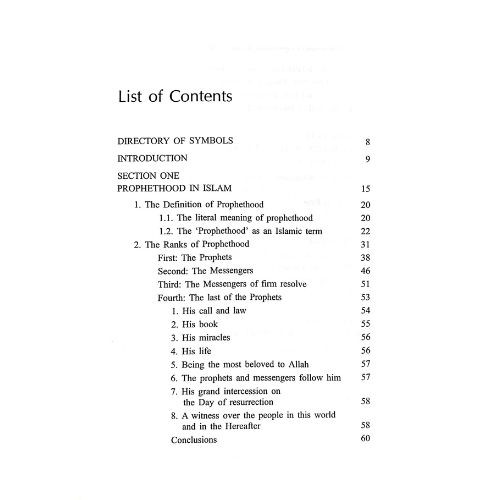
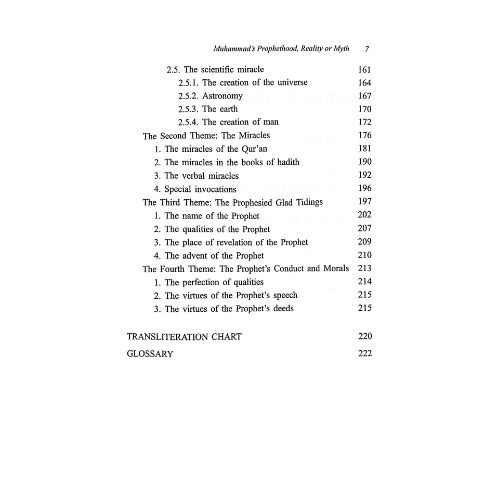
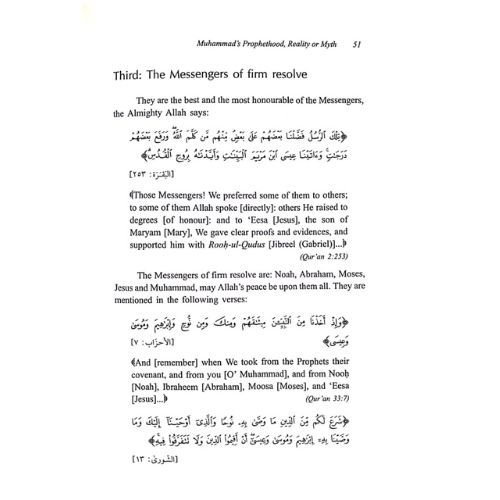
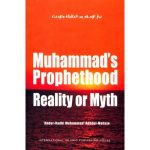
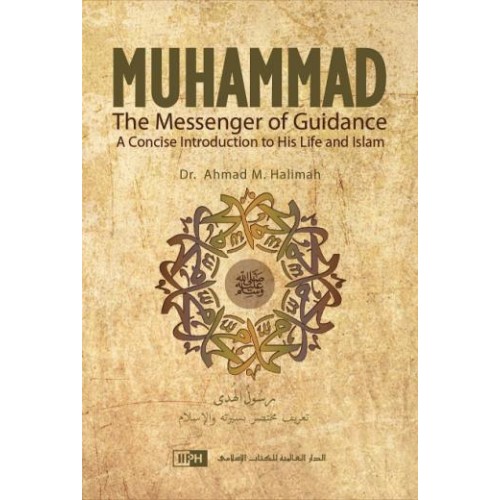

No other personality in history has generated more debate than that of the Prophet of Islam, Muhammad. He’s been ranked the number one most influential man in human history. Not by a Muslim, but by a Westerner. Was he a Prophet or an imposter? Did Moses really tell of his coming? Did Jesus order future generations to follow him? Does the Bible describe him and his message? If you have been contemplating these questions, you will find answers in this book. It will shock you, soothe you, make you cry, but most of all it will educate you. Ignorance begets fear, and fear begets hate. This book is a bridge over a gap widened by recent world events and the negative media coverage of them. If you seek the truth, if you can handle the truth, you will find it in this book.
Muhammad’s Prophethood Reality or Myth
RM38.00
Frequently Bought Together
| Weight | 0.39 kg |
|---|---|
| Dimensions | 16 × 21 × 2 cm |
| Product Type | Book |
| Author | |
| Publisher | IIPH |
| Pages | 224 |
| ISBN | 9789960501109 |
Be the first to review “Muhammad’s Prophethood Reality or Myth” Cancel reply
You must be logged in to post a review.
Related Products


Weakness of Faith (IIPH)
The phenomenon of weak faith has become very widespread among Muslims, and many people complain about the hardness of their hearts. So often we hear the words, “I feel hardness in my heart,” “I do not find any joy in worship,” “I feel that my faith has hit rock bottom,” “Reading Qur’aan does not move me,” “I fall into sin so easily.” The effects of this affliction can be seen in many people, and this problem is the cause of every disaster and adversity.
One of the most important principles which must be understood in order to treat the problem of weak faith is that faith increases and decreases, or waxes and wanes. This is one of the basic principles of the ‘aqeedah of Ahl al-Sunnah wa’l-Jamaa’ah, who say that faith is something to be spoken in words, to be believed in in the heart, and to be put into action. Faith increases with obedience and decreases with disobedience.
‘… that they may grow more in Faith along with their (present) Faith…’ [al-Fath 48:4]
‘… Which of you has had his faith increased by it? …'[al-Tawbah 9:124]. aari, Fath, 1/51).
Rizq Lawful Earnings (P/B)
Narrated by Umar Ibn al-Khattaab (May Allah be pleased with him), the Prophet (Peace be upon him) said:
“If you put your faith completely in Allah, He will arrange for your sustenance in the same way as he provides for the bird. They go out in the morning with their stomachs empty and return filled in the evening.” (Tirmidhee)
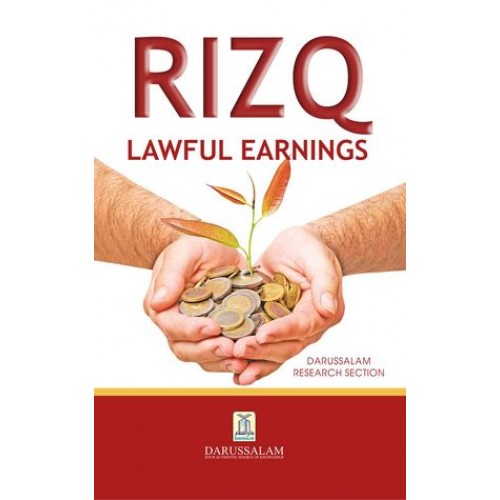
This book discusses the place of pride Islam gives to making lawful earnings and rizq through hard work and striving. It also looks at the contempt Islam places on begging and indolence. Then it looks at which earnings are lawful, which are not and the many ways by which wealth can increase while seeking the pleasure of Allah (Glorified and Exalted is He).

Ibn Taymeeyah’s Essay on the Jinn (P/B) ASN
Dr. Abu Ameenah Bilal Philips has rendered Ibn Taymiyah’s treatise, Eedaah-ud-Dalaalah fee ‘Umoom-ir-Risaalah, from volume 19 of Majmoo‘-ul-Fataawa into very readable English. This abridged and annotated translation is significant in that it is perhaps the first book available in English exclusively on the topic of spirit-possession and exorcism in Islam.
Ahmad ibn ‘Abdul-Haleem ibn Taymeeyah was bron in the town of Harran [near Edessa, in what was once Northern Iraq, but is now called Orfa and is a part of Turkey.], in the year 1263 CE. His father was a leading scholar of the Hanbalite school of Islamic law and so was his grandfather, who authored Muntaqaa al-Akhbaar, the text of ash-Shawkaanee’s Hadeeth classic Nayl al-Awtaar.
Ibn Taymeeyah mastered the various disciplines of Islamic study at an early age and read extensively the books of the various sects and religions in existence at that time. Much of his time and effort was spend defending the orthodox Islamic position against a tidal wave of deviation which had swept over the Muslim nation. Consequently, he faced many difficulties from both the prominent sectarian scholars of his time and from the authorities who supported them. His clashes with them led to his imprisonment on numerous occasions. Ibn Taymeeyah also fought, not only against internal enemies of Islaam, but also against its external enemies by both his Fatwaas (Islamic legal rulings) and his physical participation in battles. His ruling allowing the taking up arms against groups which recognized the Shahaadataan (declaration of faith) but refused to uphold some aspects of the fundamental principles of Islaam, greatly affected the resistance movement against the Tartars who had declared their acceptance of Islaam but did not rule according to divine law.
During these struggles he wrote countless books and treatises demonstrating his extensive reading and knowledge, not only of the positions of the early scholars, but also those of the legal and theological schools which had subsequently evolved. Ibn Taymeeyah also had a major effect on the open-minded schoars of his day, most of whom were from the Shaafi’ite school of law. Among the most famous of his students were IBN KATHEER, ADH-DHAHABEE and IBN AL-QAYYIM. The author died in 1328 while in prison in Damascus for his Fatwaa against undertaking journeys to visit the graves of saints [Ibn Taymeeyah’s ruling was based on the authentic statement reported by Abu Hurayrah wherein the Prophet Muhammad (sallallaahu alayhi wasallam) said, “Do not undertake a journey except to three masjids; this masjid of mine, Masjid al-Haraam (Makkah) and Masjid al-Aqsaa (Bayt al-Maqdis).” Collected by Al-Bukhaaree and Muslim]. His Fatwaa had been distorted by his enemies to say that he forbade visiting the Prophet Muhammad’s (sallallaahu alayhi wasallam) grave.

Polygamy in Islam (P/B)
Polygamy is the Muslim practice most frequently and severely maligned by Westerners and modernist Muslims. This book can be read with profit by all unprejudiced readers who wish to know its justification and rationale.
One of the greatest contrasts between Islam and the West is their conflicting concepts of relations between the sexes. Indeed, the very first question a Muslim convert is confronted with by an American or European is ‘Why does Islam allow four wives?’ This book…replies straightforwardly to that question and much more.
The authors describe all the most important characteristics of marriage in Islam, pointing out that the Western notions of sex equality and romantic premarital ‘love’ are not necessary in Islamic marriage based on piety and the commitment on the part of both parents to win the pleasure of Almighty Allah.’
This book contains basic guides for anyone interested in understanding the rights and obligations of males and females in Islamic plural marriage. The guidelines have been drawn from the Quran, Hadith and opinions of Islamic scholars.

Guarding The Tongue (P/B)
How many people have earned the wrath of Allah as a result of misuse of their tongues? How many injuries that may never heal have been inflicted throughtt the careless slips of the tongue? The Messenger of Allah said:
“Indeed, the servant will speak words that are pleasing to Allah, due to which he will he given a condition in which Allah will raise him many levels. And indeed, the servant will speak words that are displeasing to Allah, due to which he will not he given a good condition, but (instead) be thrown into the Hellfire.”(Bukhari)
This book highlights those sins that seem so light on the tongue yet so grave on the scale and offers practical advice on how to keep the tongue in check.


From Monogamy to Polygamy : A Way Through (H/B)
From Monogamy to Polygyny: A Way Through addresses the deep and complex issues and concerns the Muslim women worldwide have with polygyny. The insight offered by this book is new, unique, and encouraging. Practical advice is brought forth to aid in moving past the negative feelings that are commonly associated with polygyny, ultimately helping the Muslim woman progress to a higher level of Iman, In sha Allah. Rich with understanding, comfort, advice, motivation, clarity, examples, experiences, and answers; a way through is paved for the Muslim woman, making polygyny easier, or at the very least more endurable. Although this book is geared mainly towards women, its vast content can give men insight into the emotional affects of polygyny on women, which they can use to make sound and wise decisions. Overall, this is a valuable resource for both Muslim men and Muslim women considering, dealing with, questioning, and pondering polygyny.

Treatment of Magic, Evil Eye & Satan’s Touch (P/B)
A detailed treatise on the authentic treatments for afflictions of magic, evil eye and possession based on the Islamic teachings of the Qur’an and Sunnah of Muhammad.

Prophet Muhammad: A Blessing for Mankind
Prophet Muhammad (blessings and peace of Allah be upon him) and the lessons he taught us from the continued hardships he underwent in every stage of his life are a real blessing for humankind. Being an orphan child made him compassionate to widows and orphans as well as to the poor. His multiple marriages strengthened the ties of kinship amongst the different tribes, dissolving long-standing enmity. His message and prophethood were challenged by the polytheistic society in Makkah, forcing him and his few followers to emigrate to Madinah. Despite his illiteracy and the struggles he faced, he conveyed Allah’s Book, the Noble Qur’an, to all humanity, teaching them the values and principles that are presently adopted by billions of Muslims throughout the world. In the Qur’an, Allah, the Almighty addresses the Prophet (blessings and peace of Allah be upon him), saying: {We have sent you only as a mercy to the worlds.} (Qur’an 21: 107)

Muslim Unification at Time of Crisis
This book authored by one of the great scholars of our time is an advice to the people of Ahulul ?Sunnah wal-Jamaah to unify and be merciful to each other, and cooperate upon righteousness and taqwa.

Philanthropy and Social Justice in Islam (P/B)
This book analyses the principles and practices of philanthropy and distributive justice in Islam. It argues, with analyses and examples, that the accomplishment of purposive philanthropy, as commanded by the fundamental tenets of Islam, through the professionalization and rationalization of zakat management, modernization of awaqaf, etc. has the potential of optimizing justice in Muslim societies. The work draws on the Quran, Hadithe, other authentic literature, and also on official documents and publications of management agencies dealing with philanthropy in different Muslim countries/societies. The analyses are documented enough to be used as a text for the study of philanthropy in Islam in tertiary institutions nonetheless are simple enough to draw general readership and to be used by non-profit and international organizations worldwide in order to order to understand the principles and issues of philanthropy and distributive justice in Muslim societies.


Islam A Total Beginners Guide – Part Three (P/B)
In present era we are facing lot of questions:
• What is status of women in Islam?
• Who is superior – man or women?
• What does Islam say about inter-religious marriages, man’s treatment towards his wife and privacy in homes?
• What does Islam say about dress, veil, clothing and ornaments, perfumes and the wisdom of banning gold and silk for men?
This beginner’s guide to Islam answers all such questions.

Fundamentals of Islam (P/B)
Fundamentals of Islam is a revised English edition of the critically acclaimed Khutubah (original written in Urdu). It consist of Friday congregational addresses, in them he expounds familiar themes; like Iman, Islam, the Prayer, Fasting, Alms-giving, Pilgrimage and Jihad.
Recently Viewed

(E-Book) Rekindle Your Life (Revised)
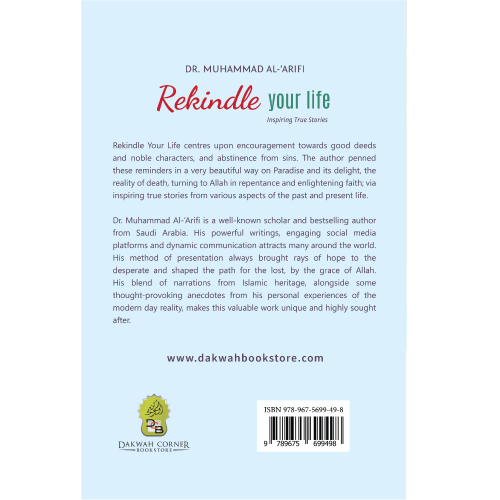
Rekindle Your Life centres upon encouragement towards good deeds and noble characters, abstinence from sins by giving reminders in a very beautiful way about Paradise and its delight, the reality of death, turning to Allah in repentance and enlightening faith through inspired, true and wonderful stories from various aspects of life past and present.
Astrophysics & The Holy Quran (H/B)
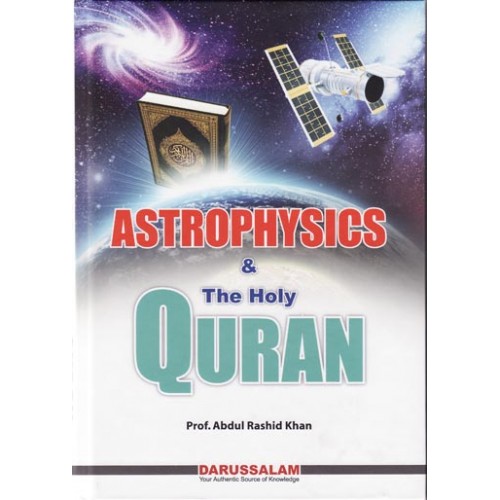
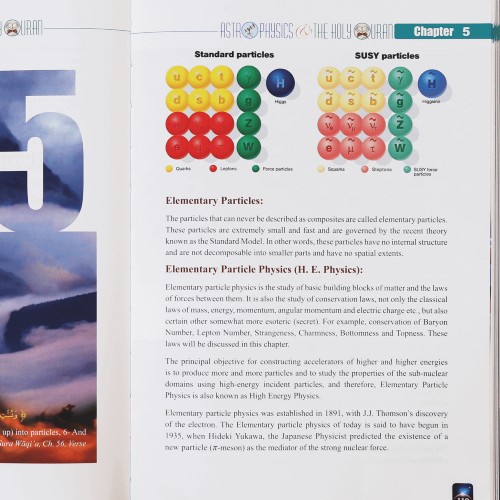
We are living now-a-days in the age of science. The intelligent human beings want to know where did they come from? Where did the universe come from? Will the universe come to an end, if so, how? Is the universe static or dynamic, if dynamic, is it expanding or contracting? What is time? When was it started? Will it come to an end? What are Black Holes? What are the forces of Nature? What is the smallest piece of matter? What is the status of man in the universe? Are there ultimate limits for human beings to know about something?
The majority of people especially in the third world are unable to answer these questions. When they are asked such questions, most of them answer with a shrug or with a vague and ambiguous knowledge. On the basis of Holy Qur’an as well as scientific knowledge, I have tried my level best to answer these questions in this book “Astrophysics and the Holy Quran”.
Muharramat: Forbidden Matters Some People Take Lightly
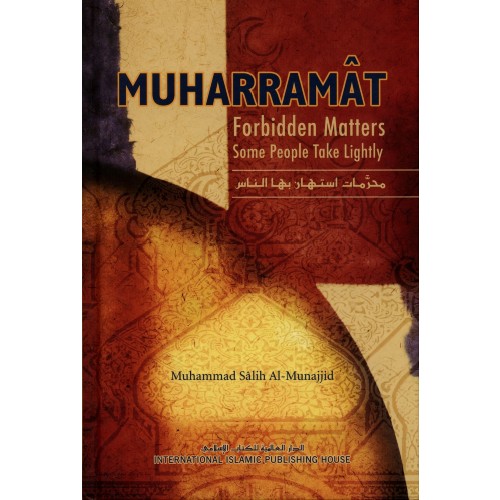
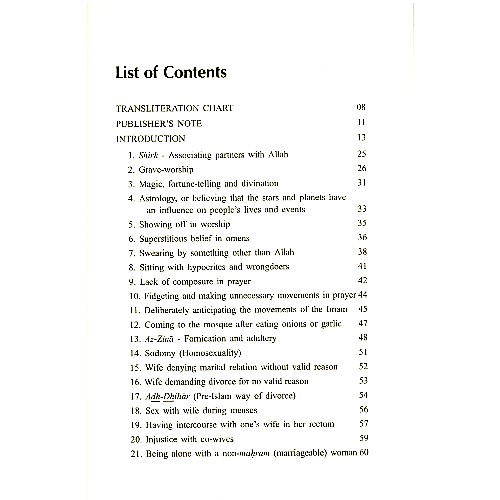
Some Muslims who are either ignorant or of weak faith still commit many acts which Allah never allowed. Ignorance is not an excuse for doing something wrong or illegal, hence it is important to make an effort to learn what these muharramât or forbidden acts are, in order to avoid ever committing them. The author, Shaykh Muhammad Sâlih al-Munajjid, explains many of the forbidden acts that have to do with calling on human beings and things other than Allah, worshipping the dead and circumambulating their graves, invoking prophets and the dead, magic, fortune-telling, believing in the power of astrologists and planets and other acts that go against the Islamic creed of monotheism (tawheed). As such, this book of prohibitions regarding beliefs and acts of worship is a helpful resource for Muslims, if they are really practicing Islam and want to avoid committing great sins.
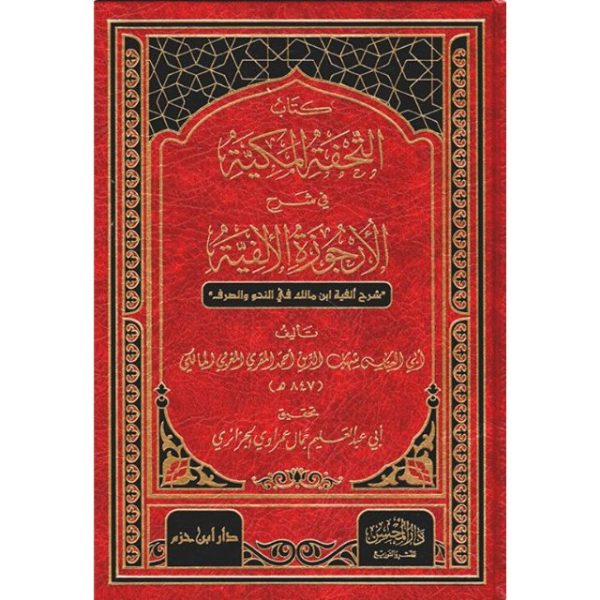
[ALA] Tuhfah al Makkiyyah fi Sharh al Arjuzah al Alfiyyah / كتاب التحفة المكية في شرح الأرجوزة الألفية
تاب الخلاف النحوي في الافعال في كتاب التحفة المكية في شرح الارجوزة الألفية للمقري المغربي ت بعد 847هـ في دائرة اهتمام المتخصصين في نطاق علوم اللغة العربية بشكل خاص والباحثين في المواضيع قريبة الصلة بوجه عام؛ حيث يدخل كتاب الخلاف النحوي في الافعال في كتاب التحفة المكية في شرح الارجوزة الألفية للمقري المغربي ت بعد 847هـ ضمن نطاق تخصص علوم اللغة ووثيق الصلة بالتخصصات الأخرى مثل الشعر، والقواعد اللغوية، والأدب، والبلاغة، والآداب العربية. ومعلومات
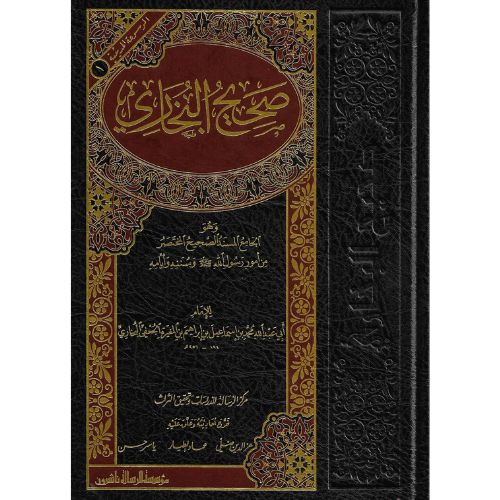
[HH] Sahih Al Bukhari (Ar Risalah Naashirun) / صحيح البخاري
يعد هذا الكتاب من أوّل كتاب مصنّف في الحديث الصحيح المجرّد، وهو أهم و أشهر كتب الحديث الشريف، واستغرق مصنّفه في تحريره ستة عشر عاماً، وقد انتقى أحاديثه من ستمائة ألف حديث جمعها.
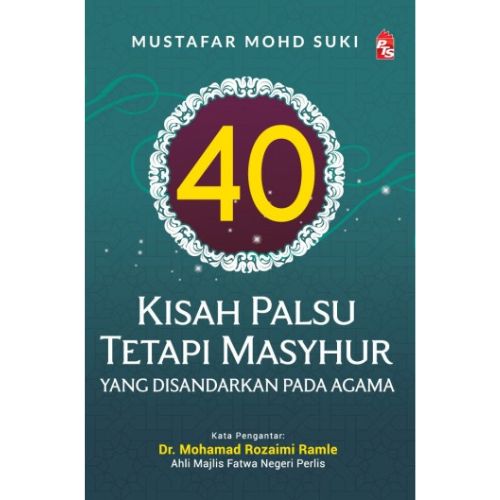
40 Kisah Palsu Tetapi Masyhur
Kisah ini bukan sekadar penyedap bicara. Jikalau benarnya tiada, maka dongeng nilainya lantas hilang hikmahnya. Jikalau kebetulan betulpun dianggap salah, apatah lagi yang tidak benar terutama berkaitan manusia.
Buku ini wajib dibaca oleh pendakwah, motivator, penceramah, pendidik, ibubapa, mahupun sesiapa sahaja supaya dapat kita betulkan yang biasa dan biasakan yang betul.
(Ustaz Ahmad Husni bin Abdul Rahman)
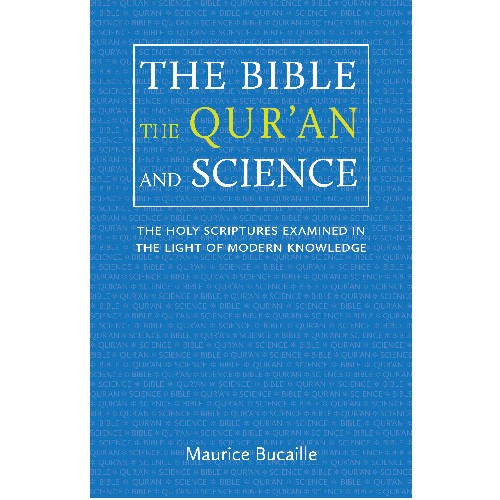
The Bible The Quran and Science (P/B) by Dar Al Wahi
In his objective study of the texts, Maurice Bucaille clears away many preconceived ideas about the Old Testament, the Gospels and the Qur’an. He tries, in this collection of Writings, to separate what belongs to Revelation from what is the product of error or human interpretation. His study sheds new light on the Holy Scriptures. At the end of a gripping account, he places the Believer before a point of cardinal importance: the continuity of a Revelation emanating from the same God, with modes of expression that differ in the course of time. It leads us to meditate upon those factors which, in our day, should spiritually unite rather than divide-Jews, Christians and Muslims.
As a surgeon, Maurice Bucaille has often been in a situation where he was able to examine not only people’s bodies, but their souls. This is how he was struck by the existence of Muslim piety and by aspects of Islam which remain unknown to the vast majority of non-Muslims. In his search for explanations which are otherwise difficult to obtain, he learnt Arabic and studied the Qur’an. In it, he was surprised to find statements on natural phenomena whose meaning can only be understood through modern scientific knowledge.
He then turned to the question of the authenticity of the writings that constitute the Holy Scriptures of the monotheistic religions. Finally, in the case of the Bible, he proceeded to a confrontation between these writings and scientific data.
The results of his research into the Judeo-Christian Revelation and the Qur’an are set out in this book.
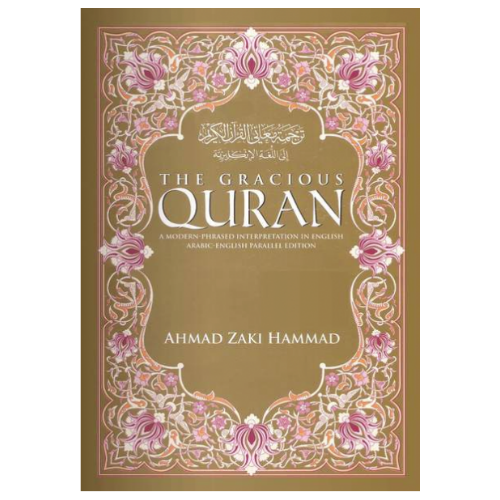
The Gracious Quran (H/B)
A modern-phrased interpretation in English (Arabic-English Parallel Edition)
This contemporary, authoritative translation interprets the Quran’s meaning for the English reader with unprecedented access to the Book that is the foundational source of Islam, its civilization and its peoples, who now comprise nearly one-fourth of humanity across the breadth of all the Earth’s continents and who form a crucial, contiguous community at the middle of the world.
Twenty years in the making, The Gracious Quran: A Modern-Phrased Interpretation of Its Meanings in English is both highly reliable and powerfully expressed. Where the Arabic of the Quran swells with important implication, that intent is conveyed in this rendering with a light hand in unobtrusive brackets, every effort having been expended to make its reading August, clear, accessible, and consistent while at the same time free of poetic pretension, philosophical complication, and lifeless literalisms. Its graceful layout and design augment the profound simplicity of the Quran’s message and give some semblance of resonance to its almost hypnotic power of literary expression.
The interpretation of The Gracious Quran is thoroughly guided by wide and deep experience with the civilizations of both luminous Islam and the enlightened west, while not unmindful of the light that infuses the world’s brilliant traditions. Fully four decades of scholarly expertise in Quranic studies and related disciplines are in its service, and the latest advances in the art of translation conspicuously benefit it.
About the translator:
Dr. Ahmad Zaki Hammad is an internationally known authority on Quran and Islamic Studies. He teaches Islamic Civilization and the Primary Disciplines of Quran Commentary, the Prophetic Traditions, and the Principles of Islamic Law at the foremost center of Islamic and Arabic learning in the Muslim world, AL-Azhar University (Faculty of Languages and Translations, Department of English). He is also a member of the Faculty of Shari’ah, Department of Juristic Studies.
He received his early Islamic and Arabic training at Al-Azhar University, Cairo, and was awarded the graduate degree of Alamiyyah from the Faculty of Theology. He holds a Ph.D., in Islamic Studies from the University of Chicago and is the author of a study of translation of Abu Hamid al-Ghazalis’s Al-Mustasfa min Ilm al-Usul, The Quintessence of the Science of the Principles of Islamic Law; and also Islamic Law: Understanding Juristic Differences, a Primer on the Science of al-Khulaf al Fiqhi in Light of the Shariah Sources.
He lived for many years in the United States, where he founded and served in numerous national and community Islamic institutions for American Muslims.

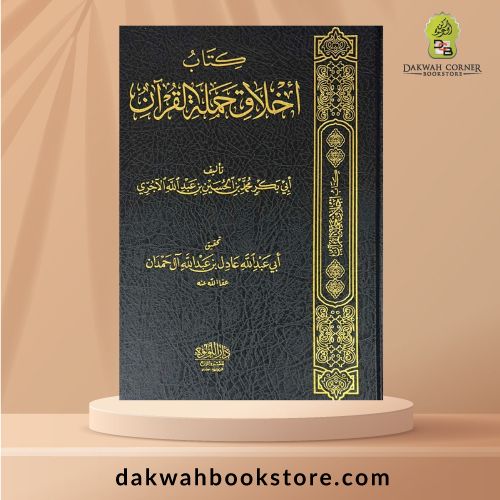
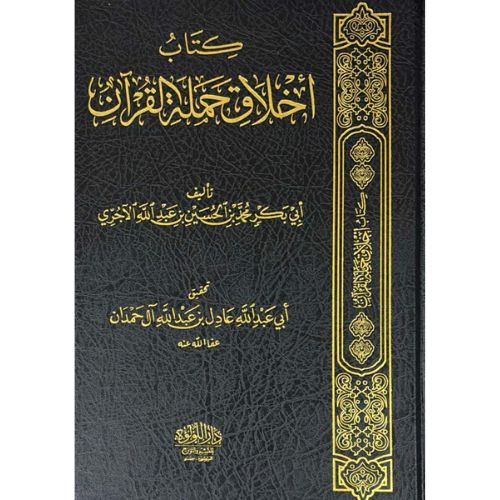
[AMM] Kitab Akhlaqi Hamalati Al Quran / أخلاق حملة القران
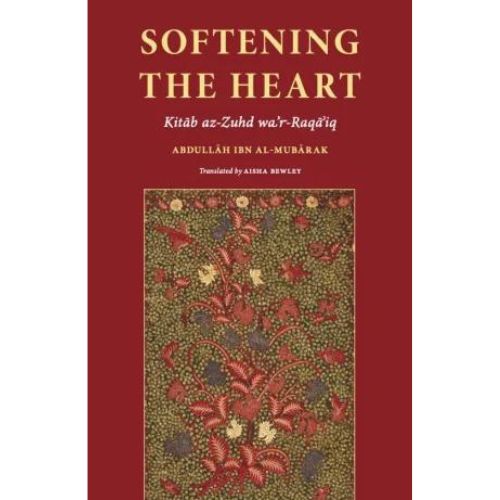
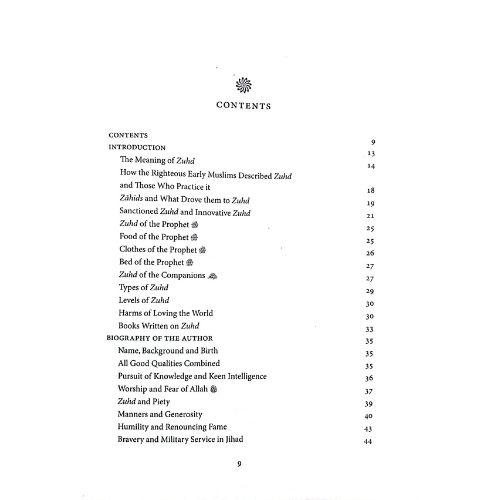
Softening The Heart (P/B)
ʿAbdullah ibn al-Mubarak’s Kitab az-Zuhd wa’r-Raqaʾiq, the earliest extant book on self-discipline in Islam, is a collection of Qur’ānic exegesis, prophetic traditions and anecdotes from the early generations that encourages rejection of this temporal world in favour of the eternal life of the Next World.
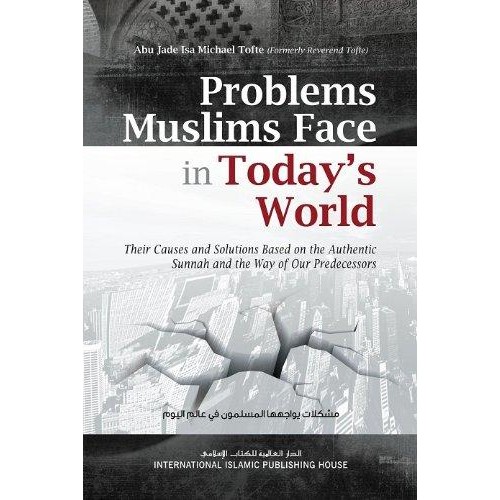
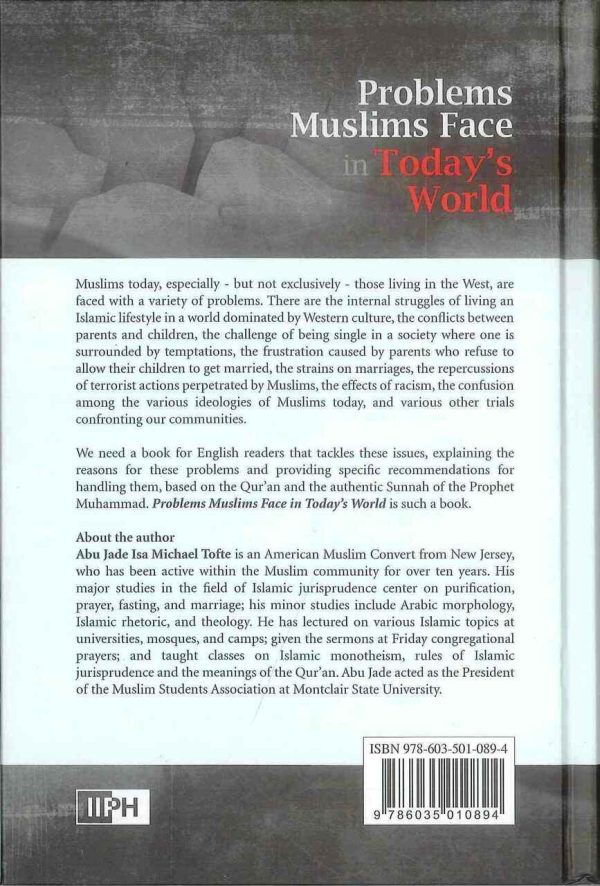
Problems Muslim Face in Today’s World
Problems Muslims Face in Todays World ( Their Causes and solution based on the authentic sunnah and the way of our Predecessors ) By : Abu Isa Micheal Tofte Muslim todays,especialy _ but not exclusively – those living in the west,are faced with a variety of problems.there are the internal struggles of living an islamic lifestyle in a world dominated by western culture,the conflicts between parents and children,the challenge of being single in a society where one is surrounded by temptations caused by parents who refused to allow their children to get married,the strains on marriages,the repercussion among the various ideologies of Muslims today,and various other trials confronting our communities. We need a book for english reders that tackles these issues,explaining the reasons for these problems and providing specific recommendations for handling them,based on the Quran and the authentic sunnah of the prophet Muhammad. Problems Muslims Face in Today’s World is such a book.
There are no reviews yet.