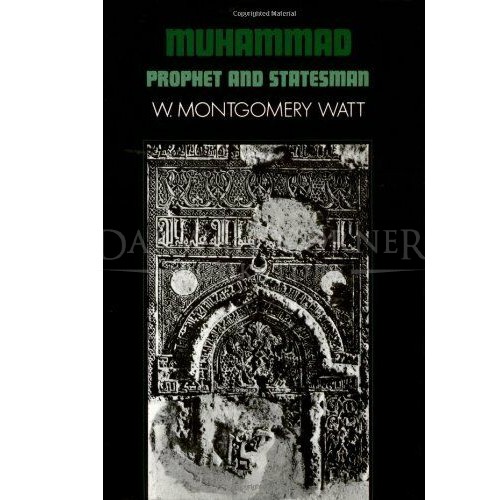
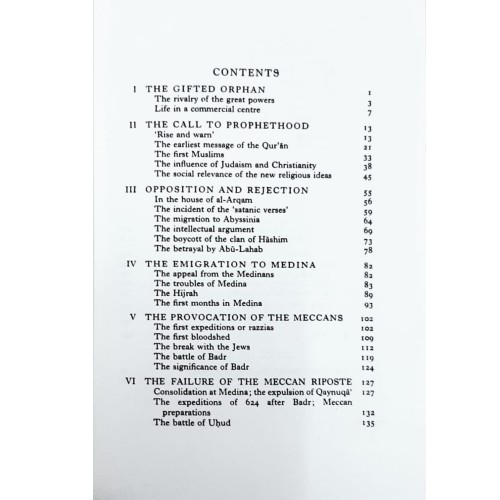
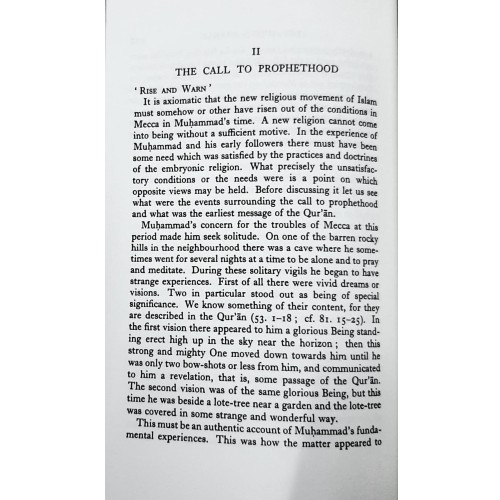
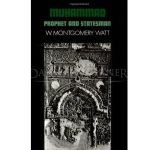

A short account of the life and achievements of one of the great figures of history, this volume also serves as an excellent introduction to one of the world’s major religions. Written with objectivity, the book opens with a background chapter on the birth and early life of the Prophet in Mecca. Dr. Watt tells of Muhammad’s struggle to make his way as an untrained orphan in the city’s commercial world, and his call to prophethood as a result of visions.
Muhammad, Prophet and Statesman (P/B)
$26.14
A short account of the life and achievements of one of the great figures of history, this volume also serves as an excellent introduction to one of the world’s major religions.
Frequently Bought Together
| Weight | 0.45 kg |
|---|---|
| Dimensions | 20.3 × 12.5 × 1.5 cm |
| Author | |
| Binding | Paperback |
| ISBN | 9780198810780 |
| Pages | 250 |
| Publisher | OXFORD University Press |
Be the first to review “Muhammad, Prophet and Statesman (P/B)” Cancel reply
You must be logged in to post a review.
You may also like…
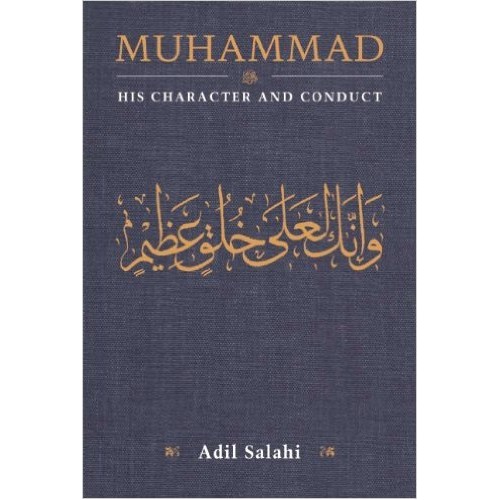
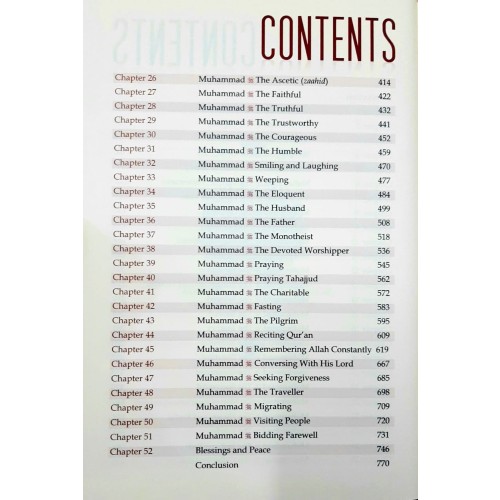
Muhammad His Character and Conduct
Seerah and Biographies
Muhammad: Prophet of Peace Amid The Clash of Empires
“In the midst of the dramatic seventh-century war between two empires, Muhammad was a spiritual seeker in search of community and sanctuary.”
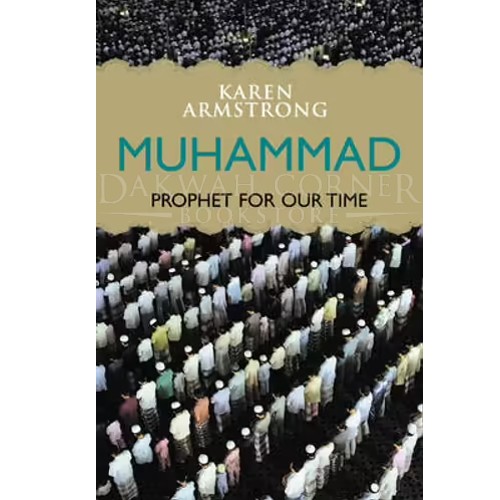
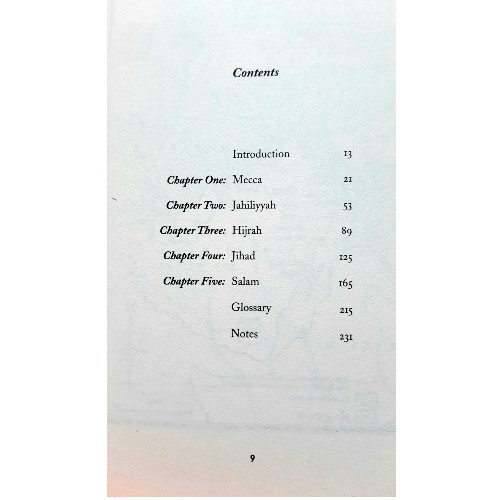
Muhammad: Prophet for Our Time (Harper Perennial)
Muhammad was born in 570 CE, and over the following sixty years built a thriving spiritual community, laying the foundations of a religion that changed the course of world history.
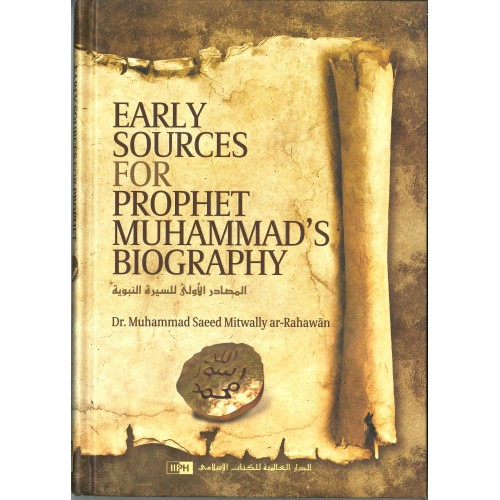
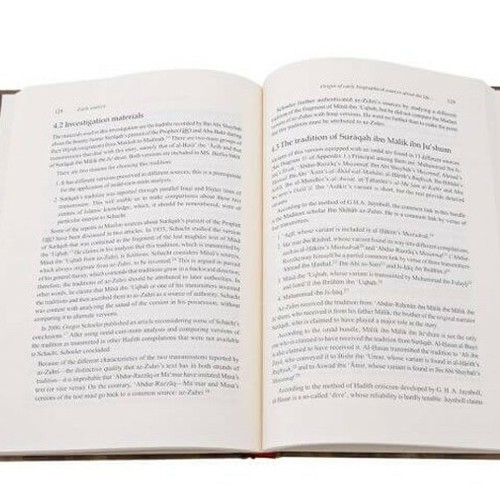
Early Sources For Prophet Muhammad’s Biography (H/B)
In ‘Early Sources for Prophet Muhammad’s Biography’, Dr. Muhammad Saeed Mitwally aims to prove that applying Western methods of critical analysis to the available Muslim sources can take us back to early, reliable information about the Prophet (sa).
Early Western biographies of the Prophet of Islam (sa) were largely based upon the Qur’an, as well as upon the late Muslim sources dating from the sixteenth century. After the publication of Goldziher’s Muhammedanische Studien in 1890, the reliability of Muslim sources became controversial. This stance was intensified by the publication of Schacht’s The Origins of Muhammadan Jurisprudence, in which he claimed that none of the Hadith literature is authentic. In this book, Dr. Muhammad Saeed Mitwally successfully challenges some of the problems raised by the pessimistic attitude.
Students of Hadith will find this study thought-provoking and informative.
Related Products
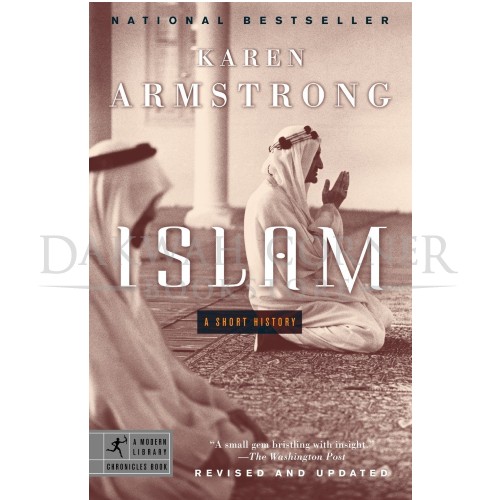
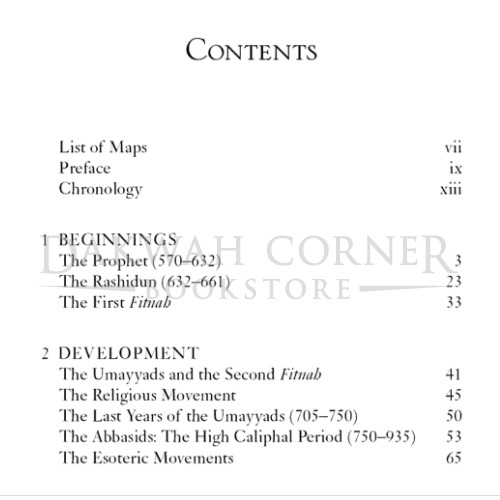
Islam: A Short History
With this brilliant book, Karen Armstrong issues a forceful challenge to those who hold the view that the West and Islam are civilizations set on a collision course. It is also a model of authority, elegance, and economy.
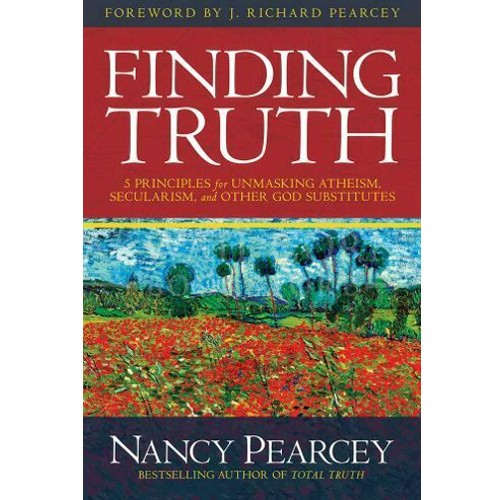
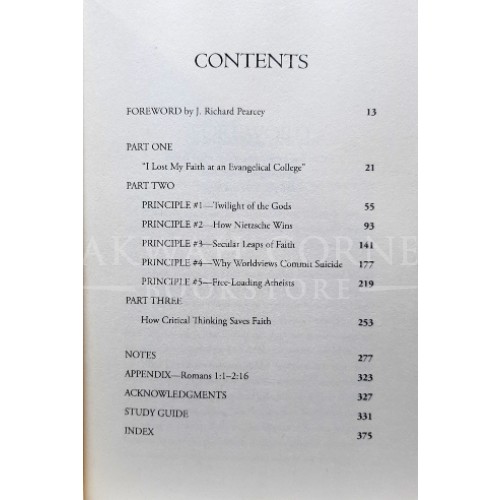
Finding Truth: 5 Principles for Unmasking Atheism, Secularism, and Other God Substitutes
“If I’d read this book as a young man, I would have been challenged to re-examine my views much earlier.”
– J. Warner Wallace
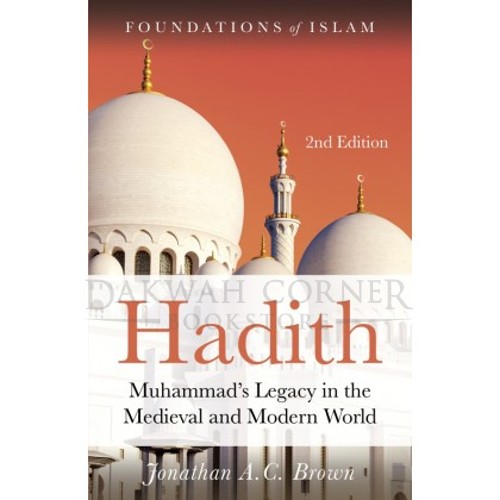
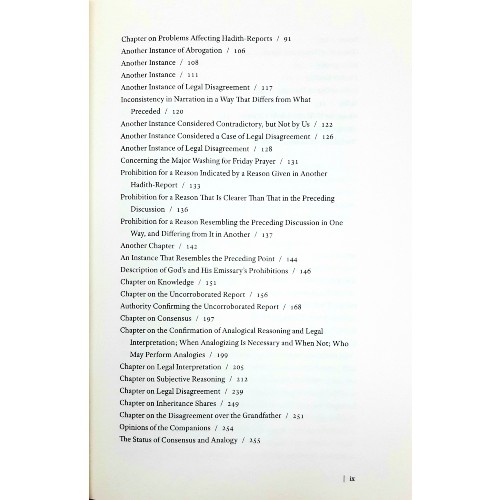
Hadith: Muhammad’s Legacy in the Medieval and Modern World (2nd Edition)
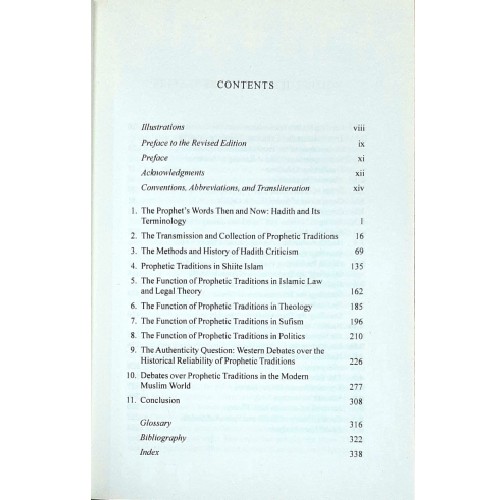
Contrary to popular opinion, the bulk of Islamic law does not come from the Quran but from hadith, first-hand reports of the Prophet Muhammad’s words and deeds, passed from generation to generation. However, with varying accounts often only committed to paper a century after the death of Muhammad, Islamic scholars, past and present, have been faced with complex questions of historical authenticity. In this wide-ranging introduction, Jonathan A. C. Brown explores the collection and criticism of hadith, and the controversy surrounding its role in modern Islam. This edition, revised and updated with additional case studies and attention to the very latest scholarship, also features a new chapter on how hadiths have been used politically, both historically and in the Arab Spring and its aftermath. Informative and accessible, it is perfectly suited to students, scholars and general readers interested in this critical element of Islam.
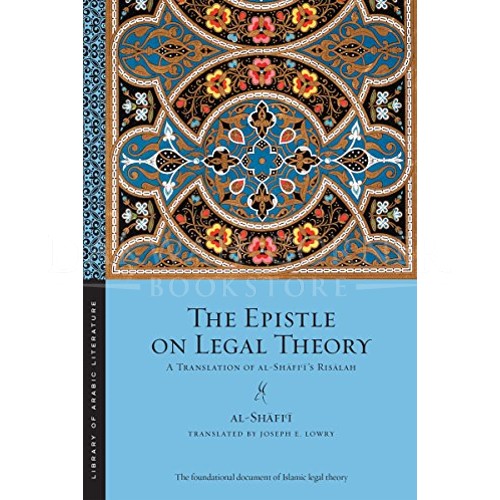
The Epistle On Legal Theory: A Translation of Al-Shafii’s Risalah
The Epistle on Legal Theory is the oldest surviving Arabic work on Islamic legal theory and the foundational document of Islamic jurisprudence. Its author, Muhammad ibn Idris al-Shafi’i (d. 204/820), was the eponym of the Shafi’i school of legal thought, one of the four rites in Sunni Islam. This fascinating work offers the first systematic treatment in Arabic of key issues in Islamic legal thought. These include a survey of the importance of Arabic as the language of revelation, principles of textual interpretation to be applied to the Qur’an and prophetic Traditions, techniques for harmonizing apparently contradictory precedents, legal epistemology, rules of inference, and discussions of when legal interpretation is required. The author illustrates his theoretical claims with numerous examples drawn from nearly all areas of Islamic law, including ritual law, commercial law, tort law, and criminal law. The text thus provides an important window into both Islamic law and legal thought in particular and early Islamic intellectual history in general .
This new translation by a leading scholar of al-Shafi’i and his thought makes available in lucid, modern English one of the earliest complete works on Islamic law—one that is centrally important for the formation of Islamic legal thought and the Islamic legal tradition.
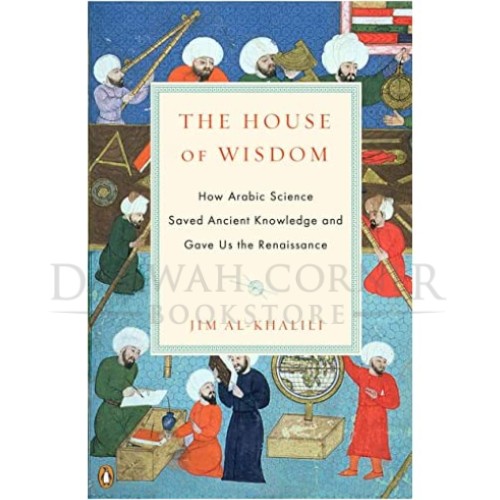
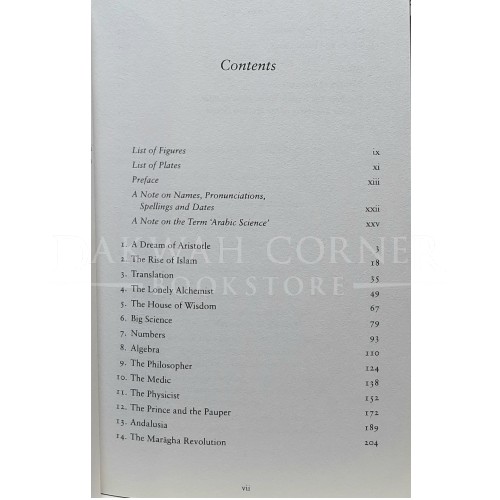
The House of Wisdom:
How Arabic Science Saved Ancient Knowledge & Gave Us the Renaissance
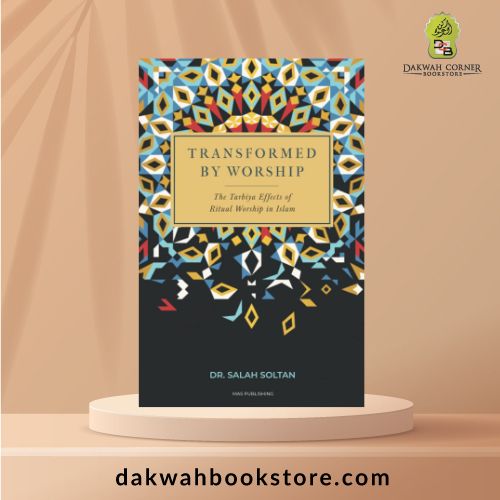
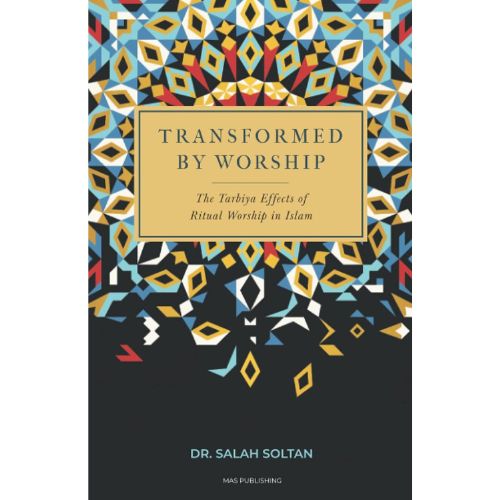
Transformed by Worship: The Tarbiya Effects of Ritual Worship In Islam
Worship is an act of submission and glorification of God. In His wisdom and mercy, God designed worship to be a dynamic force in human life. We discover in the rituals of worship—purification, prayer, zakah, fasting and Hajj—elements that empower our holistic development and reform our communities. Through worship, we are transformed. Transformed by Worship lays out the textual evidence and scholarship around Islam’s essential acts of worship, extracting the impact on our individual and collective lives. This study explores worship through four lenses in turn: the soul, character, mind and body. Readers will learn how to restore vibrancy to their worship while developing a deeper appreciation for the routines and rulings of Islam. This work is translated from the original Arabic volume Al-Athar Al-Tarbawiyah lil-Ibadat fil-Islam.
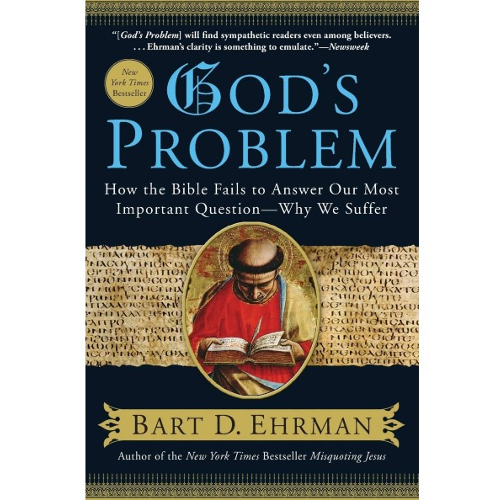
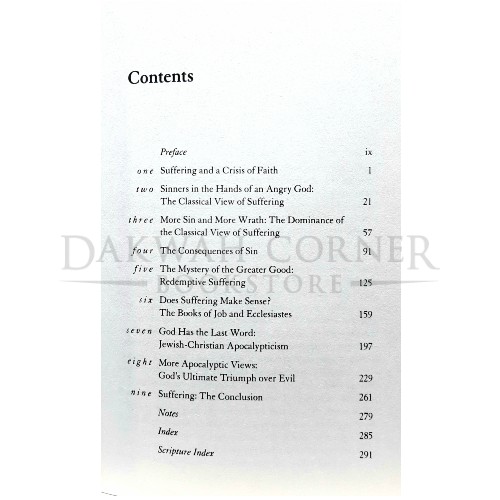
God’s Problem: How the Bible Fails to Answer Our Most Important Question–Why We Suffer
In times of questioning and despair, people often quote the Bible to provide answers. Surprisingly, though, the Bible does not have one answer but many “answers” that often contradict one another. Consider these competing explanations for suffering put forth by various biblical writers:
The prophets: suffering is a punishment for sin
The book of Job, which offers two different answers: suffering is a test, and you will be rewarded later for passing it; and suffering is beyond comprehension, since we are just human beings and God, after all, is God
Road Blocks (P/B)
“Whether you call yourself an activist, an Islamic worker, a community volunteer, or a caller to God, working for Islam is one of the most worthy occupations in this life. It is also a challenging path, with many roadblocks lying in wait…”
Recently Viewed
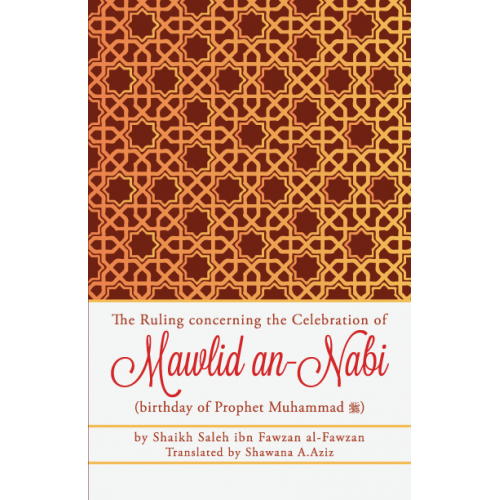
The Ruling Concerning the Celebration of Mawlid an-Nabi (2nd edition)
In this book, is an explicit CLARIFICATION of the MAJOR DOUBTS raised by the proponents of Mawlid an-Nabi, including:
- Mawlid an-Nabi is honoring the Prophet.
- Mawlid an-Nabi is celebrated by a large number of the people in many towns and cities.
- Commemorating Mawlid an-Nabi renews the memories of the Prophet.
- Celebration of Mawlid an-Nabi is cut of love for the Prophet and an expression of ones love, which is permissible.
- Mawlid an-Nabi is a Bidah Husna (good innovation) because it is a means of showing gratitude towards Allah for sending the Prophet.
- The sayings of Umar, ‘What a good Bidah is this?’
Additional quotes by Shaikh Muhammad ibn Ibraheem Aal-Shaikh have been added to further clarify these issues. The booklet also as 2 valuable appendixes:
Appendix 1: Explanation of the Hadeeth,”He, who established/initiates a Sunnah Husna in Islam.” in the word o Shaikh Saleh al-Fawzan and Shaikh Muhammad ibn al-Uthaimeen (rahimahullah)
Appendix 2: A Dialogue between Shaikh al-Albani (rahimahullah) and a proponent of Mawlid.
The Relief From Distress : An Explanation to the dua of Prophet Yunus (P/B)
Shaykh al-Islam Ibn Taymiyyah, may Allah sanctify his soul, was asked about the saying of the Prophet (pbuh),
The invocation of my brother Yunus, “none has the right to be worshipped save You; glory be to You, far removed are You from any imperfection; I have been amongst the wrong-doers,” none who is experiencing difficulty employs it except that Allah would relieve him of his difficulty.
What is the meaning of this du’a (prayer, supplication)?
Are their any unstated conditions that have to be met when one articulates it?
What is the connection between belief in the heart and the meaning of this supplication such that it leads to the removal of difficulty?
Why did he explicitly confess, ‘I have been amongst the wrong-doers’ when it is known that tawhid in itself leads to the removal of difficulty?
Is it sufficient to acknowledge ones’ sin alone, or must this be accompanied by repentance and the firm resolve not to repeat that sin in the future?
Why is it that difficulty and harm is removed only when a person relinquishes any hope, reliance and dependency upon the creation?
How can the heart relinquish the characteristic of putting hope in the creation and depending on them, and instead put its hope in Allah, Exalted is He, and turn to Him in its entirety?
What are the methods that would aid the heart in doing this?
The author replies to these questions in the form of this book.
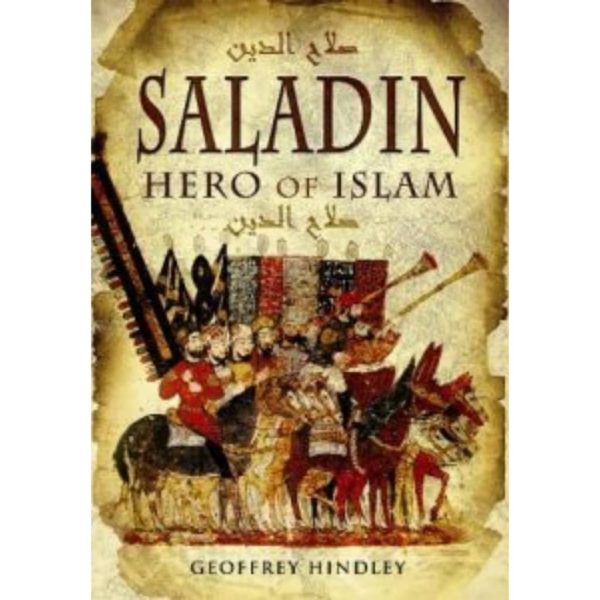
Saladin Hero of Islam (P/B)
The extraordinary character and career of Saladin are the keys to understanding the Battle of Hattin, the fall of Jerusalem and the failure of the Third Crusade. He united warring Muslim lands, reconquered the bulk of Crusader states and faced Richard the Lion Heart, king of England, in one of the most famous confrontations in medieval. Geoffrey Hindley’s sympathetic and highly readable study of the life and times of this remarkable, many-sided man, who dominated the Middle East in his day, gives a fascinating insight into his achievements and into the Muslim world of his contemporaries.
The story of how Saladin rose swiftly to the heights of power in Egypt, Syria and Palestine through conquest, intrigue and opportunism makes compelling reading. As Geoffrey Hindley shows, Saladin’s exceptional gifts as a battlefields commander and a military organizer were allied to an intense singleness of purpose and a rare political skill. United under his leadership, the Muslims formed a force that the Crusaders couldn’t hope to resist. But the quality that makes Saladin stand out from the other leaders of his time is his reputation for chivalry and honourable dealing.
Greoffrey Hindley is a distinguished medieval historian who has written widely on many aspects of the period. He has made a special study of medieval warfare and of England in the Age of Caxton, Under Siege, Tourists, Travellers nd Pilgrims, The Book of Magna Carta and The Crusades. His most recent publication is A Brief History of the Anglo-Saxons.


There are no reviews yet.