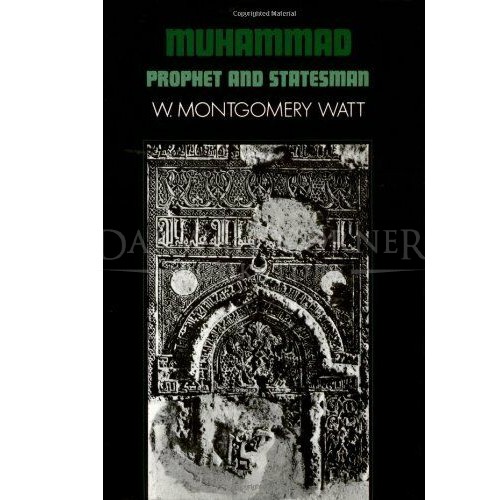
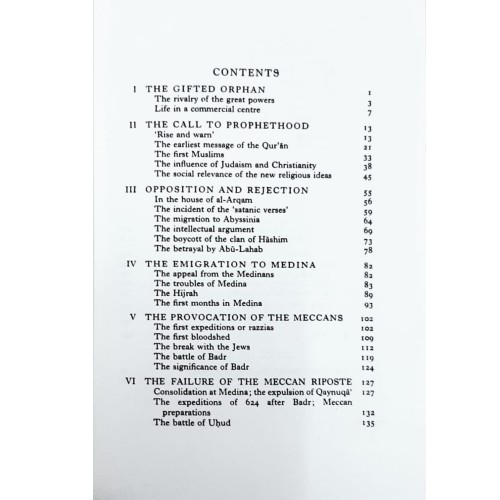
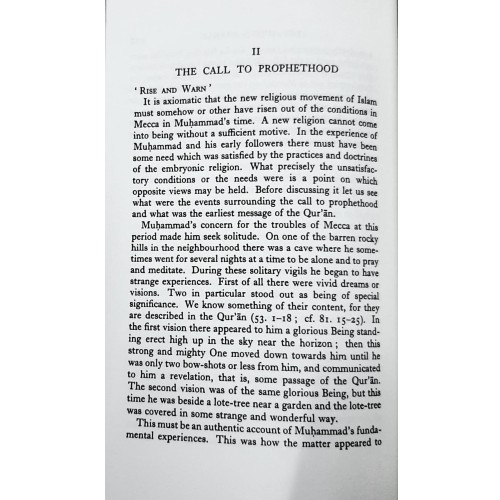
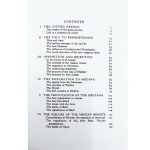
A short account of the life and achievements of one of the great figures of history, this volume also serves as an excellent introduction to one of the world’s major religions. Written with objectivity, the book opens with a background chapter on the birth and early life of the Prophet in Mecca. Dr. Watt tells of Muhammad’s struggle to make his way as an untrained orphan in the city’s commercial world, and his call to prophethood as a result of visions.
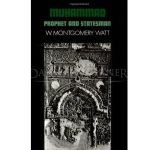
Muhammad, Prophet and Statesman (P/B)
RM115.00
A short account of the life and achievements of one of the great figures of history, this volume also serves as an excellent introduction to one of the world’s major religions.
Frequently Bought Together
| Weight | 0.45 kg |
|---|---|
| Dimensions | 20.3 × 12.5 × 1.5 cm |
| Author | |
| Binding | Paperback |
| ISBN | 9780198810780 |
| Pages | 250 |
| Publisher | OXFORD University Press |
Be the first to review “Muhammad, Prophet and Statesman (P/B)” Cancel reply
You must be logged in to post a review.
You may also like…
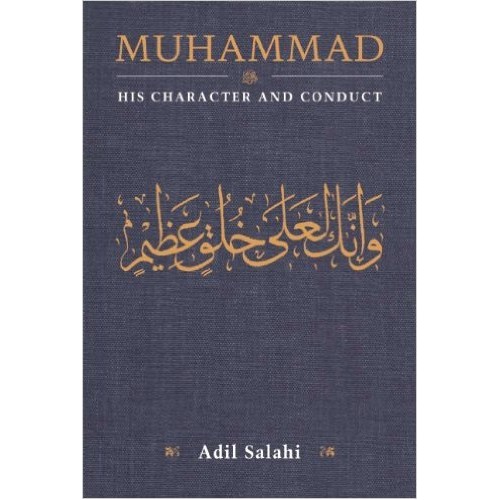
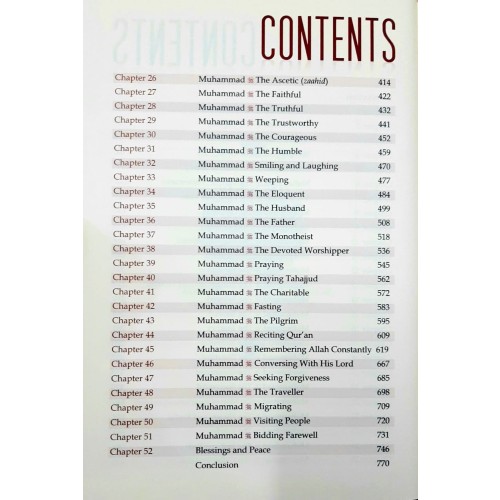
Muhammad His Character and Conduct
Seerah and Biographies
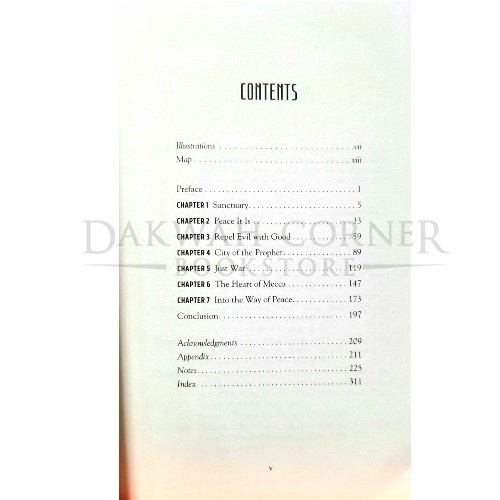
Muhammad: Prophet of Peace Amid The Clash of Empires
“In the midst of the dramatic seventh-century war between two empires, Muhammad was a spiritual seeker in search of community and sanctuary.”
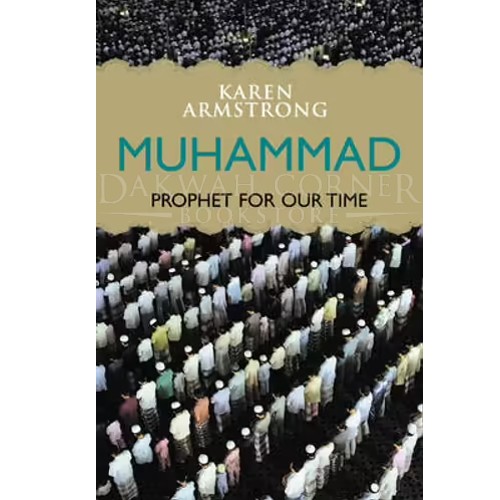
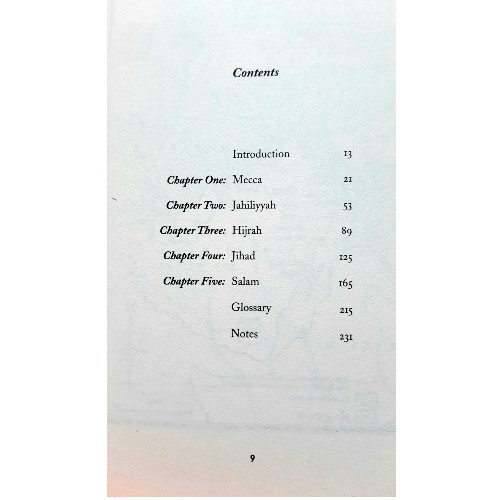
Muhammad: Prophet for Our Time (Harper Perennial)
Muhammad was born in 570 CE, and over the following sixty years built a thriving spiritual community, laying the foundations of a religion that changed the course of world history.
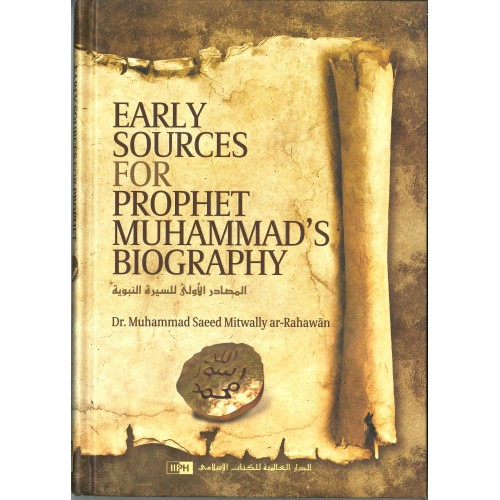
Early Sources For Prophet Muhammad’s Biography (H/B)
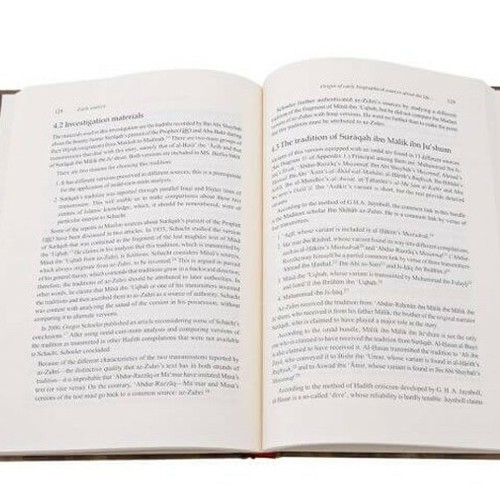
In ‘Early Sources for Prophet Muhammad’s Biography’, Dr. Muhammad Saeed Mitwally aims to prove that applying Western methods of critical analysis to the available Muslim sources can take us back to early, reliable information about the Prophet (sa).
Early Western biographies of the Prophet of Islam (sa) were largely based upon the Qur’an, as well as upon the late Muslim sources dating from the sixteenth century. After the publication of Goldziher’s Muhammedanische Studien in 1890, the reliability of Muslim sources became controversial. This stance was intensified by the publication of Schacht’s The Origins of Muhammadan Jurisprudence, in which he claimed that none of the Hadith literature is authentic. In this book, Dr. Muhammad Saeed Mitwally successfully challenges some of the problems raised by the pessimistic attitude.
Students of Hadith will find this study thought-provoking and informative.
Related Products
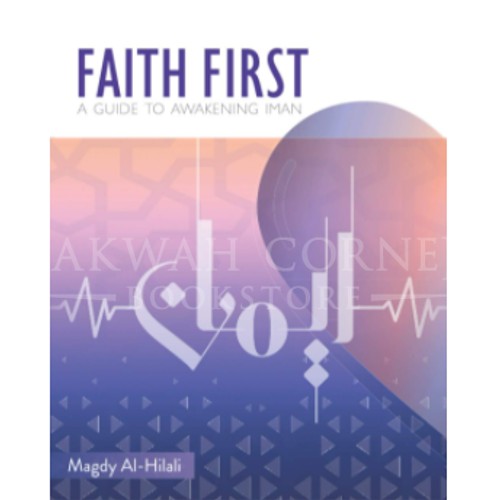
Faith First: A Guide To Awakening Iman
“Fait first is based on a simple premise: Begin with faith, and the rest will follow.”
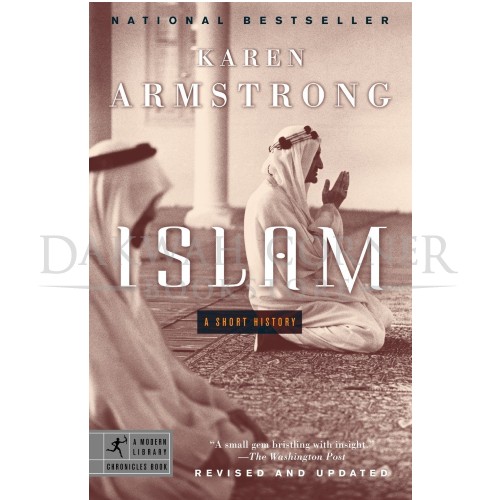
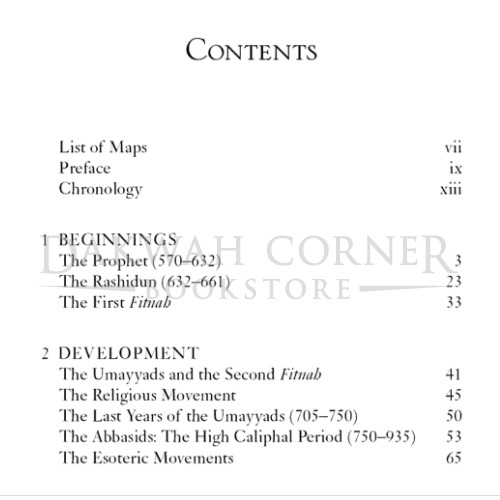
Islam: A Short History
With this brilliant book, Karen Armstrong issues a forceful challenge to those who hold the view that the West and Islam are civilizations set on a collision course. It is also a model of authority, elegance, and economy.
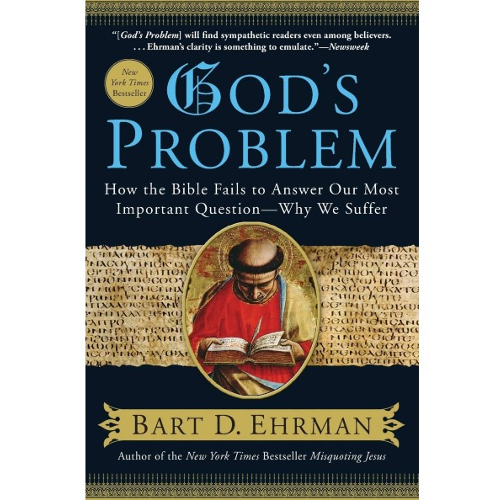
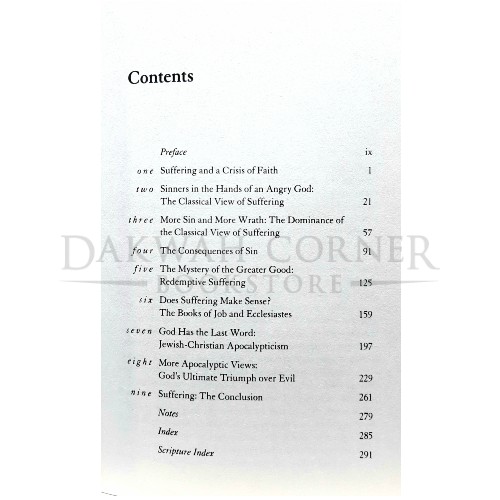
God’s Problem: How the Bible Fails to Answer Our Most Important Question–Why We Suffer
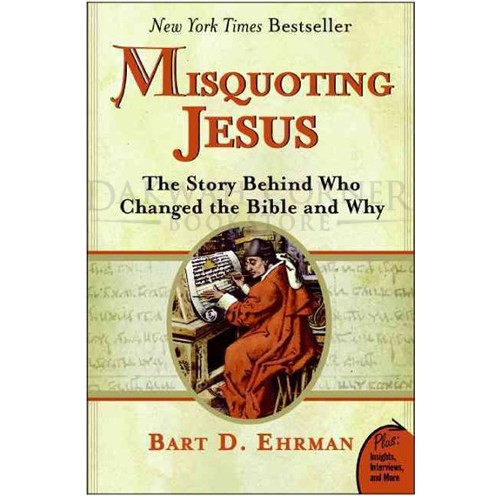
In times of questioning and despair, people often quote the Bible to provide answers. Surprisingly, though, the Bible does not have one answer but many “answers” that often contradict one another. Consider these competing explanations for suffering put forth by various biblical writers:
The prophets: suffering is a punishment for sin
The book of Job, which offers two different answers: suffering is a test, and you will be rewarded later for passing it; and suffering is beyond comprehension, since we are just human beings and God, after all, is God
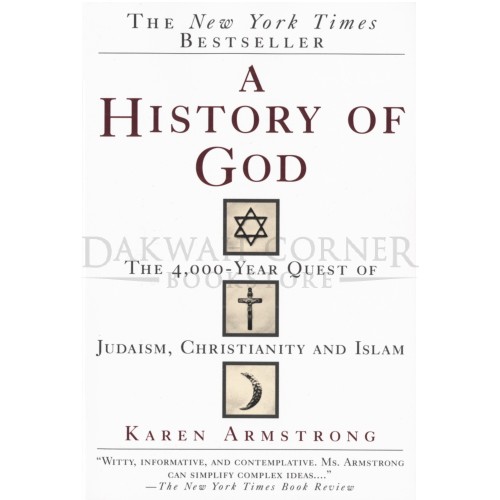
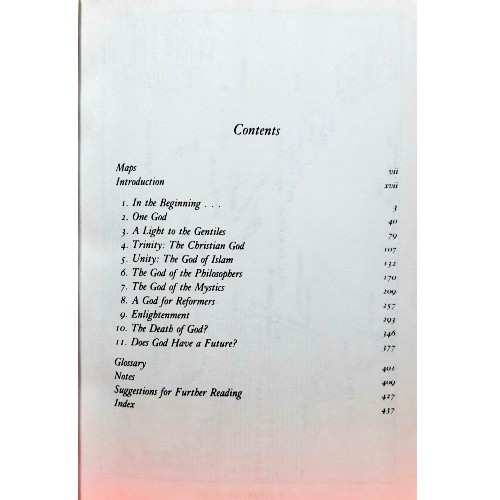
A History of God: The 4000 Year Quest of Judaism, Christianity and Islam
“The most fascinating and learned study of the biggest wild goose chase in history—the quest for God. Karen Armstrong is a genius.”
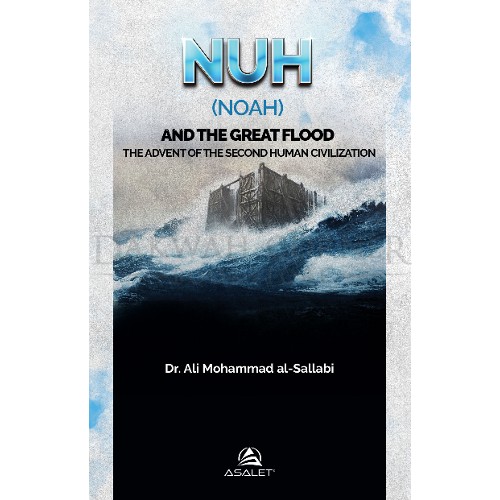
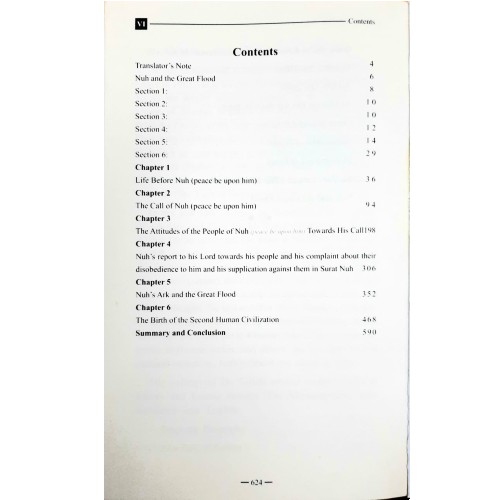
Nuh (Noah) And The Great Flood: The Advent of The Second Human Civilization
This book is a continuation of a new academic project that relates to the detailed study of Ulu al – Azm ( Messengers of Firm Resolve ) and the stories of the prophets and messengers in the Qur’an. The book is part of the Messengers of Firm Resolve Compilation which I dream of completing. I hope from Allah that it is sincerely for His sake and beneficial for people. Mankind is in real need of knowing the lives of the prophets and messengers, an explanation of their biographies, their character, and the foundations of their message. It is in need of learning these things through the Book of Allah ( the Qur’an ) – that cannot be proven false from any angle, the authentic traditions of the Prophet (peace be upon him), and the statements of the great scholars, in a contemporary style that suits the phase that humanity is currently facing. A phase in which humanity is searching for convincing answers to major questions about God, the universe, life, Paradise and Hellfire, divine decree, prophets and their messages, ancient human civilizations, when they appeared and what they eventually became, the foundations of noble character, and spiritual morals. Questions about managing the struggle between truth and falsehood; guidance and misguidance; good and evil; and faith and disbelief.
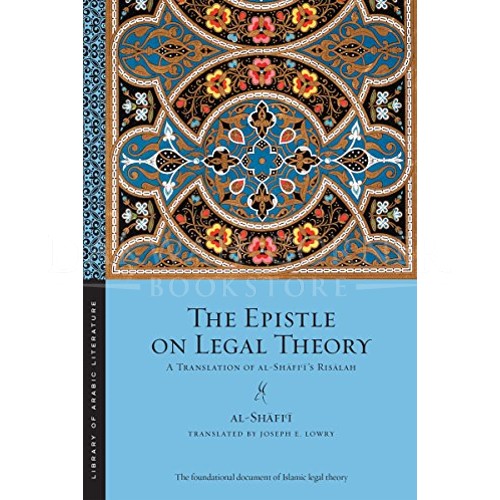
The Epistle On Legal Theory: A Translation of Al-Shafii’s Risalah
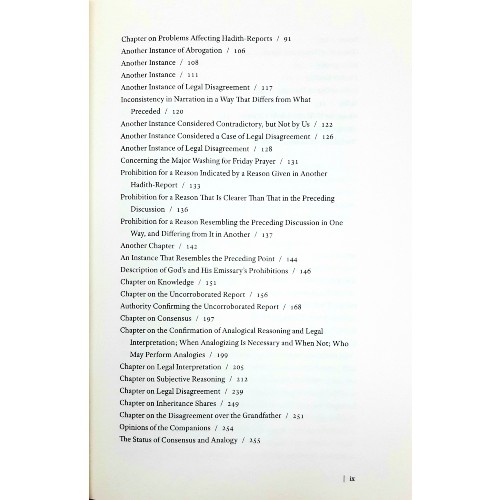
The Epistle on Legal Theory is the oldest surviving Arabic work on Islamic legal theory and the foundational document of Islamic jurisprudence. Its author, Muhammad ibn Idris al-Shafi’i (d. 204/820), was the eponym of the Shafi’i school of legal thought, one of the four rites in Sunni Islam. This fascinating work offers the first systematic treatment in Arabic of key issues in Islamic legal thought. These include a survey of the importance of Arabic as the language of revelation, principles of textual interpretation to be applied to the Qur’an and prophetic Traditions, techniques for harmonizing apparently contradictory precedents, legal epistemology, rules of inference, and discussions of when legal interpretation is required. The author illustrates his theoretical claims with numerous examples drawn from nearly all areas of Islamic law, including ritual law, commercial law, tort law, and criminal law. The text thus provides an important window into both Islamic law and legal thought in particular and early Islamic intellectual history in general .
This new translation by a leading scholar of al-Shafi’i and his thought makes available in lucid, modern English one of the earliest complete works on Islamic law—one that is centrally important for the formation of Islamic legal thought and the Islamic legal tradition.
Recently Viewed
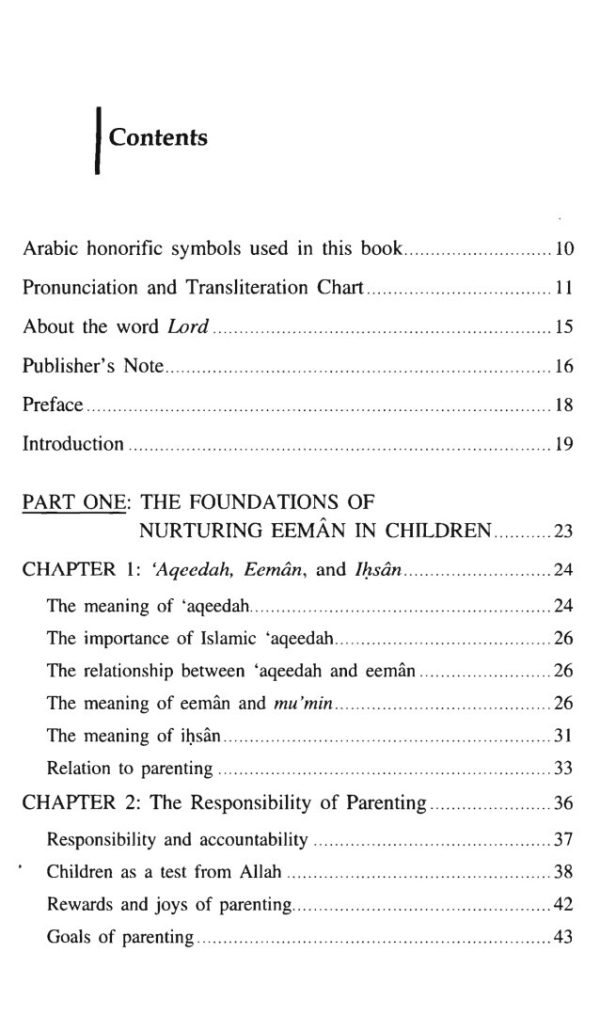
Nurturing Eeman In Children (H/B)
A plethora of parenting books on the market these days covers every aspect of dealing with your children. From the terrible twos to the troublesome teens, you will have no problem finding multitudes of books claiming to point you in the right direction when it comes to raising a child. Whether you’re aiming to raise a baby Einstein, or just looking for some hints on how to handle an unruly tyke or teen, you will no doubt find plenty of advice. Nurturing Eemân in Children, however, addresses an aspect of child-rearing that is vitally important and is not touched upon in the mainstream selections that we are so familiar with. In her book, Dr. Aisha (Hamdan) Utz clearly and in no uncertain terms explains the importance of instilling in our children a strong connection to their Creator and a love for the religion that He has chosen for us and for them. From this book, you will learn the what, the why, and the how of raising a righteous Muslim child.
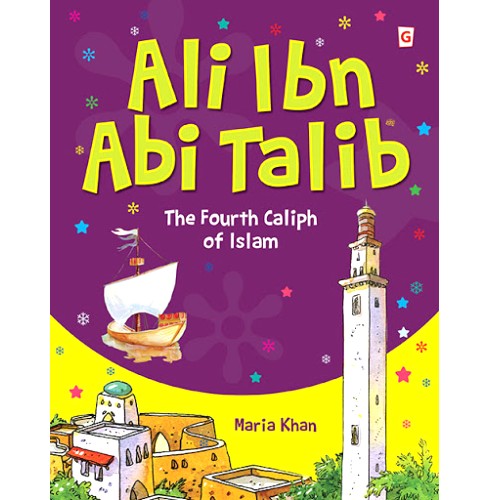
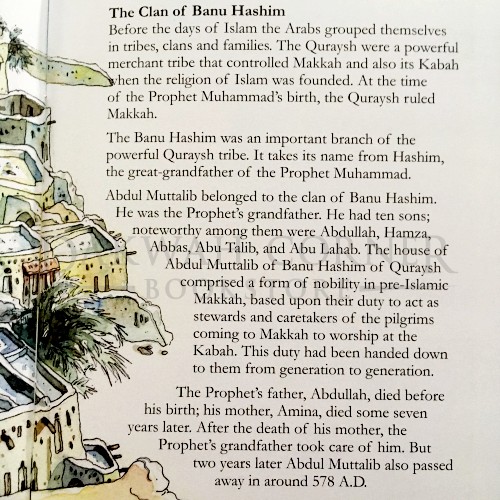
Ali Ibn Abi Talib: The Fourth Caliph of Islam
This book is about the life and teachings of Ali Ibn Abi Talib (may Allah be pleased with Him), The Fourth Caliph of Islam.
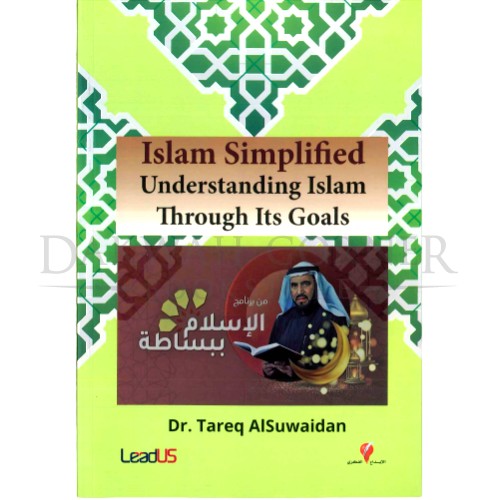
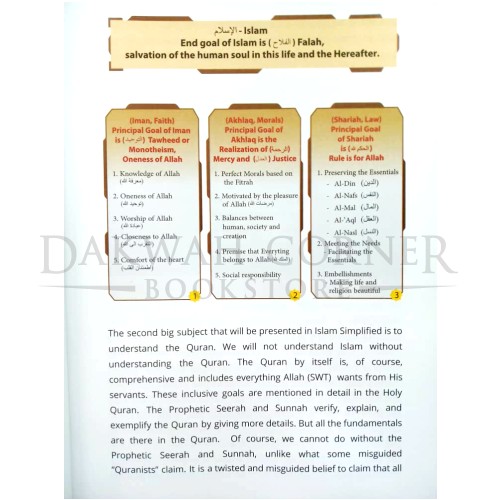
Islam Simplified: Understanding Islam Through Its Goals
Islam Simplified introduces Islam simply and comprehensive by presenting the overall framework of Islam that highlights the goal-oriented view of Islam so that Muslims and non-Muslims will understand clearly the “Why” of Islam.
[AMM] Kitab Akhlaqi Hamalati Al Quran / أخلاق حملة القران
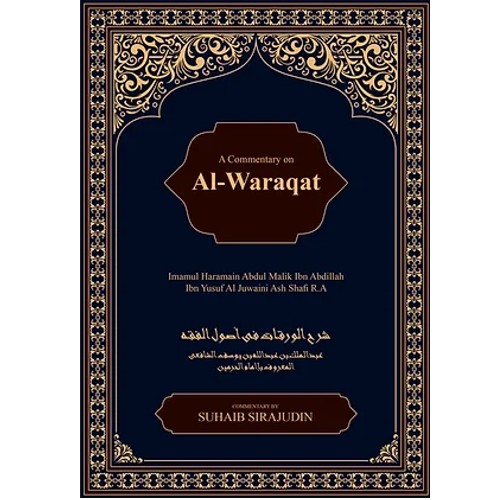
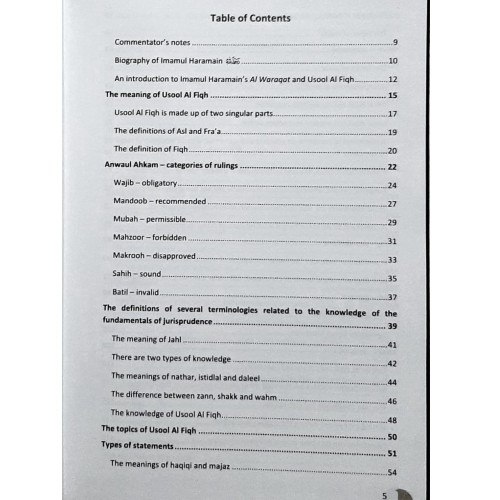
A Commentary On Al-Waraqat
This is a commentary on the book of Imamul Haramin Abul Ma’ali AlJuwaini’s Al-Waraqat. It is a text on the subject of Usul al-fiqh.
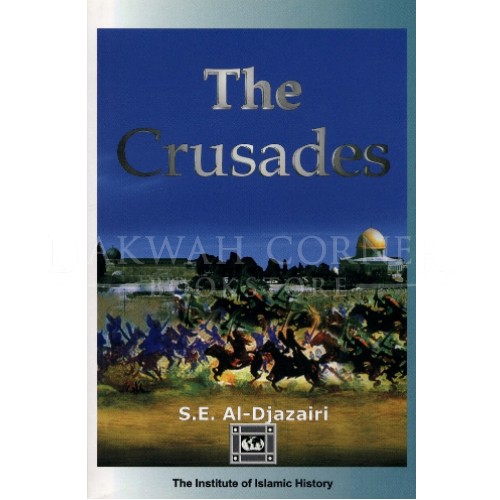
The Crusades P/B
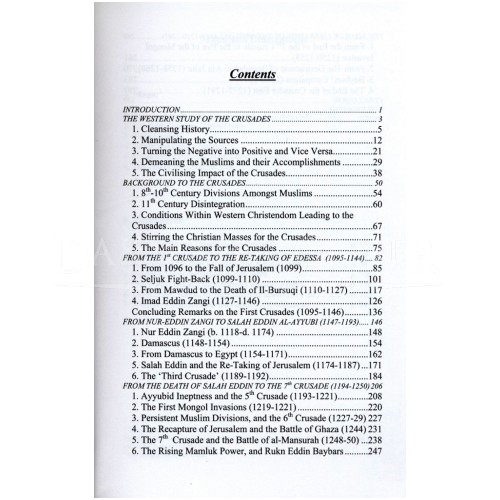
In the new narrative of history, the story of the crusades (1095-1291) has been altogether transformed. we thus hear that the Christian crusades were only a response to Muslim aggression, that the stories of crusader atrocities were exaggerated, that the Muslims acted in an equally brutal manner. We hear that legendary Muslim figures such as Salah Eddin, Zangi, Baybars,Etc, were murderous , cunning, scheming leaders and that the Mongol leaders such as Genghis Khan and Hulagu, who between them slaughtered millions of Muslims during the crusades, were great men with great vision. We are told that the Muslims always obtained their victories by fighting small forces of crusader armies and that the crusades brought great military and civilian skills to the Muslim world, and so it goes on. It is these fallacies and countless others, which are found in the new teaching and writing of crusades, that this book unravels and counters. This book also tells the full story of the crusades by relying on both Islamic and Christian sources, old and new. Whilst retaining the academic and scientific approach, it also adopts a style accessible to all.
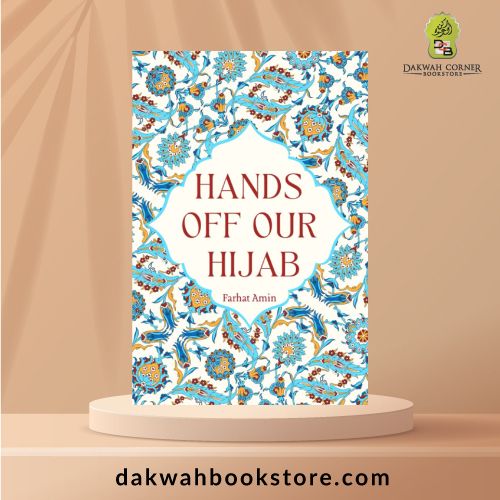
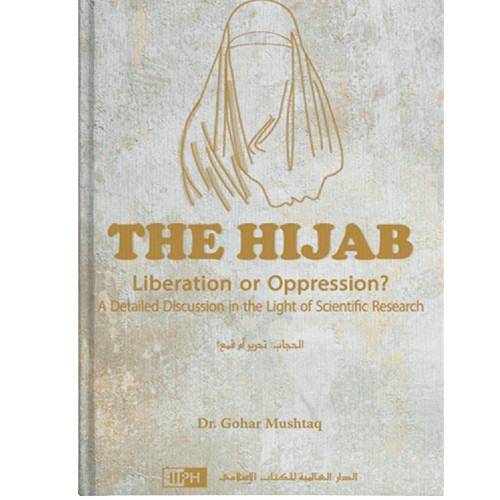
The Hijab – Liberation or Oppression?
In this authentic Islamic resource book, Dr. Gohar Mushtaq comprehensively explains the benefits of wearing the hijab, citing evidence from both Islamic sources and scientific research. He also expertly cites and analyzes fascinating research to highlight the little-known wisdom behind the institution of the hijab. Furthermore, he tackles some of the topics that are generally misunderstood in Islam, such as the segregation of men and women in gatherings.
This is a much needed book at a time and age when eyes are dazzled by modernity, where modesty has lost its value and many Muslims have embraced the apologetic edition of the religion of Islam. Maryam Jameelah
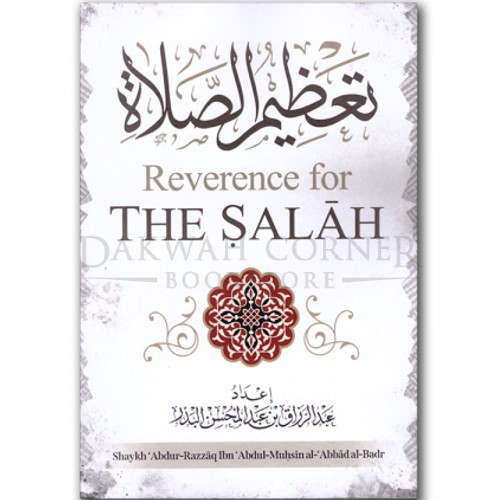
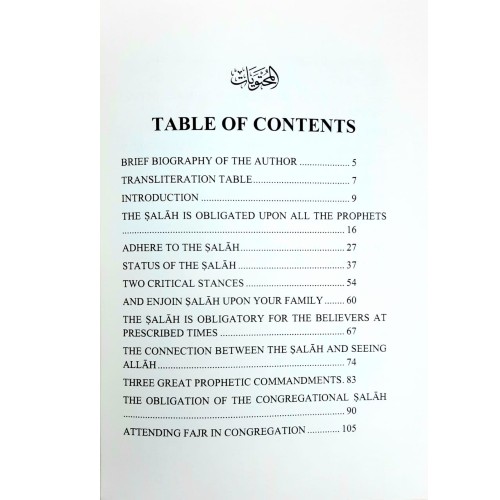
Reverence for The Salah (Maktabatulirshad Publication)
The Salah is the most crucial affair in a Muslim’s life. To preserve one’s religion, one has to observe it consistently; otherwise, one would be negligent of the Salah, let alone other acts of worship. It is the pillar of Islam, as it is soundly reported from the Prophet (May Allah elevate his rank & grant him peace). At the same time, the remaining deeds serve as the axis of support. Similarly, a tent without a pillar is useless. The Salah is the criterion for accepting all other deeds; if it is rejected [by Allah], all other deeds will be rejected. It is the first obligation ever in Islam and the last act of worship to wither. So, if one is negligent to the first and the last thing in Islam, then one will lose everything in-between.
Inadequate observance of the Salah that lacks adherence to its prescribed form in the manner performed by the Messenger of Allah (May Allah elevate his rank & grant him peace) will derail one’s religion. It will invalidate all deeds, cause misconduct in one’s religious and worldly affairs.
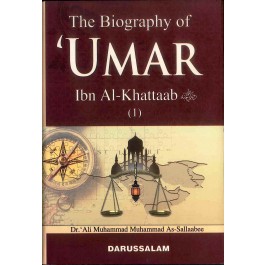
The Biography Of ‘Umar (2 Volumes) – Darussalam
This book describes, among other things, the principles based upon which ‘Umar ibn al-khattab governed the Muslims during his caliphate; among those principles were mutual consultation, justice, equality among people, and honoring of freedoms.
With the turn of every page, the reader will come to appreciate the fact that Umar was exceptional in his faith, distinguished in his knowledge, profoundly wise in his thinking, remarkable in his eloquence, noble in his manners and great in the contributions he made to this nation.
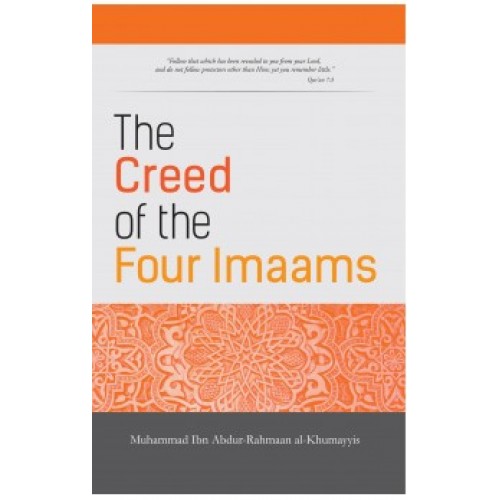
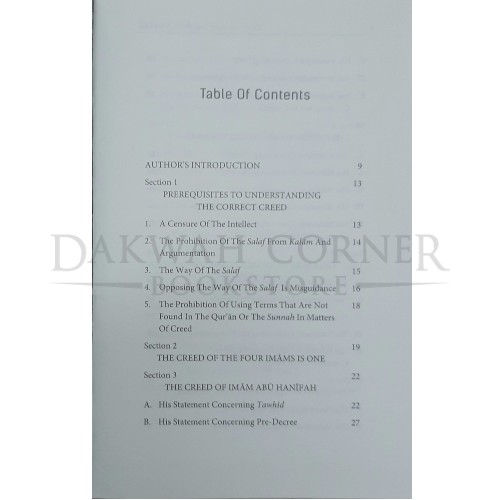
The Creed Of The Four Imaams (H/B)
The book proves the important, yet overlooked point: that despite whatever differences the Imaams had in their fiqh, their creed (aqidah) was one and the same in almost all issues. Many narrations are brought from the past and present day scholars showing that the path to Allaah is one. Detailed biographies have been provided for each of the four Imaams from ancient authentic sources. Additionally many doubts cast over the creed and lives of the Imaams have been uncovered, and the Creed of the Ahlus-Sunnah wal-Jama’ah has been exonerated.
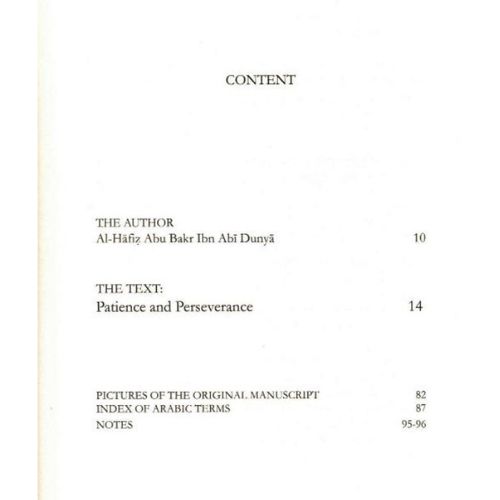
Patience and Perseverance (P/B)
Sulayman ibn Qasim said, “The reward of every deed is known except for patience, for Allah Almighty Said: ‘Indeed, those who endure patiently will be given their reward in full without limit.’ [Al-Zumar, 10]
The attribute of patience is less about the ability to sit tight and wait out any adversity or misfortune, and more about holding good etiquette and Islamic propriety while waiting. This includes persevering throughout the ordeal, not complaining about one’s condition (except to Allah) and recognising that Allah’s wisdom and decree necessitate holding good positive thoughts about Him.


There are no reviews yet.