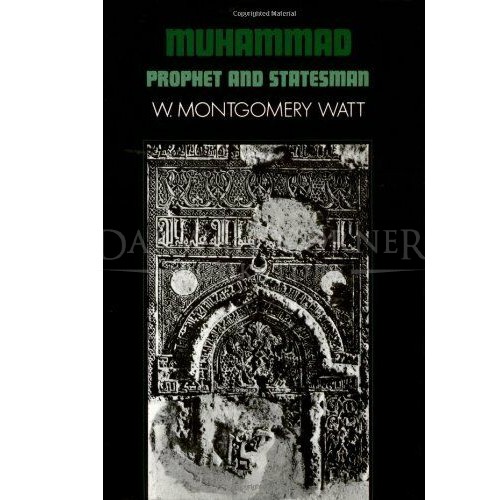
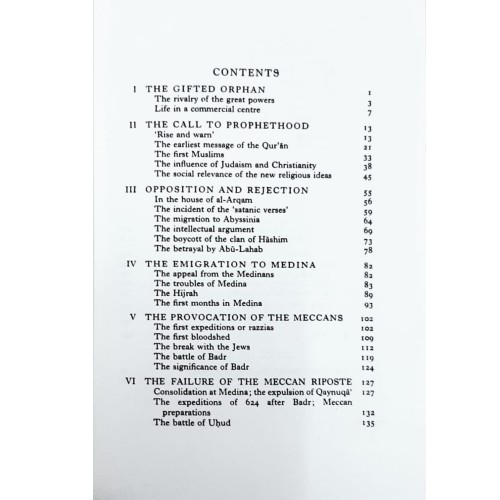
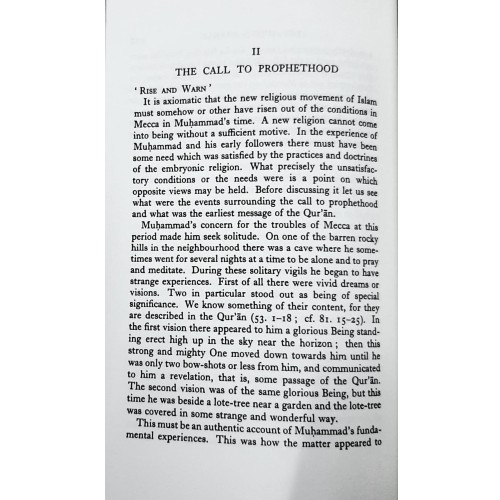
A short account of the life and achievements of one of the great figures of history, this volume also serves as an excellent introduction to one of the world’s major religions. Written with objectivity, the book opens with a background chapter on the birth and early life of the Prophet in Mecca. Dr. Watt tells of Muhammad’s struggle to make his way as an untrained orphan in the city’s commercial world, and his call to prophethood as a result of visions.
Muhammad, Prophet and Statesman (P/B)
RM115.00
A short account of the life and achievements of one of the great figures of history, this volume also serves as an excellent introduction to one of the world’s major religions.
Frequently Bought Together
| Weight | 0.45 kg |
|---|---|
| Dimensions | 20.3 × 12.5 × 1.5 cm |
| Author | |
| Binding | Paperback |
| ISBN | 9780198810780 |
| Pages | 250 |
| Publisher | OXFORD University Press |
Be the first to review “Muhammad, Prophet and Statesman (P/B)” Cancel reply
You must be logged in to post a review.
You may also like…
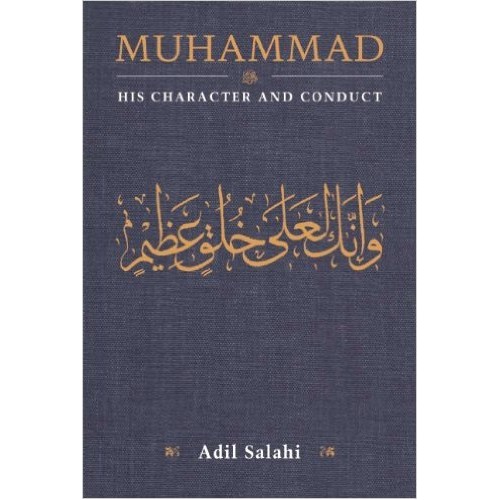
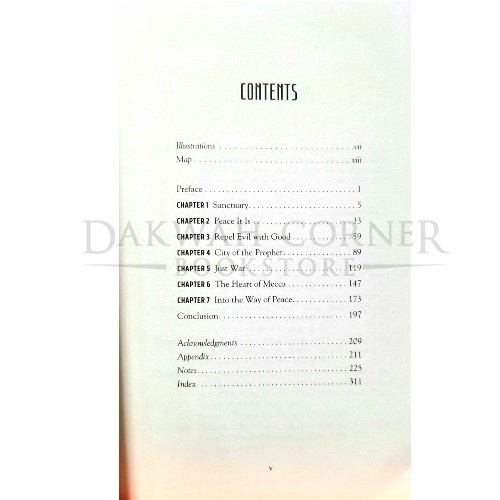
Muhammad His Character and Conduct
Seerah and Biographies
Muhammad: Prophet of Peace Amid The Clash of Empires
“In the midst of the dramatic seventh-century war between two empires, Muhammad was a spiritual seeker in search of community and sanctuary.”
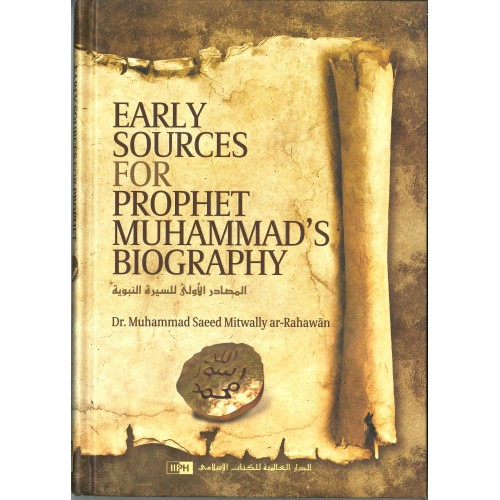
Early Sources For Prophet Muhammad’s Biography (H/B)
In ‘Early Sources for Prophet Muhammad’s Biography’, Dr. Muhammad Saeed Mitwally aims to prove that applying Western methods of critical analysis to the available Muslim sources can take us back to early, reliable information about the Prophet (sa).
Early Western biographies of the Prophet of Islam (sa) were largely based upon the Qur’an, as well as upon the late Muslim sources dating from the sixteenth century. After the publication of Goldziher’s Muhammedanische Studien in 1890, the reliability of Muslim sources became controversial. This stance was intensified by the publication of Schacht’s The Origins of Muhammadan Jurisprudence, in which he claimed that none of the Hadith literature is authentic. In this book, Dr. Muhammad Saeed Mitwally successfully challenges some of the problems raised by the pessimistic attitude.
Students of Hadith will find this study thought-provoking and informative.
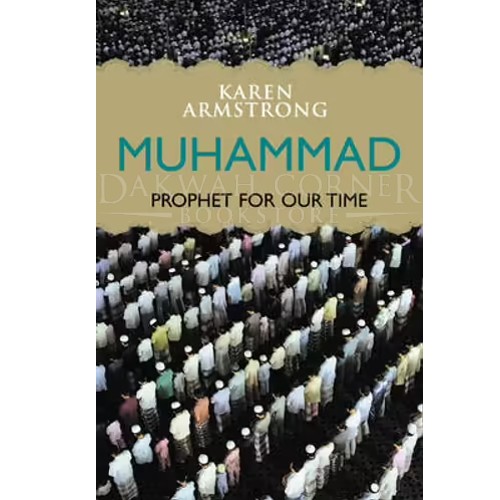
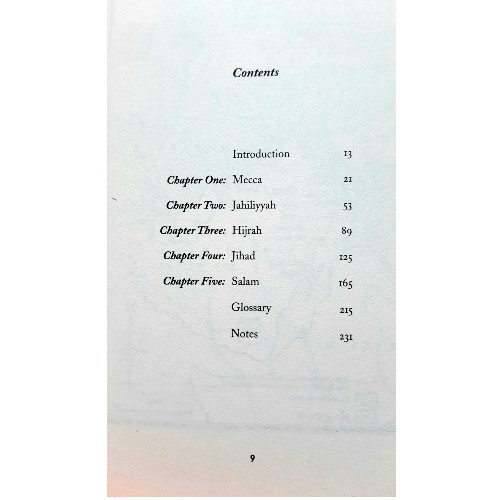
Muhammad: Prophet for Our Time (Harper Perennial)
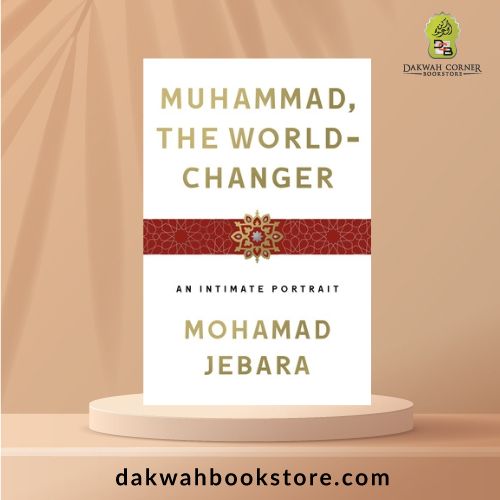
Muhammad was born in 570 CE, and over the following sixty years built a thriving spiritual community, laying the foundations of a religion that changed the course of world history.
Related Products
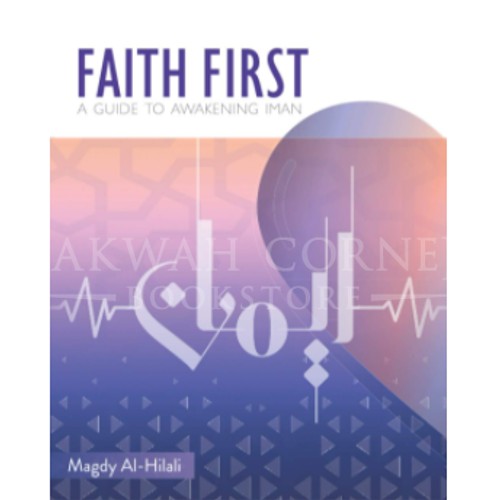
Faith First: A Guide To Awakening Iman
“Fait first is based on a simple premise: Begin with faith, and the rest will follow.”
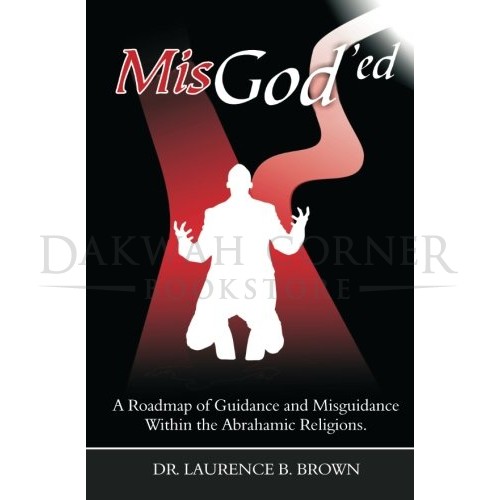
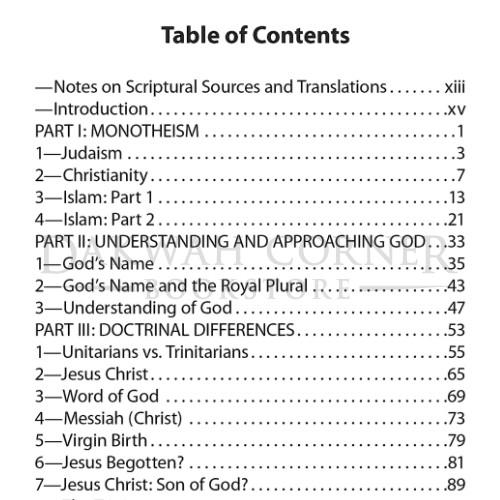
MisGod’ed: A Roadmap of Guidance and Misguidance Within the Abrahamic Religions
The world is fraught with religious conflict.
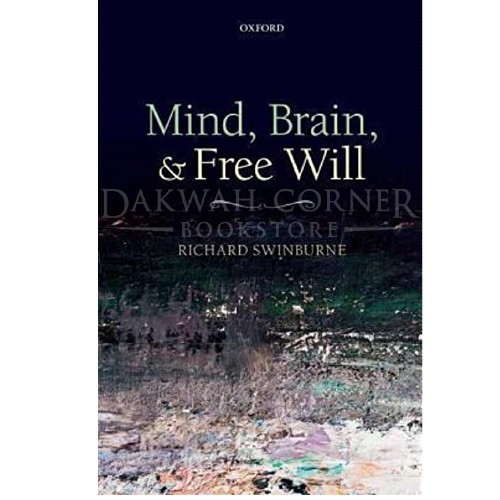
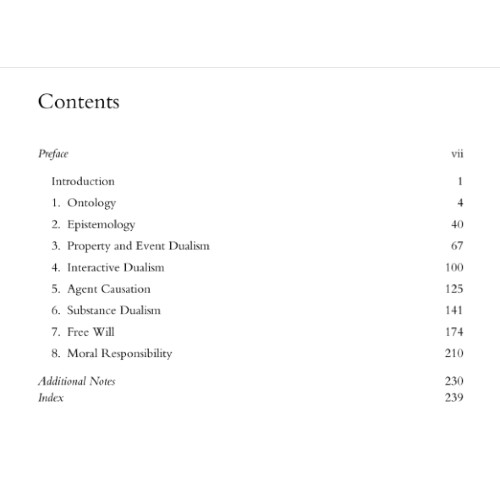
Mind, Brain, & Free Will (P/B)
Mind, Brain, and Free Will presents a powerful new case for substance dualism (the idea that humans consist of two parts–body and soul) and for libertarian free will (that humans have some freedom to choose between alternatives, independently of the causes which influence them). Richard
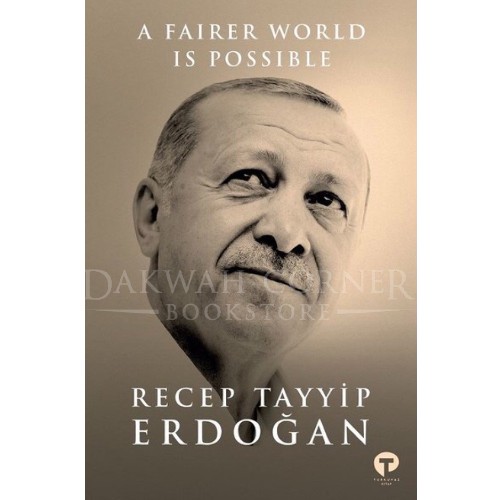
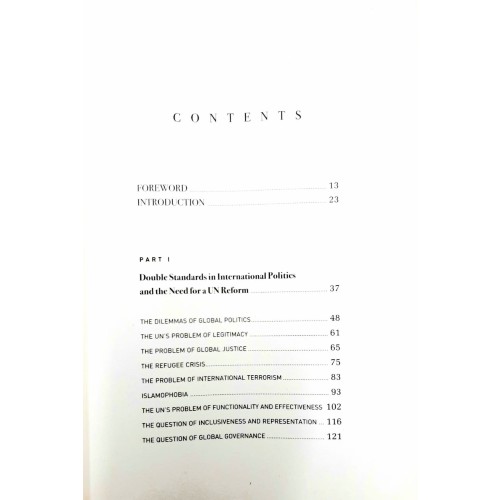
A Fairer World Is Possible
“IT IS NEITHER MORAL NOR FAIR FOR JUST FIVE NATIONS TO MAKE DECISIONS ON ISSUES THAT COULD INFLUENCE THE FATE OF THE WORLD. THE WORLD IS BIGGER THAN FIVE COUNTRIES”.
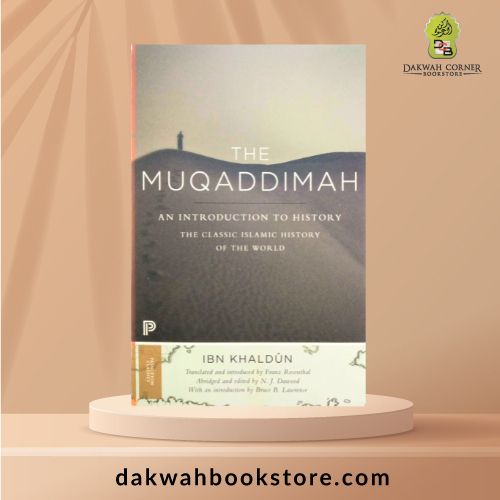
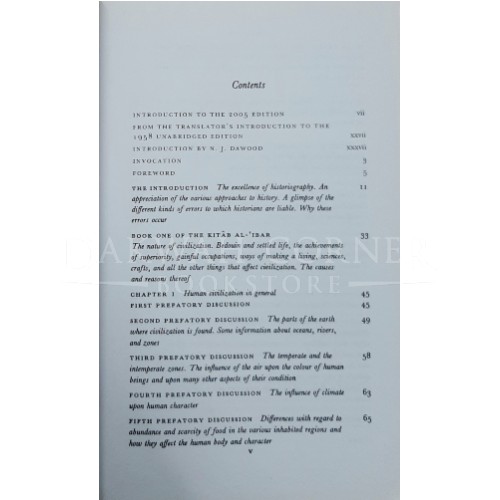
The Muqaddimah: An Introduction To History
The Muqaddimah: An Introduction to History –Abridged Edition
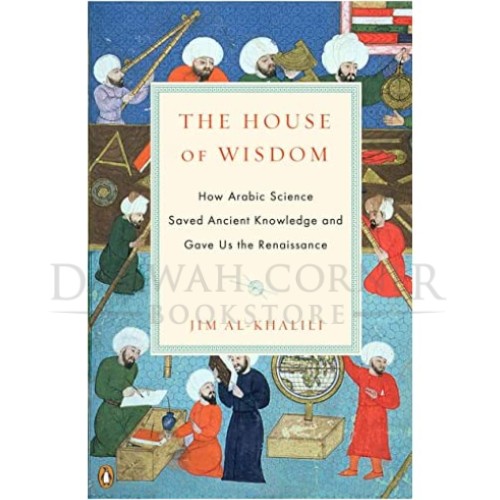
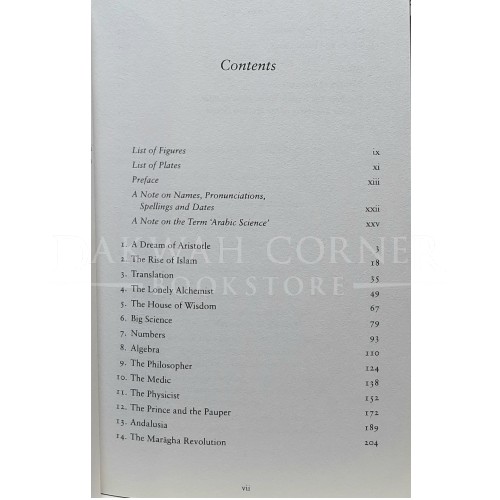
The House of Wisdom:
How Arabic Science Saved Ancient Knowledge & Gave Us the Renaissance
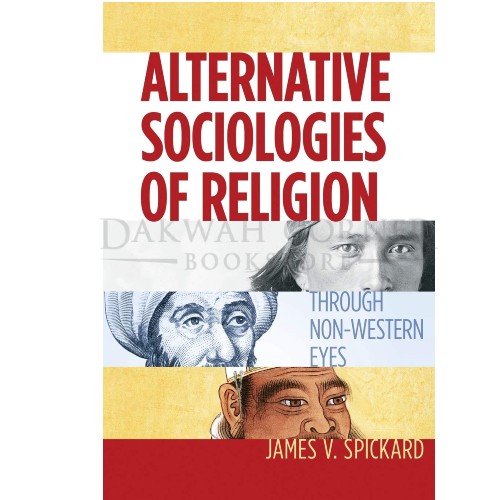
Alternative Sociologies Of Religion: Through Non-Western Eyes
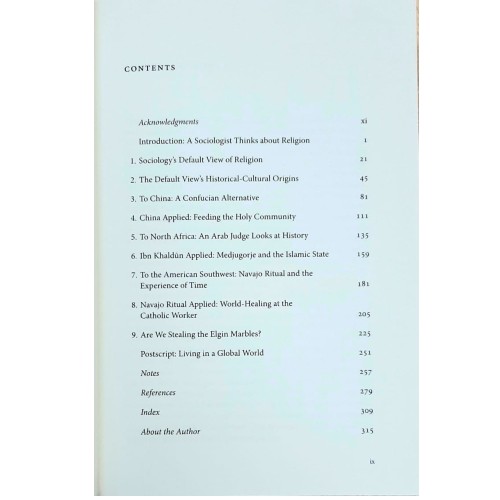
Sociology has long used Western Christianity as a model for all religious life. As a result, the field has tended to highlight aspects of religion that Christians find important, such as religious beliefs and formal organizations, while paying less attention to other elements. Rather than simply criticizing such limitations, James V. Spickard imagines what the sociology of religion would look like had it arisen in three non-Western societies. What aspects of religion would scholars see more clearly if they had been raised in Confucian China? What could they learn about religion from Ibn Khaldun, the famed 14th century Arab scholar? What would they better understand, had they been born Navajo, whose traditional religion certainly does not revolve around beliefs and organizations?
Through these thought experiments, Spickard shows how non-Western ideas understand some aspects of religions―even of Western religions―better than does standard sociology. The volume shows how non-Western frameworks can shed new light on several different dimensions of religious life, including the question of who maintains religious communities, the relationships between religion and ethnicity as sources of social ties, and the role of embodied experience in religious rituals. These approaches reveal central aspects of contemporary religions that the dominant way of doing sociology fails to notice. Each approach also provides investigators with new theoretical resources to guide them deeper into their subjects. The volume makes a compelling case for adopting a global perspective in the social sciences.
Recently Viewed
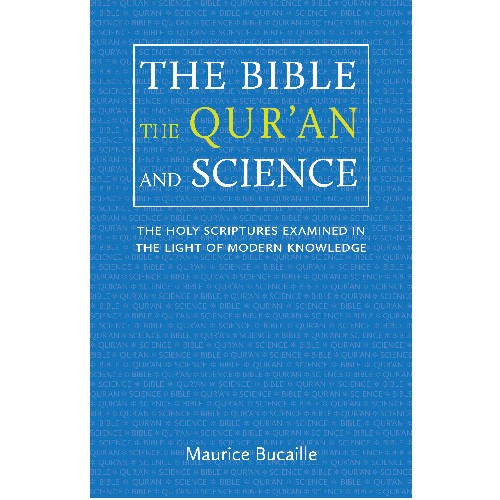
The Bible The Quran and Science (P/B) by Dar Al Wahi
In his objective study of the texts, Maurice Bucaille clears away many preconceived ideas about the Old Testament, the Gospels and the Qur’an. He tries, in this collection of Writings, to separate what belongs to Revelation from what is the product of error or human interpretation. His study sheds new light on the Holy Scriptures. At the end of a gripping account, he places the Believer before a point of cardinal importance: the continuity of a Revelation emanating from the same God, with modes of expression that differ in the course of time. It leads us to meditate upon those factors which, in our day, should spiritually unite rather than divide-Jews, Christians and Muslims.
As a surgeon, Maurice Bucaille has often been in a situation where he was able to examine not only people’s bodies, but their souls. This is how he was struck by the existence of Muslim piety and by aspects of Islam which remain unknown to the vast majority of non-Muslims. In his search for explanations which are otherwise difficult to obtain, he learnt Arabic and studied the Qur’an. In it, he was surprised to find statements on natural phenomena whose meaning can only be understood through modern scientific knowledge.
He then turned to the question of the authenticity of the writings that constitute the Holy Scriptures of the monotheistic religions. Finally, in the case of the Bible, he proceeded to a confrontation between these writings and scientific data.
The results of his research into the Judeo-Christian Revelation and the Qur’an are set out in this book.


There are no reviews yet.