


| Weight | 0.31 kg |
|---|---|
| Author | |
| Publisher | Islamic Book Trust |
| Pages | 230 |
| ISBN | 9789675062056 |
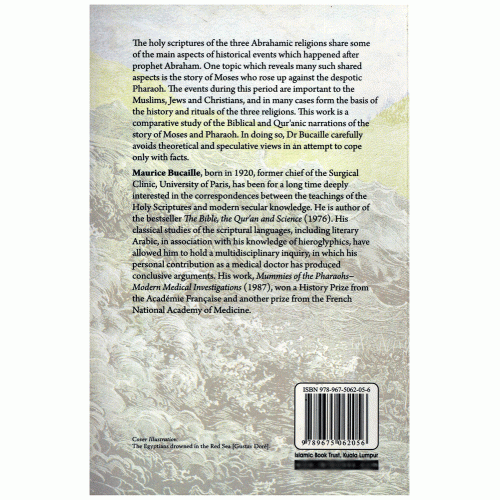
Moses and Pharaoh in the Bible Quran and History (P/B) (IBT)
RM28.00
Out of Stock
somdn_product_page
Compare
Additional information
Reviews (0)
Be the first to review “Moses and Pharaoh in the Bible Quran and History (P/B) (IBT)” Cancel reply
You must be logged in to post a review.
Related Products
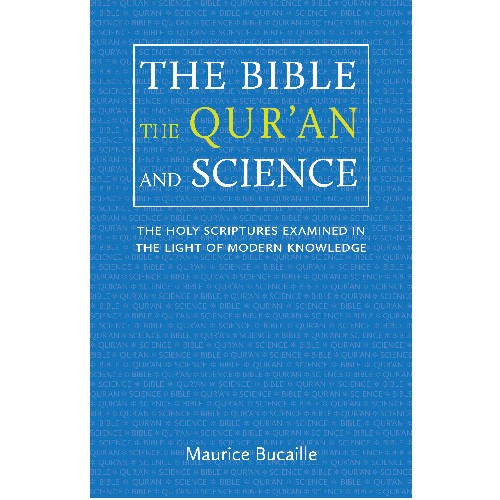
The Bible The Quran and Science (P/B) by Dar Al Wahi
Highlights:
In his objective study of the texts, Maurice Bucaille clears away many preconceived ideas about the Old Testament, the Gospels and the Qur’an. He tries, in this collection of Writings, to separate what belongs to Revelation from what is the product of error or human interpretation. His study sheds new light on the Holy Scriptures. At the end of a gripping account, he places the Believer before a point of cardinal importance: the continuity of a Revelation emanating from the same God, with modes of expression that differ in the course of time. It leads us to meditate upon those factors which, in our day, should spiritually unite rather than divide-Jews, Christians and Muslims.
As a surgeon, Maurice Bucaille has often been in a situation where he was able to examine not only people’s bodies, but their souls. This is how he was struck by the existence of Muslim piety and by aspects of Islam which remain unknown to the vast majority of non-Muslims. In his search for explanations which are otherwise difficult to obtain, he learnt Arabic and studied the Qur’an. In it, he was surprised to find statements on natural phenomena whose meaning can only be understood through modern scientific knowledge.
He then turned to the question of the authenticity of the writings that constitute the Holy Scriptures of the monotheistic religions. Finally, in the case of the Bible, he proceeded to a confrontation between these writings and scientific data.
The results of his research into the Judeo-Christian Revelation and the Qur’an are set out in this book.
RM43.00
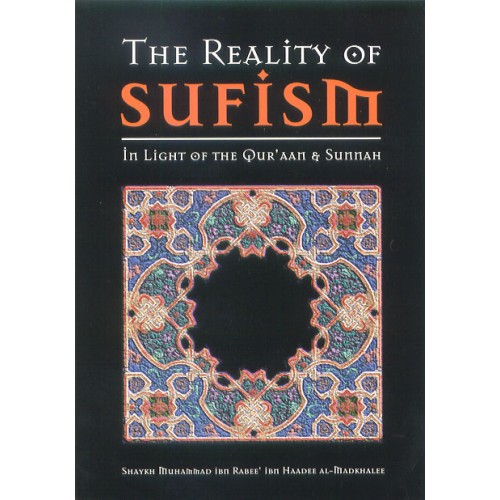
The Reality of Sufism In Light of the Quraan and Sunnah (P/B)
Highlights:
In this book, the author discusses the beliefs and origins of Sufism. It has been written in a clear and uncomplicated style which makes it accessible for readers of all levels. The history of Sufism is traced as well as how sufism developed into what we have today. The author touches upon the beliefs of Sufism, and gives examples from personalities that are regarded highly by those who ascribe to Sufism. A scholarly criticism in light of the Qur’an and Sunnah.
From the Back Cover
You must be aware that there are a number of destructive calls which have been established amongst the ranks of the Muslims and which have shaken and damaged the belief held in there hearts. They have polluted the pure Islamic ‘aqeedah, and have grown by stages to reach such a dangerous level that they led to the splitting of the Muslims into sects and the parties, about which the Prophet (peace be upon him) said: “Indeed those who were before you, from the people of the book, split into seventy-two sects, and this religion will split seventy-three. Seventy-two in the fire and one in the paradise and it is the Jammaa’ah.”
Then there is no doubt that each one of these sects claims for itself that it is the saved sect, and that it is correct, and that it alone follows the Messenger. But the way of truth is a single way and it is the one which leads to salvation, and any other way is one of the ways of miss guidance which leads to destruction.
So the way of truth is to cling to the book of Allaah and the Sunnah of Allaah’s Messenger (S) as occurs in the hadeeth: I have left amongst you two things whith which you will not go astray: The Book of Allah and my Sunnah, and they will not be separated till they come to me at the Pond.
- A scholarly criticism of Sufism in the light of the Qur’an and Sunnah
- Written in an uncomplicated style, ideal for the layman
RM24.00
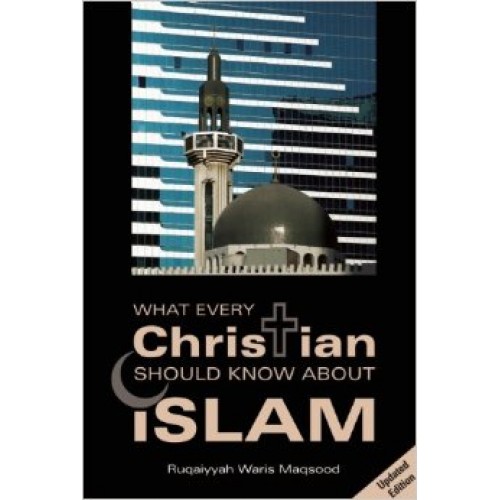
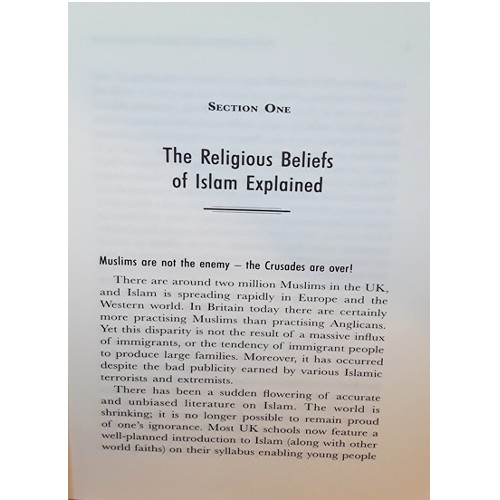
What Every Christian Should Know About Islam (P/B)
Highlights:
Of the many books explaining Islam, few specifically address the concerns and questions of those from a Christian background. Moreover, the commonalities between the Abrahamic faiths—Judaism, Christianity, and Islam—are too often ignored. Set out in an easy and informative question-and-answer format, the book addresses the specific theological points of agreement and difference between Christianity and Islam, explains the core religious beliefs and practices of Islam, and answers today’s most common questions of Islam and Muslims in an age when there is much conflict and misunderstanding. Islam is best judged not by the limitations and transgressions of its most extreme, ignorant, and outlandish followers, but by the example of its moderate majority, and Ruqaiyyah Waris Maqsood presents this introduction to the theology and practice of Islam in an attempt to explore some of the false impressions that surround it.
Table of Contents:
Section 1: The Religious Beliefs of Islam Explained
Section 2: the Religious Duties of Islam Explained
Section 3: Miscellaneous Questions
Section 4: Christianity and Islam
Ruqaiyyah Waris Maqsood gained an honors degree in Christian Theology from the University of Hull in 1963 and then taught religious studies at various state schools until her retirement in 1996. She converted to Islam in 1986 and now lectures and writes on Islam.
RM26.00
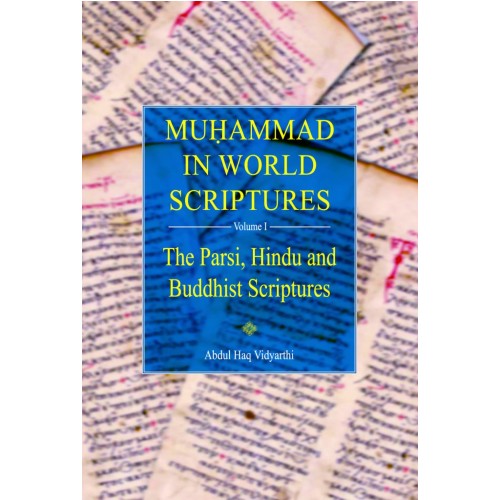
Muhammad in World Scriptures: Volume I (IBT)
Highlights:
This is the first volume of the series on the Prophet Muhammad as found in world scriptures. The author, a scholar of the Vedas and comparative religion, argues that numerous prophecies of the coming of the Holy Prophet are found in the Parsi (Zoroastrian), Hindu and Buddhist scriptures. He attempts to illuminate these prophecies and explains the rationale of his conclusions.
RM34.00
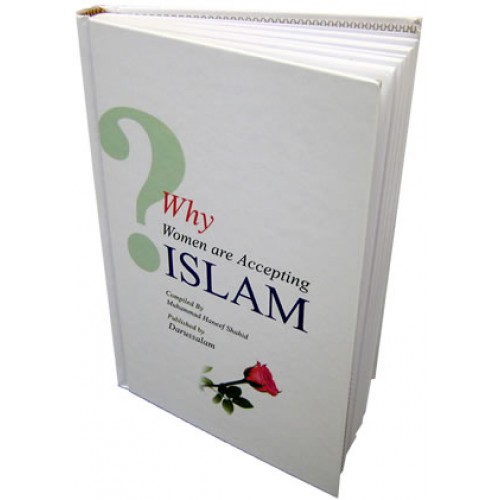
Why Women are Accepting Islam (H/B)
Highlights:
This book is a compilation of the numerous narratives about the lives, experiences and previous beliefs as well as Islamic impressions and reasons of different lucky women, belonging to all walks of life, as to why they reverted to Islam. Darussalam has already published one book from the same compiler on the same focus that was very much appreciated by the readers. We hope this study will help those non-Muslims women whose concepts are not clear about Islam, and those people who are working in Da’wah field.
RM65.00
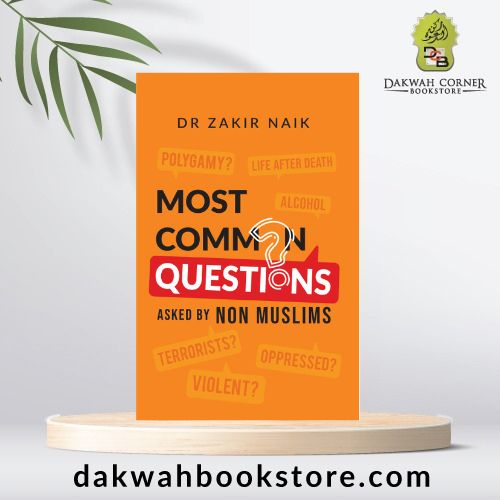
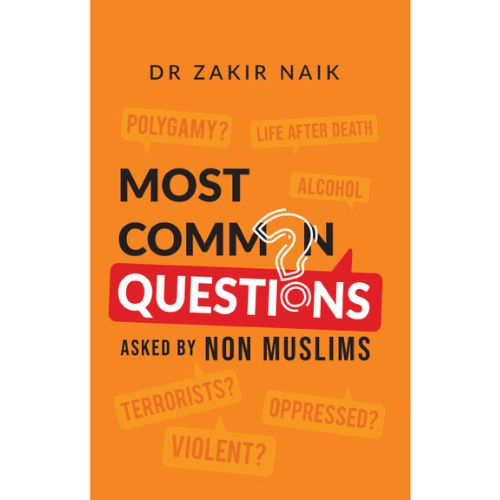
Most Common Questions Asked By Non-Muslims
5 ★
5 ★
2 Ratings
5 ★
2
4 ★
0
3 ★
0
2 ★
0
1 ★
0
RM17.00
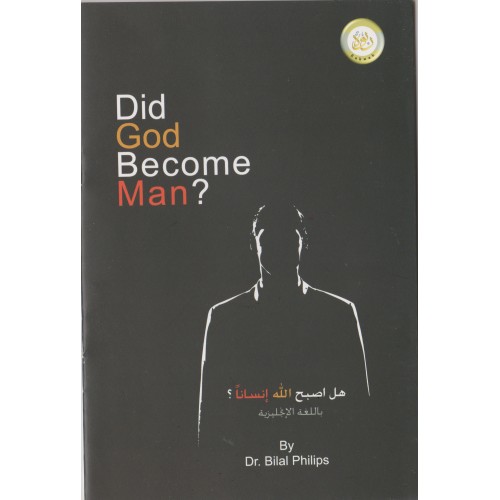
Did God Become Man? (P/B)
Highlights:
Table of Contens:
- Foreword
- Belief in God
- Man is Gods
- God Becomes His Creatures
- God Becomes One Man
- Men Becom God
- Why?
- Did God Become Man?
- Can Man Become God?
- Did God Have a Son?
- Bibliography
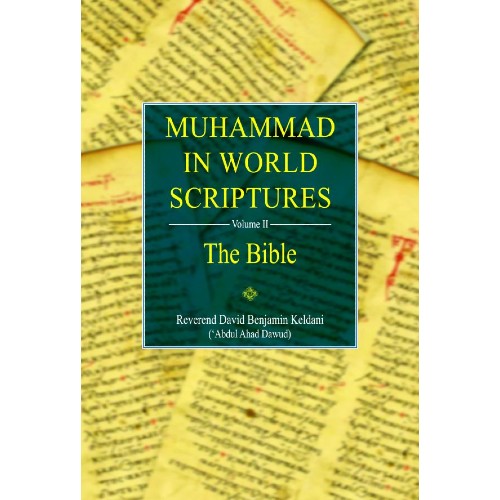
Muhammad In World Scriptures: Volume II (IBT)
Highlights:
This is the second volume of the series on the Prophet Muhammad as found in world scriptures. While the first volume explores the Parsi, Hindu and Buddhist scriptures, this volume explores what the Bible says about the Holy Prophet of Islam. Written some hundred years ago by a Christian priest who converted to Islam, this book helps readers understand the absolute unity of God and the ultimate source of all revealed Scriptures.
RM34.00
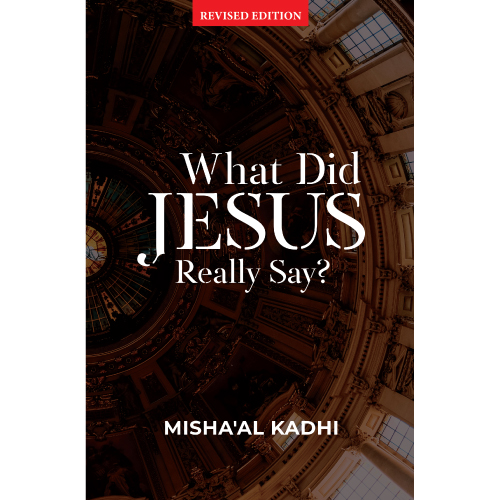
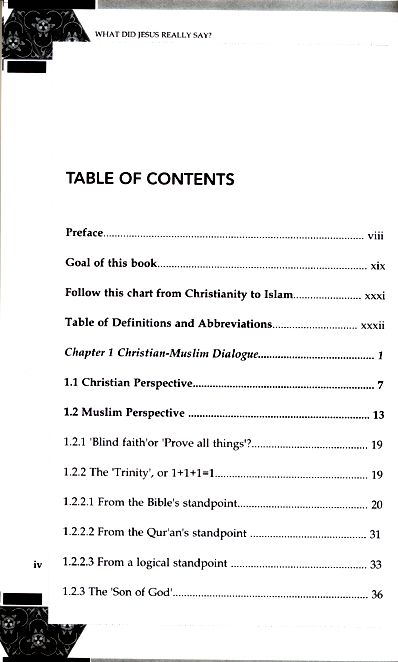
What Did Jesus Really Say?
4.5 ★
4.5 ★
2 Ratings
5 ★
1
4 ★
1
3 ★
0
2 ★
0
1 ★
0
Highlights:
The book contains detailed information and descriptions that show how the Bible was changed and tampered with over the past two millennia. The account and the discussions presented are based on, and collected from, the writings of Christian authors, the Church and the Bible.
RM45.00
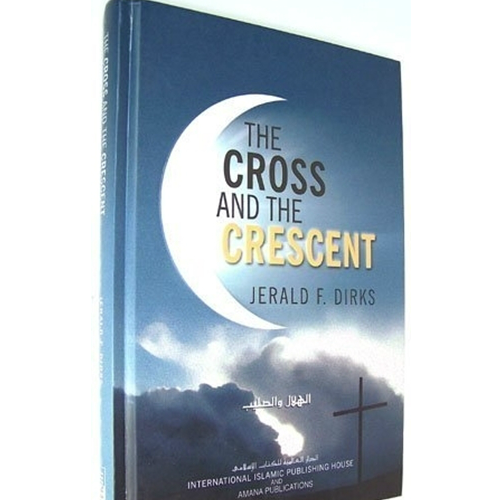
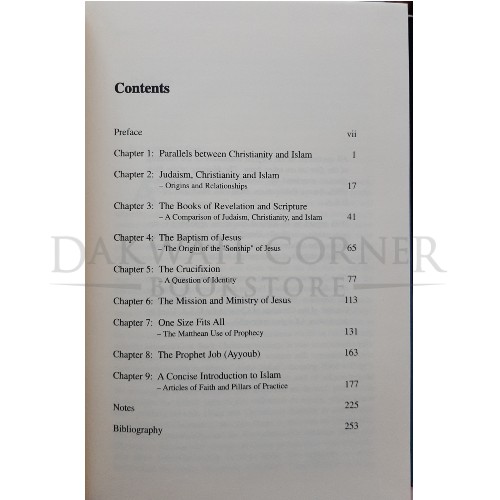
The Cross and The Crescent (IIPH)
Highlights:
In The Cross and The Crescent, Dr. Dirks, a former ordained minister (deacon) in the United Methodist Church, a graduate of Harvard Divinity School and with a doctorate in clinical psychology, reaches out to the Christians and the Muslims for an interfaith dialogue. Drawing on his seminary education and thirty years of interaction with Muslims in America and overseas, the author digs deep into the roots of Christianity to bring out obscure information that highlights what was once common between Christianity and Islam. He envisioned that, “In writing this book, I would like to touch the lives of those Christians who have not been given the knowledge that I have gained both about Islam, from my direct contact with Muslims, and about Christianity from my seminary education. I want to share with those Christians, who are willing to listen, what is so often known by their clergy and church leaders, but seldom finds its way into their knowledge of their own religion. Likewise, I would like to reach out to the Muslims, in order to help them understand the religious commonality that they share with Christians”.
RM43.00
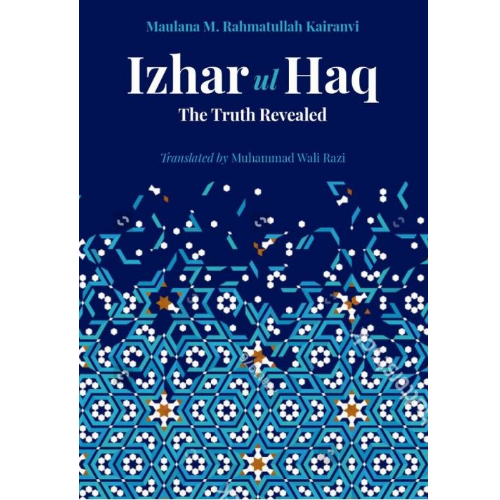
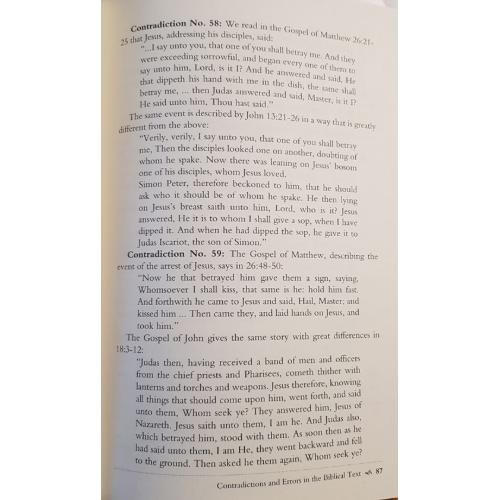
Izhar ul Haq (The Truth Revealed)
Highlights:
This is the thoroughly researched response to the Christian offensive against Islam in India. This book lucidly reviews the authenticity of the Bible and succinctly summarises the main errors, distortions, and contradictions in and between the Old and New Testaments of the King James Version. Furthermore, the doctrine of the Trinity is refuted; a doctrine that Isa (AS) never taught.
This book, internationally recognized as one of the most authoritative and objective studies of the Bible, was originally written in Arabic under the title Izhar-ul-Haq (Truth Revealed) by the distinguished 19th-century Indian scholar, Rahmatullah Kairanvi, and appeared in 1864. The book was subsequently translated into Urdu, and then from Urdu into English by Mohammad Wali Raazi.
This Book Contains among four Parts as Following:
Part 1
The Book of The Bible
Part 2
Contradictions and Errors in The Biblical Text
Part 3
Distortion and Abrogation in The Bible
The Trinity Refuted
Part 4
Proof of The Divine Origin of The Qur’an and The Authenticity of The Hadiths
Arabic Version of This Book is also available
Maulana Rahmatullah Kiranvi was born in India in 1818 CE. He was a great Sunni Hanafi scholar. He learned Arabic and Persian. Later he moved to Delhi where he studied different disciplines including mathematics and medicine. Working as a Mufti and Sharia teacher, he founded a religious school in Kariana.
In 1837 the Church Mission Society appointed Karl Gottlieb Pfander, described by Eugene Stock as “perhaps the greatest of all missionaries to Mohammedans”, to Agra in Northern India, where in 1854 he engaged in a famous public debate with leading Islamic scholars.
Maulana Kairanvi’s intention in his book (Izharul Haq) was first of all to show that the Bible cannot in any way be considered as a directly revealed book. He does this very effectively by means of his voluminous and authoritative knowledge of the Jewish and Christian scriptures. He demonstrates beyond doubt that the Books of the Old and New Testaments have been altered, almost beyond recognition, from their original forms. The work is even more notable in the light of subsequent Jewish and Christian scholarship and the various discoveries that have since been made in this field which all bear out the truth of Kairanvi’s thesis.
In the wake of the manifest inauthenticity of the Bible, Maulana Rahmatullah goes on to demonstrate by contrast the indisputable and absolute authenticity of the Qur’an and the Prophethood of Muhammad ibn ‘Abdullah, may peace and blessing of Allah be upon him.
RM85.00
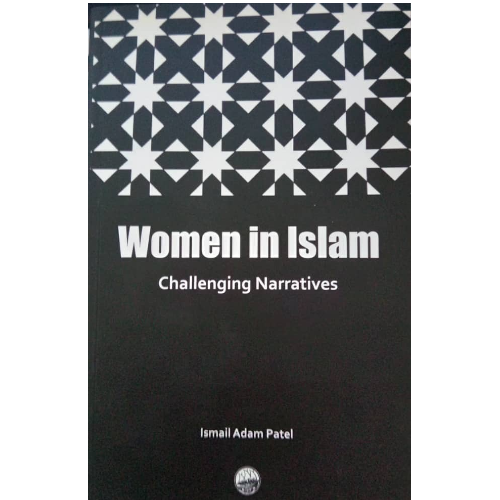
Women In Islam – Challenging Narratives (Ismail Adam Patel)
Highlights:
Many conflicting narratives exist regarding women in Islam and this subject is the cause of much criticism from the West leveled against Islam as a religion. The discrepancies between Islamic religious discourse and the practice of Muslim communities are often disregarded. Women In Islam – Challenging Narratives intends to address certain misconceptions about women in Islam and dispel some common myths. At the same time, this book also challenges the accepted narrative that women in modern Western cultures are emancipated. The chapter titled ‘Women in Islam’ provides a more accurate representation of the lofty position conferred to women within the Islamic tradition, which is often illusive in Muslim communities around the globe. A final analysis of feminist discourse scrutinizes the impact of the feminist movement on setting new ideals for women that negate their roles within the family and home, and assesses whether this has created greater challenges for women in the modern era. Ismail Adam Patel is a writer and campaigner. He is chairman of Friends of Al-Aqsa, a UK based NGO dedicated to campaigning for a free Palestine. He has lectured widely on a number of political and social issues affecting Muslim, and has authored books and articles on an array of subjects. He also acts as an advisor for several other organizations including the Conflicts Forum and Clear Conscience. A graduate of the University of Manchester Institute of Science and technology, he is an Optometrist by profession.
RM45.00
Recently Viewed
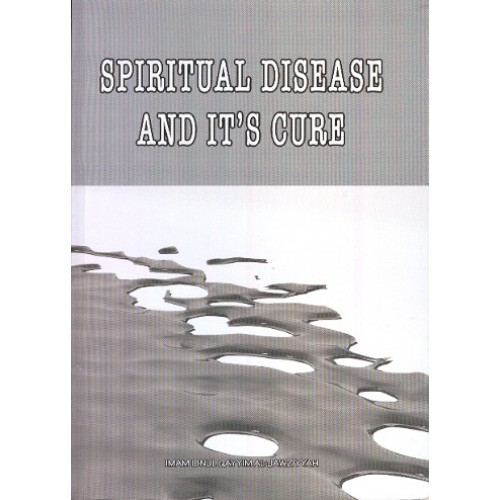
Spiritual Disease and It’s Cure
Highlights:
The Imam was asked a long question of which a part was – What is the opinion of the scholars regarding a man who is afflicted by a disease, and knows that if it should continue it would damage his life? The Imam Quoted the Hadith from Sahih Bukhari The prophet (S) said: ‘Allah has appointed a remedy for every disease He has sent down’ Imam Ahmad reported on the authority of Usamah bin Shareek that the ‘ Prophet (S) said Allah has not made a disease without providing a remedy for it, wih the exception of one disease, namely old age’ This Applies to the medicine for the heart, soul and body. The well being of the servant’s heart, is far more important than that of his body, for while the well being of his body enables him to lead a life that is free from illnesses in this world, that of the heart ensures him both a fortunate life in this world and eternal bliss in the next.
Imam Ibn al-Qayyim al-Jawziyya was born into a scholarly and virtuous family in 691 AH/ 1292 A.D. At that time Damascus was a centre of literature and thought. Many schools were located there and he studied and graduated under the protection, direction and sponsorship of his father. He was particularly influenced by his Shaykh and teacher Imam Ibn Taymiyyah, and also by Ibn ash-Shirazi amongst others. Ibn al-Qayyim al-Jawziyya died in the city of Damascus the year 751 AH/1350 C.E.,when he was scarcely 60 years old, and was buried at the cemetery of Bab- al-Saghir, near the grave of his father – Rahimahuma Allah.
RM56.00
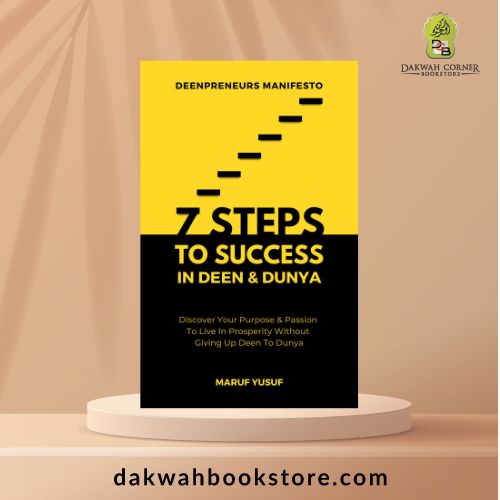
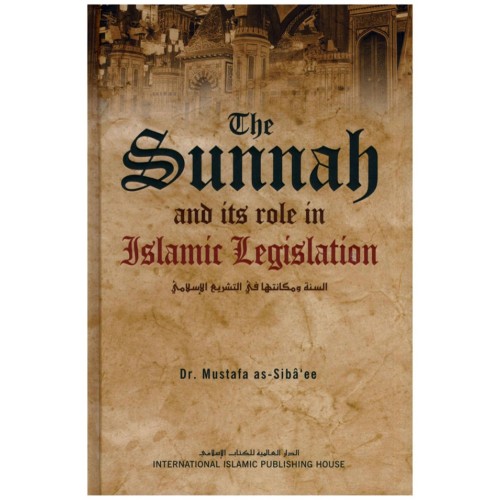
The Sunnah And Its Role In Islamic Legislation (H/B)
Highlights:
The Sunnah and its Role in Islamic Legislation is a groundbreaking effort by Dr. Mustafa as-Siba’ee, for it has a completeness to it in two regards: first, the author manages to cover all topics related to the Sunnah—its status, its legislative force, the stages that led to its recording, just to mention a few—in a comprehensive and organized manner. Second, he presents the views of those that have attacked the Sunnah throughout history, detailing their arguments and then refuting them. Among those groups from the past were the Shi’aa and the Mu’tazilah; today, they are mainly the Orientalists and those that are influenced by them.
Sheikh as-Siba’ee takes us through the historical development of the Sunnah, from the early stages of revelation to the recording of the Sunnah during the era of the great Imams of Hadith. Throughout that account, he highlights the contributions of the scholars in preserving the Sunnah and cleansing it from fabrications and lies. Shaykh as-Siba’ee gives a clear account of the revolutionary methods and scholarly principles that were established in order to authenticate historical reports and narrations. The author shows us that the fruits of that endeavour were the preservation of the authentic Sunnah and the birth of the Hadith sciences.
This book has been a perennial source of knowledge for Arabic-speaking students of Islam, for its clarity, readability, and insightful research. New English-speaking students too have available to them this authoritative treatise on the Sunnah of our beloved Prophet Muhammad) may the peace and blessings of ALLAH be upon him).
RM75.00
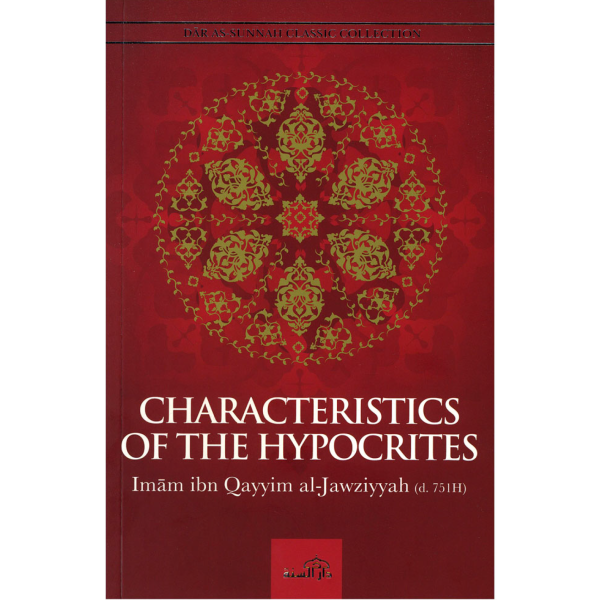
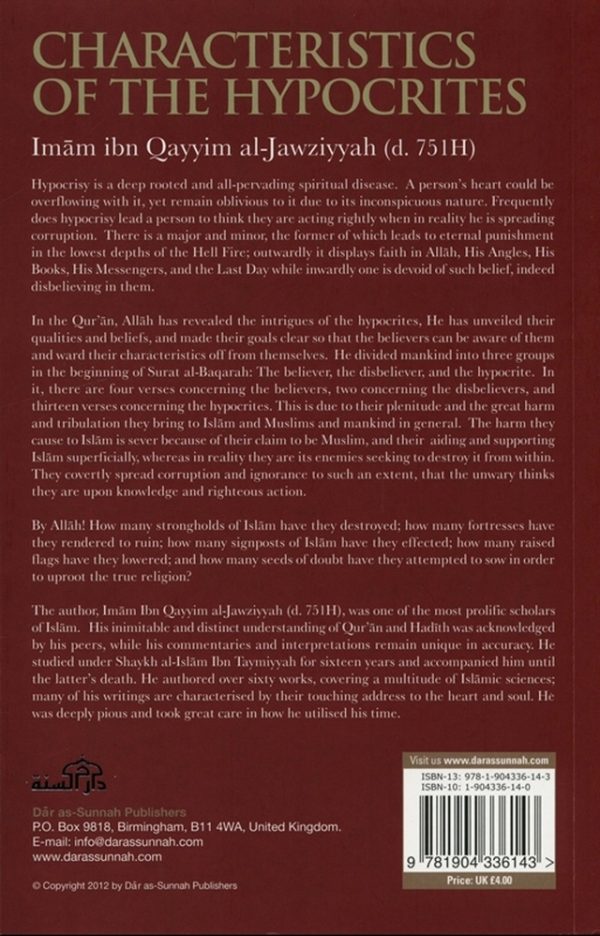
Characteristics Of The Hypocrites
Highlights:
Hypocrisy is a deep-rooted and all-pervading spiritual disease. A person’s heart could be overflowing with it yet be oblivious of it due to its hidden and subtle nature; frequently does it lead a person to think they are acting rightly when in reality he is spreading corruption. It is of two types: major and minor; majority hypocrisy leads to eternal punishment in the lowest depths of Hell; it is to outwardly display faith in Allah, His Angles, His Books, His Messengers, and the last Day whereas inwardly one is devoid of such belief, indeed disbelieving in it. They do not believe that Allah spoke to a man amongst men who He appointed to be Messenger: guiding them by His permission and warning them of His punishments.
RM37.00
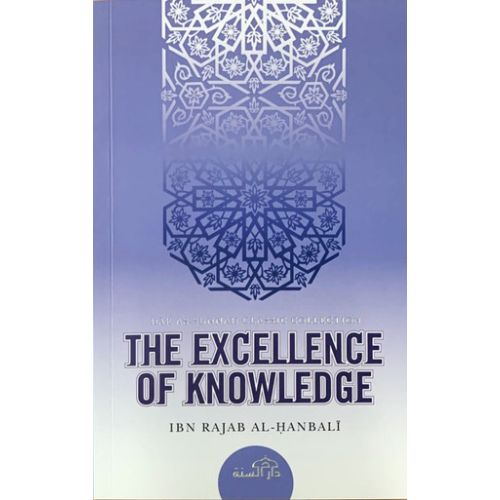
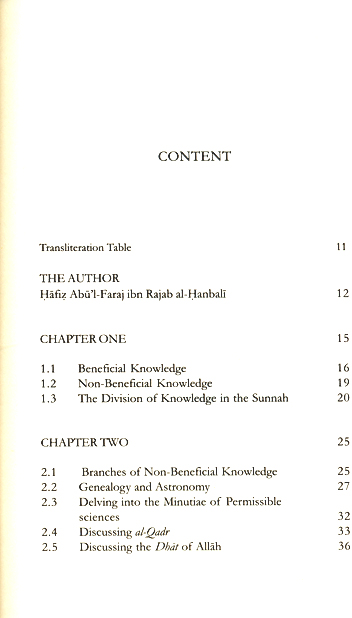
The Excellence of Knowledge (Dar as-Sunnah Publishers)
Highlights:
The way and wisdom of the Salaf, all goodness lies in traversing the way of the Salaf, beneficial Knowledge with regards the ‘Inner Sciences’, the foundation of knowledge and many other branches of the beneficial knowledge.
RM39.00
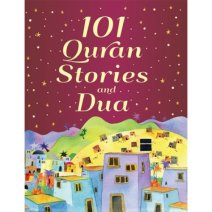
101 Quran Stories and Dua
5 ★
5 ★
2 Ratings
5 ★
2
4 ★
0
3 ★
0
2 ★
0
1 ★
0
Highlights:
101 Quran Stories and Dua is a richly illustrated collection of 101 great stories told in simple language that children will easily understand and relate to. Each story comes with delightful illustrations and a beautiful prayer. The book includes well known tales of the Prophet Adam, the Prophet Yusuf and his brother, the Prophet Yunus and the whale and last messenger of Allah, the Prophet Muhammad ³ to name a few. It’s a unique experience the whole family will cherish and revisit again and again!
Special Features
- 101 interesting stories
- Delightful illustrations
- 101 beautiful Quran prayers
- Quran quotes and references
RM40.00 – RM50.00Price range: RM40.00 through RM50.00
HardcoverSoftcover
Clear
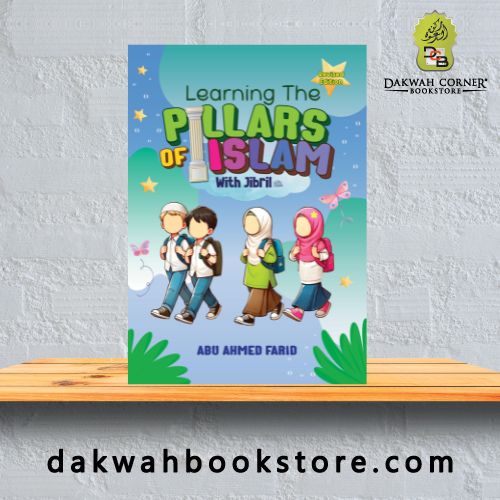
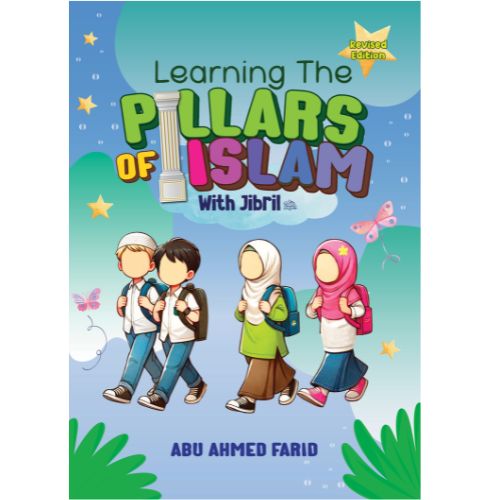
Learning the Pillars of Islam with Jibril (Revised)
Highlights:
This book is specially designed as a guide for young Muslims as well as new Muslims and non-Muslims who may desire to see Islam at a glance.
The most basic details of the Islamic faith and rituals need be presented in a simple yet thorough manner, enough for them to grasp the main purpose behind the faith, in its recommended forms, as taught by the Prophet PBUH himself.
Concise and to the point, this book will certainly take the reader by the hand and lead him/her with ease into appreciating the pillars of Islam.
RM33.00
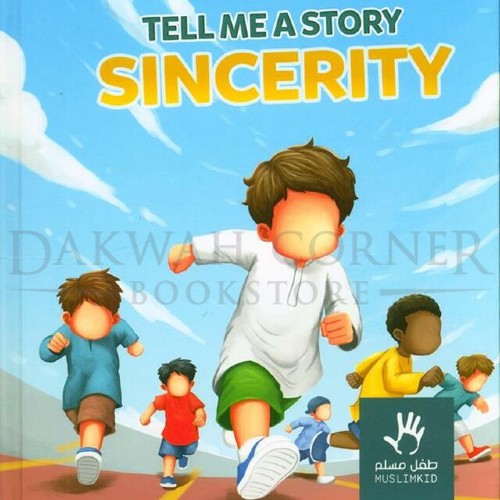
Tell Me A Story Sincerity
Highlights:
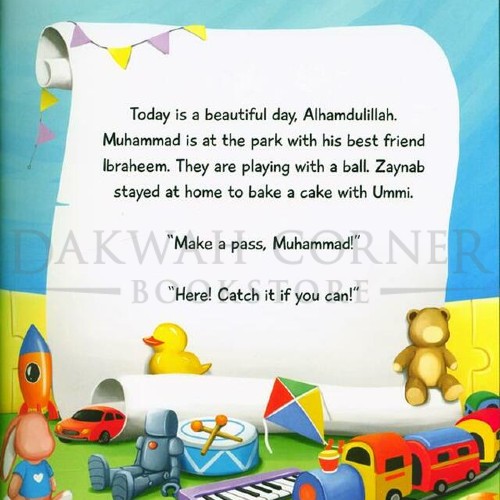
Discover a selection of captivating illustrations, accompanied by basic, but important concepts for young Muslim children. Tell Me a Story: Sincerity is the third issue of the “Tell Me a Story” series. Throughout this third issue your child will learn the meaning of sincerity through a beautiful story about Muhammad and Zaynab. This hardcover, 60-page book explains the importance of sincerity in a fun way. Take your time to read this story with your child, and nurture in them the seeds of sincerity. The characters in the book are expressionless to help develop young and curious imaginations.
RM50.00
Read Qaidah (Madinah Script)
Highlights:
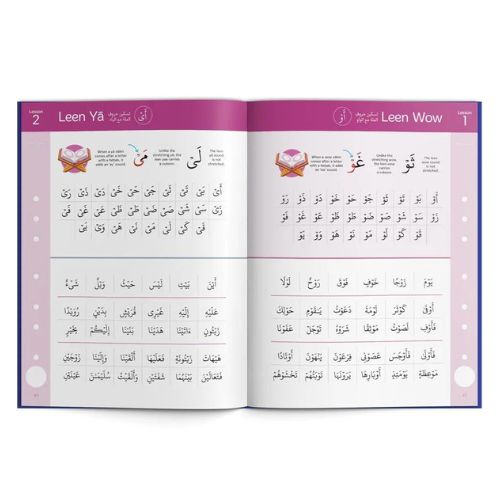
Easy progress through bitesize lessons
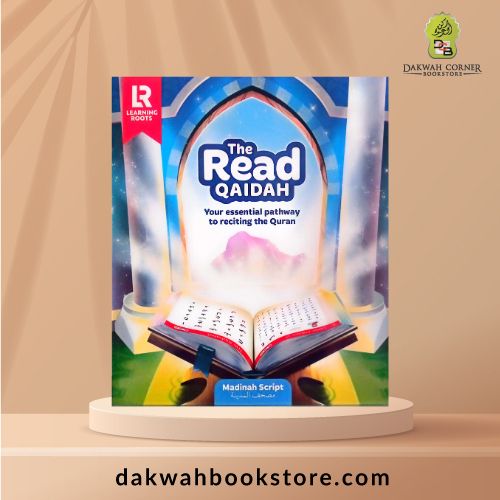
Read takes children step by step through letters, vowels, words and more until they’re ready for the Quran. Each line forms an easy, manageable lesson so children build momentum and progress.
- Motivational stickers
-
NOT Kiitab Compatible
RM45.00
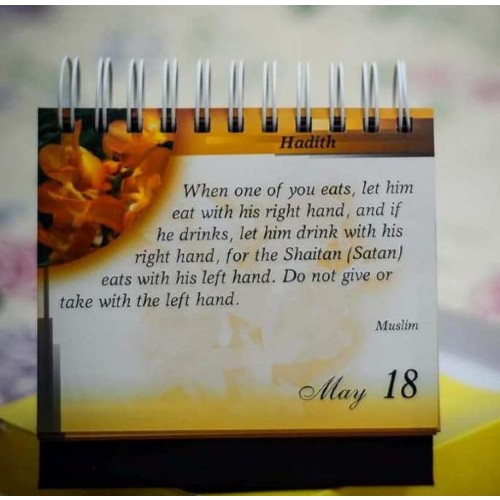
Daily Rays of Light Calendar
Highlights:
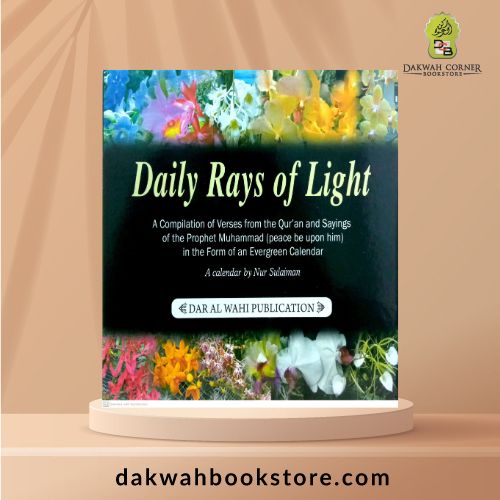
A Compilation of Verses from the Qur’an and Sayings of the Prophet Muhammad (pbuh) in the Form of an Evergreen Calendar
An evergreen calendar compiled by Nur Sulaiman
RM55.00
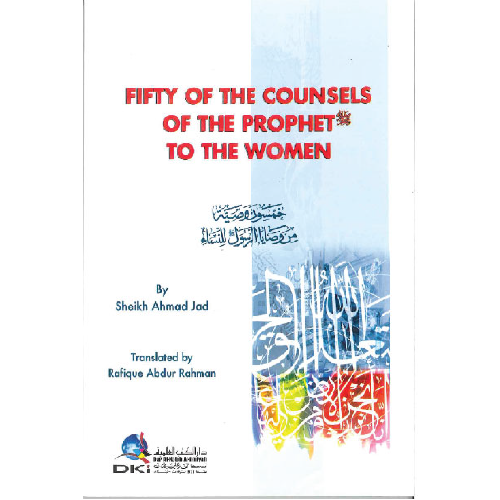
Fifty of the Counsels of the Prophet to the Women
Highlights:
Islam is very kind to women. The Prophet was very careful to respect their rights. Women \, in his times, possessed the religious knowledge, narrated ahadith. Nursed the sick and wounded on the battlefield and acquired knowledge. The home is the first madrasah of a child. This book shows women the path of Islam as shown by the prophet. The ahadith are explained on the pattern of great scholars like Ibn Hajar, Nawawi, Khattabi, Mubarakpuri, and others. A careful perusal will help the reader to understand the real message of Islam and to pattern her own life and her children’s on the right path.
RM18.00
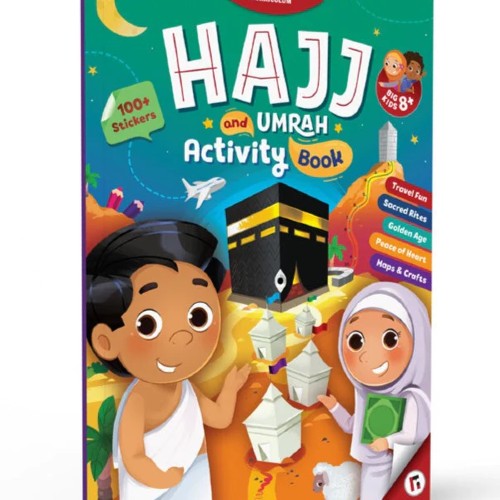
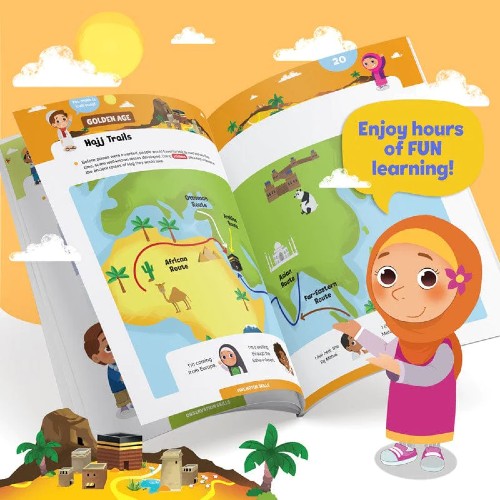
There are no reviews yet.