

| Weight | 0.46 kg |
|---|---|
| Dimensions | 22 × 15 × 2 cm |
| Product Type | Book |
| Author | |
| Publisher | Darussalam |
| Pages | 291 |
| ISBN | 9789960861951 |
From Monogamy to Polygamy : A Way Through (H/B)
RM50.00
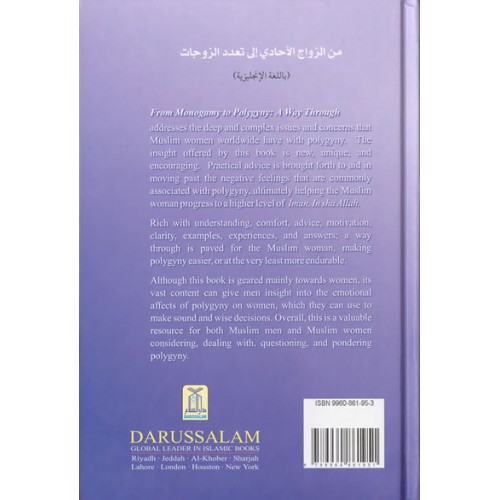
From Monogamy to Polygyny: A Way Through addresses the deep and complex issues and concerns the Muslim women worldwide have with polygyny. The insight offered by this book is new, unique, and encouraging. Practical advice is brought forth to aid in moving past the negative feelings that are commonly associated with polygyny, ultimately helping the Muslim woman progress to a higher level of Iman, In sha Allah. Rich with understanding, comfort, advice, motivation, clarity, examples, experiences, and answers; a way through is paved for the Muslim woman, making polygyny easier, or at the very least more endurable. Although this book is geared mainly towards women, its vast content can give men insight into the emotional affects of polygyny on women, which they can use to make sound and wise decisions. Overall, this is a valuable resource for both Muslim men and Muslim women considering, dealing with, questioning, and pondering polygyny.
Be the first to review “From Monogamy to Polygamy : A Way Through (H/B)” Cancel reply
You must be logged in to post a review.
Related Products

A Treatise on Hijab and Compilation of Questions Pertaining to Family Matters (H/B)
No one denies that the modesty which is commanded by Islamic Law and by convention includes the decency and decorousness demanded of a woman, and the kind of behavior that will ensure that she is kept far away from situations of temptation and suspicion. Further more, there is no doubt that the greatest act of modesty that she can perform is to wear the hijab, which covers her face. It is the best thing with which she can adorn herself, because it protects her and keeps her far removed from temptation.
Wholeness and Holiness in Education An Islamic Perspective (P/B)
It was initially an adaptation of Shah ‘Abdul Qadir Muhaddith Dehlawi’s translation and commentary known as Mudih al-Qur’an which according to many great ‘ulama’ is devinely inspired and accepted by all Muslims.
Lawful Wives or Unlawful Girlfriends
In the Name of Allah, the Most Beneficent, the Most Merciful
Allah (SWT) says: (If you fear that you will not be able to deal justly with the orphans, marry women of your choice, two or three or four; but if you fear that you shall not be able to deal justly (with them), then only one or (the captives or the slaves) that your right hands possess. That will be more suitable to prevent you from doing injustice) (An-Nisa’: 3).
Praise be to Allah (SWT) who has prescribed for His Servants a religion (Islam) that is beneficial to them in this world and the Hereafter, and Peace and Blessing be upon His Messengers and Prophets who were guided by His Guidance and conveyed His Religion. The last and seal of His Messengers was Muhammad Ibn Abdillah (SAW). He (SAW) was the best to advise his Ummah and convey the True Message, by words, deeds and his character. He (SAW) was the best model and example for the believers.
Essential Lessons for Every Muslim
This work is a translation of Shaikh Abdul Aziz bin Baz’s book ‘Ad-Duroos Al-Muhimmah li-Ammatil-Ummah.’ It contains concise lessons that explain the fundamental teachings of Islam. This book covers a wide range of basic information such as the meaning of Tawhid (Islamic monotheism), the categories and implications of Shirk (polytheism), the regulations of prayer, and Islamic morals and manners. As the title implies, these are truly essential lessons for everyone who is concerned with the correctness of his Islamic beliefs and acts of worship.
Means of Steadfastness in Islam
Steadfastness and patient perseverance in Allah’s religion is a basic requirement that should be met by every sincere Muslim who wants to stick to the Straight Path with understanding and determination. Muslims today face many temptations and distractions. Those who consciously seek the means of steadfastness will succeed and those who are negligent will, sadly, suffer the doubts and confusion which are more severe now than ever before. Happy are those who seek the way out and join the righteous, dedicated Muslims, and who spare no effort to learn their religion and remain steadfast. This valuable book
deals with all these issues and points out the means of steadfastness that every Muslim should learn and practice. The author also discusses common worldly distractions and explains how to deal with them.
Prophet Muhammad: A Blessing for Mankind
Prophet Muhammad (blessings and peace of Allah be upon him) and the lessons he taught us from the continued hardships he underwent in every stage of his life are a real blessing for humankind. Being an orphan child made him compassionate to widows and orphans as well as to the poor. His multiple marriages strengthened the ties of kinship amongst the different tribes, dissolving long-standing enmity. His message and prophethood were challenged by the polytheistic society in Makkah, forcing him and his few followers to emigrate to Madinah. Despite his illiteracy and the struggles he faced, he conveyed Allah’s Book, the Noble Qur’an, to all humanity, teaching them the values and principles that are presently adopted by billions of Muslims throughout the world. In the Qur’an, Allah, the Almighty addresses the Prophet (blessings and peace of Allah be upon him), saying: {We have sent you only as a mercy to the worlds.} (Qur’an 21: 107)
Why Islam?
Often, the first thing someone is asked when they discover the truth and embrace Islam is the question: Why Islam? Here, an American revert-to-Islam answers that question. The author, K. Sherman, writes: The beauty of Islam is probably the best-kept secret in modern times; it is about time it was revealed. This is the sentiment of a majority of people who are discovering the truth about Islam every day. My first exposure to the religion was through a perusal of a fifty-page booklet titled Towards Understanding Islam (written in 1932). It explained to me everything that twenty years of life and fifteen years of education could not. After the initial sense of relief, I suddenly felt cheated. I was consumed with rage. Why? I could not fathom how people could know about this phenomenal way of life and not speak out and inform others. This book is my personal take on the beauty of Islam, backed up by relevant and authentic references. I am convinced that humanity direly needs it and it is my duty to speak out.
Dreams of the Prophets and the Righteous
Originally written in Arabic by Abdul Mun’im al Hashmi. It is like an encyclopedia of dreams. It tells us how we should behave on seeing a dream and how they may be interpreted. There are dreams of the Prophets and the Righteous men, and the dreams of the Prophet and his Sahabah. Some dreams of non-Muslims also find place in this book. The author also informs as to what various things like animals, birds and certain chapters of the Qur’an would mean if seen in a dream.
Treatment of Magic, Evil Eye & Satan’s Touch (P/B)
A detailed treatise on the authentic treatments for afflictions of magic, evil eye and possession based on the Islamic teachings of the Qur’an and Sunnah of Muhammad.
Hell-Fire Its Torments and Denizens
In all the divine revelations there is a constant warning that wrongdoers may end up in Hell-fire, though Allah’s kindness and mercy are extended to many people. Reading about the Hell-fire enables one to know it, fear it, and try utmost to keep oneself away from it through correct beliefs and good deeds. The more one knows about Hell-fire, the more he or she strives to be saved from its reach. Relying on statements from the Holy Qur’an and the Hadith, this book enables the reader to have a realistic picture of Hell-fire’s torments. It may be enough to know that it is a raging fire, but detailed knowledge of it, as displayed in this book, will strengthen a person’s belief and eventually, Allah willing, make him or her seek for and remain steadfast on the path to salvation. This is an indispensable book for believers and non-believers alike. Hell-fire: Its Torments and Denizens is an abridged, summarized version of Siddiq Hasan Khan’s book about the Hell-fire.
Ibn Taymeeyah’s Essay on the Jinn (P/B) ASN
Dr. Abu Ameenah Bilal Philips has rendered Ibn Taymiyah’s treatise, Eedaah-ud-Dalaalah fee ‘Umoom-ir-Risaalah, from volume 19 of Majmoo‘-ul-Fataawa into very readable English. This abridged and annotated translation is significant in that it is perhaps the first book available in English exclusively on the topic of spirit-possession and exorcism in Islam.
Ahmad ibn ‘Abdul-Haleem ibn Taymeeyah was bron in the town of Harran [near Edessa, in what was once Northern Iraq, but is now called Orfa and is a part of Turkey.], in the year 1263 CE. His father was a leading scholar of the Hanbalite school of Islamic law and so was his grandfather, who authored Muntaqaa al-Akhbaar, the text of ash-Shawkaanee’s Hadeeth classic Nayl al-Awtaar.
Ibn Taymeeyah mastered the various disciplines of Islamic study at an early age and read extensively the books of the various sects and religions in existence at that time. Much of his time and effort was spend defending the orthodox Islamic position against a tidal wave of deviation which had swept over the Muslim nation. Consequently, he faced many difficulties from both the prominent sectarian scholars of his time and from the authorities who supported them. His clashes with them led to his imprisonment on numerous occasions. Ibn Taymeeyah also fought, not only against internal enemies of Islaam, but also against its external enemies by both his Fatwaas (Islamic legal rulings) and his physical participation in battles. His ruling allowing the taking up arms against groups which recognized the Shahaadataan (declaration of faith) but refused to uphold some aspects of the fundamental principles of Islaam, greatly affected the resistance movement against the Tartars who had declared their acceptance of Islaam but did not rule according to divine law.
During these struggles he wrote countless books and treatises demonstrating his extensive reading and knowledge, not only of the positions of the early scholars, but also those of the legal and theological schools which had subsequently evolved. Ibn Taymeeyah also had a major effect on the open-minded schoars of his day, most of whom were from the Shaafi’ite school of law. Among the most famous of his students were IBN KATHEER, ADH-DHAHABEE and IBN AL-QAYYIM. The author died in 1328 while in prison in Damascus for his Fatwaa against undertaking journeys to visit the graves of saints [Ibn Taymeeyah’s ruling was based on the authentic statement reported by Abu Hurayrah wherein the Prophet Muhammad (sallallaahu alayhi wasallam) said, “Do not undertake a journey except to three masjids; this masjid of mine, Masjid al-Haraam (Makkah) and Masjid al-Aqsaa (Bayt al-Maqdis).” Collected by Al-Bukhaaree and Muslim]. His Fatwaa had been distorted by his enemies to say that he forbade visiting the Prophet Muhammad’s (sallallaahu alayhi wasallam) grave.
Recently Viewed
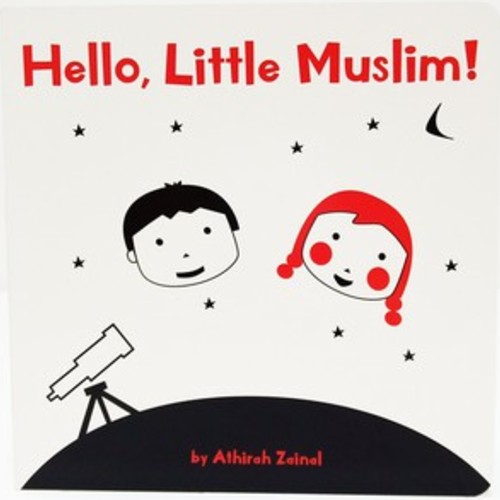
Hello, Little Muslim!
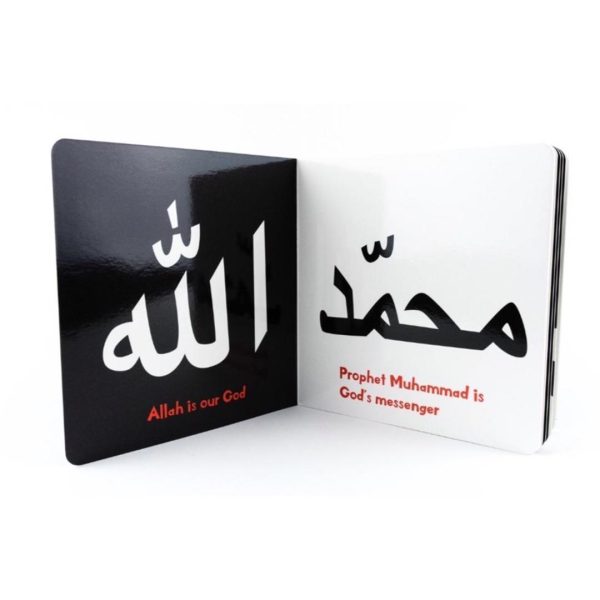
A high contrast book that is best for your baby. Babies positively respond to high contrasting colors and it improves brain growth and visual development.
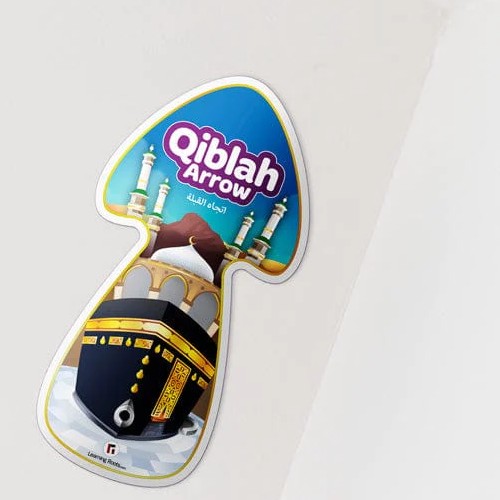
Qiblah Arrow by Learning Roots
Give Your Life a Sense of Direction
Have you walked into a room and spent ages trying to figure out what direction of the Qibla must be?
Surely, someone must have figured it out before. If only they were able to show you the direction, even if they aren’t around. Well, now they can.
With the Qibla Arrow, you can show the direction of the Kabah to others in any room. Here’s how:
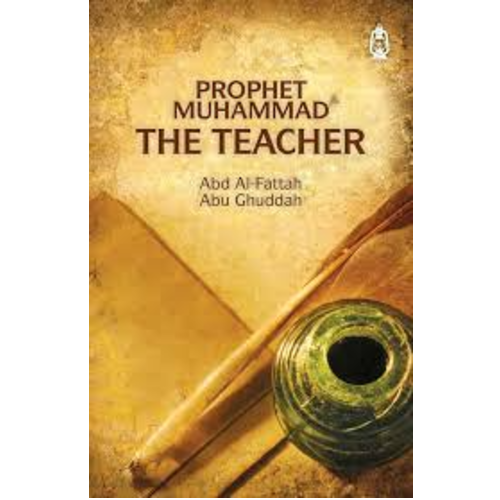
Prophet Muhammad: The Teacher (Claritas)
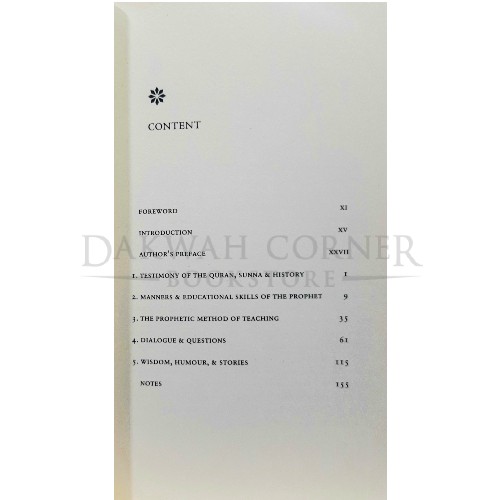
This book offers the sacred impetus and methods of teaching and learning derived from the statements and model of the Prophet Muhammad, God’s peace be upon him. It behooves Muslim educators and teachers to study these essential principles and explore how they may be translated into methodologies that apply in today’s world.
Collectively, the precepts and recommendations of the gracious Prophet SAW show how vital he viewed learning and teaching.
[CB]I Say Mashallah
Mashallah (مَا شَٓاءَ ٱللَّٰهُ) is an Arabic phrase meaning “God has willed it” or “What Allah has willed,” used to express admiration, appreciation, or gratitude for a person or event
Nabil and Noura have gone camping with their dad. WOW, the view is beautiful. When looking at beautiful things their dad tells them to say, ‘MASHALLAH!’
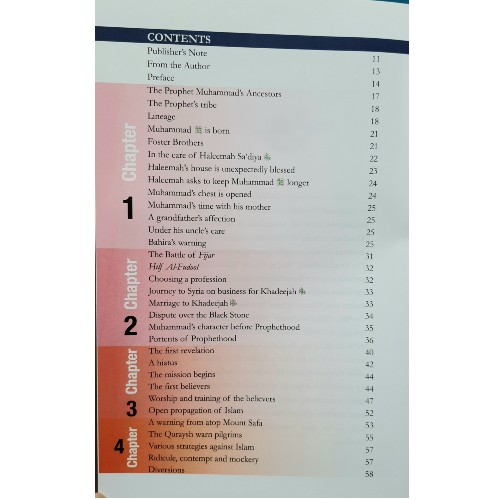
When The Moon Split – New Edition (HB Full Color)
New Revised Edition with full color pictures and Lessons & Morals at end of each section. The biography of the Prophet is a very noble and exalted subject by which Muslims learn about the rise of Islam, and how the Prophet Muhammad (S) was chosen by Allah to receive the divine revelation. You also learn about the hardships the Prophet and his Companions faced, and how they eventually succeeded with Allah’s help. So, it is necessary to study the Prophet’s life and follow it in all manners. We hope this study will help you to get the better understanding of the religion. In this sense, this is one of the best books which are meant to be read and read again.
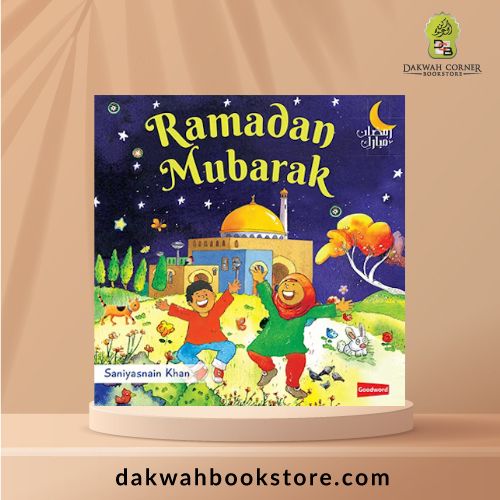
Ramadan Mubarak (Board Book)
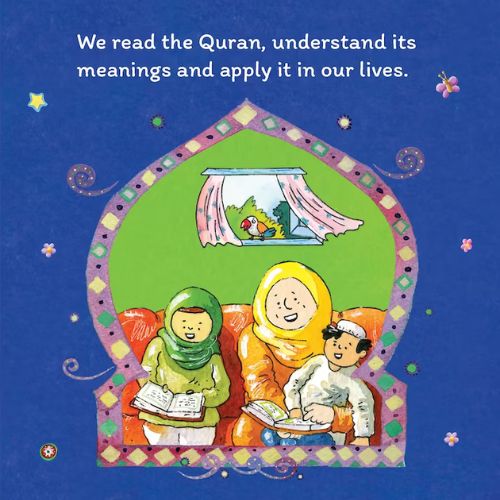
The doors of the Paradise are open in Ramadan We fast, pray and read the Quran during Ramadan The fasting person learns patience and self-discipline We develop a sense of compassion and sympathy We try to do good deeds and maintain good habits In the end, we celebrate Eid ul Fitr with a big feast.
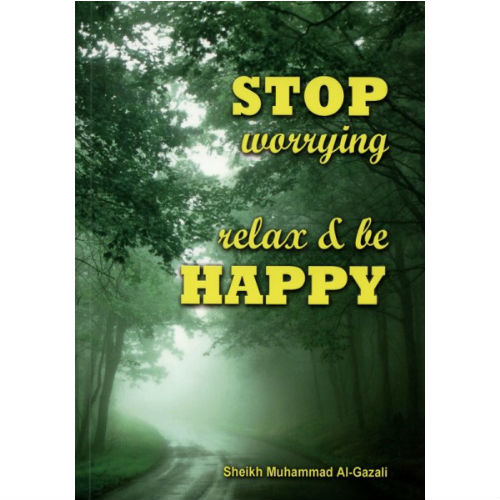
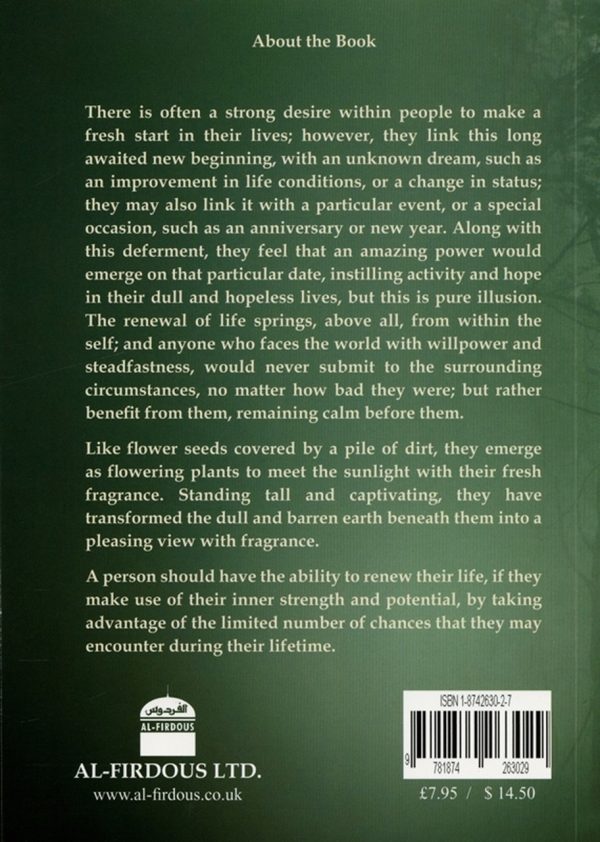
Stop Worrying Relax & Be Happy
This book, by the noted Egyptian scholar of recent times, discusses:
- Renew your life!
- Living according to one’s daily commitments
- Firmness, lassitute, and deception
- Worries and venoms
- How to eliminate the causes of worry
- Knowledge produced by action
- Make lemonade out of lemons
- Purity of Secrecy and Publicity
- and much more!
The Right to Education, Work and Welfare in Islam (P/B)
In The Right to Education, Work and Welfare in Islam Professor M.H. Kamali develops an Islamic perspective on three connected and complementary areas of rights and liberties. He urges that education is often a necessary ingredient of professional work even more so now than in earlier times when the range and variety of specialised knowledge were relatively limited. A person who acquires education, whether generally or at advanced levels of specialisation, is more likely to stand in a better position to enter the workforce and thus to contribute to the welfare of the community.
The author commences his discussions on education, work and welfare in Islam by focusing on how each is treated in the Qur’an; and follows this by the example of the Prophet and, after him, the Pious Caliphs who gave prominence to the education and welfare needs of people at times both of scarcity and affluence. Professor Kamali then moves forward to our time and discusses the right to education, the education of children, institutionalisation of learning, academic freedom and the debate between science and religion.
The section on work elaborates on the value of work, work ethics, workers’ and employers’ rights and responsibilities, and the role and responsibility of governments.
Finally, the section on welfare focuses on the importance in Islam of caring for those who are in need and the different forms of provision that can be made available by individuals, the state and charities.
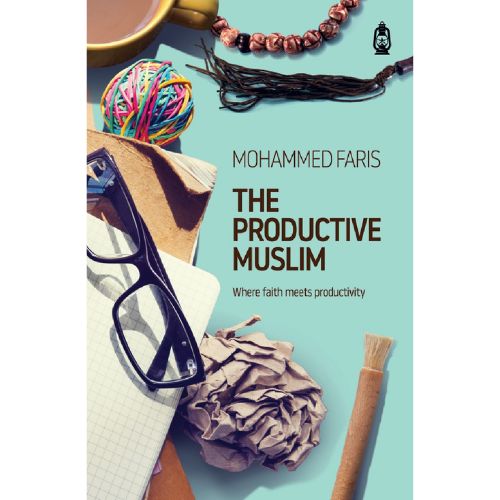
The Productive Muslim
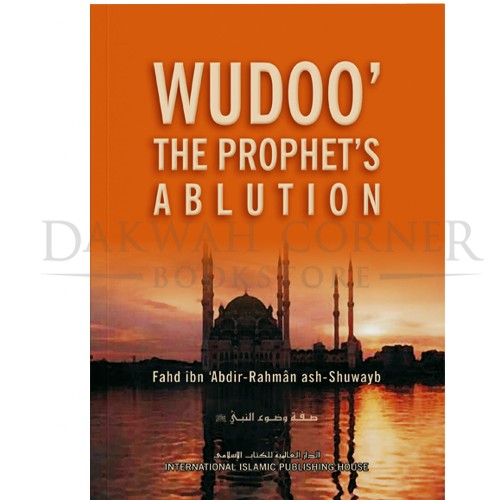
Wudoo’: The Prophet’s Ablution
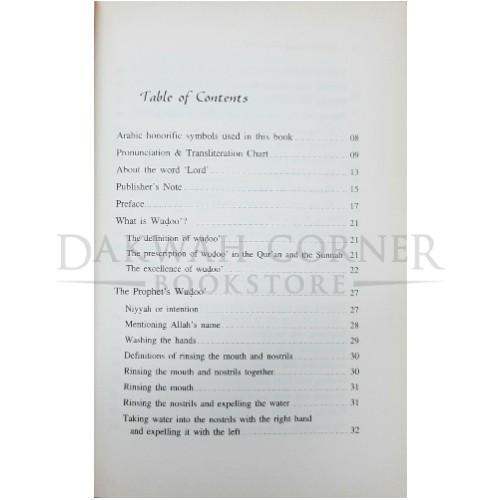
Wudoo’: The Prophet’s Ablution is a small yet comprehensive book aimed at conveying authentic knowledge of the manner in which the Prophet purified himself for prayer. The attributes of the Prophet’s ablutions are detailed fully, such that the reader is given a clear mental picture, as if we were witnessing the Prophet actually making wudoo’. This book is based on sound narrations from the Messenger of Allah, and the author takes care to include differing opinions and their evidence. From leading us through the wudoo’ step by step, to addressing the things which nullify the wudoo’, the Prophet’s Ablution offers necessary guidance, so that by perfecting our ablution, this purification can truly “wipe away our sins.”
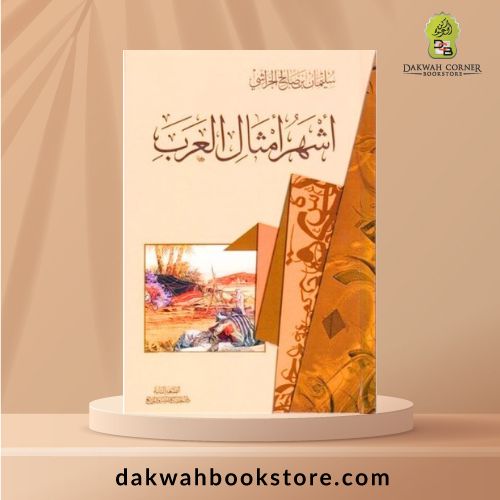
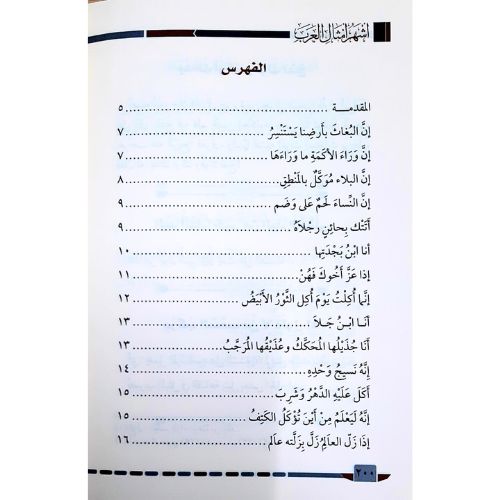
[MM] Ashhar Amthal Al Arab (اشهر امثال العرب)
قال المؤلف: سميت هذه الأوراق “الرجل النبيل” لأنه عليه الصلاة و السلام أنبل رجل عرفته البشرية، ولأن النبل ظاهر في تفاصيل حياته، في رضاه وغضبه، في حزنه وفرحه، قبل نبوته وبعدها، فهو بحق الرجل النبيل


There are no reviews yet.