
| Weight | 0.70 kg |
|---|---|
| Dimensions | 22 × 15 × 2 cm |
| Author | |
| Binding | Hardcover |
| Publisher | Dar Ibn Hazm |
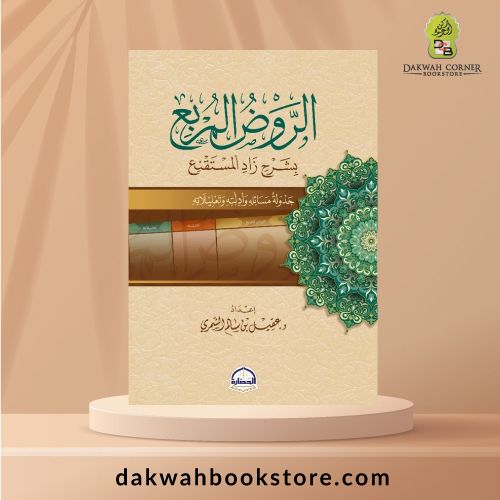
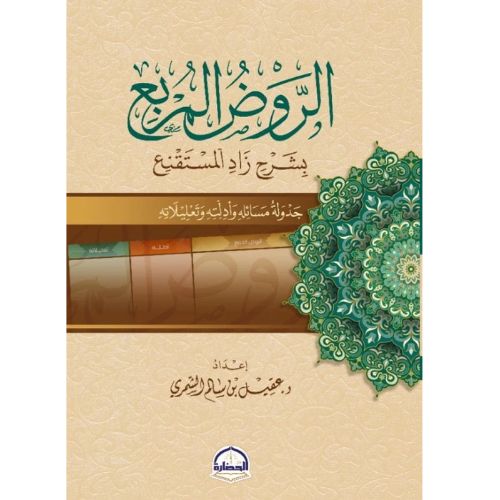
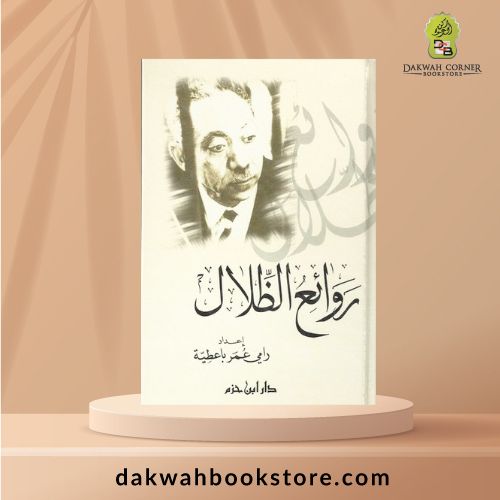
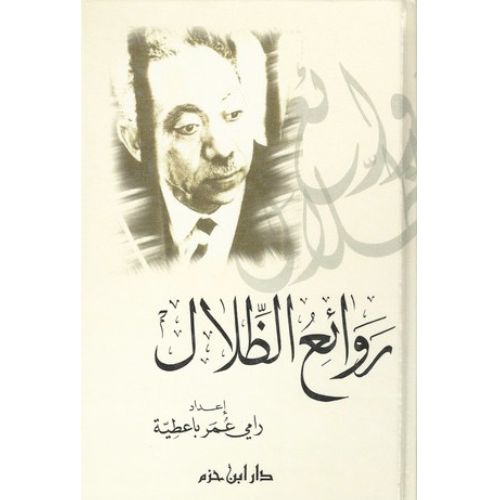
[MM] Rawai’ al-Zilal / روائع الظلال
RM70.00
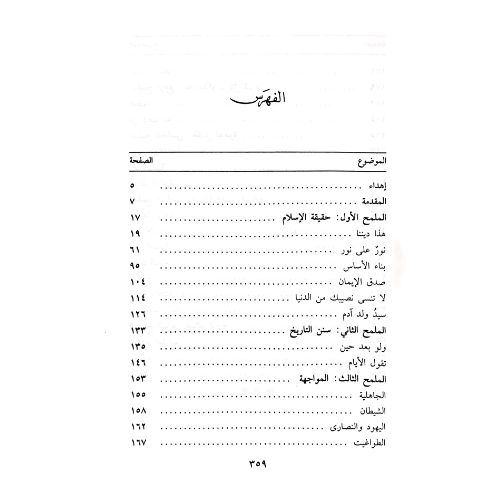
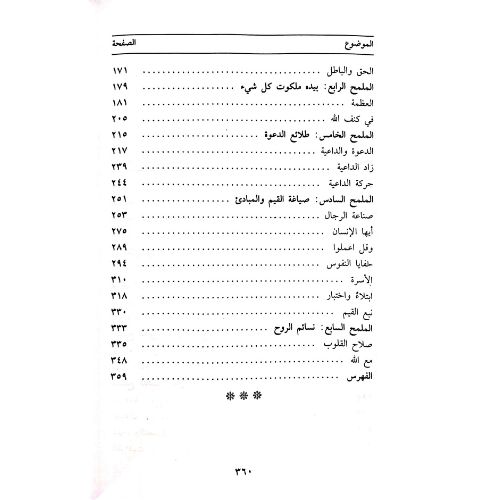
إن رحلتنا مع روائع الظلال رحللة ممتعة نبحر فيها في شتى مجالات الحياة نستقي من خبرات وتوجيهات وتجارب سيد قطب التي خاضها في خضم الحياة . فنتعرف على حقيقة الاسلام وما حل به في أصقاع الأرض
Frequently Bought Together
Be the first to review “[MM] Rawai’ al-Zilal / روائع الظلال” Cancel reply
You must be logged in to post a review.
You may also like…
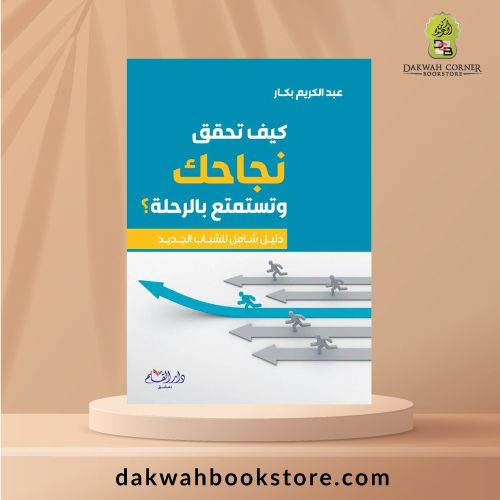
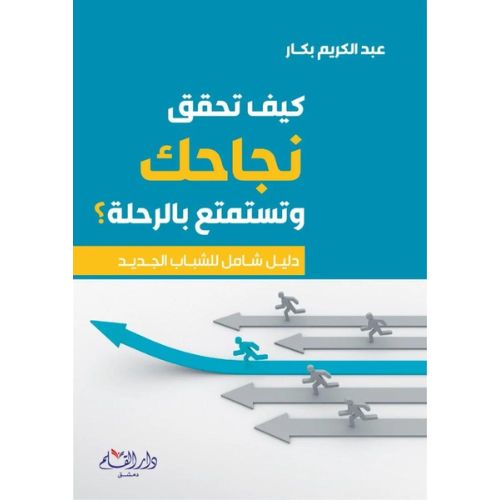
[MM] Kayfa Tahaqqaqa Najahak WatastamtI’ Bil Rihlah / كيف تحقق نجاحك وتستمتع بالرحلة ؟
ابدأ رحلتك مع “ساحة الكتب” مع الدليل الشامل لتحقيق الأهداف والتغلب على الصعاب “التي ستواجهنا عند خوض التحديات وعبور تموجات الحياة” لكتابة قصة نجاح.
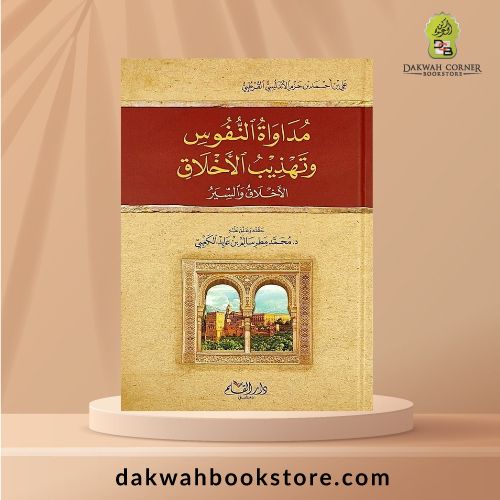
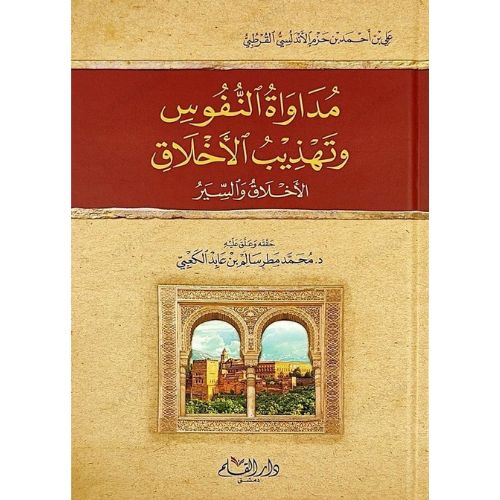
[APT] Mudawah An Nufus Watahzib Al Akhlaq / مداواة النفوس وتهذيب الأخلاق
الأخلاق و السير: مداواة النفوس وتهذيب الأخلاق والزهد في الرذائل للإمام ابن حزم
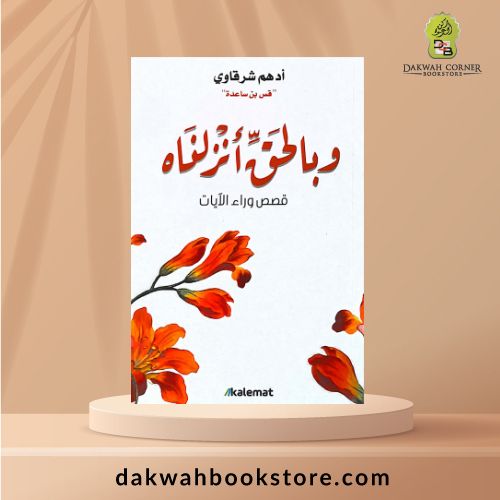
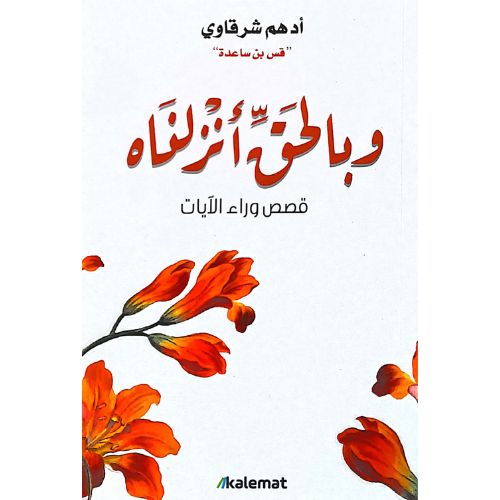
[MM] Wa bil Haq Anzalnahu / و بالحق أنزلناه
و بالحق انزلناه ويحدثُ أن تقرأ آيةً في القرآن، فتحتضنك كما لا يمكن لأي ذراعين احتضانَكَ! وتستدك كما لا يمكن لأي عكاز إسنادَكَ! وتعزيك كما لا يمكن لأي كلام عزاءَكَ ! وتواسيك ما لا يمكن لأي قول مواساتك هذا القرآنُ حِضْن، وعُكاز، وعزاء ومواساة، وأحياناً كثيرة ضماد لجروح كثيرة لا يراها الناس!
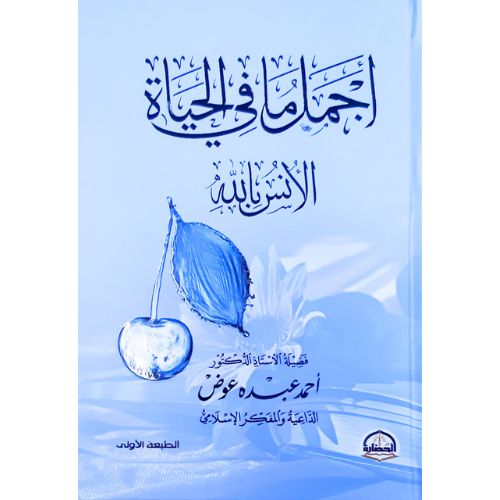
[MM] Ajmal Ma Fi Al Hayat Al Asas Bi Allah (اجمل ما في الحياة الانس بالله)
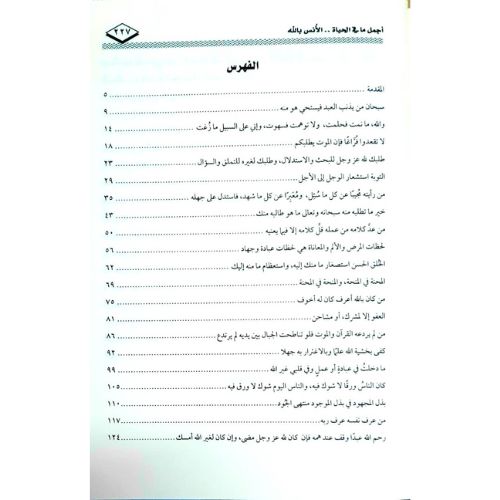
(أجمل ما في الحياة الأنس بالله) الذي ينبت النور في القلوب، ليثمر أنوارا وأقمارا ربانية تهدي صاحبها إلى باب المليك، وإلى جنة القرب من الرب الرحيم، وتظله بظلال الفكرة والعبرة، فتكون سياجا بينه وبين الشيطان ، ودربا مستقيتها ممتدا بالطاعة إلى قرب الرحمن. لقد جاءت مادة هذا الكتاب حكما من زاد الصالحين، ومن درر القول، وهي باب عظيم للتفكر، ودعوة للأوبة والتوبة، فهي نعم الزاد، يرتفع به بناء الطاعة والهدى، وتضيء القلوب بأنور الحكمة والتقى . ولقد تنوعت هذه الحكم ، فمنها ما يأخذ بيد المسلم إلى التوبة فالتوبة استشعار الوجل إلى الأجل، ولا خير في الحياة إلا لتائب أو رجل يعمل في الدرجات، فسبحان من يذنب العبد فيستحي هو منه. ومنها ما يدعو العبد إلى العمل: لا تقعدوا فراغا فإن الموت يطلبكم.
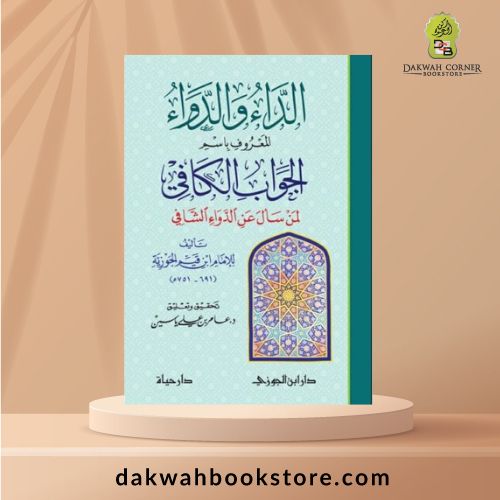
[MM] Adda Waddawa (Dar Ibn Hazm) / الداء والدواء
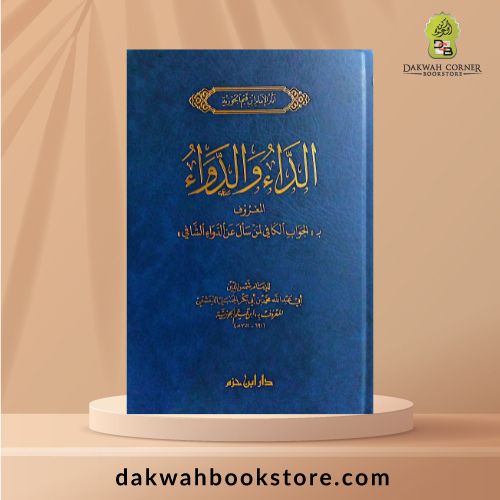
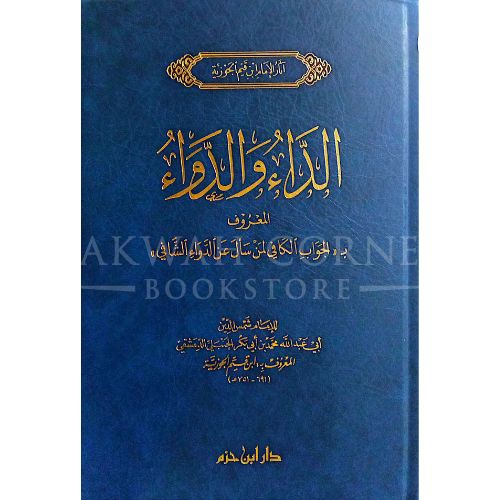
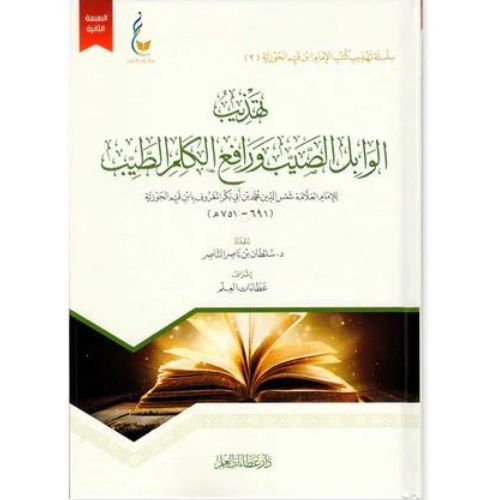
الداء والدواء
المعروف
بـ « الجَوابِ الكَا فِي لِمَنْ سَأَلَ عَن الدَّوَاءِ الشَّافِي
للإمام شمس الدين أبي عبد الله محمد بن أبي بكر الجنب لي الدمشقي المعروف به ابن قيم الجوزية
( ٦٩١ – ٥٧٥١ )
Related Products
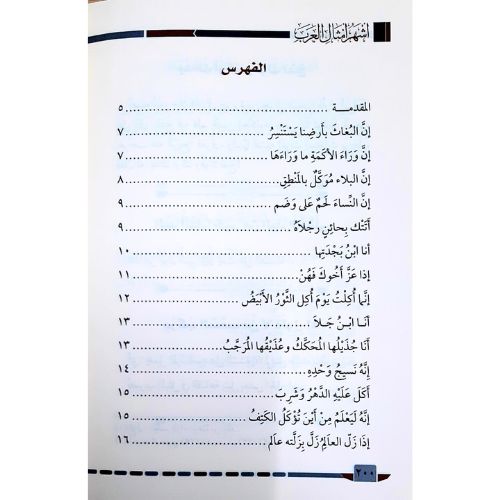
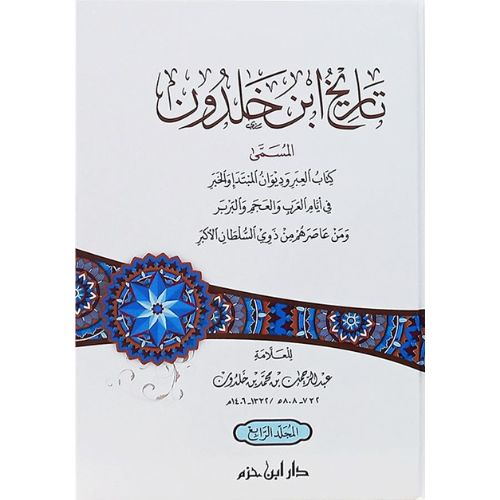
[HS] Tarikh Ibn Khaldun 4 Vol (تاريخ ابن خلدون 1 /4)
كتاب “تاريخ الطبري” تاريخ “الرسل والملوك” أو الأمم والملوك من أهم كتب المصادر في مجال التاريخ، إذ يعد أوفى عمل تاريخي بين مصنفات العرب أقامه مصنفه على منهج مرسوم، وساقه في طريق استقرائي شامل، بلغت فيه الرواية مبلغها من الثقة والأمانة، أكمل ما قام به المؤرخون قبله، كاليعقوبي والبلاذري، والواقدي، ومهد لمن جاء بعده كالمسعودي، وابن مسكويه وابن الأثير وابن خلدون ولم يقتصر على تاريخ الإسلام بل أرخ لما قبل الهجرة بل ابتدأ من القول في ابتداء الخلق ما كان أوله
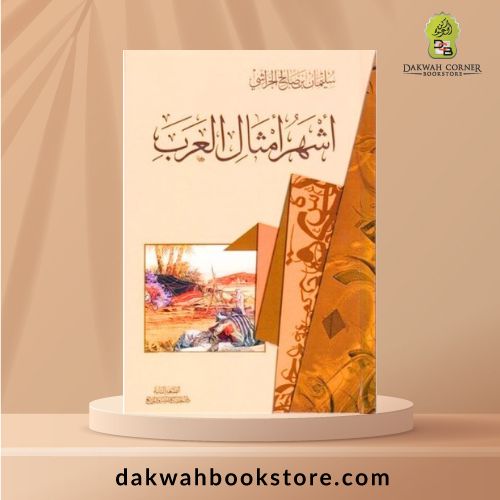
[MM] Ashhar Amthal Al Arab (اشهر امثال العرب)
قال المؤلف: سميت هذه الأوراق “الرجل النبيل” لأنه عليه الصلاة و السلام أنبل رجل عرفته البشرية، ولأن النبل ظاهر في تفاصيل حياته، في رضاه وغضبه، في حزنه وفرحه، قبل نبوته وبعدها، فهو بحق الرجل النبيل
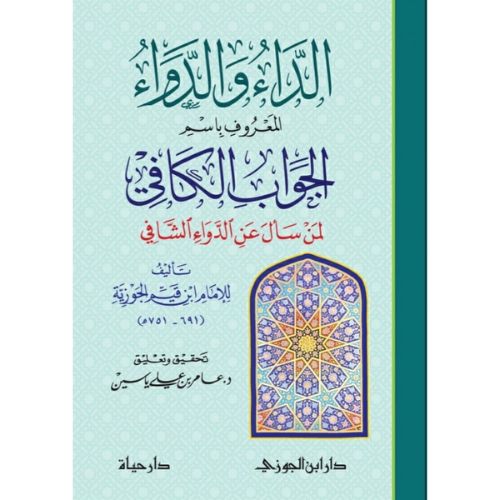
[MM] Adda Waddawa’ (Dar Ibn Jawzi) / الداء والدواء
عنوان الكتاب: الداء والدواء المعروف باسم الجواب الكافي لمن سأل عن الدواء الشافي
تأليف: الإِمَامِ ابْن قيم الجوزية (٦٩١ – ٥٧٥١)
تحقيق وتعليق: د. عامر بن علی یاسین
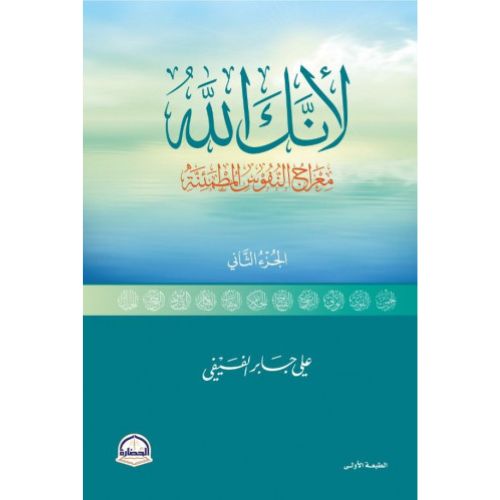
[AC] Li Annaka Allah Jilid 2 ( لأنك الله ج 2)
كتاب يتحدث عن بعض أسماء الله الحسنى وكيف نعيشها في حياتنا
حرص المؤلف أن يكون الكتاب مناسباً لمن هم متوسطي الثقافة، ويكون ناسباً للمحتاج و المريض و السليم
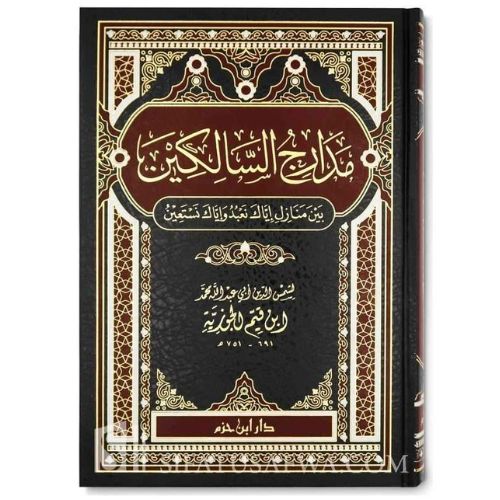
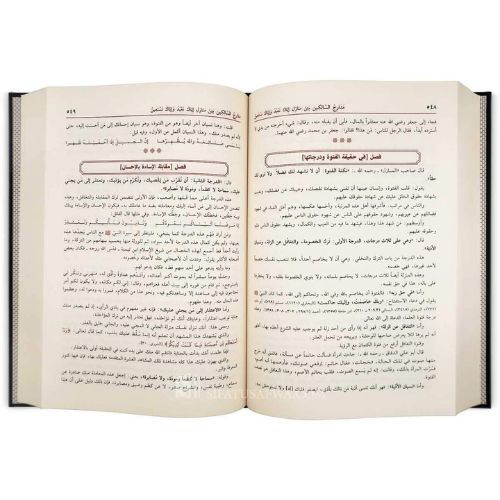
[MM] Madaarij As-Saalikeen – Al-Imaam Ibn Qayyeem Al-Jawziyyah (مدارج السالكين ـ الإمام ابن قيم الجوزية)
مدارج السالكين بين منازل اياك نعبد واياك نستعين – ابن قيم الجوزية – ط. دار ابن حزم
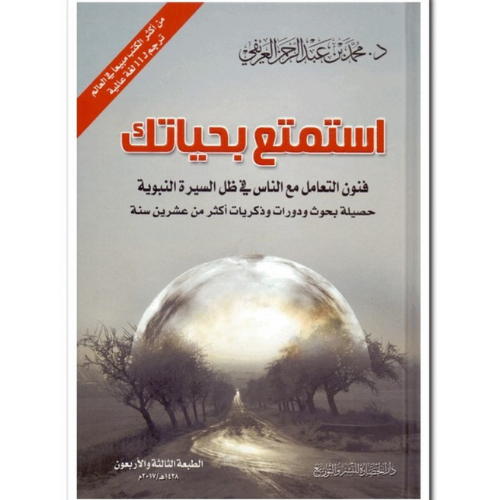
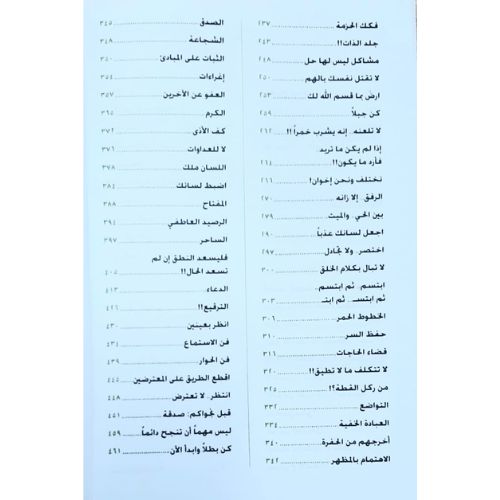
[MM] Istamti’ Bi HayatIk (استمتع بحياتك)
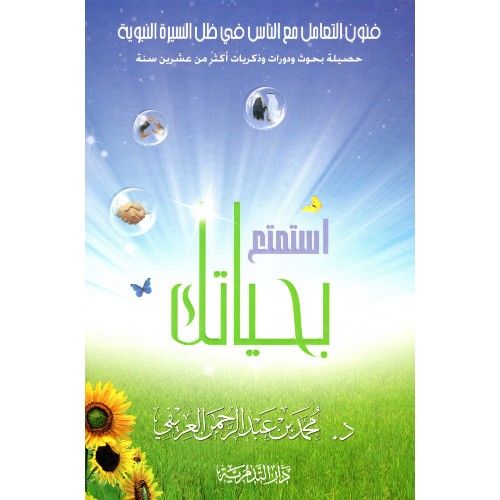
استمتع بحياتك،محمد ابن عبد الرحمن العريفي
استمتع بحياتك : فنون التعامل مع الناس في ظل السيرة النبوية – حصيلة بحوث و دورات و ذكريات أكثر من عشرين سنة
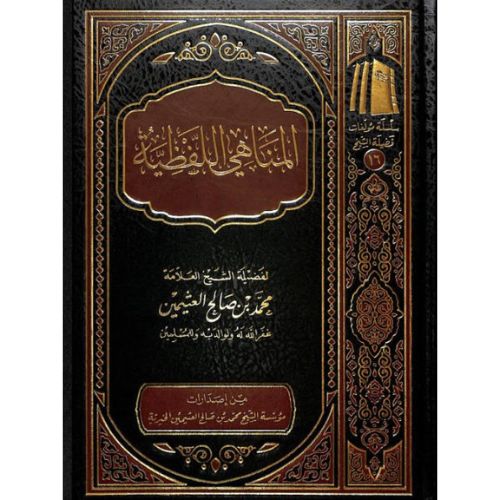
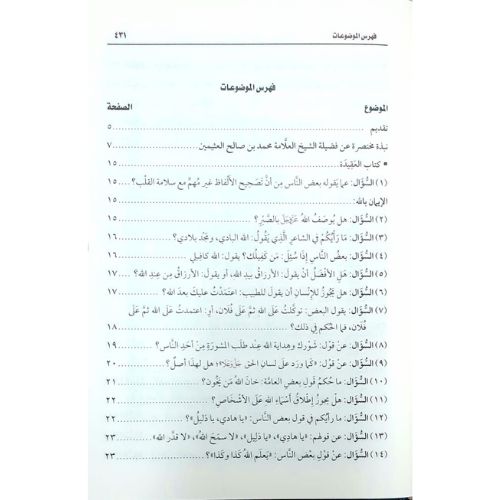
[SJ] Al Manahi Al Lafziah ( المناهي اللفظية)
المناهي اللفظية
تأليف: الشيخ محمد بن صالح العثيمين
Recently Viewed
( FREE-eBook) Reliance on Allah
Dialogue is the girdle of the intelligent and the habit of the wise. Dialogue has the greatest influence on humans during interactions and is the loftiest method of enlightenment and preaching. Dialogue is like engraving; it engraves on the souls and leaves lasting impressions on the character of the audience.
After the advent of prophethood, our beloved Prophet Muhammad (Sallalahu Alayhe Wassalam)stayed in Makkah for thirteen years without engaging in physical combat with the non-believers, he did not raise a spear nor unsheathe a sword. He was persistently dialoguing with the people of Makkah for thirteen years !
Dialogue was a well established signpost, clearly seen at every stage of the life of the Prophet (Sallalahu Alayhe Wassalam) and at the different points of his call. The most beloved speech to the people and endearing to their hearts, the most easily accepted by them is that which comes in the form of a conversation in which the listener, the addressee, contributes in speech with his tongue and reasoning while employing his intellect.
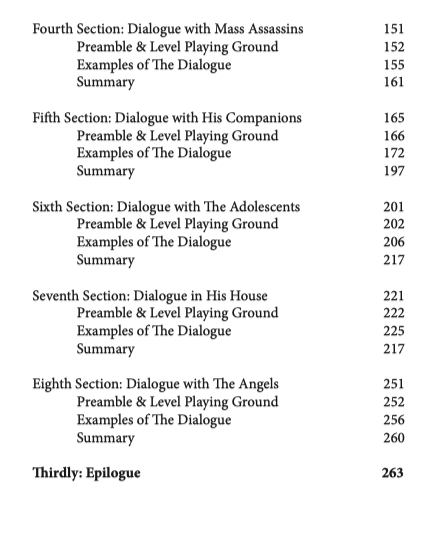
Secrets Of Dialogue and Persuasion : The Loftiest Dialogues and Most Powerful Methods Of Persuasion From The Life Of The Best Men صلى الله عليه وسلم is a study of the dialogues of our beloved Prophet Muhammad (Sallalahu Alayhe Wassalam) while inviting to the path of Allah SWT.
- How did he communicate his message to the World’s superpowers at the time, considering the and community in which he lived ?
- What responses did he receive and what lines of action did he follow?
- How did he persuade the youths and adolescents to accept his message ?
- How did he converse with his household, including the women and children ?
- What were the major elements of his dialogues that yielded the best results ?
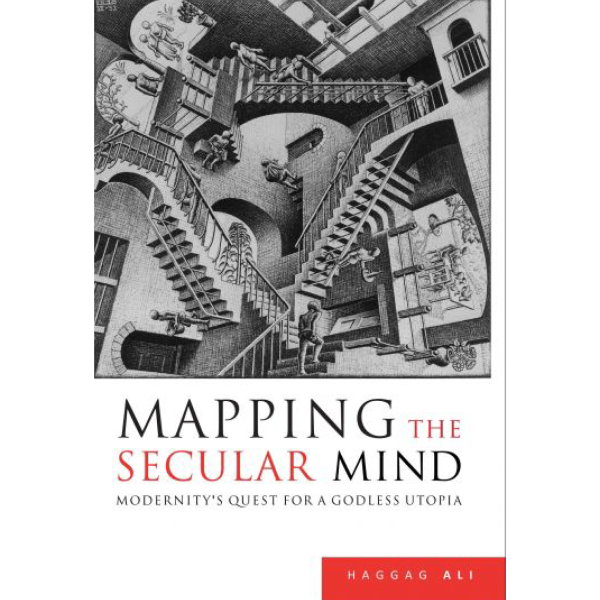
Mapping The Secular Mind (IIIT)
The secular mind had a grand plan, to establish an earthly paradise, a utopia of the here and now, a modern civilization governed by human reason, rationality, and the triumph of progress. Whilst ideals are one thing, the means to realize them is something else. Away from the hype, emancipating humanity from the shackles of God and religion has proved no easy matter. Mapping the Secular Mind critically examines issues of reason, rationality, and secular materialism, to explore how these mental perceptions, or ways of mapping the world, have affected human interaction and sociological development. It does this by comparing and contrasting the ideas of Abdelwahab M. Elmessiri (1938 2008) a leading Arab intellectual, and Zygmunt Bauman (1925), one of the world s foremost sociologists. In the last few decades, an emergent Western critique of modernity has inspired Muslim intellectuals to develop new ideas, images, terms and concepts that state their positions towards the tendencies of secular modernity, its transformations and consequences, and how it manipulates perceptions of reality. The book challenges foundations of secular ideology to argue that its aspirations have deeply transformed human consciousness and man s sense of self, leaving him a creature of purposeless consumption, wearied by the search for fulfillment, and controlled by materialistic laws governing physical phenomena. It also offers a more darker thesis, that Fascist Germany and the Eugenics movement were a form of Social Darwinism taken to its logical course. These were not an aberration from the principles of modernity, Ali argues, but a consistent outcome of the modern worldview, with the seeds of self-destruction being woven into the very fabric of the philosophy.
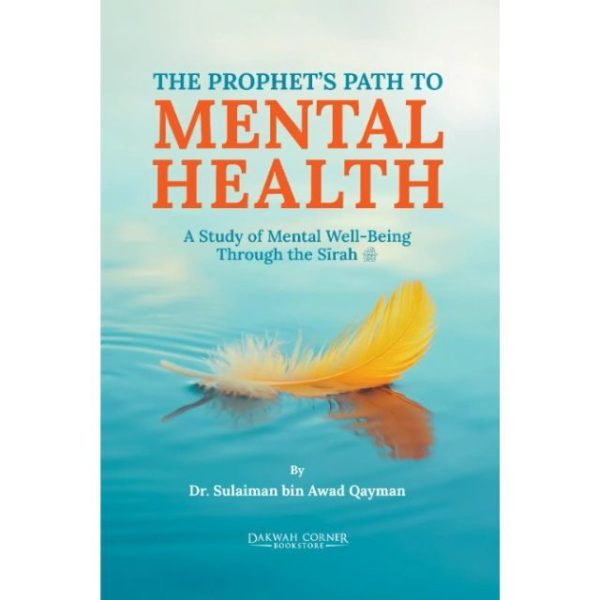
The Prophet’s Path to Mental Health: A Study of Mental Well-Being Through the Sirah (P/B)
In a time when mental health has become one of the most pressing challenges of our age, this work offers a timeless and deeply rooted perspective drawn from the most complete human life ever lived-the life of Prophet Muhammad .
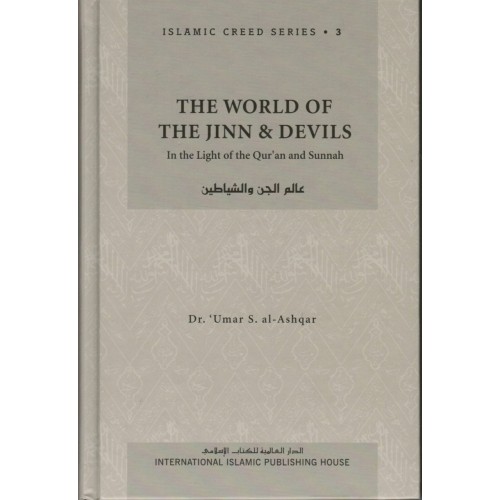
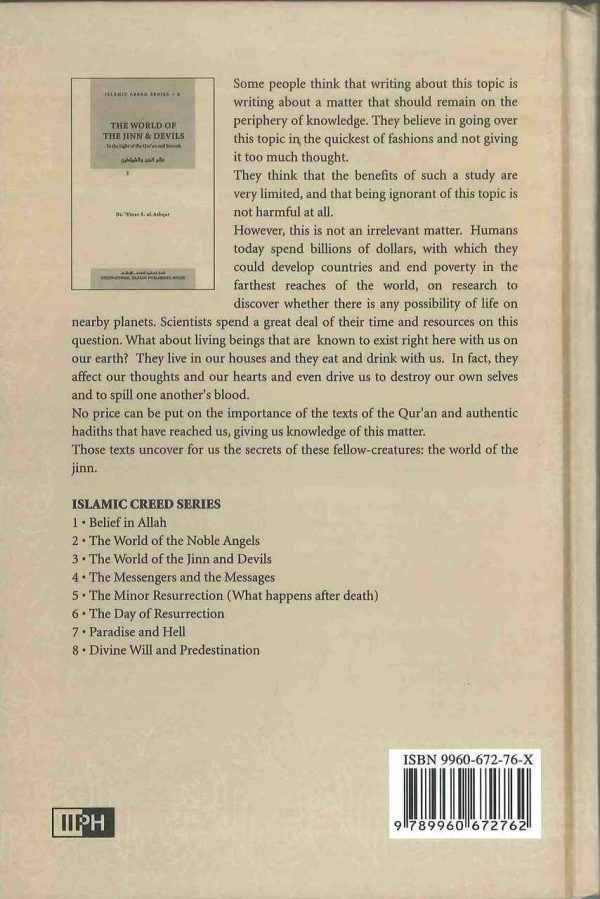
The World Of The Jinn & Devils – Islamic Creed Series 3
Aqidah and Creed
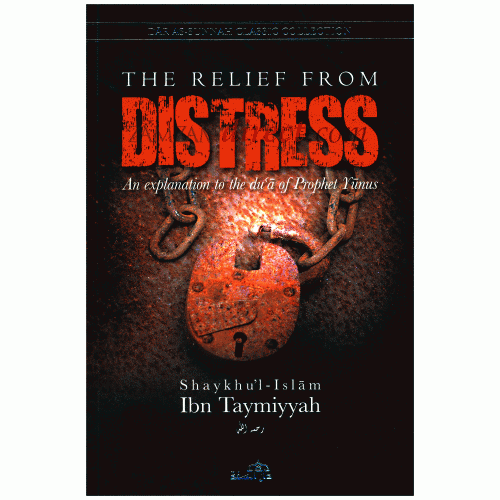
The Relief From Distress : An Explanation to the dua of Prophet Yunus (P/B)
Shaykh al-Islam Ibn Taymiyyah, may Allah sanctify his soul, was asked about the saying of the Prophet (pbuh),
The invocation of my brother Yunus, “none has the right to be worshipped save You; glory be to You, far removed are You from any imperfection; I have been amongst the wrong-doers,” none who is experiencing difficulty employs it except that Allah would relieve him of his difficulty.
What is the meaning of this du’a (prayer, supplication)?
Are their any unstated conditions that have to be met when one articulates it?
What is the connection between belief in the heart and the meaning of this supplication such that it leads to the removal of difficulty?
Why did he explicitly confess, ‘I have been amongst the wrong-doers’ when it is known that tawhid in itself leads to the removal of difficulty?
Is it sufficient to acknowledge ones’ sin alone, or must this be accompanied by repentance and the firm resolve not to repeat that sin in the future?
Why is it that difficulty and harm is removed only when a person relinquishes any hope, reliance and dependency upon the creation?
How can the heart relinquish the characteristic of putting hope in the creation and depending on them, and instead put its hope in Allah, Exalted is He, and turn to Him in its entirety?
What are the methods that would aid the heart in doing this?
The author replies to these questions in the form of this book.


There are no reviews yet.