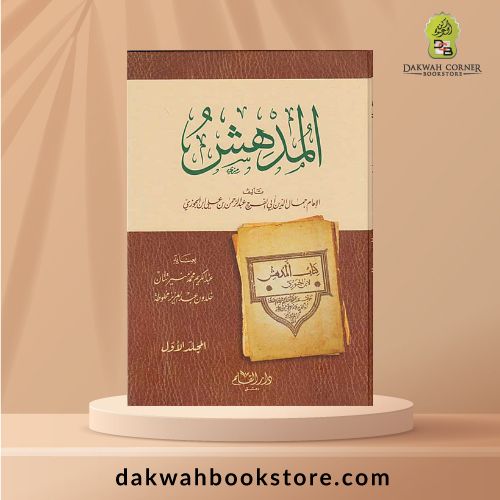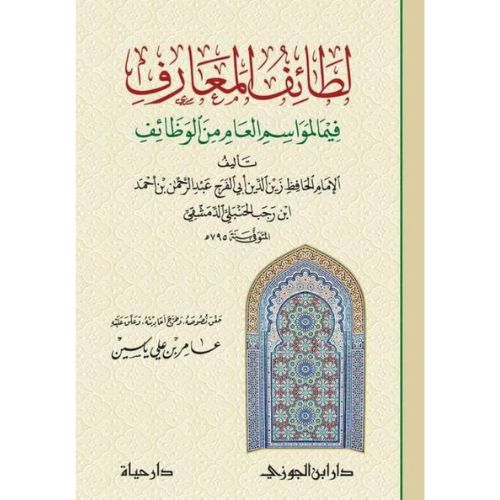
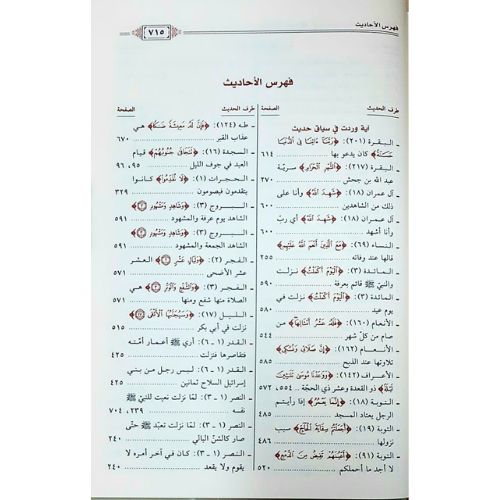
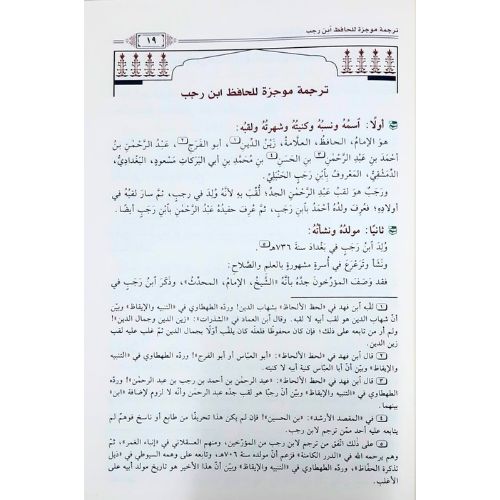
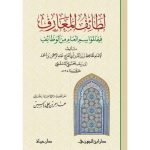

لطائف المعارف فيما لمواسم العام من الوظائف هو كتاب يبحث في فضائل الشهور والأيام والآيات والأحاديث الواردة في فضلها وكيفية اعتناقها بالعبادة لله سبحانه وتعالى مثل شهر رمضان ونصف شعبان ويوم عاشوراء وأيام العيد وليلة القدر وغير ذلك من شهور وأيام السنة المباركة ألفه الحافظ ابن رجب الحنبلي (736 هـ – 795 هـ)، قال ابن رجب في مقدمة الكتاب: لطائف المعارف فيما لمواسم العام من الوظائف وقد استخرت الله في أن أجمع في هذا الكتاب وظائف شهور العام وما يختص بالشهور ومواسمها من الطاعات، كالصلاة والصيام والذكر والشكر وبذل الطعام وإفشاء السلام، وغير ذلك من خصال البررة الكرام، ليكون ذلك عونا لنفسي ولإخواني على التزود للمعاد، وال للموت قبل قدومه والاستعداد.
[AH] Lataif Al Ma’araf (لطائف المعارف)
RM160.00
Frequently Bought Together
| Weight | 1.45 kg |
|---|---|
| Dimensions | 24 × 17 × 3.5 cm |
| Author | |
| Binding | Hardcover |
| Pages | 752 |
| Publisher | Dar Ibn Al-Jawzi |
Be the first to review “[AH] Lataif Al Ma’araf (لطائف المعارف)” Cancel reply
You must be logged in to post a review.
You may also like…
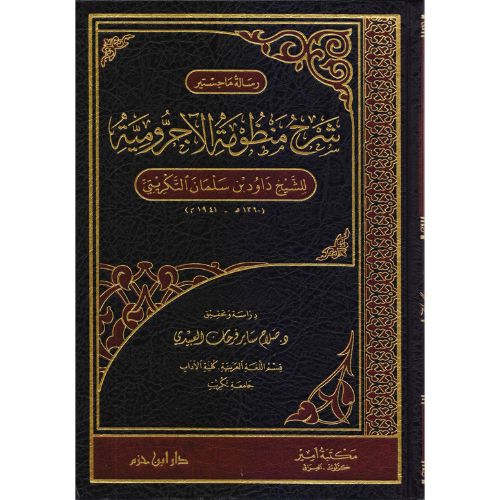
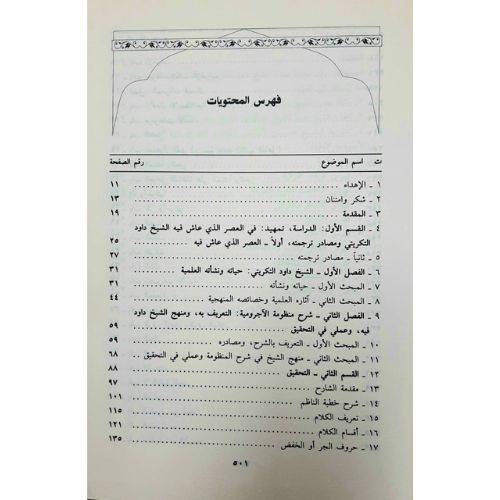
[MM] Sharh Mandhumah Al-Ajrumiyyah – Shaykh Dawud At-Tikriti (شرح منظومة الآجرومية – داود بن سلمان التكريتي)
شرح منظومة الآجرومية لداود بن سلمان التكريتي (1360 هـ) عالم عراقيتحقيق هذا الكتاب هو في الأصل رسالة ماجستير قدمت في جامعة تكريت
Related Products
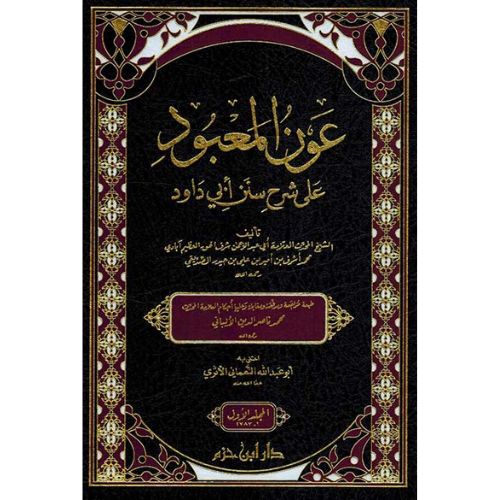
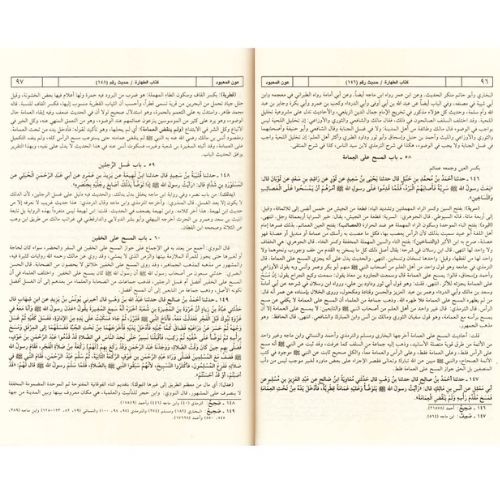
[HH] Awn al-Ma’bud ala Sharh Sunan Abi Dawud (2 Vols) – عون المعبود على شرح سنن أبي داود
تعتبر سنن أبي داود من الكتب الستة المشهورة في الحديث وهو من أكثرها فائدة من الناحية الفقهية، وقد شرحه العلامة العظيم آبادي مركزا على الناحية الفقهية دون إغفال الناحية الحديثية فيه، مبينا فيه أقوال الأئمة، مطبعة مراجعة ومدققة ومقابلة وعليها أحكام العلامة المحدّث محمد ناصر الدين الألباني
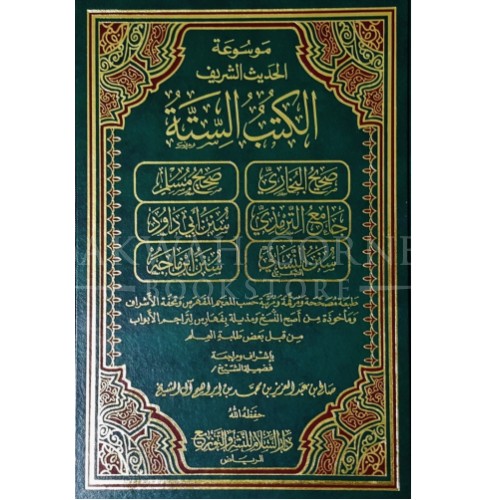
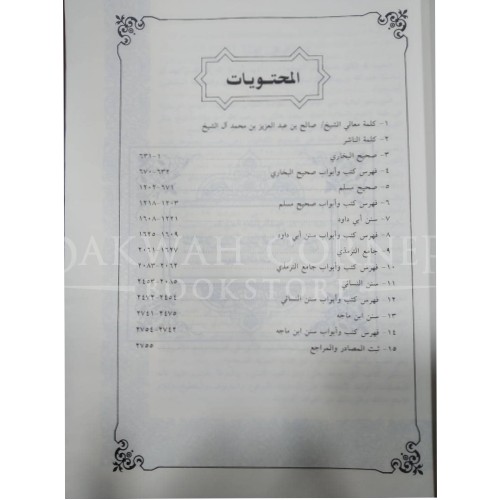
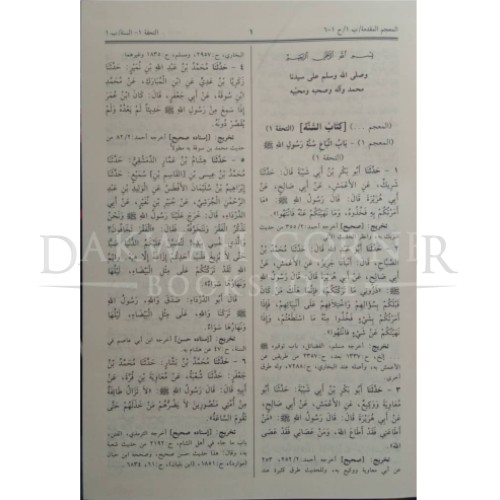
[HH] Al-Kutub Al-Sittah (موسوعة الحديث (الكتب الستة
Al-Kutub Al-Sittah: 6 Sahih Hadith Books ARABIC IN 1 VOLUME
This is a unique collection book that includes the whole six books of Sahih Hadith of:
1- Sahih Al-Bukhari
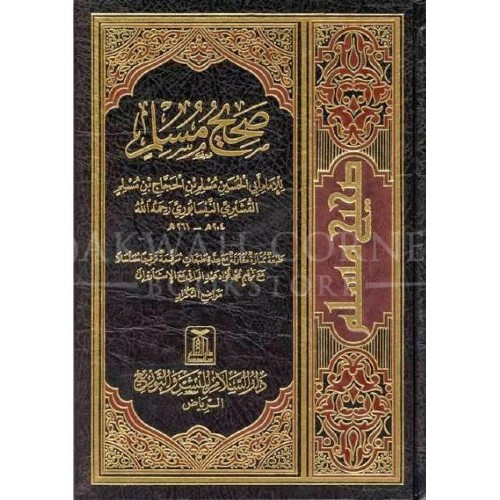
2- Sahih Muslim
3- Sunan Abu Dauod
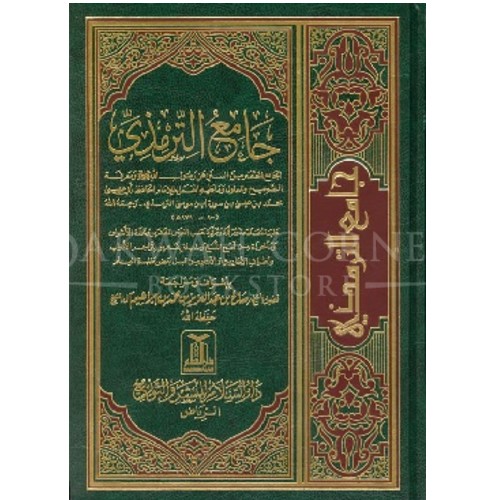
4- Jame’ At-Termidhi
5- Sunan An-Nasa’ie As-Sughra
6- Sunan Ibn Majah
The Text includes the Tashkeel or Harakat
This edition is corrected, numbered and ordered according to the (Mu’jam Mufahras & Tuhfat Al-Ashraf). This edition is taken from the most authintic sources, and includes tables of chapters’ discriptions, hadith & traces’ ends which were collected by some students of knowledge.
[AH] Fathul-Bari Sharah Sahi Al- Bukhari (2 vols) – فتح الباری شرح صحیح البخاری
Fathul-Bari Sharah Sahi Al- Bukhari vol 1&2
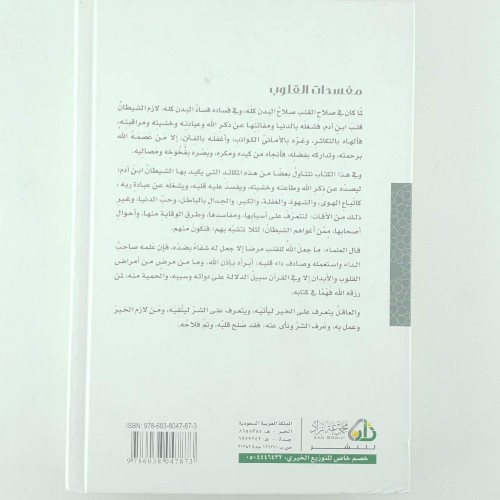
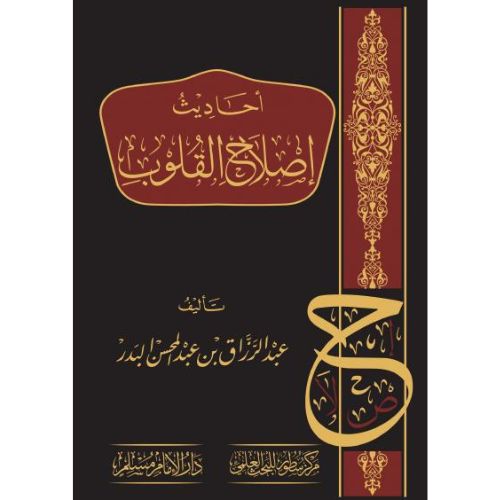
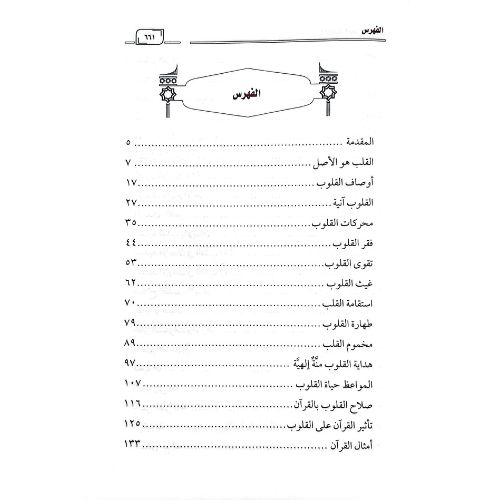
[AH] Ahadith Islah Al Qulub / أحاديث إصلاح القلوب
فإن أولى ما صرفت فيه الهمم والعزائم إصلاح القلوب وعلاجها وحفظ صحتها ودفع أسقامها وحمايتها مما يفسدها، وهو المقصود بالقصد، لعظم خطرها وشدة تأثيرها على الأبدان صلاحا أو فسادا.
Recently Viewed
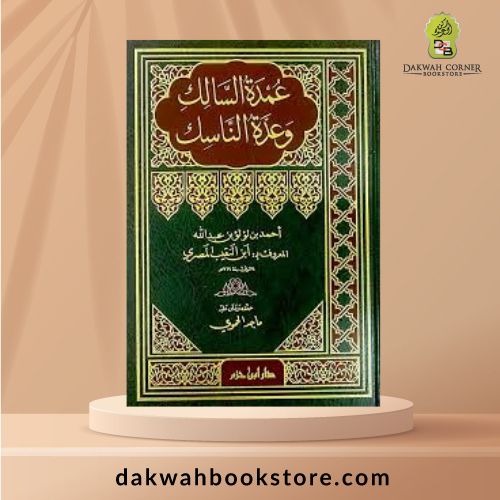
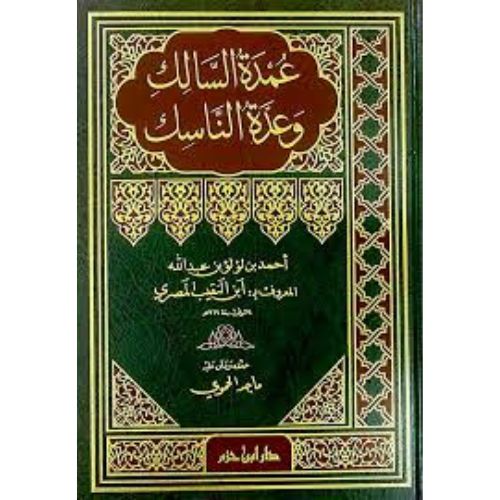
[SJ] Umdat As Salik Wa ‘Idah Al Nasik / عمدة السالك وعدة الناسك
“عمدة السالك” من تأليف ابن نقيب المصري، كتاب معروف في الفقه الشافعي، وهو على وجازته جامع لأبواب الفقه كلها، سهل التناول، كثير النفع، التزم مصنفه التصحيح على طريقة المتأخرين كما أشار في مقدمته.
My Tawheed Book
A colourful and easy to understand book which teaches children the basic understanding of Tawheed.
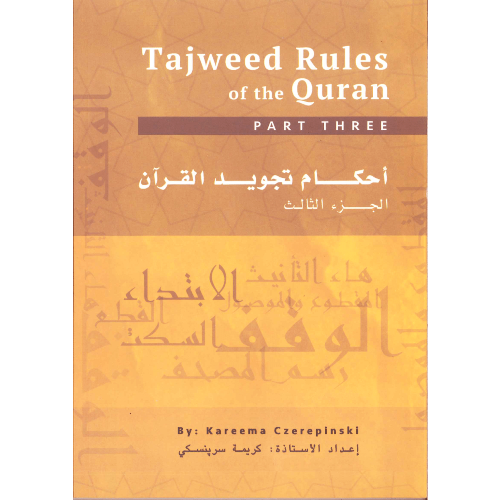
Tajweed Rules of the Quran (Part Three)
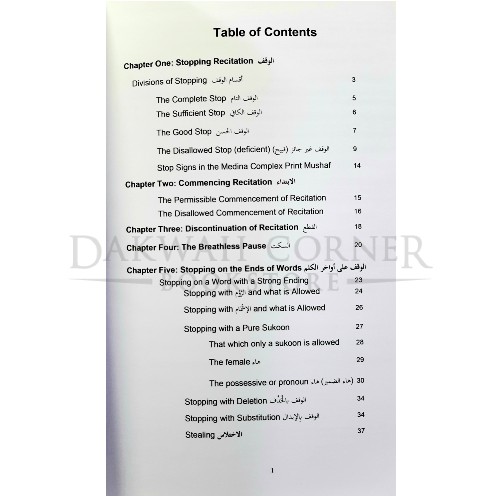
This is the third and final part of a three part series in English on the rules of tajweed the Qur’an for the recitation of Hafs from ‘Aasim by the way of Ash-Shaatibiyyah. These books are meant as a guide for non-Arabs with a good grasp of English for studying tajweed of the Glorious Qur’an. This final book explains the stop and start when reading the Glorious Qur’an, and gives details as to what kind of stop is allowed, what kind is preferred, and what kind of stop is forbidden. Stopping on the ends of words with strong endings (consonants) and rules for what is allowed on the last letter of the word is described, including ar-room (الروم) and al-ishmaam (الإشمام). Stopping on the ends of words with weak endings (words ending in the alif, ya’ or wow) and different rules and explanations for these type of words is clarified. One important aspect of Qur’an recitation is knowing and understanding which word combinations are written together and which separately in different parts of the Qur’an as well as in which places of the Qur’an are some words are written the female haa (هاء), and in which places they are written with the taa (تاء). This part lays out the different places in the Qur’an these occurrences take place, so the reader knows how he/she can stop on these words. The words that are read in a special way, or have two allowed ways for the reading of Hafs from ‘Aasim by the way of Ash-Shaatibiyyah are detailed in this book. The history of the writing of the Glorious Qur’an (رسم) and the general rules for the writing of the Qur’an are laid out in the last chapter of this part. This last part of the three parts on tajweed is for students who have studied and mastered the other two parts, or have studied everything covered in the first two parts. The explanations of the different subjects are in English, and the Arabic terms are translated. The goal is always to assist the students in understanding and to encourage them to learn the Arabic terms and definitions. The three parts of this series on tajweed rules of the Glorious Qur’an should facilitate non-Arabic speaking students of the Qur’an whether they are in a classroom with an Arabic medium for teaching or English. With this third part completed, insha’ Allah the non-Arab English speaking student of the Qur’an will find a complete curriculum and explanation of the tajweed rules for the recitation of Hafs ‘an ‘Aasim from the way of Ash-Shatibiyyah in any classroom or study situation that he/she may find themselves in. These three parts are only guidance; the real goal is reciting and applying all the different rules correction which can only be done by reciting to and being corrected by a qualified teacher of the Qur’an.
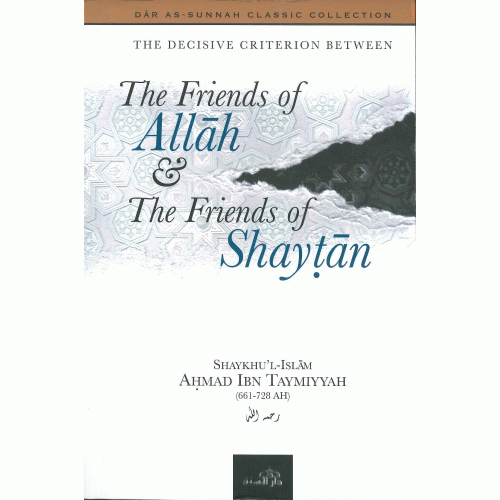
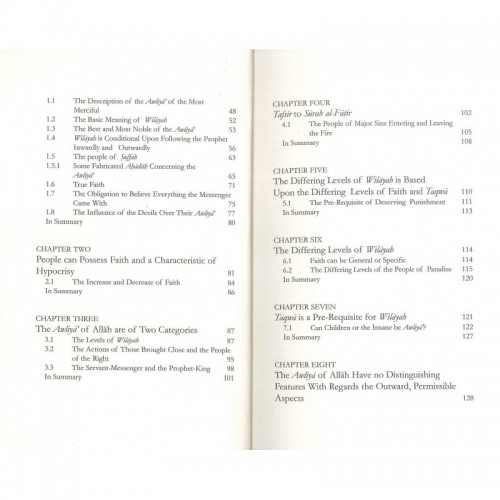
The Decisive Criterion Between The Friends of Allah & The Friends of Shaytan (P/B)
The Decisive Criterion between the Awliyaa of The Most Merciful and the Awliyaa of Shaytaan Indeed the enmity between man and Shaytaan is old, commencing from the time that Adam (alayhi as-salaam) was created � from the time he was ordered to prostrate to him. Shaytaan refused, become arrogant and hence disobeyed his Lord. His arrogance and pride let him to commit a whole host of sins, it made him expend every effort in misleading the children of Adam and made him beautify and embellish sins such that they accepted them and eagerly committed them. Books sent the Messenger and enjoined His servants to various injunctions and admonitions in order to secure them from the evil of Shaytaan.
In the light of His advice, profound injunctions and admonitions in order to secure them from the evil of Shaytaan. In the light of His advice, profound injunctions and sever warnings, mankind becomes separated into two groups: a group who were guided and a group who deserved to be misguided. The groups who were guided are the inhabitants of Paradise and the groups who were misguided are the denizens of the Fire. The inhabitants of Paradise are the Awliyaa of the Most Merciful and the denizens of the Fire are the Awliyaa of Shaytaan


There are no reviews yet.