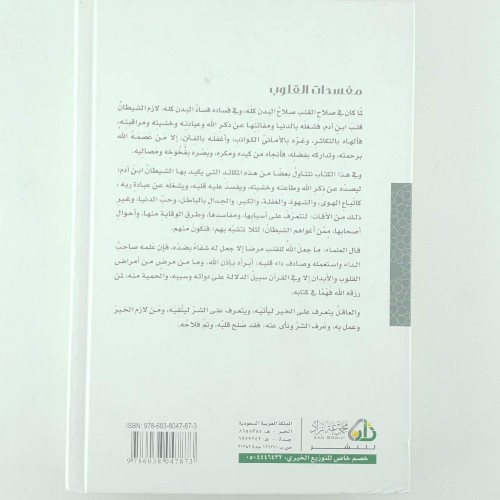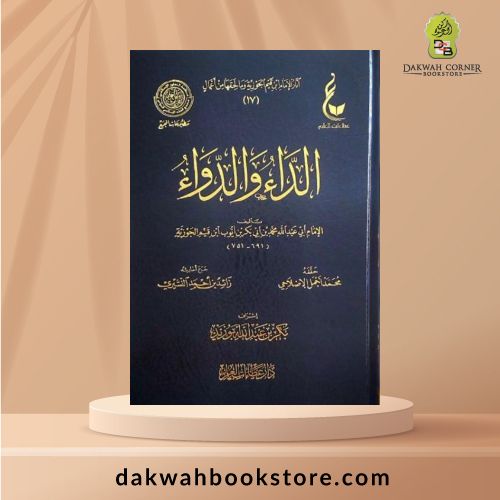
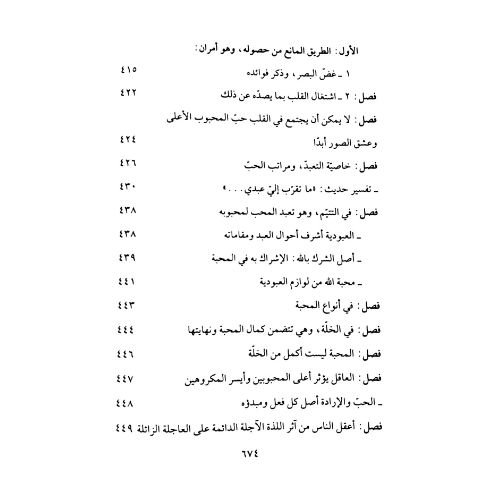
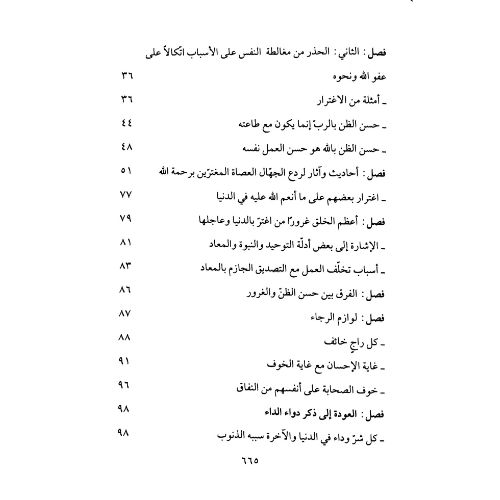
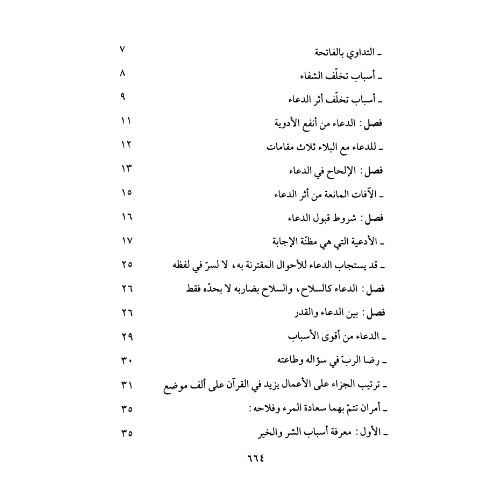
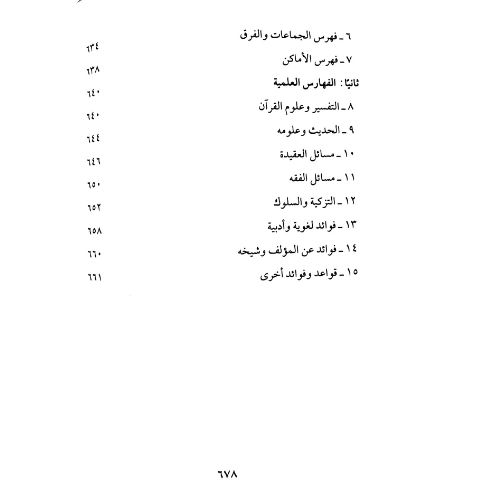

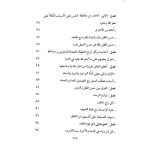
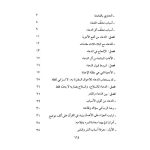
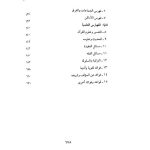
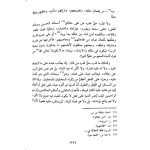
يعالج ابن القيم من خلال هذا الكتاب قضايا النفس البشرية وأدوارها، ورسم سبل إصلاحها وتزكيتها، فبين معنى المعصية وأسبابها وآثارها على النفس والمجتمع، ومآلاتها في الدنيا والآخرة، ثم عرض لبيان الدواء الناجح لهذا الداء، مستلهماً توجيهات القرآن الكريم والسنة النبوية في إصلاح النفوس والمجتمع. وقد اتسمت معالجته لهذا الموضوع بالدقة والموضوعية البالغة، فكان العالم الاجتماعي والمربي ا يعالج ابن القيم من خلال هذا الكتاب قضايا النفس البشرية وأدوارها، ورسم سبل إصلاحها وتزكيتها، فبين معنى المعصية وأسبابها وآثارها على النفس والمجتمع، ومآلاتها في الدنيا والآخرة، ثم عرض لبيان الدواء الناجح لهذا الداء، مستلهماً توجيهات القرآن الكريم والسنة النبوية في إصلاح النفوس والمجتمع. وقد اتسمت معالجته لهذا الموضوع بالدقة والموضوعية البالغة، فكان العالم الاجتماعي والمربي الحريص الذي يعرف مكنونات النفس البشرية وطبائعها وميولاتها، ويحدد أسباب الداء الذي أصابها، ثم يشرع في وصف الدواء الملائم من خلال أحكام الشريعة وفضائها.
[MM] Adda Waddawa (Dar Attaat Ilm) / الداء والدواء
RM120.00
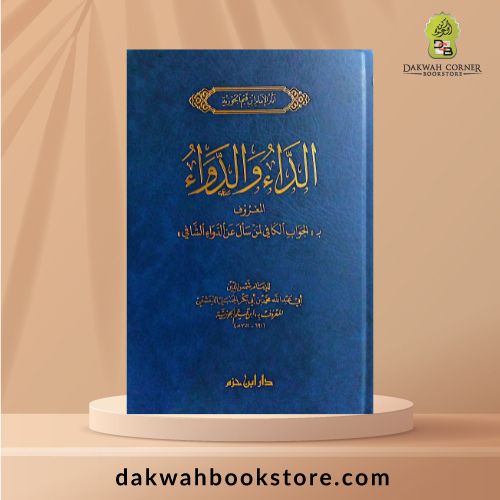
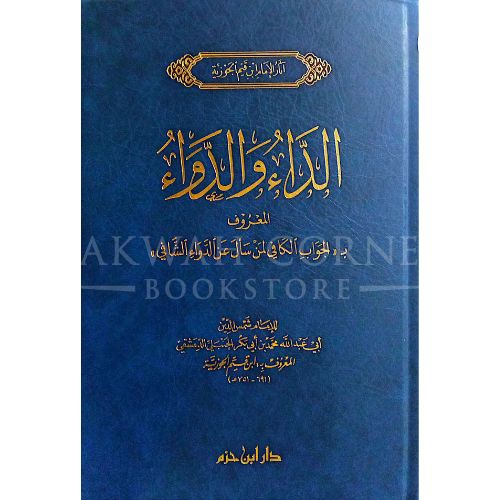
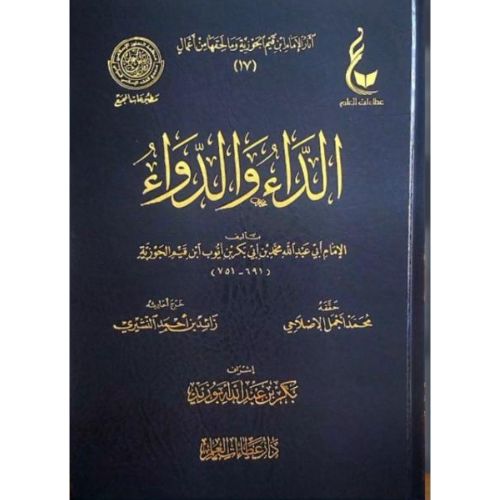
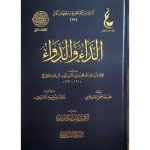
الداء والدواء
تأليف: الإمام أبي عبد الله محمد بن ابي بكر بن أيوب أبن قيم الجوزية مطبوعات الجمع (٦٩١ – ٧٥١)
حققه: محمد أجمل الإصلاحي
خرج أحاديثه: زائد بن أحمد النشيري
إشراف: بكر بن عبد اللانه موزيك
| Weight | 0.800 kg |
|---|---|
| Dimensions | 24.5 × 17.5 × 4 cm |
| Author | |
| Binding | Hardcover |
| ISBN | 9789959857804 |
| Pages | 678 |
| Publisher | Dar attaat al Ilm |
Be the first to review “[MM] Adda Waddawa (Dar Attaat Ilm) / الداء والدواء” Cancel reply
You must be logged in to post a review.
Related Products
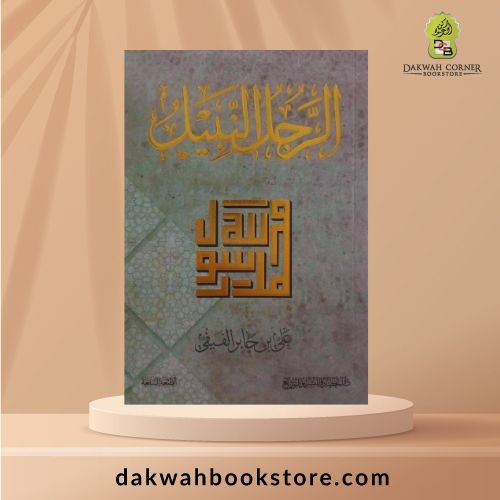
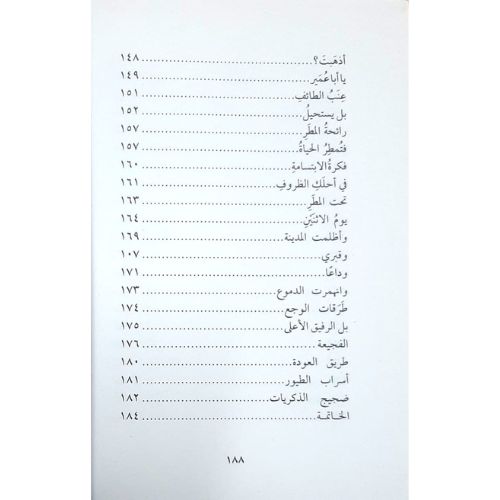
[MM] Ar-Rajulun Nabil / الرجل النبيل
قال المؤلف: سميت هذه الأوراق “الرجل النبيل” لأنه عليه الصلاة و السلام أنبل رجل عرفته البشرية، ولأن النبل ظاهر في تفاصيل حياته، في رضاه وغضبه، في حزنه وفرحه، قبل نبوته وبعدها، فهو بحق الرجل النبيل
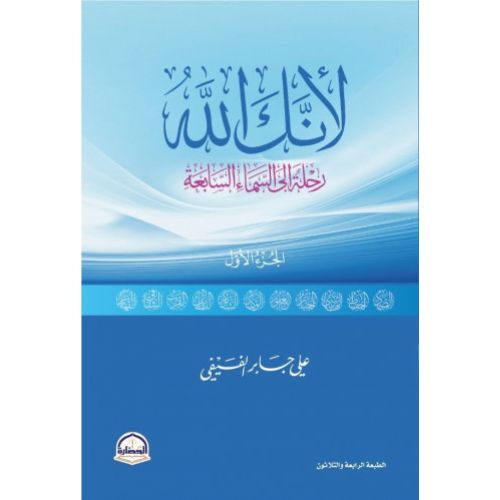
[AC] Li Annaka Allah Jilid1 (لأنك الله ج 1)
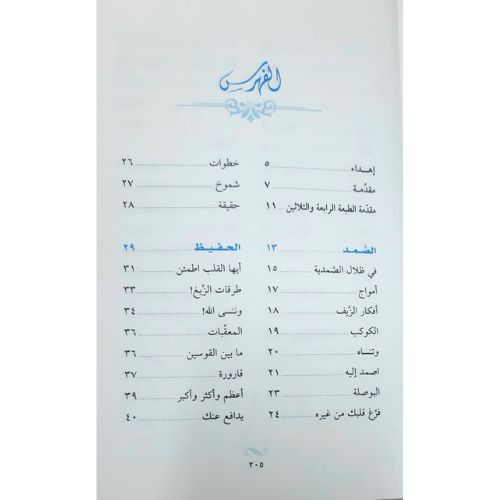
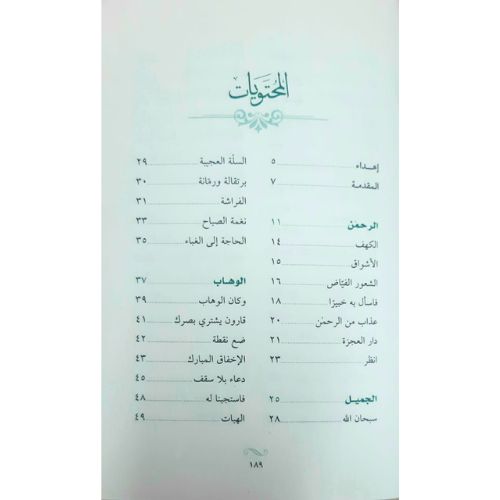
كتاب يتحدث عن بعض أسماء الله الحسنى وكيف نعيشها في حياتنا
حرص المؤلف أن يكون الكتاب مناسباً لمن هم متوسطي الثقافة، ويكون ناسباً للمحتاج و المريض و السليم
[AC] Li Annaka Allah Jilid 2 ( لأنك الله ج 2)
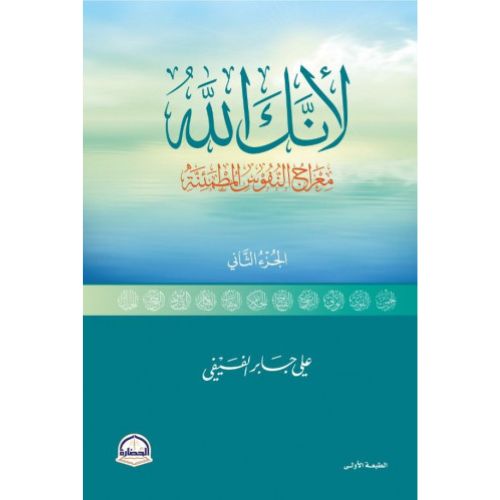
كتاب يتحدث عن بعض أسماء الله الحسنى وكيف نعيشها في حياتنا
حرص المؤلف أن يكون الكتاب مناسباً لمن هم متوسطي الثقافة، ويكون ناسباً للمحتاج و المريض و السليم
[MM] Istamti’ Bi HayatIk (استمتع بحياتك)
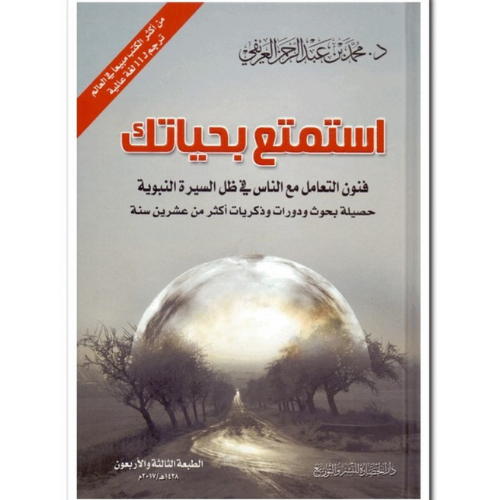
استمتع بحياتك،محمد ابن عبد الرحمن العريفي
استمتع بحياتك : فنون التعامل مع الناس في ظل السيرة النبوية – حصيلة بحوث و دورات و ذكريات أكثر من عشرين سنة
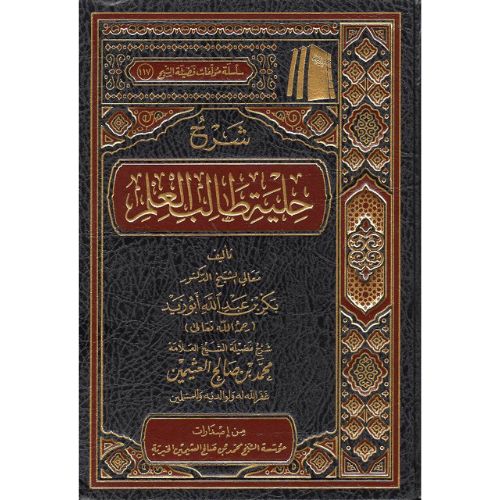
[GB] Sharh Hilayah Talib Al Ilm (شرح حلية طالب العلم)
حلية طالب العلم كتاب صغير الحجم كبير القدر عظيم النفع في آداب طالب العلم مع نفسه و كيفية الطلب و التلقي و آداب الطالب مع شيخه و آداب الطالب في حياته العلمية و محاذير ينبغي أن يحذر منها
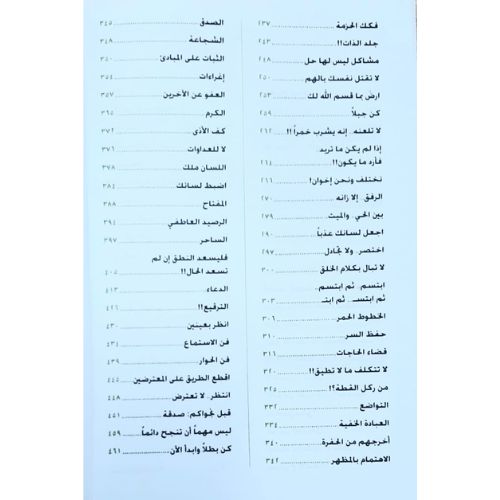
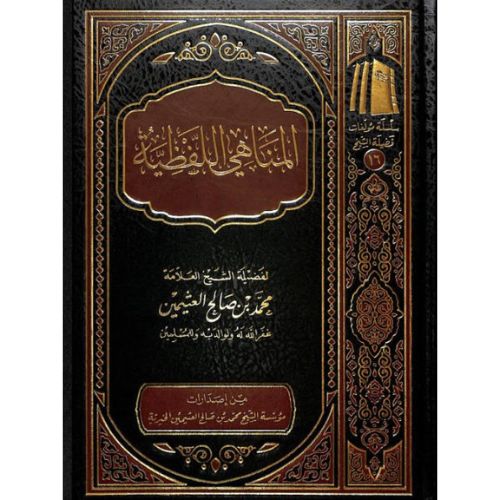
[SJ] Al Manahi Al Lafziah ( المناهي اللفظية)
المناهي اللفظية
تأليف: الشيخ محمد بن صالح العثيمين
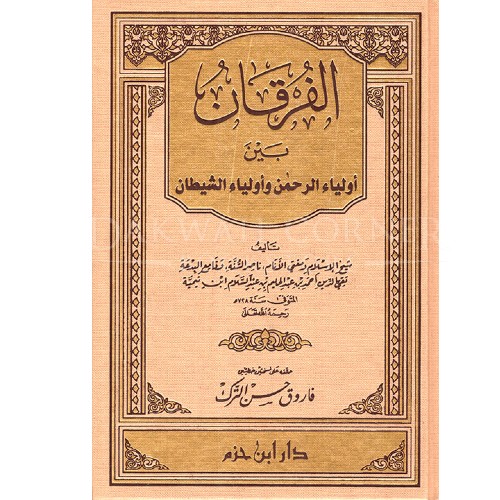
[MM] Adda Waddawa (Dar Ibn Hazm) / الداء والدواء
الداء والدواء
المعروف
بـ « الجَوابِ الكَا فِي لِمَنْ سَأَلَ عَن الدَّوَاءِ الشَّافِي
للإمام شمس الدين أبي عبد الله محمد بن أبي بكر الجنب لي الدمشقي المعروف به ابن قيم الجوزية
( ٦٩١ – ٥٧٥١ )
Recently Viewed
A Textbook Of Hadith Studies (P/B)
Mohammad Hashim Kamali, born in Afghanistan in 1944, was a professor of Islamic Law and Jurisprudence at the International Islamic University in Malaysia, and dean of the International Institute of Islamic Thought and Civilization (ISTAC) from 1985 2007. He is currently chairman and CEO of the International Institute of Advanced Islamic Studies, Malaysia. He is also on the international advisory boards of eleven academic journals published in Malaysia, the United States, Canada, Kuwait, India, Australia, and Pakistan. Professor Kamali has addressed over 120 national and international conferences, and has published sixteen books and over 110 academic articles. His books include The Principles of Islamic Jurisprudence, Freedom of Expression in Islam, and Islamic Commercial Law: An Analysis of Futures and Options. “
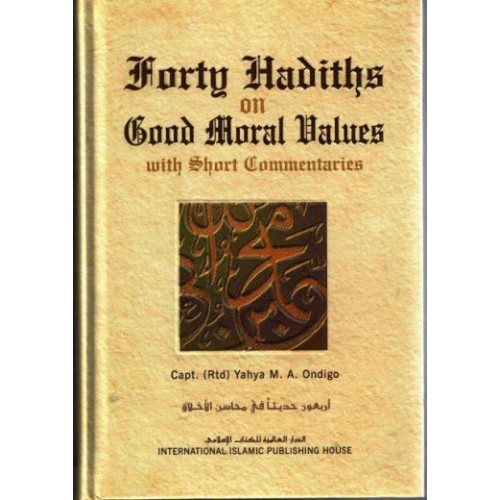
Forty Hadiths On Good Moral Values (H/B)
The statements and actions of our Prophet Muhammad (s) contain much that we need: rules and advice, reminders, examples, warnings and encouragement. The collection of hadiths in Forty Hadiths on Good Moral
Values by Yahya Ondigo contains some of the Prophet?s statements on positive ethics and attributes that all people-Muslims and non-Muslims-should strive to adopt in the way we deal with others; we need to work to incorporate these morals and principles into our daily habits.
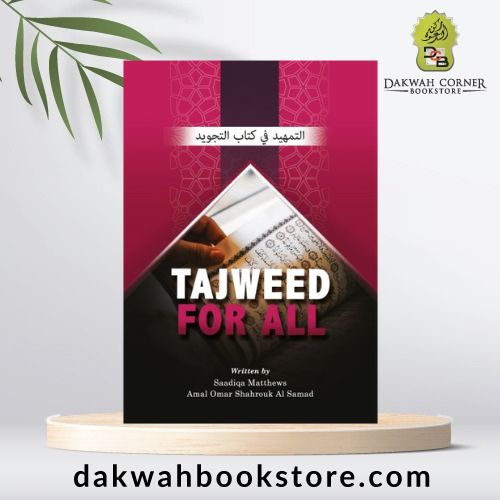
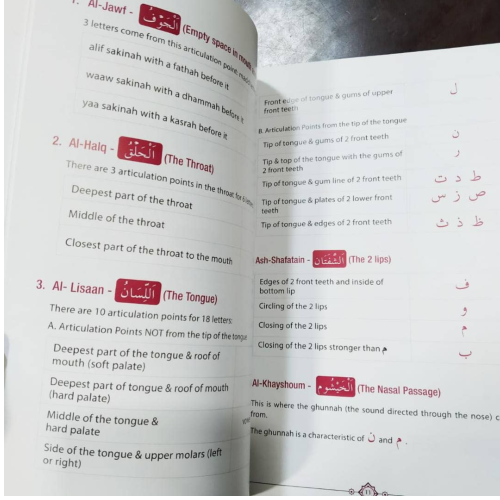
Tajweed For All (Revised Edition)
Note: Revised Version – thicker than previous version (Art Paper)
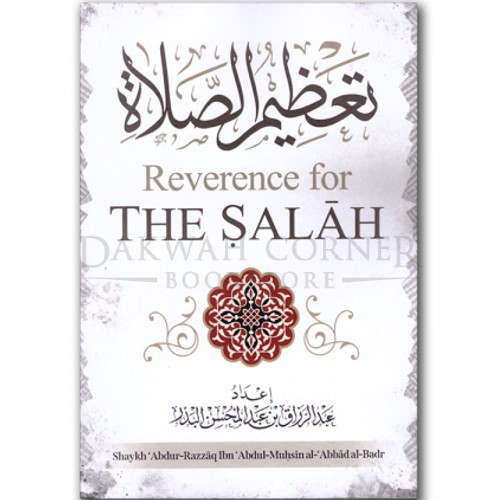
Reverence for The Salah (Maktabatulirshad Publication)
The Salah is the most crucial affair in a Muslim’s life. To preserve one’s religion, one has to observe it consistently; otherwise, one would be negligent of the Salah, let alone other acts of worship. It is the pillar of Islam, as it is soundly reported from the Prophet (May Allah elevate his rank & grant him peace). At the same time, the remaining deeds serve as the axis of support. Similarly, a tent without a pillar is useless. The Salah is the criterion for accepting all other deeds; if it is rejected [by Allah], all other deeds will be rejected. It is the first obligation ever in Islam and the last act of worship to wither. So, if one is negligent to the first and the last thing in Islam, then one will lose everything in-between.
Inadequate observance of the Salah that lacks adherence to its prescribed form in the manner performed by the Messenger of Allah (May Allah elevate his rank & grant him peace) will derail one’s religion. It will invalidate all deeds, cause misconduct in one’s religious and worldly affairs.


There are no reviews yet.