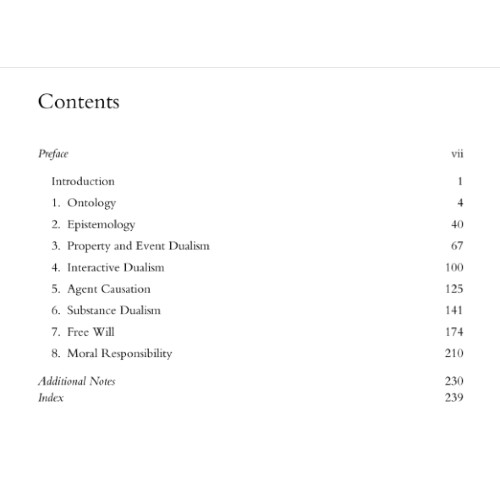
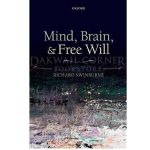
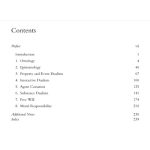

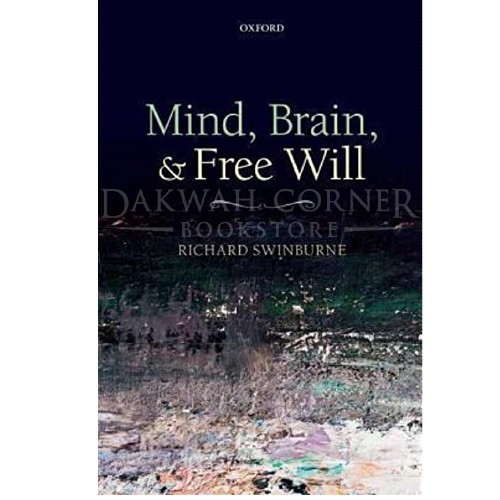
Swinburne argues that answers to questions about mind, body, and free will depend crucially on the answers to more general philosophical questions. He begins by analyzing the criteria for one event being the same as another, one substance being the same as another, and a state of affairs being
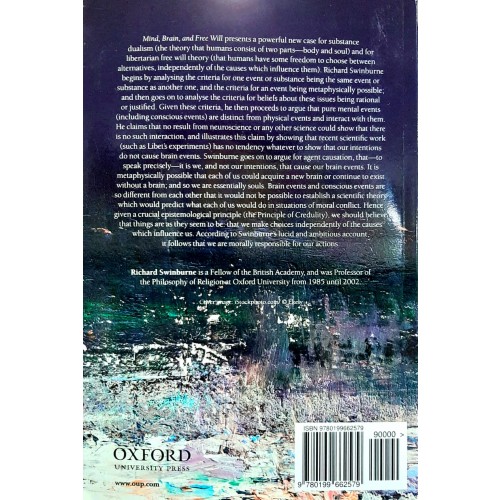
metaphysically possible; and then goes on to analyze the criteria for a belief about these issues being justified. Pure mental events (including conscious events) are distinct from physical events and interact with them. Swinburne claims that no result from neuroscience or any other science could
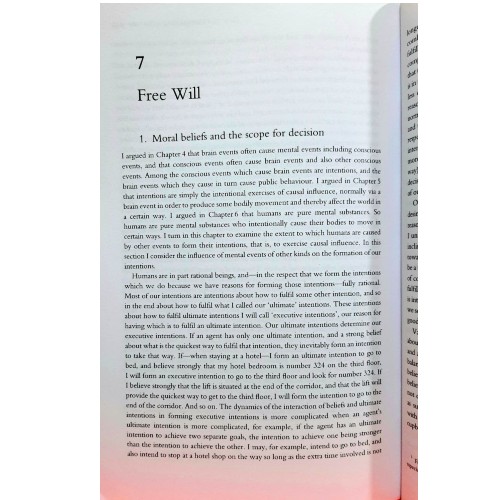
show that interaction does not take place; and illustrates this claim by showing that recent scientific work (such as Libet’s experiments) has no tendency whatever to show that our intentions do not cause brain events. He goes on to argue for agent causation, and claims that–to speak precisely–it
is we, and not our intentions, that cause our brain events. It is metaphysically possible that each of us could acquire a new brain or continue to exist without a brain; and so we are essentially souls. Brain events and conscious events are so different from each other that it would not be possible
to establish a scientific theory which would predict what each of us would do in situations of moral conflict. Hence given a crucial epistemological principle (the Principle of Credulity) we should believe that things are as they seem to be: that we make choices independently of the causes which
influence us. According to Swinburne’s lucid and ambitious account, it follows that we are morally responsible for our actions.
Mind, Brain, & Free Will (P/B)
$31.82
Mind, Brain, and Free Will presents a powerful new case for substance dualism (the idea that humans consist of two parts–body and soul) and for libertarian free will (that humans have some freedom to choose between alternatives, independently of the causes which influence them). Richard
Frequently Bought Together
| Weight | 0.60 kg |
|---|---|
| Dimensions | 23.5 × 15.5 × 1.5 cm |
| Author | |
| Binding | Paperback |
| ISBN | 9780199662579 |
| Pages | 242 |
| Publisher | OXFORD University Press |
Be the first to review “Mind, Brain, & Free Will (P/B)” Cancel reply
You must be logged in to post a review.
You may also like…
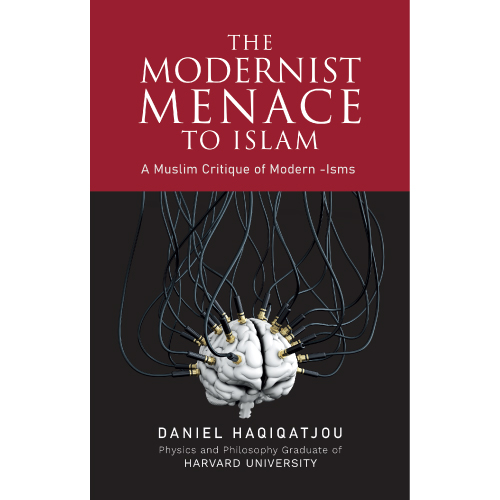
The Modernist Menace To Islam
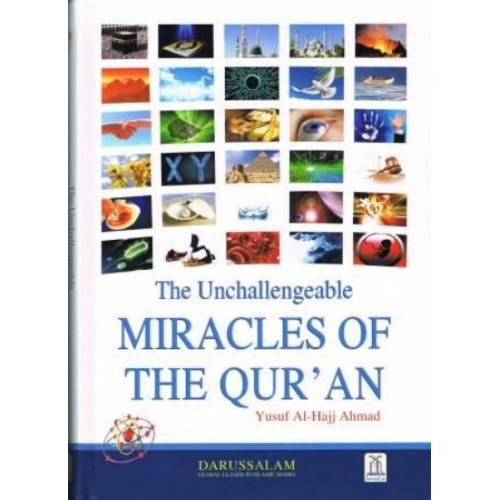
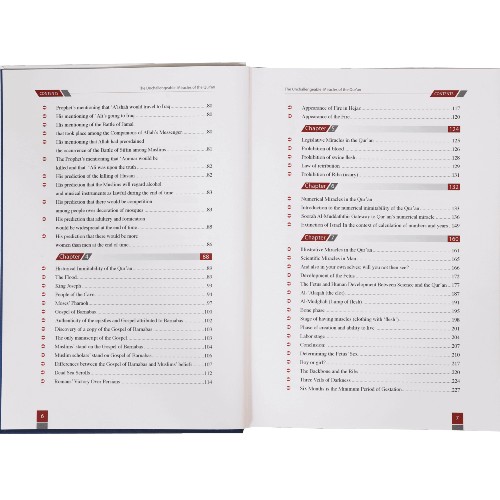
The Unchallengeable Miracles Of The Qur’an (H/B)
The Qur’an is a book of guidance for all of humanity, and Allah has promised that He will preserve it in its original pristine form until the Day of Judgment. The inimitable style of the Qur’aan and the superior wisdom in it are definitive evidences that it is the Word of God. Besides, the Qur’an has many miraculous verses proving that it is undoubtedly a revelation from God and not the work of a human.
Although the Qur’an is not just a book of science, it clearly states a number of scientific truths that were uncovered only with the help of modern technology in the 20th century. How can we explain the numerous scientific facts mentioned in its verses over 1400 years ago?
Time after time, respected scientists and renowned experts from all over the world, upon studying the verses of the Qur’an (Quraan) have had no other choice but to acknowledge that there were no means of knowing these scientific facts 1400 years ago. The only way they could have reached us is through revelation: proving that the Qur’an is the word of God.
Just as scientists and researchers are fascinated by the wealth of knowledge and depth of meaning carried in the verses of the Qur’an (Koran/Coran), modern readers too will find a great deal of benefit in the amazing information and insight offered by this book.
Related Products
Scientific Facts Revealed In The Glorious Quran
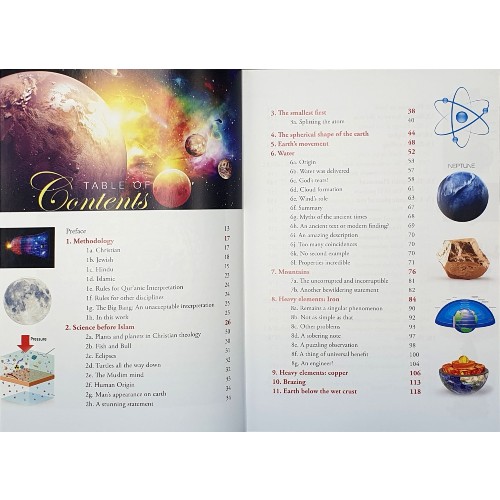
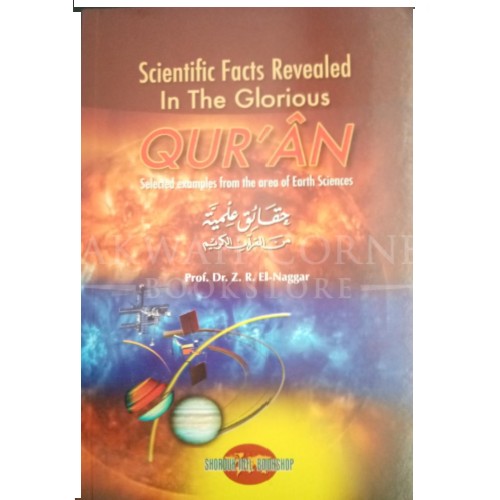
Scientific Facts Revealed in the Glorious Qur’an : Selected examples from the area of Earth Sciences, by geologist Prof. Dr. Z. R. El-Naggar. This small book includes has 16 pages with color illustrations to help the reader visualize what the author explains. He discusses verses in the Qur’an with the supporting scientific facts.
Faith First: A Guide To Awakening Iman
“Fait first is based on a simple premise: Begin with faith, and the rest will follow.”
The Problem Of Corruption (P/B) (IBT)
“Corruption is a disease that can sweep through society like a tidal wave, leaving in its wake a trail of negligence, lethargy, inefficiency and callous disregard of man’s inhumanity to man. What is it like to live inside such a society? Why has it taken such strong root in so many countries? Is there no sense of outrage and shame against such a phenomenon among our elite? What can be done to stem the tide? Is it corruption as it is known in the West? These disturbing questions and more are answered in this book. Corruption in all its forms, bribery nepotism, and extortion, is shown for what it is – a major cause of the dehumanization and victimization of innocent people. The corrupt have no aspirations for the betterment of their societies. For this reason, all decent people must be gravely concerned with the problem and nurture the next generation to confront the corrupt and disrupt their way of life.”
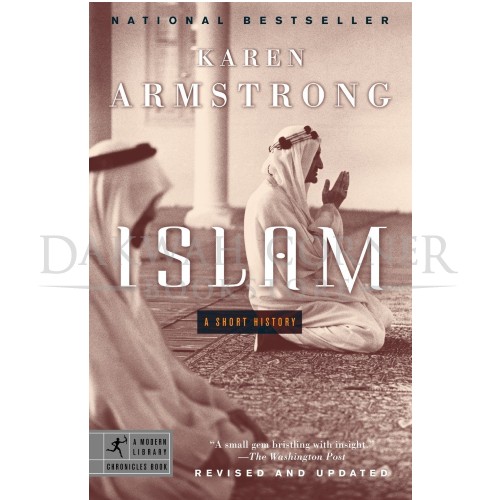
Islam: A Short History
With this brilliant book, Karen Armstrong issues a forceful challenge to those who hold the view that the West and Islam are civilizations set on a collision course. It is also a model of authority, elegance, and economy.
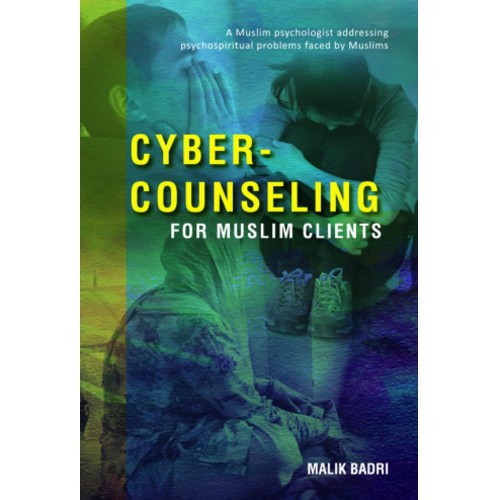
Cyber-Counseling For Muslim Clients
A Muslim psychologist addressing psychospiritual problems faced by Muslims
Medicine And Pharmacy In The The Prophetic Traditions (H/B)
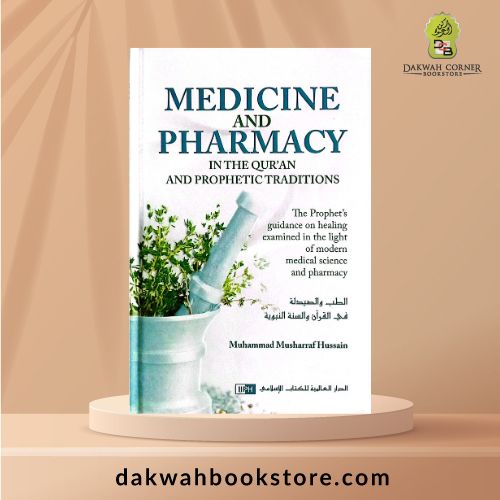
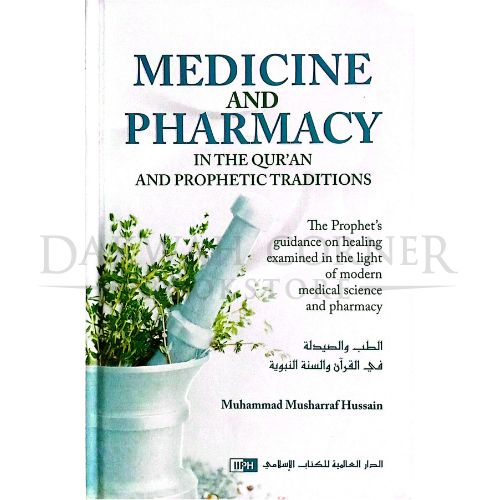
Medicine and Pharmacy in the Qur’an and Prophetic Traditions aims to integrate the science of healing into the religion of Islam. It provides advice and guidance on maintaining sound health and preventing diseases and ailments in compliance with the Qur’an and the Sunnah of Prophet Muhammad (blessings and peace be upon him). It also discusses the Qur’anic verses related to health, sickness, and cure, as well as the spiritual and physical remedies recommended by the Prophet (blessings and peace be upon him) in light of modern knowledge.
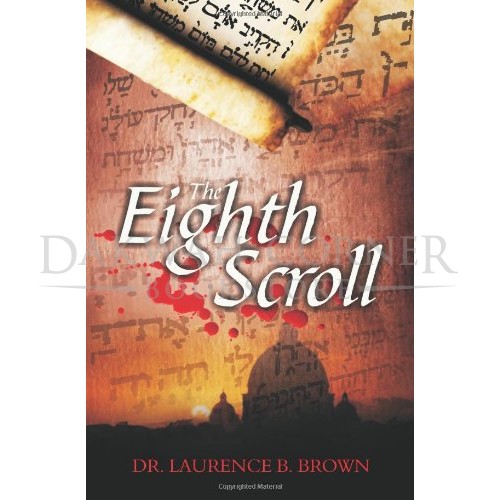
The Eighth Scroll
Stirring the flames of age-old controversies, The Eighth Scroll by Laurence B. Brown draws on the three Abrahamic faiths of Judaism, Christianity, and Islam to create an unbelievably dynamic and powerful story.
Recently Viewed
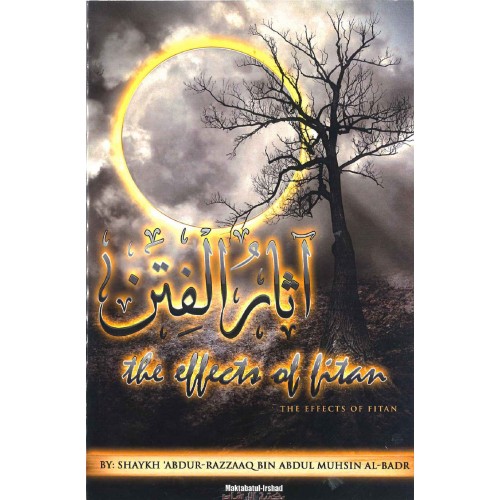
The Effects of Fitan (P/B)
Among his outstanding traits (radhiallahu ‘anhu) is what Al-Bukhari and Muslim collected on the authority of Anas bin Malik (radhiallahu ‘anhu) that Allah’s Messenger (sallallahu ‘alayhi wa sallam) said to Ubay,
إِنَّ اللهَ أَمَـرَنِـي أَنْ أَقْـرَأَ عَـلَـيْـكَ , قَـالَ : آلله سَـمَّـانِـي لَـكَ ؟ قَـالَ : اللهُ سَـمَّـاكَ لِـي . قَـالَ : فَـجَـعَـلَ أُبَـيٌّ يَـبْـكِـي .
“Indeed Allah ordered me to teach you” He (i.e. Ubay) said, “Did Allah mention my name to you?” the Prophet said, “Allah mentioned your name to me” Anas bin Malik said, “Ubay began to weep.”
Likewise you should contemplate in order to grasp Ubay’s the full extent of understanding of the religion (radhiallahu ‘anhu); his response to this question wasn’t after long period of time like a week or a month in which he could review the verses and contemplate its meanings; rather he (radhiallahu ‘anhu) merely responded immediately after the Messenger (sallallahu ‘alayhi wa sallam) repeated the question; so he chose this blessed verse.
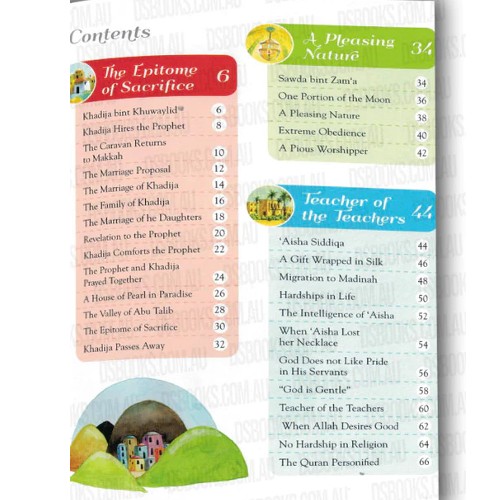
101 Sahabiyat Stories and Dua (P/B)
101 Sahabiyat Stories and Dua is a richly illustrated collection of 101 great stories of the female companions of the Prophet Muhammad, told in simple language that children will easily understand and relate to. Each story comes with delightful illustrations, a hadith and a beautiful prayer. The book includes well known tales of Khadija, Sawda, ‘Aisha, Safiyyah, Fatima, Maymoonah, and Umm Ayman, to name but a few. The shining examples set by them will greatly inspire readers.
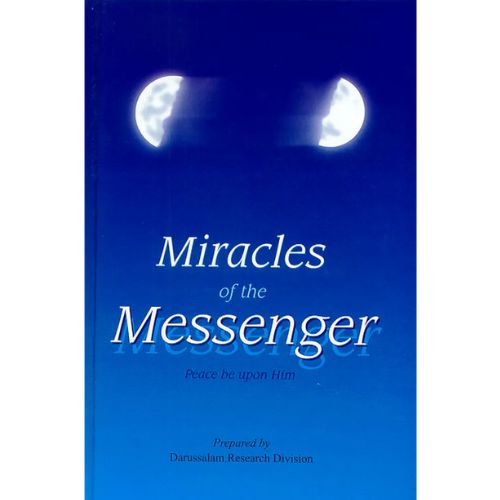
Miracles Of The Messenger (H/B) – Darussalam
Darussalam is pleased to present this book to Muslim youth. The purpose of this book is to enlighten our youth about the Miracles of the Prophet [Islamic phrases=”Shallallahu ‘alaihi wa Sallam”]H[/Islamic].
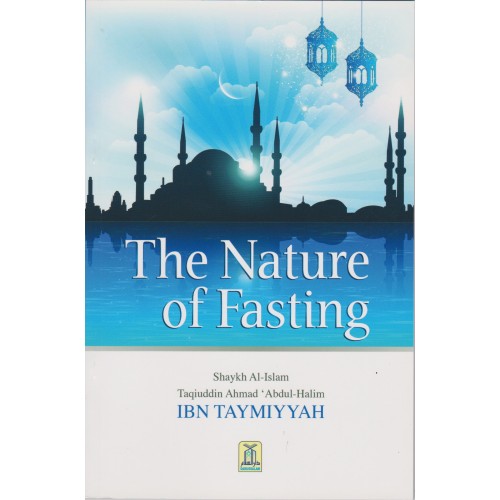
The Nature of Fasting
This book will help the reader better understand the fine points about fasting. What is the nature of the things that break the fast? What are the rules by which one can know the difference between what breaks the fast and what does not?
These question are more answered by Shaykh Al-Islam Ibn Taymiyyah in his discussion of the Nature of Fasting.
Publishers Note All praise is due to Allah, and may He grant peace and blessings upon His Last Messenger Muhammad.
This is a translation one of the smaller publications from the works of Shaykh Al-Islam Taqiuddin Ahmad bin ‘Abdul-Halim Ibn Taymiyyah. It has been published in this form a variety of times with a number of minor additions to the text under the title, “Hagigatus-Siyam,” or, “The Nature of Fasting.” We have revised our version to meet the source section of Majmu’ AI-Fatawa (25:219) from where it appears that the original booklet – with the exception of the questions, of which most appear on earlier pages – has been taken. We have inserted brackets to signify the additions, which earlier publishers probably took from other sections of his writings. We have also added brief references to the text for the Hadiths. I would like to express gratitude to brother Ebrahim Aly Ma’rouf for the original translation of this booklet, and the Darussalam staff for their editing and layout work.
Manhiyyat Prohibitions in Islam (P/B) (IIPH)
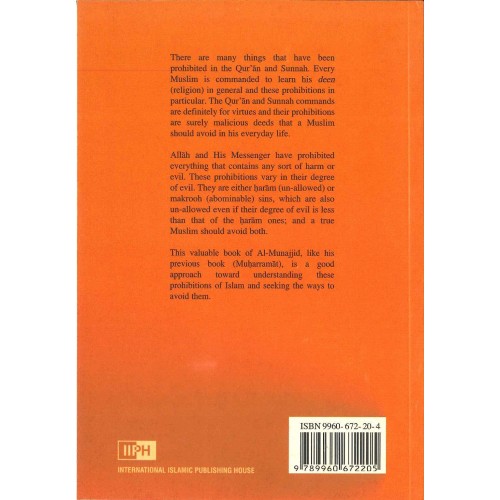
Whatever has been prohibited in the Qur’an and the Sunnah is for a good reason. Every Muslim is commanded to learn his or her religion, and being aware of these prohibitions is part of that essential knowledge. The Qur’an and the Sunnah enjoin virtuous behaviour, and any actions they prohibit are destructive deeds that a Muslim should avoid. In Prohibitions in Islam, Shaykh Muhammad Sâlih al-Munajjid explains that Allah Almighty and His Messenger (blessings and peace be upon him) have prohibited everything that contains any sort of harm or evil. These prohibitions vary in their degree of evil: they are either forbidden or detestable, and a practicing Muslim should avoid both kinds.
Words of Advice Regarding Da’wah
A unique collection of fatawa (Islamic legal rulings) by the noble Shaikh Bin Baz (Former Grand Mufti of Saudi Arabia) on the subject of da’wah, calling to Islam. This book clearly illustrates the vast experience, the deep wisdom and the expansive knowledge of the author, particularly in the field of da’wah. This discourse should prove to be beneficial to every Muslim but indispensable for those engaged in da’wah. The reader will find that the book addresses many practical points and contains answers to questions that often arise concerning da’wah.
Scholars of Hadith (P/B)
This book presents an extensive, in-depth analysis of great Muhaddithun (scholars of the science of Hadith). Each chapter presents detailed biographies of Malik b. Anas, Ibn Hanbal, al-Bukhari, Muslim, al-Tirmidhi, Abu Dawud, an-Nasai, Ibn Majah, ad-Darimi and al-Bayhaqi along with the methods they used in Hadith collection and classification. This work is especially important in today’s world where many Muslims have a dire need to connect with the great corpus of work that was produced by the scholars or traditional Islam. A work such as Scholars of Hadith has been long overdue in the English language and it will certainly make for productive reading for all interested in deepening their knowledge of Islam.


There are no reviews yet.