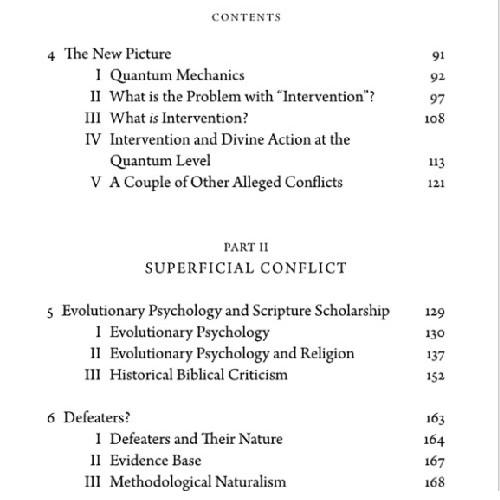
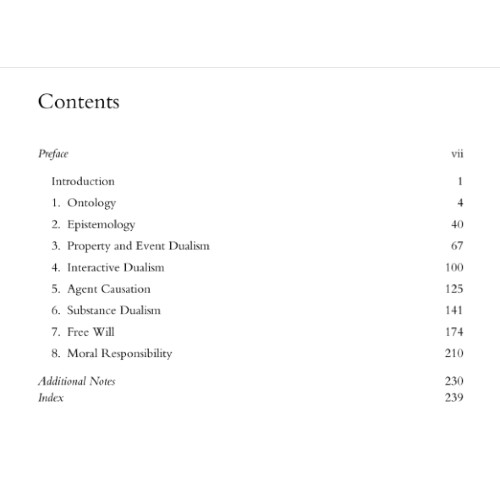
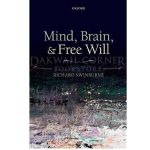
Swinburne argues that answers to questions about mind, body, and free will depend crucially on the answers to more general philosophical questions. He begins by analyzing the criteria for one event being the same as another, one substance being the same as another, and a state of affairs being
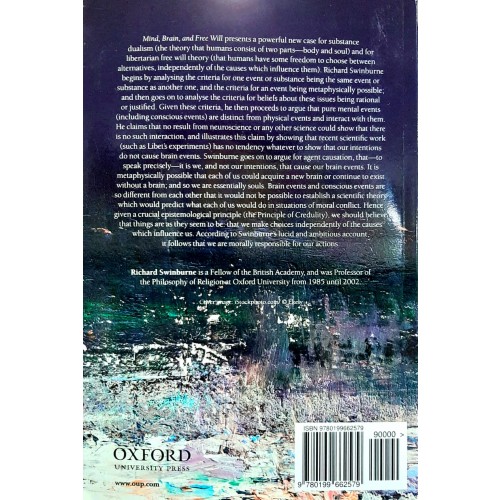
metaphysically possible; and then goes on to analyze the criteria for a belief about these issues being justified. Pure mental events (including conscious events) are distinct from physical events and interact with them. Swinburne claims that no result from neuroscience or any other science could
show that interaction does not take place; and illustrates this claim by showing that recent scientific work (such as Libet’s experiments) has no tendency whatever to show that our intentions do not cause brain events. He goes on to argue for agent causation, and claims that–to speak precisely–it
is we, and not our intentions, that cause our brain events. It is metaphysically possible that each of us could acquire a new brain or continue to exist without a brain; and so we are essentially souls. Brain events and conscious events are so different from each other that it would not be possible
to establish a scientific theory which would predict what each of us would do in situations of moral conflict. Hence given a crucial epistemological principle (the Principle of Credulity) we should believe that things are as they seem to be: that we make choices independently of the causes which
influence us. According to Swinburne’s lucid and ambitious account, it follows that we are morally responsible for our actions.
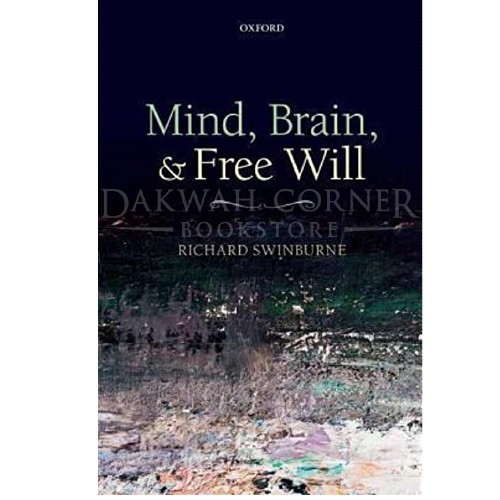
Mind, Brain, & Free Will (P/B)
RM140.00
Mind, Brain, and Free Will presents a powerful new case for substance dualism (the idea that humans consist of two parts–body and soul) and for libertarian free will (that humans have some freedom to choose between alternatives, independently of the causes which influence them). Richard
Frequently Bought Together
| Weight | 0.60 kg |
|---|---|
| Dimensions | 23.5 × 15.5 × 1.5 cm |
| Author | |
| Binding | Paperback |
| ISBN | 9780199662579 |
| Pages | 242 |
| Publisher | OXFORD University Press |
Be the first to review “Mind, Brain, & Free Will (P/B)” Cancel reply
You must be logged in to post a review.
You may also like…
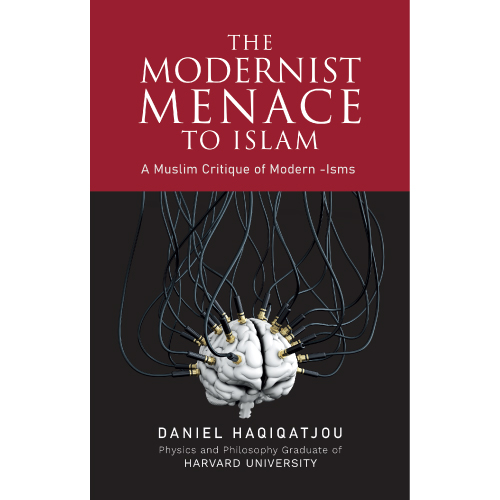
The Modernist Menace To Islam
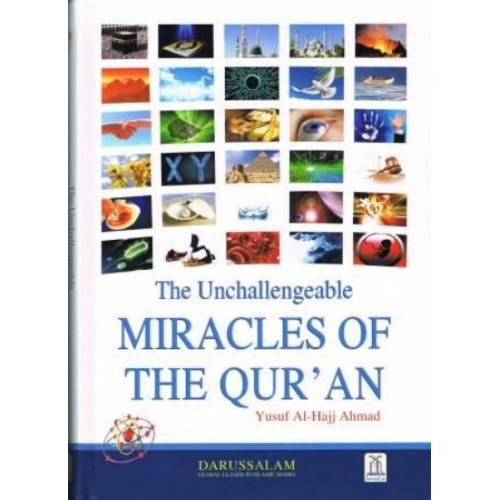
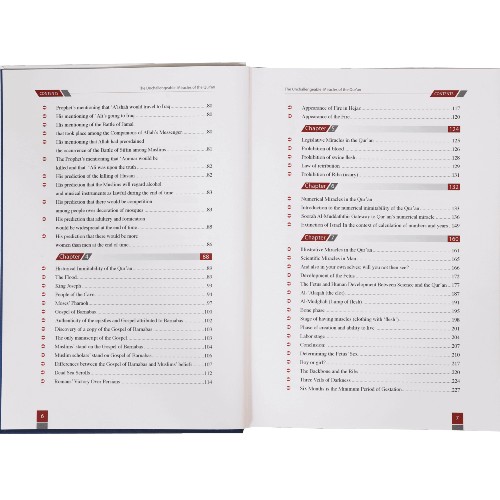
The Unchallengeable Miracles Of The Qur’an (H/B)
The Qur’an is a book of guidance for all of humanity, and Allah has promised that He will preserve it in its original pristine form until the Day of Judgment. The inimitable style of the Qur’aan and the superior wisdom in it are definitive evidences that it is the Word of God. Besides, the Qur’an has many miraculous verses proving that it is undoubtedly a revelation from God and not the work of a human.
Although the Qur’an is not just a book of science, it clearly states a number of scientific truths that were uncovered only with the help of modern technology in the 20th century. How can we explain the numerous scientific facts mentioned in its verses over 1400 years ago?
Time after time, respected scientists and renowned experts from all over the world, upon studying the verses of the Qur’an (Quraan) have had no other choice but to acknowledge that there were no means of knowing these scientific facts 1400 years ago. The only way they could have reached us is through revelation: proving that the Qur’an is the word of God.
Just as scientists and researchers are fascinated by the wealth of knowledge and depth of meaning carried in the verses of the Qur’an (Koran/Coran), modern readers too will find a great deal of benefit in the amazing information and insight offered by this book.
Related Products
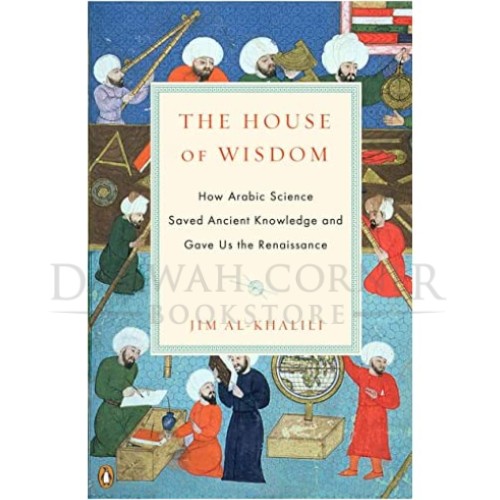
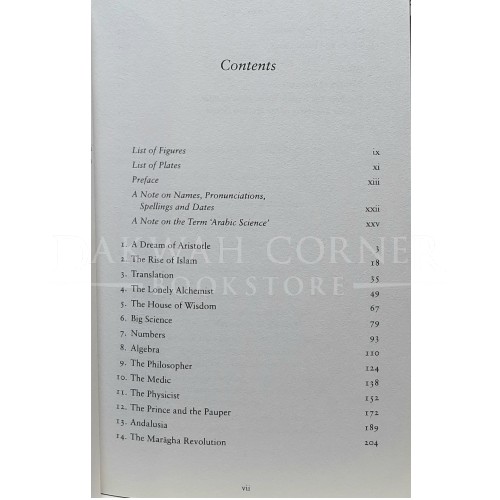
The House of Wisdom:
How Arabic Science Saved Ancient Knowledge & Gave Us the Renaissance
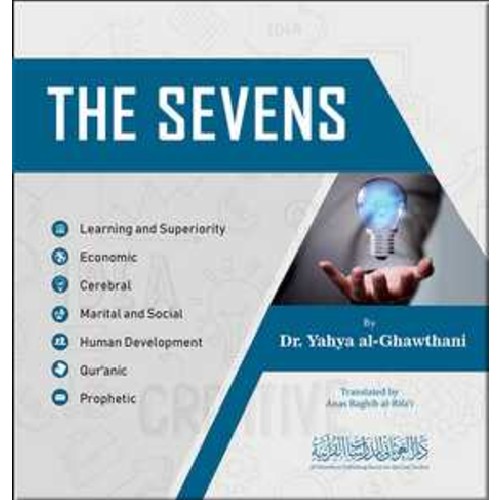
The Sevens
A concise guide for lecturers and trainers. It includes 70 Sevens which are among the strongest assistant to you in life. They are the extract of the experiments and experiences of successful scholars, within intensified points and concentrated pivots
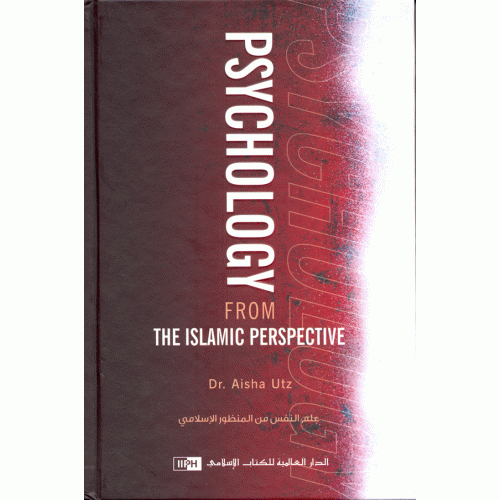
Psychology From The Islamic Perspective
Islam offers a precise, uncomplicated, and comprehensive theory of our spiritual nature, our purpose and priorities in life, and how we can attain serenity and happiness in this life and the next. In Psychology from the Islamic Perspective, Dr. Aisha Utz Hamdan includes specific references to scientific research that corresponds to, or builds upon, what is already known from revelation.
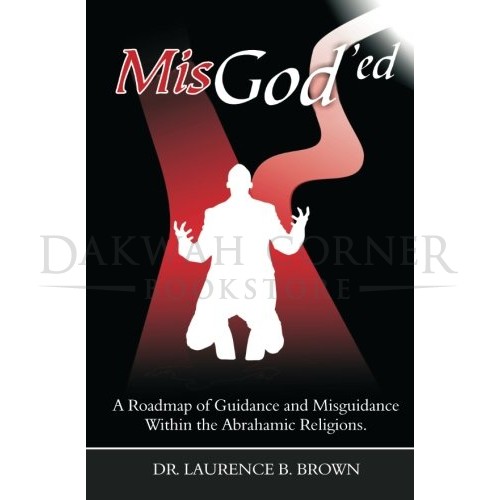
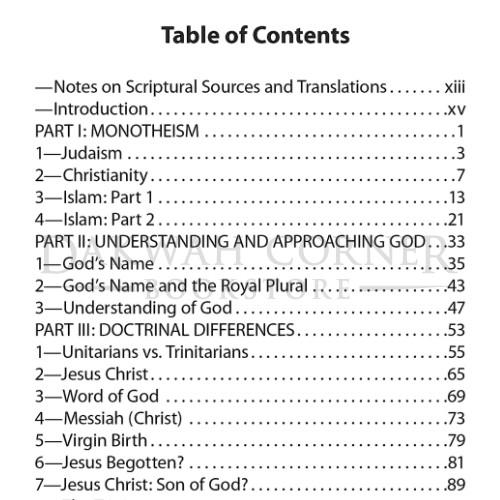
MisGod’ed: A Roadmap of Guidance and Misguidance Within the Abrahamic Religions
The world is fraught with religious conflict.
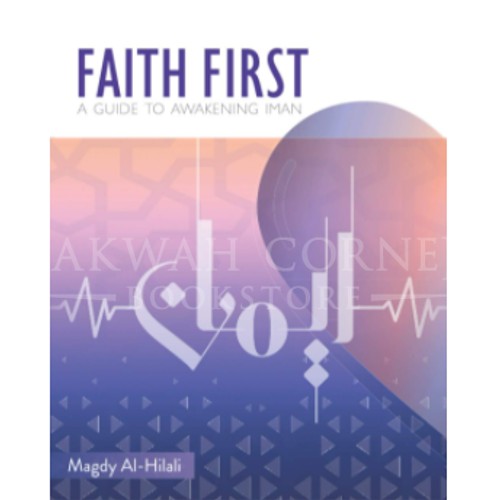
Faith First: A Guide To Awakening Iman
“Fait first is based on a simple premise: Begin with faith, and the rest will follow.”
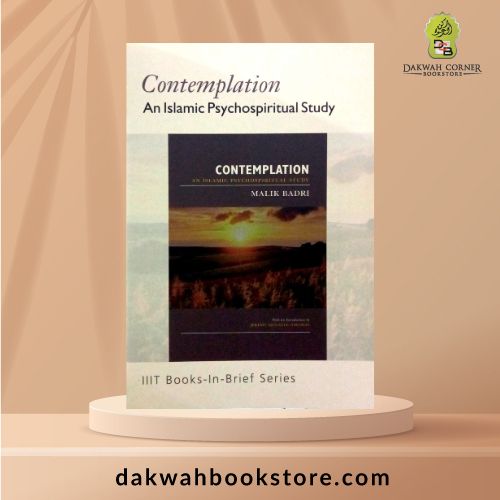
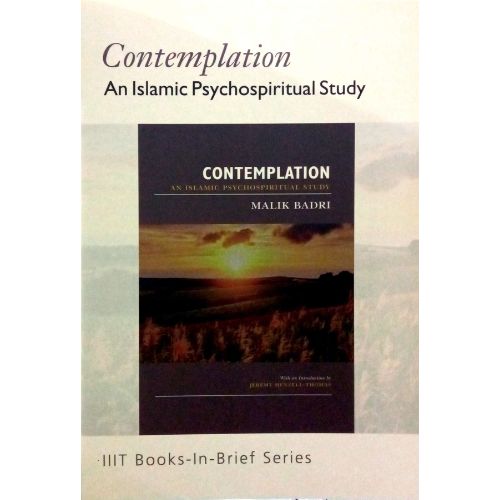
Contemplation: An Islamic Psychospiritual Study (IIIT) (Book in Brief Series)
IIIT Books-In-Brief Series is a valuable collection of the Institute’s key
publications written in condensed form to give readers a core under-standing of the main contents of the original.
Medicine And Pharmacy In The The Prophetic Traditions (H/B)
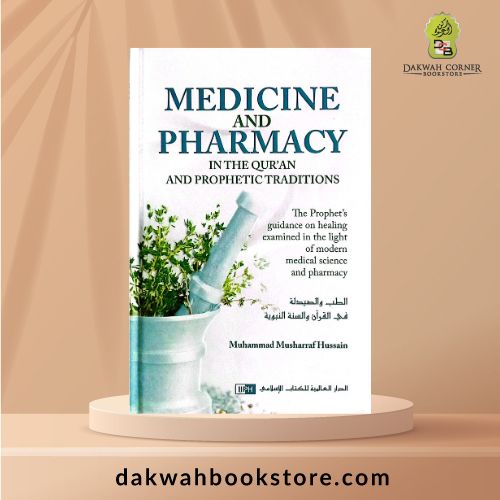
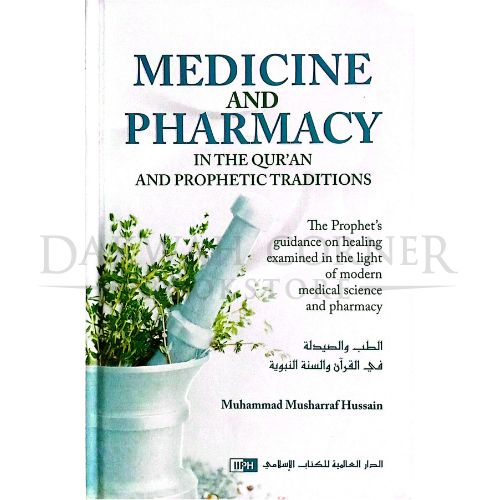
Medicine and Pharmacy in the Qur’an and Prophetic Traditions aims to integrate the science of healing into the religion of Islam. It provides advice and guidance on maintaining sound health and preventing diseases and ailments in compliance with the Qur’an and the Sunnah of Prophet Muhammad (blessings and peace be upon him). It also discusses the Qur’anic verses related to health, sickness, and cure, as well as the spiritual and physical remedies recommended by the Prophet (blessings and peace be upon him) in light of modern knowledge.
Recently Viewed
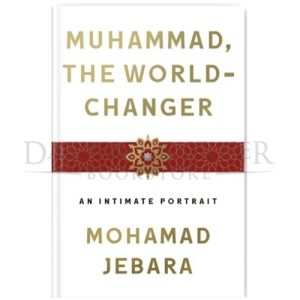
Muhammad & Civilization (H/B)
“My choice of Muhammad to lead the list of the world’s most influential persons may surprise some readers and may be questioned by others, but he was the only man in history who was supremely successful on both the religious and secular levels.”
– Michael H. Hart
Author of “The 100: A Ranking of the Most Influential Persons in History”
“If the grandeur of the aim, the smallness of the means, the immensity of the result are the three measures of a man’s genius, who would dare humanly compare a great man of modern history with Muhammad?”
– Alphonse de Lamartine
A French poet, writer and politician.
Author of “Histoire de la Turquie”
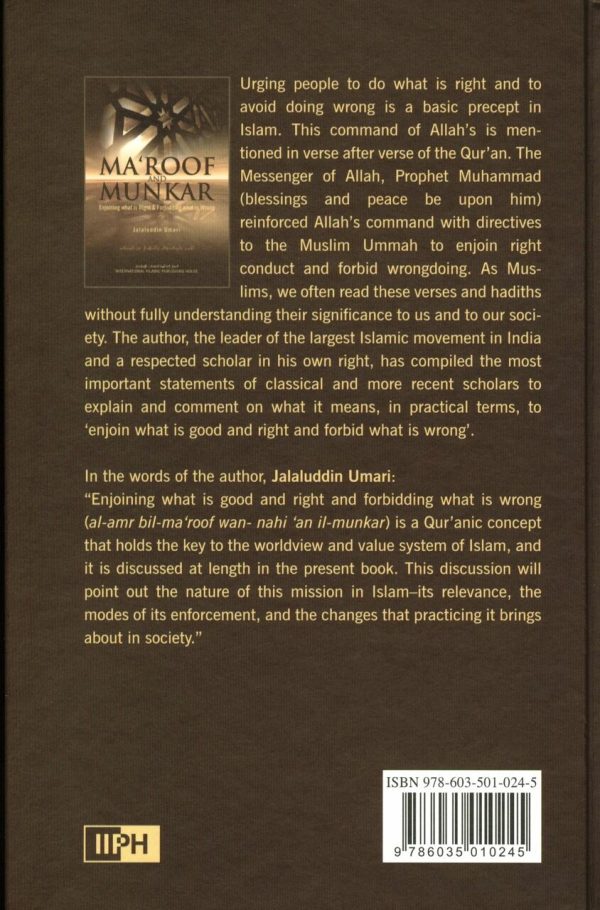
Ma’roof And Munkar – Enjoining what is Right & Forbidding what is Wrong
Ma’roof and Munkar (Enjoining what is Right & Forbidding What is Wrong) By : Jalaludin Umari Urging people to do what is right and to avoid doing wrong is a basic precept in islam . This command of allah is mentiones in verse after verse of the quran. The Messenger of Allah,Prophet Muhammad (PBUH) reinforced Allah’s command with Directives to the muslim Ummah to enjoin right conduct and forbid wrongdoing. As Muslims , we often read these verses and hadiths without fully understanding their significance to us and to our society . The Author has compiled the most important statements of classical and more recent scholars to explain and comment on what it means,in practical terms to enjoin what is good and right and forbid what is wrong.
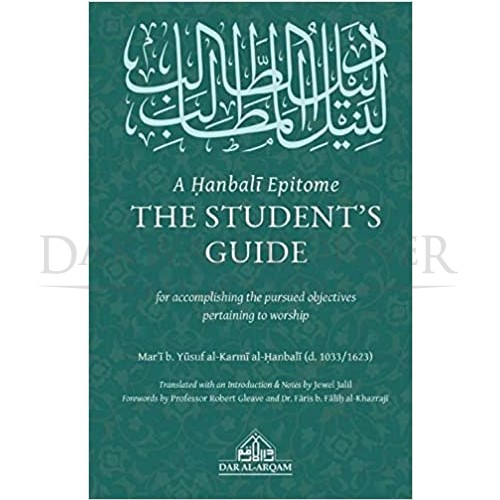
A Hanbali Epitome: A Student’s Guide
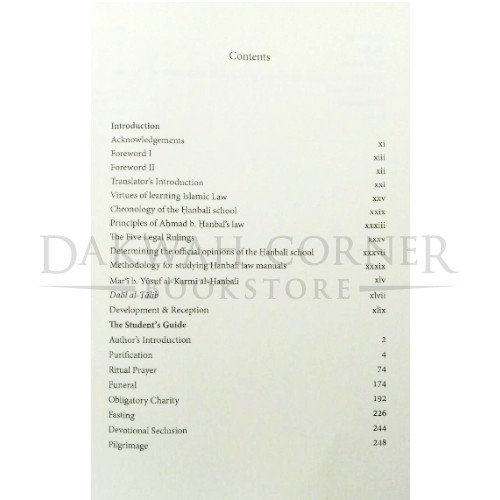
The present work focuses on the Muslim community requires for purification, prayer, charity, fasting, pilgrimage, and warfare. A lengthy introduction to Islamic law and the Hanbali’ school has been included to prepare the readers. The language employed in the translation has been kept simple, straightforward, and modern to make the work accessible to everyone who speaks English – law student or otherwise. This bilingual edition, with its parallel Arabic text, will allow readers to access the original Arabic and hopefully help with vocabulary building, oracy, and future translation. Muslims for many centuries have turned to Dalil al-Talib for study, and ultimately to be informed of their religious practices. It is hoped the translation, The Student’s Guide, will produce a similar response and convey the spirit and manner of the original owing to its style and simplicity.
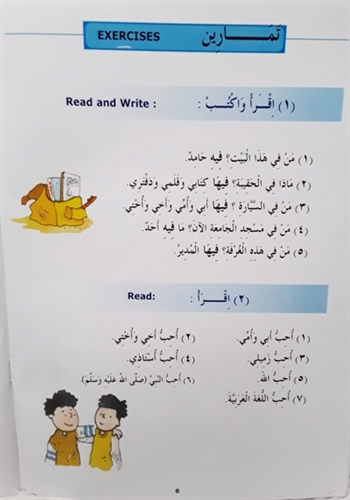
Madinah Arabic Reader (Book 2)
Professor Abdur Rahim, Director of the Translation Centre of the King Fahd Quran Printing Complex and former Professor of Arabic at the Islamic University of Madinah, Saudi Arabia, has authored texts designed to impart a knowledge of classical Arabic through applied grammar. Each lesson, based on a conversation, illustrates distinctive language patterns. These patterns are elucidated by a variety of helpful exercises. The vocabulary ranges from classical and Quranic Arabic to modern Arabic. This series of books is currently being utilized at various schools to prepare students for the University of London (UK) GCE O-Level and A-Level examinations.
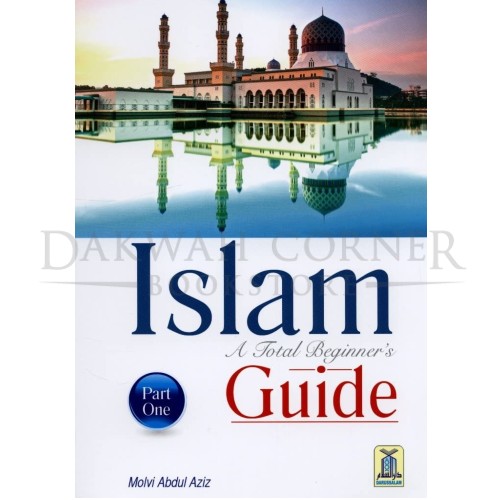
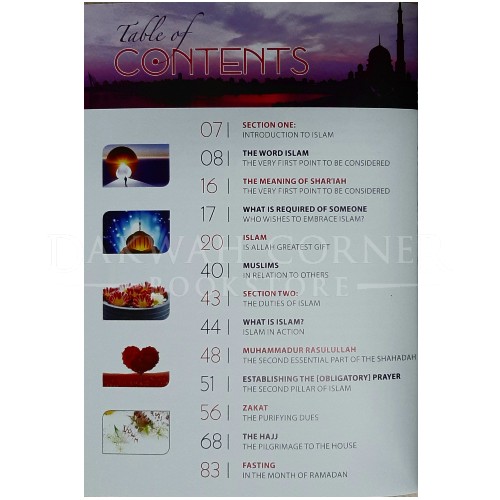
Islam A Total Beginners Guide – Part Three (P/B)
In present era we are facing lot of questions:
• What is status of women in Islam?
• Who is superior – man or women?
• What does Islam say about inter-religious marriages, man’s treatment towards his wife and privacy in homes?
• What does Islam say about dress, veil, clothing and ornaments, perfumes and the wisdom of banning gold and silk for men?
This beginner’s guide to Islam answers all such questions.
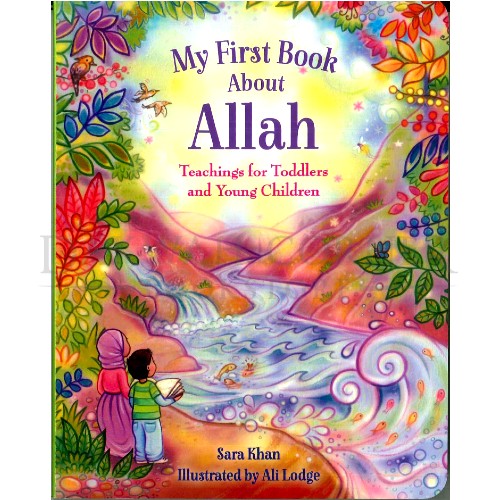
My First Book About Allah (H/B)
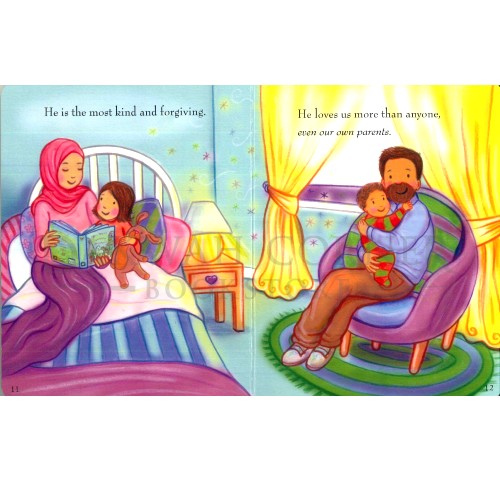
This simple but beautiful book helps children understand who Allah is. It introduces some of His divine attributes: His Oneness, His infinite Power, Love and Mercy, and it ends with the promise He has made to those who believe in Him and make Him happy.
It is a book to be treasured by children, with large, colourful illustrations and carefully written text that children will understand and enjoy.
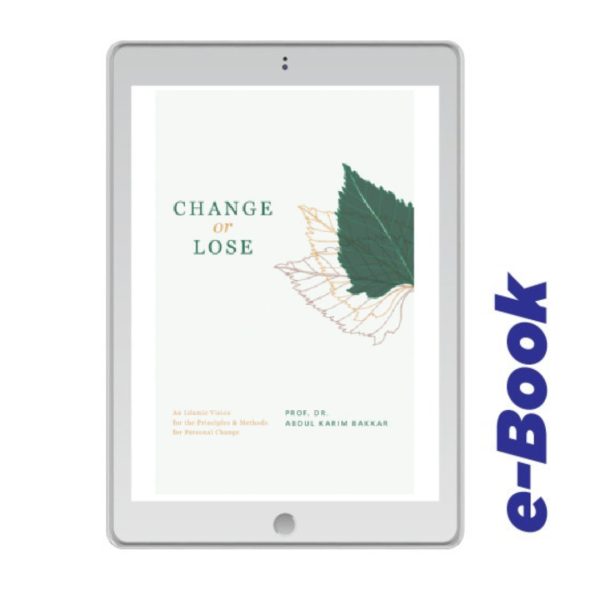
(E-Book) Change Or Lose
Change is not an easy and insignificant issue. It needs a deep insight and vision as much as will and determination. It is important here to realize that we can’t achieve all that we want and desire. Furthermore, getting what need and desire may not always be in our interest. This, of course, requires two things.
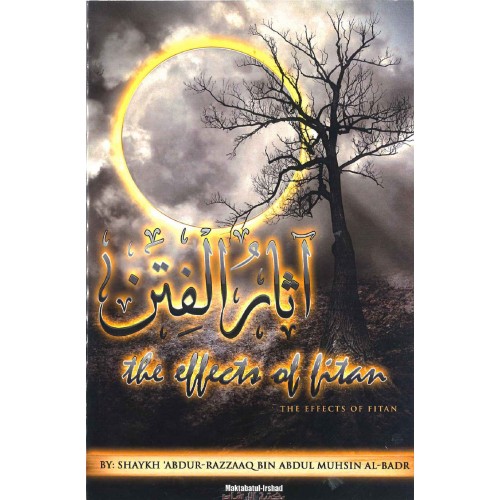
The Effects of Fitan (P/B)
Among his outstanding traits (radhiallahu ‘anhu) is what Al-Bukhari and Muslim collected on the authority of Anas bin Malik (radhiallahu ‘anhu) that Allah’s Messenger (sallallahu ‘alayhi wa sallam) said to Ubay,
إِنَّ اللهَ أَمَـرَنِـي أَنْ أَقْـرَأَ عَـلَـيْـكَ , قَـالَ : آلله سَـمَّـانِـي لَـكَ ؟ قَـالَ : اللهُ سَـمَّـاكَ لِـي . قَـالَ : فَـجَـعَـلَ أُبَـيٌّ يَـبْـكِـي .
“Indeed Allah ordered me to teach you” He (i.e. Ubay) said, “Did Allah mention my name to you?” the Prophet said, “Allah mentioned your name to me” Anas bin Malik said, “Ubay began to weep.”
Likewise you should contemplate in order to grasp Ubay’s the full extent of understanding of the religion (radhiallahu ‘anhu); his response to this question wasn’t after long period of time like a week or a month in which he could review the verses and contemplate its meanings; rather he (radhiallahu ‘anhu) merely responded immediately after the Messenger (sallallahu ‘alayhi wa sallam) repeated the question; so he chose this blessed verse.
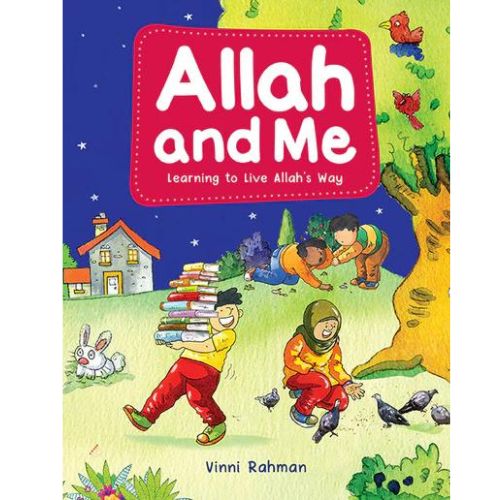
Allah And Me Learning To Live Allah’s Way (P/B)
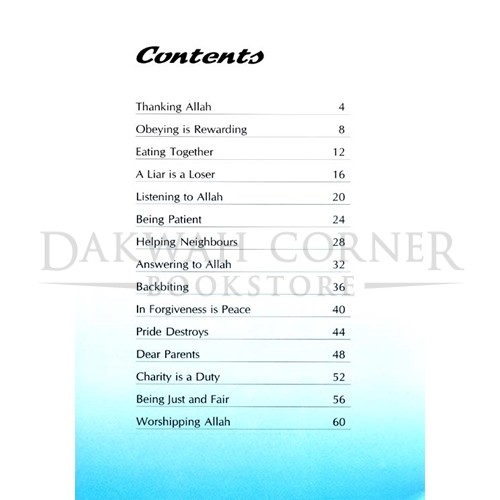
Allah knows what is best for us. Read this book to know what He expects from us and what He likes and dislikes. Allah and Me is a book which discusses some Islamic virtues which we should practice in our daily life in order to live according to Allah’s will and become candidates for Paradise. A Muslim does everything for Allah. Every Little Talk in this book includes some questions to make children think, especially about their own behaviour in context of the virtue discussed in that Talk. Each Talk ends with some Quranic verses and Hadith quotes to stress and highlight the Islamic teaching discussed in that Talk.


There are no reviews yet.