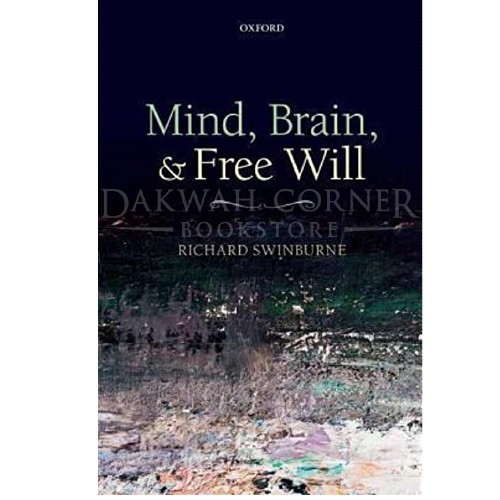
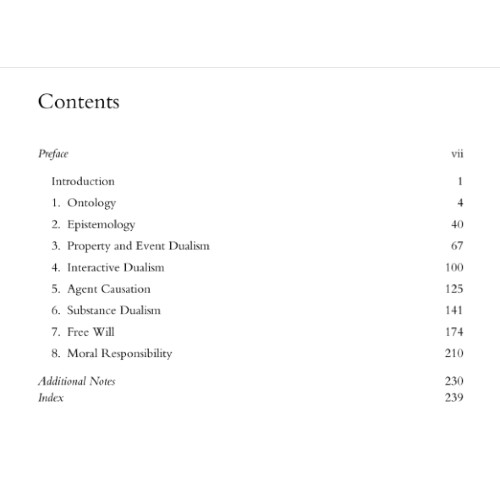
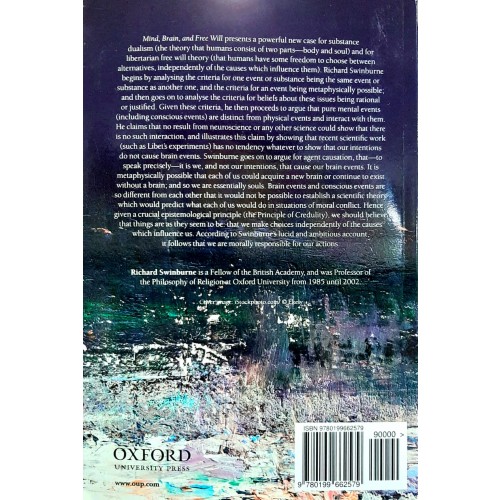
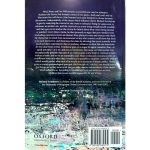
Swinburne argues that answers to questions about mind, body, and free will depend crucially on the answers to more general philosophical questions. He begins by analyzing the criteria for one event being the same as another, one substance being the same as another, and a state of affairs being
metaphysically possible; and then goes on to analyze the criteria for a belief about these issues being justified. Pure mental events (including conscious events) are distinct from physical events and interact with them. Swinburne claims that no result from neuroscience or any other science could
show that interaction does not take place; and illustrates this claim by showing that recent scientific work (such as Libet’s experiments) has no tendency whatever to show that our intentions do not cause brain events. He goes on to argue for agent causation, and claims that–to speak precisely–it
is we, and not our intentions, that cause our brain events. It is metaphysically possible that each of us could acquire a new brain or continue to exist without a brain; and so we are essentially souls. Brain events and conscious events are so different from each other that it would not be possible
to establish a scientific theory which would predict what each of us would do in situations of moral conflict. Hence given a crucial epistemological principle (the Principle of Credulity) we should believe that things are as they seem to be: that we make choices independently of the causes which
influence us. According to Swinburne’s lucid and ambitious account, it follows that we are morally responsible for our actions.
Mind, Brain, & Free Will (P/B)
RM140.00
Mind, Brain, and Free Will presents a powerful new case for substance dualism (the idea that humans consist of two parts–body and soul) and for libertarian free will (that humans have some freedom to choose between alternatives, independently of the causes which influence them). Richard
Frequently Bought Together
| Weight | 0.60 kg |
|---|---|
| Dimensions | 23.5 × 15.5 × 1.5 cm |
| Author | |
| Binding | Paperback |
| ISBN | 9780199662579 |
| Pages | 242 |
| Publisher | OXFORD University Press |
Be the first to review “Mind, Brain, & Free Will (P/B)” Cancel reply
You must be logged in to post a review.
You may also like…
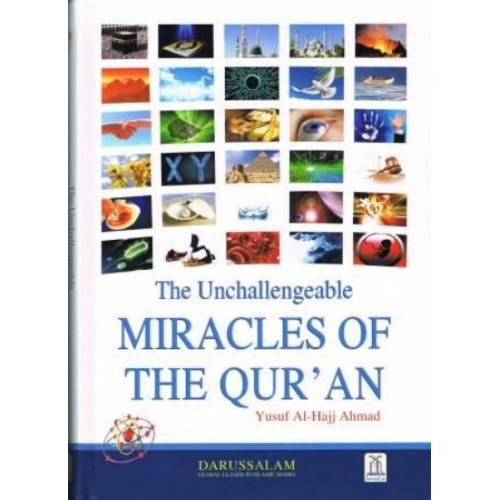
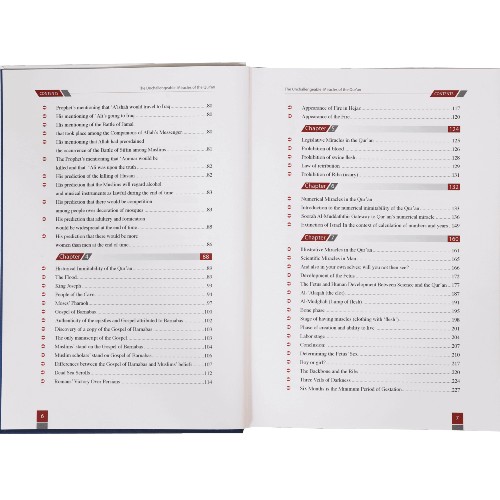
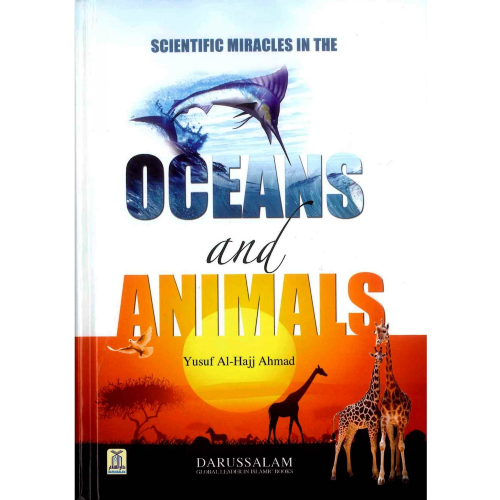
The Unchallengeable Miracles Of The Qur’an (H/B)
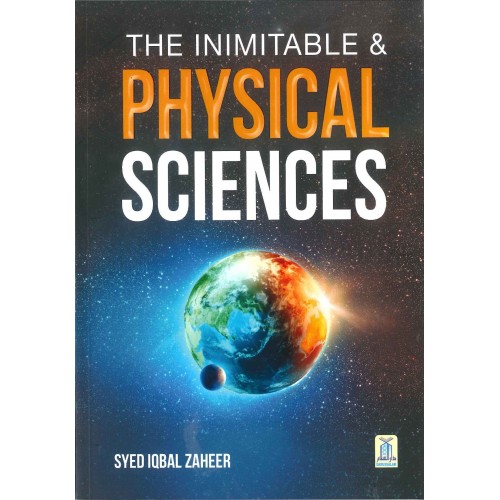
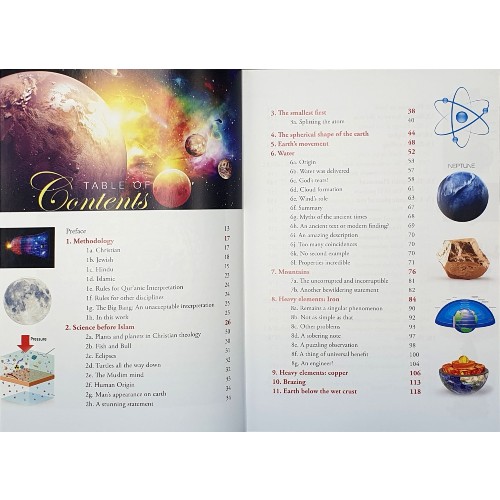
The Qur’an is a book of guidance for all of humanity, and Allah has promised that He will preserve it in its original pristine form until the Day of Judgment. The inimitable style of the Qur’aan and the superior wisdom in it are definitive evidences that it is the Word of God. Besides, the Qur’an has many miraculous verses proving that it is undoubtedly a revelation from God and not the work of a human.
Although the Qur’an is not just a book of science, it clearly states a number of scientific truths that were uncovered only with the help of modern technology in the 20th century. How can we explain the numerous scientific facts mentioned in its verses over 1400 years ago?
Time after time, respected scientists and renowned experts from all over the world, upon studying the verses of the Qur’an (Quraan) have had no other choice but to acknowledge that there were no means of knowing these scientific facts 1400 years ago. The only way they could have reached us is through revelation: proving that the Qur’an is the word of God.
Just as scientists and researchers are fascinated by the wealth of knowledge and depth of meaning carried in the verses of the Qur’an (Koran/Coran), modern readers too will find a great deal of benefit in the amazing information and insight offered by this book.
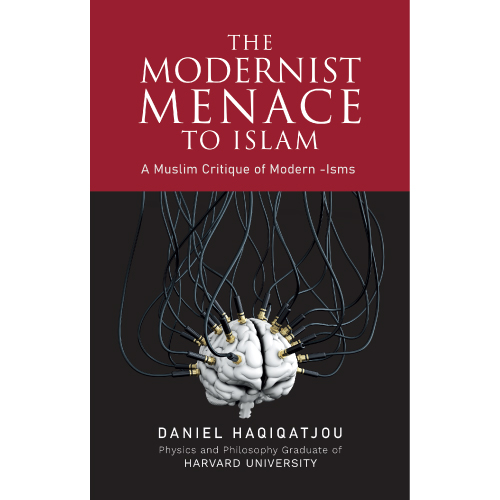
The Modernist Menace To Islam
Related Products
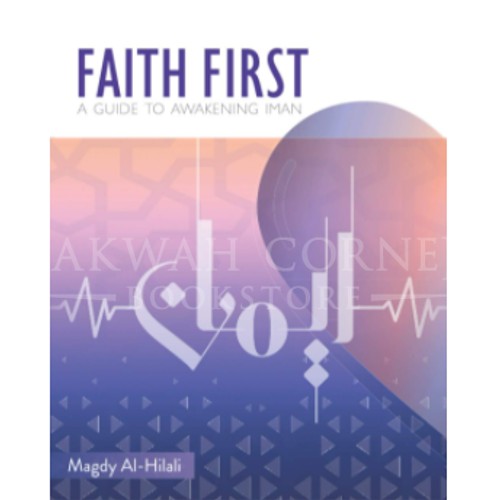
Faith First: A Guide To Awakening Iman
“Fait first is based on a simple premise: Begin with faith, and the rest will follow.”
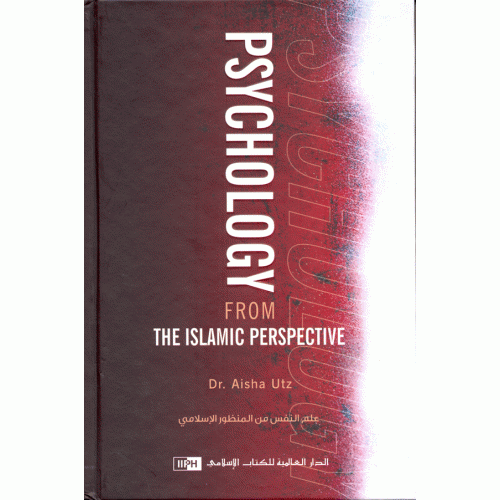
Psychology From The Islamic Perspective
Islam offers a precise, uncomplicated, and comprehensive theory of our spiritual nature, our purpose and priorities in life, and how we can attain serenity and happiness in this life and the next. In Psychology from the Islamic Perspective, Dr. Aisha Utz Hamdan includes specific references to scientific research that corresponds to, or builds upon, what is already known from revelation.
Medicine And Pharmacy In The The Prophetic Traditions (H/B)
Medicine and Pharmacy in the Qur’an and Prophetic Traditions aims to integrate the science of healing into the religion of Islam. It provides advice and guidance on maintaining sound health and preventing diseases and ailments in compliance with the Qur’an and the Sunnah of Prophet Muhammad (blessings and peace be upon him). It also discusses the Qur’anic verses related to health, sickness, and cure, as well as the spiritual and physical remedies recommended by the Prophet (blessings and peace be upon him) in light of modern knowledge.
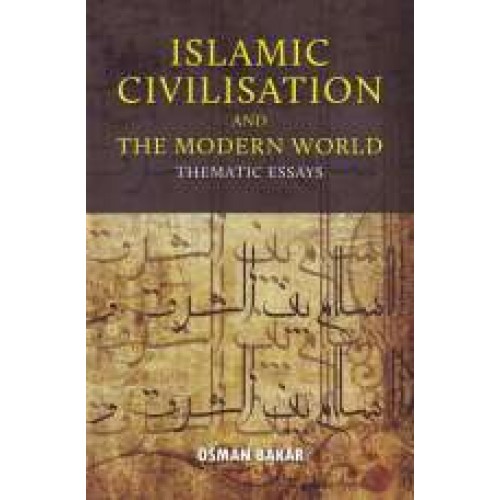
Islamic Civilisation and The Modern World (P/B)
This book presents a thematic treatment of Islamic civilisation. Each of the fourteen chapters comprising this book treats at least one of the major themes that are characteristic of this youngest religiously-based civilisation of the world.
The Zion Deception
With a keen sense of closure and awareness of the interconnectedness behind history’s failings, author Dr. Laurence B. Brown exposes popularized fallacies, and reveals the threat Zionism poses not only to Jews, but to the world as a whole.
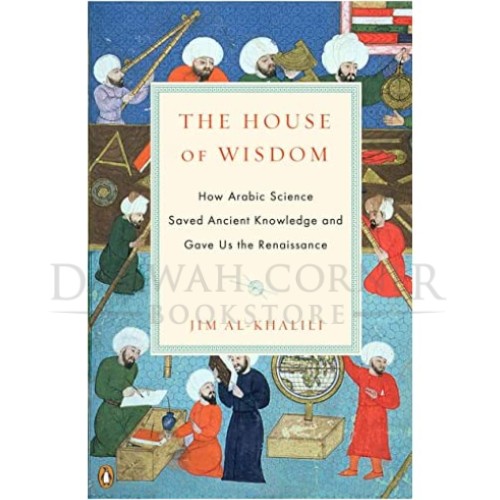
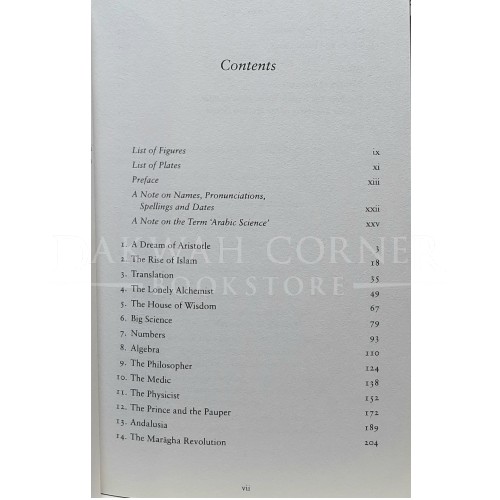
The House of Wisdom:
How Arabic Science Saved Ancient Knowledge & Gave Us the Renaissance
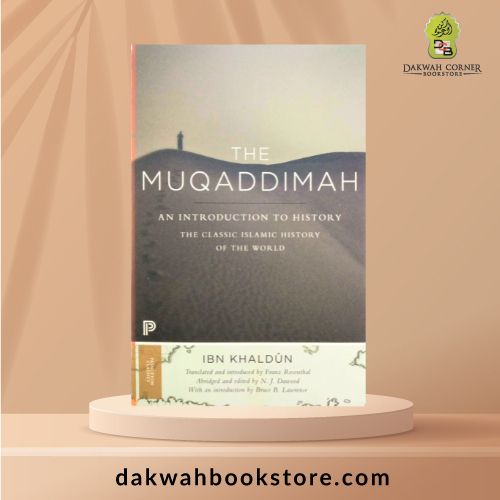
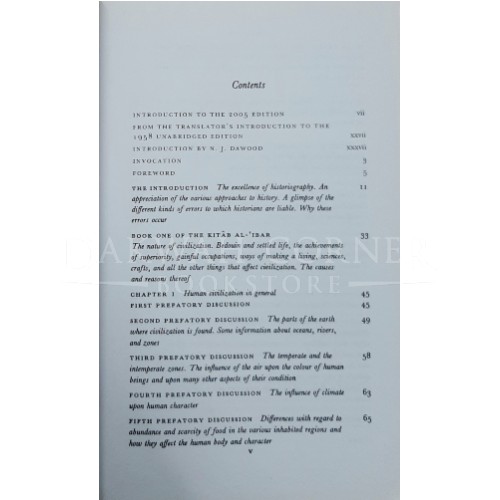
The Muqaddimah: An Introduction To History
The Muqaddimah: An Introduction to History –Abridged Edition
Recently Viewed
Islam A Total Beginners Guide – Part Two (P/B)
In present era we are facing lot of questions:
• What is status of women in Islam?
• Who is superior – man or women?
• What does Islam say about inter-religious marriages, man’s treatment towards his wife and privacy in homes?
• What does Islam say about dress, veil, clothing and ornaments, perfumes and the wisdom of banning gold and silk for men?
This beginner’s guide to Islam answers all such questions.
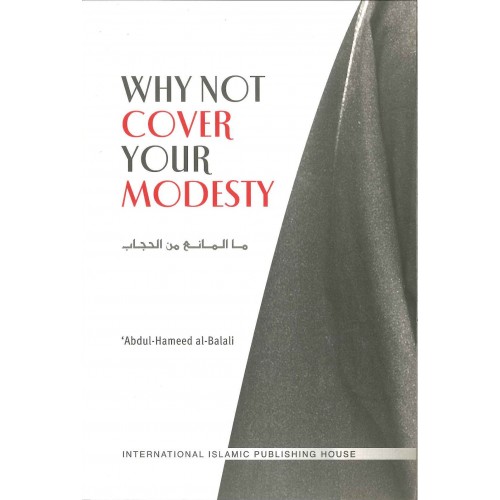
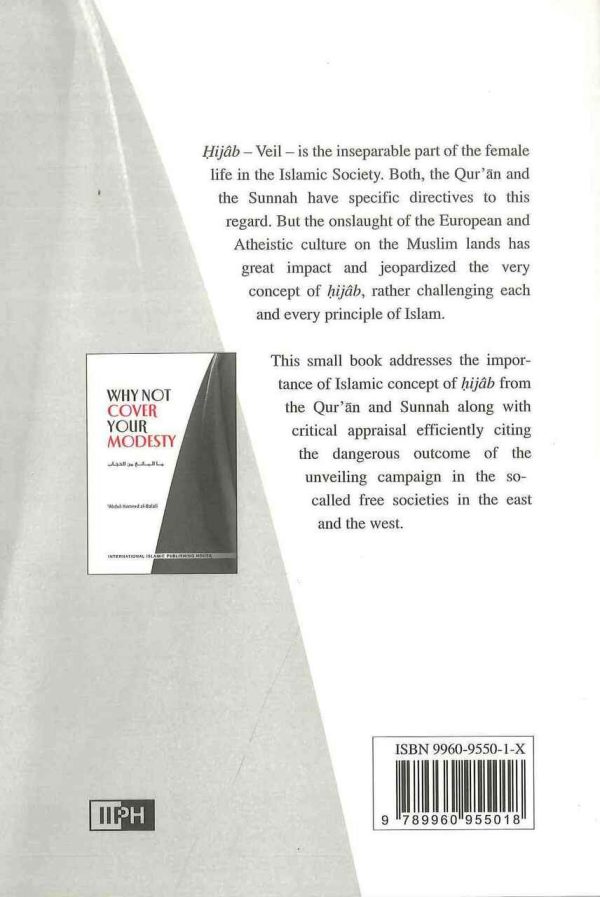
Why Not Cover Your Modesty
Hijab – or the veil – is an inseparable part of an Islamic Society. Both, the Qur’an and the Sunnah have specific directives regarding the veiling of women (and even the appropriate dress for men). However, the influence of western and atheistic cultures has had great impact, attempting to infuse its norms on the Muslim lands. The very concept of Hijab has been under attack, singled out for criticism. This small book addresses the importance of the Islamic concept of Hijab and how it seeks to honour women and protect the family unit. The author quotes from the Qur’an and the Sunnah to support Hijab. He also critically appraises the dangerous outcome of the unveiling campaign in the so-called free societies in the east and the west.
Common Mistakes Regarding Prayer – IIPH
Formal prayer (salat) is the second pillar of Islam, and the most important of a Muslim’s acts of worship. Prophet Muhammad (PBUH) said: “The first of one’s actions for which a slave of Allah will be held accountable on the Day of Judgment will be one’s prayers. If they are correct and accounted for, then he (or she) will have succeeded (gained paradise); and if they are lacking, then he (or she) will have failed (lost paradise). If there is something defective in his (or her) obligatory prayers, the Lord will say: ‘See if my slave has any supererogatory prayers with which that which was defective in his (or her) obligatory prayers may be completed. Then the rest of his (or her) deeds will be judged in like manner.” (At-Tirmidhi and others) Shaykh Mashhur Hasan Salman has compiled a list of the most common errors that we make when we pray, discussing and explaining each one. This book is a valuable aid to Muslims hoping to perfect their prayers, so that their prayers may be free of defects and acceptable to Allah. This new and revised edition of the English translation of his work presents the text in a fluent, highly readable style.
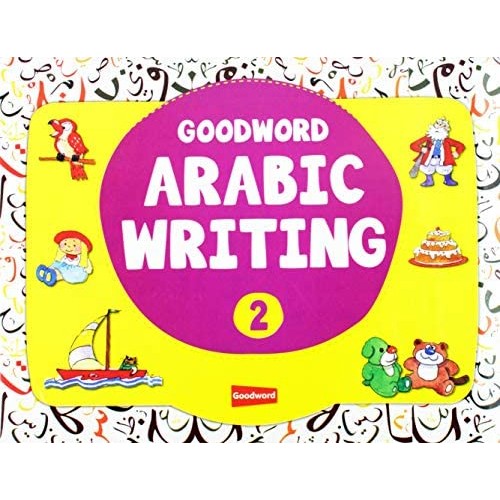
Arabic Writing Book 2
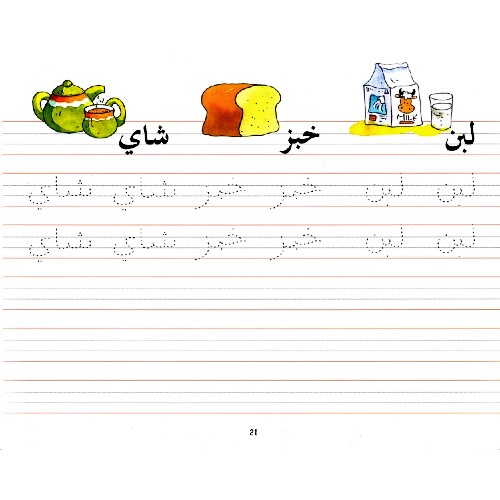
This series is perfect for your children to practice their Arabic writing skills. These books will bring out the latent calligraphers in them.
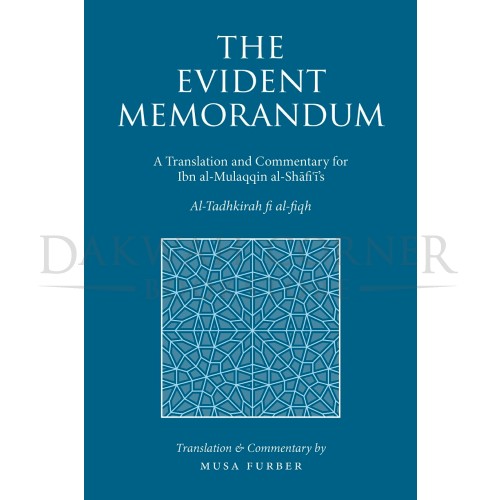
The Evident Memorandum
The Evident Memorandum: A Translation and Commentary for Ibn al-Mulaqqin al-Shāfiʿī’s Al-Tadhkirah fi al-fiqh
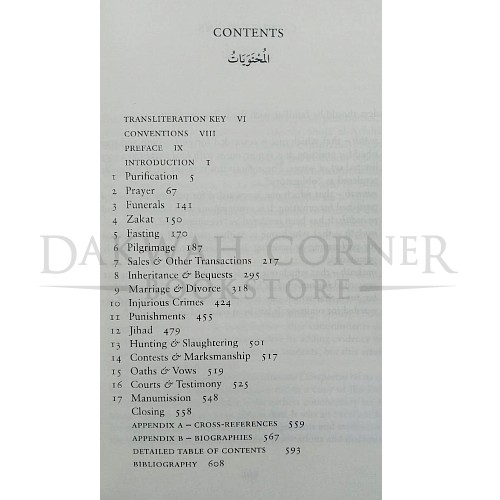
This volume contains an original commentary for Al-Tadhkirah (The Memorandum), a legal primer for Islamic Law according to the later scholars of the Shāfiʿī school by Ibn al-Mulaqqin, an Egyptian scholar who died in 804 AH/1401 CE. The commentary introduces essential evidence for the core issues of Islamic Law from its primary sources (the Quran, Sunnah, legal analogy, and scholarly consensus).
The Arabic text of Al-Tadhkirah is approximately 8,500 words in length. It is two hundred words longer than Abū Shujāʿ al-Aṣfahānī (b. 433AH/1042CE)’s Matn al-ghāyat wa-l-taqrīb (published as The Ultimate Conspectus). Although the two are roughly the same size, Ibn Mulaqqin’s style is more economical than Abū Shujāʿ’s, allowing him to cover more within the same word count. And while Ibn Mulaqqin discusses more issues, he does occasionally skip a few details that Abū Shujāʿ includes.
The primary sources for comments in this book are Ibn Mulaqqin’s books of fiqh, including Sharḥ Mukhtasar al-Tabrīzī, ʿUjālat al-muḥtāj, and Khulāṣat al-fatāwī. The bulk of the commentary comes from Sharḥ Mukhtaṣar al-Tabrīzī. Comments and hadith in the commentary can be sourced back to either one of Ibn Mulaqqin’s fiqh texts or a Shāfiʿī fiqh text through an appendix that cross-references each chapter and section in this book against its sources. Each hadith mentioned in the book is traced back to its primary sources, along with a reference to one or more of Ibn Mulaqqin’s hadith works. In the few instances where a hadith is not included in one of Ibn Mulaqqin’s works, it is referenced it to a Shāfiʿī text that does. Through this, readers can be assured that the hadiths cited here are ones that Shāfiʿīs themselves use.
Readers will find the book most beneficial after reading The Accessible Conspectus and Sharh al-Waraqat.
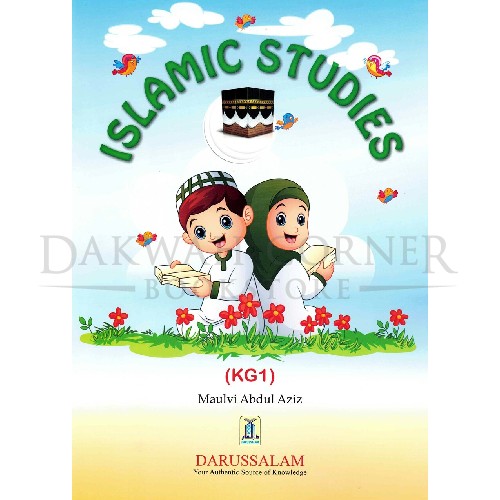
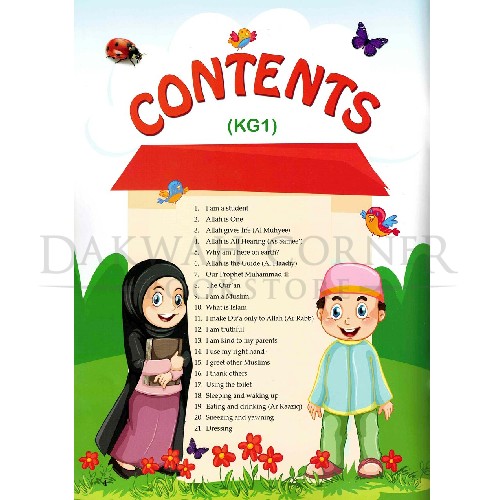
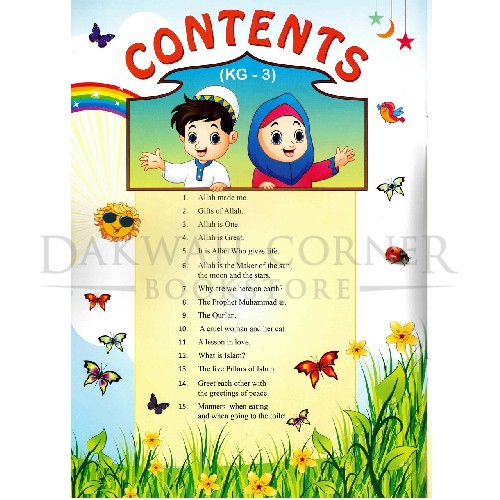
Islamic Studies (KG1)
ISLAMIC STUDIES (KG1)
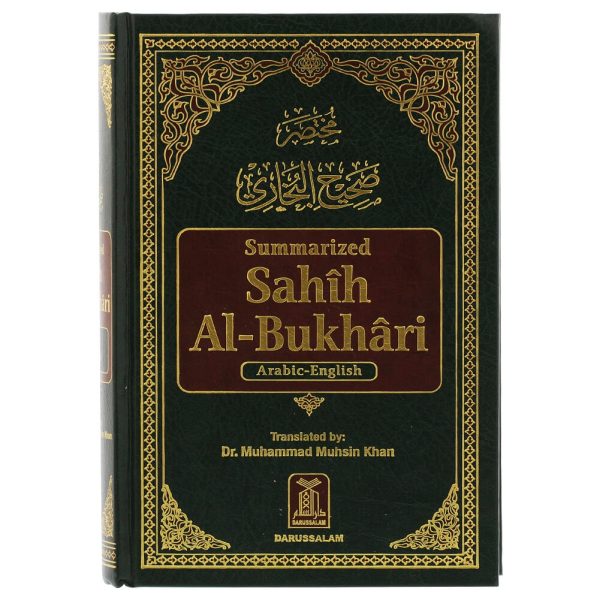
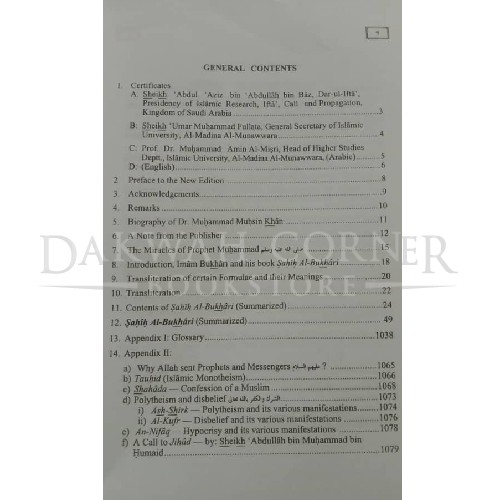
Summarized Sahih Al-Bukhari (Medium)
Noble Hadith and Hadith Sciences


There are no reviews yet.