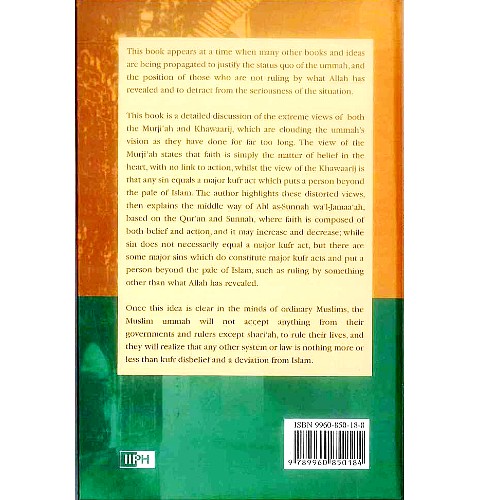


This book appears at a time when many other books
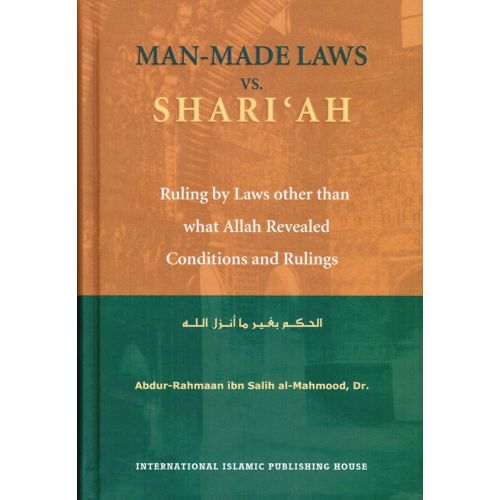
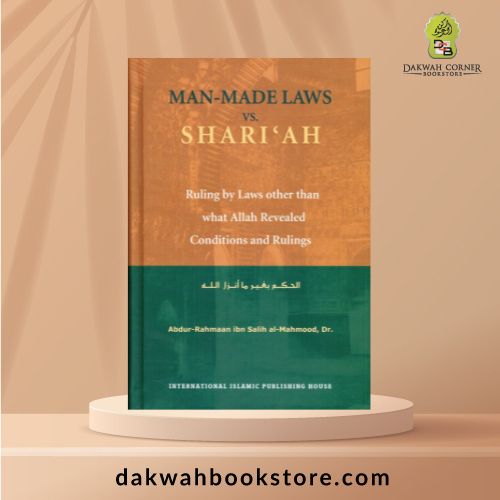
and ideas are being propagated to justify the status quo of the Ummah (community), and the position of those who are not ruling by that which Allah has revealed, and to detract from the seriousness of the situation. This book presents a detailed discussion of the extreme views of the Murji‘ah and the Khawârij, views which are clouding the Ummah’s vision as they have for far too long. The view of the Murji‘ah is that faith is simply a matter of belief in the heart, with no link to action. The view of the Khawârij is that any sin constitutes major kufr (unbelief), which puts a person beyond the pale of Islam. The author highlights these distorted views, then explains the middle way of Ahl as-Sunnah wal-Jamâ‘ah (the People of the Sunnah and the Community), based on the Qur’an and the Sunnah. This is the knowledge that faith is composed of both belief and action, and that it may increase and decrease. Sin does not necessarily constitute major kufr, but there are some sins which in and of themselves do constitute major kufr and put a person beyond the pale of Islam, such as ruling by something other than that which Allah has revealed. Then the author discusses the rulings and conditions of such situations. Once this concept is clear in the minds of ordinary Muslims, then the Muslim Ummah will not accept anything from their governments and rulers except the Shari‘ah to rule their lives, and they will realize that any other system or law is nothing more or less than deviation from Islam.
Man-made Laws vs Shari`ah
RM70.00

Frequently Bought Together
| Weight | 0.65 kg |
|---|---|
| Dimensions | 21 × 16 × 2 cm |
| Product Type | Book |
| Author | |
| Publisher | IIPH |
| Pages | 384 |
| ISBN | 9789960850184 |
Be the first to review “Man-made Laws vs Shari`ah” Cancel reply
You must be logged in to post a review.
You may also like…

Principles of Islamic Jurisprudence (2nd Revised Edition)
This book offers a detailed presentation of the theory of Muslim law (usul al-figh). Often regarded as the most sophisticated of the traditional Islamic disciplines, Muslim jurisprudence is concerned with the way in which the rituals and laws of religion are derived from the Qur’an and the Sunna – the precedent of the Prophet. Revelation, which is given to man to restore unity and help him achieve a just and devout order in society as well as in the soul, must be interpreted so as to render it practicable in every culture, while not betraying its spirit and immutable provisions. To achieve this, additional sources of legal authority are recognized, including consensus (ijma), analogical deduction (qiyas), public interest (maslaha) and local customary precedent (urf). In employing these, the jurist guards the five principles which it is the purpose of Islamic law to uphold, namely, the right to life, sound mind, property, lineage and religion.
Approaching the Sunnah: Comprehension & Controversy (P/B)
The Sunnah still provides the stable moral framework – the grammar – that enables Muslims, by formal rules and inward sense, to know right from wrong. However, separation from the mainstream of life puts the Sunnah in danger of becoming rigid – an archaism. Addressing that danger, this book explains how the Sunnah can function as the grammar of a living, adaptive language, capable of guiding (and not shying from) the mainstream.
The first chapter sets out the qualities that characterize authentic application of the Sunnah: universality, coherence (so that different spheres of human responsibility are not split), compassionate realism, moderation, and humility. The second explains standards and procedures for determining the Sunnah in the fields of jurisprudence and moral instruction. The third chapter illustrates through detailed examples common errors in understanding the Sunnah – reading hadiths singly without sufficient context, confusing legal and moral injunctions, means and ends, figurative and literal meanings…–and it proposes remedies for these errors.
YUSUF AL-QARADAWI is one of the Islamic world’s most widely respected and prolific scholars. His works have remained popular over many decades. Among the best known of his books to appear in English is The Lawful and the Prohibited in Islam (first edition 1994).
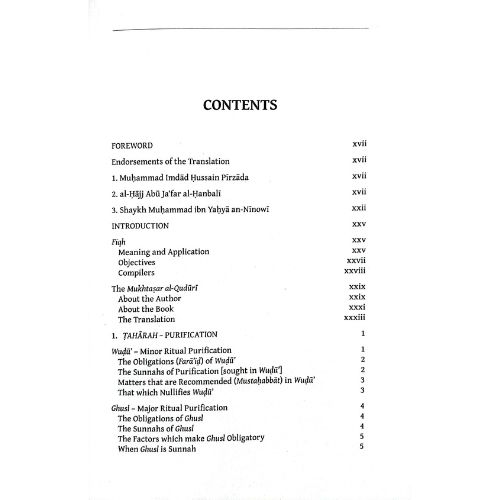
The Mukhtasar Al-Quduri
The Mukhtasar Al-Quduri is one of the most celebrated and influential treatises in any Muslim school of methodology and thought and is the foundation for the Hanafi school.
It is both the first source for scholars and a manual for the general reader.
This is its first ever complete translation in English.
Al-Jumu’ah: The Day of Congregation
In our busy lives, Friday comes around once a week. It often comes and goes without our being really aware of it. For many Muslim men, it may be punctuated by the congregational prayer that they make special efforts to attend. For many Muslim women, it may go by just like any other day. This ought not to be the case. In this unique book, Dr. Gowher Yusuf gives us reason to stop and think about how special Friday (al-Jumu‘ah) really is, and what we should be doing to achieve the many bounteous blessings it holds for those who observe it. Drawing constantly from the Qur`an and the Sunnah and the great works of the scholars of Islam, Dr. Gowher Yusuf explores this topic in depth and presents it to the reader in simple language for them to understand and ponder over. This book travels through the various issues pertaining to the Friday prayer and its Khutbah, or sermon. These issues are explained within the Islamic framework, thus abolishing any myths and misunderstandings and clarifying the topic for the reader. Dr. Yusuf writes: The day of the week known as al-Jumu‘ah, or simply Jumu‘ah, is Friday, and it is special. Compared to the other days of the week, Friday has been accorded the largest amount of merit, so much so that the father of all humankind, Prophet Âdam (peace be upon him), was created on this day and a particular prayer was ordered for this day. It was from the guidance given to Prophet Muhammad (blessings and peace of Allah be upon him) to magnify this day, honour it, and designate it for acts of worship. …On a Friday, we all will be gathered and will stand congregated in front of Allah, the Exalted, on the Day of Resurrection, also called the Day of Accountability or the Day of Judgement.
Related Products
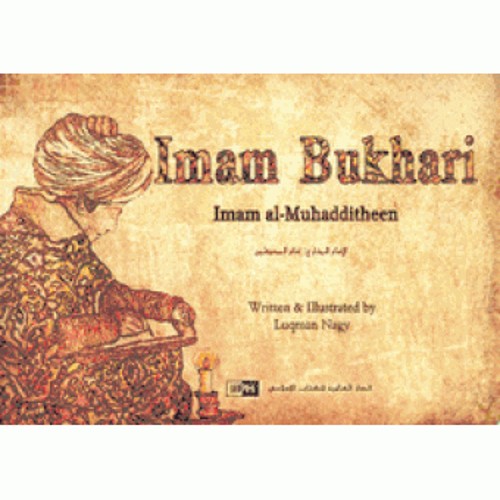
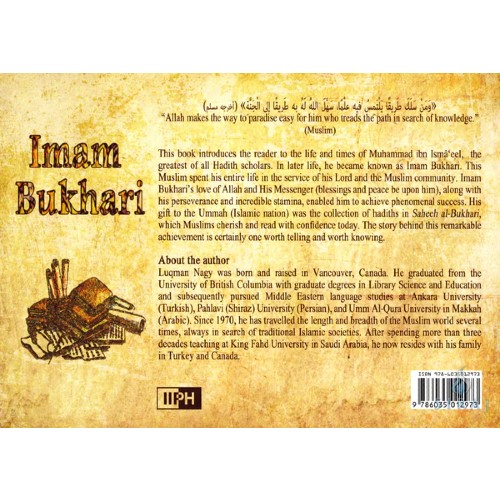
Imam Bukhari – Imam Al-Muhadditheen (IIPH)
This book, authored by Luqman Nagy, introduces the reader to the life and times of Muhammad ibn Ismâ‘eel, the greatest of all Hadith scholars. In later life, he became known as Imam Bukhari. This Muslim spent his entire life in the service of his Lord and the Muslim community. His gift to the Ummah (nation) was the collection of hadiths in Saheeh al-Bukhâri, which Muslims cherish and read with confidence today. The story behind this remarkable achievement is certainly one worth telling and worth knowing.
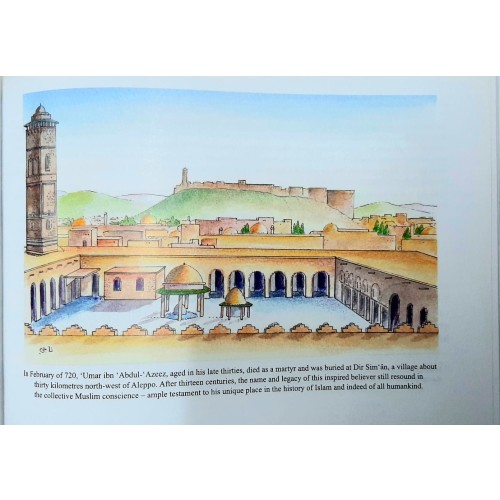
Umar ibn Abdul-Azeez The Just Caliph (IIPH)
This book, written by Luqman Nagy, highlights the life and times of ‘Umar ibn ‘Abdul-‘Azeez, a truly exceptional Muslim ruler who, during his twenty-nine months in office, governed the Ummah totally in accordance with the Qur’an and the Sunnah. His sincere devotion to the religion of Islam enabled ‘Umar ibn ‘Abdul-‘Azeez to bring prosperity and contentment not only to the Ummah but to all those residing within the Umayyad state.
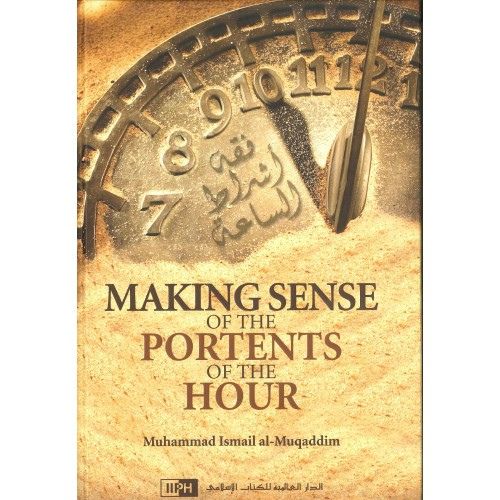
Making Sense of the Portents of the Hour (H/B) – IIPH
Are things inevitably getting worse and worse, year after year, century after century, with no way to alter the course of events? Is the Muslim Ummah doomed to experience failure and humiliation until the Mahdi arrives? Will he restore its former glory and bring victory over all its enemies? Are all our efforts to support Islam destined to end in failure? Instead of taking action, should we simply wait for the return of Jesus (peace be upon him) towards the end of time? Is the Dajjâl (Antichrist) alive today? Does he have secret connections with some prominent world figures? Is the hour very close? Could it come upon us at any moment, on any day? If so, what is the point of striving to improve our situation?
Using evidence from the Qur’an and the Sunnah, the author explains the true Islamic teachings on the portents of the hour, clearing up some of the misconceptions about them and giving advice on how Muslims should respond to them. The book is an interesting and informative read that will leave the reader empowered with knowledge.
Problems and Solutions (IIPH)
What should I do if I miss the fajr prayer? What are the consequences of excessive laughter? How should I deal with insinuating thoughts from Satan? How can I control my bad temper? What is so bad about staying up late night after night? Drawing on the great guidance of the Qur’an and the Sunnah, Shaykh Muhammad Sâlih al-Munajjid answers these questions and more, giving informative explanations and practical solutions to help you improve in your worship and in your performance of everyday activities.
Let Us Remember Allah And Praise Him
Remembrance, praise and supplication – dhikr and du‘â’ – are the core of worship of the Divine. The Noble Qur’an and the last Prophet (blessings and peace of Allah be upon him) have stressed this point and taught us how to attain Allah’s pleasure through calling on Him and remembering Him in words of praise and thankfulness. This small book is a valuable collection of daily supplications from the Qur’an and the authentic hadiths. It contains the Arabic text, full transliteration and clear translation of the meaning of dozens of phrases of remembrance (dhikr) and supplication (du‘â’). This new and revised edition of Let Us Remember Allah and Praise Him is designed to be easy to use: its full-sized page format ensures that the print is large enough to read effortlessly, and yet its ultra-slim volume makes it no trouble to slip into a handbag
or backpack. It is truly a practical handbook for every Muslim desiring to seek peace in this earthly life and salvation in the hereafter.
Man & The Universe An Islamic Perspective – Awakening
The author presents a penetrating diagnosis of the illnesses of humanity today, together with a fascinating overview of the Islamic metaphysics, unearthing its spiritual and moral values and its timeless relevance and applicability. Man and universe is a compelling and urgently needed piece of writing about what we human beings are, where we stand, and what we can do about it.
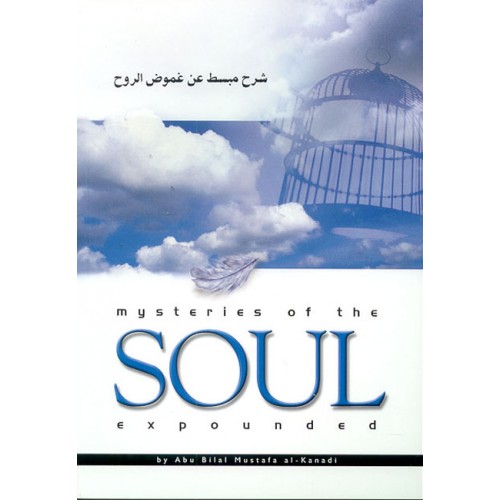
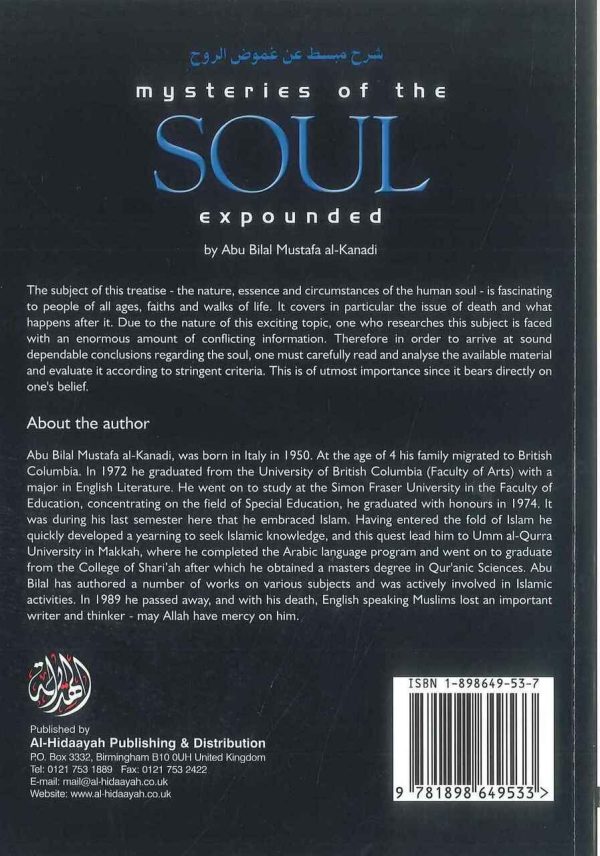
Mysteries of The Soul Expounded (P/B)
The subject of this treatise – the nature, essence and circumstances of the human soul – is fascinating to people of all ages, faiths and walks of life. It covers in particular the issue of death and what happens after it. Due to the nature of this exciting topic, one who researches this subject is faced with an enormous amount of conflicting information. Therefore in order to arrive at sound dependable conclusions regarding the soul, one must carefully read and analyse the available material and evaluate it according to stringent criteria. This is of utmost importance since it bears directly on one’s belief.
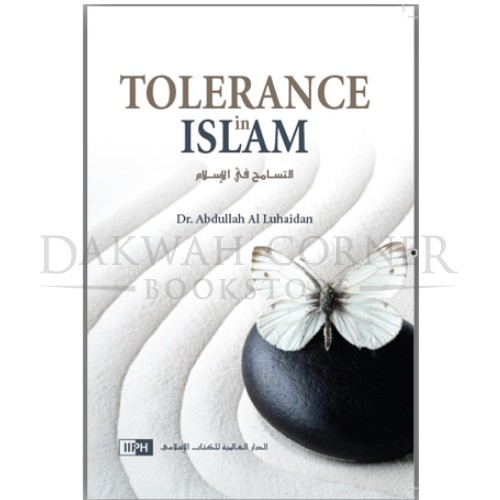
Tolerance In Islam
This short book examines the concept of tolerance in Islam. The Arabic word that is translated in English as ‘tolerance’ encompasses a much richer meaning than the idea of putting up with something grudgingly. It conveys a reciprocal sense of generosity, forgiveness, ease and smoothness.
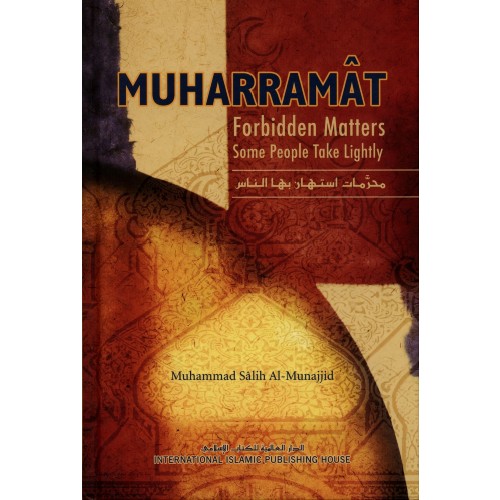
Muharramat: Forbidden Matters Some People Take Lightly
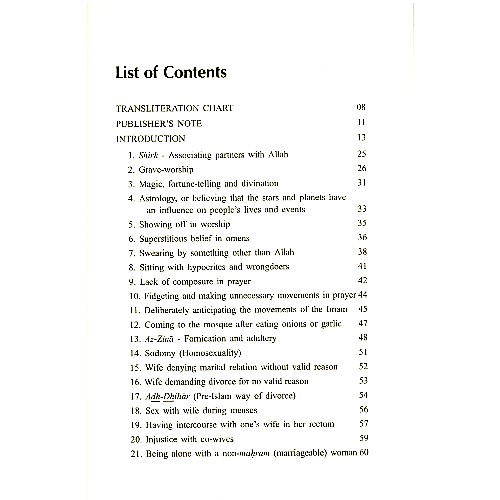
Some Muslims who are either ignorant or of weak faith still commit many acts which Allah never allowed. Ignorance is not an excuse for doing something wrong or illegal, hence it is important to make an effort to learn what these muharramât or forbidden acts are, in order to avoid ever committing them. The author, Shaykh Muhammad Sâlih al-Munajjid, explains many of the forbidden acts that have to do with calling on human beings and things other than Allah, worshipping the dead and circumambulating their graves, invoking prophets and the dead, magic, fortune-telling, believing in the power of astrologists and planets and other acts that go against the Islamic creed of monotheism (tawheed). As such, this book of prohibitions regarding beliefs and acts of worship is a helpful resource for Muslims, if they are really practicing Islam and want to avoid committing great sins.
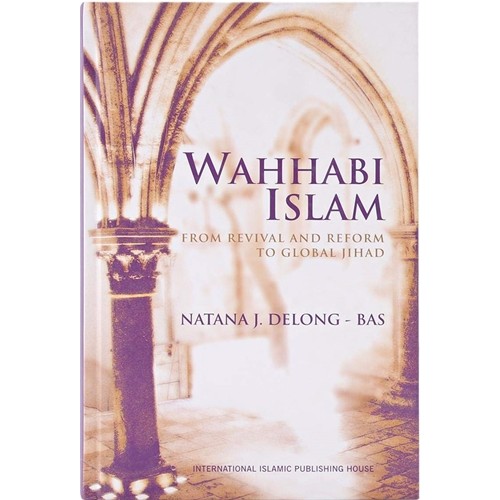
Wahhabi Islam From Revival And Reform To Global Jihad
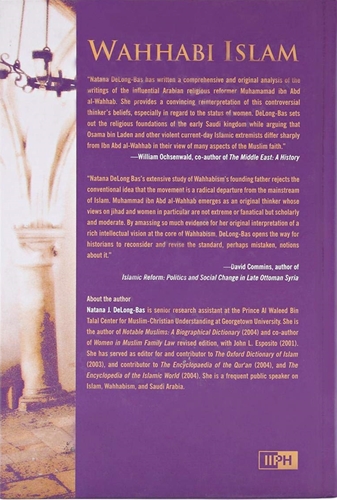
Until September 11, 2001 few Westerners had ever heard of “Wahhabism.” Now most of us recognize the word as describing an austere and puritanical type of Islam, mentioned frequently in connection with Osama bin Laden and Saudi Arabia and often named as the inspiration behind the 9/11 terror attacks. The word “Wahhabi” stems from the name of the founder of this system of thought, Muhammad Ibn Abd al-Wahhab (1702-1791), companion and religious adviser to Muhammad Ibn Saud, founder of the House of Saud. In this book Natana DeLong-Bas offers an in-depth study of the written works of al-Wahhab. She focuses on four areas: theology, legal theory, proselytizing through education and jihad, and law on women. Through a close reading of al-Wahhab’s texts she demonstrates that many aspects of 20th- and 21st-century Wahhabi extremism do not have their origins in his writings. Examples of this extremism include the emphasis on jihad, martyrdom and militancy, and misogyny. The strict division of the world into dar al-Islam and dar al-kufr, according to which only Wahhabi adherents are considered to be true Muslims and all others are non-Muslims who must be fought, is entirely absent from al-Wahhab’s work. Instead, argues DeLong-Bas, all of these themes were only added to Wahhabi teachings in the 19th century following armed engagement with the Ottoman Empire. DeLong-Bas’s study fills an enormous gap in the literature about Wahhabism by returning to the original writings of the founder of the movement. She debunks the common journalistic portrayal of Muhammad Ibn Abd al-Wahhab as an illiterate, rural bumpkin with no scholarly formation. Her revisionist reading of al-Wahhab’s thought will be controversial but impossible to ignore. The book will be essential reading for students and scholars of Islam as well as for those interested in the background of this dangerous modern ideology.
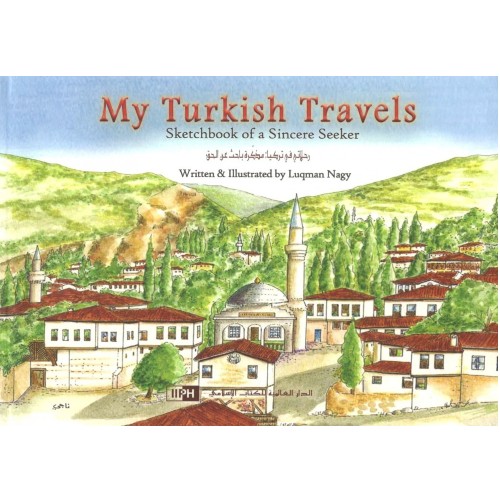
My Turkish Travels Sketchbook of a Sincere Seeker (IIPH)
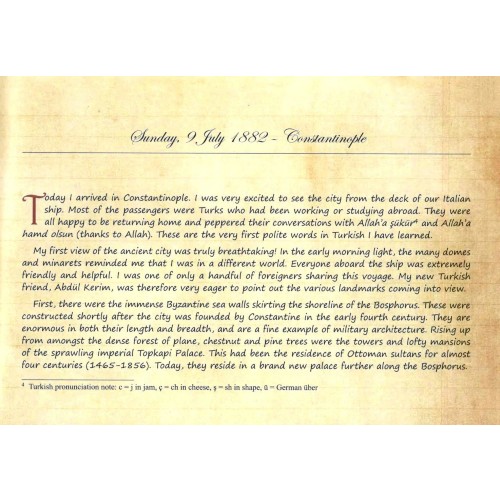
Written by Luqman Nagy, My Turkish Travels comprises of the diary entries of a young Hungarian artist named László who traveled to Constantinople (now Istanbul) in 1882. The time he spent in Turkey changed his life forever. In this book, the readers can admire László’s wonderful watercolour paintings and read the personal diary entries he writes at the end of each day.
Recently Viewed
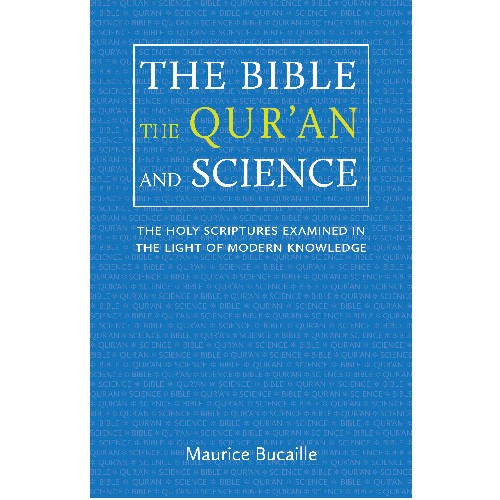
The Bible The Quran and Science (P/B) by Dar Al Wahi
In his objective study of the texts, Maurice Bucaille clears away many preconceived ideas about the Old Testament, the Gospels and the Qur’an. He tries, in this collection of Writings, to separate what belongs to Revelation from what is the product of error or human interpretation. His study sheds new light on the Holy Scriptures. At the end of a gripping account, he places the Believer before a point of cardinal importance: the continuity of a Revelation emanating from the same God, with modes of expression that differ in the course of time. It leads us to meditate upon those factors which, in our day, should spiritually unite rather than divide-Jews, Christians and Muslims.
As a surgeon, Maurice Bucaille has often been in a situation where he was able to examine not only people’s bodies, but their souls. This is how he was struck by the existence of Muslim piety and by aspects of Islam which remain unknown to the vast majority of non-Muslims. In his search for explanations which are otherwise difficult to obtain, he learnt Arabic and studied the Qur’an. In it, he was surprised to find statements on natural phenomena whose meaning can only be understood through modern scientific knowledge.
He then turned to the question of the authenticity of the writings that constitute the Holy Scriptures of the monotheistic religions. Finally, in the case of the Bible, he proceeded to a confrontation between these writings and scientific data.
The results of his research into the Judeo-Christian Revelation and the Qur’an are set out in this book.
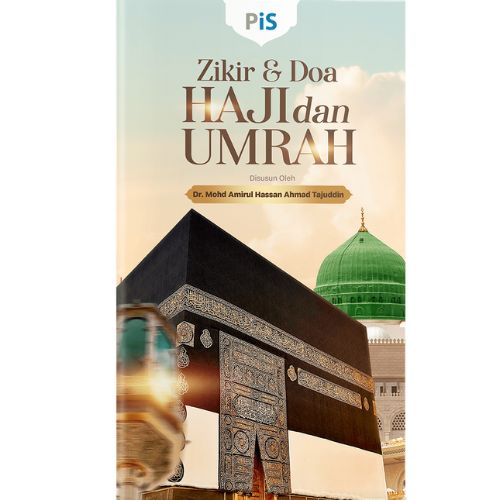
Zikir & Doa Haji dan Umrah
Adakah anda sedang mencari panduan doa yang sahih untuk mengiringi perjalanan suci Haji dan Umrah anda?
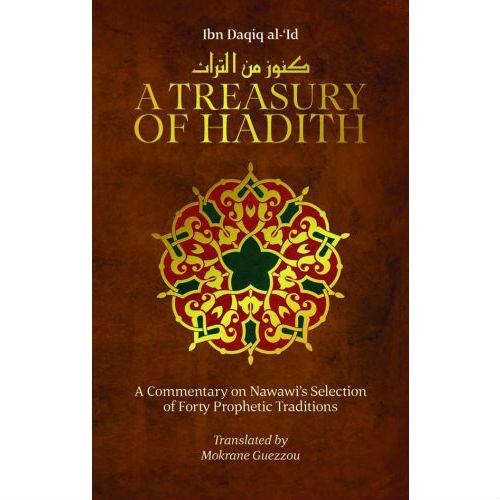
A Treasury of Hadith
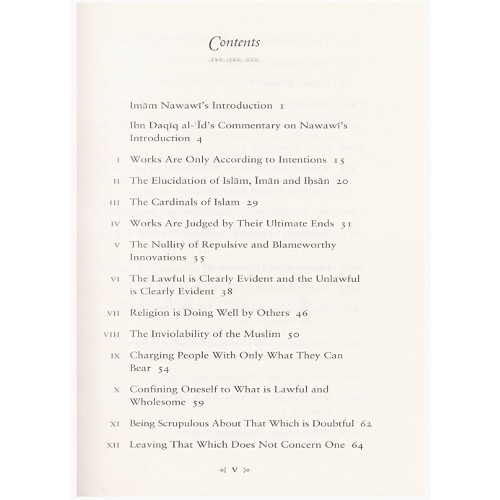
This classical short commentary on Imam Nawawi’s famous collection of forty-two traditions of the Prophet Muhammad, may Allah bless him and give him peace, is an authoritative introduction to key Islamic principles and teachings, Accounted as hadith master, in this collection Imam Nawawi collected together those traditions that he considered were axial to the entire Islamic faith. As the first title in Kube’s new Treasury Series in Islamic Thought and Civilization, this accessible translation is presented in a beautiful gift format.
Ibn Daqiq al-‘Id (d.1302) was a Shafi’i mujtahid imam, who was educated in Damascus, Alexandria, and Egypt. Accounted as one of the greatest scholars in Islam in the fundamentals of law and belief, he wrote extensively in the areas of law, principles of jurisprudence, hadith, and tenets of faith. Imam Nawawi (d.1277) was accounted as an Imam of the later Shafi’i school and was known for his piety and knowledge.
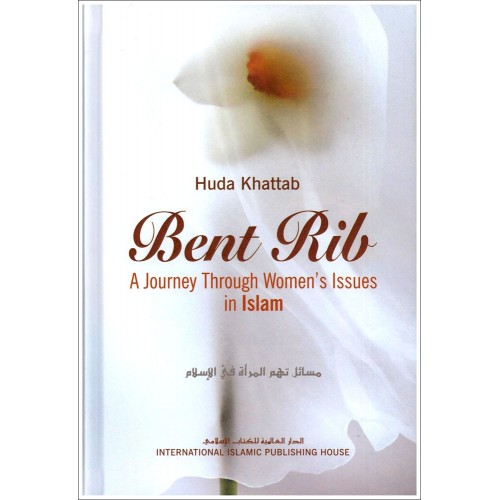
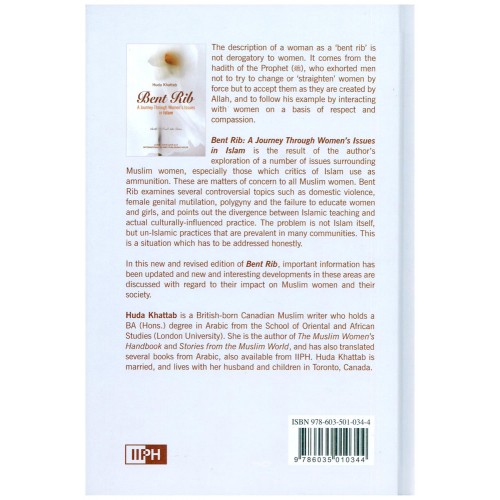
Bent Rib: A Journey Through Women’s Issues in Islam (H/B)
This book examines the role of women in Islam, their education and marriage, and several controversial topics such as domestic violence, female genital mutilation and polygyny. It addresses honestly the divergence between Islamic teaching and actual culturally-influenced practices.
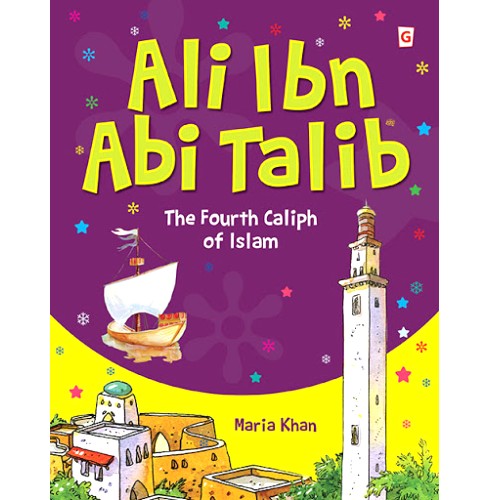
Ali Ibn Abi Talib: The Fourth Caliph of Islam
This book is about the life and teachings of Ali Ibn Abi Talib (may Allah be pleased with Him), The Fourth Caliph of Islam.
My First Book About Hajj (KUBE)
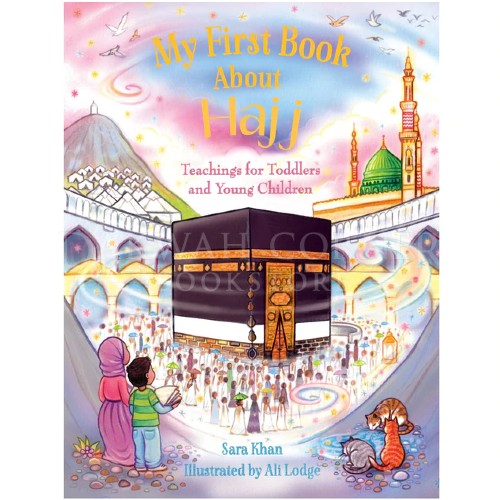
This simple but beautiful book gives children a glimpse into the greatest journey Muslims hope and dream to make at least once in their lifetime . It introduces the concept of Hajj as one of the five pillars of Islam and outlines the steps involved when performing this Islamic ritual . It aims to educate and instil a love for Islam’s holiest sites as well as a desire to want to visit them from a young age . It is a book to be treasured by children, with large, colourful illustrations and carefully written text that children will understand and enjoy .
Recommended for ages 2+
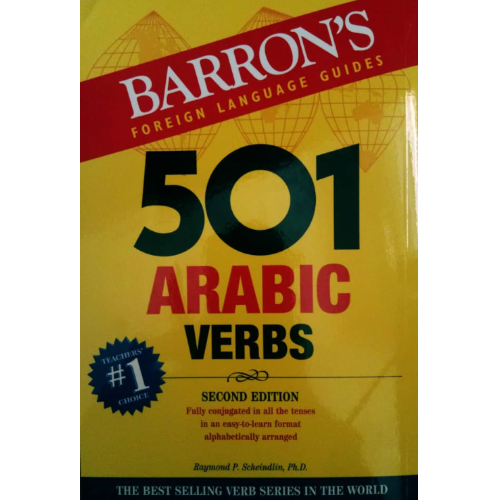
Arabic Verbs: Fully Conjugated All Forms Bilingual Edition
This update, easy-to-use reference book gives you:
- The 501 most common Arabic verbs in a table format
- Both the Arabic characters and their English infinitive form at the top of each page
- Exemplary essay that discusses Arabic verb formation and usage
- Common idioms with example sentences to demonstrate verb usage
- A grammar review and a pattern index
- Indexes that list verbs in both root order and strict alphabetical order
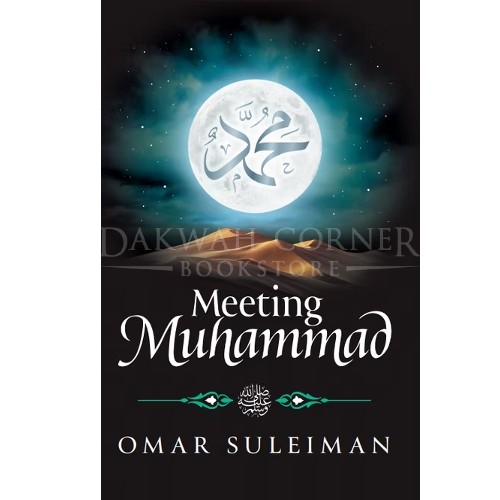
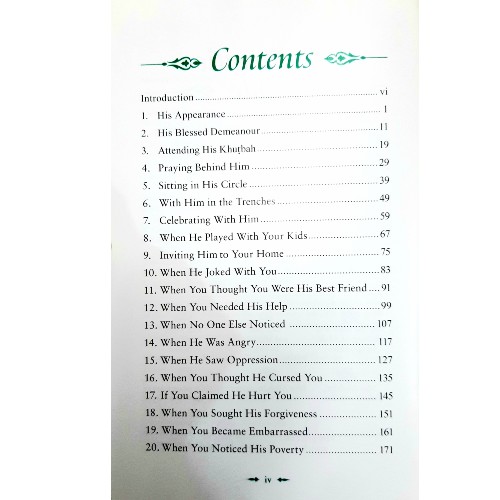
Meeting Muhammad S.A.W by Kube
Through 30 beautifully detailed chapters with narrations from companions, take a journey from only knowing about Muhammad (sws) to knowing him and loving him and feel what it was like to be a companion of his in this life and strive to be companions of his in the next.
Invocations Ar-Ruqiya (Pocket Size)
This book book is presented with translation for non Arab Muslims who are unable to understand the meaning in Arabic. This will help them to understand the meaning of these supplications which are taken from the Qur’an and the Prophet’s traditions. This will also help them to achieve an improved state in their worship of Allah.
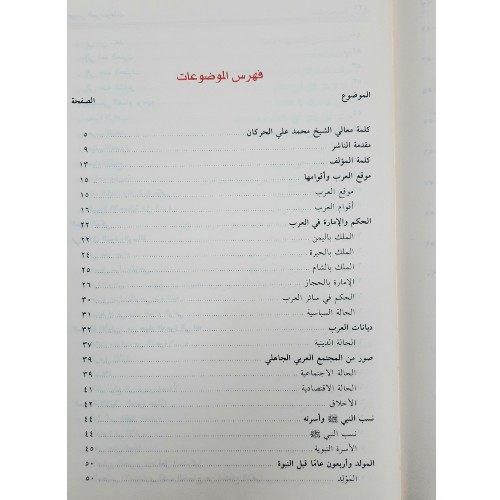
[SB] Ar-Raheeq Al Makhtum (Arabic Only – Large) الرحيق المختوم
Ar-Raheeq AI-Makhturn is a book of great value and praiseworthy work on the Seerah of our beloved Prophet Muhammad. This book has been written by the Eminent Shaikh Safiur-Rahman Mubarakpuri of Jamiah Salafiyah, Banaras (India). The first Islamic Conference on Seerah (biography of the Prophet) was held in 1976 in Pakistan sponsored by the Muslim World League. The League announced a world contest for writing a book on the life of the Prophet.
One hundred and seventy-one manuscripts were received from all over the world. Out of these, eighty-five were in the Arabic Language, sixty-four in Urdu, twenty-one were in English and one in French and Hausa.
A board of highly qualified scholars judged the manuscripts and announced the results. The manuscript of Shaikh Safiur-Rahman Mubarakpuri, Jamiah Salafiyah Banaras (India), author of the book in hand received first the grand prize for its authentic and sound collections of the narrations. Dr. Majid Ali Khan, New Delhi, India, placed second. The third prize went to Dr. Naseer Ahmed, Islamic University, Lahore, Pakistan. The fourth prize was awarded to Mr. Harnid Mahmud of Egypt. The fifth and final prize was awarded to Abdus-Salam Hashim of Madinah Munawwarah.
A complete authoritative book on the life of Prophet Muhammad (S) by Sheikh Safi-ur-Rahman al-Mubarkpuri. It was honored by the World Muslim League as first prize winner book. Whoever wants to know the whole life style of the Prophet in detail must read this book.
Muhammad (S) is the Messenger of Allah, and those who are with him, are severe against the disbelievers, and merciful among themselves. You see them bowing and falling down prostrate (in prayer), seeking bounty from Allah and (His) Good Pleasure. The mark of them (i.e. of their Faith) is on their faces (fore heads) from the traces of prostration (during prayers). This is their description in the Taurah (Torah). But their description in the Injeel (Gospel) is like a (sown) seed which sends forth its shoot, then makes it strong, and becomes thick and it stands straight on its stem, delighting the sowers, that He may enrage the disbelievers with them. Allah has promised those among them who believe and do righteous good deeds, forgiveness and a mighty reward (Paradise). (Al-Fath: 29)
The Prophet Muhammad (S) said: ‘The example of guidance and knowledge with which Allah has sent me is like abundant rain falling on the earth. Some of which was fertile soil that absorbed rain-water and brought forth vegetation and grass in abundance. (And) another portion of it was hard and held the rain-water and Allah benefited the people with it and they utilized it for drinking (making their animals drink from it) and to irrigate the land for cultivation. (And) a portion of it was barren which could neither hold the water nor bring forth vegetation (then that land gave no benefits). The first is the example of the person who comprehends Allah’s Religion (Islam) and gets benefit (from the knowledge) which Allah (Azawajal) has revealed through me (the Prophet) and learns and then teaches it to others. The (last example is that of a) person who does not care for it and does not take Allah’s Guidance revealed through me (he is like that barren land).’ (Al-Mukarramah)
Someone asked ‘Aishah (R) about the noble character and manners of the Prophet (S). She answered: ‘Have you not read the Qur’an? His character is a complete explanation of the Qur’an.’
It means that whatever is commanded and prohibited in the Qur’an, its practical example is present in the manners of Muhammad In other words, the ideal and perfect example of good manners and character which the Qur’an demands from mankind, was present in the person of Muhammad in its highest degree.
Scholars of Ahadith (traditions) and writers of the biography of Muhammad , the Messenger of Allah, have explored his life from every angle and aspect from birth to death. Every event, every incident of his life has been described and narrated, but none had claimed that he has given his life’s recording its full rights. Hundreds of books have been written on the life of Muhammad and this endeavor will continue till the Day of Resurrection.
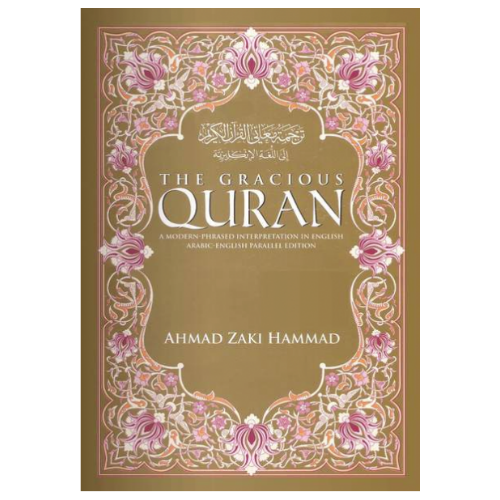
The Gracious Quran (H/B)
A modern-phrased interpretation in English (Arabic-English Parallel Edition)
This contemporary, authoritative translation interprets the Quran’s meaning for the English reader with unprecedented access to the Book that is the foundational source of Islam, its civilization and its peoples, who now comprise nearly one-fourth of humanity across the breadth of all the Earth’s continents and who form a crucial, contiguous community at the middle of the world.
Twenty years in the making, The Gracious Quran: A Modern-Phrased Interpretation of Its Meanings in English is both highly reliable and powerfully expressed. Where the Arabic of the Quran swells with important implication, that intent is conveyed in this rendering with a light hand in unobtrusive brackets, every effort having been expended to make its reading August, clear, accessible, and consistent while at the same time free of poetic pretension, philosophical complication, and lifeless literalisms. Its graceful layout and design augment the profound simplicity of the Quran’s message and give some semblance of resonance to its almost hypnotic power of literary expression.
The interpretation of The Gracious Quran is thoroughly guided by wide and deep experience with the civilizations of both luminous Islam and the enlightened west, while not unmindful of the light that infuses the world’s brilliant traditions. Fully four decades of scholarly expertise in Quranic studies and related disciplines are in its service, and the latest advances in the art of translation conspicuously benefit it.
About the translator:
Dr. Ahmad Zaki Hammad is an internationally known authority on Quran and Islamic Studies. He teaches Islamic Civilization and the Primary Disciplines of Quran Commentary, the Prophetic Traditions, and the Principles of Islamic Law at the foremost center of Islamic and Arabic learning in the Muslim world, AL-Azhar University (Faculty of Languages and Translations, Department of English). He is also a member of the Faculty of Shari’ah, Department of Juristic Studies.
He received his early Islamic and Arabic training at Al-Azhar University, Cairo, and was awarded the graduate degree of Alamiyyah from the Faculty of Theology. He holds a Ph.D., in Islamic Studies from the University of Chicago and is the author of a study of translation of Abu Hamid al-Ghazalis’s Al-Mustasfa min Ilm al-Usul, The Quintessence of the Science of the Principles of Islamic Law; and also Islamic Law: Understanding Juristic Differences, a Primer on the Science of al-Khulaf al Fiqhi in Light of the Shariah Sources.
He lived for many years in the United States, where he founded and served in numerous national and community Islamic institutions for American Muslims.


There are no reviews yet.