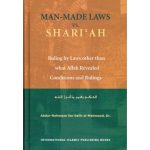

This book appears at a time when many other books
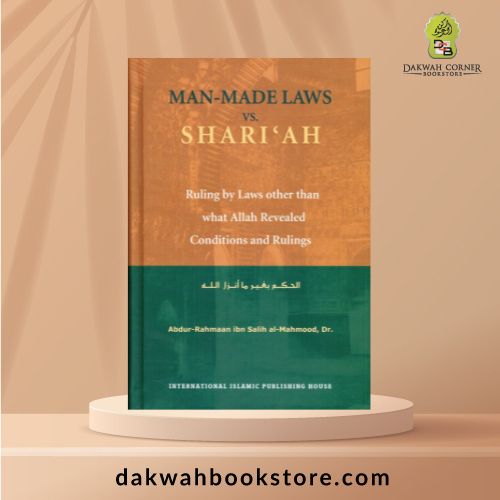
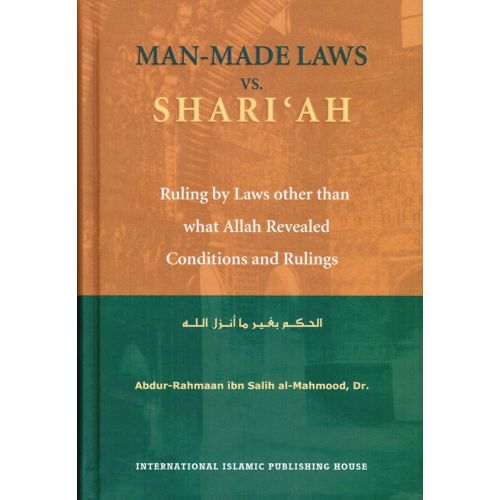
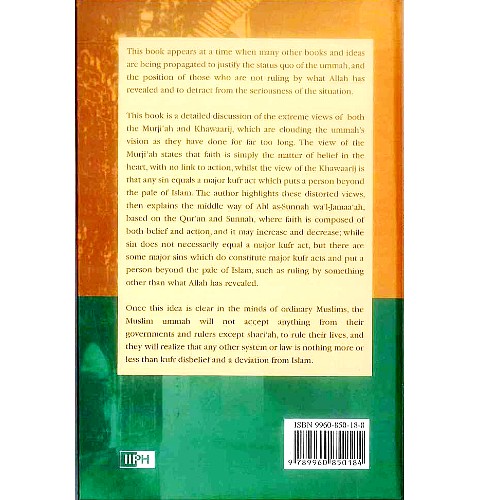
and ideas are being propagated to justify the status quo of the Ummah (community), and the position of those who are not ruling by that which Allah has revealed, and to detract from the seriousness of the situation. This book presents a detailed discussion of the extreme views of the Murji‘ah and the Khawârij, views which are clouding the Ummah’s vision as they have for far too long. The view of the Murji‘ah is that faith is simply a matter of belief in the heart, with no link to action. The view of the Khawârij is that any sin constitutes major kufr (unbelief), which puts a person beyond the pale of Islam. The author highlights these distorted views, then explains the middle way of Ahl as-Sunnah wal-Jamâ‘ah (the People of the Sunnah and the Community), based on the Qur’an and the Sunnah. This is the knowledge that faith is composed of both belief and action, and that it may increase and decrease. Sin does not necessarily constitute major kufr, but there are some sins which in and of themselves do constitute major kufr and put a person beyond the pale of Islam, such as ruling by something other than that which Allah has revealed. Then the author discusses the rulings and conditions of such situations. Once this concept is clear in the minds of ordinary Muslims, then the Muslim Ummah will not accept anything from their governments and rulers except the Shari‘ah to rule their lives, and they will realize that any other system or law is nothing more or less than deviation from Islam.
Man-made Laws vs Shari`ah
RM70.00
Frequently Bought Together
| Weight | 0.65 kg |
|---|---|
| Dimensions | 21 × 16 × 2 cm |
| Product Type | Book |
| Author | |
| Publisher | IIPH |
| Pages | 384 |
| ISBN | 9789960850184 |
Be the first to review “Man-made Laws vs Shari`ah” Cancel reply
You must be logged in to post a review.
You may also like…
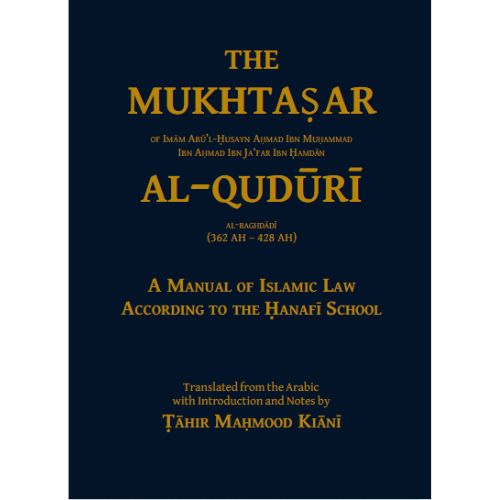
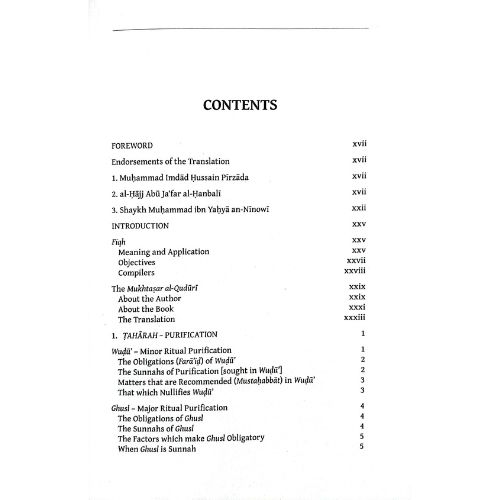
The Mukhtasar Al-Quduri
The Mukhtasar Al-Quduri is one of the most celebrated and influential treatises in any Muslim school of methodology and thought and is the foundation for the Hanafi school.
It is both the first source for scholars and a manual for the general reader.
This is its first ever complete translation in English.
Principles of Islamic Jurisprudence (2nd Revised Edition)
This book offers a detailed presentation of the theory of Muslim law (usul al-figh). Often regarded as the most sophisticated of the traditional Islamic disciplines, Muslim jurisprudence is concerned with the way in which the rituals and laws of religion are derived from the Qur’an and the Sunna – the precedent of the Prophet. Revelation, which is given to man to restore unity and help him achieve a just and devout order in society as well as in the soul, must be interpreted so as to render it practicable in every culture, while not betraying its spirit and immutable provisions. To achieve this, additional sources of legal authority are recognized, including consensus (ijma), analogical deduction (qiyas), public interest (maslaha) and local customary precedent (urf). In employing these, the jurist guards the five principles which it is the purpose of Islamic law to uphold, namely, the right to life, sound mind, property, lineage and religion.
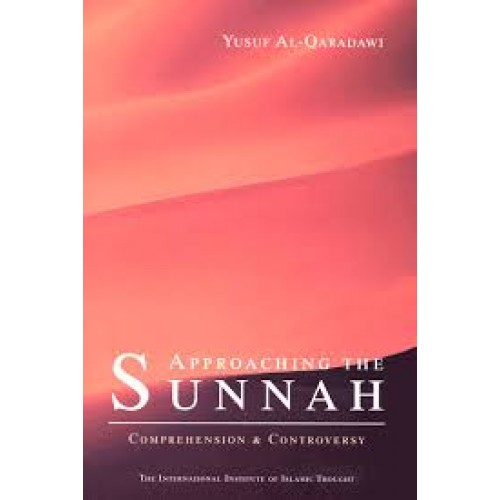
Approaching the Sunnah: Comprehension & Controversy (P/B)
The Sunnah still provides the stable moral framework – the grammar – that enables Muslims, by formal rules and inward sense, to know right from wrong. However, separation from the mainstream of life puts the Sunnah in danger of becoming rigid – an archaism. Addressing that danger, this book explains how the Sunnah can function as the grammar of a living, adaptive language, capable of guiding (and not shying from) the mainstream.
The first chapter sets out the qualities that characterize authentic application of the Sunnah: universality, coherence (so that different spheres of human responsibility are not split), compassionate realism, moderation, and humility. The second explains standards and procedures for determining the Sunnah in the fields of jurisprudence and moral instruction. The third chapter illustrates through detailed examples common errors in understanding the Sunnah – reading hadiths singly without sufficient context, confusing legal and moral injunctions, means and ends, figurative and literal meanings…–and it proposes remedies for these errors.
YUSUF AL-QARADAWI is one of the Islamic world’s most widely respected and prolific scholars. His works have remained popular over many decades. Among the best known of his books to appear in English is The Lawful and the Prohibited in Islam (first edition 1994).
Al-Jumu’ah: The Day of Congregation
In our busy lives, Friday comes around once a week. It often comes and goes without our being really aware of it. For many Muslim men, it may be punctuated by the congregational prayer that they make special efforts to attend. For many Muslim women, it may go by just like any other day. This ought not to be the case. In this unique book, Dr. Gowher Yusuf gives us reason to stop and think about how special Friday (al-Jumu‘ah) really is, and what we should be doing to achieve the many bounteous blessings it holds for those who observe it. Drawing constantly from the Qur`an and the Sunnah and the great works of the scholars of Islam, Dr. Gowher Yusuf explores this topic in depth and presents it to the reader in simple language for them to understand and ponder over. This book travels through the various issues pertaining to the Friday prayer and its Khutbah, or sermon. These issues are explained within the Islamic framework, thus abolishing any myths and misunderstandings and clarifying the topic for the reader. Dr. Yusuf writes: The day of the week known as al-Jumu‘ah, or simply Jumu‘ah, is Friday, and it is special. Compared to the other days of the week, Friday has been accorded the largest amount of merit, so much so that the father of all humankind, Prophet Âdam (peace be upon him), was created on this day and a particular prayer was ordered for this day. It was from the guidance given to Prophet Muhammad (blessings and peace of Allah be upon him) to magnify this day, honour it, and designate it for acts of worship. …On a Friday, we all will be gathered and will stand congregated in front of Allah, the Exalted, on the Day of Resurrection, also called the Day of Accountability or the Day of Judgement.
Related Products
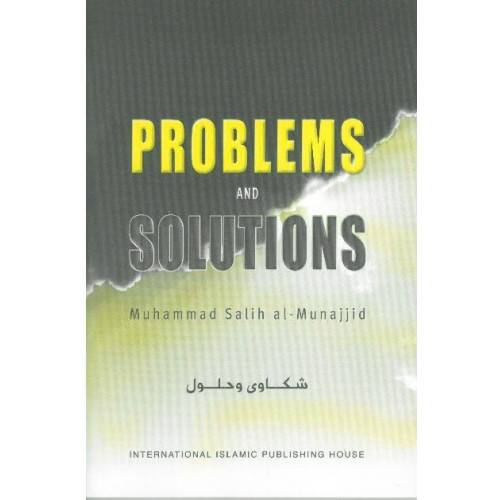
Problems and Solutions (IIPH)
What should I do if I miss the fajr prayer? What are the consequences of excessive laughter? How should I deal with insinuating thoughts from Satan? How can I control my bad temper? What is so bad about staying up late night after night? Drawing on the great guidance of the Qur’an and the Sunnah, Shaykh Muhammad Sâlih al-Munajjid answers these questions and more, giving informative explanations and practical solutions to help you improve in your worship and in your performance of everyday activities.
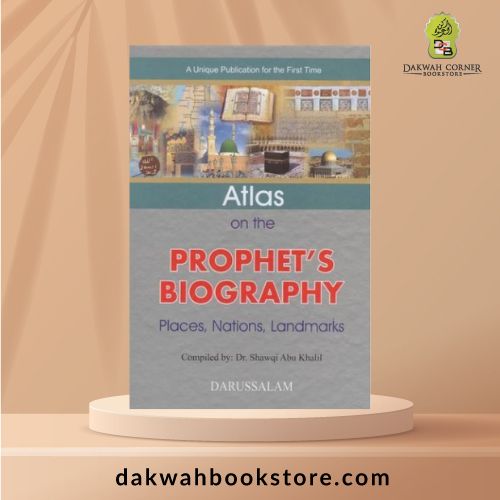
Atlas on the Prophet’s Biography Places, Nations, Landmarks
Seerah and Biographies
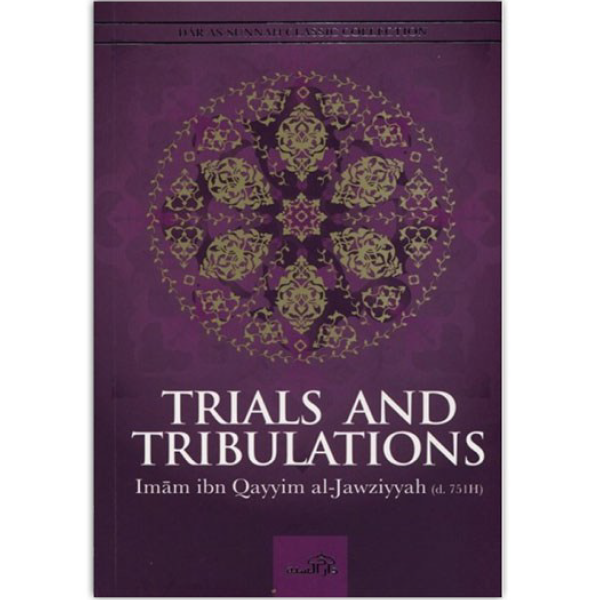
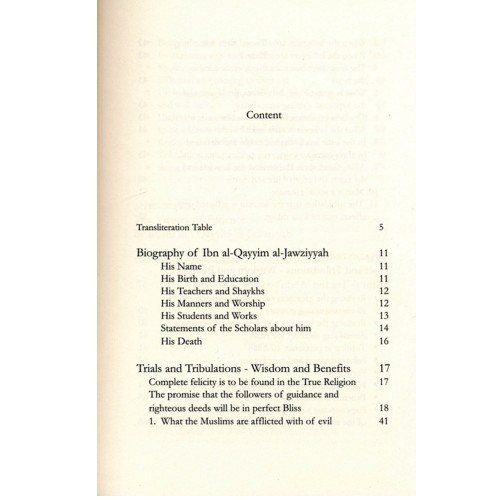
Trials and Tribulations
These two treatises deal with the issue of trials and tribulation, extremely essential for every Muslim especially in the times that we are living in today. People often see, and hear of, the believers being afflicted with adversity and tribulation, and conversely they often see, and hear of the disbelievers attaining leadership and wealth in this world. This leads them to mistakenly believe that well-being in this world is only reserved for the disbelievers. A believer may face many trials and tribulations that test his faith, patience and endurance. In a world full of conflict and war, with many also suffering from personal and family problems, shaytan causes a person to question many things. If a Muslim is tried with a difficulty, then the reasons for this are many – including one’s own sin, which arise from leaving something obligated in Islam or comitting an act that is prohibited. Trials are also a means of Allaah purifying and aiding His servants, ennobling them and granting well-being through His Wisdom. The most severely of those who were tried were the Prophets and then those closest to them in following their guidance.
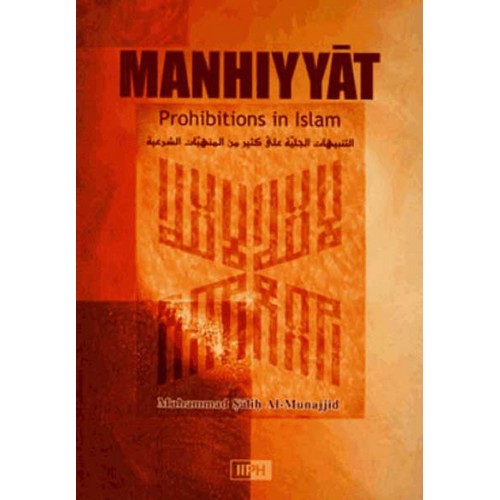
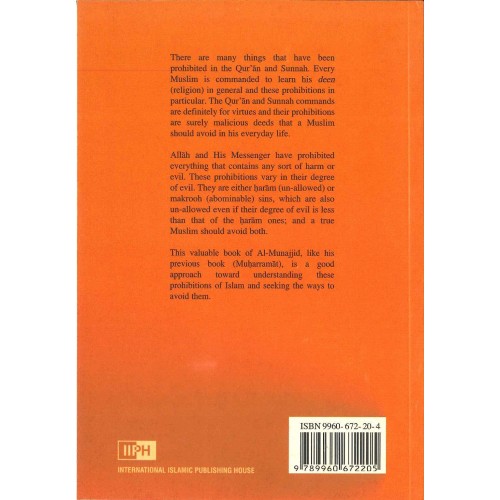
Manhiyyat Prohibitions in Islam (P/B) (IIPH)
Whatever has been prohibited in the Qur’an and the Sunnah is for a good reason. Every Muslim is commanded to learn his or her religion, and being aware of these prohibitions is part of that essential knowledge. The Qur’an and the Sunnah enjoin virtuous behaviour, and any actions they prohibit are destructive deeds that a Muslim should avoid. In Prohibitions in Islam, Shaykh Muhammad Sâlih al-Munajjid explains that Allah Almighty and His Messenger (blessings and peace be upon him) have prohibited everything that contains any sort of harm or evil. These prohibitions vary in their degree of evil: they are either forbidden or detestable, and a practicing Muslim should avoid both kinds.
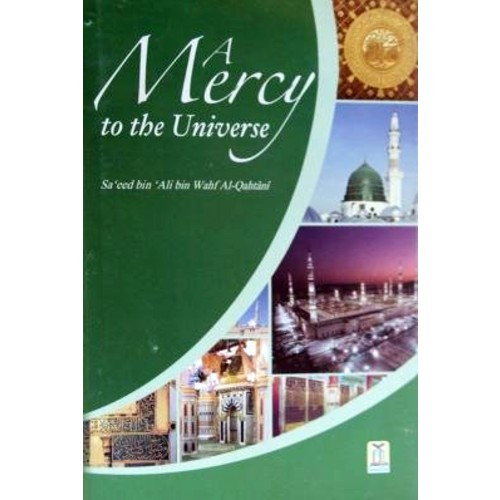
A Mercy to the Universe
Mercy is clemency and forbearance; mercy is the disposition to forgive or show compassion; mercy means a favor or a blessing; mercy further denotes the qualities of kindness, sympathy, generosity, and beneficence. Suffice is to say that all of these qualities were present in abundance in the character of the Prophet Muhammad (May Allah have his peace and blessings on him).
He was a mercy not just to believers, but to disbelievers as well, for he would invite them to come out of darkness and into the light of true guidance. He is a favor and blessing for mankind, not just the Arabs, the people among whom he was sent, but for people of all races and colors. His staunchest enemies became his closest followers when the cloud of blind prejudice was removed from their sight and when they were able, for the very first time, to see with clarity the true nature of the Prophet’s character.
This book deals with many of the qualities that the Prophet possessed that made him the mercy to everyone. It starts with His perfect lineage, His noble upbringing, and his fully dedicated worship. This book then gives many of the qualities of the Prophet including his generosity, humbleness, bravery, patience, and leadership to name a few. Each chapter includes examples from the life of the Prophet on how he was the perfect living example of that quality. The book ends with the perfection of life of the Prophet with his farewell sermon and even his noble death where he demonstrated some of those qualities as well.
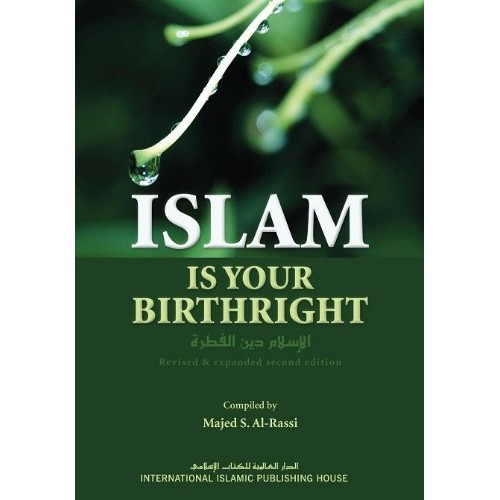
Islam is Your Birthright (IIPH)
Majed Al-Rassi’s popular booklet, compiled from the works of respected writers on the subject of comparative religion, has been revised and greatly expanded in this new edition. Islam is Your Birthright is a useful and comprehensive guide for Muslims who would like to know how to address non-Muslims on the subject of the relationship between Islam, Christianity and other religions. It is as well a helpful, easy-to-follow explanation of the basic precepts of Islam that interested non-Muslims can pick up and read, without having had any prior study of Islam. Wise men and women know that they are in existence for a purpose and a final destination, whether they know that destination or not. Also, wise people know that if they do not know where they are going, then they will never arrive. In this little book, light is focused on: Why human beings were created What is their final destination How to reach ‘safely’ to that destination
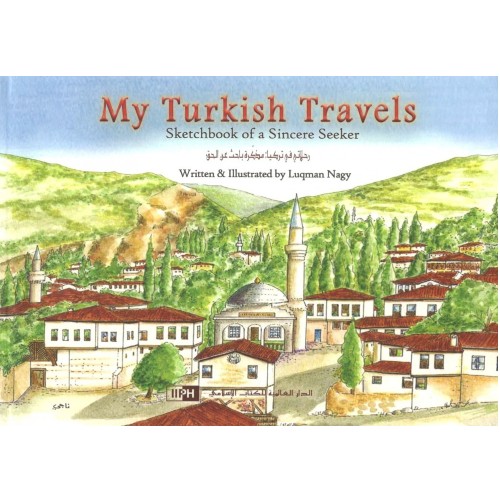
My Turkish Travels Sketchbook of a Sincere Seeker (IIPH)
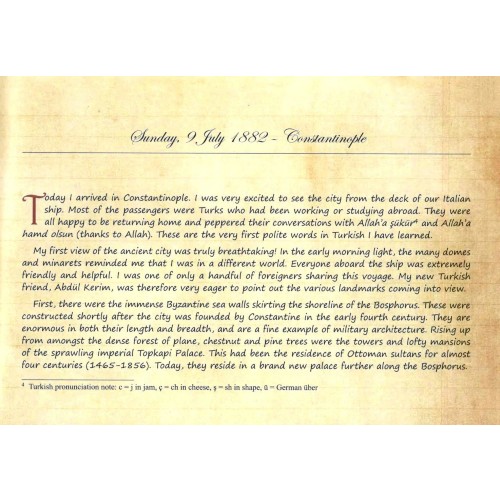
Written by Luqman Nagy, My Turkish Travels comprises of the diary entries of a young Hungarian artist named László who traveled to Constantinople (now Istanbul) in 1882. The time he spent in Turkey changed his life forever. In this book, the readers can admire László’s wonderful watercolour paintings and read the personal diary entries he writes at the end of each day.
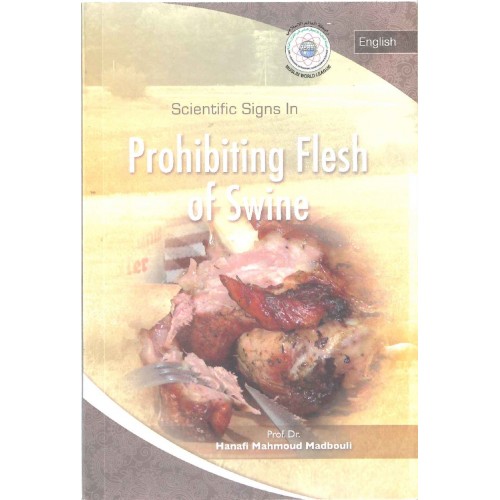
Scientific Signs In Prohibiting Flesh of Swine (P/B)
Scientific Signs In Prohibiting Flesh of Swine
Islam and The World (IIPH)
Despite the world’s tremendous advances in the fields of science and technology, almost all communities have been led into the wilderness of fear, greed, loneliness and spiritual despair. Professor Nadwi explicitly asserts that the achievements of science and technology did not match humanity’s moral or spiritual aspirations. Should a corresponding improvement is attained in human behaviour by applying the teachings of Islam, such as advances would have conferred benefits on all parties.
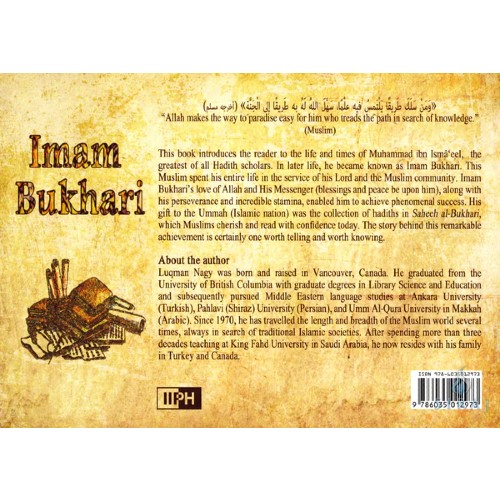
Imam Bukhari – Imam Al-Muhadditheen (IIPH)
This book, authored by Luqman Nagy, introduces the reader to the life and times of Muhammad ibn Ismâ‘eel, the greatest of all Hadith scholars. In later life, he became known as Imam Bukhari. This Muslim spent his entire life in the service of his Lord and the Muslim community. His gift to the Ummah (nation) was the collection of hadiths in Saheeh al-Bukhâri, which Muslims cherish and read with confidence today. The story behind this remarkable achievement is certainly one worth telling and worth knowing.
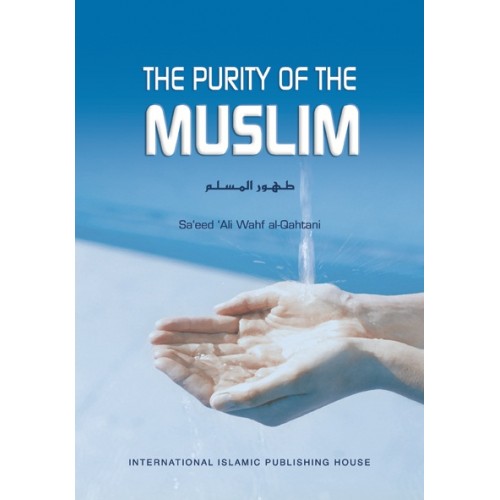
The Purity of Muslim (P/B)
According to a well-known hadith, cleanliness and purity are half of the faith. It is obligatory for a Muslim to be clean and in a state of purity in order to offer formal prayer and recite the Quran by way of ablution, a ritual shower, or dry ablution. Purity and cleanliness encompass both physical and spiritual aspects. Physical impurities can be removed by clean, pure water or dry, clean earth or stone, and this is a beginning step for spiritual cleanliness. In the Purity of the Muslim, Saeed al-Qahtani explains in a clear and comprehensive manner the types of various impurities and the ways to attain purity and cleanliness according to the teachings of the Quran and of the final prophet, Muhammad (blessings and peace of Allah be upon him).
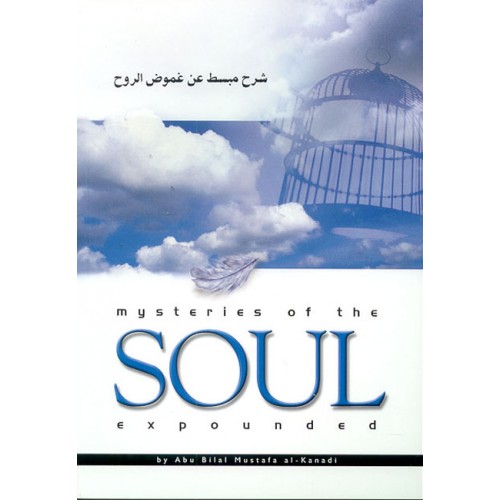
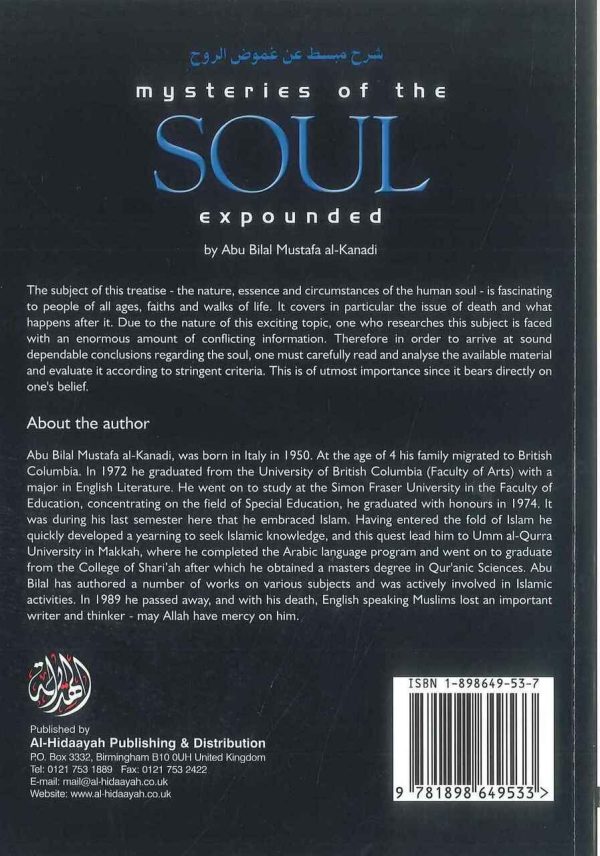
Mysteries of The Soul Expounded (P/B)
The subject of this treatise – the nature, essence and circumstances of the human soul – is fascinating to people of all ages, faiths and walks of life. It covers in particular the issue of death and what happens after it. Due to the nature of this exciting topic, one who researches this subject is faced with an enormous amount of conflicting information. Therefore in order to arrive at sound dependable conclusions regarding the soul, one must carefully read and analyse the available material and evaluate it according to stringent criteria. This is of utmost importance since it bears directly on one’s belief.
Recently Viewed
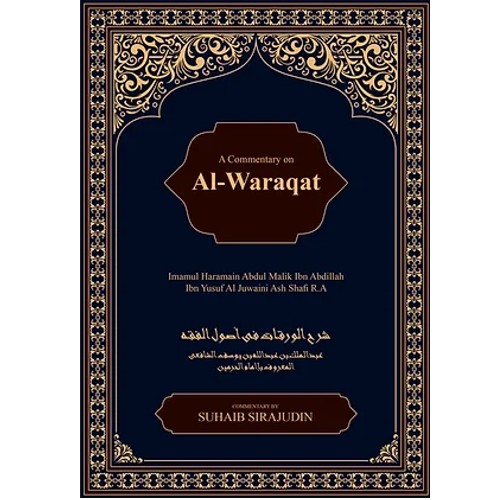
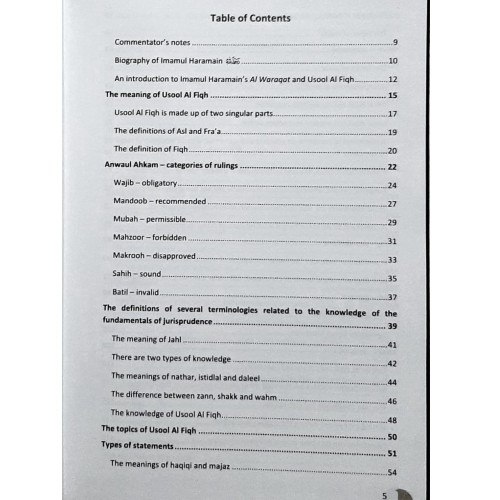
A Commentary On Al-Waraqat
This is a commentary on the book of Imamul Haramin Abul Ma’ali AlJuwaini’s Al-Waraqat. It is a text on the subject of Usul al-fiqh.
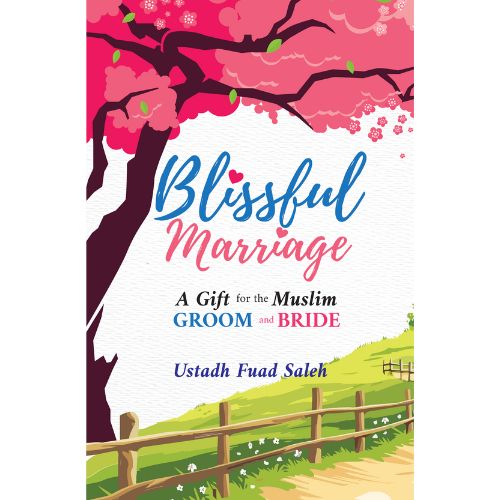
Blissful Marriage (DCB)
Marriage is one of the most significant events in a person’s life. For it to succeed and flourish, it must be built on solid foundations, rooted in Islamic teachings—not on wishful thinking or emotional impulse.
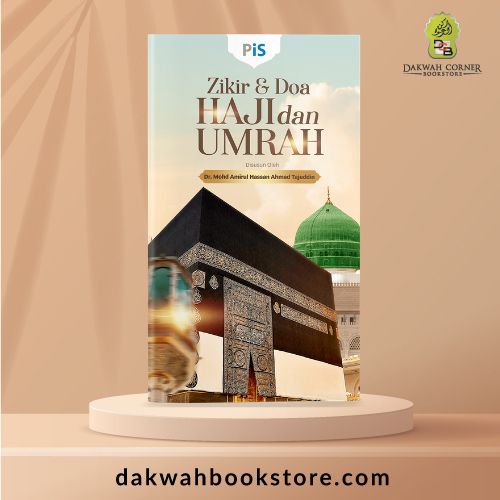
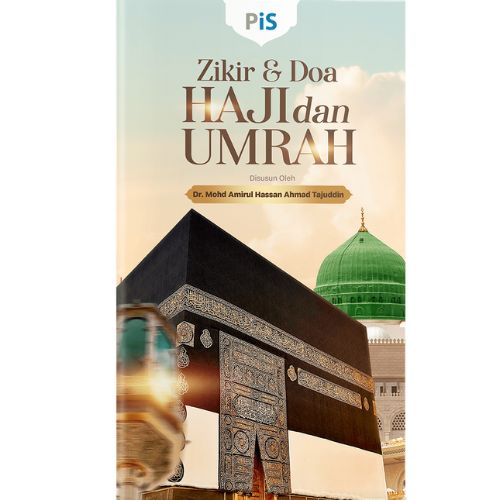
Zikir & Doa Haji dan Umrah
Adakah anda sedang mencari panduan doa yang sahih untuk mengiringi perjalanan suci Haji dan Umrah anda?
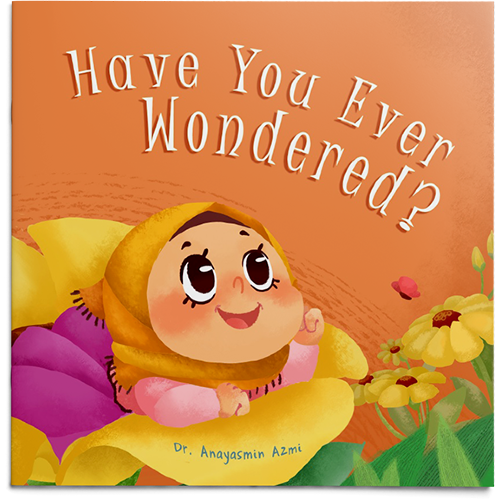
Have You Ever Wondered?
Raising the future generation is one of our most important responsibilities as parents. The best way to do so, is through learning and understanding the Quran. This book provides a way for children to understand and love the Quran through simple stories and fun illustrations.
“1 night 1 Quranic verse” concept. Simple writing dan gambar with attractive illustration
[EN] Bid’ah Hasanah: The Misunderstood Term!
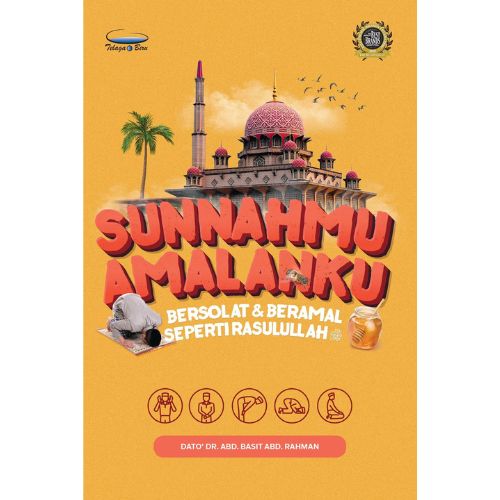
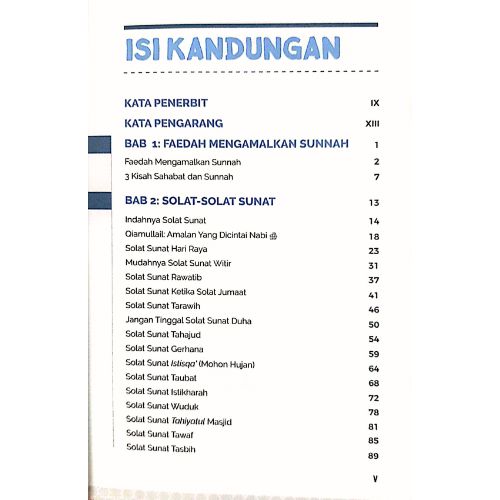
Sunnahmu Amalanku
KEISTIMEWAAN BUKU INI:
- Memahami dalam mentaati ajaran yang disampaikan oleh Rasulullah SAW secara menyeluruh.
- Mempertahankan agama Islam dari serangan musuh-musuh Islam dengan penghujahan ilmiah.
- Mencintai perkara yang disukai oleh Nabi Muhammad SAW serta membasahi lidah dengan berselawat kepadanya.
Islamic Rulings on Menstruation and Postpartum Condition
The birth of human being is a most amazing phenomenon. The physical cycles that the body of woman must endure in order to maintain this act of creation should be respected to the highest degree. Allah mentions that our mothers have born us with difficulty and struggle and because of this are due the highest respect. one among many of the difficulties that women must brave, are the doubts that these conditions present to the correct obervance of her religion. How is her fassting affected, how are her prayers affected, how is her ability to pursue her studies, and how are her conjugal relations affected by her ever changing physical condition in relation to her as the sole vessel of the birth of man. A really valuable publication by Darussalam for all Muslim woman to study
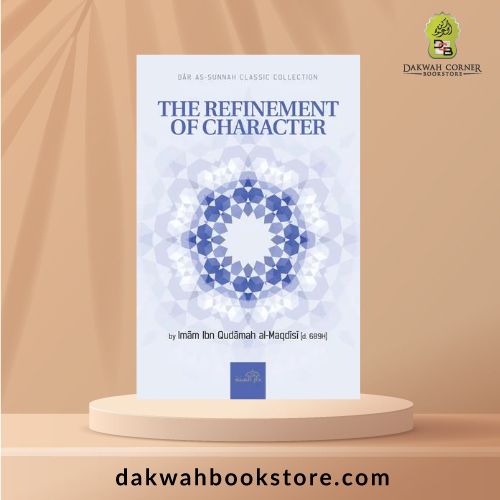
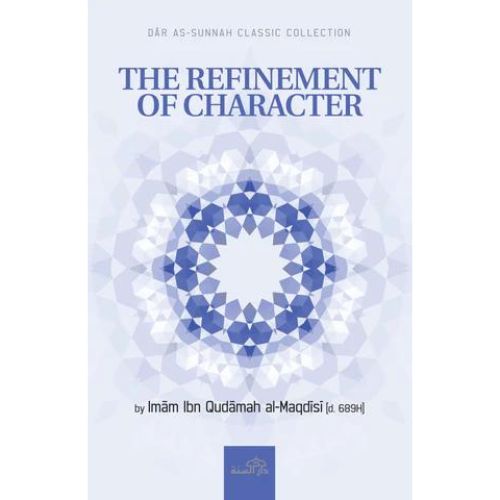
The Refinement Of Character
Allah, the Most High said:
“And indeed, you are of a great moral character.” [Qur’an (68): 5]
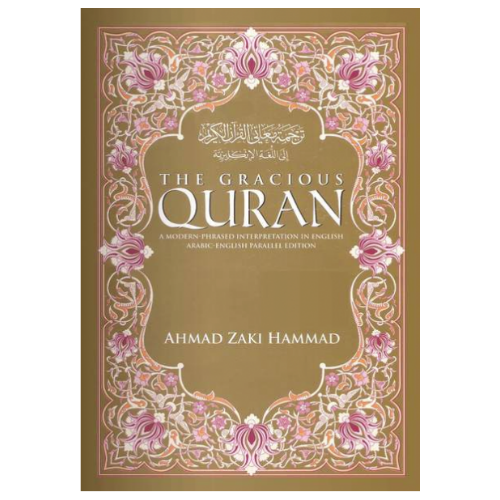
The Gracious Quran (H/B)
A modern-phrased interpretation in English (Arabic-English Parallel Edition)
This contemporary, authoritative translation interprets the Quran’s meaning for the English reader with unprecedented access to the Book that is the foundational source of Islam, its civilization and its peoples, who now comprise nearly one-fourth of humanity across the breadth of all the Earth’s continents and who form a crucial, contiguous community at the middle of the world.
Twenty years in the making, The Gracious Quran: A Modern-Phrased Interpretation of Its Meanings in English is both highly reliable and powerfully expressed. Where the Arabic of the Quran swells with important implication, that intent is conveyed in this rendering with a light hand in unobtrusive brackets, every effort having been expended to make its reading August, clear, accessible, and consistent while at the same time free of poetic pretension, philosophical complication, and lifeless literalisms. Its graceful layout and design augment the profound simplicity of the Quran’s message and give some semblance of resonance to its almost hypnotic power of literary expression.
The interpretation of The Gracious Quran is thoroughly guided by wide and deep experience with the civilizations of both luminous Islam and the enlightened west, while not unmindful of the light that infuses the world’s brilliant traditions. Fully four decades of scholarly expertise in Quranic studies and related disciplines are in its service, and the latest advances in the art of translation conspicuously benefit it.
About the translator:
Dr. Ahmad Zaki Hammad is an internationally known authority on Quran and Islamic Studies. He teaches Islamic Civilization and the Primary Disciplines of Quran Commentary, the Prophetic Traditions, and the Principles of Islamic Law at the foremost center of Islamic and Arabic learning in the Muslim world, AL-Azhar University (Faculty of Languages and Translations, Department of English). He is also a member of the Faculty of Shari’ah, Department of Juristic Studies.
He received his early Islamic and Arabic training at Al-Azhar University, Cairo, and was awarded the graduate degree of Alamiyyah from the Faculty of Theology. He holds a Ph.D., in Islamic Studies from the University of Chicago and is the author of a study of translation of Abu Hamid al-Ghazalis’s Al-Mustasfa min Ilm al-Usul, The Quintessence of the Science of the Principles of Islamic Law; and also Islamic Law: Understanding Juristic Differences, a Primer on the Science of al-Khulaf al Fiqhi in Light of the Shariah Sources.
He lived for many years in the United States, where he founded and served in numerous national and community Islamic institutions for American Muslims.
Arabic Verbs: Fully Conjugated All Forms Bilingual Edition
This update, easy-to-use reference book gives you:
- The 501 most common Arabic verbs in a table format
- Both the Arabic characters and their English infinitive form at the top of each page
- Exemplary essay that discusses Arabic verb formation and usage
- Common idioms with example sentences to demonstrate verb usage
- A grammar review and a pattern index
- Indexes that list verbs in both root order and strict alphabetical order


There are no reviews yet.