

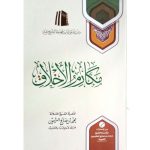
![[ASJ] Risalah Fi Hukm Tarik Al-Salah / رسالة في حكم تارك الصلاة](https://shop.dakwahbookstore.com/wp-content/uploads/2025/08/website-500x500-2025-08-14T154718.157.jpg)
![[AC] Aqidat Ahl al Sunnah Wal Jamaah / عقيدة أهل السنة](https://shop.dakwahbookstore.com/wp-content/uploads/2025/07/website-500x500-2025-08-14T215442.458.jpg)
| Weight | 0.60 kg |
|---|---|
| Dimensions | 19.5 × 13.5 × 0.5 cm |
| Author | |
| Binding | Paperback |
| Pages | 32 |
| Publisher | Dar Al Uthaymeen |
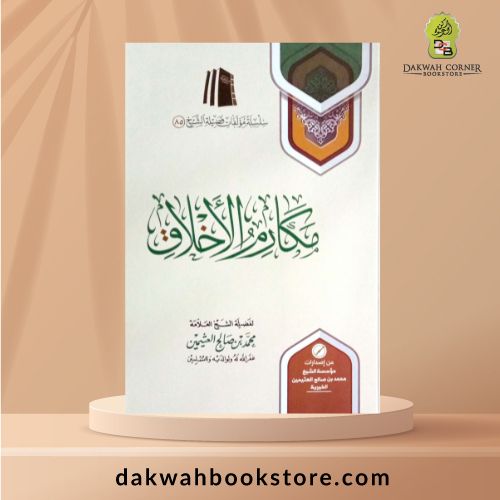
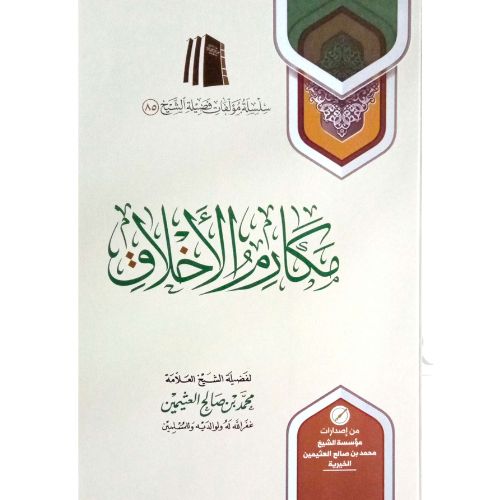
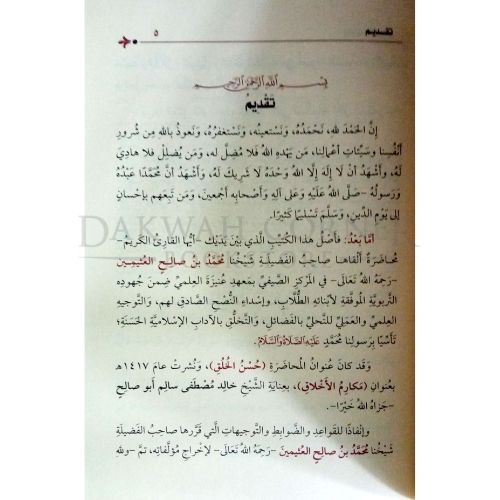
[MM Makarim Al-Akhlaq / مكارم الأخلاق
RM15.00
Hurry up, Only 2 left.
somdn_product_page
Compare
Frequently Bought Together
1 Item
RM15.00
2 Add-Ons
RM25.00
Total
RM40.00
Additional information
Reviews (0)
Be the first to review “[MM Makarim Al-Akhlaq / مكارم الأخلاق” Cancel reply
You must be logged in to post a review.
Related Products
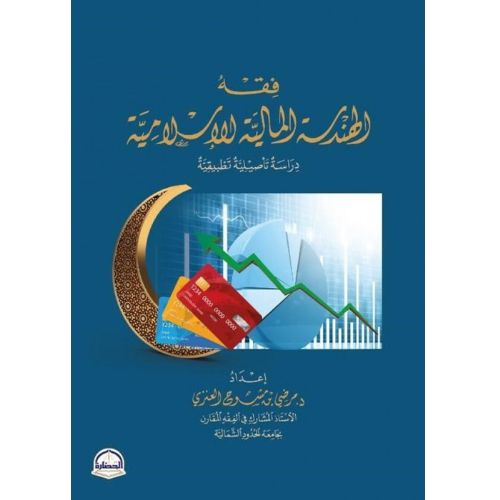
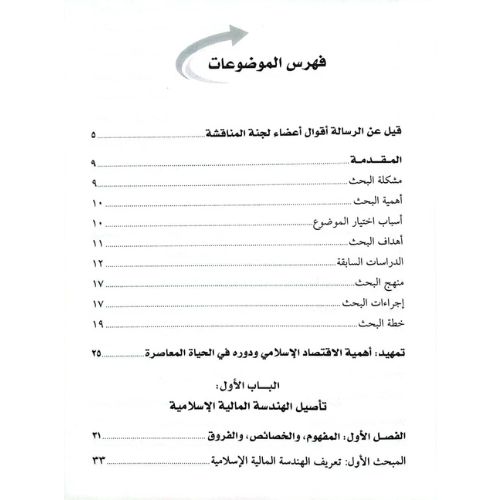
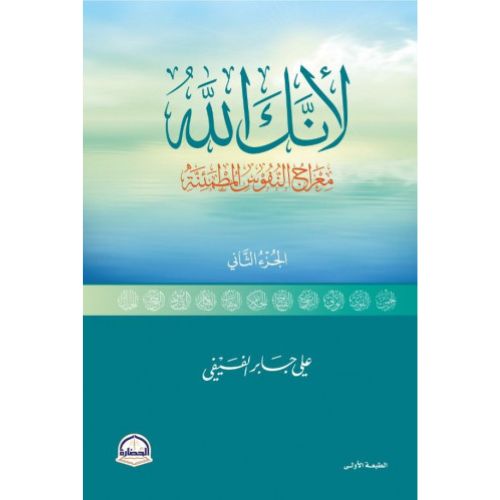
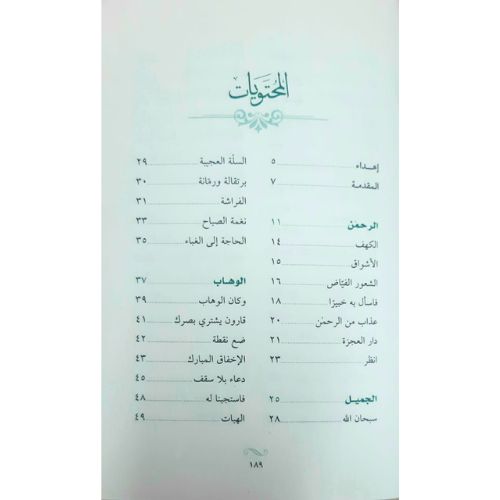
[AC] Li Annaka Allah Jilid 2 ( لأنك الله ج 2)
Highlights:
كتاب يتحدث عن بعض أسماء الله الحسنى وكيف نعيشها في حياتنا
حرص المؤلف أن يكون الكتاب مناسباً لمن هم متوسطي الثقافة، ويكون ناسباً للمحتاج و المريض و السليم
RM50.00
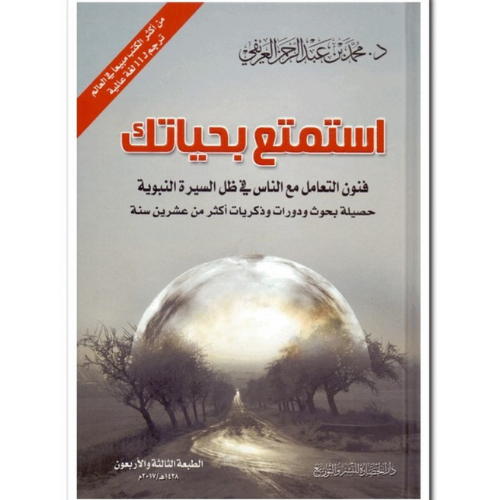
[MM] Istamti’ Bi HayatIk (استمتع بحياتك)
Highlights:
استمتع بحياتك،محمد ابن عبد الرحمن العريفي
استمتع بحياتك : فنون التعامل مع الناس في ظل السيرة النبوية – حصيلة بحوث و دورات و ذكريات أكثر من عشرين سنة
RM67.00
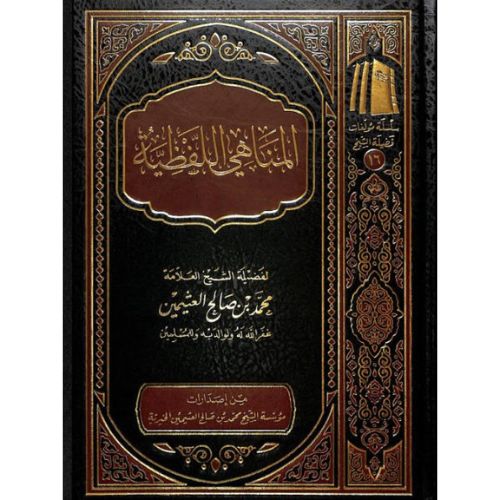
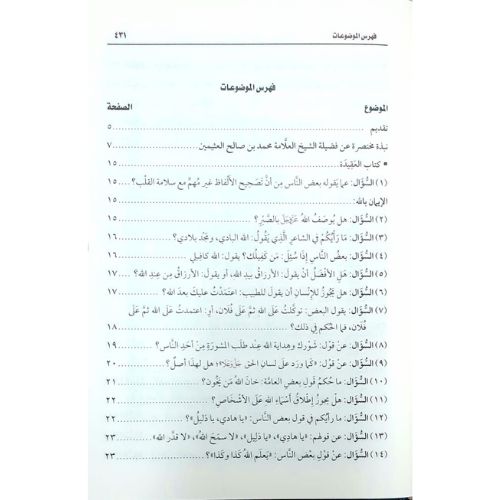
[SJ] Al Manahi Al Lafziah ( المناهي اللفظية)
Highlights:
المناهي اللفظية
تأليف: الشيخ محمد بن صالح العثيمين
RM53.00
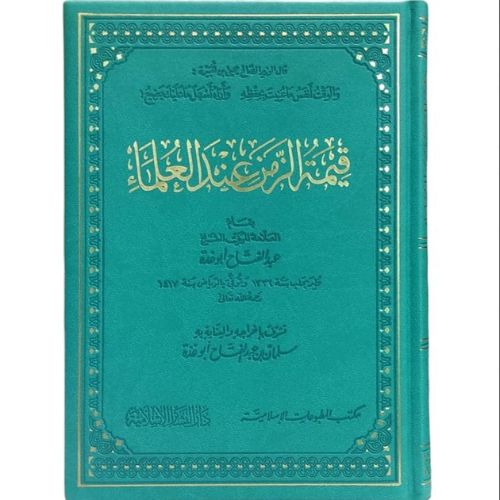
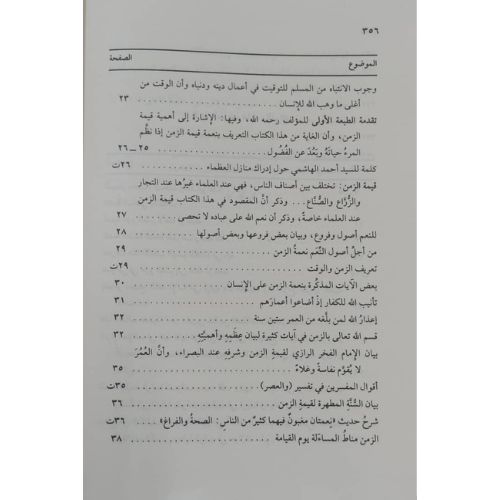
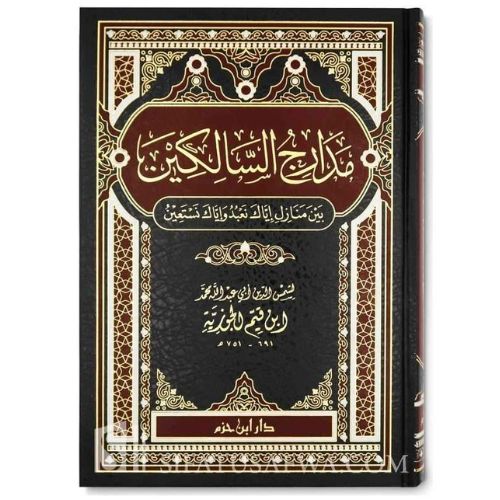
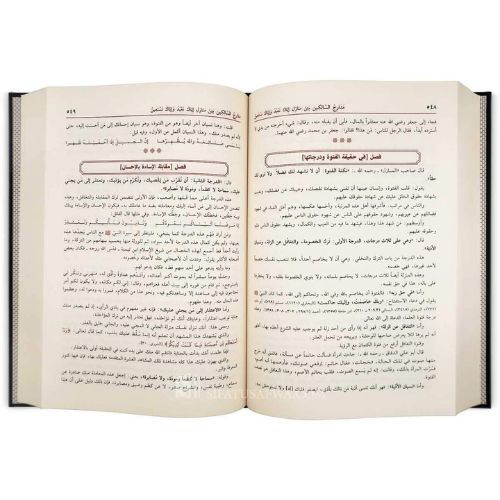
[MM] Madaarij As-Saalikeen – Al-Imaam Ibn Qayyeem Al-Jawziyyah (مدارج السالكين ـ الإمام ابن قيم الجوزية)
Highlights:
مدارج السالكين بين منازل اياك نعبد واياك نستعين – ابن قيم الجوزية – ط. دار ابن حزم
RM110.00
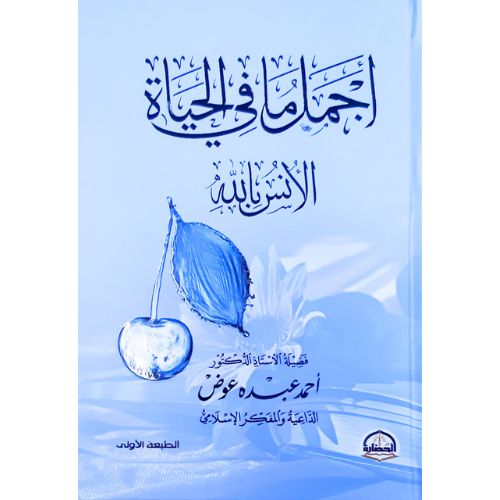
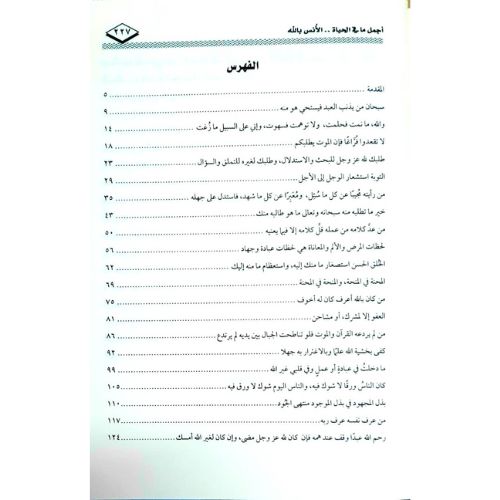
[MM] Ajmal Ma Fi Al Hayat Al Asas Bi Allah (اجمل ما في الحياة الانس بالله)
Highlights:
(أجمل ما في الحياة الأنس بالله) الذي ينبت النور في القلوب، ليثمر أنوارا وأقمارا ربانية تهدي صاحبها إلى باب المليك، وإلى جنة القرب من الرب الرحيم، وتظله بظلال الفكرة والعبرة، فتكون سياجا بينه وبين الشيطان ، ودربا مستقيتها ممتدا بالطاعة إلى قرب الرحمن. لقد جاءت مادة هذا الكتاب حكما من زاد الصالحين، ومن درر القول، وهي باب عظيم للتفكر، ودعوة للأوبة والتوبة، فهي نعم الزاد، يرتفع به بناء الطاعة والهدى، وتضيء القلوب بأنور الحكمة والتقى . ولقد تنوعت هذه الحكم ، فمنها ما يأخذ بيد المسلم إلى التوبة فالتوبة استشعار الوجل إلى الأجل، ولا خير في الحياة إلا لتائب أو رجل يعمل في الدرجات، فسبحان من يذنب العبد فيستحي هو منه. ومنها ما يدعو العبد إلى العمل: لا تقعدوا فراغا فإن الموت يطلبكم.
RM60.00
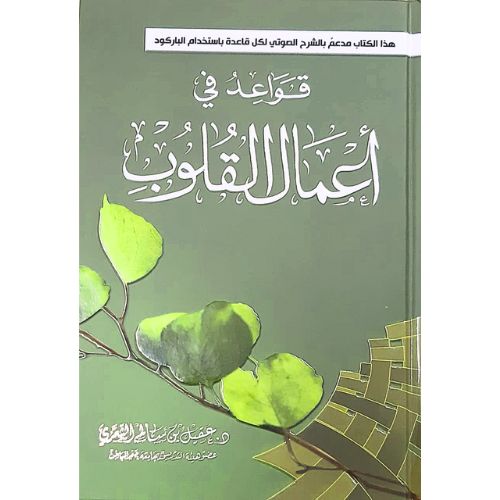
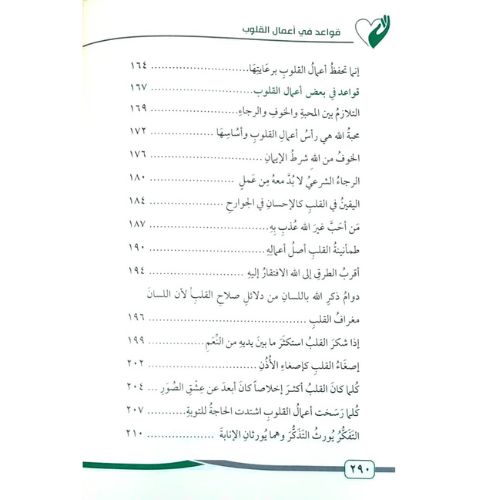
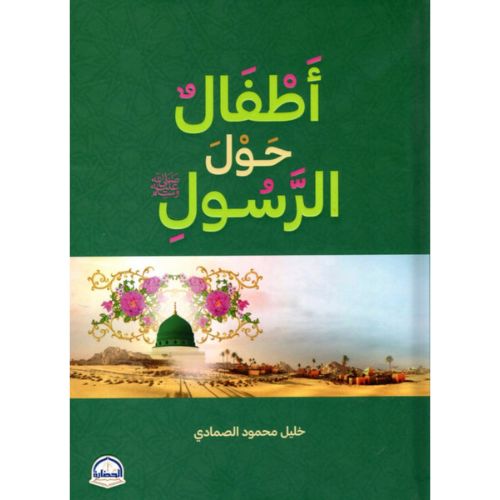
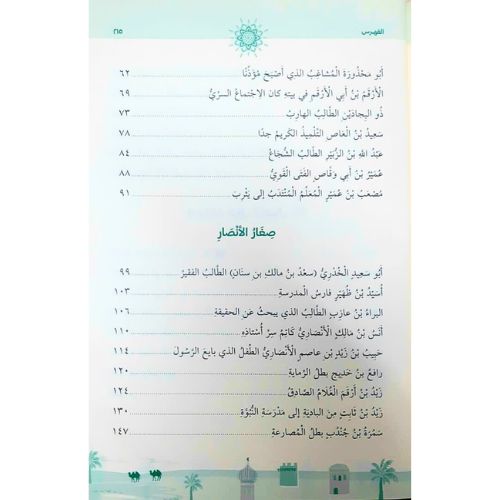
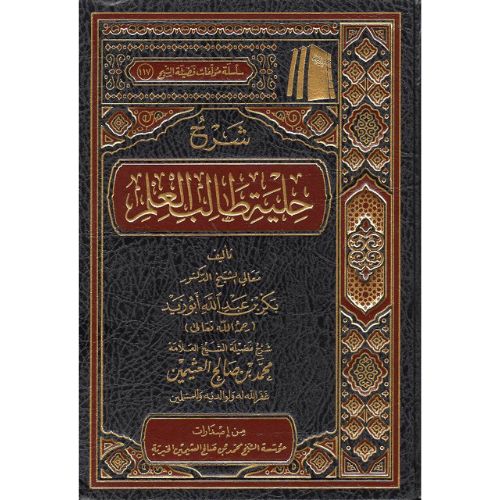
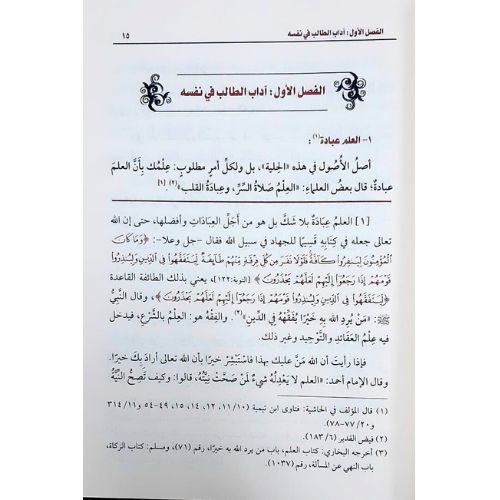
[GB] Sharh Hilayah Talib Al Ilm (شرح حلية طالب العلم)
Highlights:
حلية طالب العلم كتاب صغير الحجم كبير القدر عظيم النفع في آداب طالب العلم مع نفسه و كيفية الطلب و التلقي و آداب الطالب مع شيخه و آداب الطالب في حياته العلمية و محاذير ينبغي أن يحذر منها
RM65.00
Recently Viewed
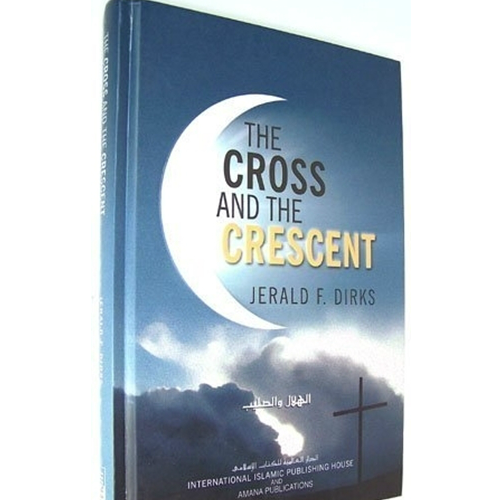
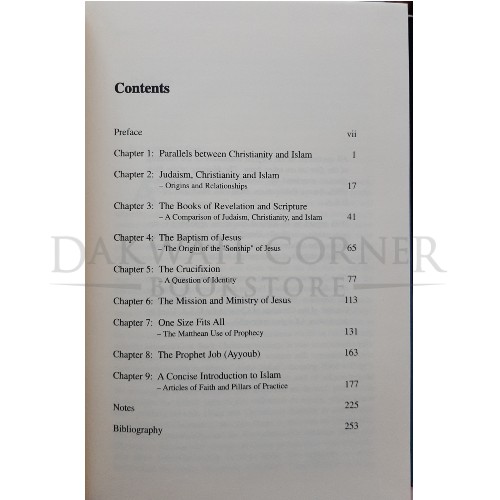
The Cross and The Crescent (IIPH)
Highlights:
In The Cross and The Crescent, Dr. Dirks, a former ordained minister (deacon) in the United Methodist Church, a graduate of Harvard Divinity School and with a doctorate in clinical psychology, reaches out to the Christians and the Muslims for an interfaith dialogue. Drawing on his seminary education and thirty years of interaction with Muslims in America and overseas, the author digs deep into the roots of Christianity to bring out obscure information that highlights what was once common between Christianity and Islam. He envisioned that, “In writing this book, I would like to touch the lives of those Christians who have not been given the knowledge that I have gained both about Islam, from my direct contact with Muslims, and about Christianity from my seminary education. I want to share with those Christians, who are willing to listen, what is so often known by their clergy and church leaders, but seldom finds its way into their knowledge of their own religion. Likewise, I would like to reach out to the Muslims, in order to help them understand the religious commonality that they share with Christians”.
RM43.00
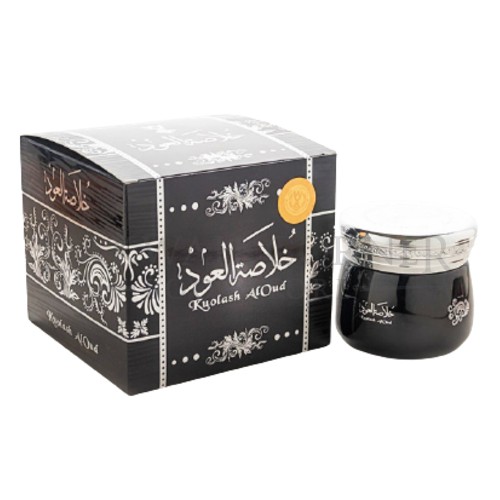

Koulash AlOud (40g)
Highlights:
High-quality bukhoor burn Incense gives a fresh scent for your HOME, SHOP, or OFFICE.
RM60.00


The Sources of the Qur’an
Highlights:
“Who is the author of the Qur’an?” On this subject scholars have flagrantly contradicted each other. This work attempts to make a critical review of the major ‘authorship’ theories by pressing into service logical arguments, historical evidence, textual analysis and scientific data. Probably, the only point of agreement about the Qur’an is that it was uttered for the first time by a man who was born in Makkah (Mecca), a city of Arabia, in the sixth century—a man by the name of Muhammad (blessings and peace be upon him). As to the source of the Qur’an, scholars are divided into three main groups: those who believe that Muhammad (blessings and peace be upon him) himself was the author; those who believe that he was not the author himself but learned it from another human author or authors; and those who believe that the Qur’an has no human author but is rather a word-for-word revelation from God. Hamza Njozi examines the three theories and comes to a firm and logical conclusion.
RM14.00
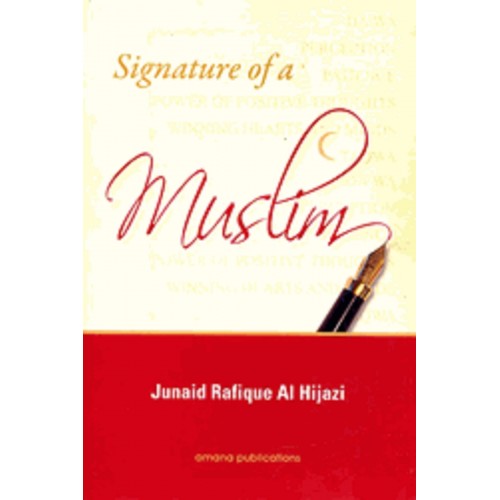
Signature of a Muslim (P/B)
Highlights:
This book is a journey into the art of influencing people positively towards Islam.
The answer to some often asked questions are inside this book:
Can I still propagate Islam if my knowledge is weak? What potential do I have as an advocate of Islam? How do others perceive me? How can I influence someone I ve never met before?
Signature of a Muslim introduces many techniques and concepts that have not previously been associated with the science of advocating Islam. The book uses evidences from the Holy Quran and Hadith to prove that many modern concepts that look at the psychology of influence such as Neuro Linguistic Programming and the Law of Attraction are in many ways in accordance with Islamic Shariah and can even be proven from both sources.
This book has something for everyone and could be the decisive factor that helps someone you know got to Paradise.
RM50.00
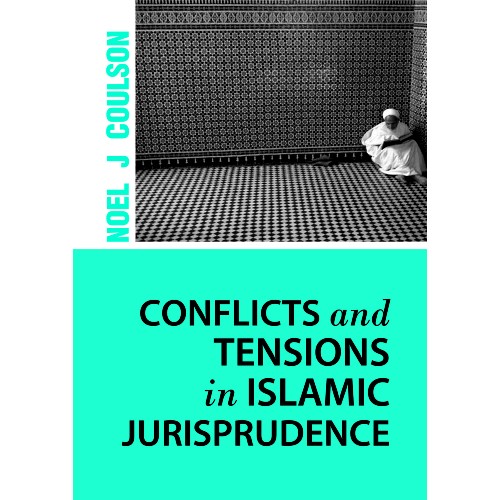
Conflicts and Tensions in Islamic Jurisprudence
Highlights:
Professor Coulson’s method is to examine the principal currents of Islamic legal thought through a series of conflicting concepts. The six polarizations he has devised are revelation and reason, unity and diversity, authority and liberty, idealism and realism, law and morality, and stability and change. Although clearly relevant to general Islamic studies, this book is intended primarily as a study in comparative law. This follows the trend of recent developments in the Islamic legal system itself. In the past, Muslim law has been regarded essentially as a brand of religious studies. Now, however, it is being separated from religion and becoming a province of legal science rather than a matter of religious expertise.
RM21.00
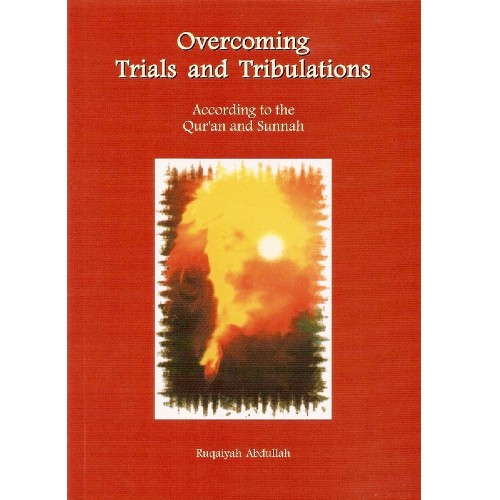
Overcoming Trials and Tribulations According to the Qur’an and Sunnah
Highlights:
Allah (swt) will continue to test us throughout our lives. This book attempts to evaluate the different types of tests that we may experience, why they occur, how to cope with them successfully and their significance both in this world and in the Hereafter. This is a strengthening and inspiring book that is particularly recommended during difficult times.
RM21.00
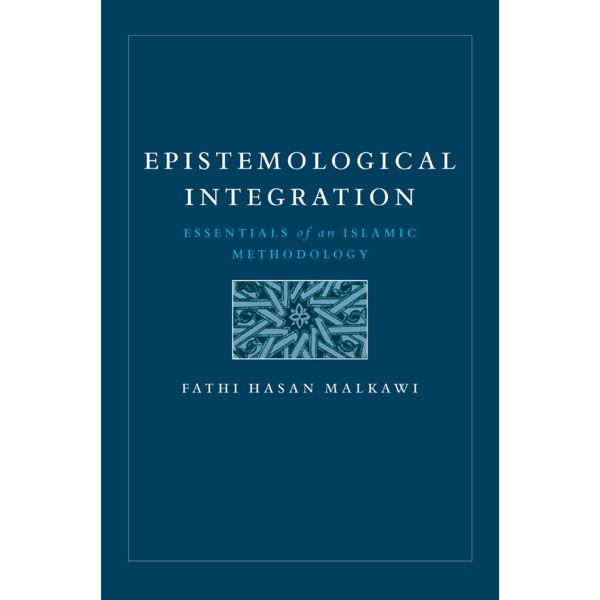
Epistemological Integration Essentials of an Islamic Methodology
Highlights:
Epistemological Integration: Essentials of an Islamic Methodology is a program which seeks to construct an intellectual framework for Islamic methodology with a view to realizing practical training in the thoughtful investigation of issues related to knowledge in various fields. The book’s title affirms the distinctive types of integration that characterize Islamic methodology, including integration of sources, means, and schools of thought, as well as existing realities with desired ideals etc. This is fully consistent with human nature, as variety is fundamental to the functions people perform and skills they master. The work essentially makes the case that fundamental to any Muslim recovery is laying the foundations of sound thinking and values that integrate the two main sources of knowledge: Revelation and Reality (that is the created worlds both physical, societal and psychological) under the umbrella of Tawhid. Islamic methodology adopts that and extends human hopes to integrate efforts so that humanity can realistically achieve prosperity on earth and earn eternal happiness in the afterlife.
RM132.00

The Middle Path of Moderration in Islam (H/B)
Highlights:
In The Middle Path of Moderation in Islam, leading Islamic law expert Mohammad Hashim Kamali examines the concept of wasatiyyah, or moderation, arguing that scholars, religious communities, and policy circles alike must have access to this governing principle that drives the silent majority of Muslims, rather than focusing on the extremist fringe. Kamari explores wasatiyyah in both historical/conceptual terms and in contemporary/practical terms. Tracing the definition and scope of the concept from the foundational sources of Islam, the Qu’ran and Hadith, he demonstrates that wasatiyyah has a long and well-developed history in Islamic law and applies the concept to contemporary issues of global policy, such as justice, women’s rights, environmental and financial balance, and globalization.
Framing his work as an open dialogue against a now-decades long formulation of the arguably destructive Huntingtonian “clash of civilizations” thesis as well as the public rhetoric of fear of Muslim extremism since the attacks of September 11, 2001, Kamali connects historical conceptions of wasatiyyah to the themes of state and international law, governance, and cultural maladies in the Muslim world and beyond. Both a descriptive and prescriptive meditation on a key but often neglected principle of Islam, The Middle Path of Moderation in Islam provides insight into an idea that is in the strategic interest of the West both to show and practice for themselves and to recognize in Muslim countries.
RM189.00
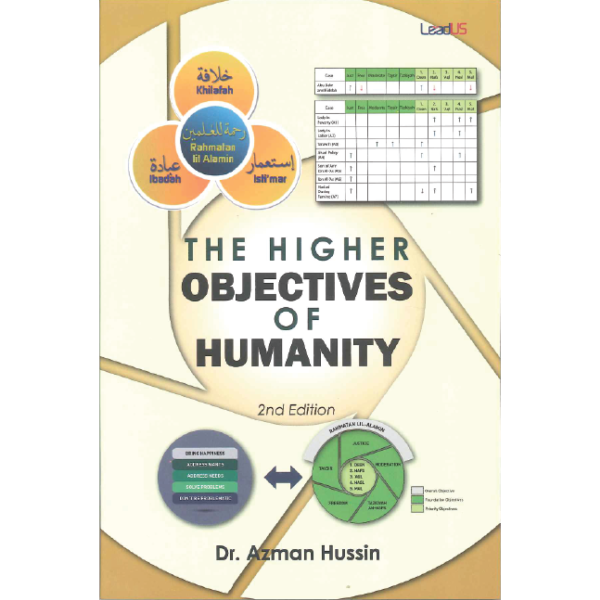
The Higher Objectives of Humanity
Highlights:
A video summary of this book can be found here: https://www.youtube.com/watch?v=YdNQxv_ODdc&t=26s This book discusses the why, what and how of Rahmatan lil-Alamin as the higher objective of humanity. It presents a practical understanding of the purpose of creation and humanity to improve the individual and collective well-being of Muslims and society. The intention is to re-introduce and re-emphasize the correct Islamic perspective of humanity. The first five chapters revisits the common understanding among Muslims as to why mankind is created. We show that the prevalent view that we are created to worship Allah (SWT) is incomplete. There is a higher and more noble purpose; Rahmatan lil-Alamin (mercy to the worlds). We next describe the what of Rahmatan lil-Alamin. The best role model of Rahmatan lil-Alamin is undoubtedly Prophet Muhammad (SAW), the last and final prophet and messenger, whom Allah (SWT) sent with a very clear purpose, “And We have not sent you but as a mercy to the worlds.” [21:107]. We present many examples from the history of Prophet Muhammad (SAW) and a collection of his (SAW) sayings and advice on being the best. The final chapters of the book deal with the how of Rahmatan lil-Alamin. We describe in detail how the Muslim can apply Rahmatan lil-Alamin daily in his or her life. We propose a practical model of Rahmatan lil-Alamin that we induced from the Quran. We also addressed how to apply Rahmatan lil-Alamin to a broader society by proposing a decision-making tool that can guide us as persons and as communities to make decisions that conform to the foundations and priorities of Rahmatan lil-Alamin. We present case studies from the history of the Companions using this decision-making model. This book seeks to establish a connection between Islam and civilization within a civilizational and ethical framework. We believe that a more proper and complete understanding of the Islamic view about humanity may present to us new perspectives of Islam and how Muslims should engage with fellow Muslims and people of other faiths. In fact, the implication of this new reinterpretation framework goes even further in that: any human civilization built on this framework is the most prosperous for the whole and also for the individuals in it.
RM45.00
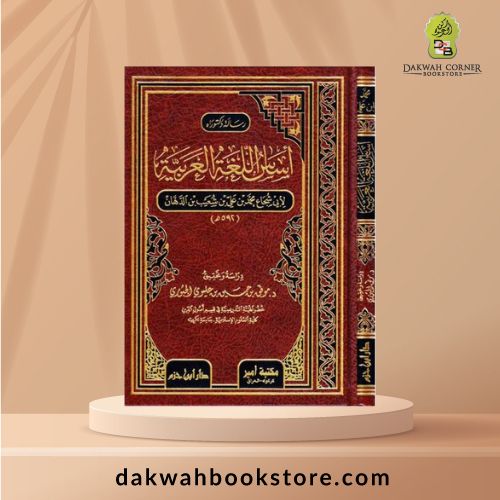
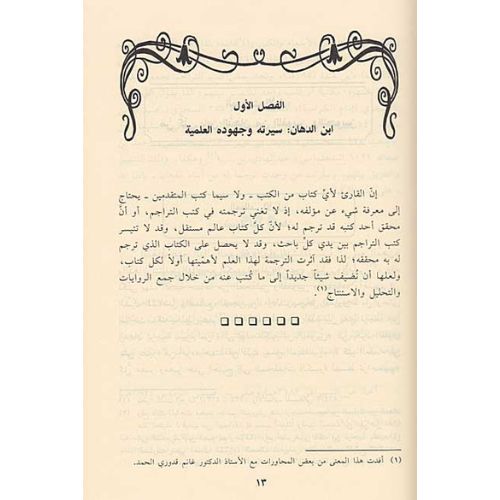
[AR] Asas al-Lughah al-Arabiyah – اساس اللغة العربية
Highlights:
إن كتاب أساس اللغة العربية لابن الدهان من أهم الكتب التي تتحدث عن أصل اللغة العربية و جذورها . و لما كانت اللّغة العربية لغة القرآن الكريم و لغة أهل الجنة ، كان لها أهمية فريدة تحثّ على الغوص في تاريخها و جذورها . هذا الكتاب لابن الدهان رحمه الله و طيب ثراه و قام بتحقيقه الدكتور موفق حسين الجبوري .
RM60.00
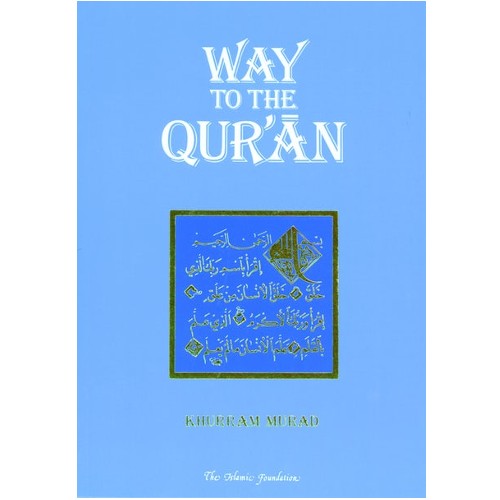

Way To The Quran
Highlights:
An authoritative and accessible study guide that covers what the Book means to the believers and sets out the essential prerequisites of body, mind, and heart that serve to light up the inner life with the Qur’anic worldview; the etiquette of reciting, reading, and understanding the Qur’an; how to study the Qur’an collectively; and how to live by its teachings.
RM45.00
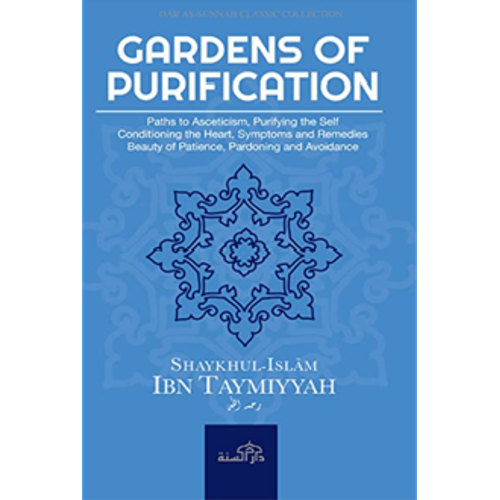
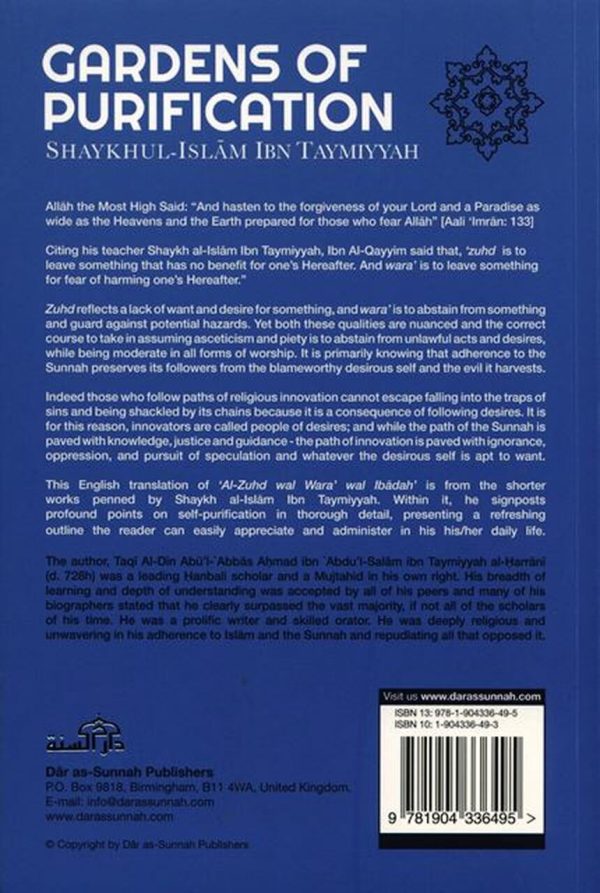
Gardens of Purification
5 ★
5 ★
1 Rating
5 ★
1
4 ★
0
3 ★
0
2 ★
0
1 ★
0
Highlights:
Paths to Asceticism, Purifying the Self. Conditioning the Heart, Symptoms and Remedies. Beauty of Patience, Pardoning and Avoidance
RM90.00
There are no reviews yet.