عبد الرحمن بن ناصر السعدي الناصري التميمي، هو الشيخ أبو عبد الله عبد الرحمن بن ناصر بن عبد الله بن ناصر السعدي الناصري التميمي ويعرف اختصاراً ابن سعدي (1889-1956) ولد في بلدة عنيزة في القصيم يوم 12 محرم عام ألف وثلاثمائة وسبع من الهجرة النبوية، وتوفيت أمه وله من العمر أربع سنوات وتوفي والده وهو في السابعة، فتربى يتيماً ولكنه نشأ نشأة حسنة، وكان قد استرعى الأنظار منذ حداثة سنه بذكائه ورغبته الشديدة في التعلم، وهو مصنف وكاتب كتاب تيسير الكريم الرحمن في تفسير كلام المنان.
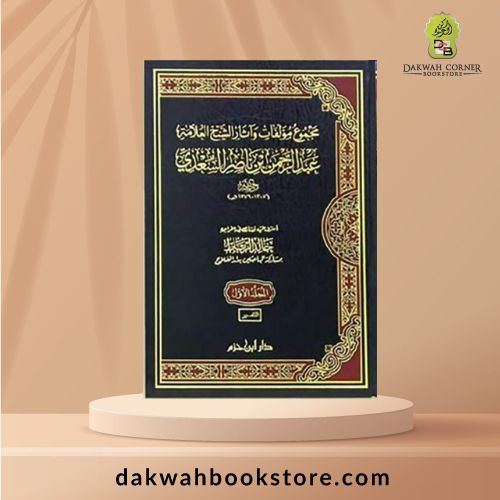
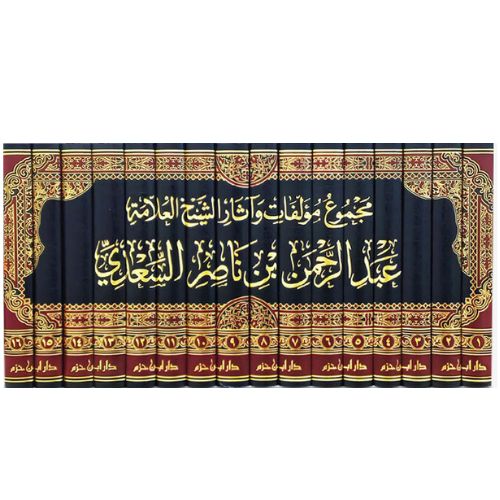
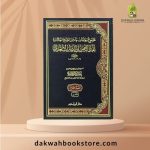
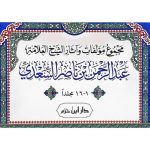
(GB) Majmu’ Muallafat Wa Athar 16 Vol / مجموع مؤلفات وآثار الشيخ العلامة عبد الرحمن بن ناصر السعدي 16 مجلد
RM1,850.00
Frequently Bought Together
| Weight | 19.00 kg |
|---|---|
| Dimensions | 24 × 17 × 19 cm |
| Author | |
| Binding | Hardcover |
| Publisher | Dar Ibn Hazm |
Be the first to review “(GB) Majmu’ Muallafat Wa Athar 16 Vol / مجموع مؤلفات وآثار الشيخ العلامة عبد الرحمن بن ناصر السعدي 16 مجلد” Cancel reply
You must be logged in to post a review.
You may also like…
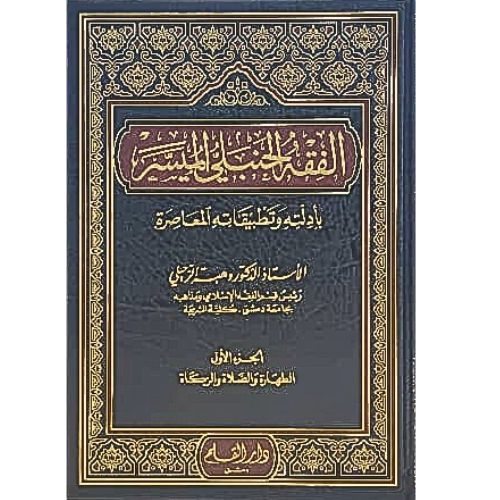
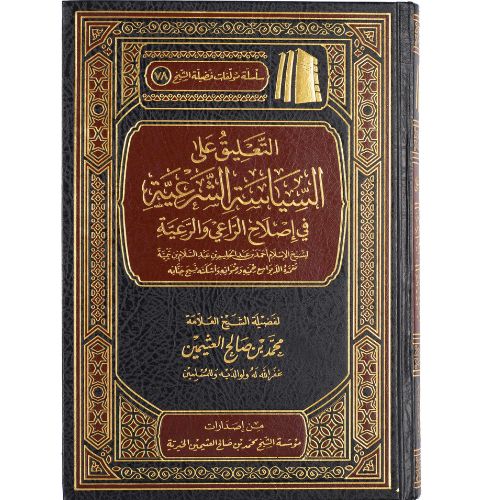
[SJ] Alt’aliq ‘Ala Alsiyasah Alshar’iah (التعليق على السياسة الشرعية)
تعليق وتفصيل ثري النّفع، وغزير الفائدة للشيخ ابن عثيمين رحمه الله على كتاب العلامة شيخ الإسلام ابن تيمية (السياسة الشرعية في أحوال الراعي والرعية)، والذي فيه منفعة للحكام في إدارة كافة شؤون الدولة في ظلّ الشرع، يتكلّم فيه عن اختيار الحاكم، وعن العدل والأمانات، وعن بعض الأحكام الشرعية وحدودها، ويخصّ حدّ الإعدام ويفصل فيه، والمعاملات وغيرها من الأمور.
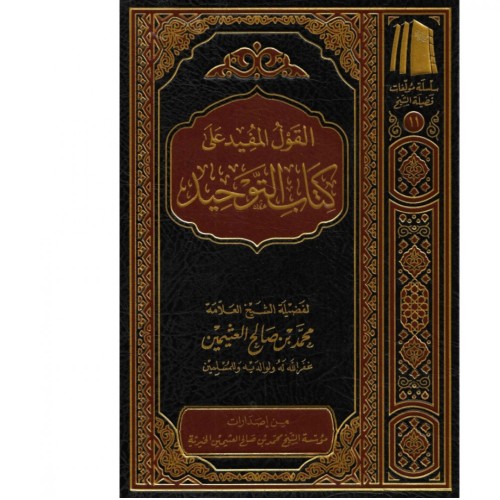
[AC] Al-qawl Al-mufid Ealaa Kitab AT-tawhid (القول المفيد على كتاب التوحيد)
كتاب مهم جداً لكل قارئ تناول فيه مؤلفه موضوع التوحيد حيث بيّن معناه وأقسامه وكلّ ما يتعلق به، والكتاب مقسّم في أبواب مثل: باب من الشّرك إرادة الإنسان بعمله الدنيا، وباب من جحد شيئاً من الأسماء والصفات.وباب وصف الله الحاكمين بغير ما انزل الله وباب ما جاء في الرياء وباب التسمي بقاضي القضاة باب احترام أسماء الله وتغيير الاسم لأجل ذلك باب قول اللهم اغفر لي إن شئت… وغير ذلك من الأبواب الهامّة
Related Products
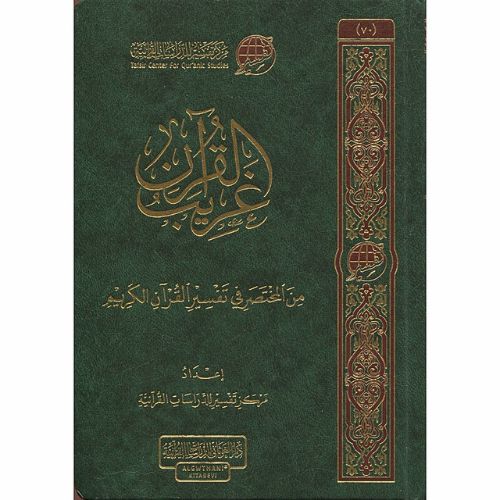
[QQ] Tafsir Gharib Alquran Qiyas (تفسيرغريب القران قياس)
غريب القرآن من المختصر في تفسير القرآن الكريم، إعداد مركز تفسير لل دراسات القرآنية
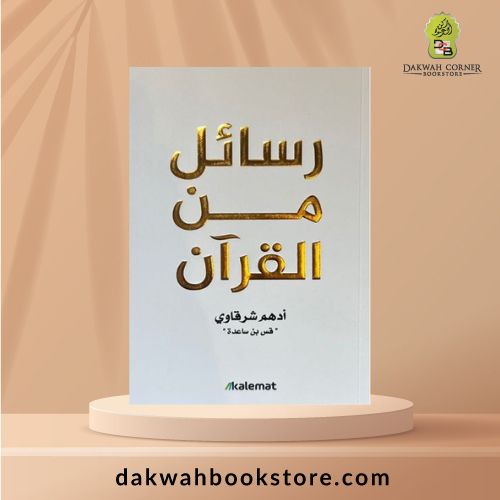
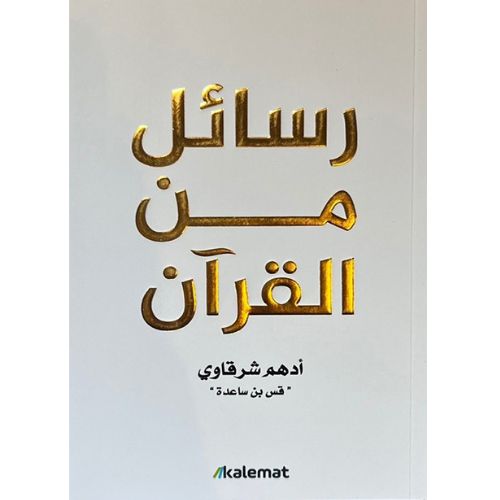
[QQ] Rasail min Al-Quran ( رسائل من القران)
نبذة عن كتاب ( رسائل من القرآن ) : من آخر إصدارات، الكاتب المتميز جدًا، أدهم شرقاوي، لقد أبدع المؤلف في هذا الكتاب الذي يتضمن أكثر من 283 صفحة.. أقل ما يقال عنه أنه راقي في معانيه بامتياز، فكيف لا يكون كذلك وكل عباراته مستخلصة من كلام الله جل وعلا.. ينادي فيها صاحب هذا الإصدار: يا الله، إنك عندما قلت لإبراهيم عليه السلام: (( وأذن في الناس بالحج)) قال لك: رب كيف أبلغ الناس وصوتي لا يصلهم !؟ ، فقلت له: عليك النداء وعلينا البلاغ !.. فبلغ صوته أرجاء الأرض !.. فيا الله: هذا الكتاب نداء عبد ضعيف القلب، ضعيف الصوت، ناداه حب لك، ورغبة فيك، فأكرمه بالبلاغ !؟؟..
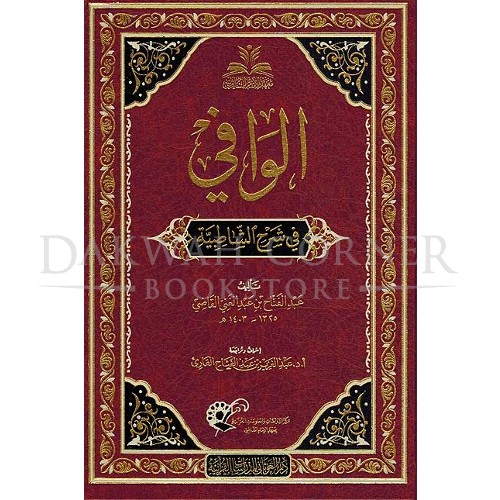
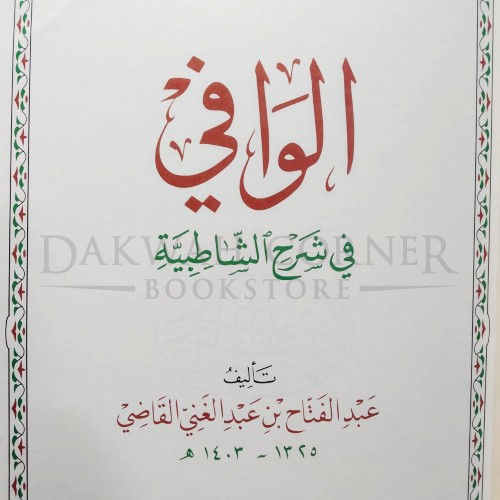
[QQ] Al-Wafi Fi Sharh Ash-Shatibiyyah (الوافي في شرح الشاطبية)
Explanation of the famous poem ash-Shatibiyyah in the science of Qira’at, in a single volume, 100% harakat.
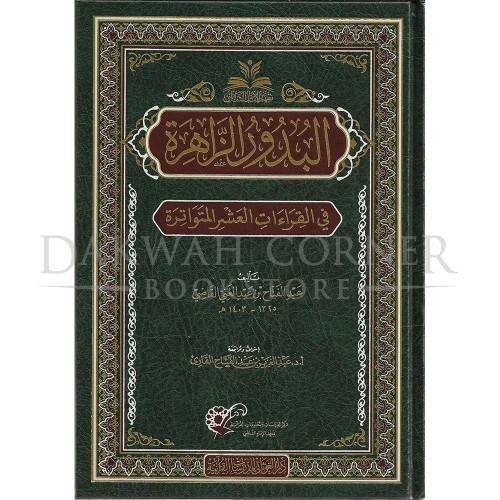
[QQ] Al-Budur Az-Zahirah Fi Al-Qira’at Al-‘Ashr Al-Mutawatirah (البدور الزاهرة في القراءات العشر المتواترة)
Al-Budur Al-Zahirah: In The Ten Consecutive Recitations from The Sattabati and Dura, is prepared by the best of the works of Sheikh Abdul Fattah al-Qadi.
Recently Viewed
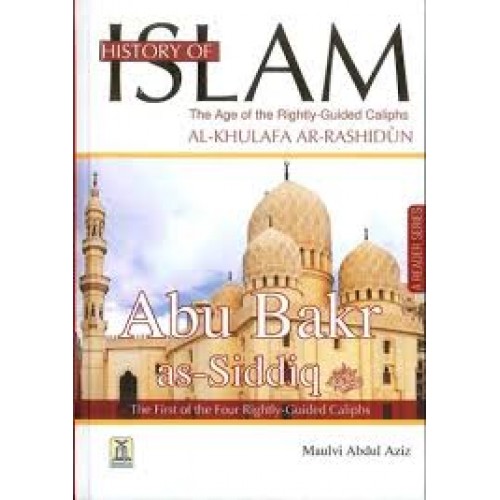
History of Islam: Abu Bakr as-Siddiq (H/B)
This is the first volume from this series, which deals with the life of Abū Bakr as-Șiddīq, the first of the Four Rightly-Guided Caliphs. No other person in the History of Islam can be compared to him when it comes to truthfulness, insight into Islamic teachings and devotion to Allah and His Messenger (S). He was outstanding and unique in his commitment, sincerity, and whole-hearted support and assistance to the Prophet. Our past, present, and future are interconnected and interdependent. Therefore, knowing and understanding our history is not optional: it is essential.
Usool Al-Hadeeth (H/B)
Dr. Bilal Philips writes: “The Prophet’s sayings and actions were primarily based on revelation from Allah and, as such, must be considered a fundamental source of guidance second only to the Qur’an.” According to Dr. Philips, the Hadith, the record of these sayings and actions, plays a vital role in that it transmits revelation, tafseer (exegesis of the Qur’an), Islamic law, and the Islamic moral ideal. For instance, the Prophet’s “…character and social interactions became prime examples of moral conduct for Muslims. Consequently, the daily life of the Prophet (blessings and peace of Allah be upon him) as recorded in the hadith represents an ideal code of conduct. It is largely due to the science of hadith that the final message of Islam has been preserved in its original purity for all times.” In Usool al-Hadeeth, the reader will embark on a course of study that will, Allah willing, enable him or her to make critical and intelligent use of the body of Hadith literature in his or her daily life.
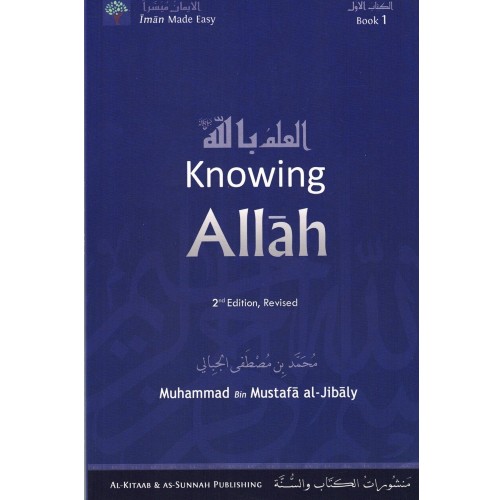
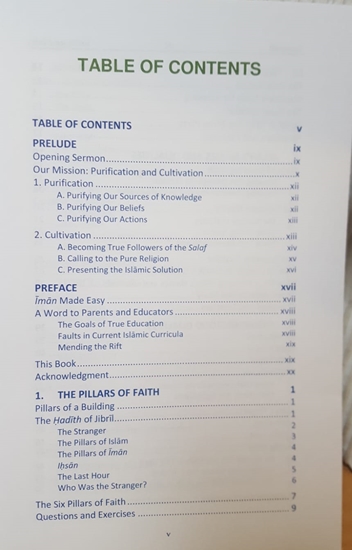
Knowing Allah (Eeman Made Easy Series)
This series covers the six pillars Eemaan and reIated subjects as follows:
This series consists of six books:
- Knowing Allah
- Knowing the Angels
- Knowing Allah’s Books & the Qur’ an
- Knowing Allah’s Prophets & Messengers
- Knowing the Last Day
- Believing in Allah’s Decree, Qadar
Each book is structured into chapters, sections, and subsection to organize learning and facilitate grasping the concepts by elementary-level readers. Furthermore each chapter includes exercises review and emphasizes the concepts. All this makes the Eemaan Made Easy series a valuable source of reliable study material for schools and individuals.
The Third Caliph of Islam: Uthman bin Affan (P/B)
Uthman bin Affan (R) was one of the early men who accepted Islam in Makkah. From the first moment he became a Muslim, he put all his wealth under the service of Islam. He spent most of his resources to satisfy the needs of poor Muslims. Recognizing his generosity and devotion to Islam, the Prophet (S) told him that his place would be in Paradise on the Hereafter. He married Ruqayah (R),the Prophet’s daughter. After she died, he married her sister Um Kulthum ;for that, the people at that time called him Dhun Nurain, “The Man with the Two Lights.”
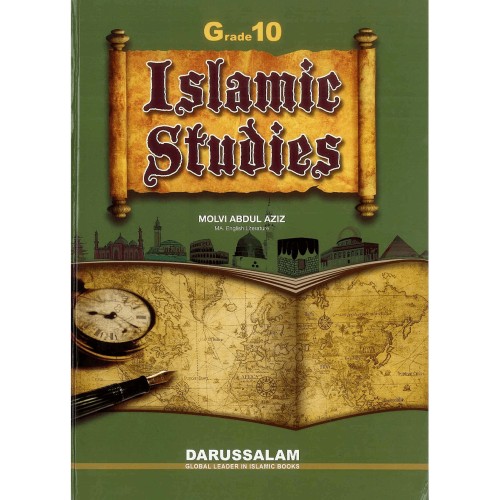
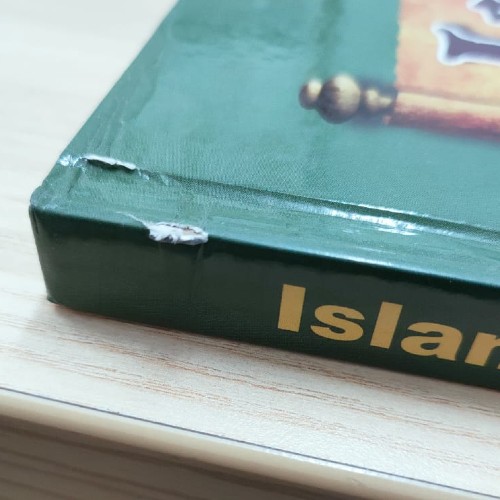
Islamic Studies Grade 10 by Molvi Abdul Aziz
Damaged book cover (as images)
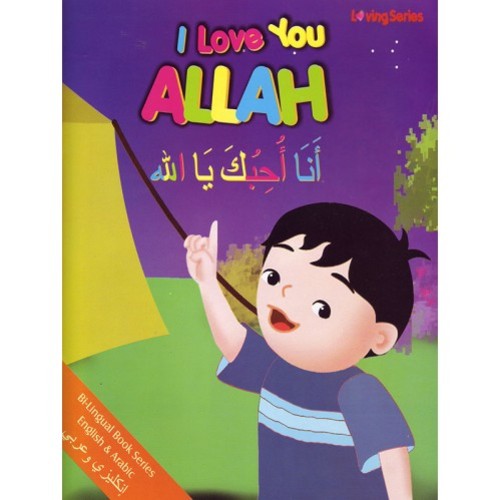
I Love You Allah (ARABIC/ENGLISH) (Loving Series)
This bilingual English & Arabic book series teaches children about Allah and the important people in their lives.
The first book in this Loving Series, I Love You Allah was initially sold out, but has now been reprinted & updated.
This book develops
– Arabic word recognition
– Allah (God) consciousness
– Connection to the Arabic language
– An appreciation of what Allah (God) has given us
Includes a transliteration table to assist non-Arabic readers.
There are 2 other books in the Loving Series.
Mushaf Madinah DCB (Local Edition)
Mushaf Madinah Local Edition (Explanation in Malay)
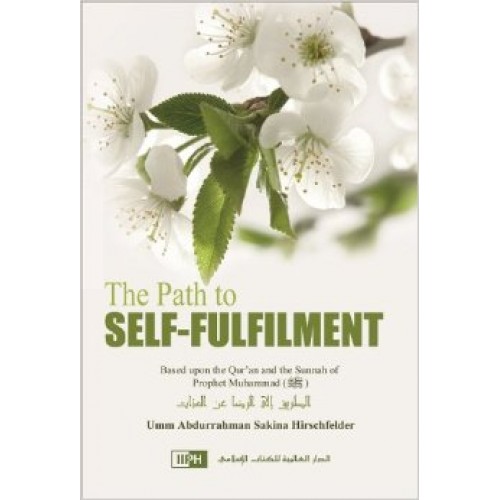
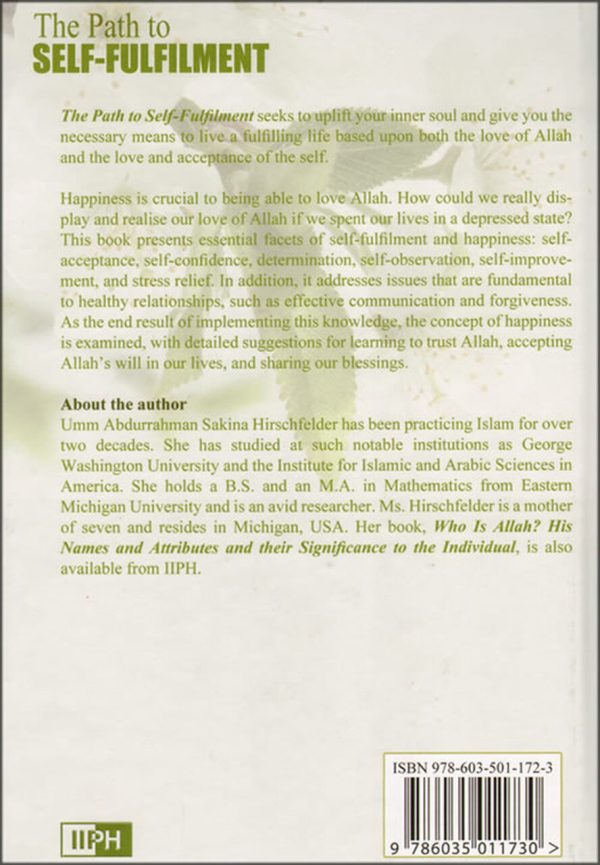
The Path to Self-Fulfilment (H/B)
The Path to Self-Fulfilment seeks to uplift your inner soul and give you the necessary means to live a fulfilling life based upon both the love of Allah and the love and acceptance of the self.
Happiness is crucial to being able to love Allah. How could we really display and realise our love of Allah if we spent our lives in a depressed state? This book presents essential facets of self-fulfilment and happiness: self-acceptance, self-confidence, determination, self-observation, self-improvement, and stress relief. In addition, it addresses issues that are fundamental to healthy relationships, such as effective communication and forgiveness. As the end result of implementing this knowledge, the concept of happiness is examined, with detailed suggestions for learning to trust Allah, accepting Allah’s will in our lives, and sharing our blessings.
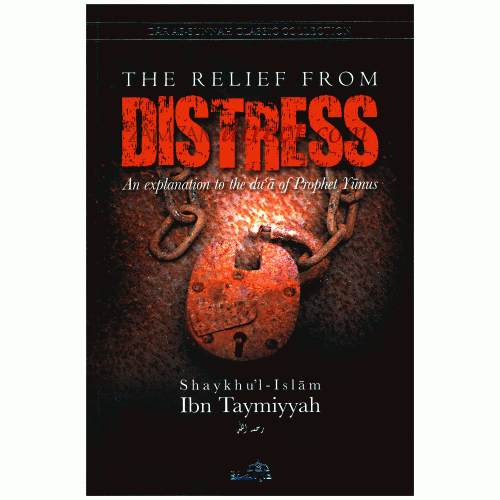
The Relief From Distress : An Explanation to the dua of Prophet Yunus (P/B)
Shaykh al-Islam Ibn Taymiyyah, may Allah sanctify his soul, was asked about the saying of the Prophet (pbuh),
The invocation of my brother Yunus, “none has the right to be worshipped save You; glory be to You, far removed are You from any imperfection; I have been amongst the wrong-doers,” none who is experiencing difficulty employs it except that Allah would relieve him of his difficulty.
What is the meaning of this du’a (prayer, supplication)?
Are their any unstated conditions that have to be met when one articulates it?
What is the connection between belief in the heart and the meaning of this supplication such that it leads to the removal of difficulty?
Why did he explicitly confess, ‘I have been amongst the wrong-doers’ when it is known that tawhid in itself leads to the removal of difficulty?
Is it sufficient to acknowledge ones’ sin alone, or must this be accompanied by repentance and the firm resolve not to repeat that sin in the future?
Why is it that difficulty and harm is removed only when a person relinquishes any hope, reliance and dependency upon the creation?
How can the heart relinquish the characteristic of putting hope in the creation and depending on them, and instead put its hope in Allah, Exalted is He, and turn to Him in its entirety?
What are the methods that would aid the heart in doing this?
The author replies to these questions in the form of this book.
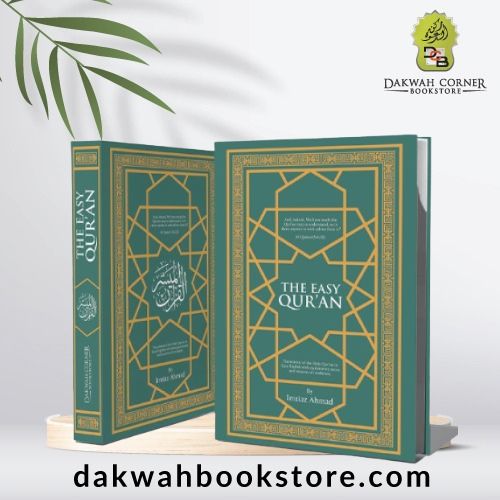
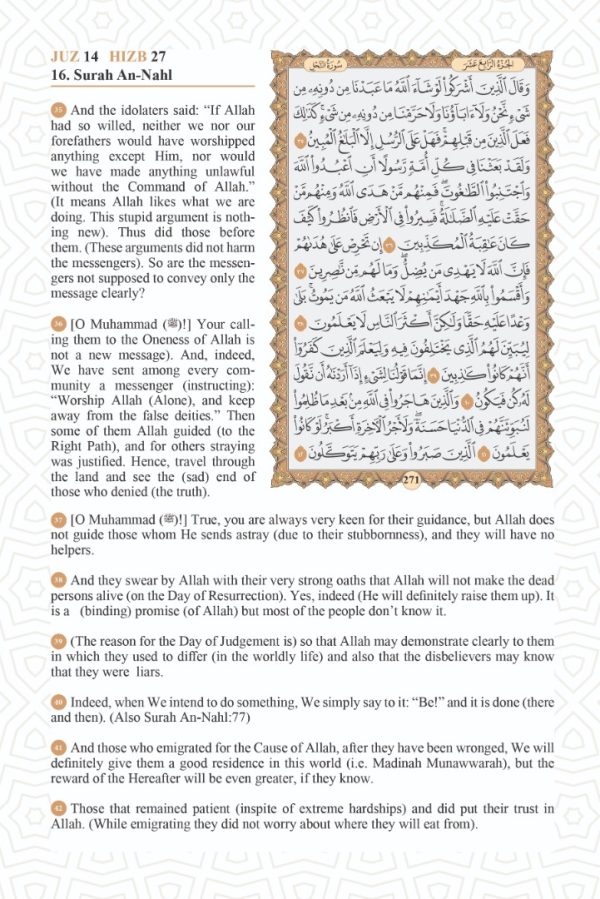
The Easy Qur’an New (Full Arabic Page) 6×9
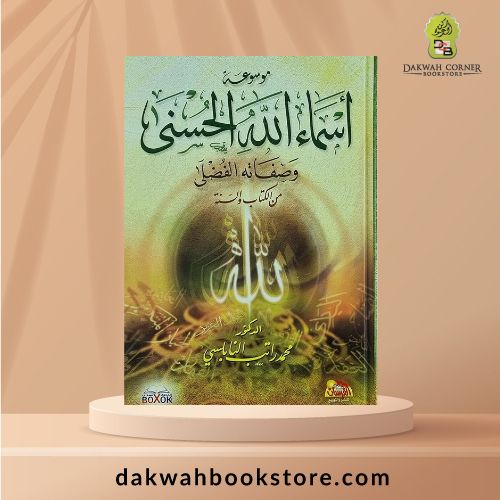
[AC] Mausū’at Asmā’ Allāh al-Ḥusnā / موسوعة أسماء الله الحسني
الدكتور محمد راتب النابلسي في موسوعته هذه، فضلاً عن نقله لما في كتب العلماء الأجلاء، قديماً وحديثاً، من روح لأسماء الله الحسنى، يسلك أسلوباً جديداً في شرحه لهذه الأسماء الحسنى، يعتمد على آيات الله في الآفاق، وعلى آيات الله في النفس البشرية


There are no reviews yet.