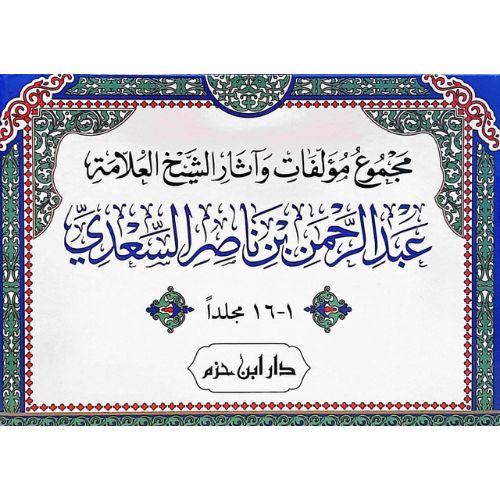
عبد الرحمن بن ناصر السعدي الناصري التميمي، هو الشيخ أبو عبد الله عبد الرحمن بن ناصر بن عبد الله بن ناصر السعدي الناصري التميمي ويعرف اختصاراً ابن سعدي (1889-1956) ولد في بلدة عنيزة في القصيم يوم 12 محرم عام ألف وثلاثمائة وسبع من الهجرة النبوية، وتوفيت أمه وله من العمر أربع سنوات وتوفي والده وهو في السابعة، فتربى يتيماً ولكنه نشأ نشأة حسنة، وكان قد استرعى الأنظار منذ حداثة سنه بذكائه ورغبته الشديدة في التعلم، وهو مصنف وكاتب كتاب تيسير الكريم الرحمن في تفسير كلام المنان.
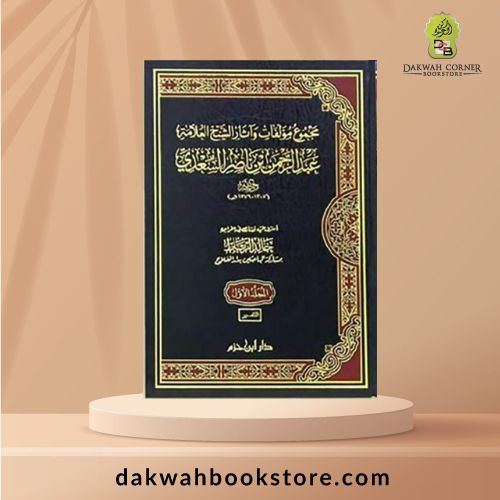
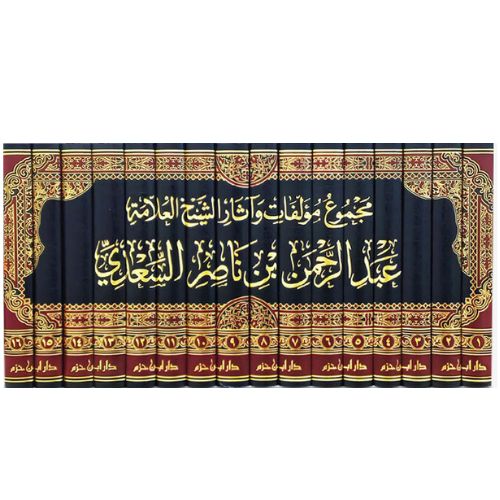
(GB) Majmu’ Muallafat Wa Athar 16 Vol / مجموع مؤلفات وآثار الشيخ العلامة عبد الرحمن بن ناصر السعدي 16 مجلد
RM1,850.00
Frequently Bought Together
| Weight | 19.00 kg |
|---|---|
| Dimensions | 24 × 17 × 19 cm |
| Author | |
| Binding | Hardcover |
| Publisher | Dar Ibn Hazm |
Be the first to review “(GB) Majmu’ Muallafat Wa Athar 16 Vol / مجموع مؤلفات وآثار الشيخ العلامة عبد الرحمن بن ناصر السعدي 16 مجلد” Cancel reply
You must be logged in to post a review.
You may also like…
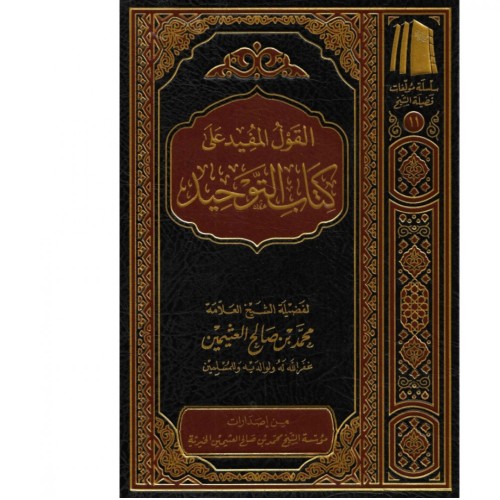
[AC] Al-qawl Al-mufid Ealaa Kitab AT-tawhid (القول المفيد على كتاب التوحيد)
كتاب مهم جداً لكل قارئ تناول فيه مؤلفه موضوع التوحيد حيث بيّن معناه وأقسامه وكلّ ما يتعلق به، والكتاب مقسّم في أبواب مثل: باب من الشّرك إرادة الإنسان بعمله الدنيا، وباب من جحد شيئاً من الأسماء والصفات.وباب وصف الله الحاكمين بغير ما انزل الله وباب ما جاء في الرياء وباب التسمي بقاضي القضاة باب احترام أسماء الله وتغيير الاسم لأجل ذلك باب قول اللهم اغفر لي إن شئت… وغير ذلك من الأبواب الهامّة
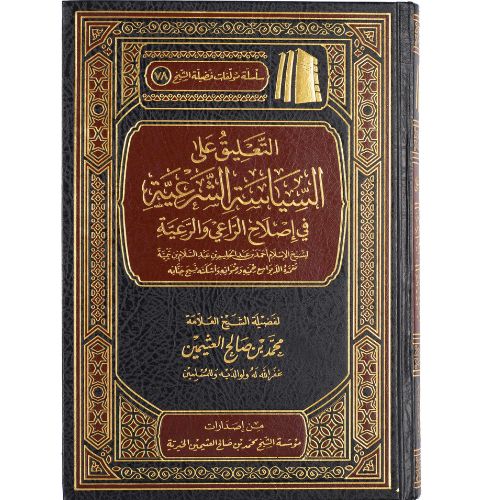
[SJ] Alt’aliq ‘Ala Alsiyasah Alshar’iah (التعليق على السياسة الشرعية)
تعليق وتفصيل ثري النّفع، وغزير الفائدة للشيخ ابن عثيمين رحمه الله على كتاب العلامة شيخ الإسلام ابن تيمية (السياسة الشرعية في أحوال الراعي والرعية)، والذي فيه منفعة للحكام في إدارة كافة شؤون الدولة في ظلّ الشرع، يتكلّم فيه عن اختيار الحاكم، وعن العدل والأمانات، وعن بعض الأحكام الشرعية وحدودها، ويخصّ حدّ الإعدام ويفصل فيه، والمعاملات وغيرها من الأمور.
Related Products
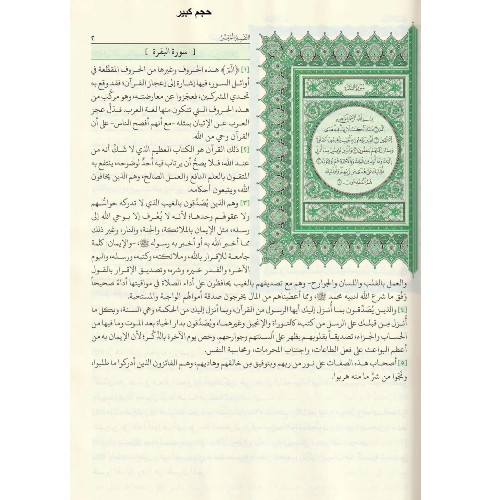
[QQ] Al-Tafseer Al-Muyassar (Large) – (التفسير الميسر)
إليكم تفسير جيد للغاية لخصه نخبة من العلماء. هذا التفسير الميسر مقدمة ممتازة لتفسير القرآن، سهل و مختصر
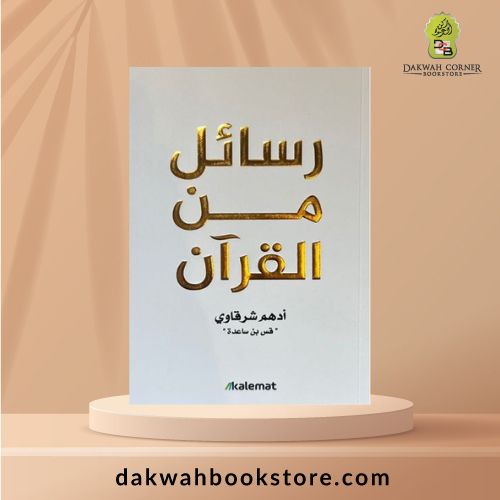
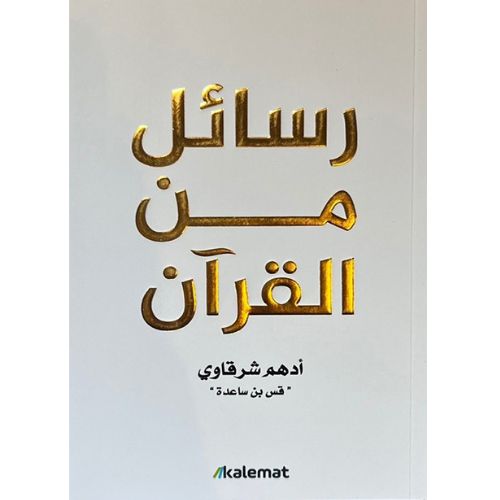
[QQ] Rasail min Al-Quran ( رسائل من القران)
نبذة عن كتاب ( رسائل من القرآن ) : من آخر إصدارات، الكاتب المتميز جدًا، أدهم شرقاوي، لقد أبدع المؤلف في هذا الكتاب الذي يتضمن أكثر من 283 صفحة.. أقل ما يقال عنه أنه راقي في معانيه بامتياز، فكيف لا يكون كذلك وكل عباراته مستخلصة من كلام الله جل وعلا.. ينادي فيها صاحب هذا الإصدار: يا الله، إنك عندما قلت لإبراهيم عليه السلام: (( وأذن في الناس بالحج)) قال لك: رب كيف أبلغ الناس وصوتي لا يصلهم !؟ ، فقلت له: عليك النداء وعلينا البلاغ !.. فبلغ صوته أرجاء الأرض !.. فيا الله: هذا الكتاب نداء عبد ضعيف القلب، ضعيف الصوت، ناداه حب لك، ورغبة فيك، فأكرمه بالبلاغ !؟؟..
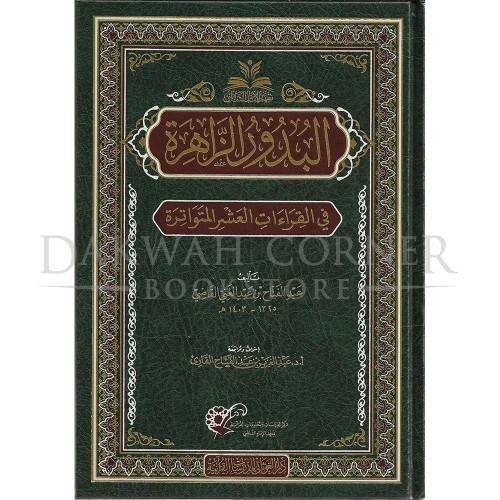
[QQ] Al-Budur Az-Zahirah Fi Al-Qira’at Al-‘Ashr Al-Mutawatirah (البدور الزاهرة في القراءات العشر المتواترة)
Al-Budur Al-Zahirah: In The Ten Consecutive Recitations from The Sattabati and Dura, is prepared by the best of the works of Sheikh Abdul Fattah al-Qadi.
Recently Viewed
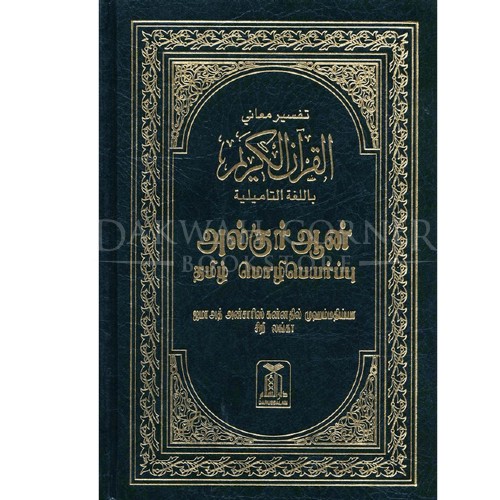
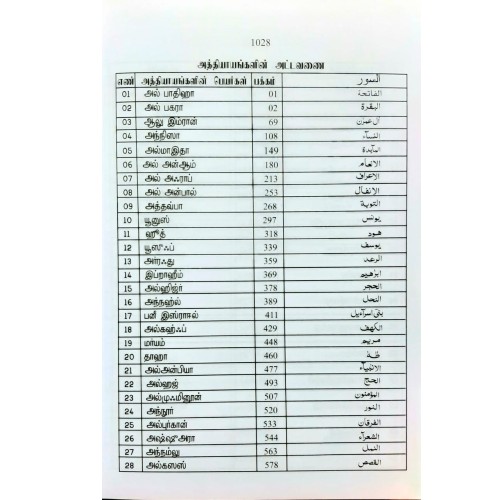
Qur’an Tamil Translation
Quran in Tamil Language ( Arabic To Tamil Translation)
The Noble Quran Translated into Tamil with Arabic script included.
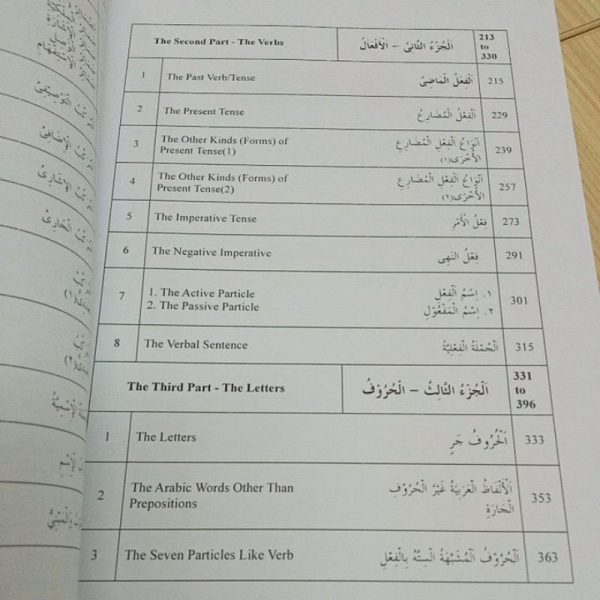
Quranic Arabic With Basic Grammar
This book, which is a compilation of the author’s lectures in seminars during his post-doctoral research at the Centre for Islamic Development Management Studies, Universiti Sains Malaysia, dwells on Arabic language with a focus on Quranic grammar. It comprises of three parts, each part contains various units. The first part contains 15 unit which look into the nouns, pronouns, different types of compounds, the nominal sentence and punctuation. The second part consists of seven units which discuss the various types of tenses, sentences, the imperatives and the particles. The last part featuring five units covers prepositions and different types of words in Arabic.
The Sources of the Qur’an
“Who is the author of the Qur’an?” On this subject scholars have flagrantly contradicted each other. This work attempts to make a critical review of the major ‘authorship’ theories by pressing into service logical arguments, historical evidence, textual analysis and scientific data. Probably, the only point of agreement about the Qur’an is that it was uttered for the first time by a man who was born in Makkah (Mecca), a city of Arabia, in the sixth century—a man by the name of Muhammad (blessings and peace be upon him). As to the source of the Qur’an, scholars are divided into three main groups: those who believe that Muhammad (blessings and peace be upon him) himself was the author; those who believe that he was not the author himself but learned it from another human author or authors; and those who believe that the Qur’an has no human author but is rather a word-for-word revelation from God. Hamza Njozi examines the three theories and comes to a firm and logical conclusion.


There are no reviews yet.