| Weight | 0.29 kg |
|---|---|
| Product Type | Book |
| Author | |
| Publisher | Goodword |
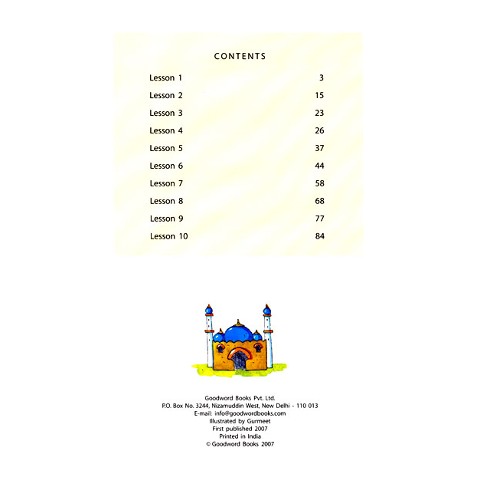
| Pages | 91 |
| ISBN | 9788178985527 |
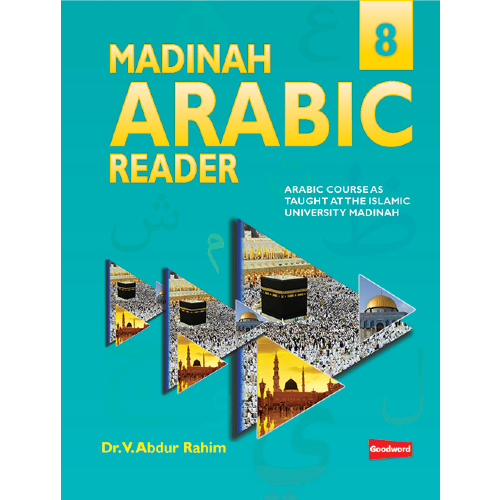
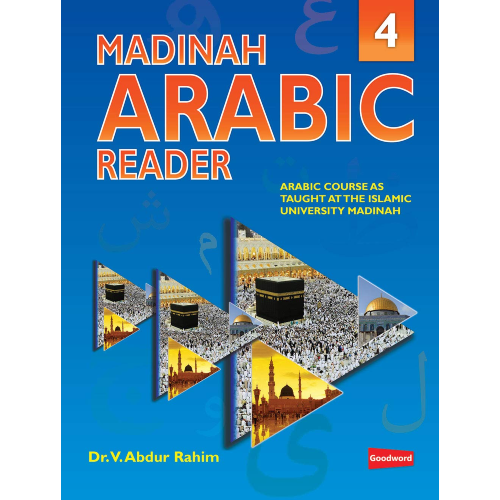
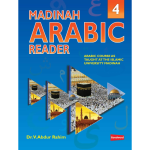
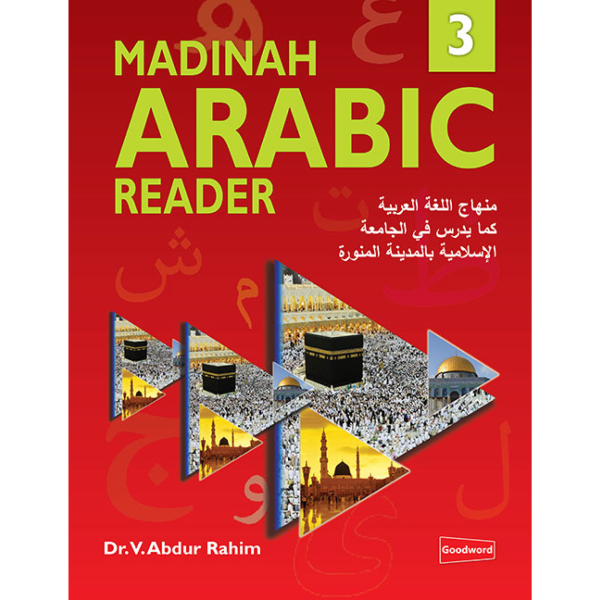
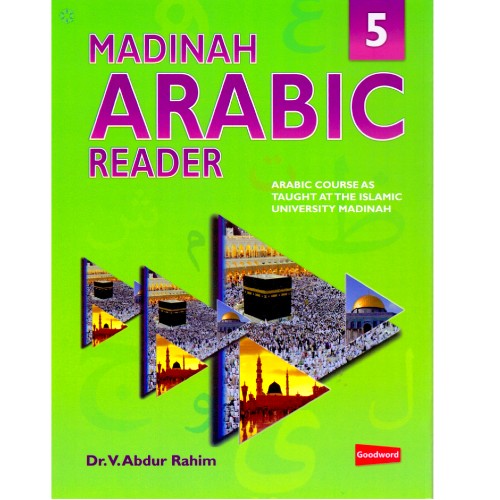
Madinah Arabic Reader (Book 4)
RM30.00
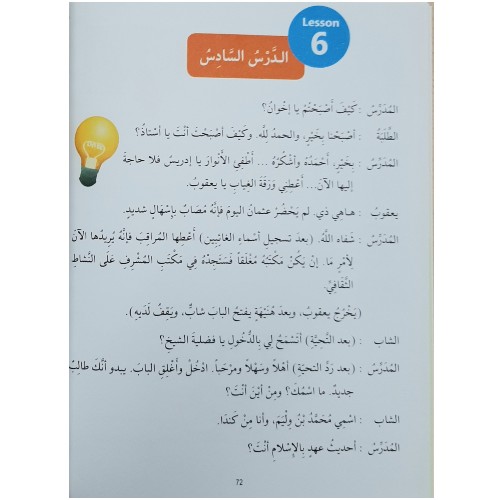
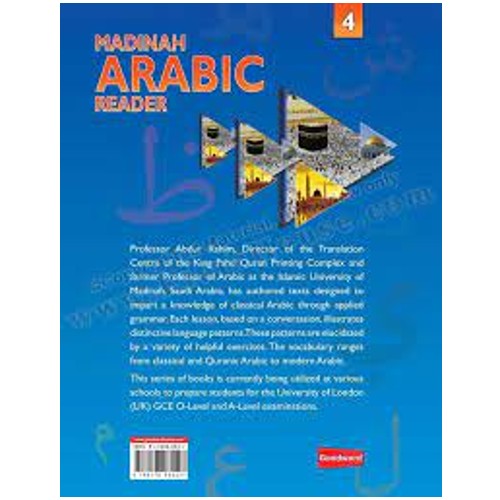
Professor Abdur Rahim, Director of the Translation Centre of the King Fahd Quran Printing Complex and former Professor of Arabic at the Islamic University of Madinah, Saudi Arabia, has authored texts designed to impart a knowledge of classical Arabic through applied grammar. Each lesson, based on a conversation, illustrates distinctive language patterns. These patterns are elucidated by a variety of helpful exercises. The vocabulary ranges from classical and Quranic Arabic to modern Arabic. This series of books is currently being utilized at various schools to prepare students for the University of London (UK) GCE O-Level and A-Level examinations.
Be the first to review “Madinah Arabic Reader (Book 4)” Cancel reply
You must be logged in to post a review.
Related Products
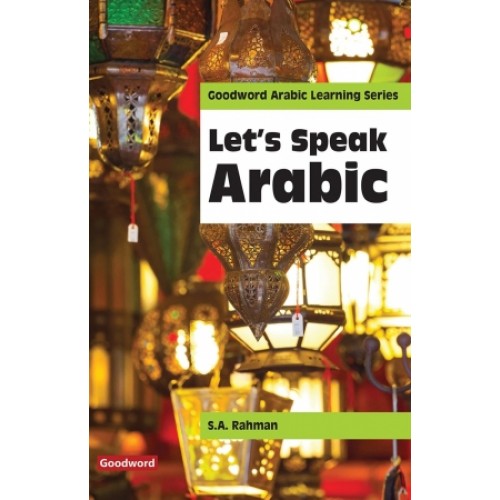
Let’s Speak Arabic
For business or pleasure you need Let’s Speak Arabic for useful vocabulary and phrases. The book is organized to make Arabic learning easy and accessible. Let’s Speak Arabic focuses exclusively on the most common, everyday situations you will encounter in Arabic-speaking countries. It is just what you need to communicate successfully in basic Arabic.
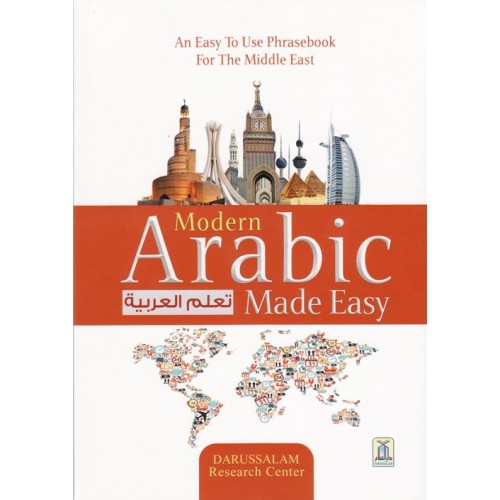
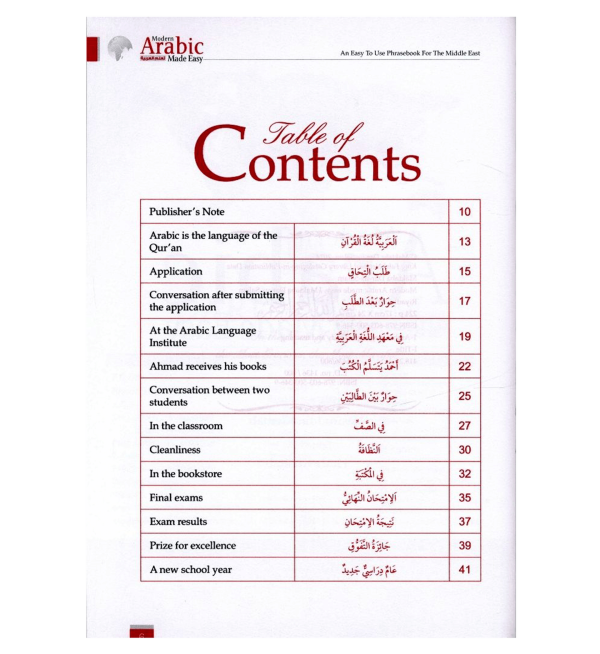
Modern Arabic Made Easy (P/B)
This product was added to our catalog on Thursday 30 April, 2015.
Notify me of updates to Modern Arabic Made Easy
Tell someone you know about this product.
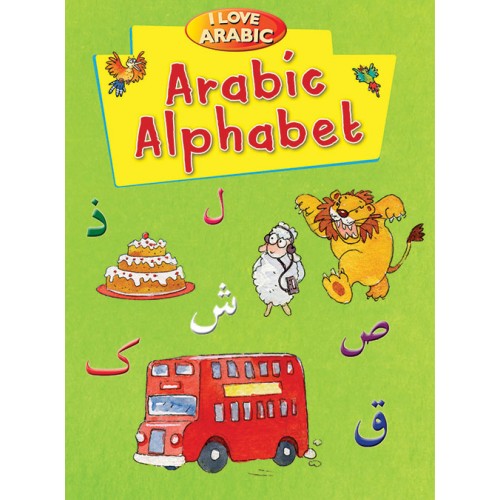
I Love Arabic: Alphabet
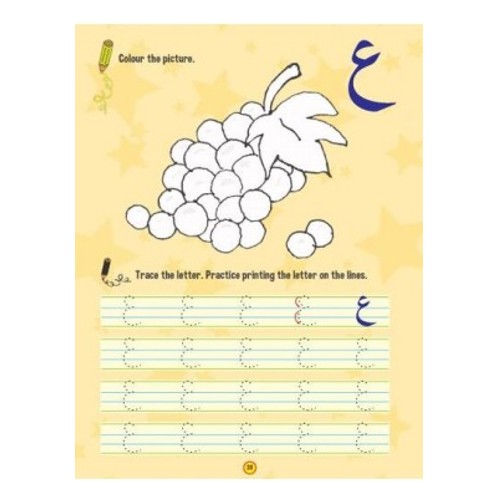
Arabic Alphabet, the first book in the I Love Arabic series, introduces young learners to the Arabic letters. This helpful and captivating book presents each letter with a delightful illustration, which ensures rapid and enjoyable learning. Arabic Alphabet is an exciting first book for young Arabic learners. Arabic Alphabet develops these skills: * Sequencing letters * Identifying letters.
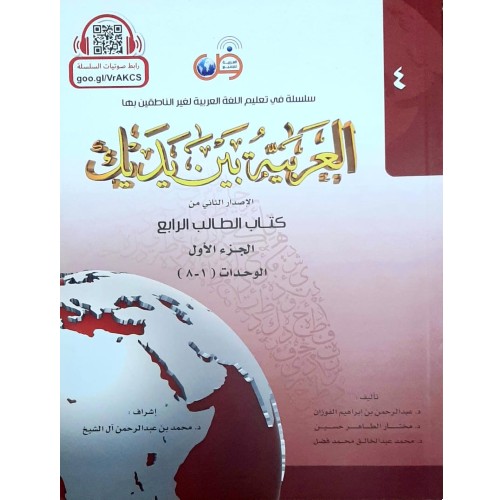
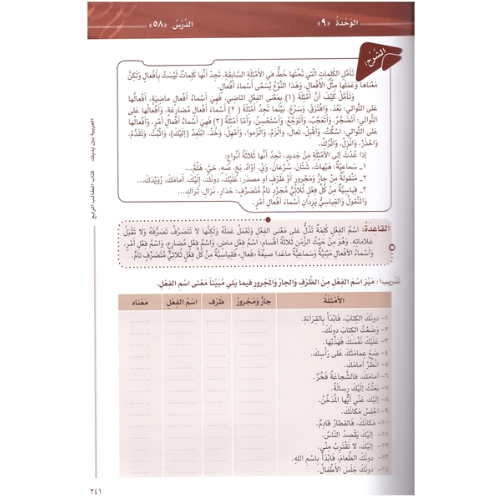
[AR] Al-Arabiyyah Bayna Yadayk Book 4 Part 1
Al-’Arabiyyah bayna yadayk Means Arabic in Your Hands.
The great thing about these books is that it covers a lot of vocabulary through pictures, Images and using Arabic Only, introduces the students to grammar later and gradually rather than pushing them at the deep end before they can swim.
Much like Arabic Course for English Speaking Students 3 Volumes Set, UKIA, it is more Islamic inclined and fulfils the desire for the student of knowledge to learn the language of the Qur’an.
Students who had completed all three books wanted something else to reach higher competency, which has given rise to volume 4, which is available in 2 Parts.
Al-’Arabiyyah bayna yadayk series comes in 3 Basic Student Books and a further study Book 4 Parts 1 & Book 4 Part 2
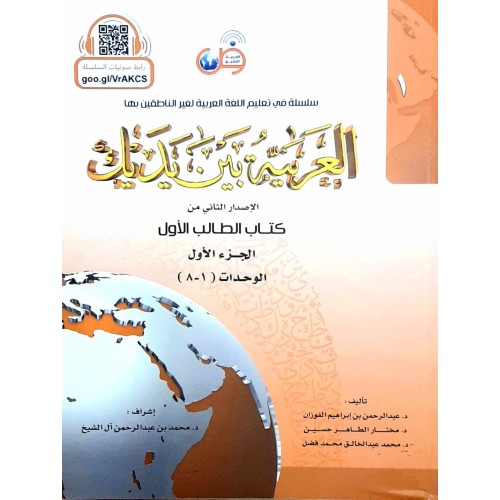
[AR] Al-Arabiyyah Bayna Yadayk Book 1 Part 1
Al-Arabiyyah Bayna Yadayk, Arabic At Your Hands (Students Level 1, Book 1) – With QR
This series is designed for the non-Arab speaking, senior level student. It helps the student learn Arabic through listening and conversation along with reading and writing. The series stresses communication and also offers glimpses into the Arabic culture, both Islamic and national.
The first level consists of two parts (books), each of which includes 8 units (total of 16 units). Each unit consists of 9 lessons, constituting a total of 144 basic lessons in this level.
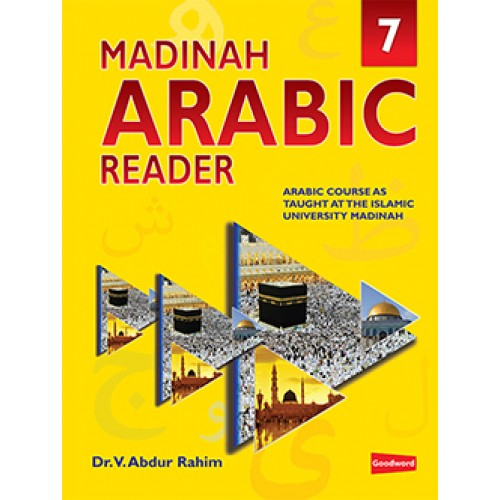
Madinah Arabic Reader (Book 7)
Professor Abdur Rahim, Director of the Translation Centre of the King Fahd Quran Printing Complex and former Professor of Arabic at the Islamic University of Madinah, Saudi Arabia, has authored texts designed to impart a knowledge of classical Arabic through applied grammar. Each lesson, based on a conversation, illustrates distinctive language patterns. These patterns are elucidated by a variety of helpful exercises. The vocabulary ranges from classical and Quranic Arabic to modern Arabic. This series of books is currently being utilized at various schools to prepare students for the University of London (UK) GCE O-Level and A-Level examinations.
Arabic Verbs: Fully Conjugated All Forms Bilingual Edition
This update, easy-to-use reference book gives you:
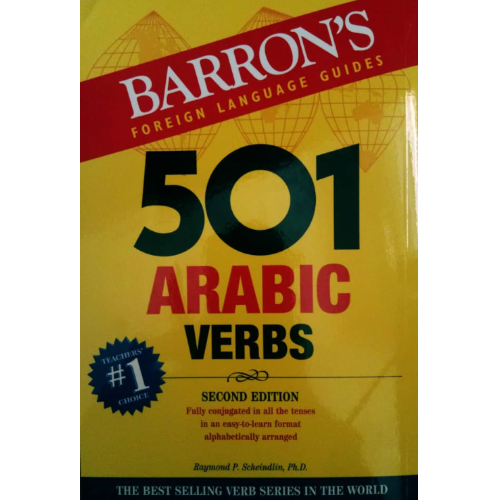
- The 501 most common Arabic verbs in a table format
- Both the Arabic characters and their English infinitive form at the top of each page
- Exemplary essay that discusses Arabic verb formation and usage
- Common idioms with example sentences to demonstrate verb usage
- A grammar review and a pattern index
- Indexes that list verbs in both root order and strict alphabetical order
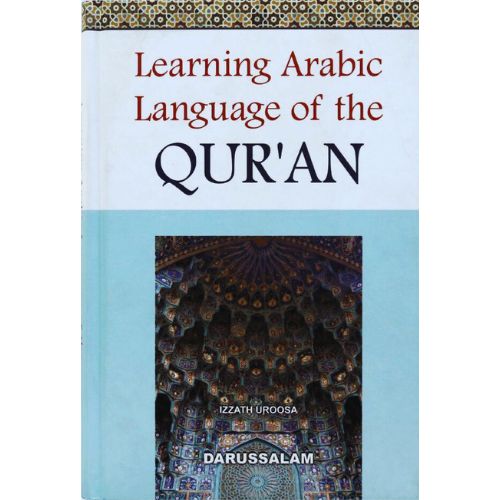
Learning Arabic Language Of The Qur’an
Other components that make this book attractive and useful are the simplicity of the language used, and its clarity and effectiveness of expression in achieving its objective. This book can be used by students of different ages whose intention is to learn Arabic with an eye toward proper understanding of the Qur’an.
The author has profound knowledge of both the Arabic and English languages. She also possesses a deep insight into Qur’anic expressions. She studied Arabic in Saudi Arabia and in India. This comprehensive book is the result of her diligence and commitment to learning and teaching the Qur’anic Arabic.
May Allah reward her for this valuable service to the understanding of the Qur’an and make it popular among the students and the academic world at large.
Prof. Mohsin Usmani Nadwi, Professor of Arabic and Dean at English and Foreign languages University (formerly CIEFL) Hyderabad, India.
Recently Viewed
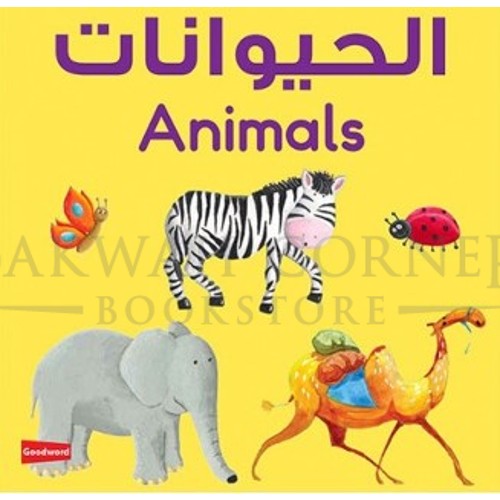
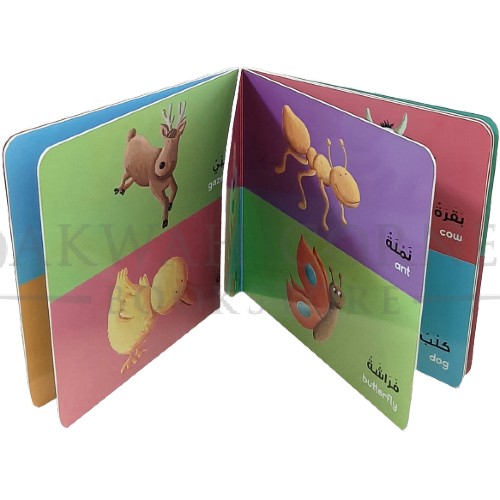
[CB] Animals Board Book (الحيوانات)
Animals Board Book
The Effects of Fitan (P/B)
Among his outstanding traits (radhiallahu ‘anhu) is what Al-Bukhari and Muslim collected on the authority of Anas bin Malik (radhiallahu ‘anhu) that Allah’s Messenger (sallallahu ‘alayhi wa sallam) said to Ubay,
إِنَّ اللهَ أَمَـرَنِـي أَنْ أَقْـرَأَ عَـلَـيْـكَ , قَـالَ : آلله سَـمَّـانِـي لَـكَ ؟ قَـالَ : اللهُ سَـمَّـاكَ لِـي . قَـالَ : فَـجَـعَـلَ أُبَـيٌّ يَـبْـكِـي .
“Indeed Allah ordered me to teach you” He (i.e. Ubay) said, “Did Allah mention my name to you?” the Prophet said, “Allah mentioned your name to me” Anas bin Malik said, “Ubay began to weep.”
Likewise you should contemplate in order to grasp Ubay’s the full extent of understanding of the religion (radhiallahu ‘anhu); his response to this question wasn’t after long period of time like a week or a month in which he could review the verses and contemplate its meanings; rather he (radhiallahu ‘anhu) merely responded immediately after the Messenger (sallallahu ‘alayhi wa sallam) repeated the question; so he chose this blessed verse.
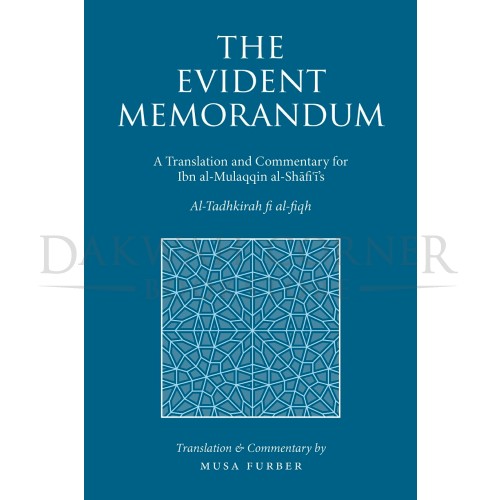
The Evident Memorandum
The Evident Memorandum: A Translation and Commentary for Ibn al-Mulaqqin al-Shāfiʿī’s Al-Tadhkirah fi al-fiqh
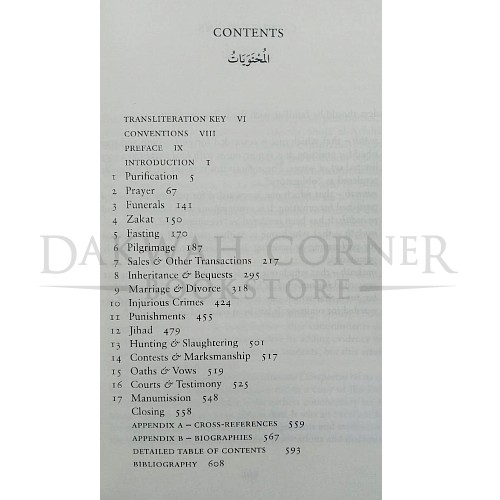
This volume contains an original commentary for Al-Tadhkirah (The Memorandum), a legal primer for Islamic Law according to the later scholars of the Shāfiʿī school by Ibn al-Mulaqqin, an Egyptian scholar who died in 804 AH/1401 CE. The commentary introduces essential evidence for the core issues of Islamic Law from its primary sources (the Quran, Sunnah, legal analogy, and scholarly consensus).
The Arabic text of Al-Tadhkirah is approximately 8,500 words in length. It is two hundred words longer than Abū Shujāʿ al-Aṣfahānī (b. 433AH/1042CE)’s Matn al-ghāyat wa-l-taqrīb (published as The Ultimate Conspectus). Although the two are roughly the same size, Ibn Mulaqqin’s style is more economical than Abū Shujāʿ’s, allowing him to cover more within the same word count. And while Ibn Mulaqqin discusses more issues, he does occasionally skip a few details that Abū Shujāʿ includes.
The primary sources for comments in this book are Ibn Mulaqqin’s books of fiqh, including Sharḥ Mukhtasar al-Tabrīzī, ʿUjālat al-muḥtāj, and Khulāṣat al-fatāwī. The bulk of the commentary comes from Sharḥ Mukhtaṣar al-Tabrīzī. Comments and hadith in the commentary can be sourced back to either one of Ibn Mulaqqin’s fiqh texts or a Shāfiʿī fiqh text through an appendix that cross-references each chapter and section in this book against its sources. Each hadith mentioned in the book is traced back to its primary sources, along with a reference to one or more of Ibn Mulaqqin’s hadith works. In the few instances where a hadith is not included in one of Ibn Mulaqqin’s works, it is referenced it to a Shāfiʿī text that does. Through this, readers can be assured that the hadiths cited here are ones that Shāfiʿīs themselves use.
Readers will find the book most beneficial after reading The Accessible Conspectus and Sharh al-Waraqat.
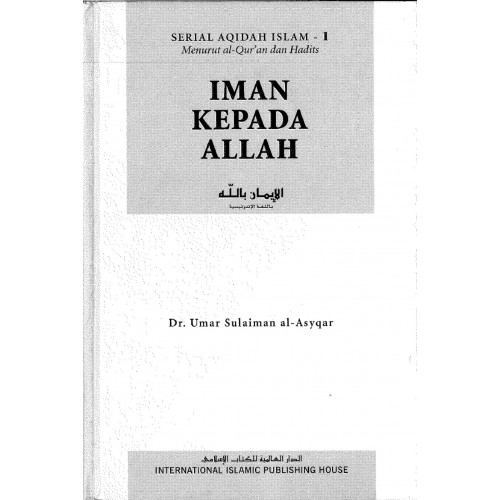
Iman Kepada Allah ; Serial Aqidah Islam – 1
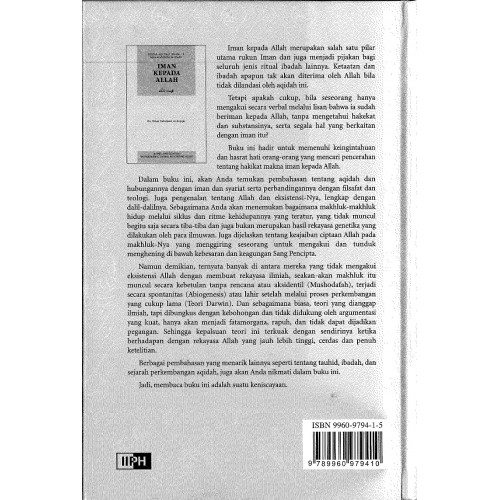
Iman Kepada Allah: menurut al-Qurán dan hadits – Serial Aqidah Islam 1/ Dr. Umar Sulaiman al-Asyqar. Iman kepada Allah merupakan salah satu pilar utama rukun iman dan juga menjadi pijakan bagi seluruh jenis ritual ibadah lainnya. Ketaatan dan ibadah apapun tak akan diterima oleh Allah bila tidak dilandasi aqidah ini.
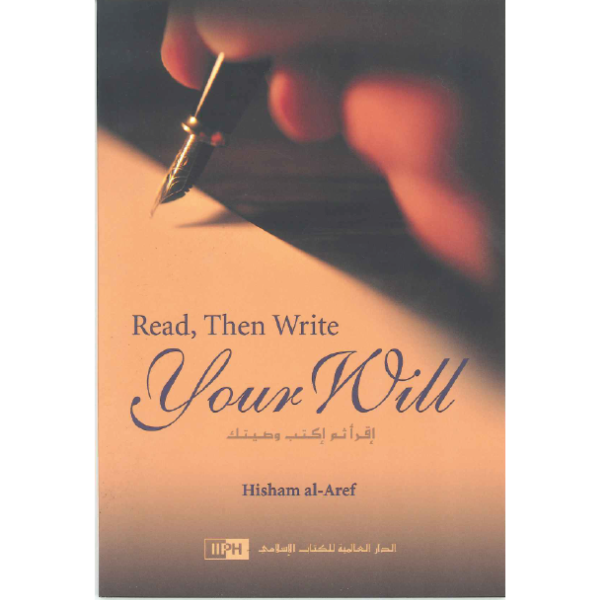
Read, Then Write Your Will
This book deals with the importance of having an Islamic will. Author Hisham Ibn Fahmi Ibn Moussa Al-Aref explains what a will is and how important it is in Islam.
Islam highly encourages, if not obligates, writing a will as soon as possible, since one does not know when Allah will take the Muslim’s soul back to Him. Many man-made laws also recognize the importance of a will and the difficulties that the absence of one can cause. The will can include both financial and religious matters and can be a document for reference and application without disputes.
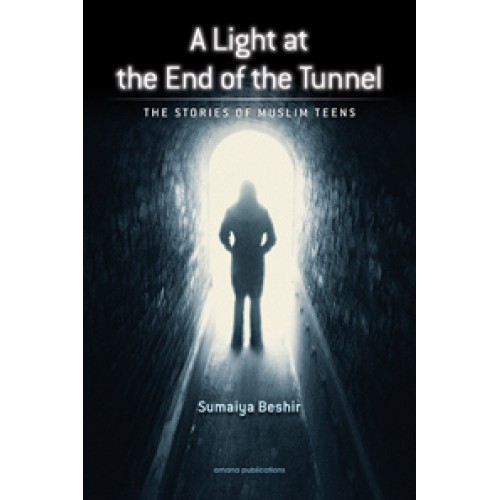
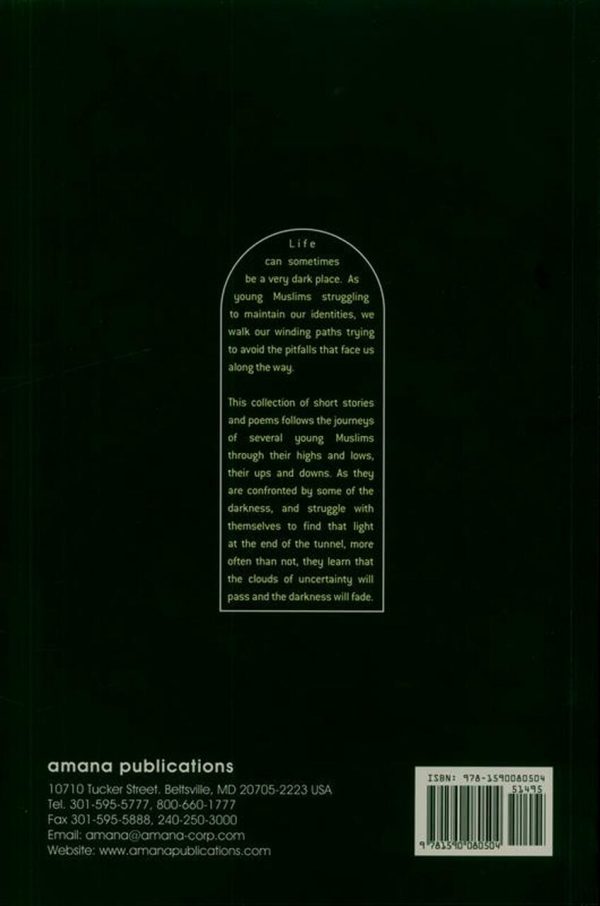
A Light at the End of the Tunnel (P/B)
The book features a collection of short stories written by Muslim teens. Through their stories they share the struggles and experiences they have faced on issues such as dating, friendship, hijab, respecting parents, clarifying misconceptions about Islam and defining one’s identity.
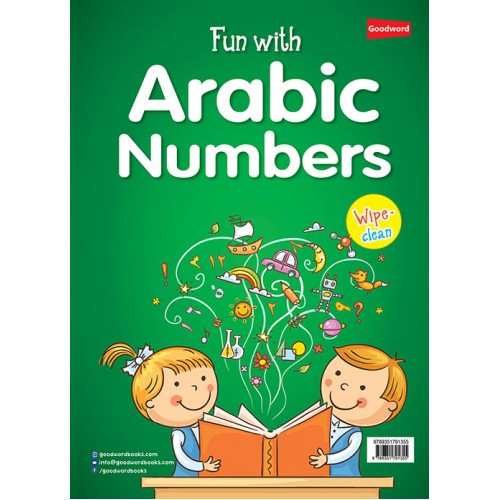
Fun with Arabic Numbers
Fun with Arabic Numbers is an ideal first book for your child to learn and practice writing Arabic Numbers. The 10 jumbo-size, wipe and clean pages packed with beautiful, clear and easily recognised pictures encourage your child early Arabic number learning in a fun way.
An Introduction to The Sciences of The Qur’an (H/B) Al-Hidaayah UK
An introduction to the Sciences of the Qur’aan presents a detailed and thorough explanation of the sciences related to the history, understanding and implementation of the Qur’aan. The book provides the English reader with a detailed analysis of classic Muslim scholarship regarding: the process on Inspiration (Wahy); the various means of classifying verses of the Qur’aan; the history of the compilation of the Qur’aan; the meaning of the seven ahruf and the ten qira’aat of the Qur’aan; the miraculous nature of the Qur’aan; the concept of abrogation in the Qur’aan; the procedure and methodology of tafseer; and many other topics. The work has a number of sections dedicated to explaining the traditional Muslim refutations of certain belief of the Ash’arees with regards to the Qur’aan.
This book also includes detailed discussions on modern Western scholarship of the Qur’aan. After presenting a history of the English translation of the Qur’aan, along with a critical review of some translations, the author discusses and refutes common Orientalist polemic literature on the Qur’aan.
The work is unique in that it presents classical material in a simple and modern style, while maintaning a hight academic level. It is the most advanced work of its kind in the English language, and a necessary reference for all serious students of Islamic knowledge.
My Tawheed Book
A colourful and easy to understand book which teaches children the basic understanding of Tawheed.
Islam The Straight Path
This updated version of Islam: The Straight Path includes a new Epilogue by John Esposito in which he addresses the impact 9/11 and its aftermath have had on both the Muslim and non-Muslim world, discussing Islam’s relationship to democracy and modernity and focusing more sharply on the origins and growth of extremism and terrorism in the name of Islam. This exceptionally successful survey text introduces the faith, belief, and practice of Islam from its earliest origins up to its contemporary resurgence. Esposito, an internationally renowned expert on Islam, traces the development of this dynamic faith and its impact on world history and politics, discussing the formation of Islamic belief and practice and chronicling the struggle of Muslims to define and adhere to their Islamic way of life. Lucidly written and expansive in scope, Islam: The Straight Path provides keen insight into one of the world’s least understood religions and is ideally suited for use in courses on Islam, comparative religions, and Middle Eastern history and culture.


There are no reviews yet.