

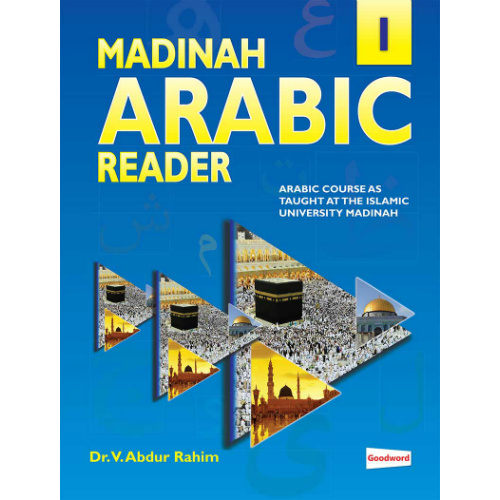
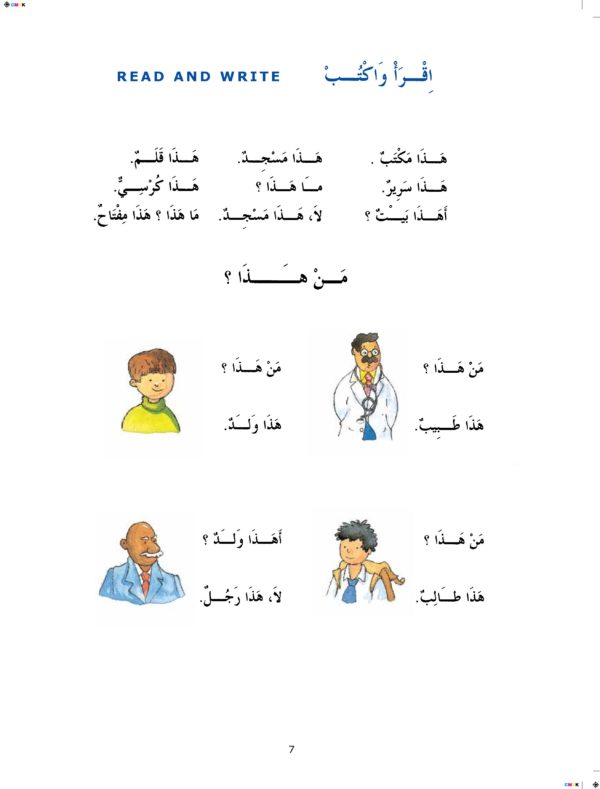

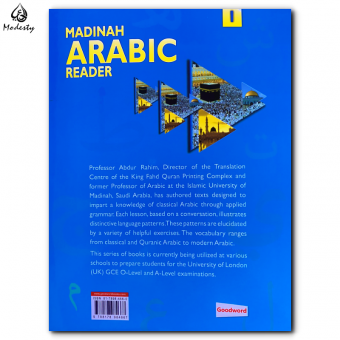

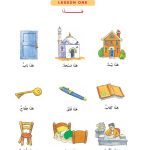
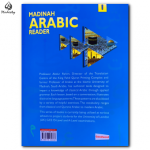

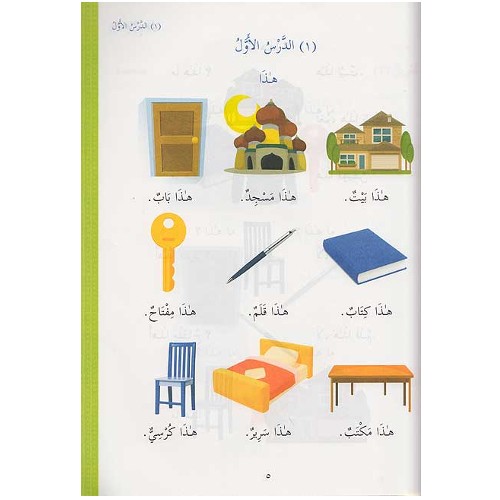
Professor Abdur Rahim, Director of the Translation Centre of the King Fahd Quran Printing Complex and former Professor of Arabic at the Islamic University of Madinah, Saudi Arabia, has authored texts designed to impart a knowledge of classical Arabic through applied grammar. Each lesson, based on a conversation, illustrates distinctive language patterns. These patterns are elucidated by a variety of helpful exercises. The vocabulary ranges from classical and Quranic Arabic to modern Arabic. This series of books is currently being utilized at various schools to prepare students for the University of London (UK) GCE O-Level and A-Level examinations.
Madinah Arabic Reader (Book 1)
5 ★
5 ★
1 Rating
5 ★
1
4 ★
0
3 ★
0
2 ★
0
1 ★
0
RM26.00
Out of Stock

Highlights:
somdn_product_page
Compare
Arabic Learning
Additional information
| Weight | 0.235 kg |
|---|---|
| Product Type | Book |
| Author | |
| Publisher | Goodword |
| Pages | 80 |
| ISBN | 9788178984667 |
Reviews (1)
5 ★
1 Rating
5 ★
1
4 ★
0
3 ★
0
2 ★
0
1 ★
0
Add a review Cancel reply
You must be logged in to post a review.
Related Products
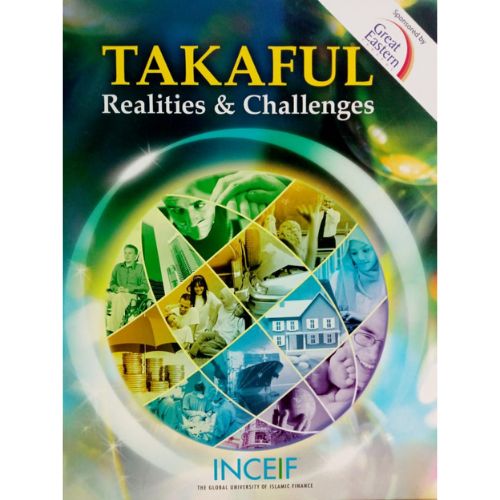
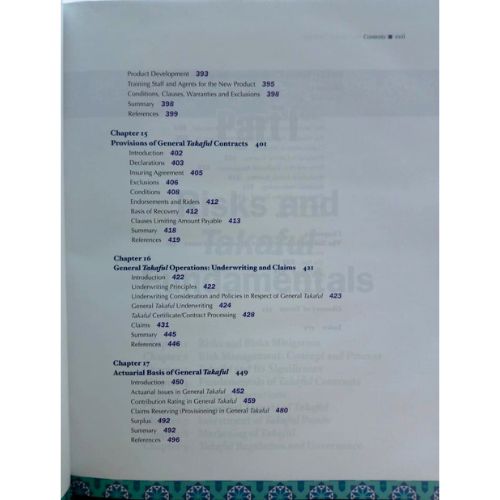
Arabic Verbs: Fully Conjugated All Forms Bilingual Edition
Highlights:
This update, easy-to-use reference book gives you:
- The 501 most common Arabic verbs in a table format
- Both the Arabic characters and their English infinitive form at the top of each page
- Exemplary essay that discusses Arabic verb formation and usage
- Common idioms with example sentences to demonstrate verb usage
- A grammar review and a pattern index
- Indexes that list verbs in both root order and strict alphabetical order
RM135.00
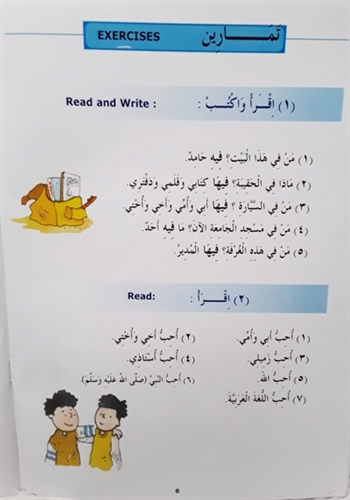
Madinah Arabic Reader (Book 2)
5 ★
5 ★
1 Rating
5 ★
1
4 ★
0
3 ★
0
2 ★
0
1 ★
0
Highlights:
Professor Abdur Rahim, Director of the Translation Centre of the King Fahd Quran Printing Complex and former Professor of Arabic at the Islamic University of Madinah, Saudi Arabia, has authored texts designed to impart a knowledge of classical Arabic through applied grammar. Each lesson, based on a conversation, illustrates distinctive language patterns. These patterns are elucidated by a variety of helpful exercises. The vocabulary ranges from classical and Quranic Arabic to modern Arabic. This series of books is currently being utilized at various schools to prepare students for the University of London (UK) GCE O-Level and A-Level examinations.
RM26.00
Arabic Grammar Made Easy (P/B)
Highlights:
An approach to teaching the Arabic language by introducing vocabulary and grammar in small doses, based on the most commonly used words in Arabic literature and the most frequently used grammatical constructions. Book One focuses on the rules of nominal sentences.
RM33.00
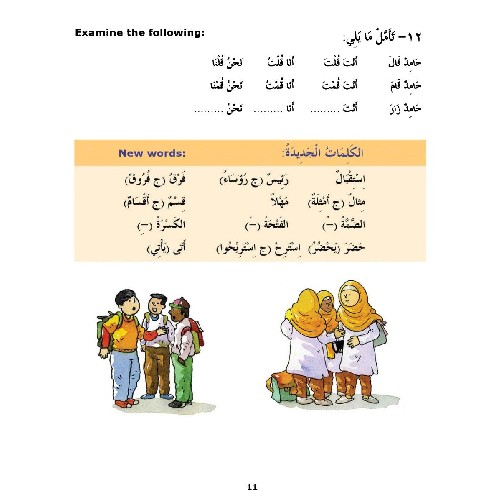
Madinah Arabic Reader (Book 5)
Highlights:
Professor Abdur Rahim, Director of the Translation Centre of the King Fahd Quran Printing Complex and former Professor of Arabic at the Islamic University of Madinah, Saudi Arabia, has authored texts designed to impart a knowledge of classical Arabic through applied grammar. Each lesson, based on a conversation, illustrates distinctive language patterns. These patterns are elucidated by a variety of helpful exercises. The vocabulary ranges from classical and Quranic Arabic to modern Arabic. This series of books is currently being utilized at various schools to prepare students for the University of London (UK) GCE O-Level and A-Level examinations.
RM30.00
Madinah Arabic Reader (Book 7)
Highlights:
Professor Abdur Rahim, Director of the Translation Centre of the King Fahd Quran Printing Complex and former Professor of Arabic at the Islamic University of Madinah, Saudi Arabia, has authored texts designed to impart a knowledge of classical Arabic through applied grammar. Each lesson, based on a conversation, illustrates distinctive language patterns. These patterns are elucidated by a variety of helpful exercises. The vocabulary ranges from classical and Quranic Arabic to modern Arabic. This series of books is currently being utilized at various schools to prepare students for the University of London (UK) GCE O-Level and A-Level examinations.
RM30.00
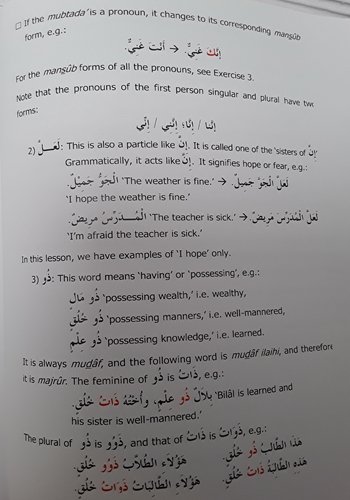
Madinah Arabic Reader (Book 3)
5 ★
5 ★
1 Rating
5 ★
1
4 ★
0
3 ★
0
2 ★
0
1 ★
0
Highlights:
Professor Abdur Rahim, Director of the Translation Centre of the King Fahd Quran Printing Complex and former Professor of Arabic at the Islamic University of Madinah, Saudi Arabia, has authored texts designed to impart a knowledge of classical Arabic through applied grammar. Each lesson, based on a conversation, illustrates distinctive language patterns. These patterns are elucidated by a variety of helpful exercises. The vocabulary ranges from classical and Quranic Arabic to modern Arabic. This series of books is currently being utilized at various schools to prepare students for the University of London (UK) GCE O-Level and A-Level examinations.
RM30.00
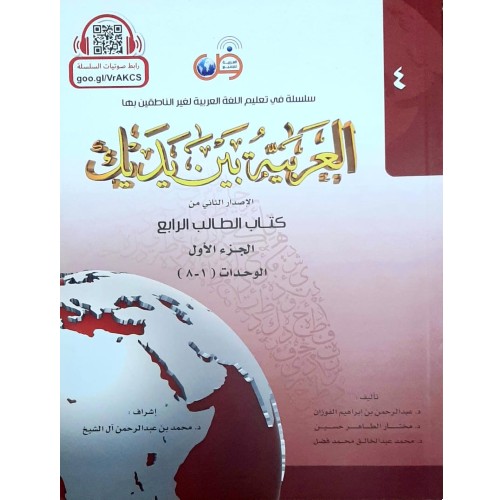
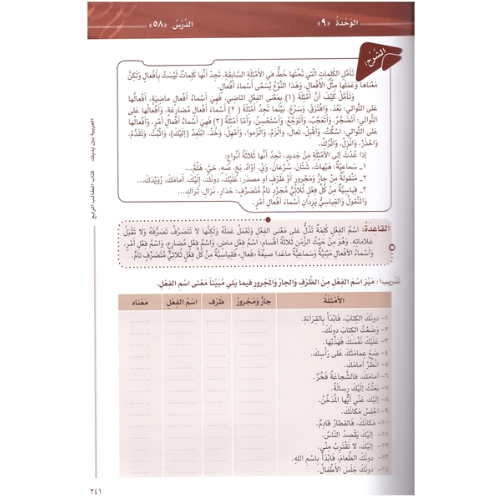
[AR] Al-Arabiyyah Bayna Yadayk Book 4 Part 1
Highlights:
Al-’Arabiyyah bayna yadayk Means Arabic in Your Hands.
The great thing about these books is that it covers a lot of vocabulary through pictures, Images and using Arabic Only, introduces the students to grammar later and gradually rather than pushing them at the deep end before they can swim.
Much like Arabic Course for English Speaking Students 3 Volumes Set, UKIA, it is more Islamic inclined and fulfils the desire for the student of knowledge to learn the language of the Qur’an.
Students who had completed all three books wanted something else to reach higher competency, which has given rise to volume 4, which is available in 2 Parts.
Al-’Arabiyyah bayna yadayk series comes in 3 Basic Student Books and a further study Book 4 Parts 1 & Book 4 Part 2
RM85.00
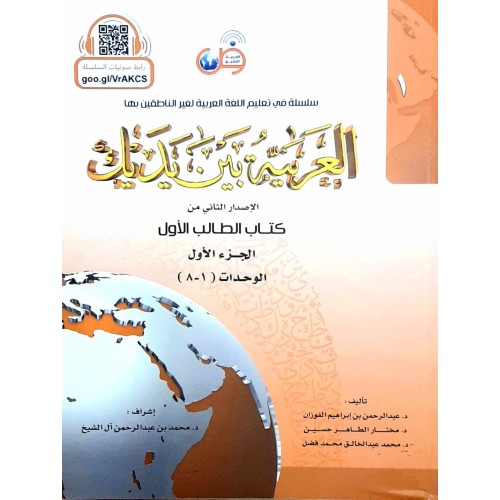
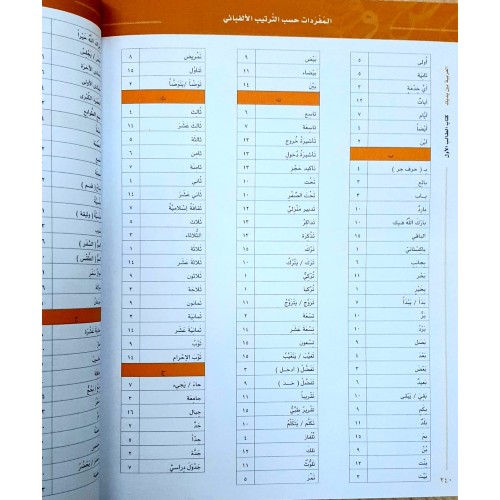
[AR] Al-Arabiyyah Bayna Yadayk Book 1 Part 1
Highlights:
Al-Arabiyyah Bayna Yadayk, Arabic At Your Hands (Students Level 1, Book 1) – With QR
This series is designed for the non-Arab speaking, senior level student. It helps the student learn Arabic through listening and conversation along with reading and writing. The series stresses communication and also offers glimpses into the Arabic culture, both Islamic and national.
The first level consists of two parts (books), each of which includes 8 units (total of 16 units). Each unit consists of 9 lessons, constituting a total of 144 basic lessons in this level.
RM85.00
Recently Viewed

Fundamentals of Islam (P/B)
Highlights:
Fundamentals of Islam is a revised English edition of the critically acclaimed Khutubah (original written in Urdu). It consist of Friday congregational addresses, in them he expounds familiar themes; like Iman, Islam, the Prayer, Fasting, Alms-giving, Pilgrimage and Jihad.
RM38.00
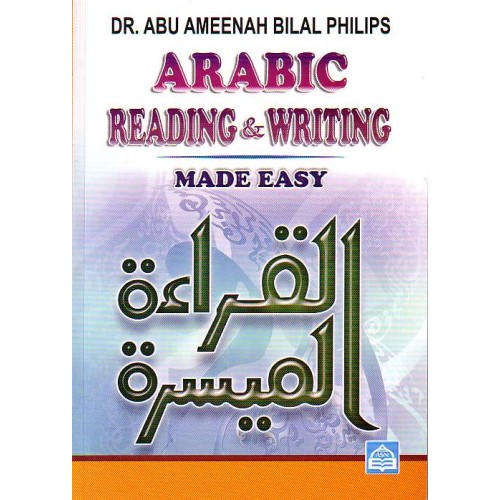
Arabic Reading & Writing Made Easy
Highlights:
The learner does not need to have memorized all the 28 Arabic alphabets and the 112 variations before learning to read and write.
RM35.00

The Necessity of the Hadith in Islam (H/B)
Highlights:
There was a time when the notion of Hadith rejection was inconceivable. Sad to say, it is now becoming a widespread phenomenon in many countries. The educated and the ignorant, veteran Muslims and reverts, the middle class as well as the elite are falling prey to the misleading ideas projected by the Hadith rejecters through books and other forms of publication. The Internet has, unfortunately, given them a new and effective platform. Emad Hamdeh has taken up the task of replying to these Hadith rejecters with sound and convincing arguments. The Necessity of the Hadith in Islam not only explains the need for the Hadith and the Sunnah at all times, but also presents and refutes the main arguments put forward by Hadith rejecters. Furthermore, Hamdeh has profiled the top few Hadith rejecters and summarized their ideas. This is a well-researched, well-referenced and comprehensive work, which provides useful information to those seeking more knowledge on the subject. It will also sufficiently answer many different questions which come to mind after reading some of the arguments of the Hadith rejecters. Muslims today need to read works such as these to ensure that they are not misled, especially through the Internet.
RM45.00
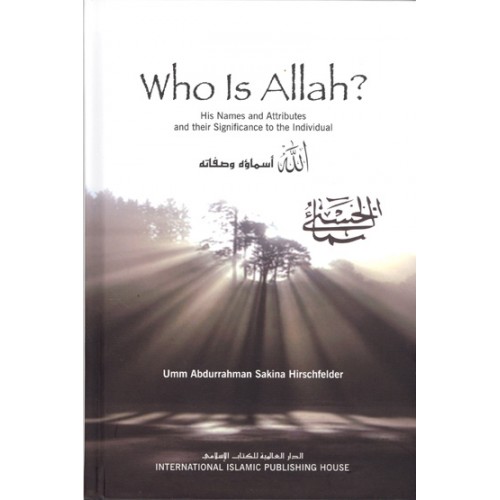
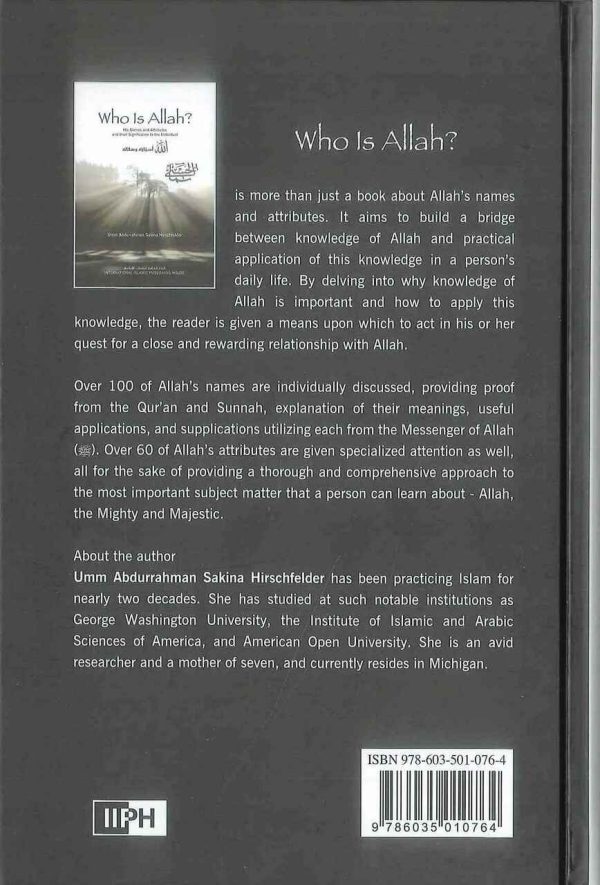
Who Is Allah? (H/B)
Highlights:
Who is Allah? is more than just a book about Allah’s names and attributes. It aims to build a bridge between knowledge of Allah and practical application of this knowledge in a person’s daily life. By delving into why knowledge of Allah is important and how to apply this knowledge, the reader is given a means upon which to act in his or her quest for a close and rewarding relationship with Allah.
Over 100 of Allah’s names are individually discussed, providing proof from the Qur’an and Sunnah, explanation of their meanings, useful applications, and supplications utilizing each from the Messenger of Allah. Over 60 of Allah’s attributes are given specialized attention as well, all for the sake of providing a thorough and comprehensive approach to the most important subject matter that a person can learn about – Allah, the Mighty and Majestic.
RM75.00
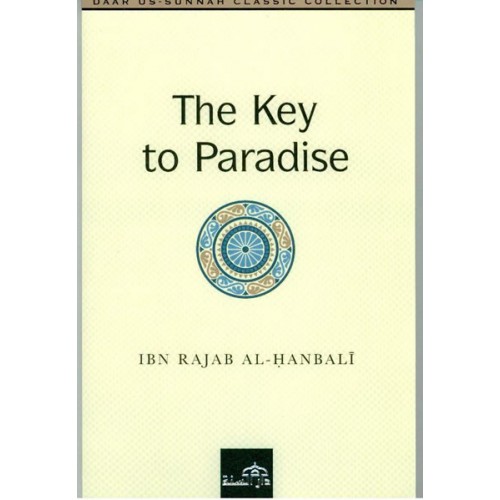
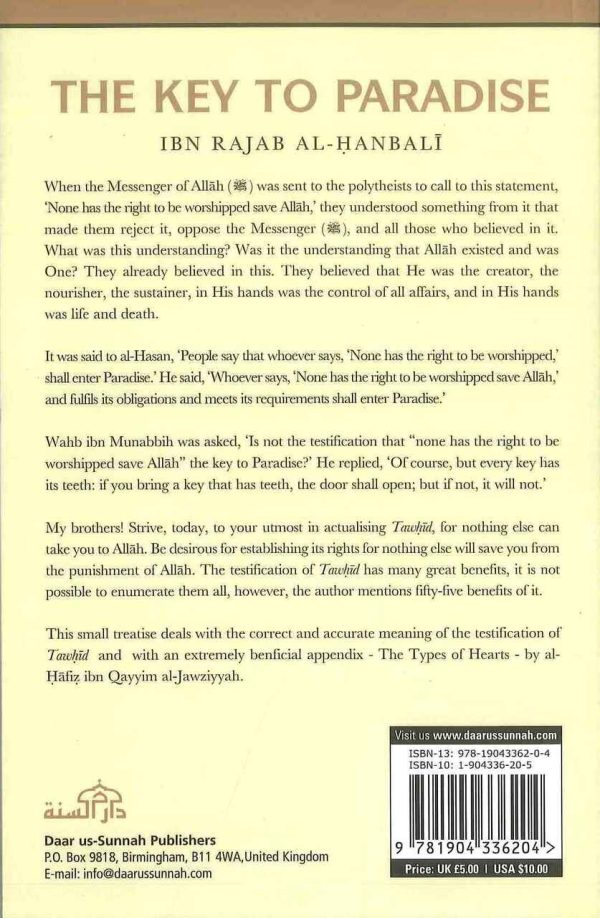
The Key To Paradise (P/B)
Highlights:
It was said to al-Hasan, ‘People say that whoever says, ‘None has the right to be worshipped,’ shall enter Paradise.’ He said, ‘Whoever says, ‘None has the right to be worshipped save Allah,’ and fulfils its obligations and meets its requirements, shall enter Paradise.’
Wahb ibn Munabbih was asked, ‘Is not the testification that ‘none has the right to be worshipped save Allah’ the key to Paradise?’ He replied, ‘Of course, but every key has its teeth; if you bring a key that has teeth, the door shall open; but if not, it will not.’
The Key to Paradise is the testification of Tawhid. This book highlights the importance of correct belief, a true love for Allah and the state of the heart.
Chapters Include:
The Manner of Entering Paradise
The Meaning of the Testification
Loving Allah
The Sound Heart
Also included is an extremely beneficial appendix – The Types of Hearts by al-Hafiz ibn Qayyim al-Jawziyyah.
RM36.75 RM49.00
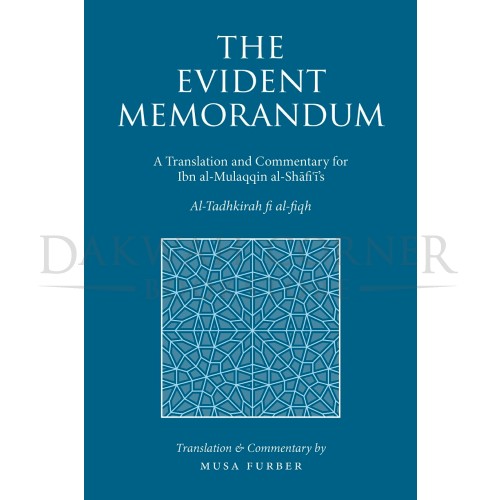
The Evident Memorandum
Highlights:
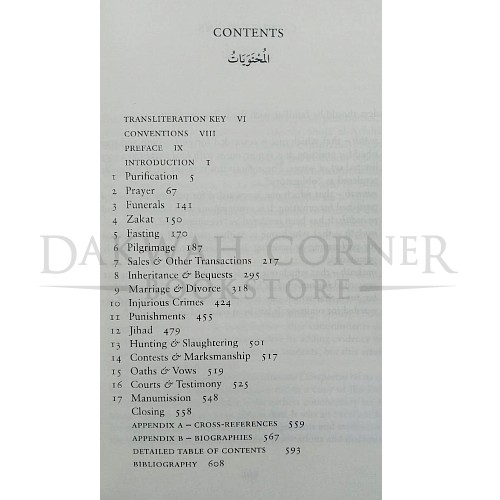
The Evident Memorandum: A Translation and Commentary for Ibn al-Mulaqqin al-Shāfiʿī’s Al-Tadhkirah fi al-fiqh
This volume contains an original commentary for Al-Tadhkirah (The Memorandum), a legal primer for Islamic Law according to the later scholars of the Shāfiʿī school by Ibn al-Mulaqqin, an Egyptian scholar who died in 804 AH/1401 CE. The commentary introduces essential evidence for the core issues of Islamic Law from its primary sources (the Quran, Sunnah, legal analogy, and scholarly consensus).
The Arabic text of Al-Tadhkirah is approximately 8,500 words in length. It is two hundred words longer than Abū Shujāʿ al-Aṣfahānī (b. 433AH/1042CE)’s Matn al-ghāyat wa-l-taqrīb (published as The Ultimate Conspectus). Although the two are roughly the same size, Ibn Mulaqqin’s style is more economical than Abū Shujāʿ’s, allowing him to cover more within the same word count. And while Ibn Mulaqqin discusses more issues, he does occasionally skip a few details that Abū Shujāʿ includes.
The primary sources for comments in this book are Ibn Mulaqqin’s books of fiqh, including Sharḥ Mukhtasar al-Tabrīzī, ʿUjālat al-muḥtāj, and Khulāṣat al-fatāwī. The bulk of the commentary comes from Sharḥ Mukhtaṣar al-Tabrīzī. Comments and hadith in the commentary can be sourced back to either one of Ibn Mulaqqin’s fiqh texts or a Shāfiʿī fiqh text through an appendix that cross-references each chapter and section in this book against its sources. Each hadith mentioned in the book is traced back to its primary sources, along with a reference to one or more of Ibn Mulaqqin’s hadith works. In the few instances where a hadith is not included in one of Ibn Mulaqqin’s works, it is referenced it to a Shāfiʿī text that does. Through this, readers can be assured that the hadiths cited here are ones that Shāfiʿīs themselves use.
Readers will find the book most beneficial after reading The Accessible Conspectus and Sharh al-Waraqat.
RM125.00
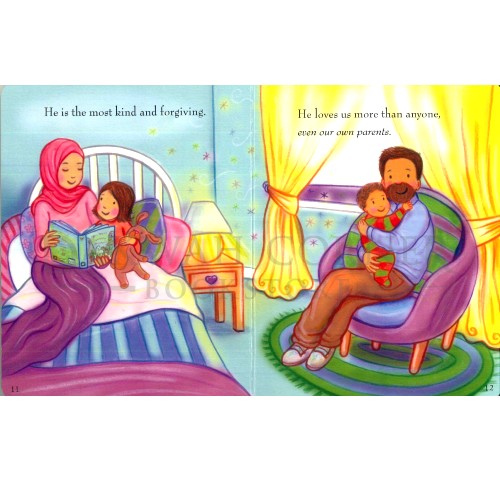
My First Book About Allah (H/B)
Highlights:
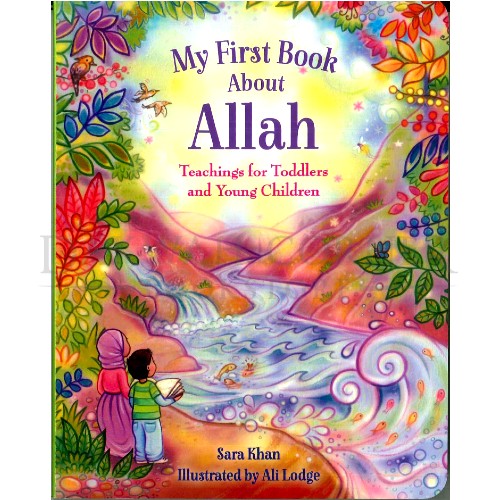
This simple but beautiful book helps children understand who Allah is. It introduces some of His divine attributes: His Oneness, His infinite Power, Love and Mercy, and it ends with the promise He has made to those who believe in Him and make Him happy.
It is a book to be treasured by children, with large, colourful illustrations and carefully written text that children will understand and enjoy.
RM50.00

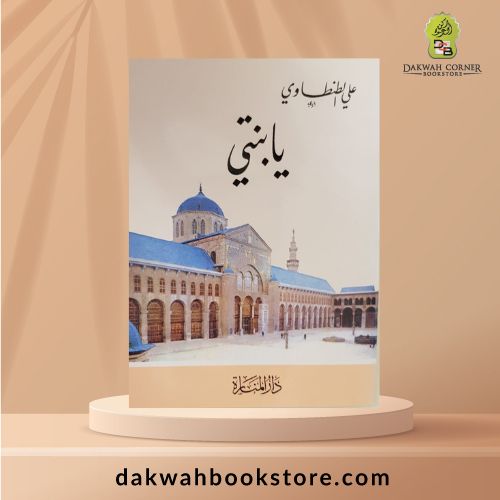
[SB] Ya Ibnati (Pocket Size) /يا بنتي
Highlights:
كتيب به مقالة موجهة للشابات المسلمات.. ينصح بها الشيخ علي الطنطاوي بنات دينه نصايح أبوية
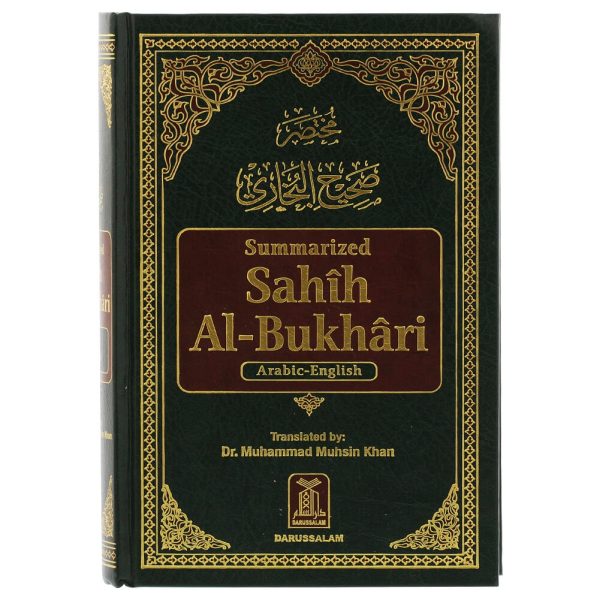
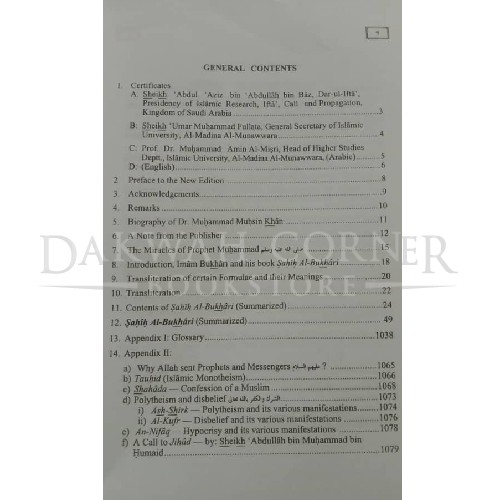
Summarized Sahih Al-Bukhari (Medium)
Highlights:
Noble Hadith and Hadith Sciences
RM90.00
Siti (verified owner) –
Alhamdulillah i have received all the books. In good order. Syukran jazilan for the beautifully done wrapping.