


| Weight | 0.245 kg |
|---|---|
| Dimensions | 15 × 23 cm |
| Product Type | Book |
| Author | |
| Publisher | Amana Publications |
| Pages | 114 |
| ISBN | 978-1-59008-050-4 |
| Binding | Softcover |
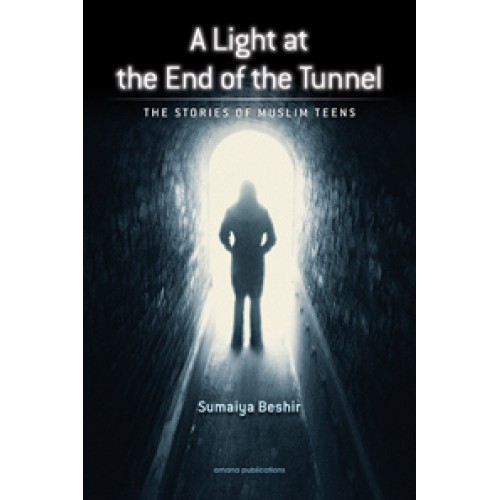
A Light at the End of the Tunnel (P/B)
RM47.00
Hurry up, Only 1 left.
Highlights:
somdn_product_page
Compare
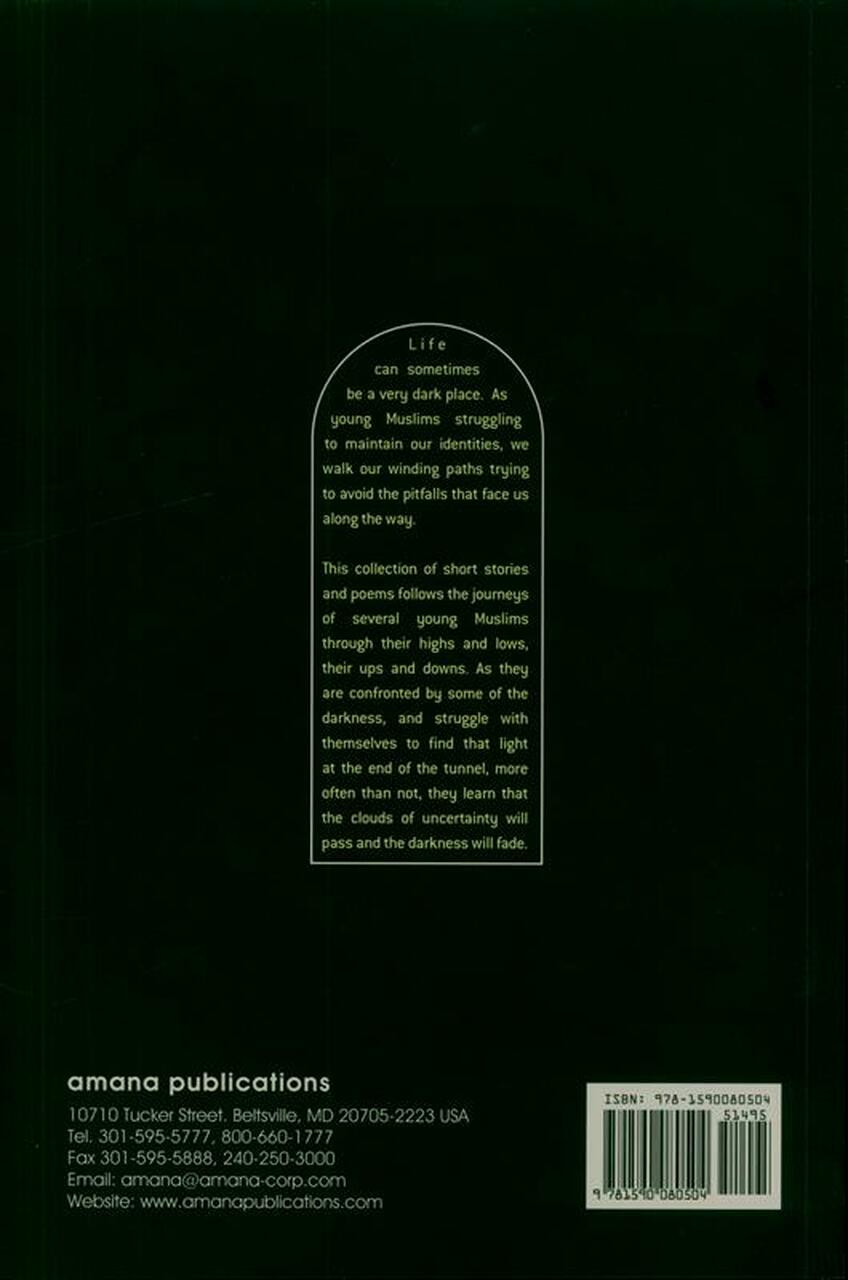
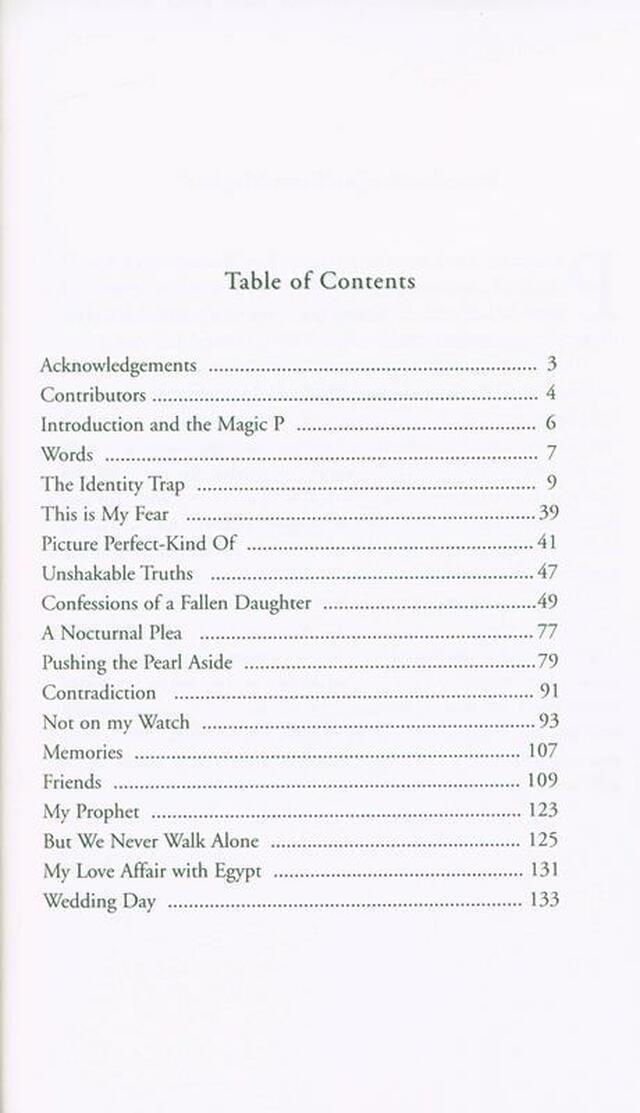
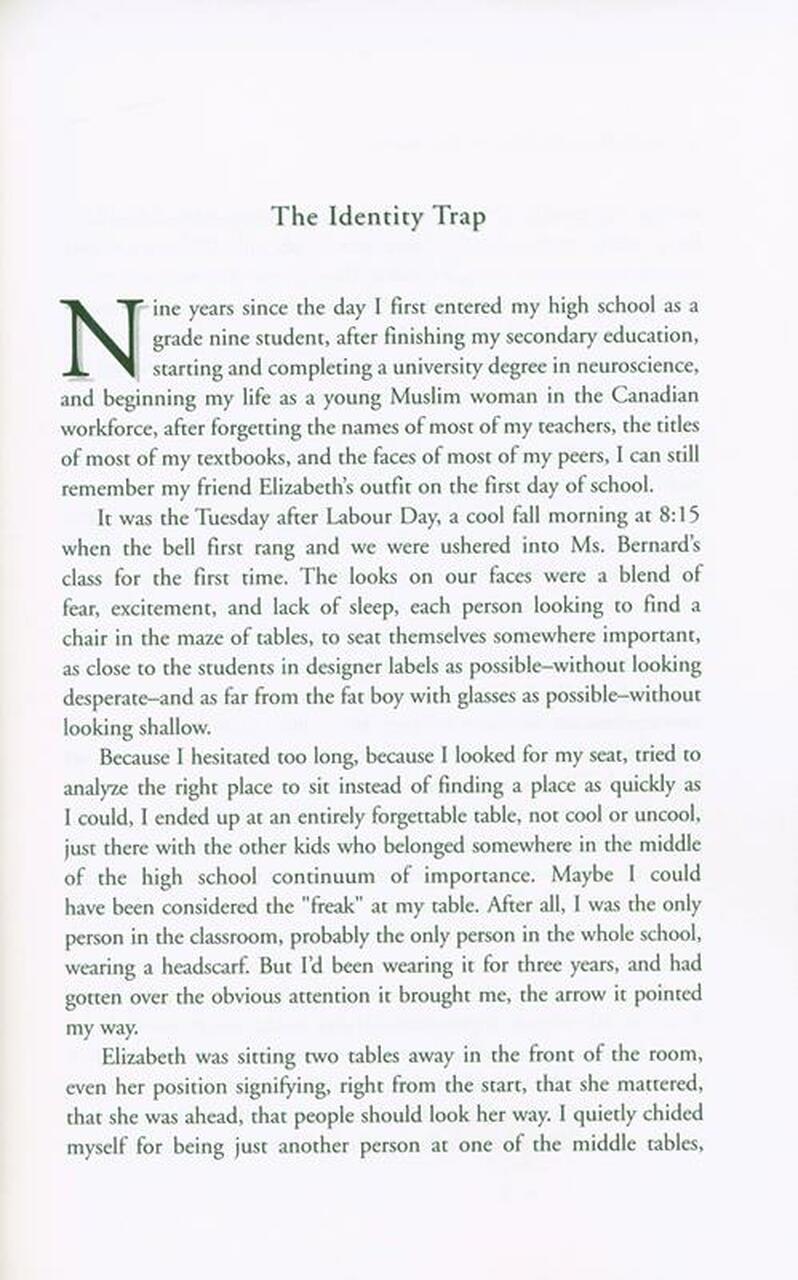
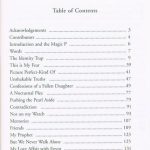
The book features a collection of short stories written by Muslim teens. Through their stories they share the struggles and experiences they have faced on issues such as dating, friendship, hijab, respecting parents, clarifying misconceptions about Islam and defining one’s identity.
Additional information
Reviews (0)
Be the first to review “A Light at the End of the Tunnel (P/B)” Cancel reply
You must be logged in to post a review.
Related Products
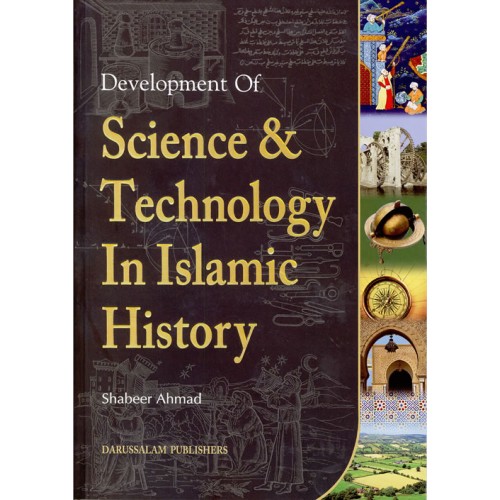
Development of Science & Technology In Islamic History (P/B)
Highlights:
The objectives of this book are:
1- To examine the argument that there is a contradiction between science and Islam.
2- To highlight some of the great contributionsmade by Muslims to science and technology over a period of 1000 years.
Science has never been separate from Islam. Objective study of this subject will reveal that Islamic texts – Qur’an and the Sunnah, provided a tremendous boost for study of the physical world and the laws that govern it. As a result, discoveries and inventions became the hallmarks of the Islamic civilization. Recently there has been a surge in the number of publications dealing with science and its relationship with Islam.
These books have focused on the various verses on the Qur’an that point to the physical world to prove that science is compatible with Islam. However, areas that are not covered enough for the English reader are the historical development of science and technology in the Muslim world, and the factors that led to its rise and decline. The decline has been so severe, that today’s Muslims are not even aware that their ancestors were the founding fathers of modern sciences. Just consider the common Arabic words used in the English language today like cotton, algebra, aorta, alcohol, chemistry, earth and alkaline. They are a living testimony to the pioneering work of the Muslims.
I am proud to introduce this inspiring book to our readers. It focuses on the strides made by the Muslims in various disciplines of science and technology from the early period of the Islamic State to its last days in the 20t’ century CE. The unique aspect of this book is that it sheds light on the key factors that led to the rapid advances in science and technology. Furthermore, it also analyses the reasons why Muslim World declined in this field, and last but not least, how the Muslim World can achieve the same kind of success as we already have in the past. Abdul Malik Mujahid About the Author Shabeer Ahmad, born in 1966, is a respected technologist by profession. He studied Avionics Engineering at University of London and he is currently an IT Consultant, having worked in Asia, Europe, Middle East and North America. The author has written widely on various subjects in Islam, including science, economics, politics and history.
The author is also a well respected speaker. The current book started as a lecture for a radio station in London. Given the massive interest it generated, and the little information available, the author began to research more into historical developments of science in the Muslim world. The author felt that the contributions of Muslims in this area have not been widely acknowledged, and that there is a need to counter the view that Islam is incompatible with science. The current book is a culmination of his research over the years.
RM26.00
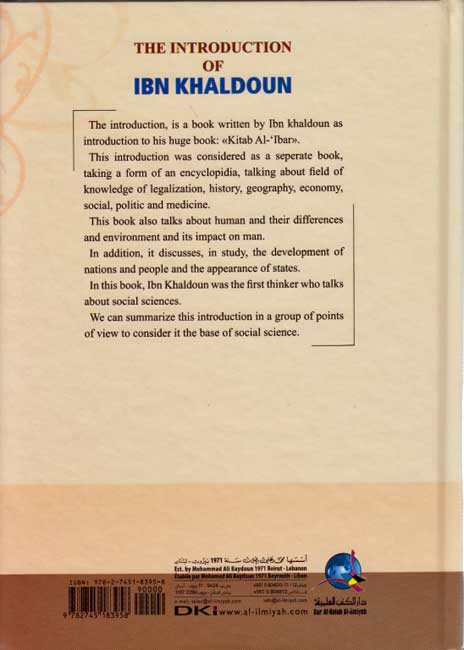
The Introduction of Ibn Khaldoun
Highlights:
This introduction was considered as a separate book, taking a form of an encyclopedia, talking about a field of knowledge of legalization, history, geography, economy, social, politic and medicine.
RM160.00
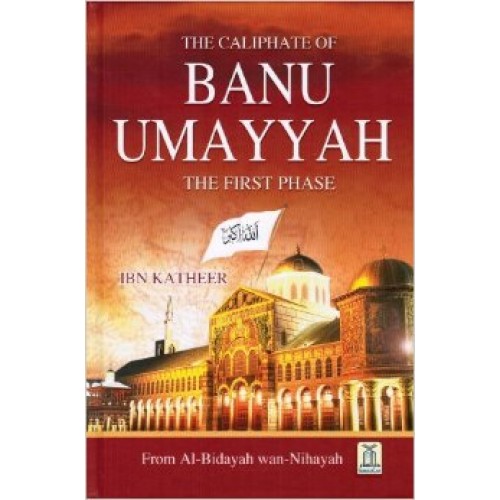
The Caliphate of Banu Umayyah (H/B)
Highlights:
Darussalam is proud to present the abridged English translation of the classic work: Al-Bidayah wan Nihayah, which covers the Caliphate of Bani Umayyah. It starts from the rule of Mu’awiyah bin Abi Sufyan in the 41st year of Hijrah upto the rule of Caliph Marwan Al-Himar in year 132 of the Hijrah.
The Umayyad Caliphate ?(c. 661-750 CE/41-132 AH) was the second of the four major Islamic caliphates established after the death of Rasulallah. Although the Umayyad family originally came from the city of Makkah, their capital was Damascus. At its greatest extent, it covered more than five million square miles (13,000,000 km2), making it one of the largest empires the world had yet seen, and the seventh largest contiguous empire ever to exist.
RM71.00
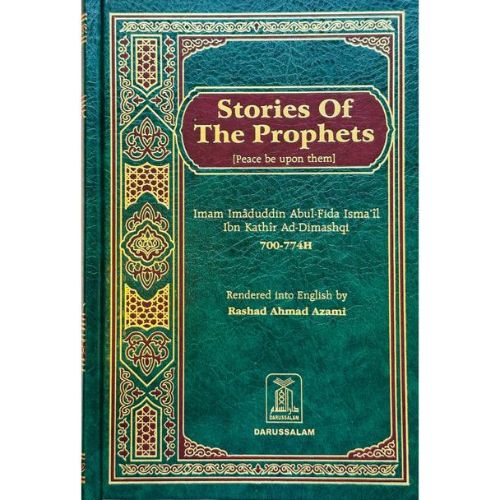
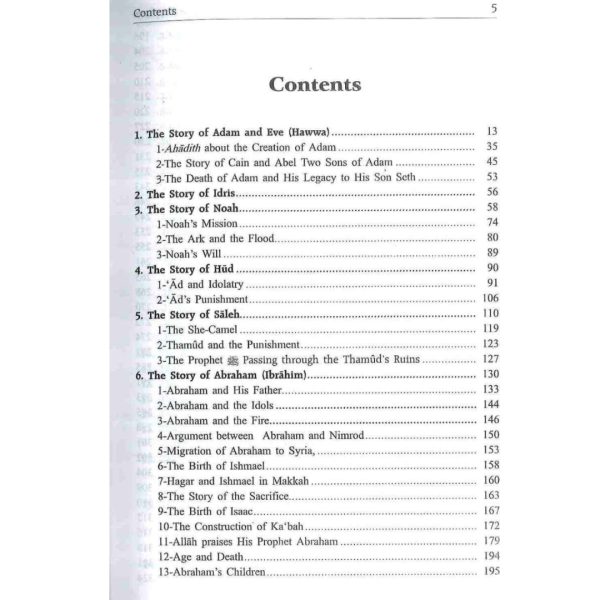
Stories of the Prophets-Darussalam (H/B)
Highlights:
In this book, the stories of the prophets have been compiled from ‘Al-Bidayah wan-Nihayah’ (The Beginning and the End) which is a great work of the famous Muslim exegete and historian Ibn Kathir and has a prominent place in the Islamic literature. The stories of the prophets and all the events in their lives have been supported by the Qur’anic Verses and the Sunnah (traditions) of the Prophet (S). Wherever it was necessary, other sources have also been reported for the sake of historical accounts, but on such places a comparative study has been made to prove the authenticity of the sources. Ibn Kathir has reproduced the views and interpretations of all the great exegetes of the Qur’an of his time. The systemic narratives of the Stories of the Prophets have been written in chronological order which renders a historical style to the book.
Allah the Most Exalted says in the Qur’an:
- “We are relating unto you the most beautiful of stories in that what We have revealed to you from the Qur’an, though before it you were from among those who were not aware of them.” (12:3)
- “We have indeed sent aforetime Messengers before you, of them there are some whose stories We have related to you, and whose stories We have not related to you…” (40:78)
- “We relate to you the important news of their story in truth…” (18:13)
- “And all that We relate to you of these stories of the Messengers, We strengthen with them your heart. Through them there come to you the truth as well as admonition and reminder to all those who believe.” (11:120)
- “There is, indeed, in their stories lessons for people endowed with understanding. It is not any invented tale, but a confirmation of what went before it, and a detailed exposition of all things, and a guide and a mercy to the people who believe.” (12:111)
- “…so relate the stories, perhaps they may reflect.” (7:176
RM85.00

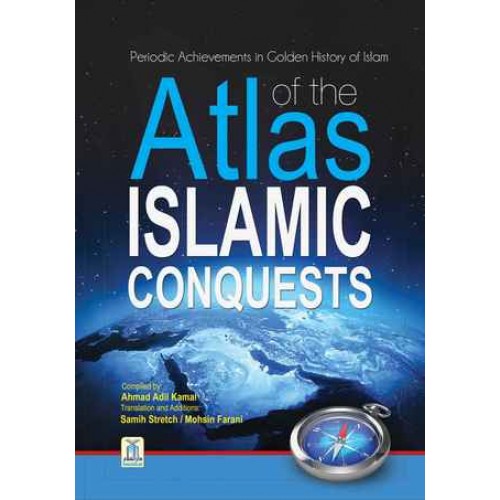
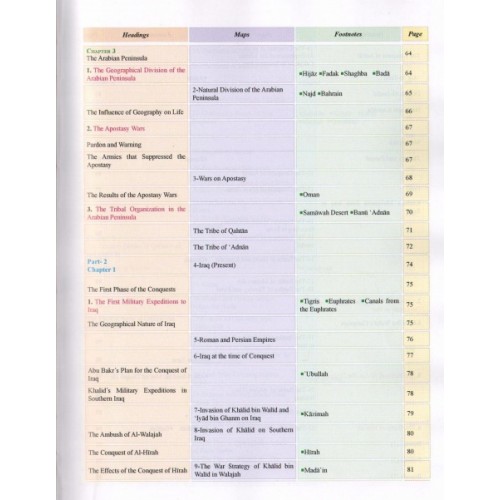
Atlas Of The Islamic Conquests (H/B)
Highlights:
History is a mirror of the past days and nights of nations and communities. Hence the History of Islam is not only a mirror of the fourteen centuries of the Muslim Ummah but it also signifies the best Human Civilization on the face of the earth. So a stark necessity arises to acquaint new generation of Muslim Ummah with great intellectual and political leaders and renowned personalities along with such men of achievements and valiant heroes who defeated false forces in the battle fields in order to propagate the true religion in those lands where darkness and ignorance prevailed.
“Atlas of the Islamic Conquests” has been prepared in view of the same lofty aim. In it are events of consecutive days, months & years of major Islamic Conquests, starting from the period of first Caliph Abu Bakr Siddiq (RA) to the reign of Ottoman Caliph Murad 3, have been described, with full color maps and unique snaps, in such a manner that the reader goes along with them and comes across wonderful historical happenings and new secrets of History are disclosed.
Make thorough study of “Atlas of Islamic Conquests” yourself and motivate your children, kith and kins and friends to study it. This unique Atlas, having intrinsic and apparent beauty, is masterpiece of history and research and rich presentation for English readers.
RM151.00
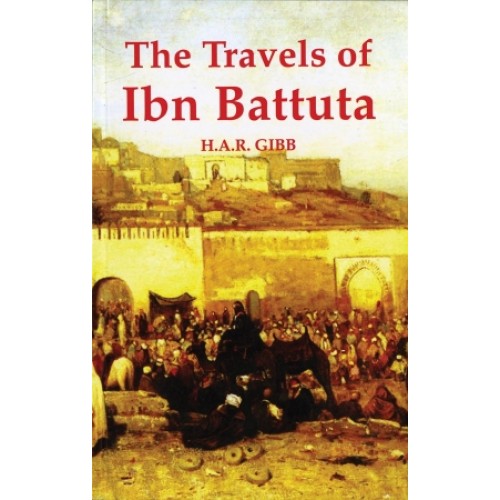
The Travels of Ibn Battuta (P/B)
Highlights:
Of the multitude of histories and and biographies of Medieval Islam there is no book more instinct with life than that of Ibn Battuta. This book provides a descriptive account of Muslim society in the second quarter of the 14th century.
RM26.00
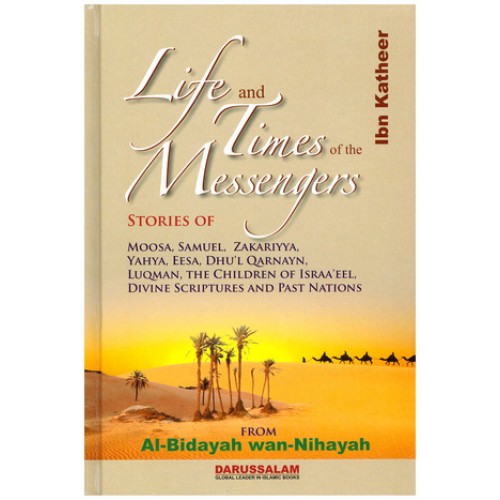
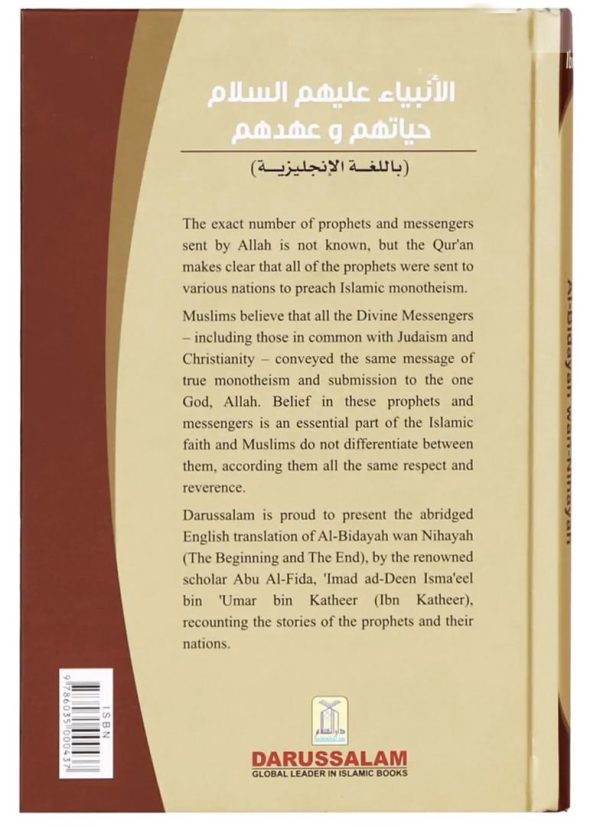
Life and the Times of the Messengers (H/B)
Highlights:
The exact number of prophets and messengers sent by Allah is not known, but the Qur’an makes clear that all of the prophets were sent to various nations to preach Islamic monotheism. Muslims believe that all the Divine Messengers ? including those in common with Judaism and Christianity ? conveyed the same message of true monotheism and submission to the one God, Allah. Belief in these prophets and messengers is an essential part of the Islamic faith and Muslims do not differentiate between them, according them all the same respect and reverence.
RM85.00
Recently Viewed

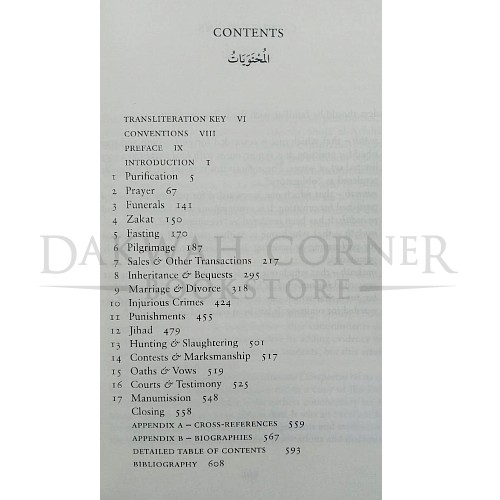
The Evident Memorandum
Highlights:
The Evident Memorandum: A Translation and Commentary for Ibn al-Mulaqqin al-Shāfiʿī’s Al-Tadhkirah fi al-fiqh
This volume contains an original commentary for Al-Tadhkirah (The Memorandum), a legal primer for Islamic Law according to the later scholars of the Shāfiʿī school by Ibn al-Mulaqqin, an Egyptian scholar who died in 804 AH/1401 CE. The commentary introduces essential evidence for the core issues of Islamic Law from its primary sources (the Quran, Sunnah, legal analogy, and scholarly consensus).
The Arabic text of Al-Tadhkirah is approximately 8,500 words in length. It is two hundred words longer than Abū Shujāʿ al-Aṣfahānī (b. 433AH/1042CE)’s Matn al-ghāyat wa-l-taqrīb (published as The Ultimate Conspectus). Although the two are roughly the same size, Ibn Mulaqqin’s style is more economical than Abū Shujāʿ’s, allowing him to cover more within the same word count. And while Ibn Mulaqqin discusses more issues, he does occasionally skip a few details that Abū Shujāʿ includes.
The primary sources for comments in this book are Ibn Mulaqqin’s books of fiqh, including Sharḥ Mukhtasar al-Tabrīzī, ʿUjālat al-muḥtāj, and Khulāṣat al-fatāwī. The bulk of the commentary comes from Sharḥ Mukhtaṣar al-Tabrīzī. Comments and hadith in the commentary can be sourced back to either one of Ibn Mulaqqin’s fiqh texts or a Shāfiʿī fiqh text through an appendix that cross-references each chapter and section in this book against its sources. Each hadith mentioned in the book is traced back to its primary sources, along with a reference to one or more of Ibn Mulaqqin’s hadith works. In the few instances where a hadith is not included in one of Ibn Mulaqqin’s works, it is referenced it to a Shāfiʿī text that does. Through this, readers can be assured that the hadiths cited here are ones that Shāfiʿīs themselves use.
Readers will find the book most beneficial after reading The Accessible Conspectus and Sharh al-Waraqat.
RM125.00
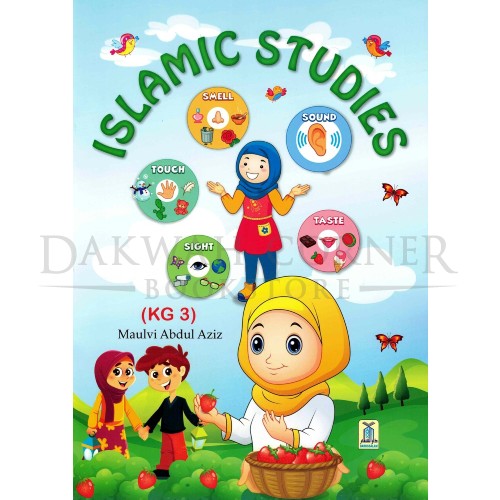
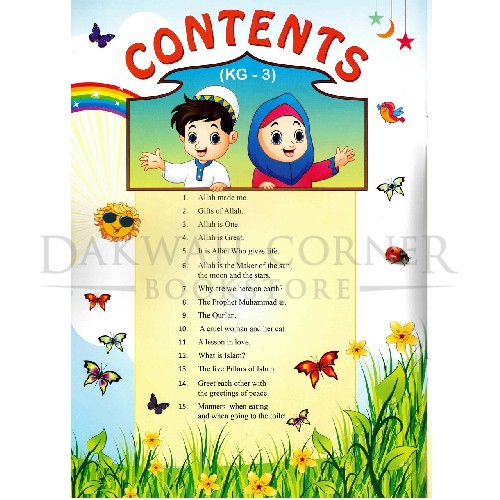
Islamic Studies (KG3)
5 ★
5 ★
1 Rating
5 ★
1
4 ★
0
3 ★
0
2 ★
0
1 ★
0
Highlights:
Islamic Studies (KG3)
RM25.00
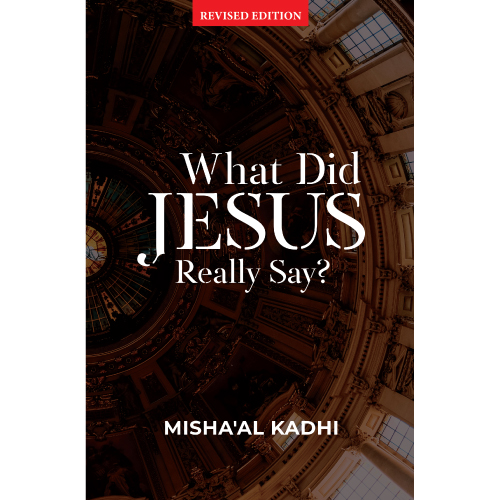
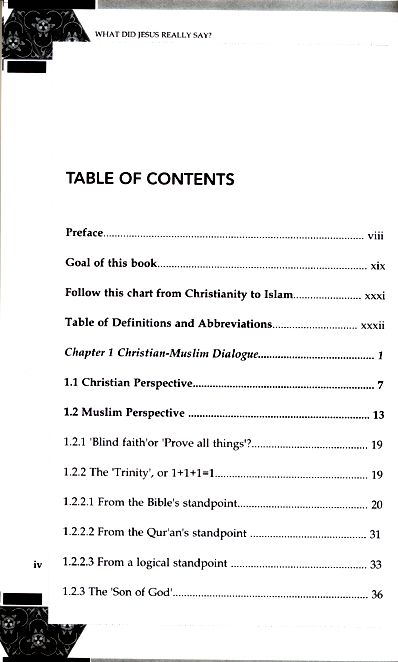
What Did Jesus Really Say?
4.5 ★
4.5 ★
2 Ratings
5 ★
1
4 ★
1
3 ★
0
2 ★
0
1 ★
0
Highlights:
The book contains detailed information and descriptions that show how the Bible was changed and tampered with over the past two millennia. The account and the discussions presented are based on, and collected from, the writings of Christian authors, the Church and the Bible.
RM45.00
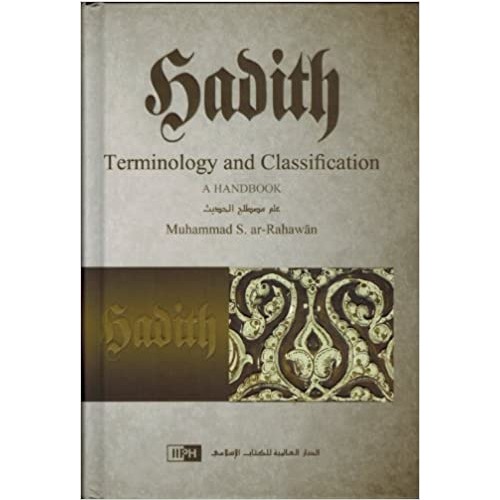
Hadith Terminology and Classification (H/B)
Highlights:
Islam is a complete way of life that enlightens through the Qur’an and the Sunnah, the true path of guidance and success in this world and the hereafter. However, one must accurately comprehend what has been ordained through the Sunnah and identify the authentic hadiths of the Prophet (blessings and peace be upon him). To do that, it is imperative to understand the rules that govern the classification and definitions of hadith methodology and criticism.
RM65.00
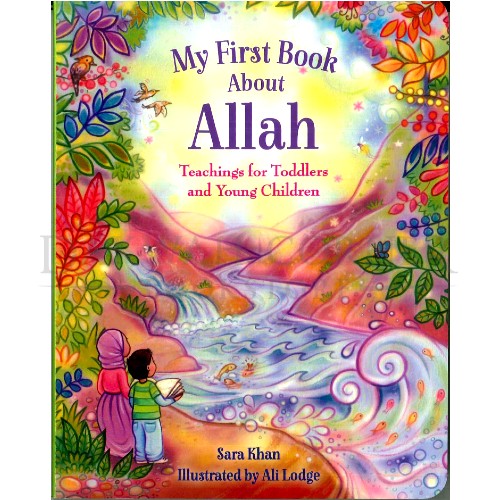
My First Book About Allah (H/B)
Highlights:
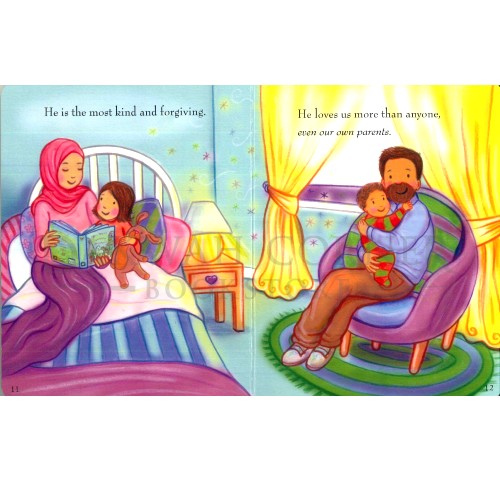
This simple but beautiful book helps children understand who Allah is. It introduces some of His divine attributes: His Oneness, His infinite Power, Love and Mercy, and it ends with the promise He has made to those who believe in Him and make Him happy.
It is a book to be treasured by children, with large, colourful illustrations and carefully written text that children will understand and enjoy.
RM50.00

Polygamy in Islam (P/B)
Highlights:
Polygamy is the Muslim practice most frequently and severely maligned by Westerners and modernist Muslims. This book can be read with profit by all unprejudiced readers who wish to know its justification and rationale.
One of the greatest contrasts between Islam and the West is their conflicting concepts of relations between the sexes. Indeed, the very first question a Muslim convert is confronted with by an American or European is ‘Why does Islam allow four wives?’ This book…replies straightforwardly to that question and much more.
The authors describe all the most important characteristics of marriage in Islam, pointing out that the Western notions of sex equality and romantic premarital ‘love’ are not necessary in Islamic marriage based on piety and the commitment on the part of both parents to win the pleasure of Almighty Allah.’
This book contains basic guides for anyone interested in understanding the rights and obligations of males and females in Islamic plural marriage. The guidelines have been drawn from the Quran, Hadith and opinions of Islamic scholars.
RM20.00
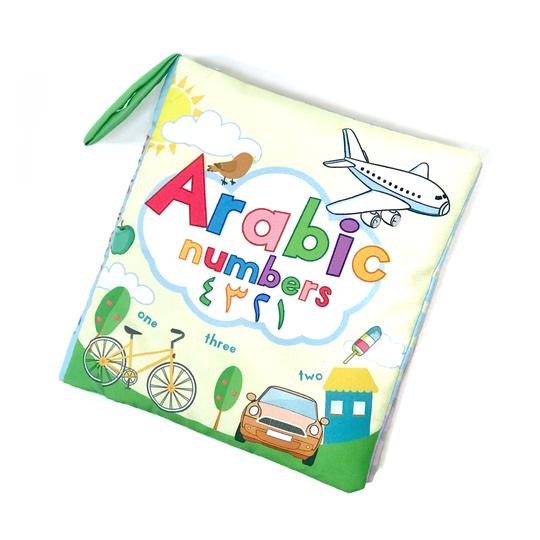
SOFT BOOK – Arabic Numbers
Highlights:
Arabic numbers from 1 to 20
Complete with pictures to count
Arabic number symbols
Pronunciation in Arabic and English
RM44.00
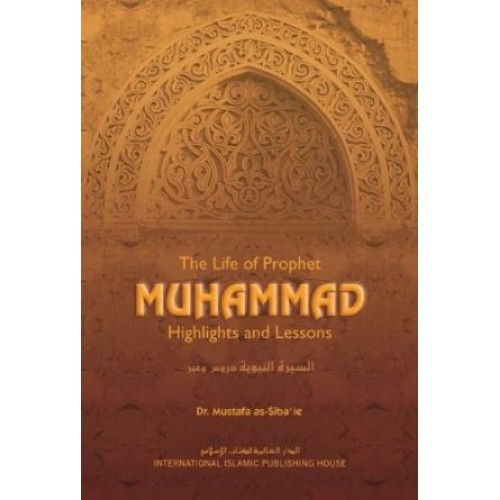
The Life of Prophet Muhammad (P/B)
Highlights:
Prophet Muhammad (blessings and peace be upon him) was born into a pagan society in which nearly every conceivable vice was practiced and very few virtues existed. As he grew up, he watched with disgust the great drama of evil around him. He witnessed how the human soul was suppressed, how men were oppressing and exploiting the have-nots, orphans, women, and the weakest members of society, and how the wealthy and strong enslaved the poor and weak. Through ignorance, error, superstition, and outright perversity, people were debauched by evil. Tyranny reigned supreme. The society was drunk with arrogance, empty religious formalism, and luxury. In those times of ignorance, Muhammad (blessings and peace be upon him) grew up. He was upright and truthful, and earned the complete trust of the people of Makkah. Muhammad (blessings and peace be upon him) was never taught formally by any human, and yet, in years to come, he would teach the whole world such as no one else in human history has done. You owe it to yourself to find out about this giant of history: you owe it to yourself to read this book.
RM10.00
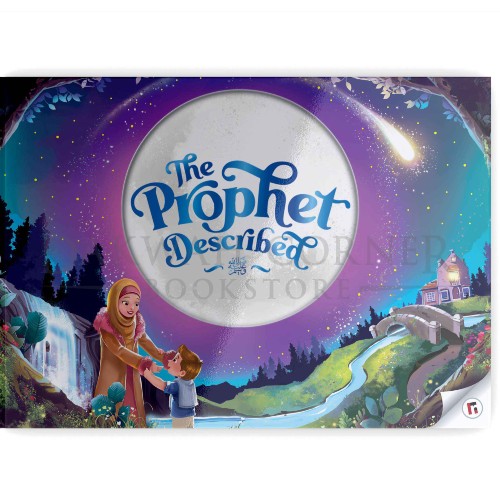
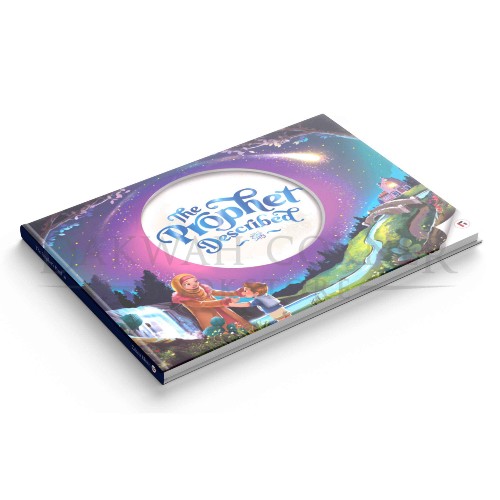
The Prophet (S) Described (Learning Roots)
Highlights:
If you were asked to describe the appearance of the Prophet Muhammad (S), what would you say?
The Prophet Described weaves together classical accounts of the appearance and character of Allah’s finest creation, using the narrations of those closest to him. Expertly crafted into a story-conversation between a mother and son, and using flowing, rhyming text, this book makes learning about Allah’s Messenger (S), a rich and captivating experience. With spectacular illustrations that subtly echo the descriptions, this book is a treasure to be read over and over again.
RM65.00
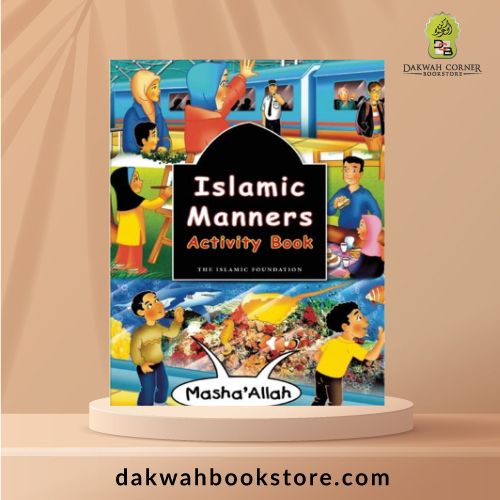
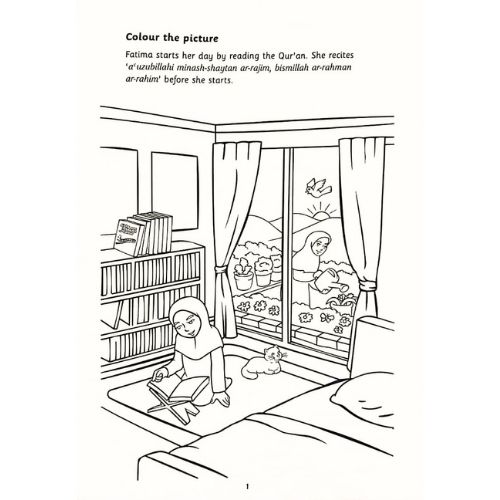
Islamic Manners Activity Book
Highlights:
Learn a selection of Arabic prayers and expressions while having fun with sixty-plus pages of imaginative activities that will introduce young children to a range of practices from Islam and the Muslim world. The Islamic Manners Activity Book includes puzzles, word searches, coloring pages, connect-the-dots, and matching cards that will occupy and entertain children for hours.
RM25.00
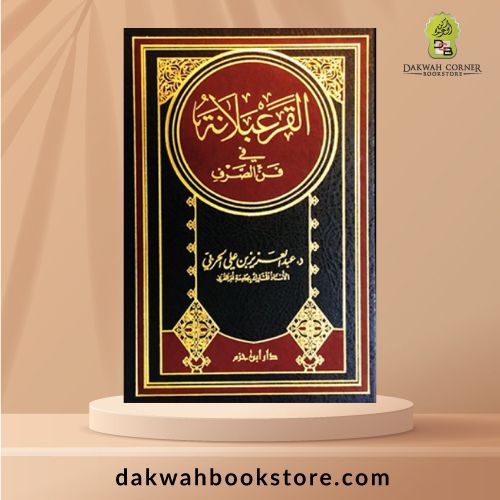
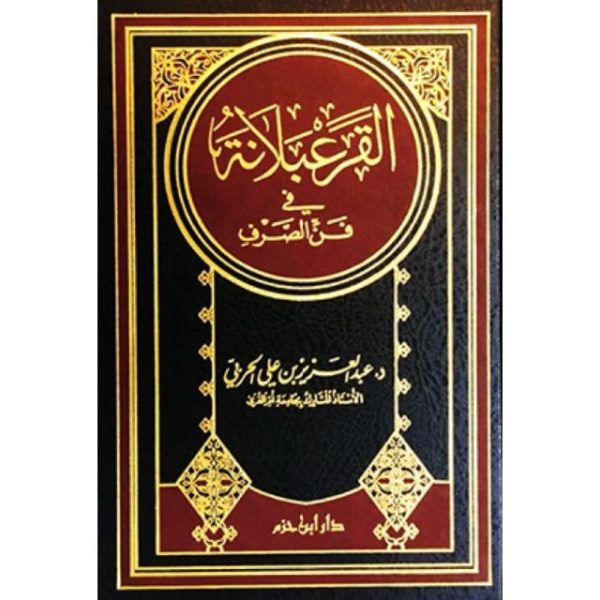
[ALA] Al Qara’balanah Fi Fan Al Sarf / القرعبلانة في فن الصرف
Highlights:
كتاب “القرعبلانة في فن الصرف“ هو مصنف تعليمي متميز في علم التصريف، ألفه الدكتور عبد العزيز بن علي الحربي، الأستاذ في جامعة أم القرى ورئيس مجمع اللغة العربية بمكة المكرمة.
RM55.00
Dakwah Corner – Gift Card
Highlights:
Terms and Conditions:
- The gift card entitles the bearer with RM5/RM10/RM20/RM50/RM100 value of products at www.dakwahbookstore.com only. The coupon value will be deducted from your subtotal amount upon checkout.
- The gift card is not redeemable with cash, in part of the whole amount.
- The gift card code can only be redeemed ONCE.
- The gift card validity is for six (6) months from the day of purchase.
- You will receive your gift card in the email.
- If you want to give it to someone as a present, you need to forward it by email.
RM5.00 – RM100.00Price range: RM5.00 through RM100.00
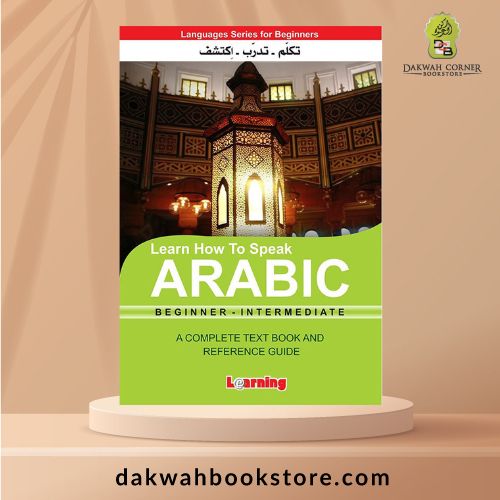
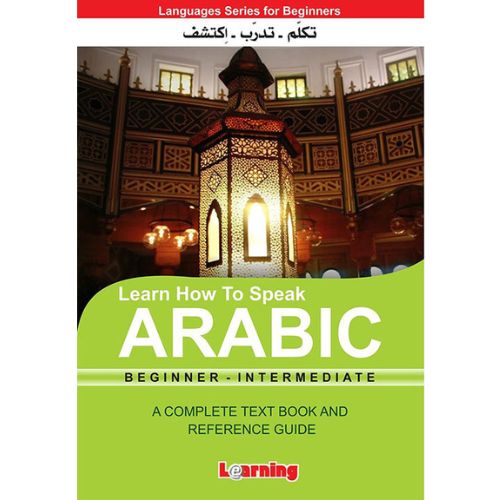
Learn How To Speak Arabic: Beginner – Intermediate (Small Book)
Highlights:
An educational series for modern languages designed for beginners and those planning to travel to new countries.
Covers language fundamentals—including key phrases and expressions—as well as pronunciation, vocabulary, basic grammar, and everyday conversation.
RM15.00
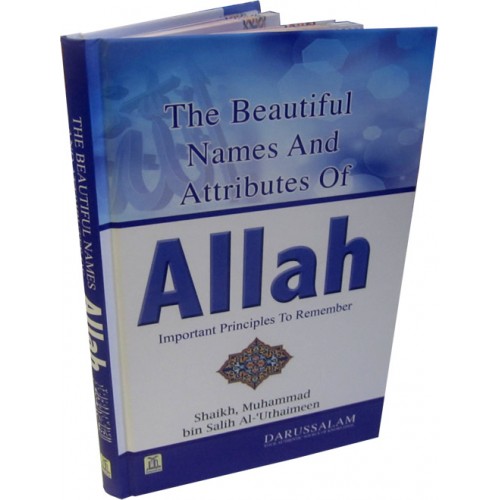
The Beautiful Names and Attributes of Allah- Important Principles To Remember
Highlights:
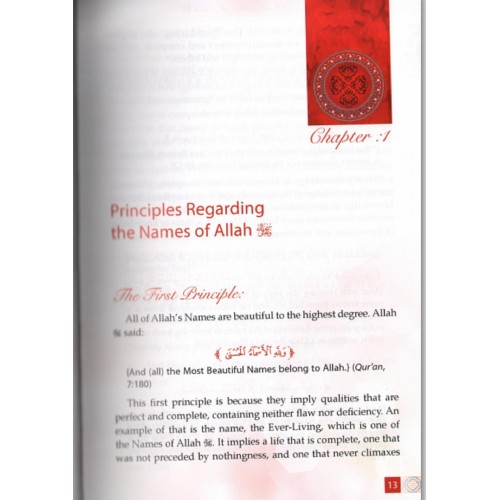
The pristine beliefs of the early Muslims are preserved in this vitally important masterpiece written by one of the most outstanding scholars of our time, Shaykh Muhammad Ibn Saalih al Uthaymeen. This new revised edition by Dar-us-Salam has been printed in full color with hardback bounding for an excellent presentation.
Seven clear principles and their evidences from the Book and the Sunnah guide the reader through the confusion and false claims of the ignorant to the clarity of belief in Allah’s Names accomplished by the righteous early scholars of Islam. Principle 6 contains the shaikh’s compilation of the ninety-nine (99) names of Allah. The names have been compiled into 2 categories: first from the Book of Allah & second from the Sunnah of the Prophet (S). All the names have been printed in Arabic with transliteration and English translation. Each name is printed beautifully in a square box with 6 boxes on a page.
Seven more principles and their evidences follow, giving the reader firm understanding of the correct beliefs about Allah’s Attributes. Four more principles outline the correct approach in studying the related proofs and evidences.
All of this leads the reader into an enthralling series of refutations of the false notions of the Ash’aree sect, a text-by-text breakdown of how and why they went wrong in a careful and precise study of fifteen texts from the Book and the Sunnah. The beliefs of the Ash’aree sect are destroyed and the origins of their deviation are exposed for all to see.
‘A magnificent book a clarification of the creed of the righteous Salaf concerning the Names and Attributes great principles and collective benefits concerning the topic’ – Shaykh Ibn Baaz
RM50.00
There are no reviews yet.