

| Weight | 0.68 kg |
|---|---|
| Dimensions | 15 × 21 cm |
| Product Type | Book |
| Author | |
| Publisher | Darussalam |
| ISBN | 9786035000437 |
| Pages | 465 |
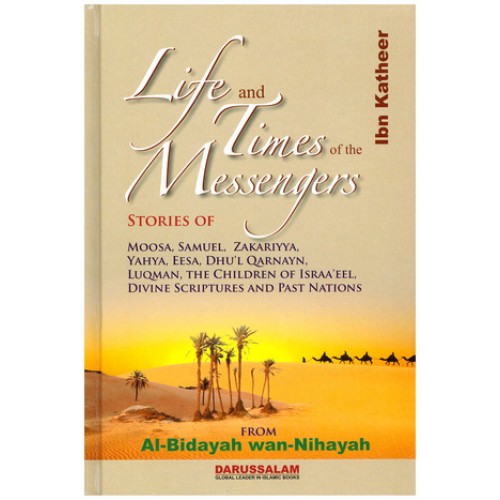
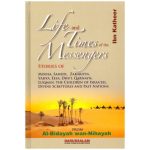
Life and the Times of the Messengers (H/B)
RM85.00
Hurry up, Only 1 left.

Highlights:
somdn_product_page
Compare
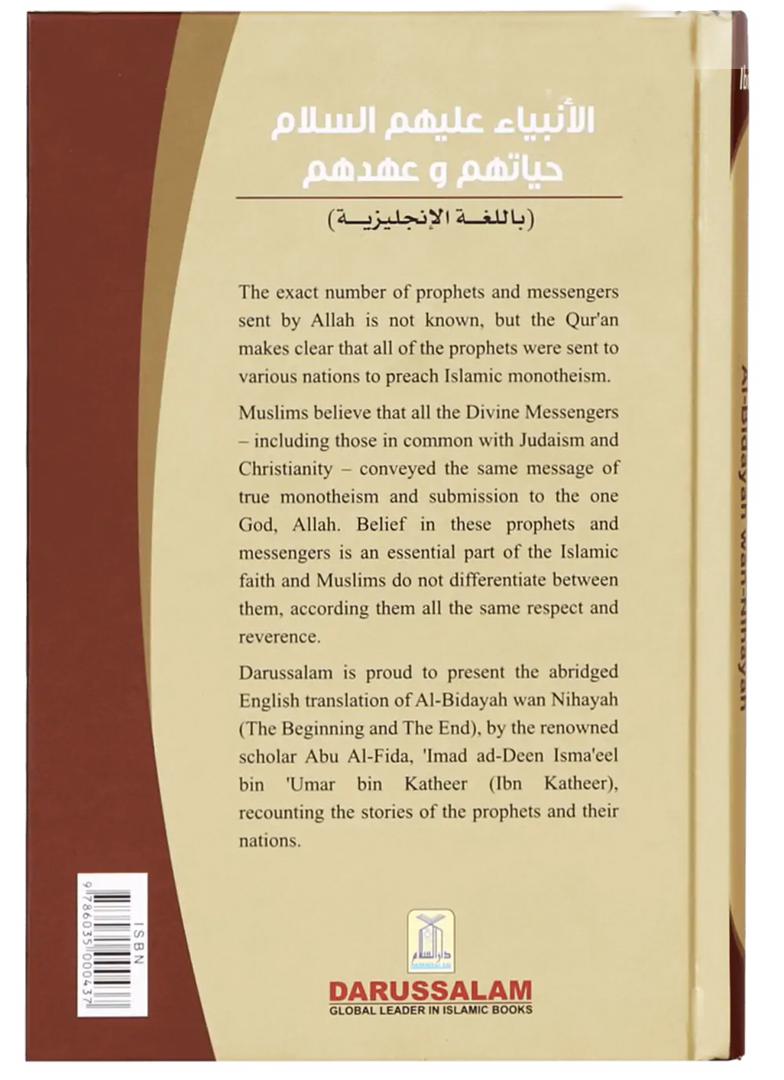
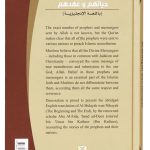
The exact number of prophets and messengers sent by Allah is not known, but the Qur’an makes clear that all of the prophets were sent to various nations to preach Islamic monotheism. Muslims believe that all the Divine Messengers ? including those in common with Judaism and Christianity ? conveyed the same message of true monotheism and submission to the one God, Allah. Belief in these prophets and messengers is an essential part of the Islamic faith and Muslims do not differentiate between them, according them all the same respect and reverence.
Additional information
Reviews (0)
Be the first to review “Life and the Times of the Messengers (H/B)” Cancel reply
You must be logged in to post a review.
Related Products
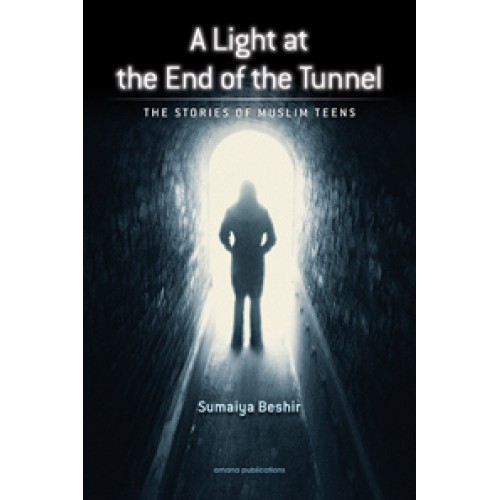
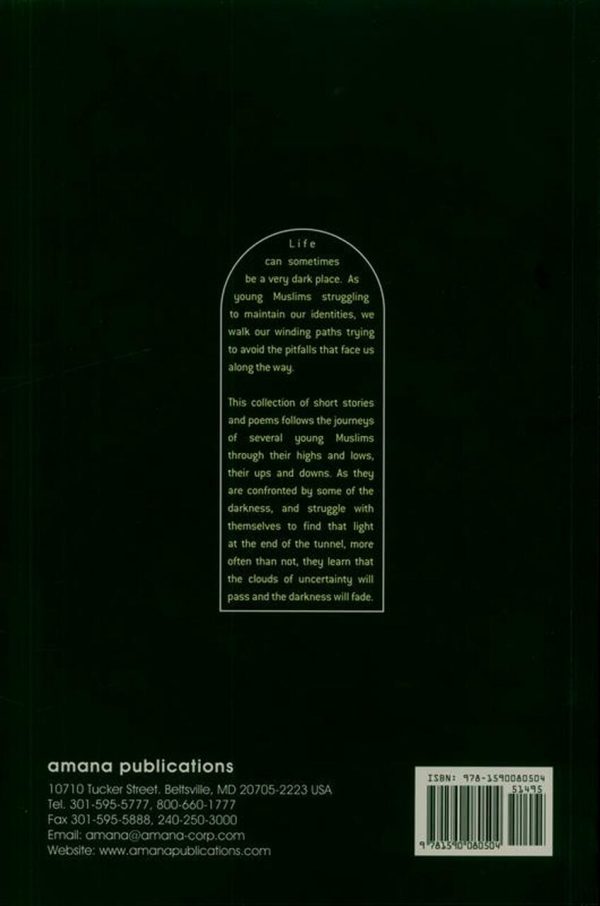
A Light at the End of the Tunnel (P/B)
Highlights:
The book features a collection of short stories written by Muslim teens. Through their stories they share the struggles and experiences they have faced on issues such as dating, friendship, hijab, respecting parents, clarifying misconceptions about Islam and defining one’s identity.
RM47.00
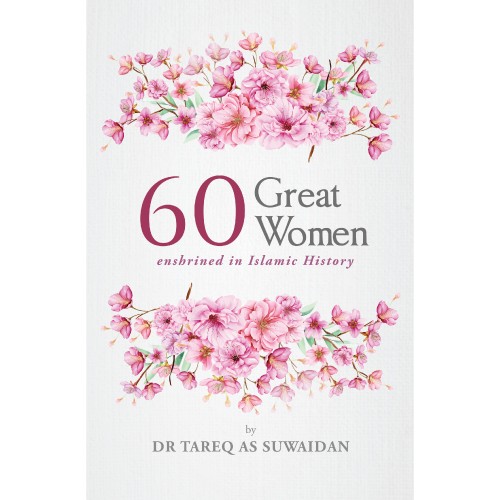
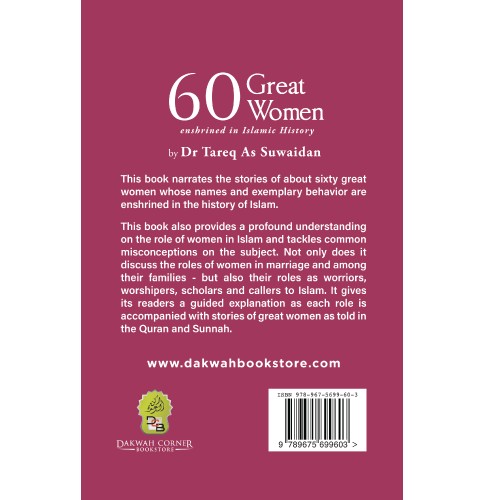
60 Great Women Enshrined in Islamic History
5 ★
5 ★
2 Ratings
5 ★
2
4 ★
0
3 ★
0
2 ★
0
1 ★
0
Highlights:
This book provides a profound understanding on the role of women in Islam and tackles common misconceptions on the subject. Not only does it discuss the roles of women in marriage and among their families – but also their families – but also their roles as warriors, worshipers, scholars and callers to Islam. It gives its readers a guided explanation as each role is accompanied with stories of great women as told in the Quran and Sunnah.
This book narrates the stories of about sixty great women whose names and exemplary behavior are enshrined in the history of Islam.
RM35.00
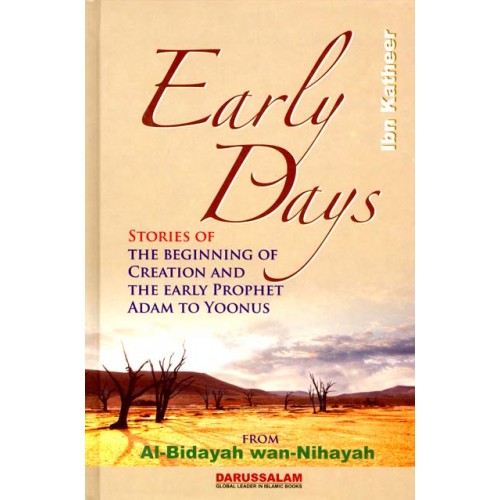
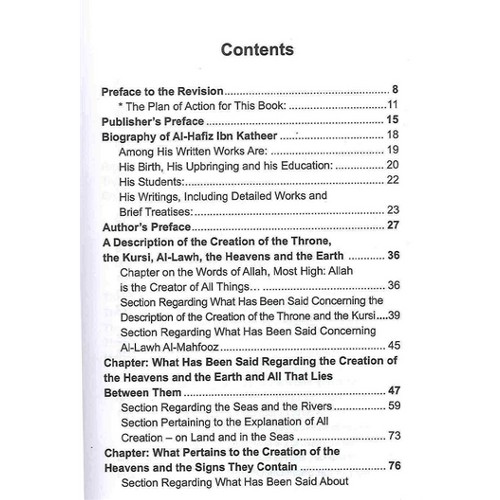
Early Days : From Al – Bidayah wan – Nihayah (H/B)
4 ★
4 ★
1 Rating
5 ★
0
4 ★
1
3 ★
0
2 ★
0
1 ★
0
Highlights:
The book starts by describing the beginning of creation- from the throne and the Kursi, the universe and all that is in it , such as the angels, the jinn and humans . The book also recounts stories from the lives of the prophets and their nations up to the times of the children of Israeel and the Days of Igorance,which ended with the advent of the final Prophet Muhammad ( PBUH ).
RM80.00
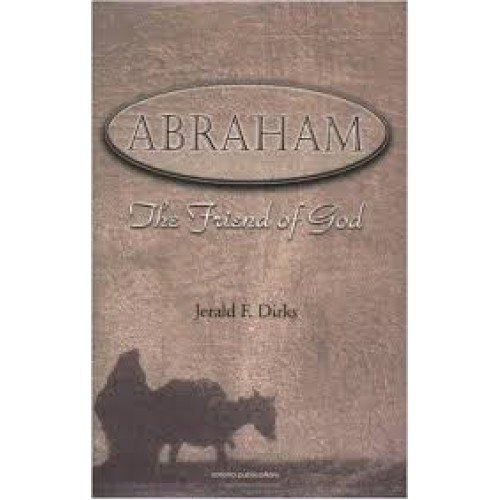
Abraham – The Friend Of God
Highlights:
Abraham, as a prophet and patriarch, is called “the friend of God” in Jewish, Christian, and Islamic scriptures, and has a place of eminence in the shared scriptures and histories of each of these three monotheistic, prophetic, and Middle Eastern religions.
In Abraham: The Friend of God, Dr. Dirks provides Jewish, Christian, and Muslim readers with a unique and original presentation of the life of Abraham. In constructing a chronological biography of Abraham, the author integrated and synthesized information from a wide range of Judaeo-Christian and Islamic traditions, including the Bible, the Pseudeigrapha (I.e. Jubilees and the Genesis Apocryphon), the Qur’an, the authenticated sayings (Sahih Ahadith) of Prophet Muhammad, and the classic books of ancient history authored by Josephus and Al-Tabari. This integrated biographical sketch is embedded in a framework drawn from the various historical and geographical contexts dealing with different aspects of Abraham’s life.
RM95.00 RM105.00

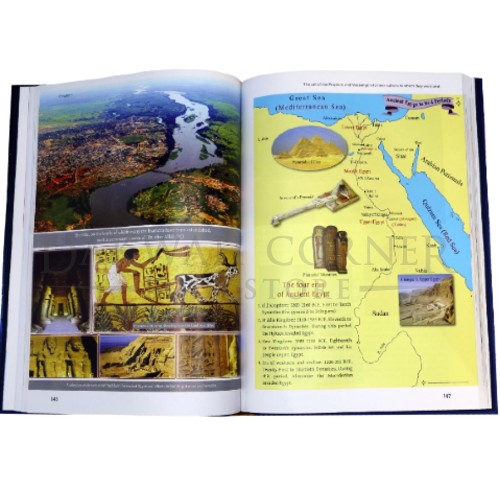
Atlas of the prophets & Messengers (H/B)
5 ★
5 ★
1 Rating
5 ★
1
4 ★
0
3 ★
0
2 ★
0
1 ★
0
Highlights:
Historical atlas of the Prophets & Messengers
RM165.00
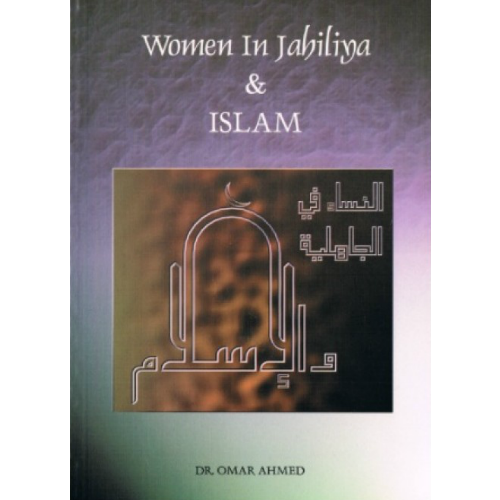
Women In Jahiliya and Islam (P/B)
Highlights:
A short study dealing with the special status the woman holds in Islam as opposed to her mistreatment in Jahiliya.
A brief survey of the status of women in previous civilizations and religions,
In the pre-Islamic era (Jahiliya).
It then provides a fair evaluation of what Islam contributed towards the restoration of woman’s dignity and rights which is just as relevant in today’s modern Jahiliya as it was in the past.
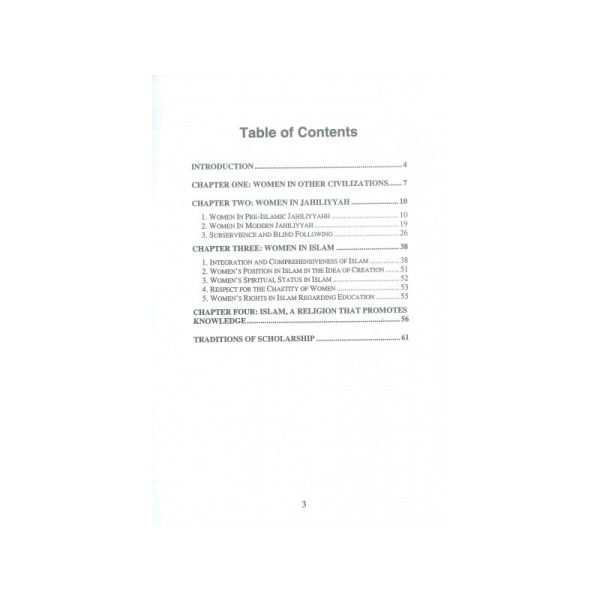
1.Women in Other Civilizations.
2. Women in Pre-Islamic Jahiliya.
3.Women in Modern Jahiliya.
4. Subservience & Blind Following.
5.Integration and Comprehensiveness of Islam.
6.Women’s Position in Islam on the Idea of Creation.
7.Women’s Spiritual Status in Islam.
8.Respect for the Chastity of Women.
9.Women’s Rights in Islam Regarding Education.
RM33.50
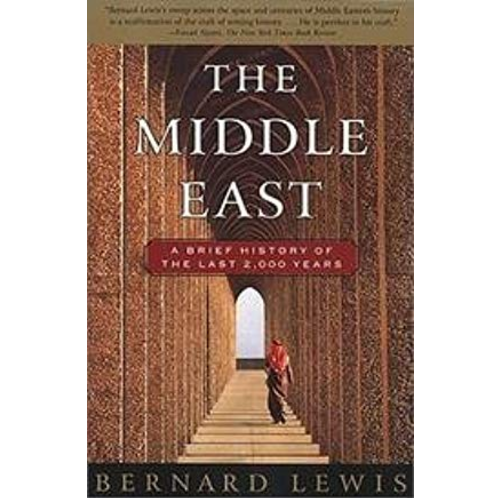
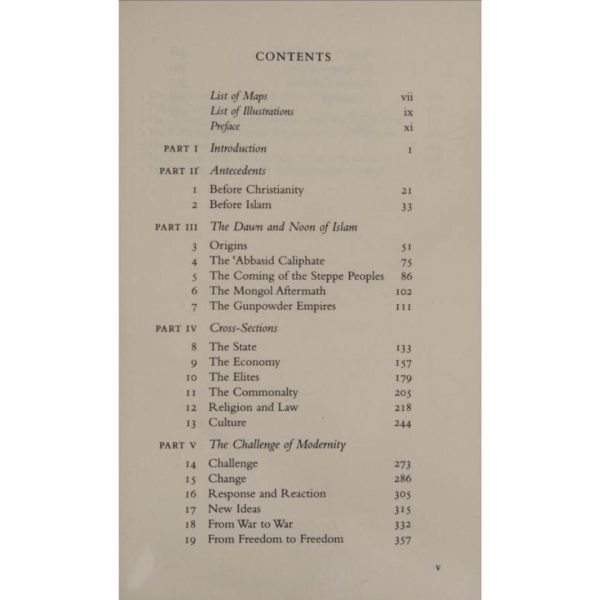
The Middle East: a Brief History of the Last 2,000 Years
Highlights:
In a sweeping and vivid survey, renowned historian Bernard Lewis charts the history of the Middle East over the last 2,000 years, from the birth of Christianity through the modern era, focusing on the successive transformations that have shaped it.
RM98.00
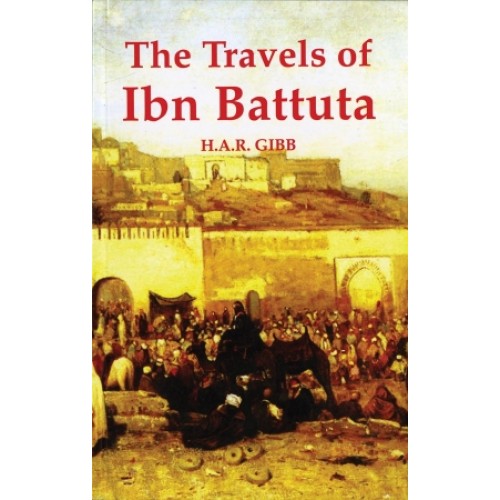
The Travels of Ibn Battuta (P/B)
Highlights:
Of the multitude of histories and and biographies of Medieval Islam there is no book more instinct with life than that of Ibn Battuta. This book provides a descriptive account of Muslim society in the second quarter of the 14th century.
RM26.00
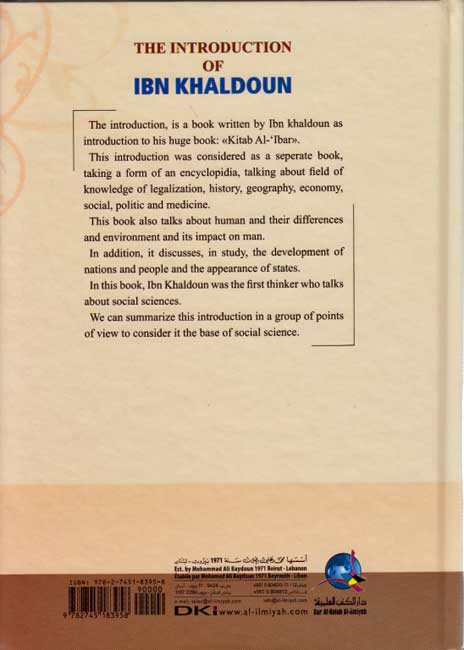
The Introduction of Ibn Khaldoun
Highlights:
This introduction was considered as a separate book, taking a form of an encyclopedia, talking about a field of knowledge of legalization, history, geography, economy, social, politic and medicine.
RM160.00
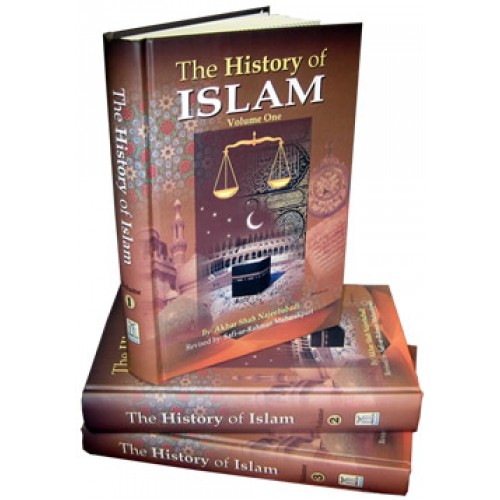
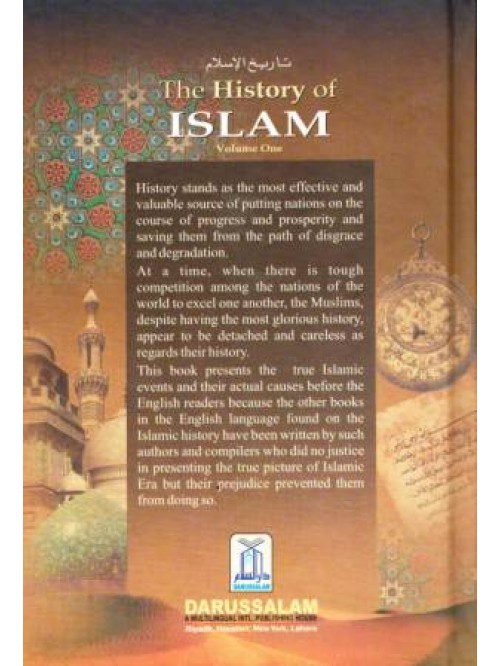
The History of Islam 3 Vol (H/B)
Highlights:
History stands as the most effective and valuable source of putting nation on the course of progress and prosperity and saving them from the path of disgrace and degradation.
At a time, when there is tough competition among the nations of the world to excel one another, the Muslim, despite having the most glorious history, appear to be detached and careless as regards their history.
This book presents the true Islamic events and their actual causes before the English readers because the other books in the English language found on the Islamic history have been written by such authors and compilers who did no justice in presenting the true picture of Islamic Era but their prejudice prevented them from doing so.
RM250.00
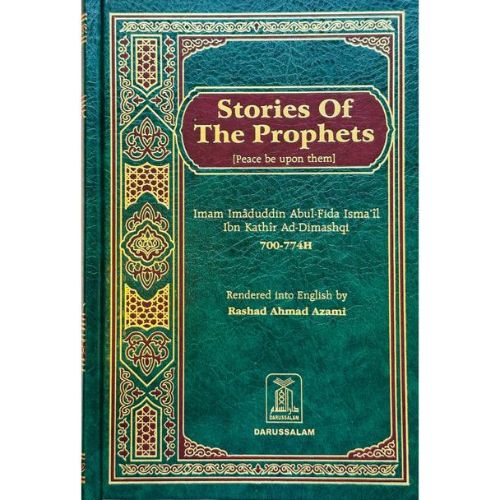
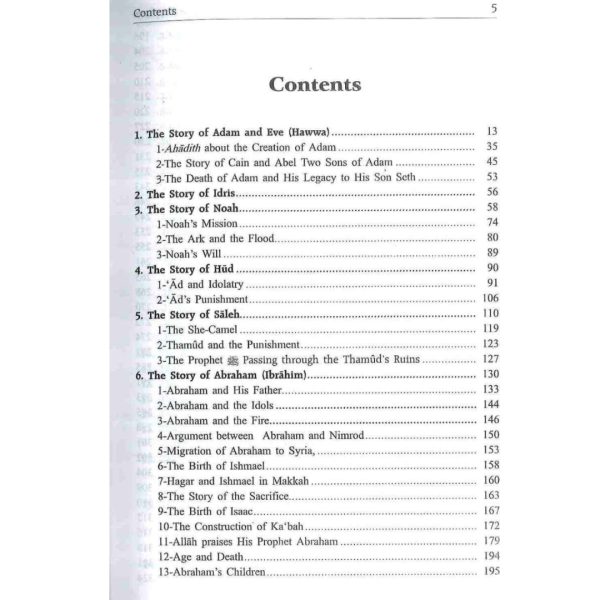
Stories of the Prophets-Darussalam (H/B)
Highlights:
In this book, the stories of the prophets have been compiled from ‘Al-Bidayah wan-Nihayah’ (The Beginning and the End) which is a great work of the famous Muslim exegete and historian Ibn Kathir and has a prominent place in the Islamic literature. The stories of the prophets and all the events in their lives have been supported by the Qur’anic Verses and the Sunnah (traditions) of the Prophet (S). Wherever it was necessary, other sources have also been reported for the sake of historical accounts, but on such places a comparative study has been made to prove the authenticity of the sources. Ibn Kathir has reproduced the views and interpretations of all the great exegetes of the Qur’an of his time. The systemic narratives of the Stories of the Prophets have been written in chronological order which renders a historical style to the book.
Allah the Most Exalted says in the Qur’an:
- “We are relating unto you the most beautiful of stories in that what We have revealed to you from the Qur’an, though before it you were from among those who were not aware of them.” (12:3)
- “We have indeed sent aforetime Messengers before you, of them there are some whose stories We have related to you, and whose stories We have not related to you…” (40:78)
- “We relate to you the important news of their story in truth…” (18:13)
- “And all that We relate to you of these stories of the Messengers, We strengthen with them your heart. Through them there come to you the truth as well as admonition and reminder to all those who believe.” (11:120)
- “There is, indeed, in their stories lessons for people endowed with understanding. It is not any invented tale, but a confirmation of what went before it, and a detailed exposition of all things, and a guide and a mercy to the people who believe.” (12:111)
- “…so relate the stories, perhaps they may reflect.” (7:176
RM85.00
Recently Viewed
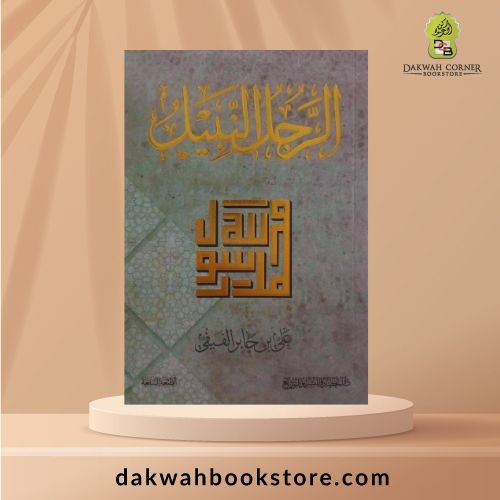
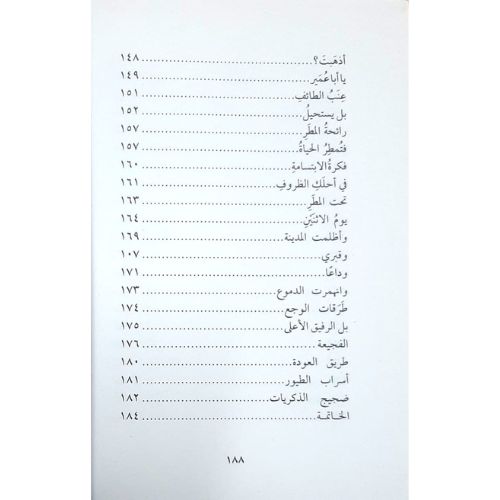
[MM] Ar-Rajulun Nabil / الرجل النبيل
Highlights:
قال المؤلف: سميت هذه الأوراق “الرجل النبيل” لأنه عليه الصلاة و السلام أنبل رجل عرفته البشرية، ولأن النبل ظاهر في تفاصيل حياته، في رضاه وغضبه، في حزنه وفرحه، قبل نبوته وبعدها، فهو بحق الرجل النبيل
RM41.00

Ghibah (Backbiting) : The Root Cause of All Evil : The Commands and Prohibitions of the Shariah
Highlights:
Islam is a religion of peace, love, and compassion. Lies, suspicion, backbiting, slander, vain talk — all these are anathema to Islam. Indeed, such negative activity sows the seeds of enmity among the people and ultimately brings about the downfall of society. Backbiting (ghibah) in particular, according to the Qur’an, is not just a common social evil, but rather an abhorrent act, a major sin — the equivalent of eating one’s brother’s flesh.
Numerous ahadith of the Prophet Muhammed (pbuh) also underscore the complete futility, extreme loathsomeness and grave consequences of the deliberate misrepresentation of others. Backbiting, by the unanimous rulings of religious scholars (ijma) is forbidden, so that anyone who indulges in it is guilty of serious wrongdoing. Yet people have no qualms about engaging in this practice, flouting all prohibitions and strict commands.
Drawing upon important source material on the subjects of backbiting, false accusation (bhutan), and related issues, this book highlights the need to keep our society free of his ignoble malaise. To this end, it elucidates the relevant commands and prohibitions of the Shari’ah, so as to create in the minds of its readers a deep awareness of the sinfulness and ill effects of calumny.
By Shakil Ahmad Khan and Wasim Ahmad
RM16.00
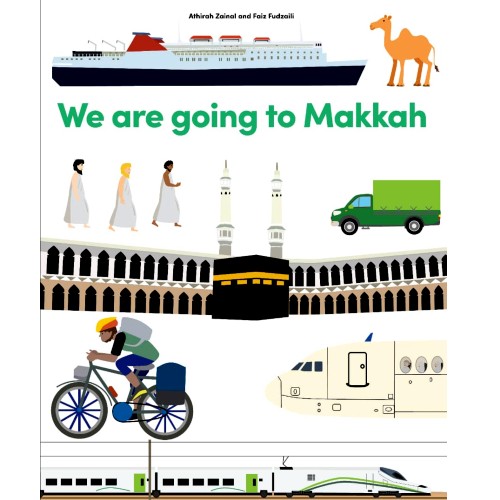
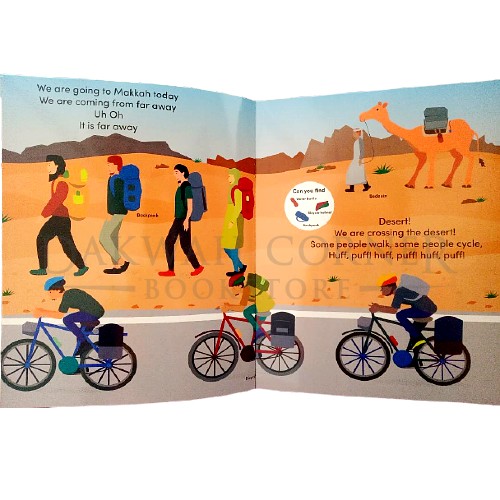
We are going to Makkah
Highlights:
A fun book exploring how do people get to Makkah, the sacred city. People converge to Makkah by different modes of transport from far far away. Zoom! Zoom! Bismillah! and off to Makkah we go!
RM28.90
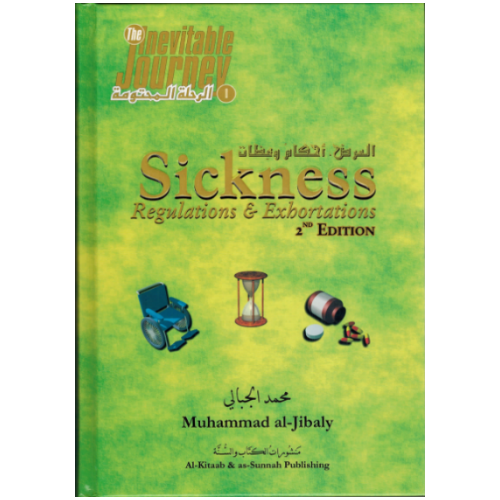
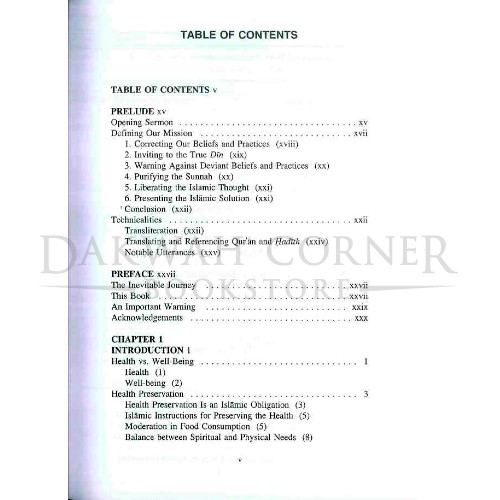
Sickness Regulations & Exhortations
Highlights:
This book is the first in the series. It deals with sickness, which continues to afflict human beings from birth until death. Sickness strikes as light as a simple cold or allergy, and as hard as a plague or cancer. It keeps the human being under check, reminding him of his weakness and giving him a chance to turn to the One who possesses to afflict and cure. This book deals with sickness, its regulations, and lessons associated with it. It presents the Islamic stand toward a number of modern medical issues, and also discusses important regulations relating to those with disabilities.
RM67.00
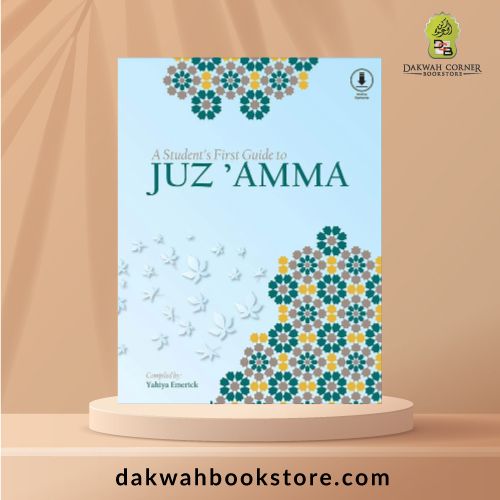
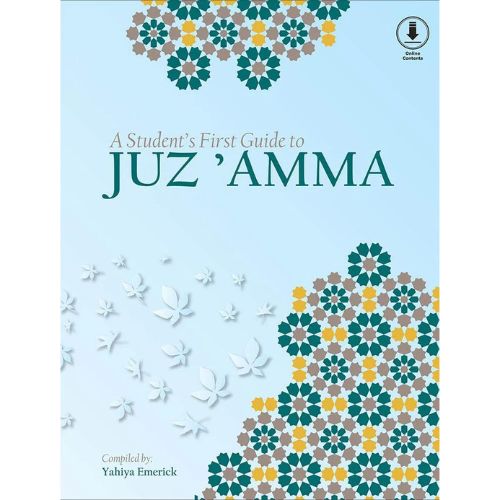
A Student’s First Guide to Juz ‘Amma
Highlights:
Introducing a comprehensive textbook for learning and understanding the 30th and final Juz (part) of the Holy Qur’an.
RM95.00

Al-Adab Al-Mufrad (DCB)
5 ★
5 ★
1 Rating
5 ★
1
4 ★
0
3 ★
0
2 ★
0
1 ★
0
Highlights:
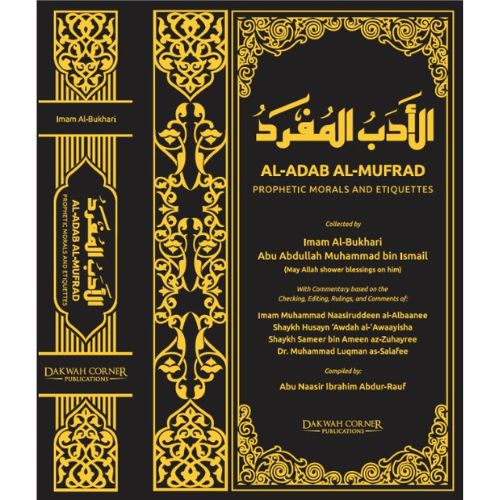
Al-Adab Al-Mufrad
This lofty statement of the best of creations and the one who Allah revealed the Final Message to all of mankind through, indicates one of the primary objectives in which Islam was revealed for which is to call upon its followers to achieve high moral standards and conduct.
Every time Allah commands the believers to perform an act of worship, He draws their attention to its moral significance or its positive effect on the individual and society. Examples of this are numerous and include the following:
“Establish the prayer, for the prayer restrains from shameful and unjust deeds.” (Soorat Al-‛Ankaboot,29:45).
RM100.00
The Twins’ Space Mission
Highlights:
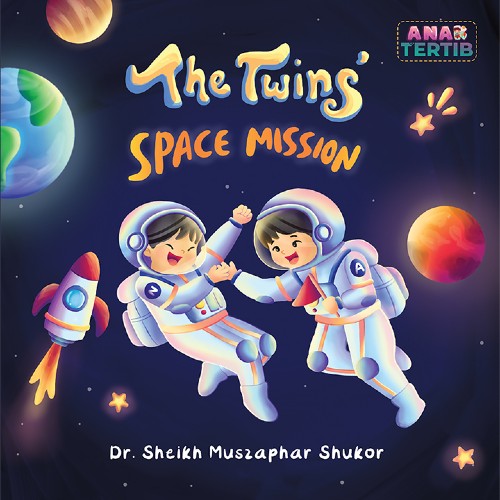
3, 2, 1… bismillāh! Follow Adam and Noah in their journey through space – right from their own bedroom.
Board book.
RM35.00
Seni Berfikir Yang Hilang
Highlights:
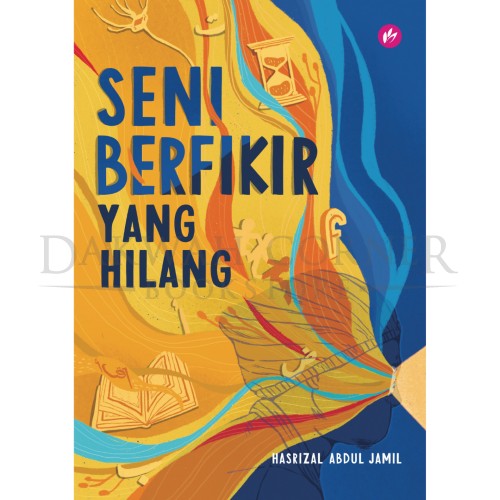
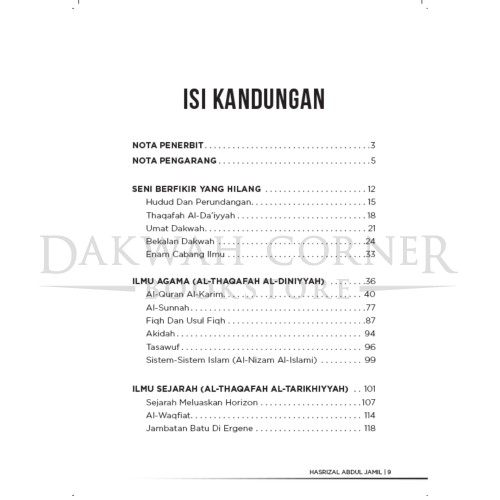
Melalui buku Seni Berfikir Yang Hilang, Ustaz Hasrizal Abdul Jamil mengupas enam cabang ilmu yang seharusnya kita kuasai. Ilmu yang membentuk cara fikir kita, sekali gus membantu kita menghadapi isu-isu sekitar kehidupan dengan lebih matang.
RM30.00


A Brief Illustrated Guide to Understanding Islam (P/B)
Highlights:
Discusses some evidence for the truth of Islam, the scientific miracles in the Holy Qur’an, and the great challenge to produce a single chapter like the chapters of the Holy Qur’an.
RM15.00
The Four Imams (P/B)
Highlights:
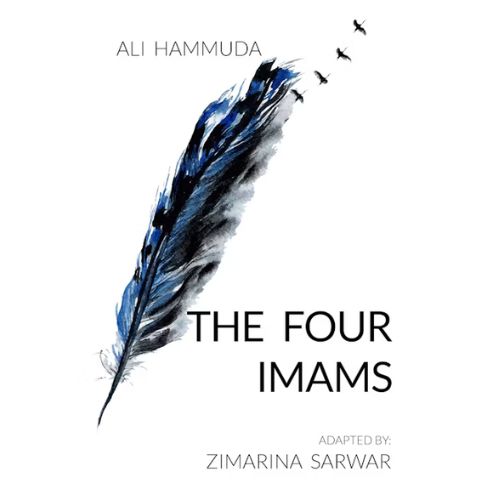
In In today’s vast world, who are the people who really influence, Limpact and strengthen us?
The scholars of Islam are people who we benefit from every day of our lives, whether we realise it or not. Of them, the Four Imams were men who led lives of learning, service and a burning desire to uplift all of humanity into a better way of living. The Four Imams are not ancient tales or historical legends, but men who lived unique and complex lives, facing challenges and realities we will all be able to relate to.
Connect with their living legacy, and its importance for the past, present and future. Join us on this beautiful journey of inspiration…
RM75.00

Approaching the Sunnah: Comprehension & Controversy (P/B)
Highlights:
The Sunnah still provides the stable moral framework – the grammar – that enables Muslims, by formal rules and inward sense, to know right from wrong. However, separation from the mainstream of life puts the Sunnah in danger of becoming rigid – an archaism. Addressing that danger, this book explains how the Sunnah can function as the grammar of a living, adaptive language, capable of guiding (and not shying from) the mainstream.
The first chapter sets out the qualities that characterize authentic application of the Sunnah: universality, coherence (so that different spheres of human responsibility are not split), compassionate realism, moderation, and humility. The second explains standards and procedures for determining the Sunnah in the fields of jurisprudence and moral instruction. The third chapter illustrates through detailed examples common errors in understanding the Sunnah – reading hadiths singly without sufficient context, confusing legal and moral injunctions, means and ends, figurative and literal meanings…–and it proposes remedies for these errors.
YUSUF AL-QARADAWI is one of the Islamic world’s most widely respected and prolific scholars. His works have remained popular over many decades. Among the best known of his books to appear in English is The Lawful and the Prohibited in Islam (first edition 1994).
RM75.00
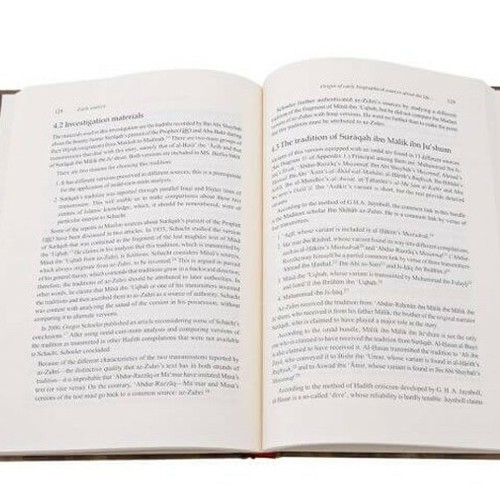
Early Sources For Prophet Muhammad’s Biography (H/B)
Highlights:
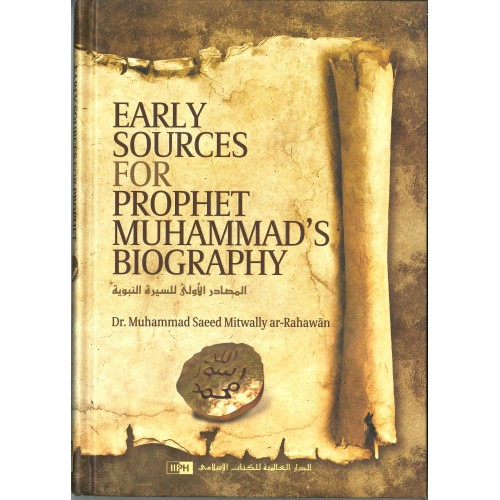
In ‘Early Sources for Prophet Muhammad’s Biography’, Dr. Muhammad Saeed Mitwally aims to prove that applying Western methods of critical analysis to the available Muslim sources can take us back to early, reliable information about the Prophet (sa).
Early Western biographies of the Prophet of Islam (sa) were largely based upon the Qur’an, as well as upon the late Muslim sources dating from the sixteenth century. After the publication of Goldziher’s Muhammedanische Studien in 1890, the reliability of Muslim sources became controversial. This stance was intensified by the publication of Schacht’s The Origins of Muhammadan Jurisprudence, in which he claimed that none of the Hadith literature is authentic. In this book, Dr. Muhammad Saeed Mitwally successfully challenges some of the problems raised by the pessimistic attitude.
Students of Hadith will find this study thought-provoking and informative.
RM54.00

Hajj & Umrah And Visitors (H/B)
Highlights:
Rites and Selected Etiquettes for those intending to Perfom Hajj & Umrah and Visitors In this book the author calls attention to the most important things that those who intend to perform Hajj, Umrah or Visiting the Prophets Mosque in Medinah must have as provisions. The author has made his work brief and arranged its topics according to their priorities. the author mentions a considerable number of sayings of the people of knowledge and calling the attention of the reader to some important matters.
RM45.00
There are no reviews yet.