

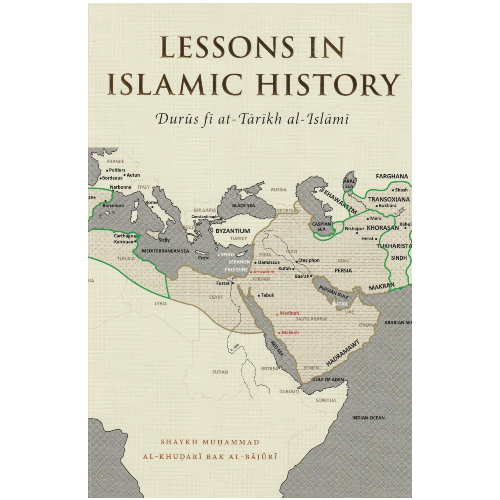
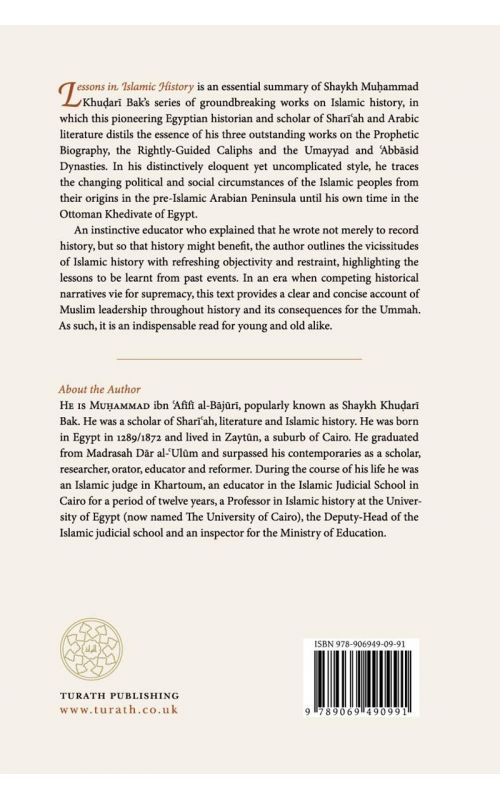
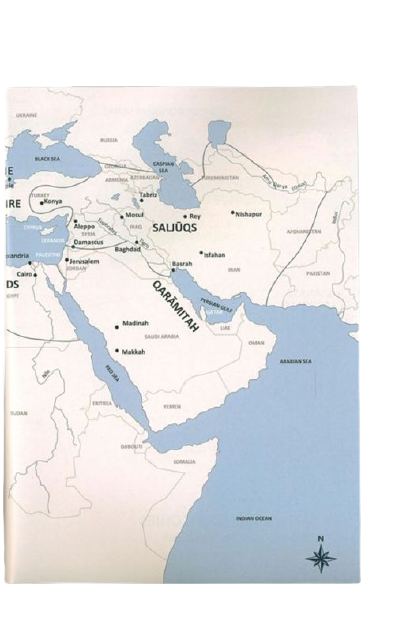
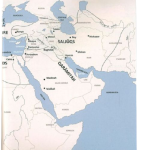
Lessons in Islamic History is an essential summary of Shaykh Muhammad Khudari Bak’s series of groundbreaking works on Islamic history, in which this pioneering Egyptian historian and scholar of Shari’ah and Arabic literature distils the essence of his three outstanding works on the Prophetic Biography, the Rightly-Guided Caliphs and the Umayyad and ‘Abbasid Dynasties. In his distinctively eloquent yet uncomplicated style, he traces the changing political and social circumstances of the Islamic peoples from their origins in the pre-Islamic Arabic Peninsula until his own time in the Ottoman caliphate of Egypt. An instinctive educator who explained that he wrote not merely to record history, but so that history might benefit, the author outlines the vicissitudes of Islamic history with refreshing objectivity and restraint, highlighting the lessons to be learnt from past events. In an era when competing historical narratives vie for supremacy, this text provides a clear and concise account of Muslim leadership throughout history and its consequences for the Ummah. As such, it is an indispensable read for young and old alike.
Lessons In Islamic History (P/B)
RM82.00
| Weight | .420 kg |
|---|---|
| Dimensions | 24 × 16.5 × 2 cm |
| Author | |
| Publisher | Turath Publishing |
| ISBN | 9781906949099 |
| Binding | Paperback |
| Pages | 257 |
Be the first to review “Lessons In Islamic History (P/B)” Cancel reply
You must be logged in to post a review.
Related Products
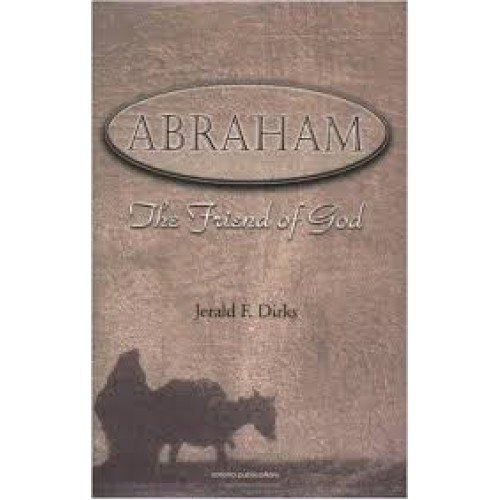
Abraham – The Friend Of God
Abraham, as a prophet and patriarch, is called “the friend of God” in Jewish, Christian, and Islamic scriptures, and has a place of eminence in the shared scriptures and histories of each of these three monotheistic, prophetic, and Middle Eastern religions.
In Abraham: The Friend of God, Dr. Dirks provides Jewish, Christian, and Muslim readers with a unique and original presentation of the life of Abraham. In constructing a chronological biography of Abraham, the author integrated and synthesized information from a wide range of Judaeo-Christian and Islamic traditions, including the Bible, the Pseudeigrapha (I.e. Jubilees and the Genesis Apocryphon), the Qur’an, the authenticated sayings (Sahih Ahadith) of Prophet Muhammad, and the classic books of ancient history authored by Josephus and Al-Tabari. This integrated biographical sketch is embedded in a framework drawn from the various historical and geographical contexts dealing with different aspects of Abraham’s life.

The International Jew and the Protocols of the Elders of Zion (P/B)
Much is known about Henry Ford (1863-1947), one of the greatest industrialists of our times, and his ‘Model T’.
What is not so well known is that Ford devoted years of his life and a substantial part of his fortune to awakening the American people to the enemies of the nation. Ford had become convinced that there was an organized, dangerous, largely secret, and incredibly powerful menace to America, almost completely Jewish at its highest levels, and he was determined to do something about it. Thus, 1920 marked the beginning of the publication of Ford’s research series in The Dearborn Independent, the Ford Motor Company’s weekly magazine. These articles were eventually collected in book form under the title The International Jew. When first published, more than 10 million copies were sold in the United States alone. It was translated into sixteen LANGUAGEs and distributed by the millions in Europe, South America and the Middle East, making it one of the greatest bestsellers of all time.
Yet today this book is almost impossible to find. You will not be able to buy it in your local bookstore, nor check it out at your local library. The truth is that in the so called “democratic, pluralist†America this book has been nakedly suppressed.
The International Jew is relevant to all of us, even if Henry Ford addressed this question to the Americans. Its insights into the roots of today’s political situation is astounding and prophetic. The International Jew and the Zionist movement have assumed gigantic proportions affecting the peace of the world.
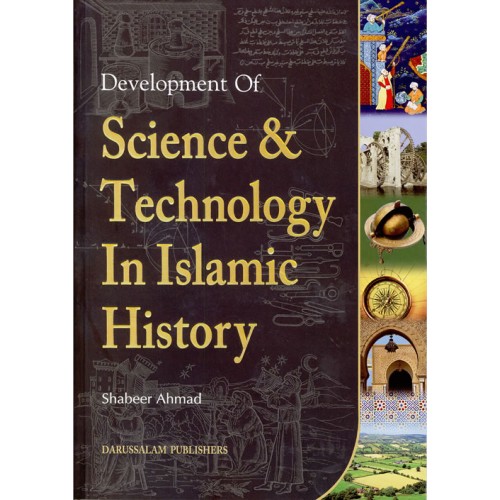
Development of Science & Technology In Islamic History (P/B)
The objectives of this book are:
1- To examine the argument that there is a contradiction between science and Islam.
2- To highlight some of the great contributionsmade by Muslims to science and technology over a period of 1000 years.
Science has never been separate from Islam. Objective study of this subject will reveal that Islamic texts – Qur’an and the Sunnah, provided a tremendous boost for study of the physical world and the laws that govern it. As a result, discoveries and inventions became the hallmarks of the Islamic civilization. Recently there has been a surge in the number of publications dealing with science and its relationship with Islam.
These books have focused on the various verses on the Qur’an that point to the physical world to prove that science is compatible with Islam. However, areas that are not covered enough for the English reader are the historical development of science and technology in the Muslim world, and the factors that led to its rise and decline. The decline has been so severe, that today’s Muslims are not even aware that their ancestors were the founding fathers of modern sciences. Just consider the common Arabic words used in the English language today like cotton, algebra, aorta, alcohol, chemistry, earth and alkaline. They are a living testimony to the pioneering work of the Muslims.
I am proud to introduce this inspiring book to our readers. It focuses on the strides made by the Muslims in various disciplines of science and technology from the early period of the Islamic State to its last days in the 20t’ century CE. The unique aspect of this book is that it sheds light on the key factors that led to the rapid advances in science and technology. Furthermore, it also analyses the reasons why Muslim World declined in this field, and last but not least, how the Muslim World can achieve the same kind of success as we already have in the past. Abdul Malik Mujahid About the Author Shabeer Ahmad, born in 1966, is a respected technologist by profession. He studied Avionics Engineering at University of London and he is currently an IT Consultant, having worked in Asia, Europe, Middle East and North America. The author has written widely on various subjects in Islam, including science, economics, politics and history.
The author is also a well respected speaker. The current book started as a lecture for a radio station in London. Given the massive interest it generated, and the little information available, the author began to research more into historical developments of science in the Muslim world. The author felt that the contributions of Muslims in this area have not been widely acknowledged, and that there is a need to counter the view that Islam is incompatible with science. The current book is a culmination of his research over the years.
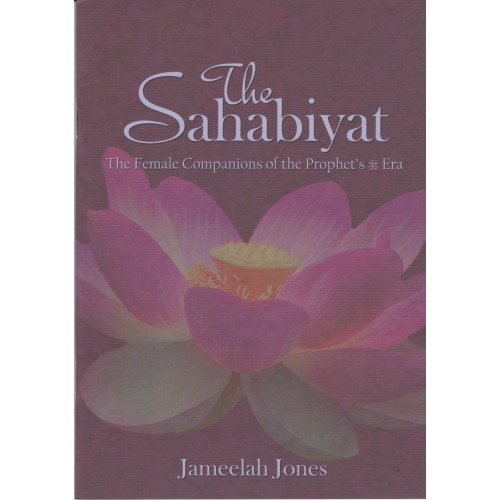
The Sahabiyat (P/B)
The lives of the female companions of the Prophets SAW give us an insight inti depth and breadth of the role of women in Islam. This book contains the stories of just eight of these remarkable ladies which will uplift and inspire young Muslimahs of today.
Recommended for ages 11 and over.
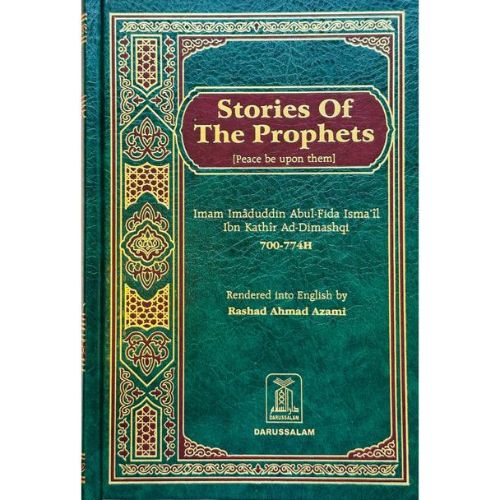
Stories of the Prophets-Darussalam (H/B)
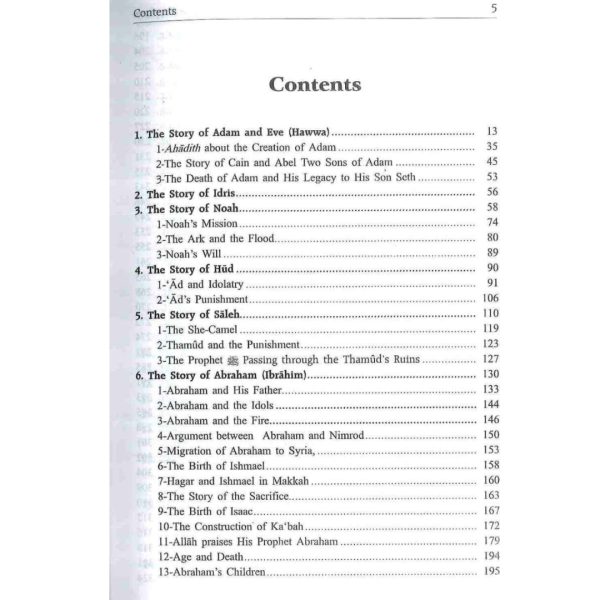
In this book, the stories of the prophets have been compiled from ‘Al-Bidayah wan-Nihayah’ (The Beginning and the End) which is a great work of the famous Muslim exegete and historian Ibn Kathir and has a prominent place in the Islamic literature. The stories of the prophets and all the events in their lives have been supported by the Qur’anic Verses and the Sunnah (traditions) of the Prophet (S). Wherever it was necessary, other sources have also been reported for the sake of historical accounts, but on such places a comparative study has been made to prove the authenticity of the sources. Ibn Kathir has reproduced the views and interpretations of all the great exegetes of the Qur’an of his time. The systemic narratives of the Stories of the Prophets have been written in chronological order which renders a historical style to the book.
Allah the Most Exalted says in the Qur’an:
- “We are relating unto you the most beautiful of stories in that what We have revealed to you from the Qur’an, though before it you were from among those who were not aware of them.” (12:3)
- “We have indeed sent aforetime Messengers before you, of them there are some whose stories We have related to you, and whose stories We have not related to you…” (40:78)
- “We relate to you the important news of their story in truth…” (18:13)
- “And all that We relate to you of these stories of the Messengers, We strengthen with them your heart. Through them there come to you the truth as well as admonition and reminder to all those who believe.” (11:120)
- “There is, indeed, in their stories lessons for people endowed with understanding. It is not any invented tale, but a confirmation of what went before it, and a detailed exposition of all things, and a guide and a mercy to the people who believe.” (12:111)
- “…so relate the stories, perhaps they may reflect.” (7:176
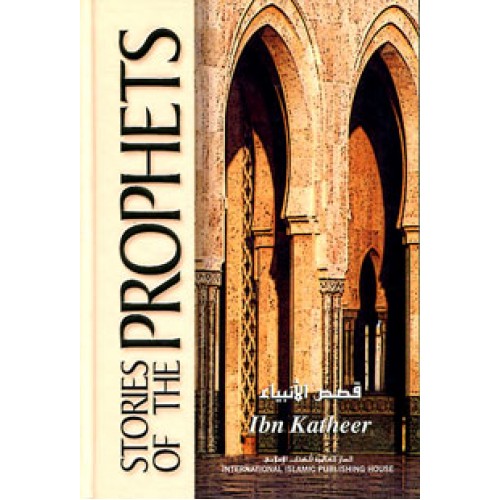
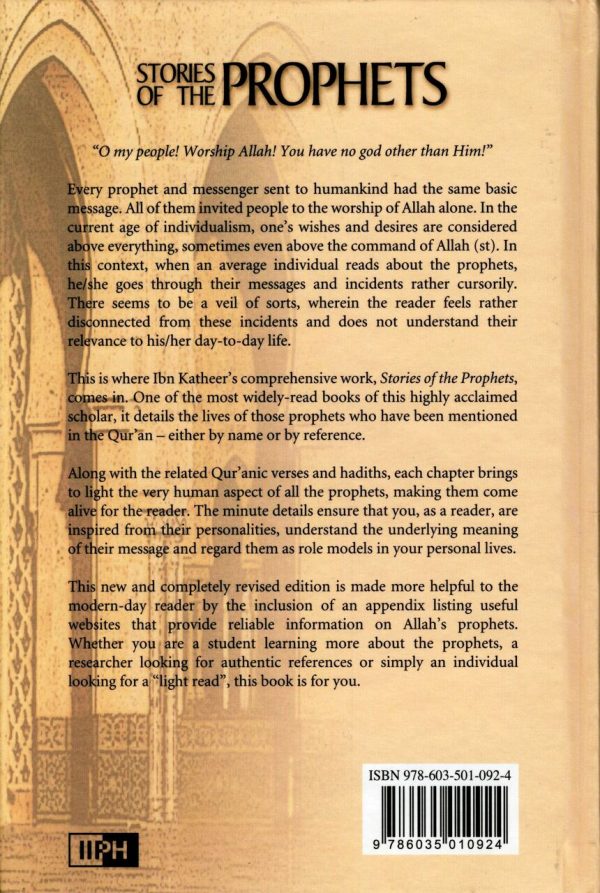
Stories Of The Prophets (IIPH)
In this book, the stories of the prophets have been compiled from ‘Al-Bidayah wan-Nihayah’ (The Beginning and the End) which is a great work of the famous Muslim exegete and historian Ibn Kathir and has a prominent place in the Islamic literature. The stories of the prophets and all the events in their lives have been supported by the Qur’anic Verses and the Sunnah (traditions) of the Prophet (S). Wherever it was necessary, other sources have also been reported for the sake of historical accounts, but on such places a comparative study has been made to prove the authenticity of the sources. Ibn Kathir has reproduced the views and interpretations of all the great exegetes of the Qur’an of his time. The systemic narratives of the Stories of the Prophets have been written in chronological order which renders a historical style to the book.
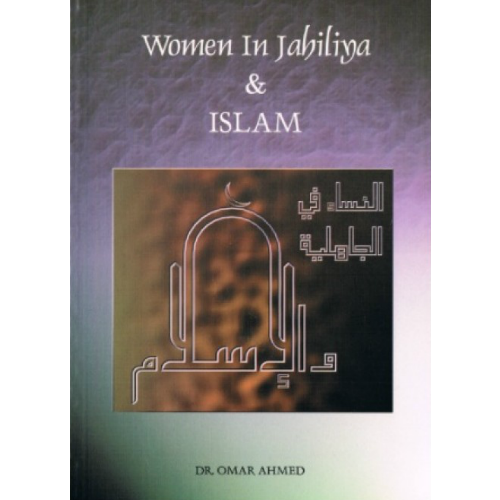
Women In Jahiliya and Islam (P/B)
A short study dealing with the special status the woman holds in Islam as opposed to her mistreatment in Jahiliya.
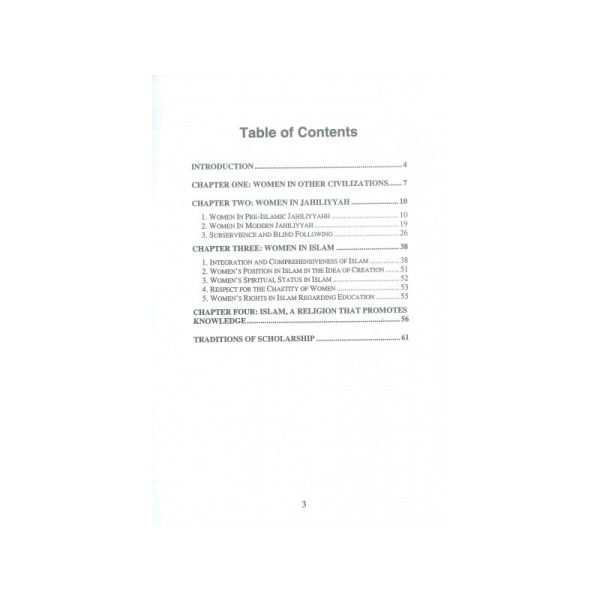
A brief survey of the status of women in previous civilizations and religions,
In the pre-Islamic era (Jahiliya).
It then provides a fair evaluation of what Islam contributed towards the restoration of woman’s dignity and rights which is just as relevant in today’s modern Jahiliya as it was in the past.
1.Women in Other Civilizations.
2. Women in Pre-Islamic Jahiliya.
3.Women in Modern Jahiliya.
4. Subservience & Blind Following.
5.Integration and Comprehensiveness of Islam.
6.Women’s Position in Islam on the Idea of Creation.
7.Women’s Spiritual Status in Islam.
8.Respect for the Chastity of Women.
9.Women’s Rights in Islam Regarding Education.
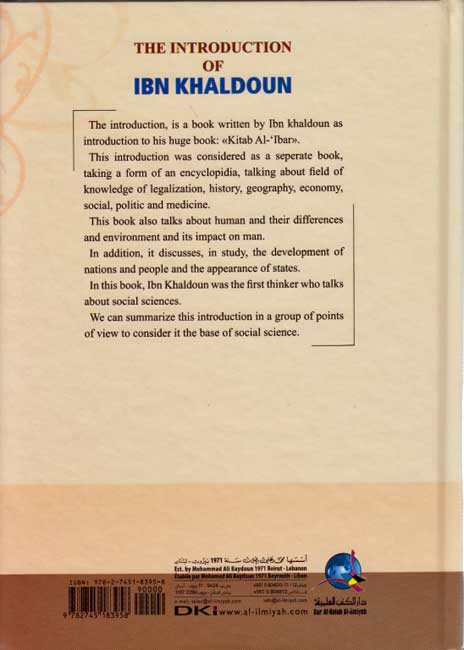
The Introduction of Ibn Khaldoun
This introduction was considered as a separate book, taking a form of an encyclopedia, talking about a field of knowledge of legalization, history, geography, economy, social, politic and medicine.
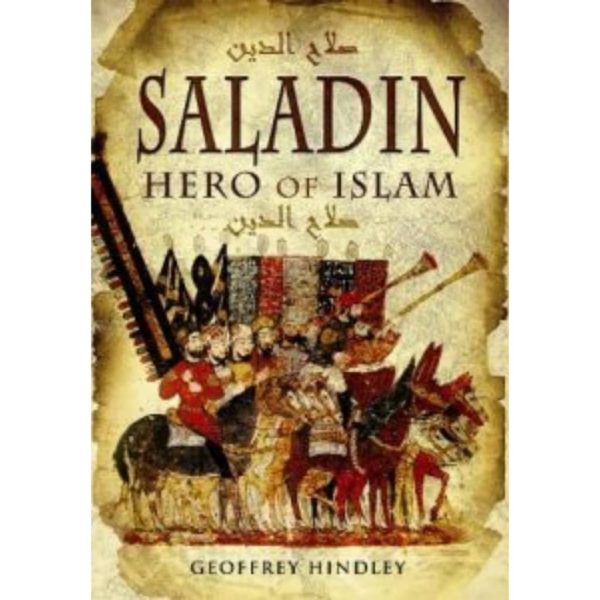
Saladin Hero of Islam (P/B)
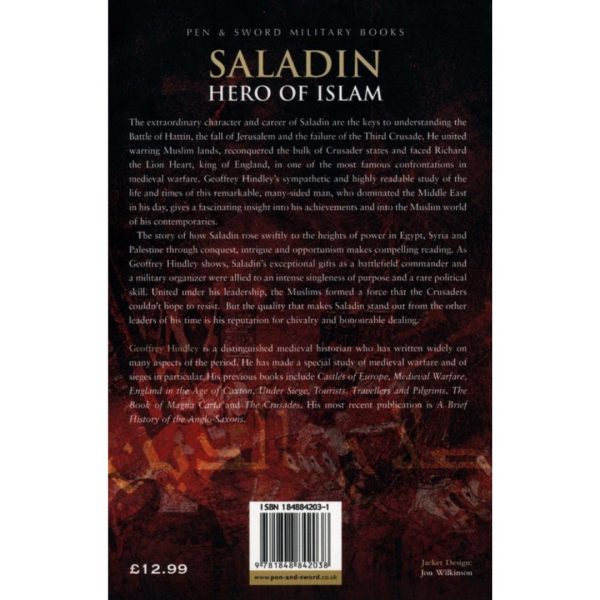
The extraordinary character and career of Saladin are the keys to understanding the Battle of Hattin, the fall of Jerusalem and the failure of the Third Crusade. He united warring Muslim lands, reconquered the bulk of Crusader states and faced Richard the Lion Heart, king of England, in one of the most famous confrontations in medieval. Geoffrey Hindley’s sympathetic and highly readable study of the life and times of this remarkable, many-sided man, who dominated the Middle East in his day, gives a fascinating insight into his achievements and into the Muslim world of his contemporaries.
The story of how Saladin rose swiftly to the heights of power in Egypt, Syria and Palestine through conquest, intrigue and opportunism makes compelling reading. As Geoffrey Hindley shows, Saladin’s exceptional gifts as a battlefields commander and a military organizer were allied to an intense singleness of purpose and a rare political skill. United under his leadership, the Muslims formed a force that the Crusaders couldn’t hope to resist. But the quality that makes Saladin stand out from the other leaders of his time is his reputation for chivalry and honourable dealing.
Greoffrey Hindley is a distinguished medieval historian who has written widely on many aspects of the period. He has made a special study of medieval warfare and of England in the Age of Caxton, Under Siege, Tourists, Travellers nd Pilgrims, The Book of Magna Carta and The Crusades. His most recent publication is A Brief History of the Anglo-Saxons.
Recently Viewed
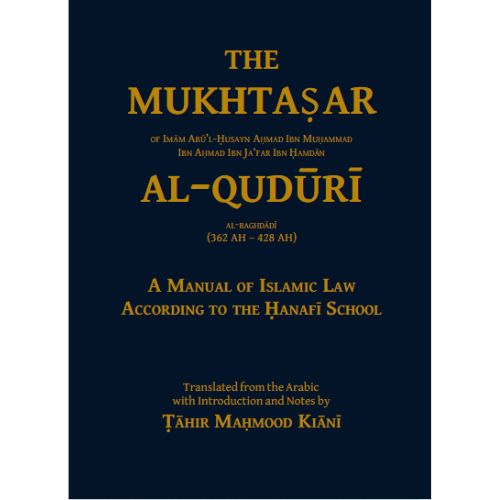
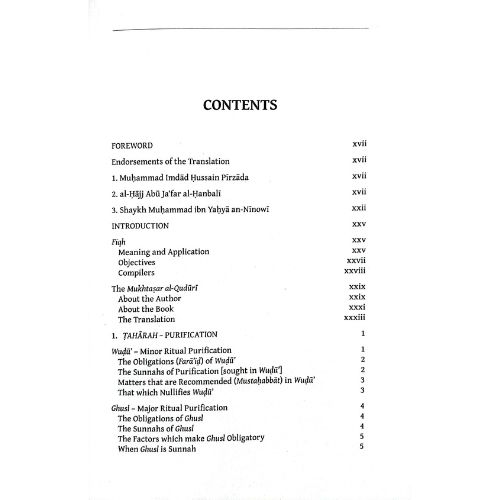
The Mukhtasar Al-Quduri
The Mukhtasar Al-Quduri is one of the most celebrated and influential treatises in any Muslim school of methodology and thought and is the foundation for the Hanafi school.
It is both the first source for scholars and a manual for the general reader.
This is its first ever complete translation in English.
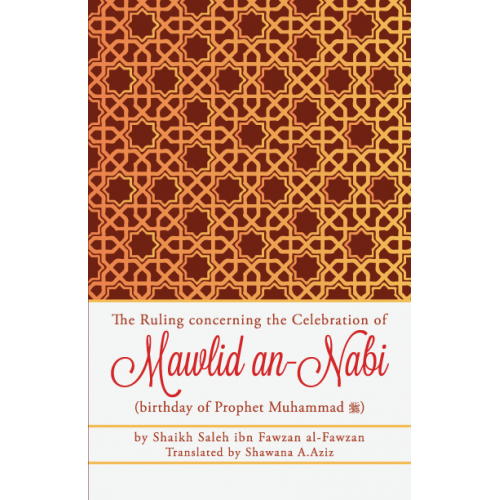
The Ruling Concerning the Celebration of Mawlid an-Nabi (2nd edition)
In this book, is an explicit CLARIFICATION of the MAJOR DOUBTS raised by the proponents of Mawlid an-Nabi, including:
- Mawlid an-Nabi is honoring the Prophet.
- Mawlid an-Nabi is celebrated by a large number of the people in many towns and cities.
- Commemorating Mawlid an-Nabi renews the memories of the Prophet.
- Celebration of Mawlid an-Nabi is cut of love for the Prophet and an expression of ones love, which is permissible.
- Mawlid an-Nabi is a Bidah Husna (good innovation) because it is a means of showing gratitude towards Allah for sending the Prophet.
- The sayings of Umar, ‘What a good Bidah is this?’
Additional quotes by Shaikh Muhammad ibn Ibraheem Aal-Shaikh have been added to further clarify these issues. The booklet also as 2 valuable appendixes:
Appendix 1: Explanation of the Hadeeth,”He, who established/initiates a Sunnah Husna in Islam.” in the word o Shaikh Saleh al-Fawzan and Shaikh Muhammad ibn al-Uthaimeen (rahimahullah)
Appendix 2: A Dialogue between Shaikh al-Albani (rahimahullah) and a proponent of Mawlid.
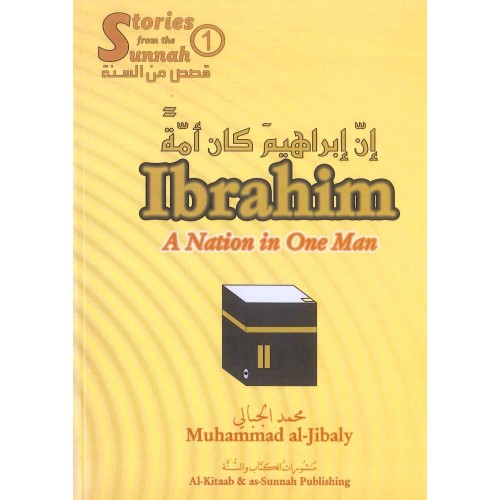
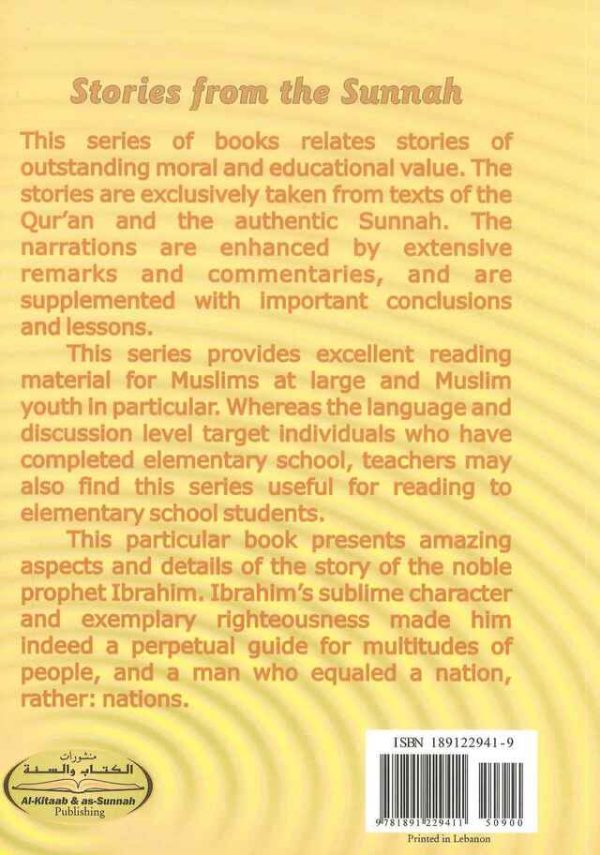
Ibrahim A Nation in One Man (P/B)
Prophet Ibrahim (AS) was known to be the friend of Allah. There was a reason why this was true. His Love for the Lord was unparalleled and so were his trials.However, through his life history one can learn a lot about life as well as the attributes of being a great human being. Includes the Life and times of Prophet Ibrahim (AS), explained in detail by the author. Every story of the prophet is linked to a moralistic and educational value. All stories provided in the book are authentic; they are taken from the Quran and the authentic Sunnah. Each story is supported by further research and commentaries from Muslim Scholars. The language level is easy to understand and it targets the students of Elementary school. Although everyone else is free to read it. The prophets were all Allah’s messengers, and they were the perfect example of what had to be offered in order to maximize the message of Allah. So why not learn from them, and make our world a better place?
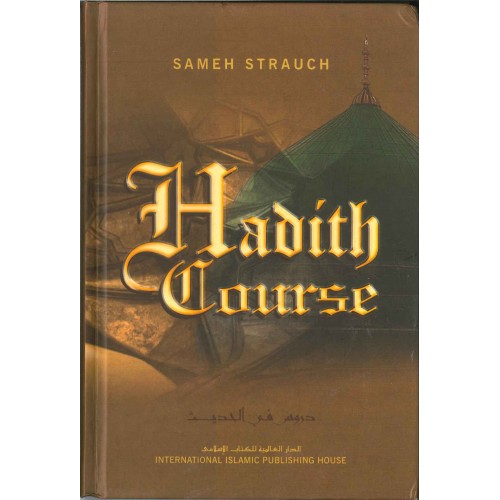
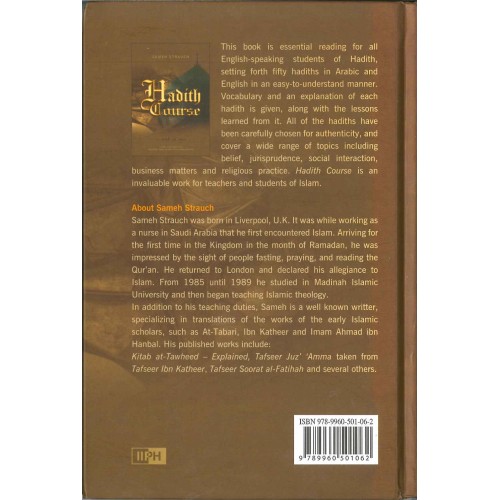
Hadith Course
Hadith Course is essential reading for all English speaking students of Hadith, presenting fifty hadiths in Arabic and English in an easy-to-understand manner. Vocabulary and an explanation of each hadith are given, along with the lessons learned from it. All of the hadiths have been carefully chosen for authenticity and cover a wide range of topics, including belief, jurisprudence, social matters, business and much more. This book is an invaluable handbook for schools and self-learners.


Keys to a Successful Marital Life
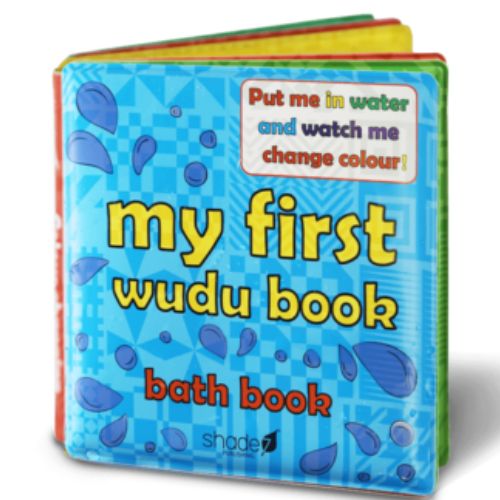

My First Wudu Book: Bath Book
‘My First Wudu Book’ is a colour-changing bath book, which aims to truly captivate and educate young hearts on the order of washing the basic body parts for wudu — the ritual washing performed by Muslims in preparation for their daily prayers.
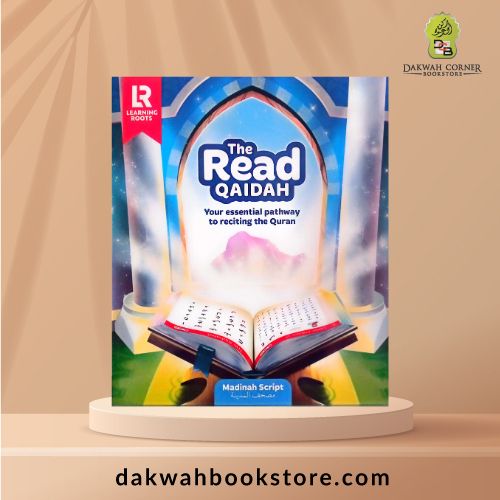
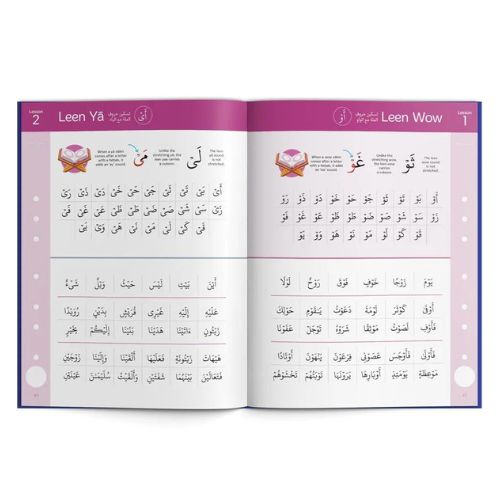
Read Qaidah (Madinah Script)
Easy progress through bitesize lessons
Read takes children step by step through letters, vowels, words and more until they’re ready for the Quran. Each line forms an easy, manageable lesson so children build momentum and progress.
- Motivational stickers
-
NOT Kiitab Compatible
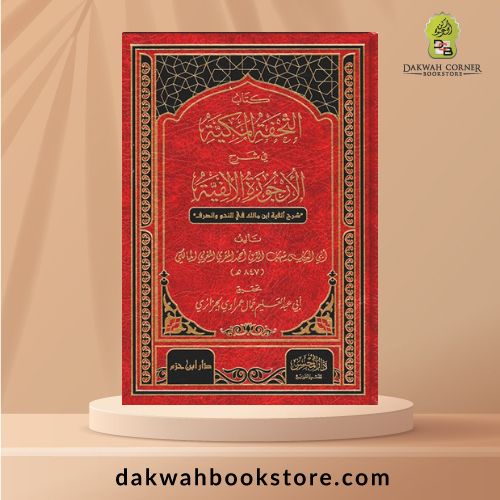
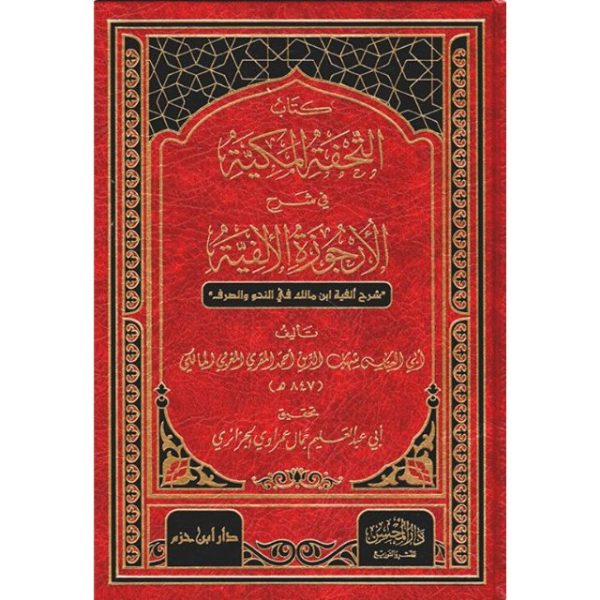
[ALA] Tuhfah al Makkiyyah fi Sharh al Arjuzah al Alfiyyah / كتاب التحفة المكية في شرح الأرجوزة الألفية
تاب الخلاف النحوي في الافعال في كتاب التحفة المكية في شرح الارجوزة الألفية للمقري المغربي ت بعد 847هـ في دائرة اهتمام المتخصصين في نطاق علوم اللغة العربية بشكل خاص والباحثين في المواضيع قريبة الصلة بوجه عام؛ حيث يدخل كتاب الخلاف النحوي في الافعال في كتاب التحفة المكية في شرح الارجوزة الألفية للمقري المغربي ت بعد 847هـ ضمن نطاق تخصص علوم اللغة ووثيق الصلة بالتخصصات الأخرى مثل الشعر، والقواعد اللغوية، والأدب، والبلاغة، والآداب العربية. ومعلومات


My Big Feelings (P/B)
DO NOT GET ANGRY, hmm, that’s not as easy as it seems.
Because when I’m angry I cannot tell the difference between
CHOCOLATE OR SARDINES.
Quirky poems to help young children live a virtuous life based on the character of our PERFECT example.
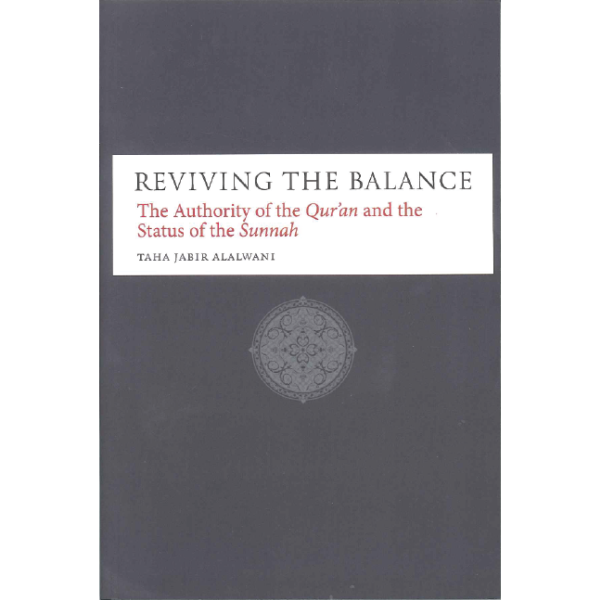
Reviving The Balance
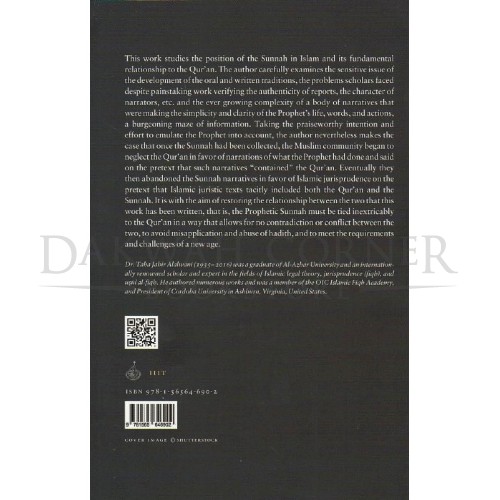
This work studies the position of the Sunnah in Islam and its fundamental relationship to the Qur’an. The author carefully examines the sensitive issue of the development of the oral and written traditions, the problems scholars faced despite painstaking work verifying the authenticity of reports, the character of narrators, etc. and the ever growing complexity of a body of narratives that were making the simplicity and clarity of the Prophet’s life, words, and actions, a burgeoning maze of information. Taking the praiseworthy intention and effort to emulate the Prophet into account, the author nevertheless makes the case that once the Sunnah had been collected, the Muslim community began to neglect the Qur’an in favor of narrations of what the Prophet had done and said on the pretext that such narratives “contained” the Qur’an. Eventually they then abandoned the Sunnah narratives in favor of Islamic jurisprudence on the pretext that Islamic juristic texts tacitly included both the Qur’an and the Sunnah. It is with the aim of restoring the relationship between the two that this work has been written, that is, the Prophetic Sunnah must be tied inextricably to the Qur’an in a way that allows for no contradiction or conflict between the two, to avoid misapplication and abuse of hadith, and to meet the requirements and challenges of a new age.
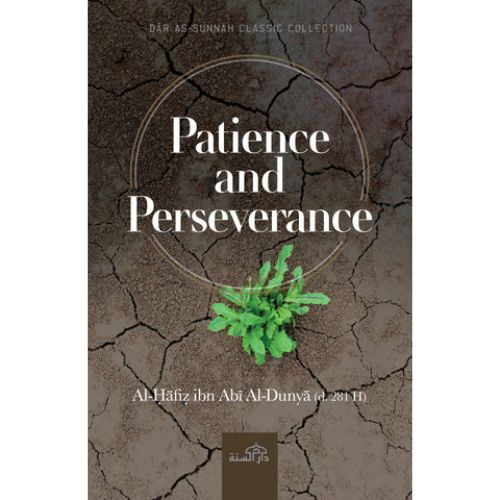
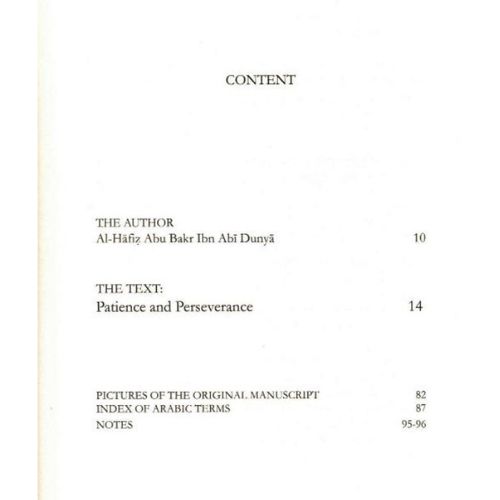
Patience and Perseverance (P/B)
Sulayman ibn Qasim said, “The reward of every deed is known except for patience, for Allah Almighty Said: ‘Indeed, those who endure patiently will be given their reward in full without limit.’ [Al-Zumar, 10]
The attribute of patience is less about the ability to sit tight and wait out any adversity or misfortune, and more about holding good etiquette and Islamic propriety while waiting. This includes persevering throughout the ordeal, not complaining about one’s condition (except to Allah) and recognising that Allah’s wisdom and decree necessitate holding good positive thoughts about Him.
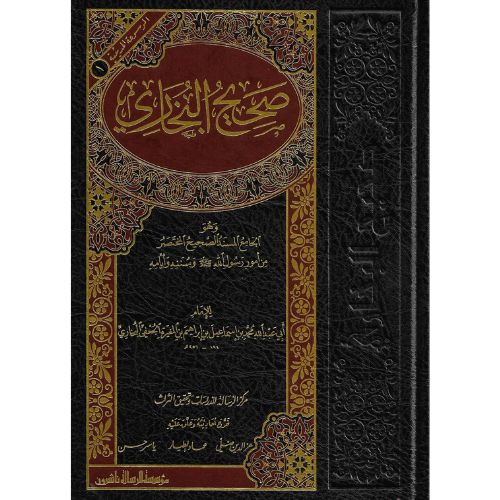
[HH] Sahih Al Bukhari (Ar Risalah Naashirun) / صحيح البخاري
يعد هذا الكتاب من أوّل كتاب مصنّف في الحديث الصحيح المجرّد، وهو أهم و أشهر كتب الحديث الشريف، واستغرق مصنّفه في تحريره ستة عشر عاماً، وقد انتقى أحاديثه من ستمائة ألف حديث جمعها.
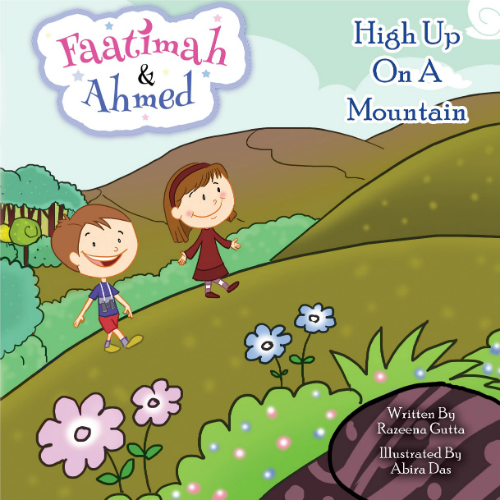
Faatimah & Ahmed High Up On A Mountain
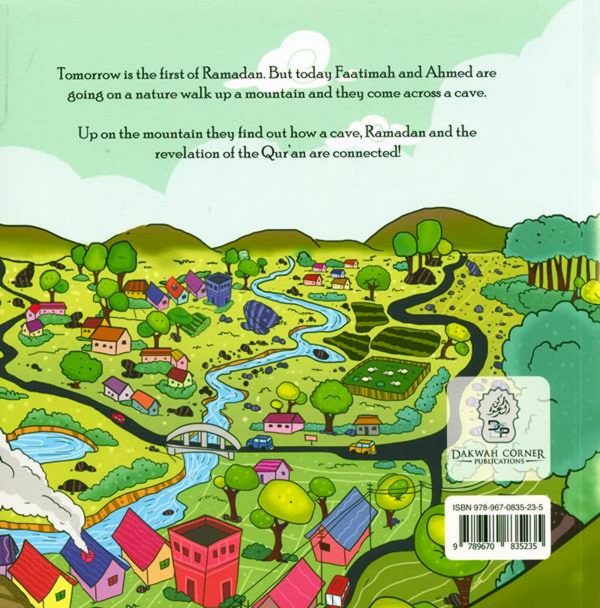
Tomorrow is the first of Ramadhan. But today Faatimah and Ahmed are going on a nature walk up a mountain and they come across a cave. Up on the mountain, they find out how a cave, Ramadhan and the revelation of the Quran are connected!
There are no reviews yet.