

![Tajweed Rules For Quranic Recitation [A Beginner Guide]](https://shop.dakwahbookstore.com/wp-content/uploads/2019/02/website-500x500-2025-01-13T143901.091.jpg)
| Weight | 0.56 kg |
|---|---|
| Dimensions | 26 × 21 × 1 cm |
| Author | |
| Binding | Paperback |
| Pages | 181 |
| ISBN | 9786297545165 |
| Year of publication | 2024 |
| Edition | 2nd Edition |
| Publisher | Dakwah Corner Bookstore |
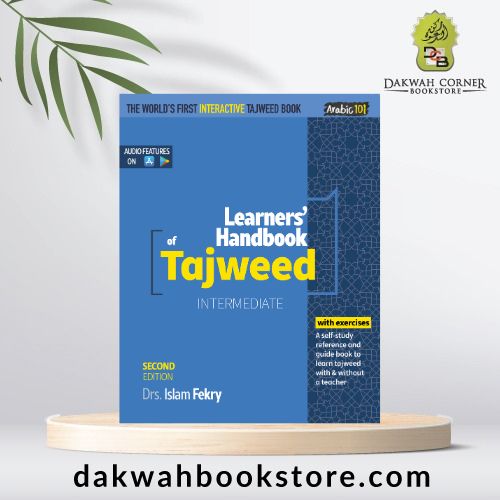
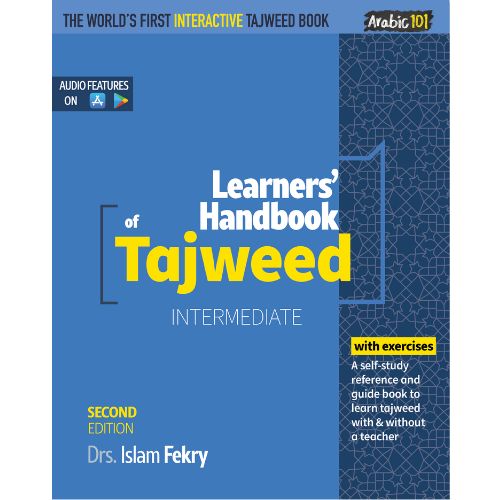
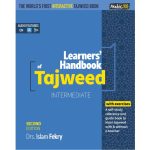
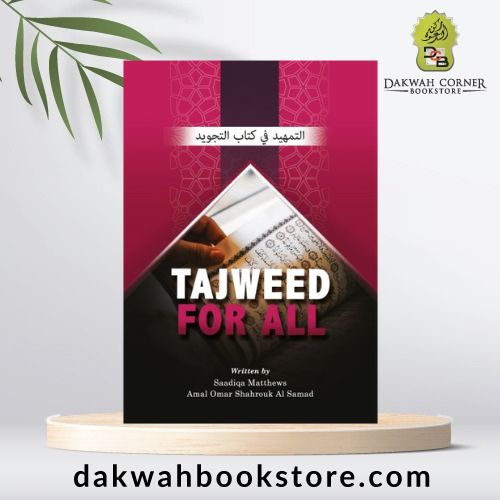
Learners Handbook Tajweed (Intermediate) – Second Edition (Arabic 101 Series)
RM55.00
In Stock

Highlights:
somdn_product_page
Compare
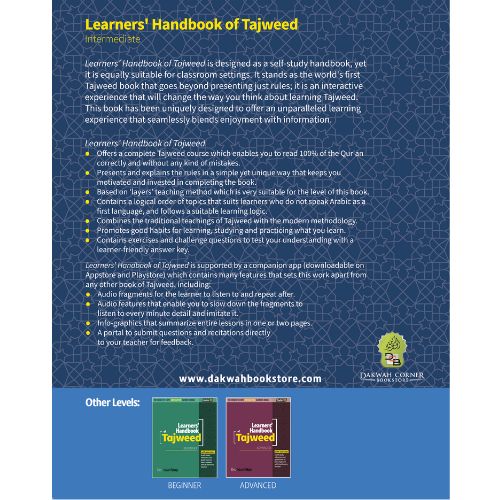
Learners’ Handbook of Tajweed
Intermediate
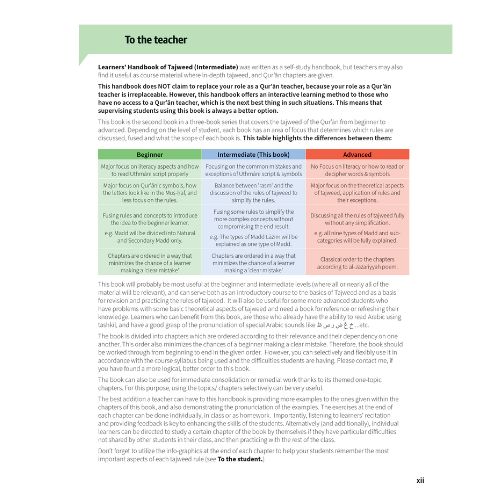
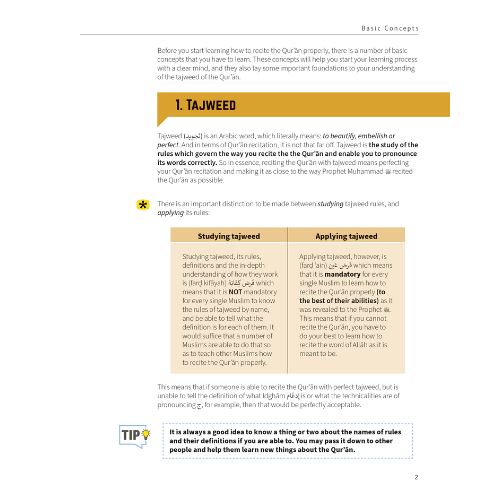
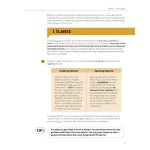
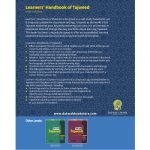
Learners’ Handbook of Tajweed is designed as a self-study handbook, yet it is equally suitable for classroom settings. It stands as the world’s first Tajweed book that goes beyond presenting just rules; it is an interactive experience that will change the way you think about learning Tajweed. This book has been uniquely designed to offer an unparalleled learning experience that seamlessly blends enjoyment with information.
SKU: QQ512
Categories: Dakwah Corner, Holy Quran and Quranic Sciences, Tajweed / Muqaddam
Brand: Dakwah Corner Bookstore (M) Sdn Bhd™ (DCB)
Frequently Bought Together
1 Item
RM55.00
2 Add-Ons
RM68.00
Total
RM123.00
Additional information
Reviews (0)
Be the first to review “Learners Handbook Tajweed (Intermediate) – Second Edition (Arabic 101 Series)” Cancel reply
You must be logged in to post a review.
You may also like…
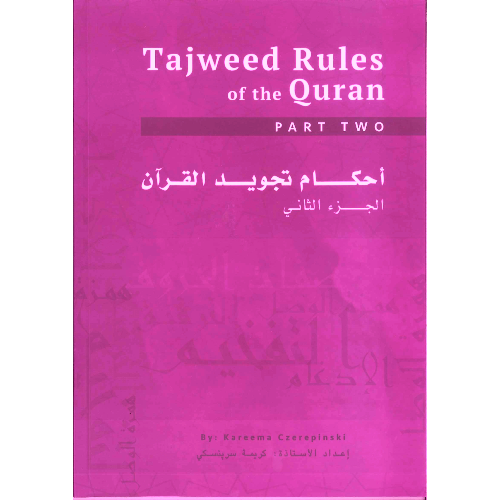
Tajweed Rules of the Quran (Part Two)
Highlights:
By Allah’s grace, this is the second part of a three part book on the rules of tajweed of the Qur’an, for the recitation of Hafs from ‘Aasim by the way of Ash-Shaatibiyyah. It is is intended to be a guide for nom-Arabs with a good grasp in English in studying tajweed.
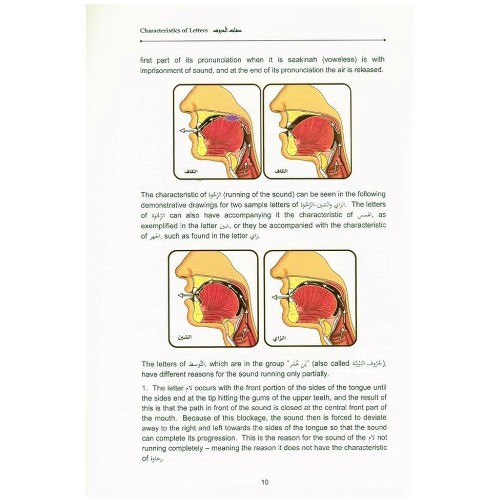
This book explains the concept of the accent (an-nabr) in the recitation of the Glourious Qur’an and the conditions of its use, it is also defines and explains the important chapter on the characteristics of the letter, velarization and attenuation (tafkheem and tarqeeq) are covered in this part, as well as the concept of the two alike, the two similar, the two close, and the two far and the rules for merging (idghaam) and clarity (ith-haar) in these different relationships. A brief introductory to grammar term is made in this book to assist the student in understanding the last chapter, that of the connecting hamzah (hamzah al-wasl).
The explanation of the different subject are in English, and the Arabic terms are translated. This is to assist the student in understanding and encourage them to learn the Arabic definitions and terms. This book should facilitate non-Arabs studying tajweed in a classroom with explanations taught in Arabic or in English.
This book cannot replace the importance of reciting to and being corrected by a trained teacher of tajweed, instead it is a guide and an aid in understanding the concepts of tajweed, the application can only be refined by recitation and correction.
RM26.00
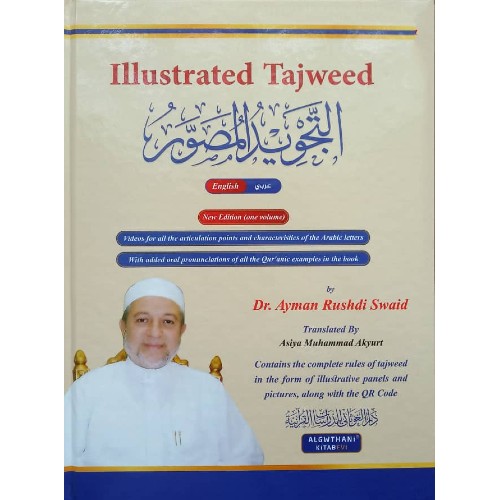
Tajweed Rules of the Quran (Part One)
Highlights:
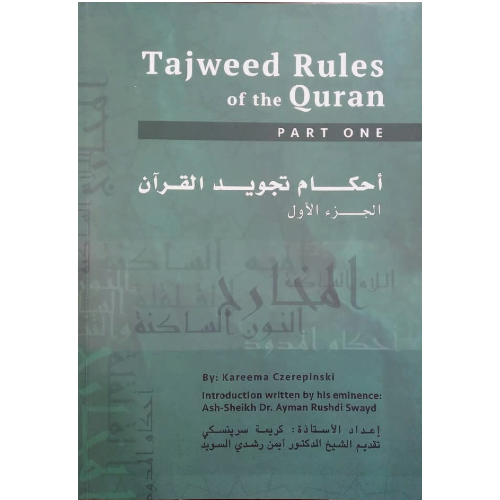
This is a guide for studying tajweed. The student who uses this book is expected to have a basic grasp of Arabic before starting this course. The student should know all the Arabic letters and vowels and be able to read at an elementary level.
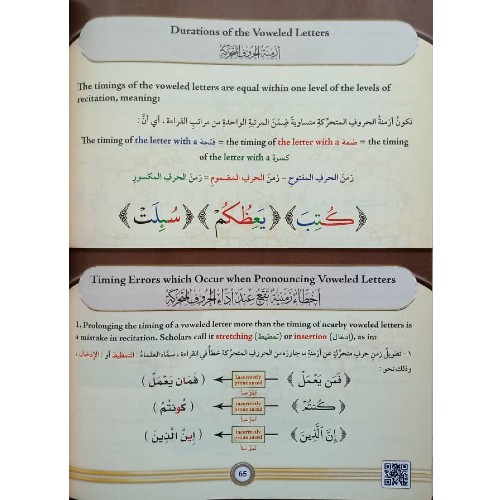
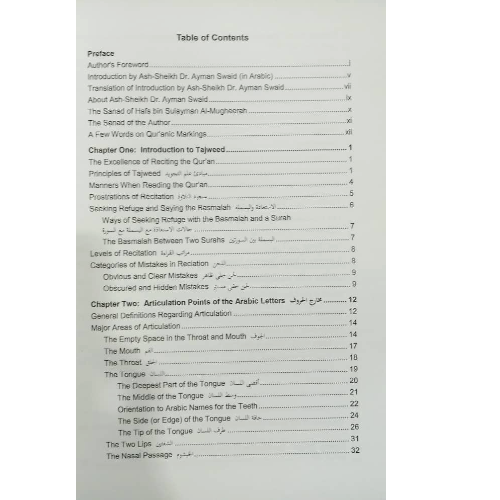
This book is either for an English-speaking student studying the Qur’an in an Arabic environment, but needing explanation of the Arabic terms in English, or a student studying the explanations of tajweed in English, but learning the basic concepts in Arabic so they may integrate into the Arabic terms and definitions throughout the book, since the science of tajweed is an Arabic science. This book explains the articulation points of the Arabic letters, the rules of noon saakinah, meem saakinah, and lam saakinah. It explains all of the different lengths (mudood), and how voweled, and non-voweled letters are formed. The qalaqah mechanism is explained in the last chapter. Terms are introduced in Arabic, and the translated into English. Explanations are done in English, but with integration of Arabic terms, as they are learned.
A student of the Qur’an cannot expert to learn tajweed simply by studying this book. The learning of proper Qur’anic recitation can only be done by listening to a qualified Qur’an teacher recite, then reciting to them and receiving corrections from the teacher.
RM30.00
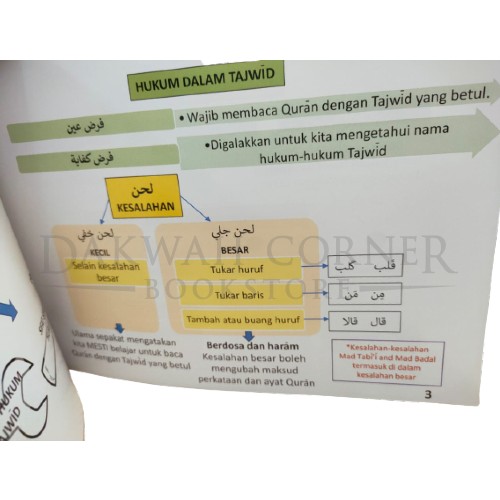
BrainJeem Tajweed – Gabungan Hukum Tajwid dan Senaman Minda
Highlights:
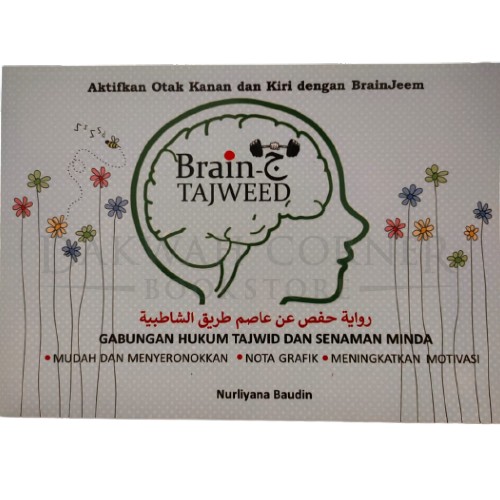
BrainJeem Tajwid merupakan pembelajaran kreatif dalam mengenalpasti hukum-hukum Tajwid dengan mudah dan menyeronokkan. Gabungan bunyi dan brain-gym akan mengaktifkan otak kiri dan kanan anda dan membantu anda kekal fokus dan bertenaga. Inovasi BrainJeem Tajweed berfungsi sebagai pembakar semangat supaya kita cintakan ilmu Tajwid dan seronok mendalami Quran.
RM30.00
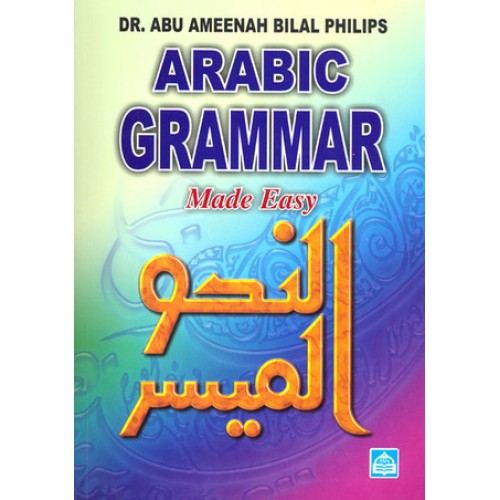
Arabic Grammar Made Easy (P/B)
Highlights:
An approach to teaching the Arabic language by introducing vocabulary and grammar in small doses, based on the most commonly used words in Arabic literature and the most frequently used grammatical constructions. Book One focuses on the rules of nominal sentences.
RM33.00


Tajweed Rules of the Quran (Part Three)
Highlights:
This is the third and final part of a three part series in English on the rules of tajweed the Qur’an for the recitation of Hafs from ‘Aasim by the way of Ash-Shaatibiyyah. These books are meant as a guide for non-Arabs with a good grasp of English for studying tajweed of the Glorious Qur’an. This final book explains the stop and start when reading the Glorious Qur’an, and gives details as to what kind of stop is allowed, what kind is preferred, and what kind of stop is forbidden. Stopping on the ends of words with strong endings (consonants) and rules for what is allowed on the last letter of the word is described, including ar-room (الروم) and al-ishmaam (الإشمام). Stopping on the ends of words with weak endings (words ending in the alif, ya’ or wow) and different rules and explanations for these type of words is clarified. One important aspect of Qur’an recitation is knowing and understanding which word combinations are written together and which separately in different parts of the Qur’an as well as in which places of the Qur’an are some words are written the female haa (هاء), and in which places they are written with the taa (تاء). This part lays out the different places in the Qur’an these occurrences take place, so the reader knows how he/she can stop on these words. The words that are read in a special way, or have two allowed ways for the reading of Hafs from ‘Aasim by the way of Ash-Shaatibiyyah are detailed in this book. The history of the writing of the Glorious Qur’an (رسم) and the general rules for the writing of the Qur’an are laid out in the last chapter of this part. This last part of the three parts on tajweed is for students who have studied and mastered the other two parts, or have studied everything covered in the first two parts. The explanations of the different subjects are in English, and the Arabic terms are translated. The goal is always to assist the students in understanding and to encourage them to learn the Arabic terms and definitions. The three parts of this series on tajweed rules of the Glorious Qur’an should facilitate non-Arabic speaking students of the Qur’an whether they are in a classroom with an Arabic medium for teaching or English. With this third part completed, insha’ Allah the non-Arab English speaking student of the Qur’an will find a complete curriculum and explanation of the tajweed rules for the recitation of Hafs ‘an ‘Aasim from the way of Ash-Shatibiyyah in any classroom or study situation that he/she may find themselves in. These three parts are only guidance; the real goal is reciting and applying all the different rules correction which can only be done by reciting to and being corrected by a qualified teacher of the Qur’an.
RM30.00
Related Products
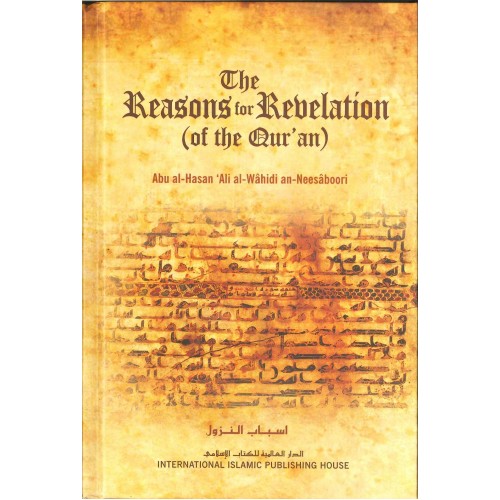
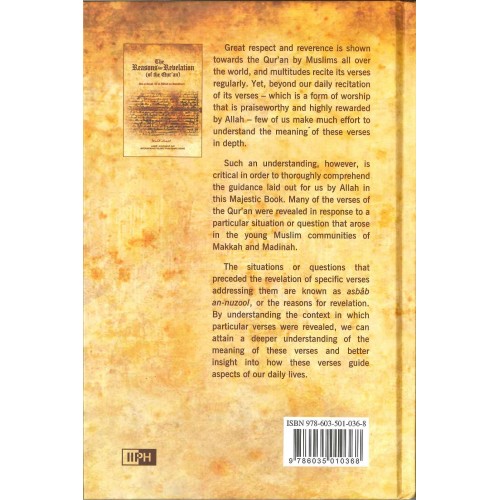
The Reasons for the Revelation (IIPH)
Highlights:
Have you ever wondered in what circumstances a particular verse or Soorah was revealed? In this translation of the great work ‘Asbaab an-Nuzool’ by the great Muslim scholar Ali ibn Ahmad an-Neesaboori, you may well find the answer. This first volume covers the first four sections of the Qur’an, from Sorrah al-Fatihah to verse 22 of Soorah an-Nisa. The publication of this book reflects our continuing effort to bring to the English speaking Muslims works previously only available to Arab speakers.
RM31.00
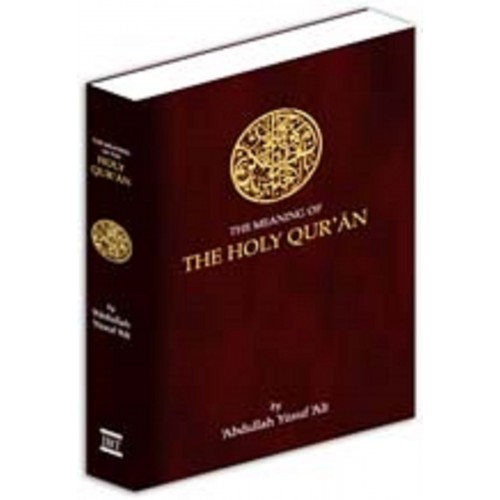
The Meaning of The Holy Qur’an -Pocket Size (P/B) (IBT)
Highlights:
This very handy pocket-sized edition contains the complete meaning of the Holy Qur’an, without the Arabic text and the commentaries. Weighing just under 170 grammes, sized 9.5 cm X 13 cm and with a thickness of 1.5cm, it is intended as a handy travel companion as well as a gift to friends and colleagues.
RM23.00
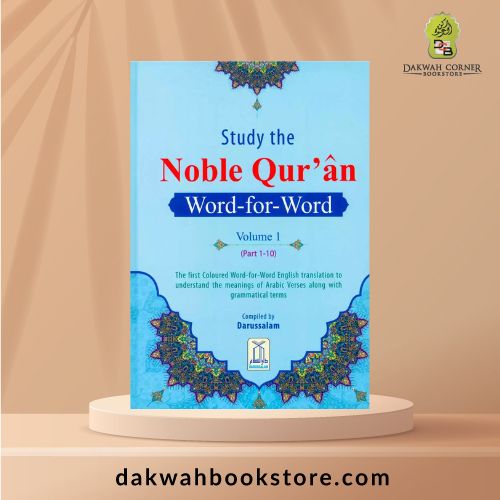
Study The Noble Qur’an Word for Word (3 volumes) – Colour
Highlights:
Available NOW only for online shopping.
Complete Qur’an in 3 volumes Colour Version (10 Parts per book). Individual volumes are available from the related items section. The first coloured Word-for-Word English translation to understand the meanings of the Arabic verses along with grammatical terms. Read more below…
RM350.00
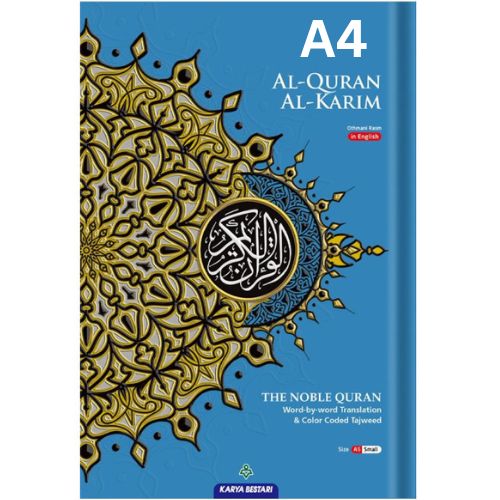
The Noble Quran Word-By-Word Translation & Color Coded Tajweed A4 (Arabic-English) – RANDOM COLOR
5 ★
5 ★
1 Rating
5 ★
1
4 ★
0
3 ★
0
2 ★
0
1 ★
0
Highlights:
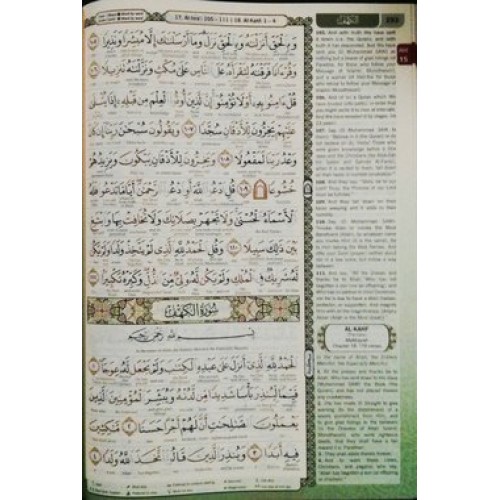
The Noble Quran (Al-Quran Al-Kareem Maqdis) is a translation learning method of word-by-word Al-Quran with every word and sentence is colored differently, in Arabic and English.
Every word in the Quran was translated literally so that the reader could understand the meaning of every single word. It needs to be remembered that not all literal translation represents the exact meaning of the word since the Quran uses varied Arabic language style and sometimes metaphor.
Accordingly, to understand the full or intended meaning of the word or the verse, Muhsin Khan’s the Holy Quran Translation had been included in this edition. However, to comprehend more of the meaning of the Quran, reading the commentary of the Quran from trusted scholars would be necessary.
Approved by the Department of Islamic Development of Malaysia (JAKIM) and Malaysian Ministry of Home Affairs (KDN).
Features:
● Rasm Uthmani script in English
● Word-by-word translation Arabic-English
● Color coded tajweed
● Asbab al-Nuzul
● Authentic Hadiths
● Riyad-us-Saliheen
● Al-Quran Language Dictionary (Mu’jam)
Size A4 Large
SPECIFIC COLOR PLEASE DM US.
RM85.00

Towards Understanding The Quran : English/Arabic Edition (with commentary in English) (H/B)
Highlights:
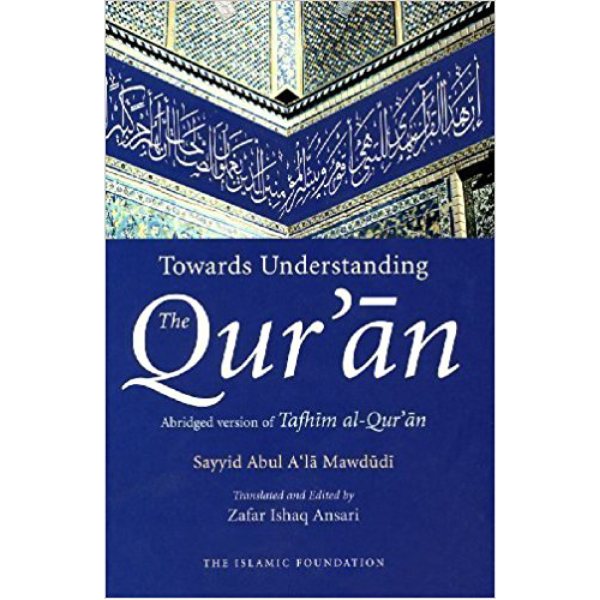
Towards Understanding The Qur’an Abridged version is a fresh English rendering of Tafhim al-Qur’an, Sayyid Mawdudi’s monumental and masterly Urdu translation of the Qur’an and a selection of his commentary. Here is a work with a difference, by a scholar of an entirely different sort. An immense wealth of profound understanding of the Qur’an is here, a vast treasure of knowledge and deep insight, and a valuable exposition of some social, political, economic and legal teachings of the Qur’an. But what makes this work unique is that it presents the Qur’an as a book to be lived by, a mission to be lived for, and a duty that the reader can no longer evade or postpone. This rare quality is imparted not only by the depth of his scholarship and style of exposition but also because Sayyid Mawdudi lived by what he expounded as his life abundantly proves. Despite being an abridged version it endeavors to answer many contemporary questions and makes the Qur’an fully relevant to the concerns of our day, yet it loses nothing of its timelessness nor sacrifices any of the traditional understanding. It demonstrates the unity and coherence of the Qur’an by centering everything in it on its message, like pearls hung upon a single thread. A Glossary, Biographical Notes, and General and Subject Indexes add to the understanding of the Qur’an. To sum up: in this work, Sayyid Mawdudi is offering us what we need most to understand and live by the Qur’an.
RM120.00
Tafseer Soorah Al-Hujurat (H/B)
Highlights:
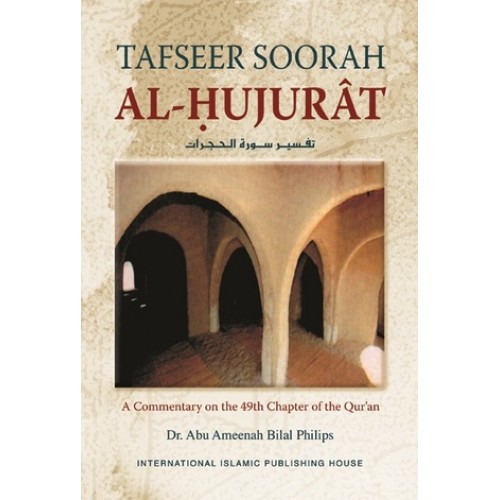
Tafseer Soorah al-Hujurât: A Commentary on the 49th Chapter of the Qur’an is a treasury of divine advice, commandments, and prohibitions regarding common problems in social relations, including gossip, spying, arguing, and bigotry. To make the best use of this chapter, the believer needs a detailed explanation of the meanings of the verses.
Dr. Bilal Philips has based his tafseer (exegesis) on the methodology used in the classical works of tafseer. He has relied first of all on the explanations found within the Qur’an itself, then on explanations found in the Sunnah and related incidents which occurred at the time of the revelation of the verses in question. Beyond these primary sources, Dr. Philips has relied on the interpretations made by the Prophet’s Companions (may Allah be pleased with them) who were noted for their ability to interpret and comment on the Qur’an. ‘Abdullâh ibn ‘Abbâs, for example, was called ‘The interpreter of the Qur’an’ by Prophet Muhammad (blessings and peace of Allah be upon him). Finally, the author has made use of the grammatical explanations given in the classical tafseer works. Wherever possible, Dr. Philips has tried to apply the derived meanings of the verses to the problems of contemporary society.
RM40.50 RM60.00
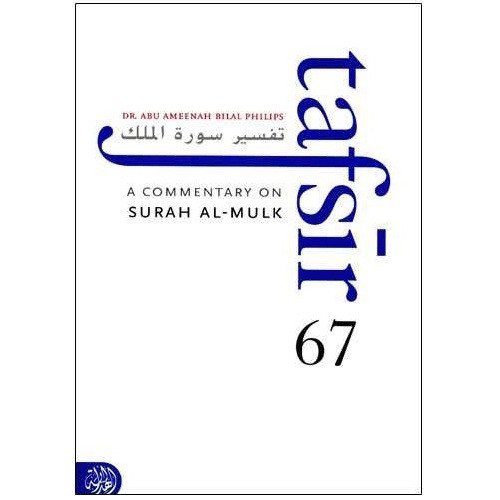
Tafsir 67 : A Commentary on Surah al Mulk (P/B)
Highlights:
The beauty of the Qur’an is such that its miracles cannot truly be understood until one contemplates every verse of every surah; this alone makes tafsir one of the most amazing sciences of Islam. Surah Al-Mulk is a chapter of the Quran which would be recited every night by the Prophet (peace be upon him), in its midst are deep meanings which highlight the purpose of our creation, as well as entailing the message of Islam. In this book, the author takes the reader on a wonderful journey through the gardens of the first surah in the 29th Juzz of the Qur’an.
About the Author: Dr. Philips was born in 1947 in Jamaica, but grew up in Canada, where he converted to Islam in 1972. He completed a diploma in Arabic language and a B.A. degree in 1979 from the College of Islamic Disciplines at the Islamic University of Madinah, an Islamic university in Saudi Arabia. At the University of Riyadh College of Education he completed his M.A. in Islamic Theology in 1985, and in 1994 he completed his Ph.D in Islamic Theology in the department of Islamic studies at the University of Wales. He later taught Islamic education and Arabic language in private schools in Riyadh for over ten years. Because of his opposition to Saudi Arabia’s position in the Gulf War, he had to leave the country and for three years he lectured M.Ed. students in the Islamic Studies department of Shariff Kabunsuan College (SKC) in Cotabato City, Mindanao, the Philippines. Islamic Information Center Since 1994, he has founded and directed the Islamic Information Center (which is now known as Discover Islam) in Dubai, United Arab Emirates, and is known as a prolific speaker and author on topics relating to Islam, including audio lectures and books. Presently, he is a lecturer of Arabic language and Islamic Studies at the American University in Dubai and ‘Ajman University in Ajman, United Arab Emirates. He frequently appears at the Islamic Research Foundation in Mumbai, India, on lecture tours. He has also founded the Distance Learning Program called Islamic Online University, which offers a four year degree in Islamic Studies plus a variety of short courses. Dr. Philips is something of a pioneer as a person of Western origin achieving the status of a scholar of Islam inside the tradition.
RM63.00



Starting from Scratch – Tajweed Made Easy
Highlights:
Holy Quran and Quranic Sciences
RM10.00
The Soul of the Quran (P/B)
Highlights:
This book is a unique collection of prayers and verses distilled from the Sacred Book. It contains one hundred and fifty four passages of exquisite beauty, majestic prose and breadth of vision. Lucid in style and rich in spiritual wisdom, they have been judiciously selected to inspire and uplift the soul.
RM14.00

Quranic Wisdom
Highlights:
According to the Quran, a person’s life has been divided into two phases: the pre-death period and the post-death period.
The present life is only temporary and is meant as a test. Depending upon our performance in this test, we shall be judged in the eternal life after death. The Quran aims to make one aware of this reality and help one lead one’s life in this world in such a way that one is rewarded with Paradise in the life Hereafter
RM20.00
Recently Viewed
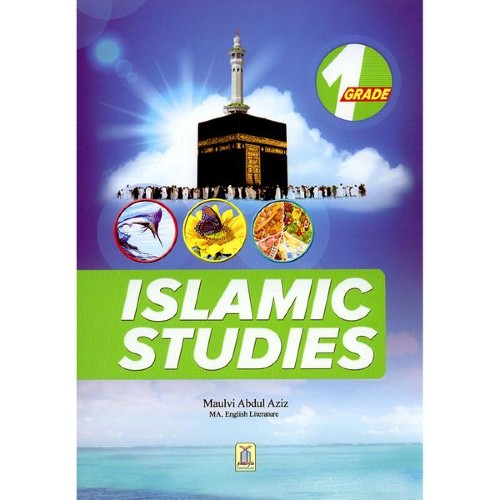
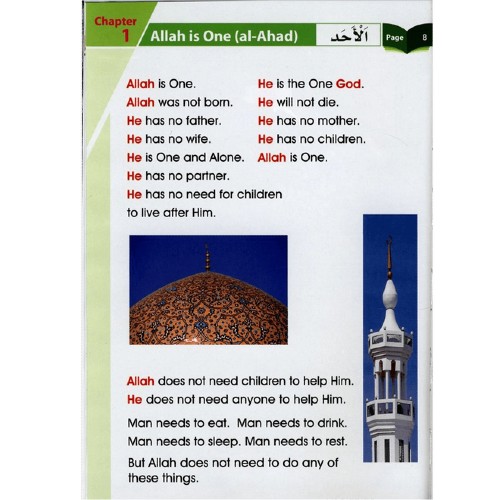
Islamic Studies Grade 1 – Darussalam
Highlights:
Grade 1 covers a variety of topics, including Allah as the One, the Creator, and the Giver of Life; pillars of Islam; Iman; performance of wudo; prayer; several sections about the Prophet Mohammad (s); and more. This book also contains fun activities and review sections.
RM100.00
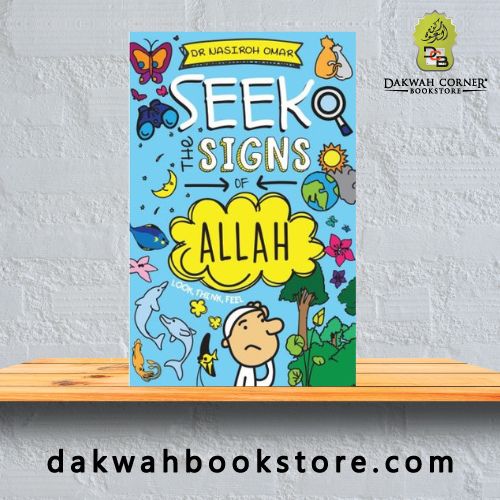
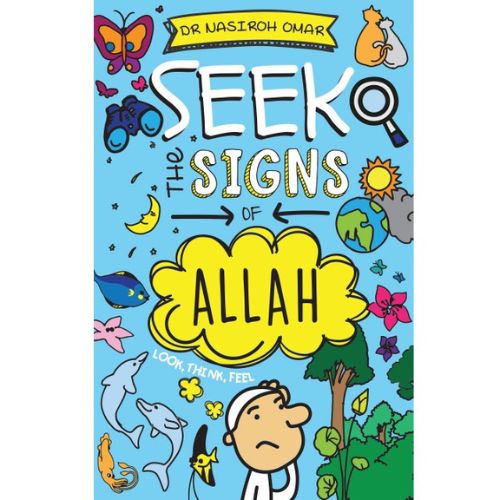
Seek the Signs of Allah (New Cover)
Highlights:
How do we know that Allah SWT exists? The first and foremost requirement for a person to become a Muslim is to believe whole-heartedly that Allah SWT exists. Allah SWT, the one and only God.
Nevertheless, He cannot be seen by a human-or any living creature, for that matter. In simpler words, Allah SWT is invisible. He was, is, and will be invisible for the rest the world;s existence until the day when the universe comes to and end.
RM25.00
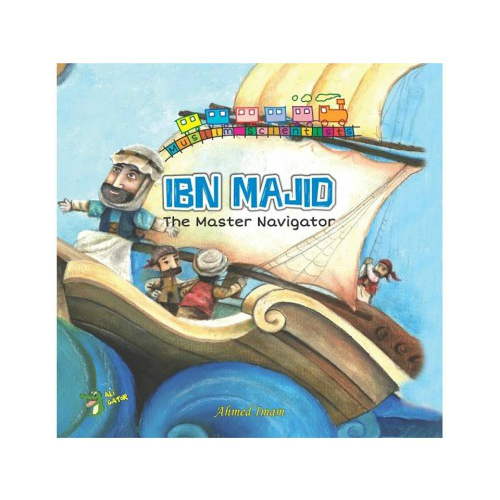
Ibn Majid – The Master Navigator (The Muslim Scientists Series)
Highlights:
The Muslim Scientists series introduces children to great scientist, scholars & adventurers from the Golden Age of Islam.
When Ibn Majid created the compass, he was wanted by all the great explorers of that time, he became known as “The Master Navigator”
Full Colour
24 pages
EVERY HOME & SCHOOL LIBRARY MUST HAVE THIS SERIES AS PART OF THEIR ISLAMIC COLLECTION
RM22.00
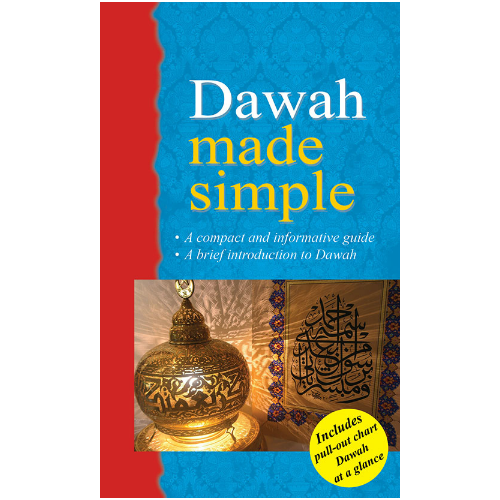
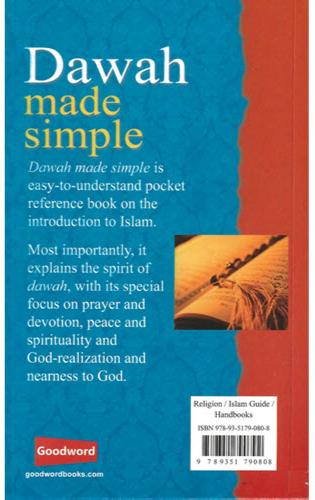
Dawah Made Simple (Pocket Size)
Highlights:
Dawah made simple is easy-to-understand pocket reference book on the introduction to Dawah.
Most importantly, it explains the spirit of dawah, how to do dawah work, its responsibilities and reward; with its special focus on doing dawah work in India.
RM11.00
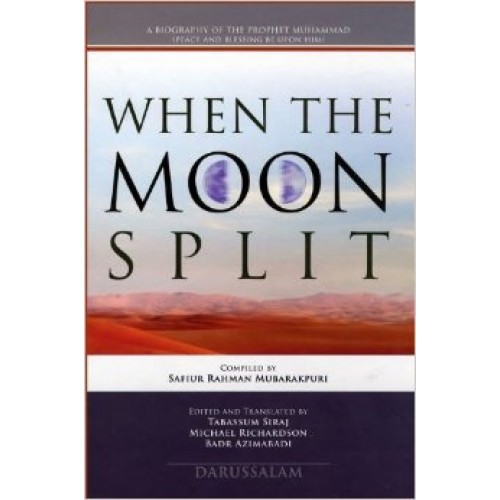
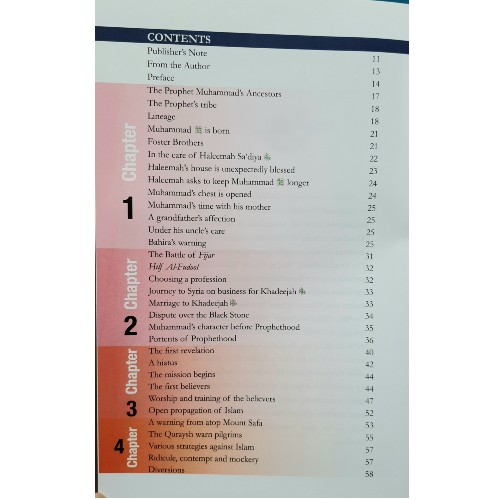
When The Moon Split – New Edition (HB Full Color)
Highlights:
New Revised Edition with full color pictures and Lessons & Morals at end of each section. The biography of the Prophet is a very noble and exalted subject by which Muslims learn about the rise of Islam, and how the Prophet Muhammad (S) was chosen by Allah to receive the divine revelation. You also learn about the hardships the Prophet and his Companions faced, and how they eventually succeeded with Allah’s help. So, it is necessary to study the Prophet’s life and follow it in all manners. We hope this study will help you to get the better understanding of the religion. In this sense, this is one of the best books which are meant to be read and read again.
RM85.00
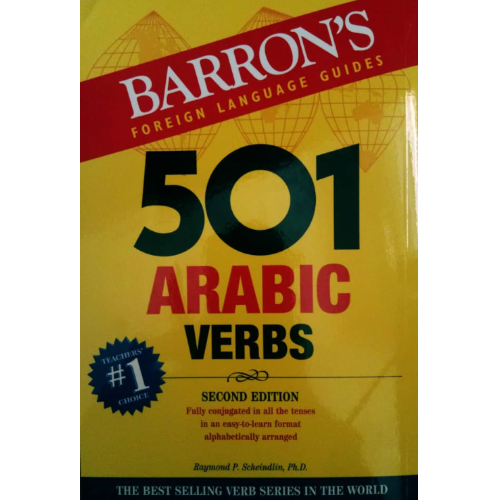
Arabic Verbs: Fully Conjugated All Forms Bilingual Edition
Highlights:
This update, easy-to-use reference book gives you:
- The 501 most common Arabic verbs in a table format
- Both the Arabic characters and their English infinitive form at the top of each page
- Exemplary essay that discusses Arabic verb formation and usage
- Common idioms with example sentences to demonstrate verb usage
- A grammar review and a pattern index
- Indexes that list verbs in both root order and strict alphabetical order
RM135.00
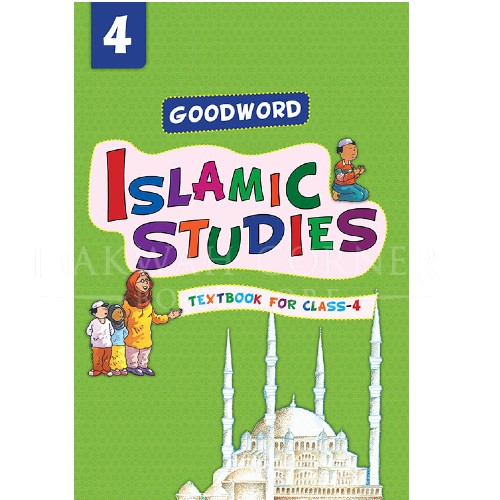
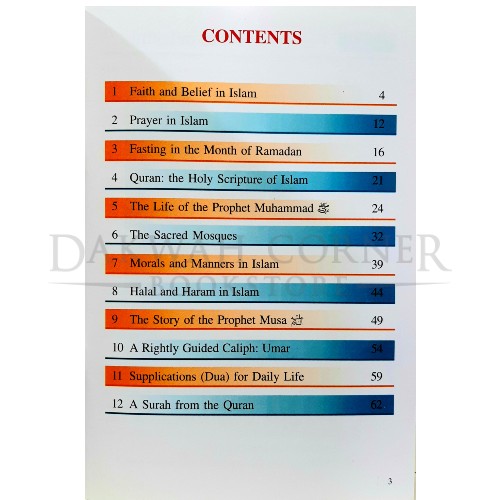
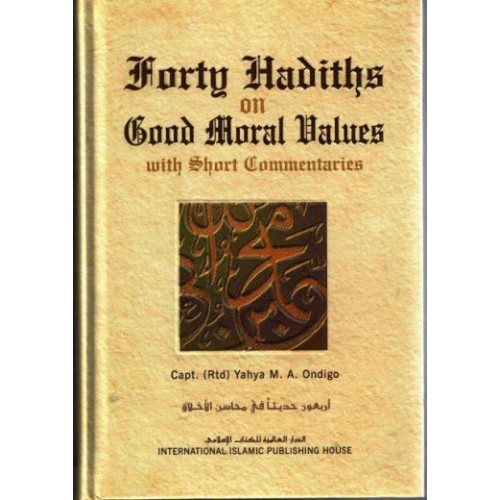
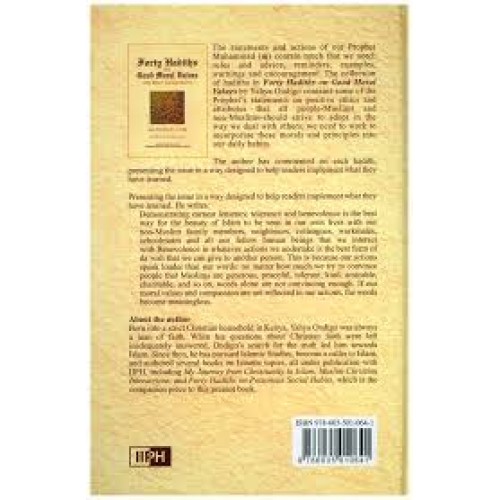
Forty Hadiths On Good Moral Values (H/B)
Highlights:
The statements and actions of our Prophet Muhammad (s) contain much that we need: rules and advice, reminders, examples, warnings and encouragement. The collection of hadiths in Forty Hadiths on Good Moral
Values by Yahya Ondigo contains some of the Prophet?s statements on positive ethics and attributes that all people-Muslims and non-Muslims-should strive to adopt in the way we deal with others; we need to work to incorporate these morals and principles into our daily habits.
RM65.00
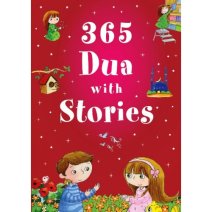
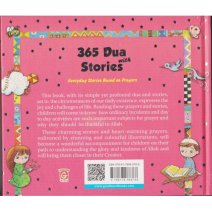
365 Dua with Stories (H/B)
Highlights:
This book, with its simple yet profound dua and stories, set in the circumstances of our daily existence, expresses the joy and challenges of life. Reading these prayers and stories, children will come to know how ordinary incidents and day to day activities are such important subjects for prayer and why they should be thankful to Allah.
These charming stories and heart-warming prayers, enlivened by stunning and colourful illustrations, will become a wonderful accompaniment for children on their path to understanding the glory and kindness of Allah and will bring them closer to their Creator.
By Ali Kara Cam and Hasibe Sahin
RM75.00
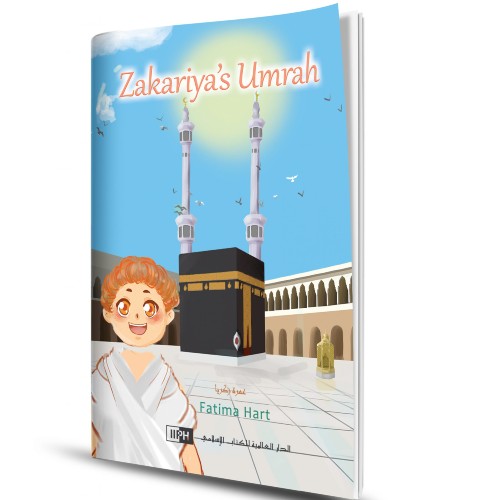
Zakariya’s Umrah
Highlights:
Zakariya’s Umrah by Fatima B. Hart is about a young boy on a trip to perform Umrah with his dad. Using repetition, rhyme, and rhythm, it describes what he observes at each vital stage of the trip and outlines the basic rituals of Umrah in a fun and engaging way. This book is recommended for children aged 0-5.
RM23.00
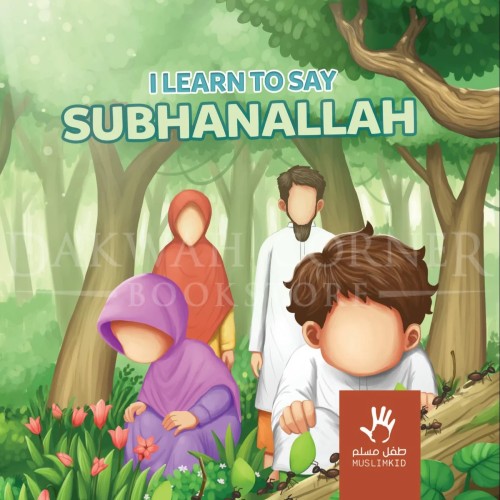
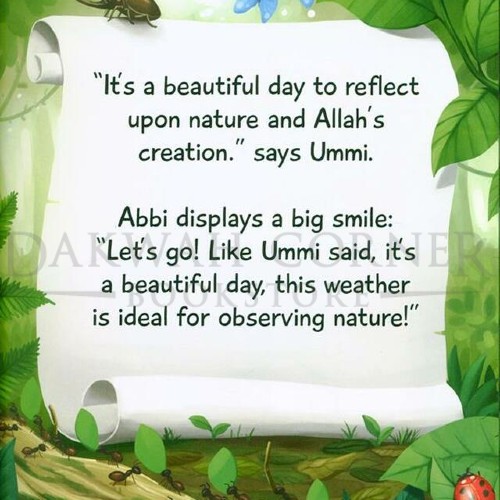
I Learn To Say Subhanallah
Highlights:
Discover a selection of captivating illustrations, accompanied by basic, but important concepts for young Muslim children. I Learn to Say SubhanAllah is the second issue of the “I Learn to Say” series. Throughout this second issue your child will learn when to say SubhanAllah through a beautiful story about Muhammad and Zaynab. This hardcover, 60-page book explains when and why we say SubhanAllah in a fun way. Take your time to read this story with your child, and nurture in them the importance of saying SubhanAllah. The characters in the book are expressionless to help develop young and curious imaginations.
RM50.00

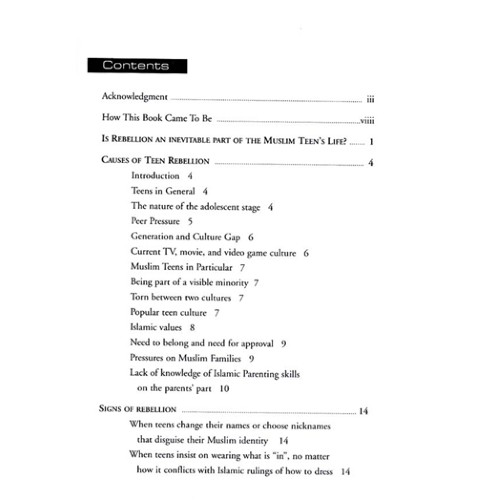
When Muslim Teens Rebel (Causes & Solutions)
Highlights:
The objective of the book is to help parents save their teens from the negative impact of popular teen culture and succeed in raising them as strong, confident personalities who can contribute positively to their community and to the North American society at large. The book starts by explaining what is meant by rebellion, and discussing if it is inevitable in the life of a Muslim Teen. It then covers three basic ideas. The first idea deals with the causes of teen rebellion in general and additional factors that contribute to Muslim teen rebellion in particular. The second main idea covers the signs of this rebellion and how it manifests itself in the behaviour of our teens. The third and most important part of the book deals with a comprehensive solution consisting of three components, the most significant of which is the Prophet s SAAW example in dealing with youth, then the role that parents can play complemented with the community s involvement. The proposed comprehensive solution cited in this book will be of great benefit to various communities in general and to Muslim teens and youth in particular.
RM60.00
There are no reviews yet.