

![Tajweed Rules For Quranic Recitation [A Beginner Guide]](https://shop.dakwahbookstore.com/wp-content/uploads/2019/02/website-500x500-2025-01-13T143901.091.jpg)
| Weight | 0.56 kg |
|---|---|
| Dimensions | 26 × 21 × 1 cm |
| Author | |
| Binding | Paperback |
| Pages | 181 |
| ISBN | 9786297545165 |
| Year of publication | 2024 |
| Edition | 2nd Edition |
| Publisher | Dakwah Corner Bookstore |
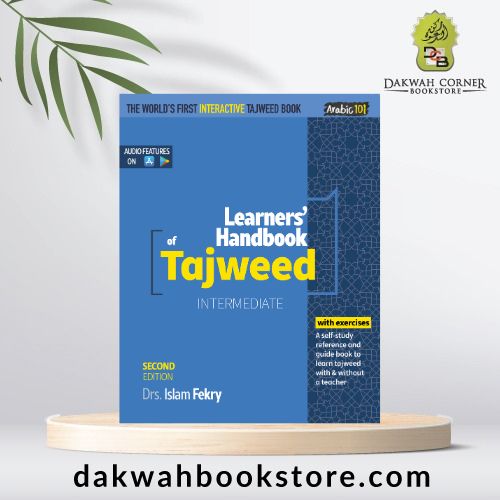
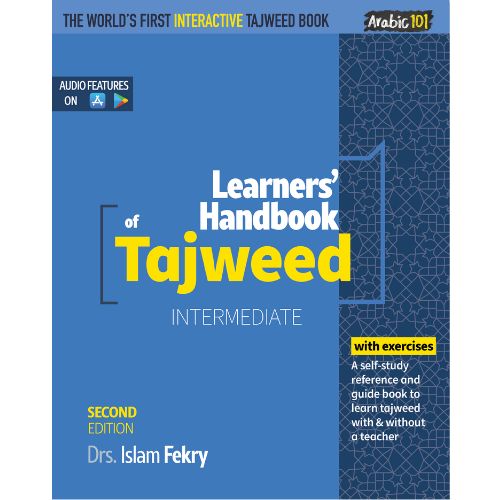
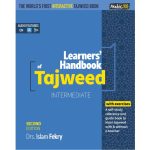
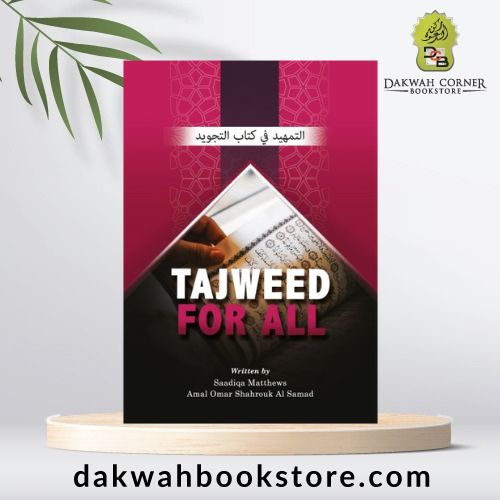
Learners Handbook Tajweed (Intermediate) – Second Edition (Arabic 101 Series)
RM55.00
In Stock

Highlights:
somdn_product_page
Compare
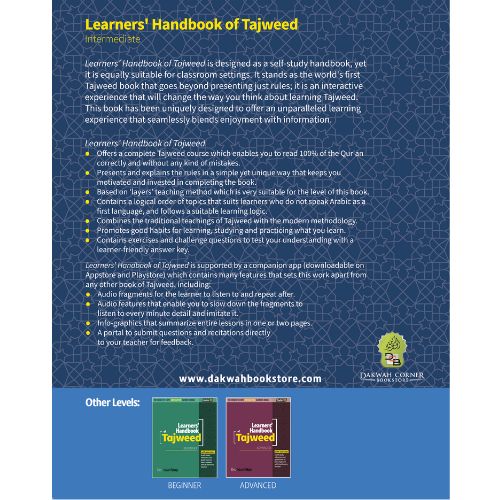
Learners’ Handbook of Tajweed
Intermediate
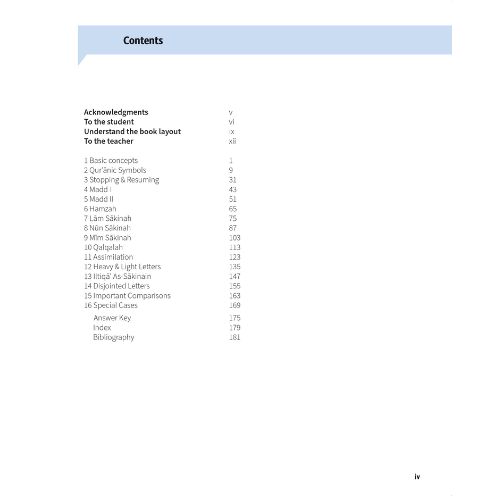
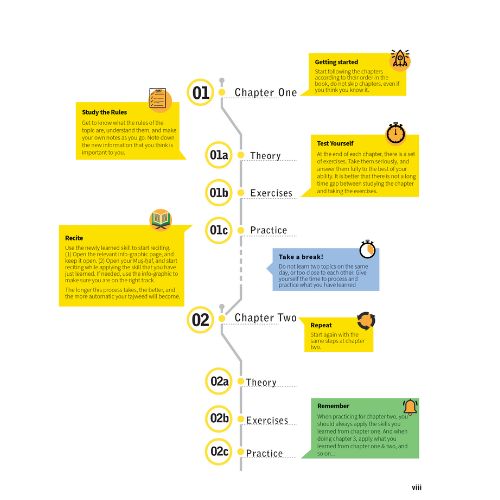
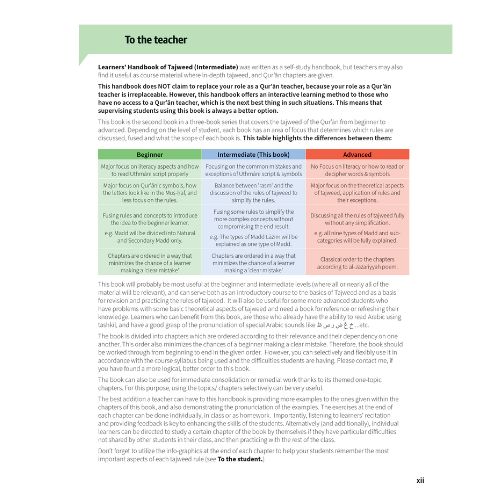
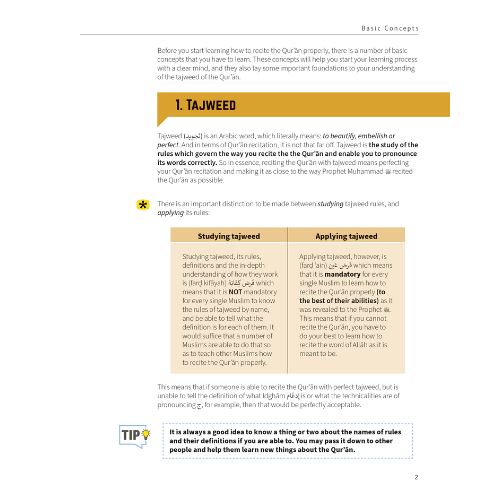
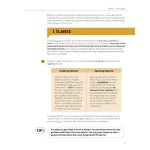
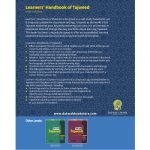
Learners’ Handbook of Tajweed is designed as a self-study handbook, yet it is equally suitable for classroom settings. It stands as the world’s first Tajweed book that goes beyond presenting just rules; it is an interactive experience that will change the way you think about learning Tajweed. This book has been uniquely designed to offer an unparalleled learning experience that seamlessly blends enjoyment with information.
SKU: QQ512
Categories: Dakwah Corner, Holy Quran and Quranic Sciences, Tajweed / Muqaddam
Brand: Dakwah Corner Bookstore (M) Sdn Bhd™ (DCB)
Frequently Bought Together
1 Item
RM55.00
2 Add-Ons
RM68.00
Total
RM123.00
Additional information
Reviews (0)
Be the first to review “Learners Handbook Tajweed (Intermediate) – Second Edition (Arabic 101 Series)” Cancel reply
You must be logged in to post a review.
You may also like…
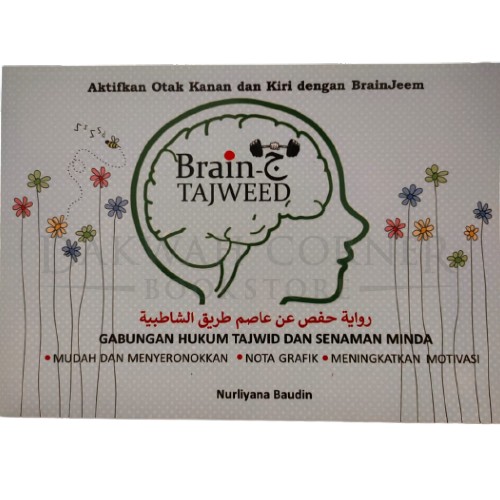
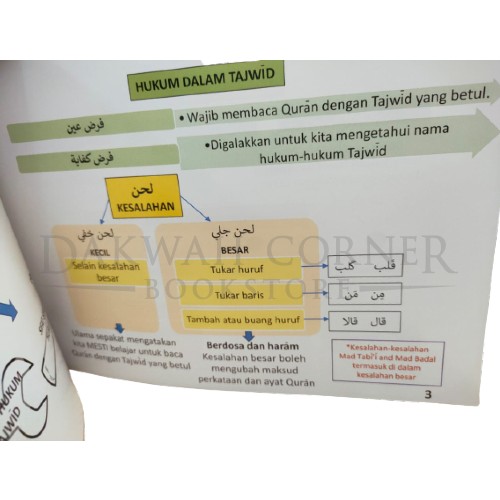
BrainJeem Tajweed – Gabungan Hukum Tajwid dan Senaman Minda
Highlights:
BrainJeem Tajwid merupakan pembelajaran kreatif dalam mengenalpasti hukum-hukum Tajwid dengan mudah dan menyeronokkan. Gabungan bunyi dan brain-gym akan mengaktifkan otak kiri dan kanan anda dan membantu anda kekal fokus dan bertenaga. Inovasi BrainJeem Tajweed berfungsi sebagai pembakar semangat supaya kita cintakan ilmu Tajwid dan seronok mendalami Quran.
RM30.00
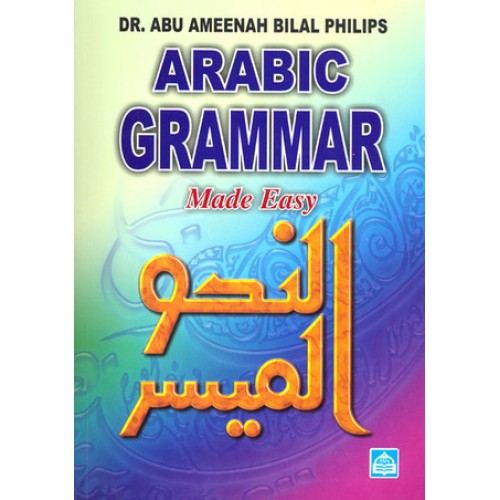
Arabic Grammar Made Easy (P/B)
Highlights:
An approach to teaching the Arabic language by introducing vocabulary and grammar in small doses, based on the most commonly used words in Arabic literature and the most frequently used grammatical constructions. Book One focuses on the rules of nominal sentences.
RM33.00
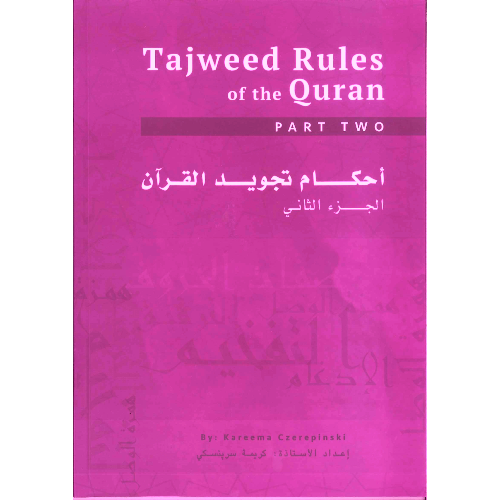
Tajweed Rules of the Quran (Part Two)
Highlights:
By Allah’s grace, this is the second part of a three part book on the rules of tajweed of the Qur’an, for the recitation of Hafs from ‘Aasim by the way of Ash-Shaatibiyyah. It is is intended to be a guide for nom-Arabs with a good grasp in English in studying tajweed.
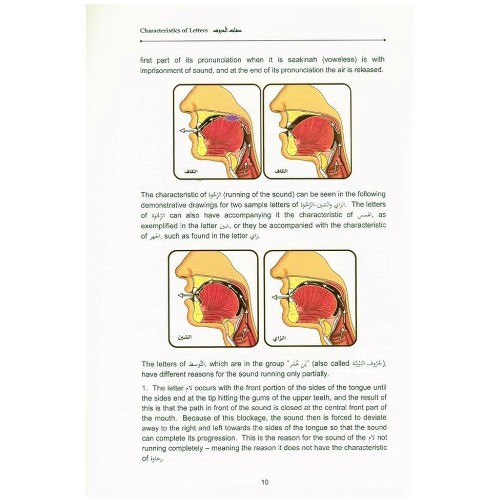
This book explains the concept of the accent (an-nabr) in the recitation of the Glourious Qur’an and the conditions of its use, it is also defines and explains the important chapter on the characteristics of the letter, velarization and attenuation (tafkheem and tarqeeq) are covered in this part, as well as the concept of the two alike, the two similar, the two close, and the two far and the rules for merging (idghaam) and clarity (ith-haar) in these different relationships. A brief introductory to grammar term is made in this book to assist the student in understanding the last chapter, that of the connecting hamzah (hamzah al-wasl).
The explanation of the different subject are in English, and the Arabic terms are translated. This is to assist the student in understanding and encourage them to learn the Arabic definitions and terms. This book should facilitate non-Arabs studying tajweed in a classroom with explanations taught in Arabic or in English.
This book cannot replace the importance of reciting to and being corrected by a trained teacher of tajweed, instead it is a guide and an aid in understanding the concepts of tajweed, the application can only be refined by recitation and correction.
RM26.00
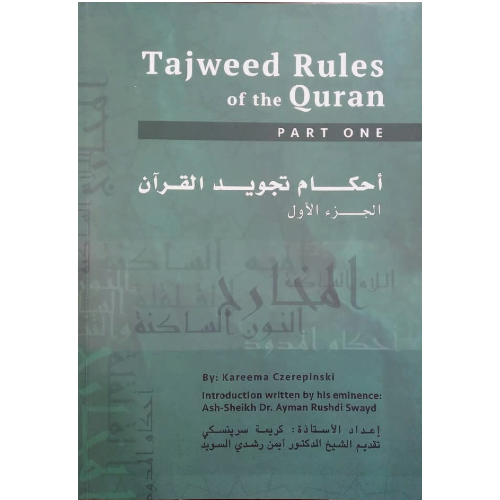
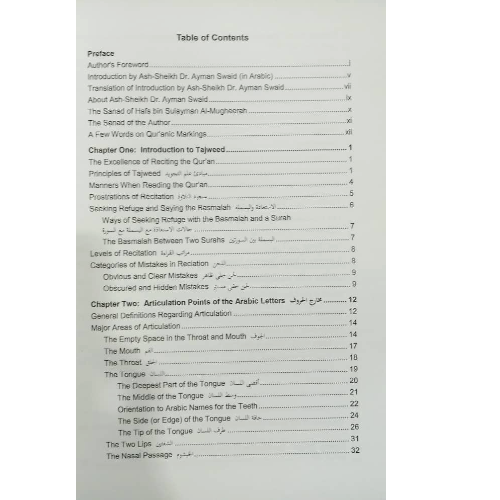
Tajweed Rules of the Quran (Part One)
Highlights:
This is a guide for studying tajweed. The student who uses this book is expected to have a basic grasp of Arabic before starting this course. The student should know all the Arabic letters and vowels and be able to read at an elementary level.
This book is either for an English-speaking student studying the Qur’an in an Arabic environment, but needing explanation of the Arabic terms in English, or a student studying the explanations of tajweed in English, but learning the basic concepts in Arabic so they may integrate into the Arabic terms and definitions throughout the book, since the science of tajweed is an Arabic science. This book explains the articulation points of the Arabic letters, the rules of noon saakinah, meem saakinah, and lam saakinah. It explains all of the different lengths (mudood), and how voweled, and non-voweled letters are formed. The qalaqah mechanism is explained in the last chapter. Terms are introduced in Arabic, and the translated into English. Explanations are done in English, but with integration of Arabic terms, as they are learned.
A student of the Qur’an cannot expert to learn tajweed simply by studying this book. The learning of proper Qur’anic recitation can only be done by listening to a qualified Qur’an teacher recite, then reciting to them and receiving corrections from the teacher.
RM30.00
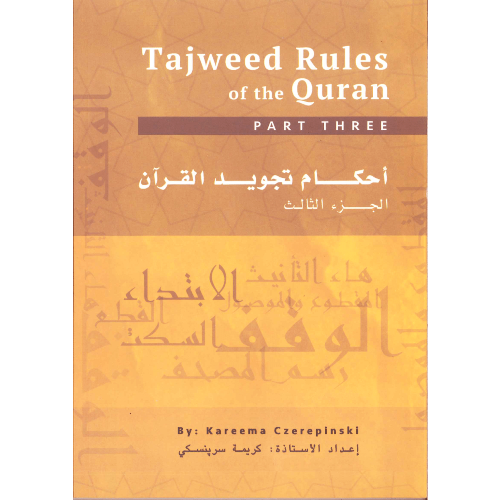
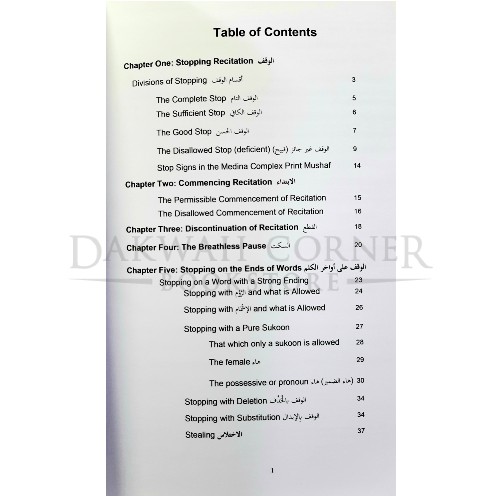
Tajweed Rules of the Quran (Part Three)
Highlights:
This is the third and final part of a three part series in English on the rules of tajweed the Qur’an for the recitation of Hafs from ‘Aasim by the way of Ash-Shaatibiyyah. These books are meant as a guide for non-Arabs with a good grasp of English for studying tajweed of the Glorious Qur’an. This final book explains the stop and start when reading the Glorious Qur’an, and gives details as to what kind of stop is allowed, what kind is preferred, and what kind of stop is forbidden. Stopping on the ends of words with strong endings (consonants) and rules for what is allowed on the last letter of the word is described, including ar-room (الروم) and al-ishmaam (الإشمام). Stopping on the ends of words with weak endings (words ending in the alif, ya’ or wow) and different rules and explanations for these type of words is clarified. One important aspect of Qur’an recitation is knowing and understanding which word combinations are written together and which separately in different parts of the Qur’an as well as in which places of the Qur’an are some words are written the female haa (هاء), and in which places they are written with the taa (تاء). This part lays out the different places in the Qur’an these occurrences take place, so the reader knows how he/she can stop on these words. The words that are read in a special way, or have two allowed ways for the reading of Hafs from ‘Aasim by the way of Ash-Shaatibiyyah are detailed in this book. The history of the writing of the Glorious Qur’an (رسم) and the general rules for the writing of the Qur’an are laid out in the last chapter of this part. This last part of the three parts on tajweed is for students who have studied and mastered the other two parts, or have studied everything covered in the first two parts. The explanations of the different subjects are in English, and the Arabic terms are translated. The goal is always to assist the students in understanding and to encourage them to learn the Arabic terms and definitions. The three parts of this series on tajweed rules of the Glorious Qur’an should facilitate non-Arabic speaking students of the Qur’an whether they are in a classroom with an Arabic medium for teaching or English. With this third part completed, insha’ Allah the non-Arab English speaking student of the Qur’an will find a complete curriculum and explanation of the tajweed rules for the recitation of Hafs ‘an ‘Aasim from the way of Ash-Shatibiyyah in any classroom or study situation that he/she may find themselves in. These three parts are only guidance; the real goal is reciting and applying all the different rules correction which can only be done by reciting to and being corrected by a qualified teacher of the Qur’an.
RM30.00
Related Products


Divine Speech
5 ★
5 ★
3 Ratings
5 ★
3
4 ★
0
3 ★
0
2 ★
0
1 ★
0
Highlights:
The Quran, the sacred scripture of Islam, is revered as the spoken word of God by approximately one-fifth of the world’s population. Since its inception, the power of the Quran has derived not only from its message, but also from the inimitable literary style and rhetorical impact that the Arabic scripture has on its audiences. Divine Speech: Exploring the Quran as Literature attempts to make some of the most recent Arabic and European-language scholarship on its literary features accessible to a wider, English-speaking audience. These features include its language and word choice, its use of figures of speech and other rhetorical devices, its manner of narrating parables and stories, and the structure, coherence, and the order of its “chapters”-aspects that typically remain mysterious to readers of English translations of the text. Divine Speech furnishes its readers with a better appreciation of the Quran from a literary perspective, and in the process stimulates interest in, and provides tools and resources for, further study of the scripture.
RM100.00

Quranic Wisdom
Highlights:
According to the Quran, a person’s life has been divided into two phases: the pre-death period and the post-death period.
The present life is only temporary and is meant as a test. Depending upon our performance in this test, we shall be judged in the eternal life after death. The Quran aims to make one aware of this reality and help one lead one’s life in this world in such a way that one is rewarded with Paradise in the life Hereafter
RM20.00
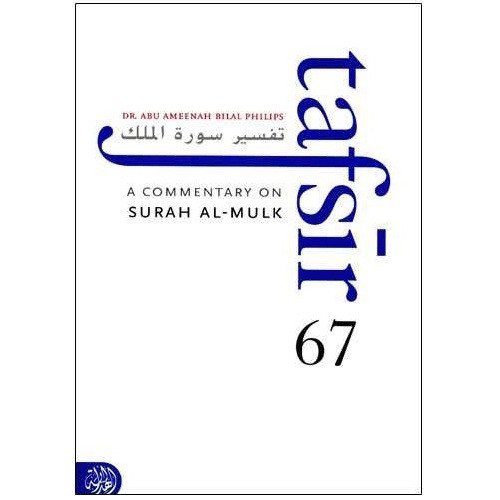
Tafsir 67 : A Commentary on Surah al Mulk (P/B)
Highlights:
The beauty of the Qur’an is such that its miracles cannot truly be understood until one contemplates every verse of every surah; this alone makes tafsir one of the most amazing sciences of Islam. Surah Al-Mulk is a chapter of the Quran which would be recited every night by the Prophet (peace be upon him), in its midst are deep meanings which highlight the purpose of our creation, as well as entailing the message of Islam. In this book, the author takes the reader on a wonderful journey through the gardens of the first surah in the 29th Juzz of the Qur’an.
About the Author: Dr. Philips was born in 1947 in Jamaica, but grew up in Canada, where he converted to Islam in 1972. He completed a diploma in Arabic language and a B.A. degree in 1979 from the College of Islamic Disciplines at the Islamic University of Madinah, an Islamic university in Saudi Arabia. At the University of Riyadh College of Education he completed his M.A. in Islamic Theology in 1985, and in 1994 he completed his Ph.D in Islamic Theology in the department of Islamic studies at the University of Wales. He later taught Islamic education and Arabic language in private schools in Riyadh for over ten years. Because of his opposition to Saudi Arabia’s position in the Gulf War, he had to leave the country and for three years he lectured M.Ed. students in the Islamic Studies department of Shariff Kabunsuan College (SKC) in Cotabato City, Mindanao, the Philippines. Islamic Information Center Since 1994, he has founded and directed the Islamic Information Center (which is now known as Discover Islam) in Dubai, United Arab Emirates, and is known as a prolific speaker and author on topics relating to Islam, including audio lectures and books. Presently, he is a lecturer of Arabic language and Islamic Studies at the American University in Dubai and ‘Ajman University in Ajman, United Arab Emirates. He frequently appears at the Islamic Research Foundation in Mumbai, India, on lecture tours. He has also founded the Distance Learning Program called Islamic Online University, which offers a four year degree in Islamic Studies plus a variety of short courses. Dr. Philips is something of a pioneer as a person of Western origin achieving the status of a scholar of Islam inside the tradition.
RM63.00
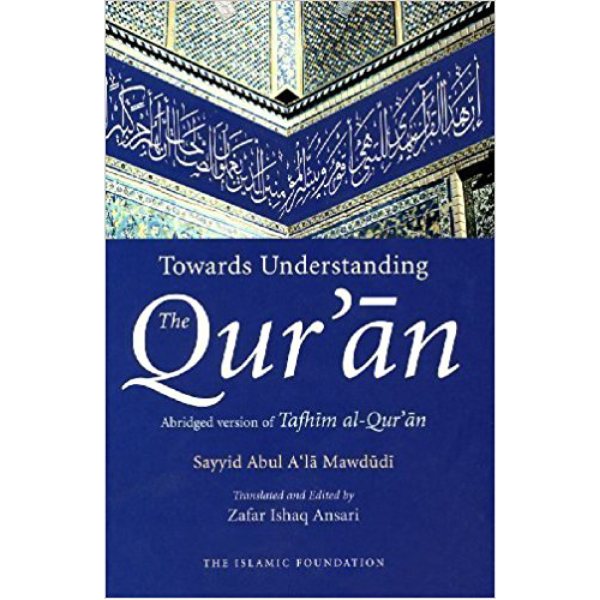
Towards Understanding The Quran : English/Arabic Edition (with commentary in English) (H/B)
Highlights:
Towards Understanding The Qur’an Abridged version is a fresh English rendering of Tafhim al-Qur’an, Sayyid Mawdudi’s monumental and masterly Urdu translation of the Qur’an and a selection of his commentary. Here is a work with a difference, by a scholar of an entirely different sort. An immense wealth of profound understanding of the Qur’an is here, a vast treasure of knowledge and deep insight, and a valuable exposition of some social, political, economic and legal teachings of the Qur’an. But what makes this work unique is that it presents the Qur’an as a book to be lived by, a mission to be lived for, and a duty that the reader can no longer evade or postpone. This rare quality is imparted not only by the depth of his scholarship and style of exposition but also because Sayyid Mawdudi lived by what he expounded as his life abundantly proves. Despite being an abridged version it endeavors to answer many contemporary questions and makes the Qur’an fully relevant to the concerns of our day, yet it loses nothing of its timelessness nor sacrifices any of the traditional understanding. It demonstrates the unity and coherence of the Qur’an by centering everything in it on its message, like pearls hung upon a single thread. A Glossary, Biographical Notes, and General and Subject Indexes add to the understanding of the Qur’an. To sum up: in this work, Sayyid Mawdudi is offering us what we need most to understand and live by the Qur’an.
RM120.00
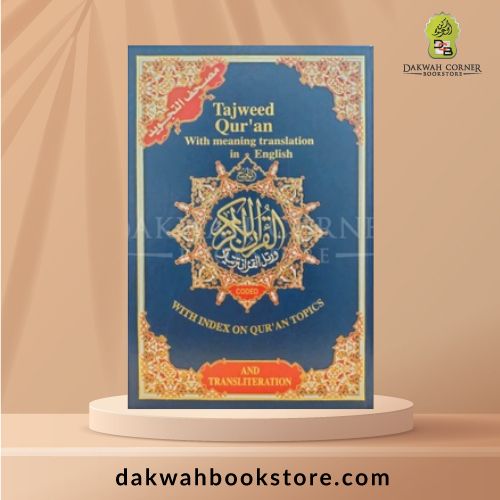
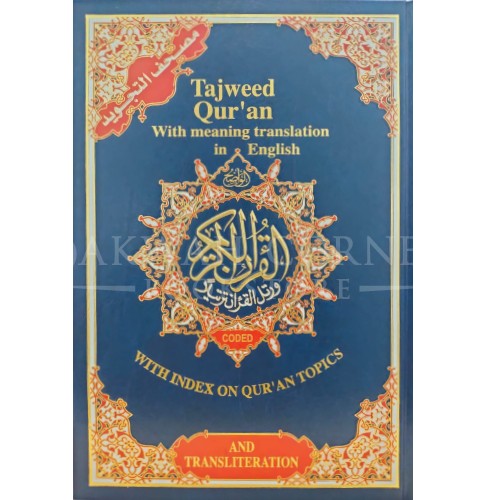
Tajweed Qur’an with Meaning Translation in English and Transliteration
Highlights:
Translation: meanings of the Quranic versus are translated into English and placed on the margins around the Arabic text.
Transliteration: Arabic letters are presented by English letters with added symbols in order to give the same sound of Arabic letters.
English transliteration makes it easier for the speakers of the English language to read the Tajweed Quran in Arabic pronunciation using the English alphabet letters.
Considering that this Part contains small suras; it is a perfect start for kids, beginners and students.
This Amma Part comes in the standard portrait form, with a nice glossy soft cover. Each page contains 15 lines as any standard Quran.
Meanings tranlated by Abdullah Yusuf Ali
Alla (sw) ordered us in his holy book to recite the Quran with Tajweed … “Quran recitation modulating”. System of Tajweed serves as a guide for improving the recitation of Quranic style. It was in this way that the Qur’an revealed to Prophet Muhammad (peace be upon him), as well as the manner in which he recited it. Therefore, the readers of the Quran are eager to realize the promise of the Prophet Muhammad (pbuh): “whoever recites the Quran correctly and proficiently will be with the bountiful dutiful writers (the angels of the preserved tablet – Al lauh Al Mahfuz”.
Based on a practical understanding of phonology, we have color-coded some letters to facilitate the correct recitation of the holy Quran. This enabled us to classify these letters into three possible categories to enhance the reader’s knowledge and remembering of Tajweed rules:
– The letters which requires expanded vocalization. We used red color to highlight these letters.
– The letters which are nasalized these letters are green in color.
– The dark blue color indicates the emphasis of the letter (R), the blue color indicates the unrest letters-echoing sound- (qualquala)
– While the letters which are written but are not vocalized. These letters are gray in color.
The reader will get used to reciting the Quran by using colors very easily. By engaging the eye, the reader will find him/herself applying 24 rules of Tajweed with ease and precision while his/her mind is left un-enganged to comprehend and understand the meaning of the holy Quran. For more details click here
This Tajweed Quran is in Hafs narration.
All our Tajweed Quran products -including this Quran- come with the following:
- Color coded letters: to present the Tajweed rules, very good and simple way to learn and apply Tajweed rules.
- Obvious script: extra spaces were added between the words in order to make it easier to read and recite the Quran.
- Permissible stops: long spaces were added at certain places where it is permissible to stop. It helps to avoid stopping at wrong places or times.
- A set of very useful indexes such as: Surahs Color Index, Subject Index.
- Tajweed rules explained in details with helpful illustration.
RM200.00

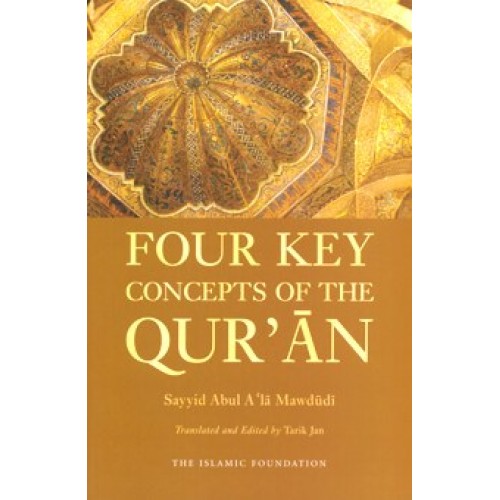
Four Key Concept of the Qur’an
Highlights:
Four Key concepts oF the Qur’An elucidates these basic Qur’anic concepts Ilah, Rabb, Ibadah and Din in order to bring out fully the Islamic way of life, as distinct from other perspectives. This elaboration goes a long way in developing a sound understanding of the Qur’an. It also explains the man-God relationship in Islam, guiding Muslims on how to lead their lives in total surrender to Allah.
RM46.00
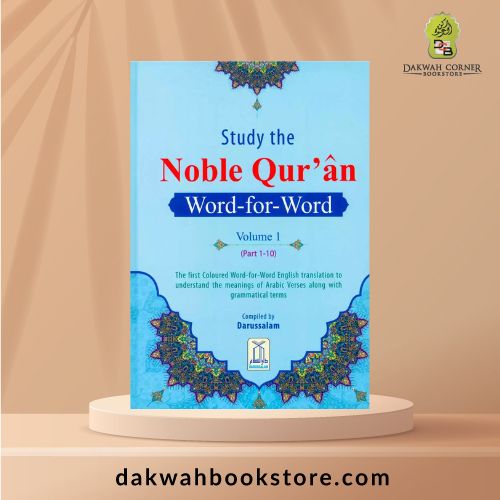
Study The Noble Qur’an Word for Word (3 volumes) – Colour
Highlights:
Available NOW only for online shopping.
Complete Qur’an in 3 volumes Colour Version (10 Parts per book). Individual volumes are available from the related items section. The first coloured Word-for-Word English translation to understand the meanings of the Arabic verses along with grammatical terms. Read more below…
RM350.00
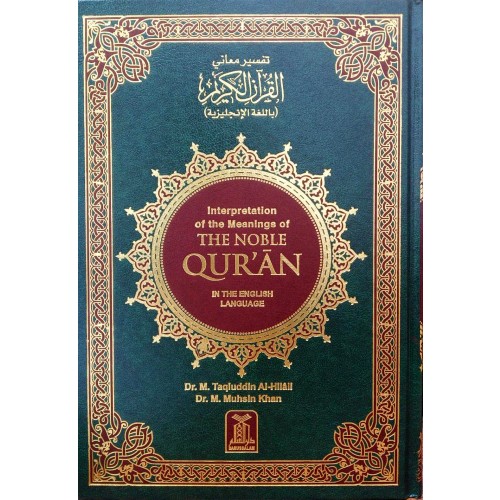
Interpretation of the Meanings of the Noble Qur’an in the English Language (17x24cm)
Highlights:
Note: Any order for this item, Please send to us your information details at sale@dakwahbookstore.com.
This item will be shipped directly from Dawah Corner Bookstore, Makkah to your address.
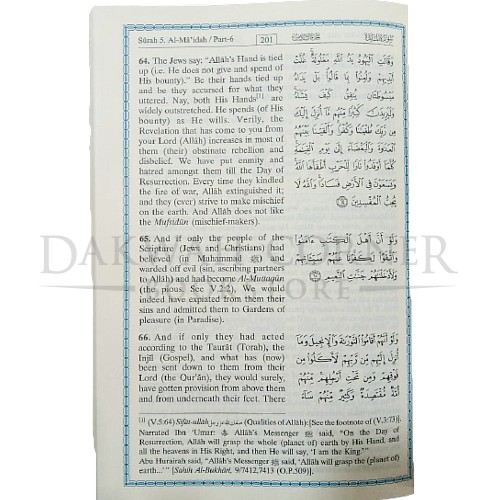
New type of Noble Quran with Arabic Mushaf Uthmani 15 lines/page print on the right side and English translation on the left side of every page. It also includes tafsir footnotes on the bottom of the English page.
Interpretation of the meanings of The Noble Quran with Arabic text in the modern English language.
The Magnificence of the Qur’an is a book that relates to us the countless miracles and benefits of the Holy Book of Islam. It expands on numerous aspects of the Quran, all of which point to its magnificence, as signified by the apt title. The author discusses everything from the methodology of studying the Qur’an to its characteristics, qualities and the manners with which one should approach it. It is much like a user’s manual that opens up a world of knowledge and facts about the Qur’an. For all audiences, this book is an invaluable companion to the Qur’an and one which serves to remind us of its eminence and its superiority to all other books. By discussing a series of seemingly miscellaneous topics, the author manages to create a whole picture of the Qur’an which surpasses any other guide of this academic nature.
RM95.00 – RM140.00Price range: RM95.00 through RM140.00
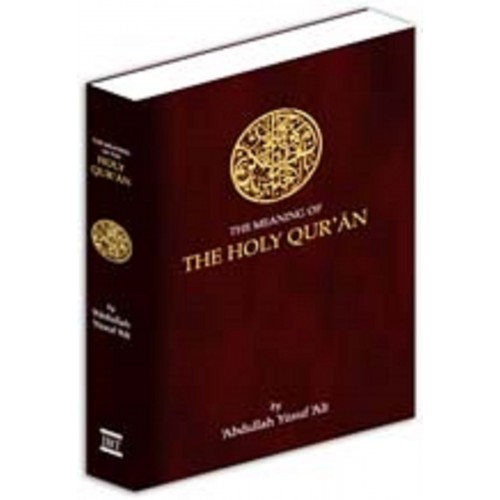
The Meaning of The Holy Qur’an -Pocket Size (P/B) (IBT)
Highlights:
This very handy pocket-sized edition contains the complete meaning of the Holy Qur’an, without the Arabic text and the commentaries. Weighing just under 170 grammes, sized 9.5 cm X 13 cm and with a thickness of 1.5cm, it is intended as a handy travel companion as well as a gift to friends and colleagues.
RM23.00
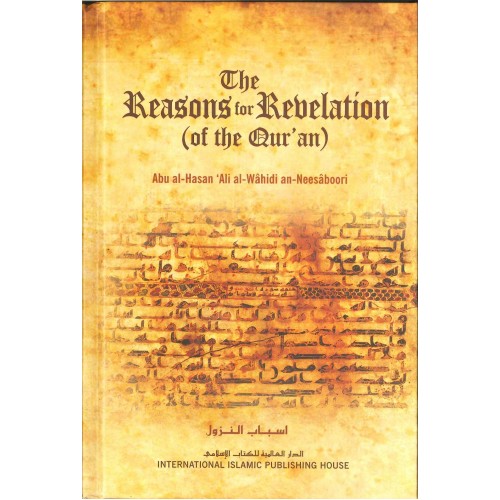
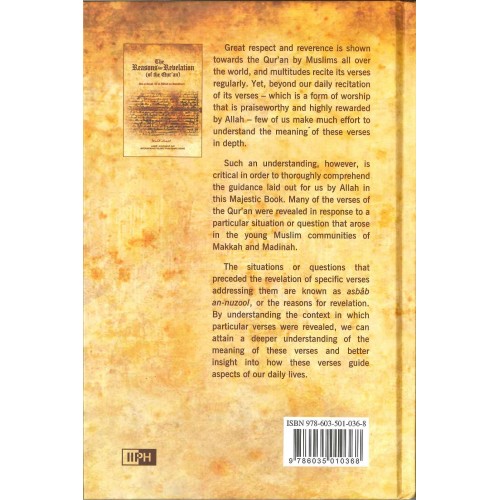
The Reasons for the Revelation (IIPH)
Highlights:
Have you ever wondered in what circumstances a particular verse or Soorah was revealed? In this translation of the great work ‘Asbaab an-Nuzool’ by the great Muslim scholar Ali ibn Ahmad an-Neesaboori, you may well find the answer. This first volume covers the first four sections of the Qur’an, from Sorrah al-Fatihah to verse 22 of Soorah an-Nisa. The publication of this book reflects our continuing effort to bring to the English speaking Muslims works previously only available to Arab speakers.
RM31.00
Recently Viewed
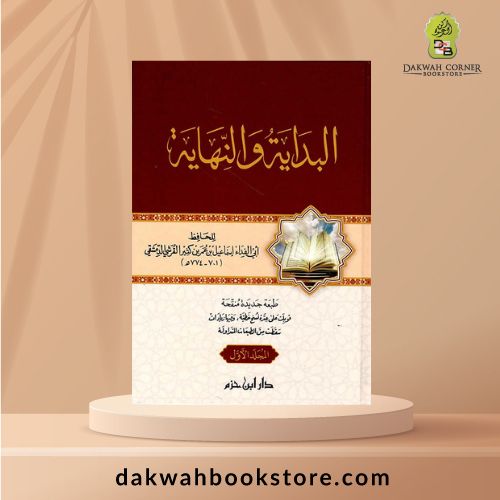
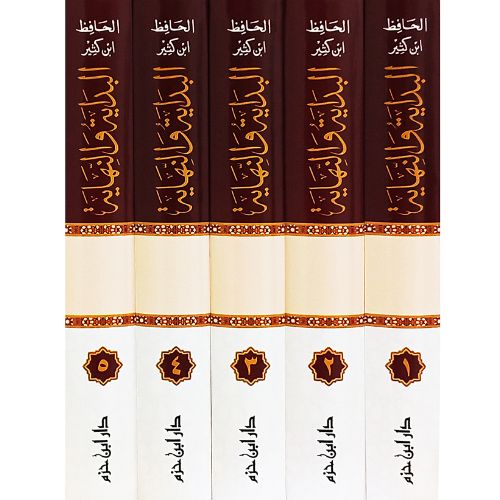
[HS] Al Bidayah Wal Nihayah 1/5 / البداية والنهاية 1 / 5 (شاموا/ لونان / 5 كرتونية)
Highlights:
هذا كتاب قيم للحافظ ابن كثير رحمه الله تعالى، فيه سرد من مبدأ المخلوقات إلى سيرة سيد المرسلين محمد بن عبد الله خاتم الأنبياء، بعد ذلك يذكر الفتن والملاحم في زمننا هذا ثم البعث والنشور والقيامة
RM450.00

Means of Steadfastness in Islam
Highlights:
Steadfastness and patient perseverance in Allah’s religion is a basic requirement that should be met by every sincere Muslim who wants to stick to the Straight Path with understanding and determination. Muslims today face many temptations and distractions. Those who consciously seek the means of steadfastness will succeed and those who are negligent will, sadly, suffer the doubts and confusion which are more severe now than ever before. Happy are those who seek the way out and join the righteous, dedicated Muslims, and who spare no effort to learn their religion and remain steadfast. This valuable book deals with all these issues and points out the means of steadfastness that every Muslim should learn and practice. The author also discusses common worldly distractions and explains how to deal with them.
RM11.00
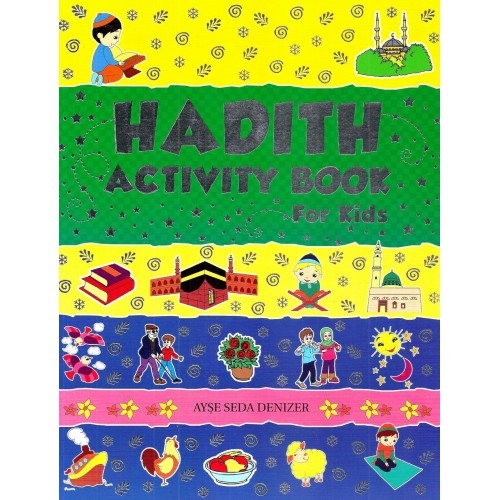
Hadith Activity Book For Kids (P/B)
Highlights:
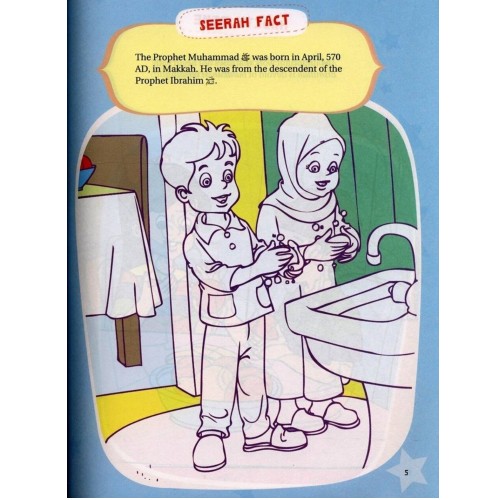
The Hadith Activity Book for Kids is a captivating book for children to learn about hadith (sayings of the Prophet Muhammad) and Seerah (the life of the Prophet Muhammad) in a truly engaging way. It contains highly attractive artwork to inspire creativity; a carefully chosen collection of hadith to instil moral values; fascinating facts to provide a basic understanding of hadith and Seerah; and some fun-filled activities at the end to help children enjoy what they have learnt so far.
Comes with:
* Pre-coloured colouring pages
* A collection of hadith
* Seerah facts
* Activities.
RM20.00
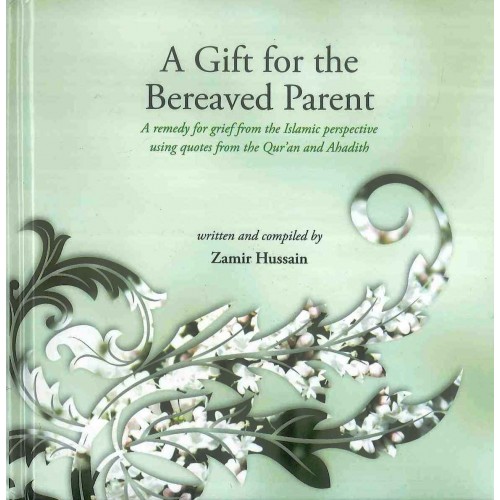
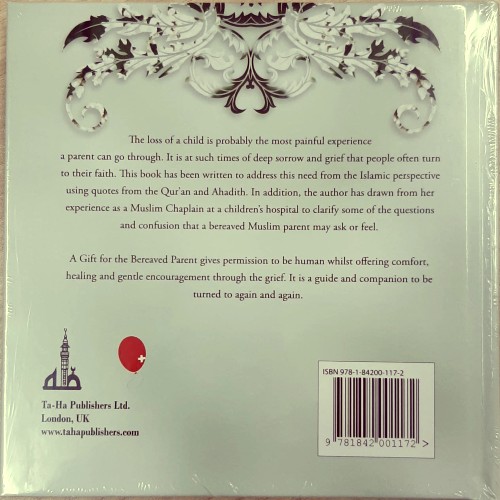
A Gift For The Bereaved Parent (H/B)
4 ★
4 ★
1 Rating
5 ★
0
4 ★
1
3 ★
0
2 ★
0
1 ★
0
Highlights:
Gift of Breaved Parent is critical as a Faith, It does not Follow that these stages are rearched systematically but one may alternate from one stage to another and take varying lenth of time. It is not Unusual for the pain to always to remain, Incresin in the Intensity as Some Event or Reminder renews the loss.
It is Essentials to know that People are Susceptible to Weakness and Emotion, It is natural that one sheds tears and has grief and sadness in the heart; that is valid and cannot be denied, therefore Nice tilte “A Gift for the Breaved Parents”.
RM40.00
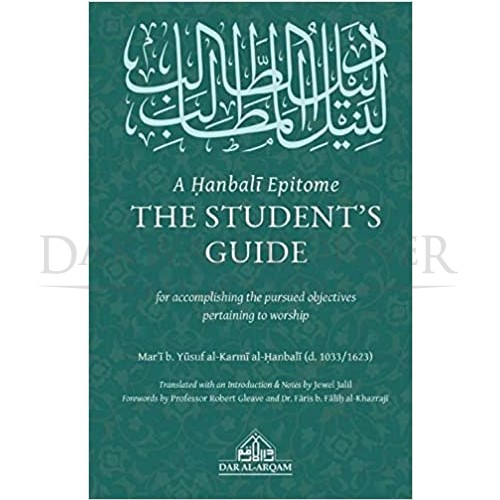
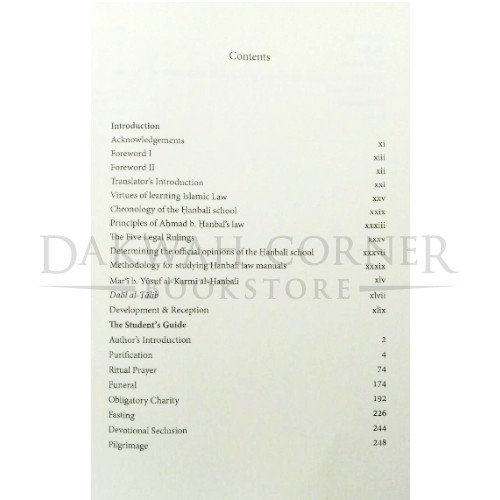
A Hanbali Epitome: A Student’s Guide
Highlights:
The present work focuses on the Muslim community requires for purification, prayer, charity, fasting, pilgrimage, and warfare. A lengthy introduction to Islamic law and the Hanbali’ school has been included to prepare the readers. The language employed in the translation has been kept simple, straightforward, and modern to make the work accessible to everyone who speaks English – law student or otherwise. This bilingual edition, with its parallel Arabic text, will allow readers to access the original Arabic and hopefully help with vocabulary building, oracy, and future translation. Muslims for many centuries have turned to Dalil al-Talib for study, and ultimately to be informed of their religious practices. It is hoped the translation, The Student’s Guide, will produce a similar response and convey the spirit and manner of the original owing to its style and simplicity.
RM125.00

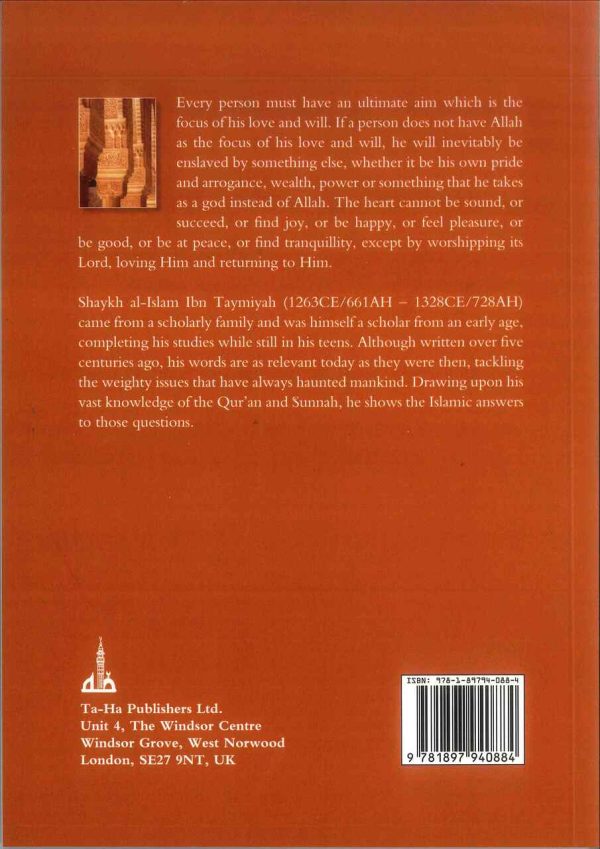
Al-‘Ubudiyyah: Being a True Slave of Allah
5 ★
5 ★
1 Rating
5 ★
1
4 ★
0
3 ★
0
2 ★
0
1 ★
0
Highlights:
Shaykh Ibn Taymiyyah defines the concept of worship in Islam and explains that to be a true “slave of Allah” is a status of both virtue and nobility. The title “slave of Allaah” is one of great honor which Allah bestowed upon the best of creation, Muhammad (SAW). Ibn Taymiyyah highlights the prevalent traps which people fall into, when becoming enslaved by, or allowing their hearts to become attached to worldly objects. The emphasis is on servitude to Allah which is adorned with the true love we hold for Him in our hearts — a matter of central importance for every Muslim.
Highly Recommended for the young blooded who Want to Run before they can Walk and even the Old timers ‘Who sometimes are so comfortable Walking that they have forgotten that there is sometimes a need to run’ in the Path Towards Allah.
RM45.00
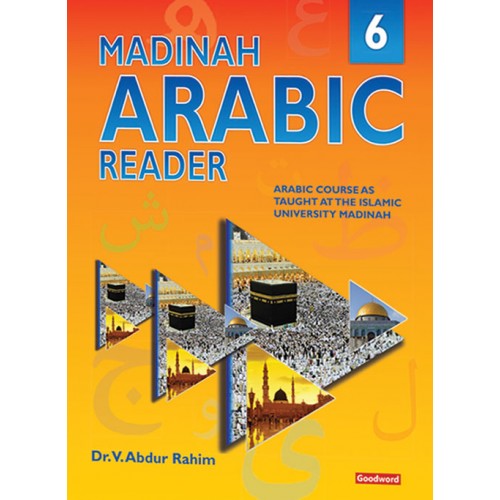
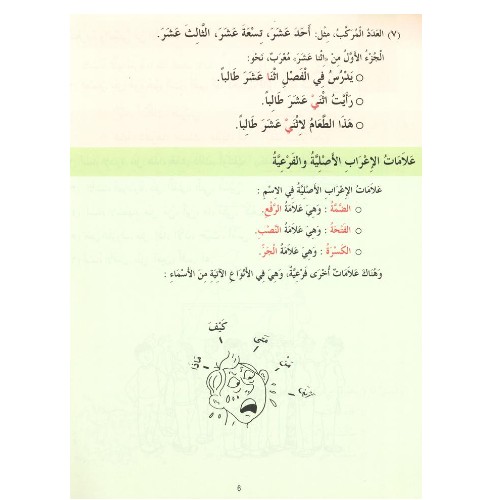
Madinah Arabic Reader (Book 6)
Highlights:
Professor Abdur Rahim, Director of the Translation Centre of the King Fahd Quran Printing Complex and former Professor of Arabic at the Islamic University of Madinah, Saudi Arabia, has authored texts designed to impart a knowledge of classical Arabic through applied grammar. Each lesson, based on a conversation, illustrates distinctive language patterns. These patterns are elucidated by a variety of helpful exercises. The vocabulary ranges from classical and Quranic Arabic to modern Arabic. This series of books is currently being utilized at various schools to prepare students for the University of London (UK) GCE O-Level and A-Level examinations.
RM30.00
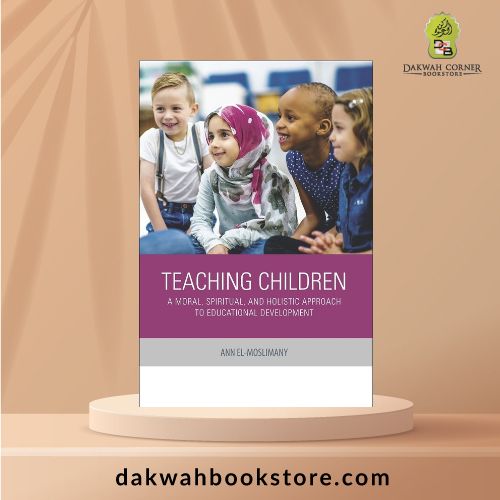
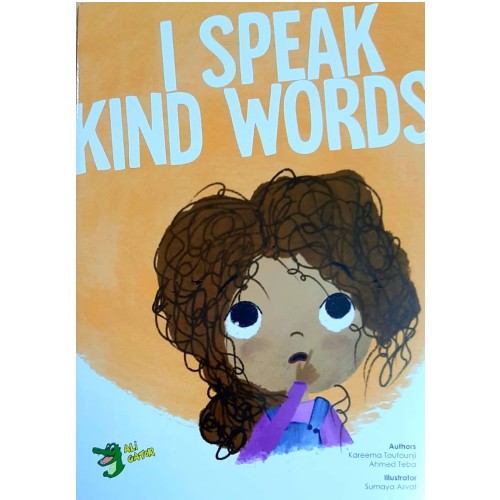

I Speak Kind Words (P/B)
Highlights:
Speak KIND WORDS, hmm, whats does that mean?
Well when you’re excited for DINNER but instead of chicken soup you get
BEANS.
Quirky poems to help young children live a virtuous life based on the character of our PERFECT example.
RM35.00
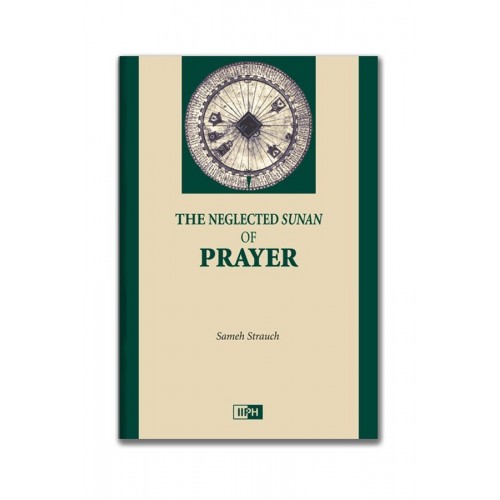
The Neglected Sunan of Prayer
Highlights:
The Prophet said: “Whoever performed a good sunnah in Islam will have the reward of it and the reward of those who perform it after him.” (Narrated by Imam Muslim) and he said: “Pray as you have seen me praying.” (Narrated by Bukhari and Ahmad)
It is with such ahaadeeth in mind that Sameh Strauch, the author, has attempted to bring to the attention of the English-speaking Muslims some of the sunan relating to prayer which, regrettably, are rarely or never performed in our time, in the hope that it will inspire the readers to revive them.
RM10.00
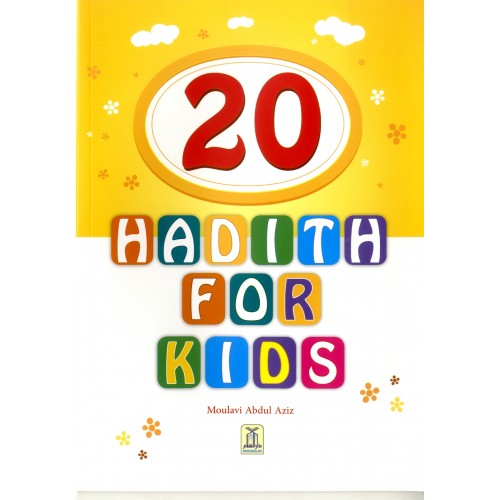
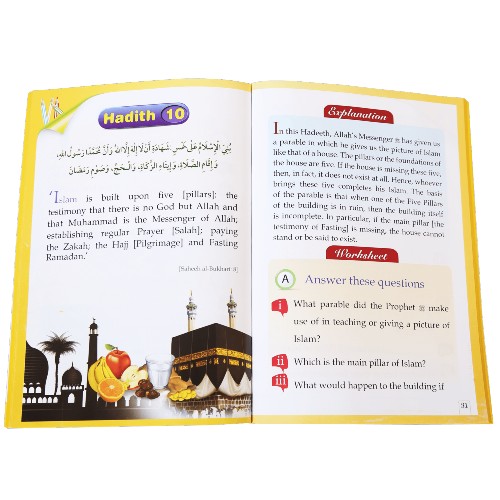
20 Hadith for Kids
Highlights:
The Sunnah is the most authentic explanation and elaboration of the Word of Allah. Many worthy collections of Hadith of the Prophet pbuh have been compiled and translated into English. Yet very few, however, have been compiled especially for children ad young people, and this collection is intended to fill this gap.
This collection presents twenty sound Ahadith that will appeal to all ages, but are especially suitable for young people, taking into consideration their needs and interests. In translation and brief commentary that follows each Hadith, an effort has been made to use plain language and explanation for the ordinary mind.
Moreover, useful exercises have also been added. In this way, this collection will be greatly beneficial for young Muslims. This small book has been the collaborative effort of many. It is our hope that this collection of Ahadith will serve as a useful introductions to the timeless wisdom of the last Prophet of Islam both at home and the classroom.
RM26.00
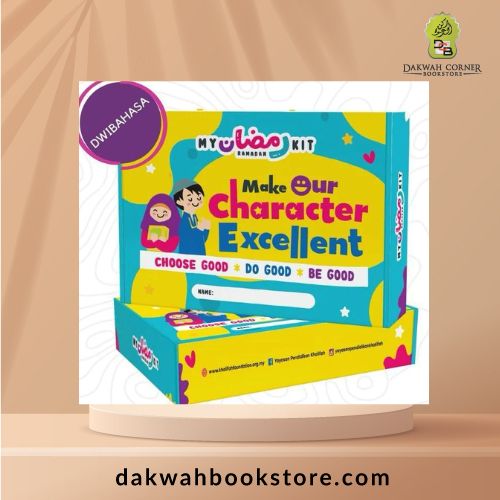
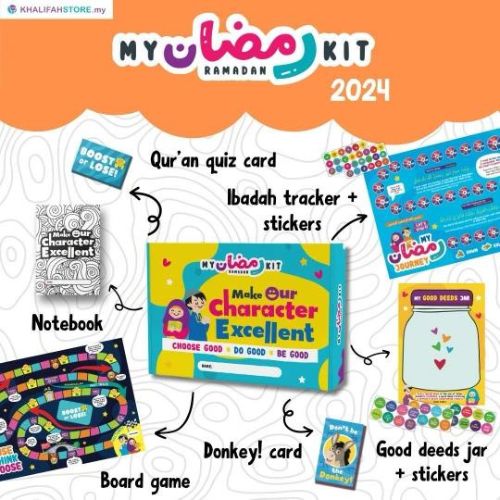
My Ramadan Kit 2025 (New)
Highlights:
𝐖𝐡𝐚𝐭’𝐬 𝐢𝐧𝐬𝐢𝐝𝐞 𝐭𝐡𝐞 𝐑𝐚𝐦𝐚𝐝𝐚𝐧 𝐊𝐢𝐭:
💛 1 x Board Game
💛 30 x Quran Quiz Cards
💛 Ibadah Tracker with Stickers
💛 Good Deeds Jar with Stickers
💛 Animals In The Quran Memory Game Cards
💛 Notebook with Coloring Pages
RM35.00
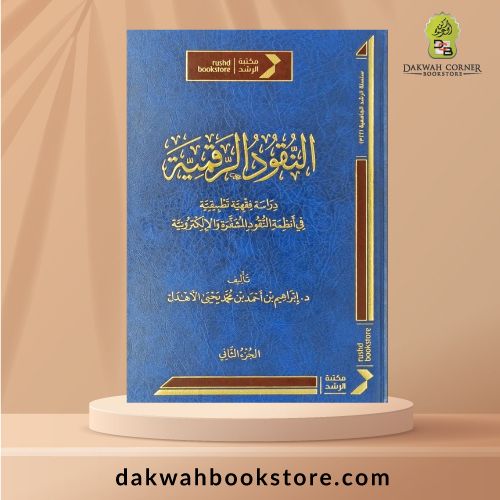
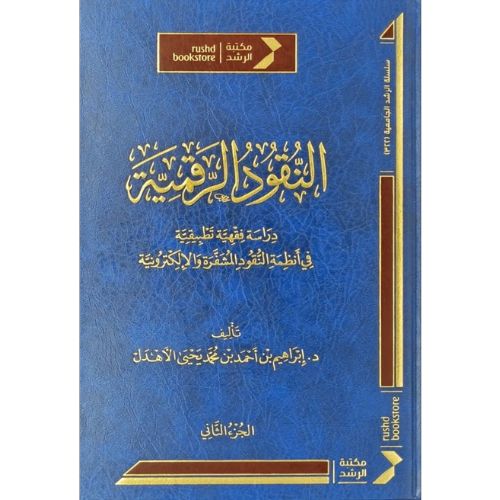
[AEF] Al-Nuqud al-Raqmiyyah / النقود الرقمية دراسة فقهية
Highlights:
النقود الرقمية دراسة فقهية
دراسة النقود الرقمية من منظور فقهي تتطلب التمييز بين أنواعها المختلفة، حيث يختلف الحكم الشرعي باختلاف الجهة المصدرة ومدى خضوعها للرقابة القانونية والمالية
RM220.00
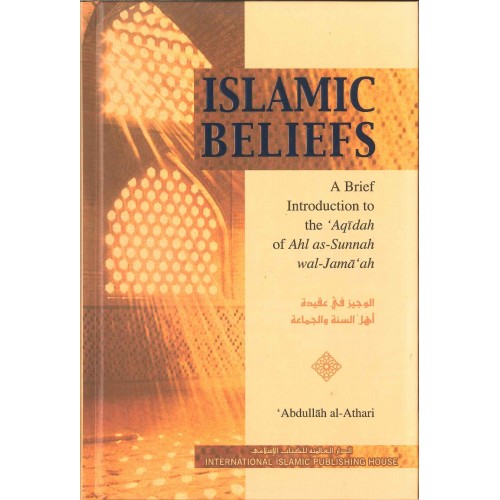
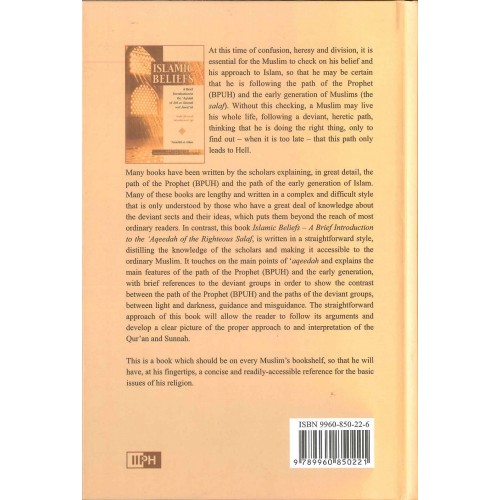
Islamic Beliefs
Highlights:
In this era of confusion, innovation, and division, it is essential for Muslims to monitor their beliefs and their approach to Islam, so that they may be certain that they are following the path of the Prophet (blessings and peace of Allah be upon him) and the early generation of pious Muslims (the salaf). Without careful attention, a Muslim may live his or her whole life following a deviant path filled with innovation, thinking that he or she is doing the right thing, only to find out – when it is too late – that this path only leads to hell. Islamic Beliefs: A Brief Introduction to the ‘Aqeedah of Ahl as-Sunnah wal-Jamâ‘ah is written in a straightforward style, distilling the knowledge of the scholars and making it accessible to the ordinary Muslim. It touches on the main points of ‘aqeedah (fundamental Islamic beliefs or creed) and explains the main features of the path of the Prophet (peace be upon him) and the early generation, with brief references to deviant groups in order to show the contrast between the path of the Prophet (peace be upon him) and the paths of the deviant groups, between light and darkness, guidance and misguidance. The straightforward approach of this book will allow the reader to follow its arguments and develop a clear picture of the proper approach to and interpretation of the Qur’an and the Sunnah. This is a book which should be on every Muslim’s bookshelf, so that they will have at their fingertips a concise and readily-accessible reference for the basic issues of their religion.
RM45.00
There are no reviews yet.